
Title
Disorders of Menstruation
Author
Edward W. Jenks, M.D., LL.D.
Image
Description
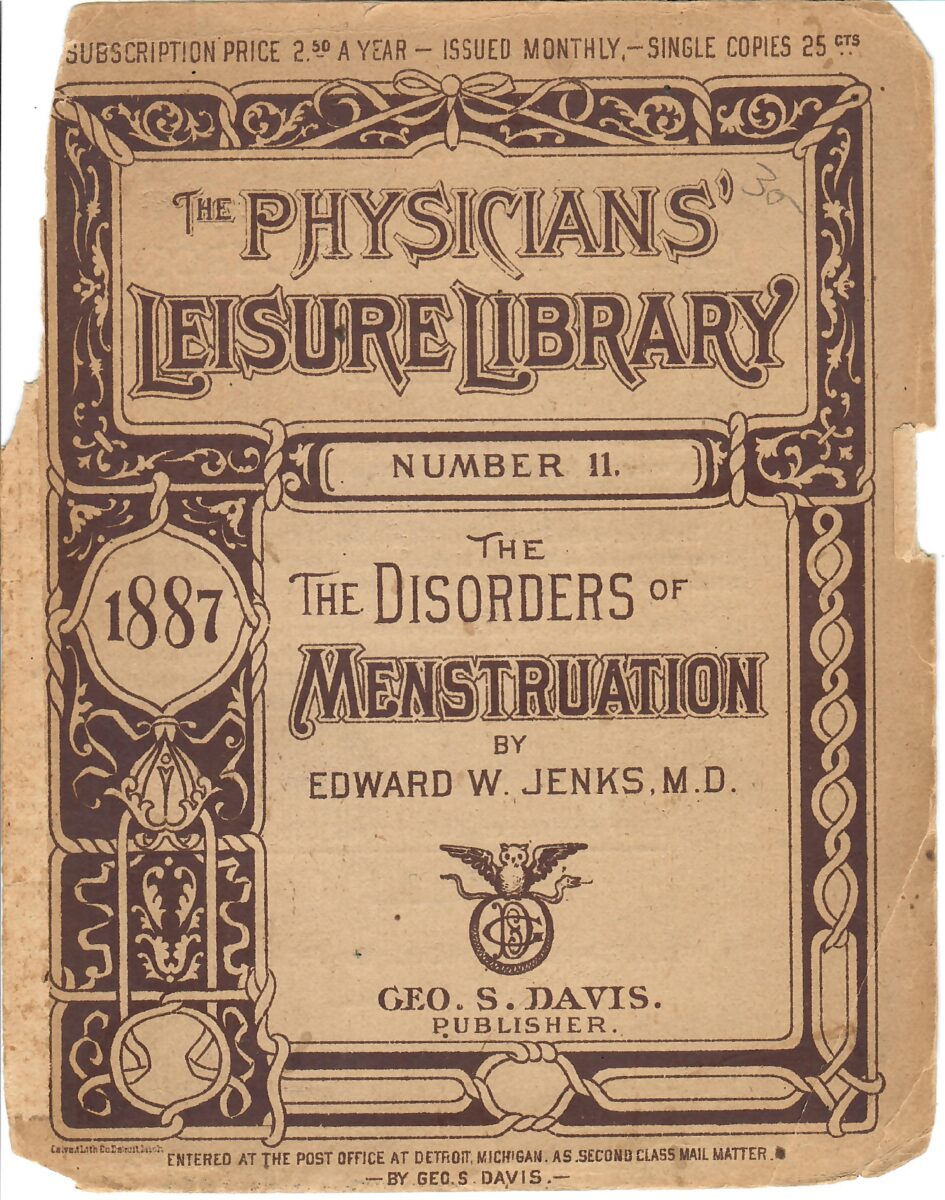
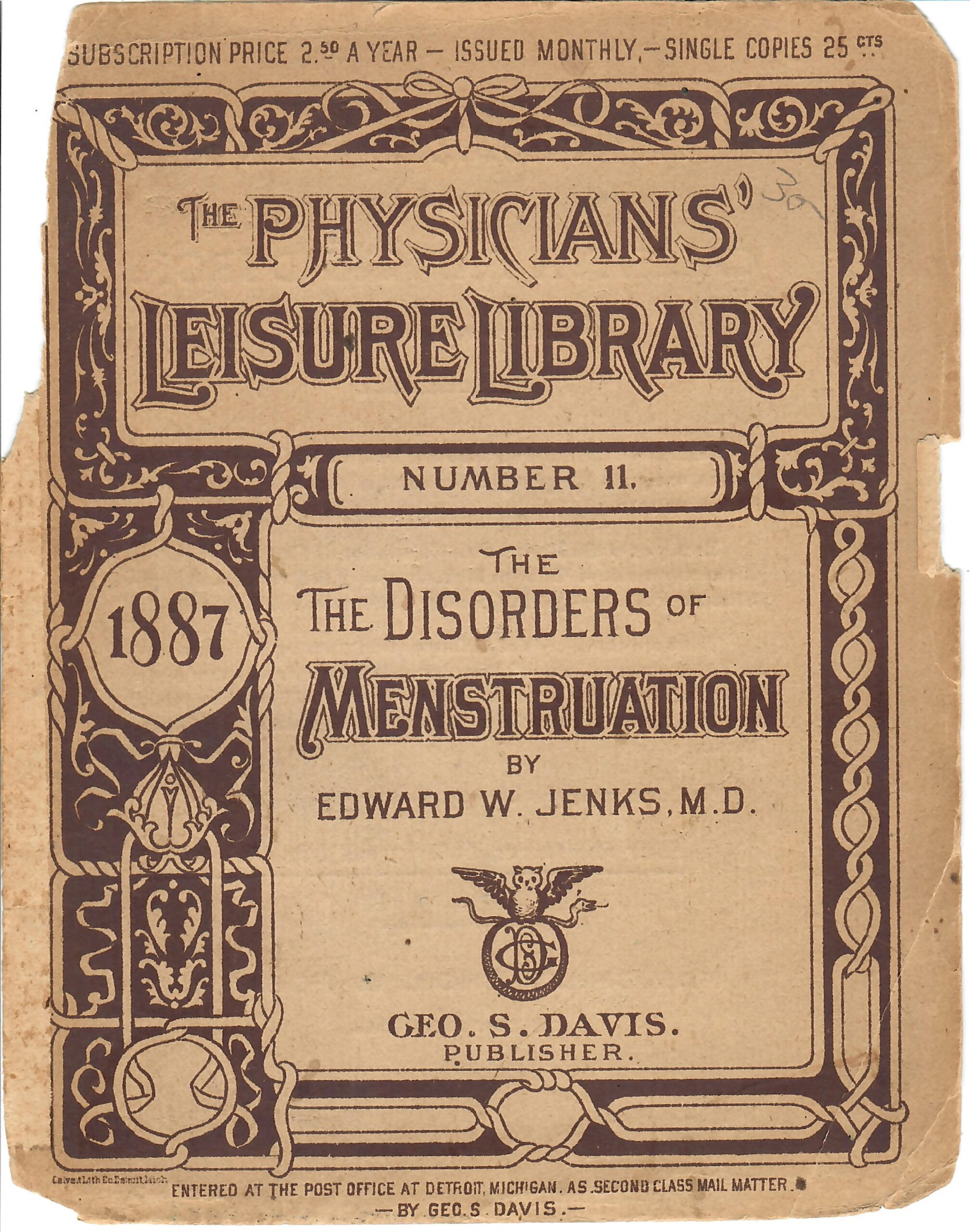
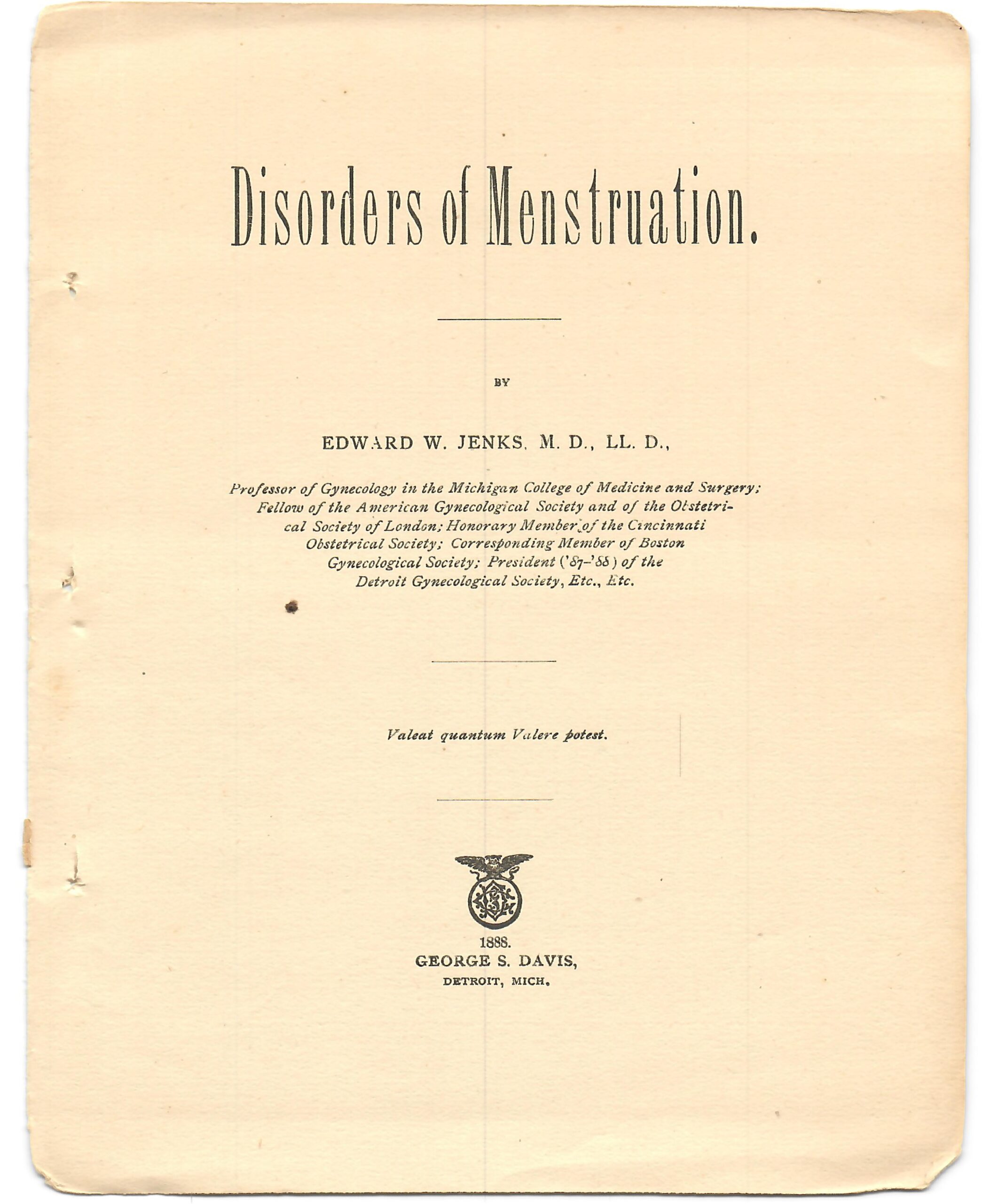
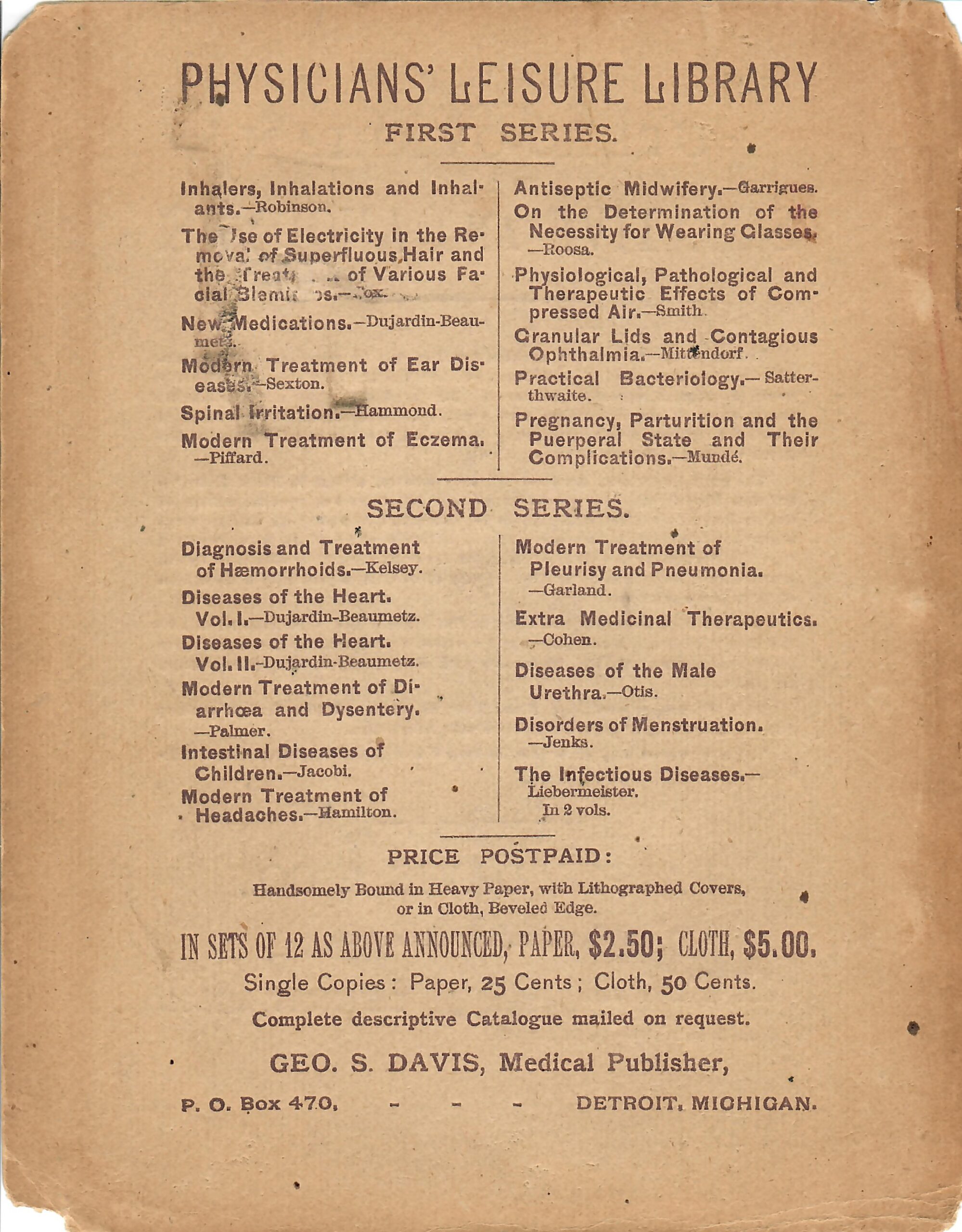
Disorders of Menstruation is an 1888 medical monograph authored by Edward W. Jenks and published in Detroit by George S. Davis as part of the Physicians’ Leisure Library, Second Series. This compact volume was intended as a practical reference for physicians managing gynecologic conditions, with a particular focus on menstrual irregularities including amenorrhea, dysmenorrhea, and menorrhagia.
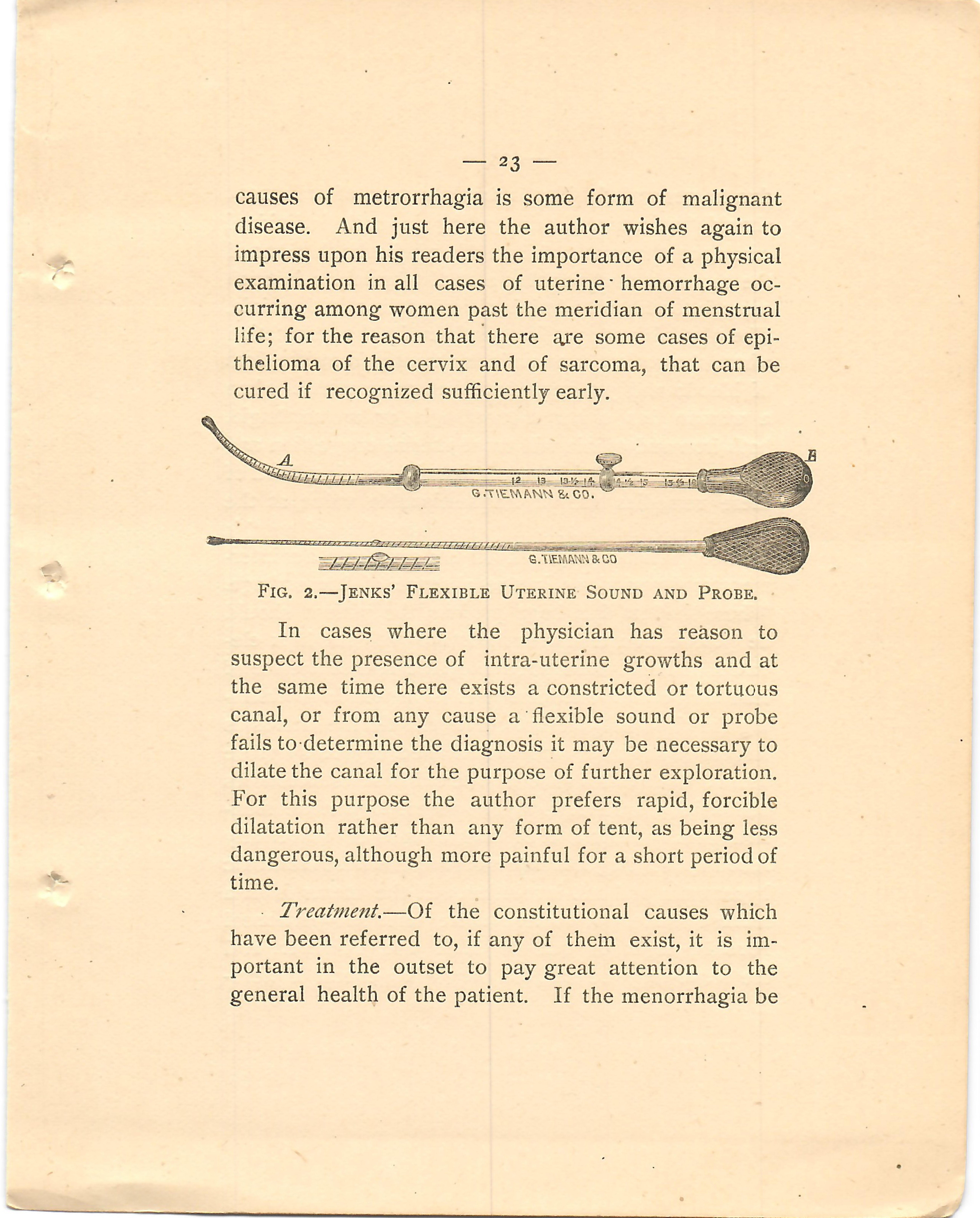
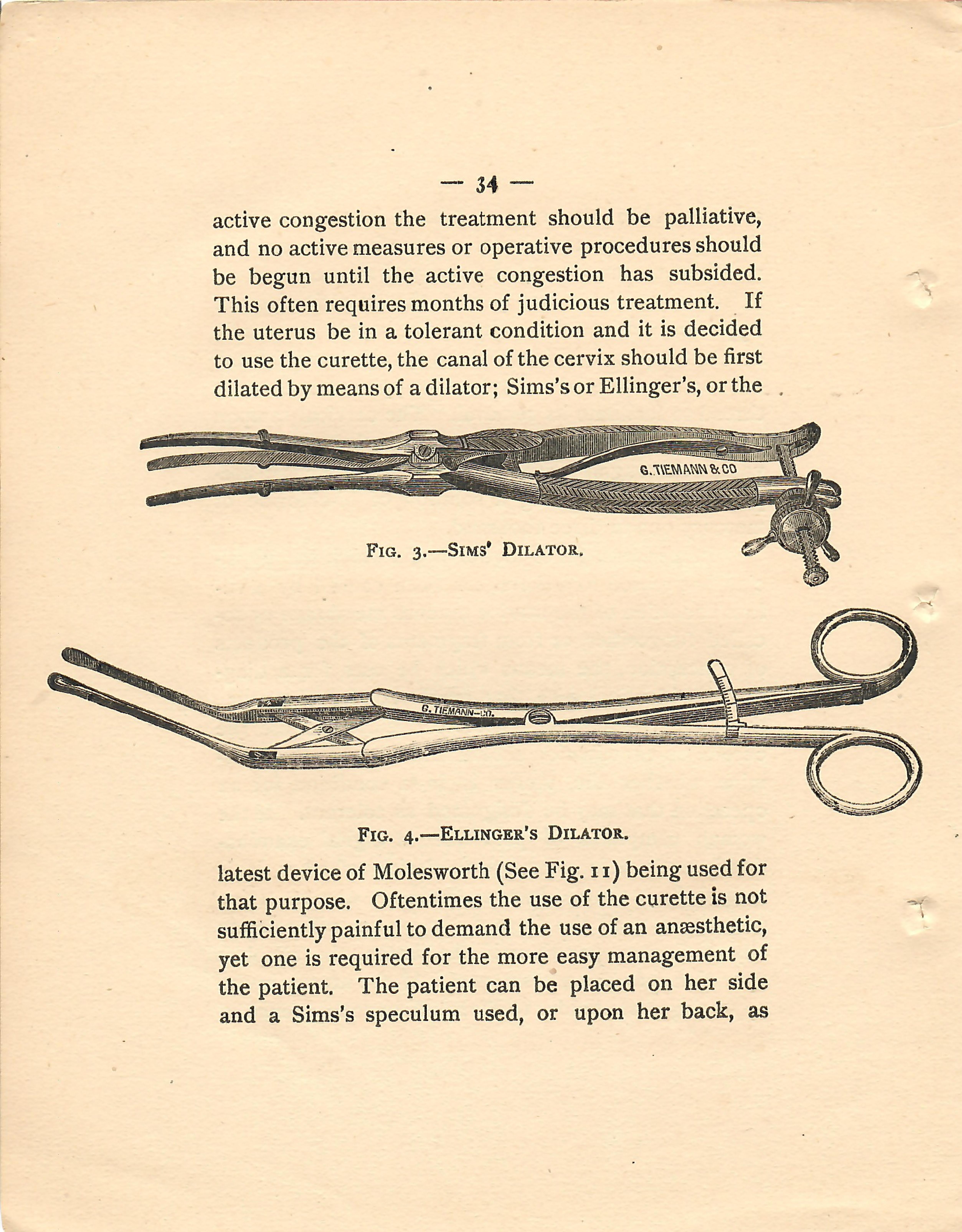
The text reflects late 19th-century gynecologic practice, blending emerging scientific understanding with therapeutic approaches that now appear aggressive or antiquated. Treatments described include pharmacologic interventions using compounds such as iodine, arsenic, strychnine, and opiates, as well as mechanical and surgical techniques including cervical dilation and uterine instrumentation.
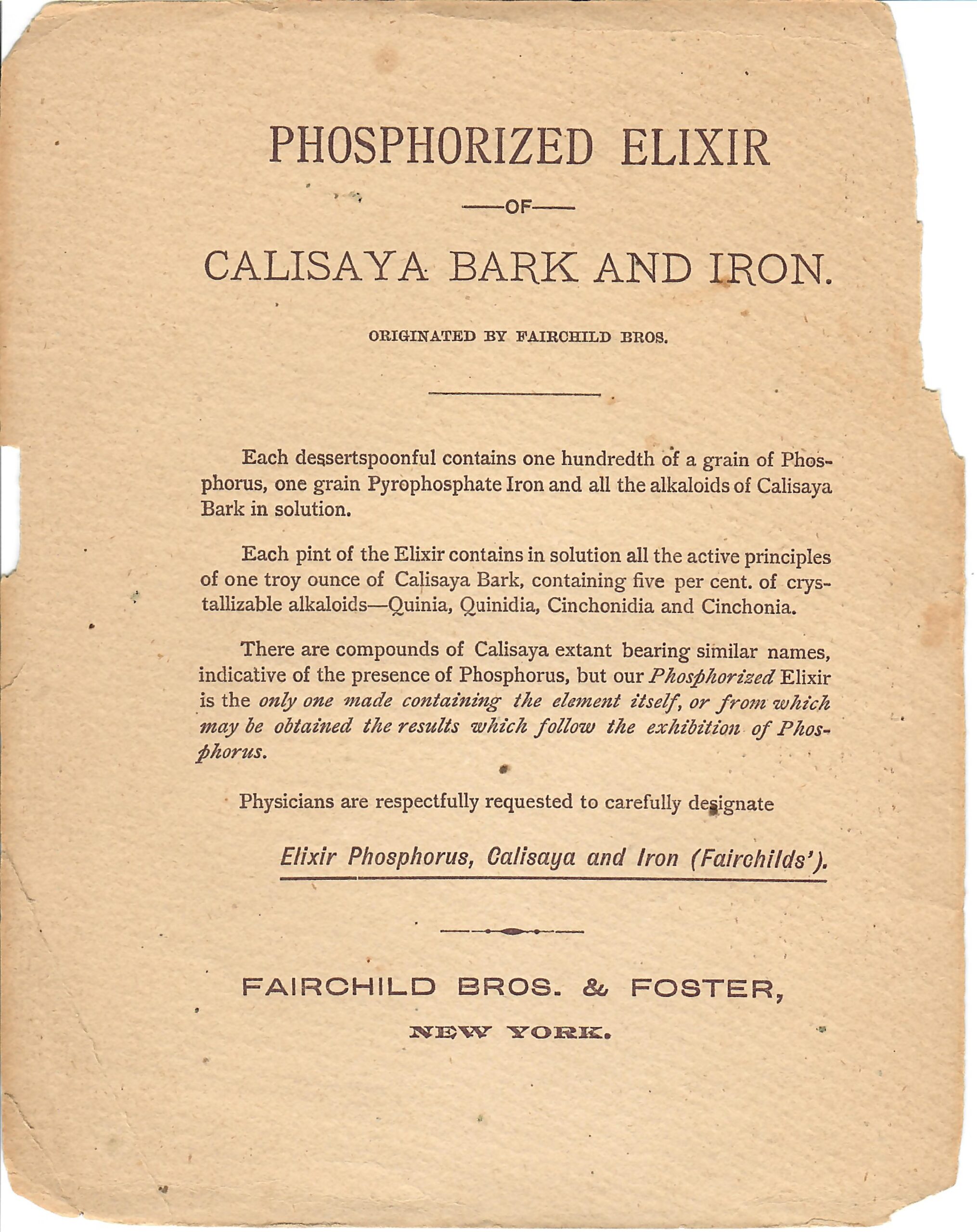
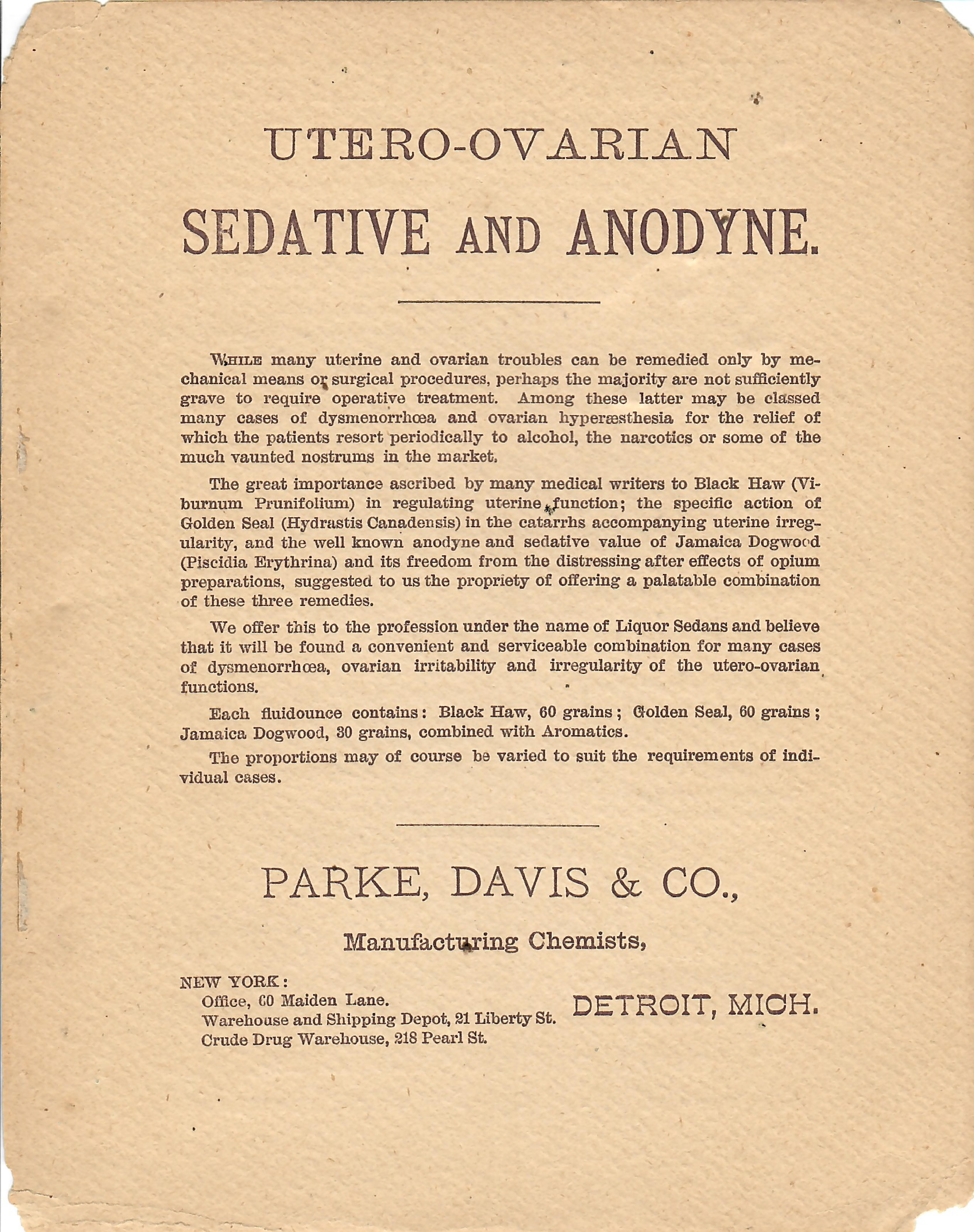
The book is notable not only for its clinical content but also for its pharmaceutical advertisements, including products from Parke, Davis & Co. and Fairchild Bros. & Foster. These advertisements provide valuable insight into the commercial side of medicine during this era, when standardized drug manufacturing was still developing and therapeutic claims were often broad and loosely regulated.
Condition
Digitally preserved copy created from a disbound and scanned original. Pages were individually scanned, reassembled into a PDF, and processed with OCR for full text searchability. Original binding condition not retained due to digitization process.
Gallery
Historical context
By the late 1800s, gynecology was emerging as a defined medical specialty, but much of its practice remained rooted in empirical observation rather than modern evidence-based medicine. Menstrual disorders were often attributed to systemic imbalances, nervous conditions, or uterine pathology, and treatments frequently reflected these assumptions.
This period also represents a transitional phase in pharmacology. Companies such as Parke-Davis were beginning to standardize drug preparations, but regulation was minimal, and many compounds in common use would later be recognized as toxic or ineffective. Works like this illustrate both the progress and the limitations of medicine at the time.
Curious Facts, Ephemera, and Trivia
- Part of the Physicians’ Leisure Library, a serialized medical publication designed to provide affordable continuing education for physicians.
- Includes pharmaceutical advertisements featuring early branded drug formulations, including “Liquor Sedans” by Parke, Davis & Co.
- Reflects a time when substances such as arsenic and strychnine were considered legitimate therapeutic agents.
- Demonstrates the overlap between gynecology and “nervous disorders,” a common diagnostic framework in 19th-century medicine.
Excerpt
“In chlorotic and anemic patients, particularly in
the former, other remedies than iron are required,
arsenic and strychnia being frequently of great ser
vice;” Pg. 6
Why it is in the Cabinet
This work represents a snapshot of gynecology at a pivotal moment in medical history — a period when physicians were actively trying to move beyond tradition but had not yet reached modern scientific standards. It highlights both the ingenuity and the limitations of 19th-century medicine and serves as a reminder of how far clinical practice has evolved.
Digital Access:
Download the full scanned PDF from this site or view the preserved archival copy via the Internet Archive: https://archive.org/details/disorders-of-menstruation
Support Dr. Bebout’s Cabinet of Medical Curiosities
If you enjoy the history, the oddities, and the effort, help keep this cabinet open. Every little bit helps preserve and share the strange wonders of medicine's past.
Buy Me a Ko-fi ☕ Buy Me a Coffee ☕ Tip via PayPal 💵