
Title
Diseases of the Rectum and Anus
Author
Charles B. Kelsey, M.D.
Image
Description
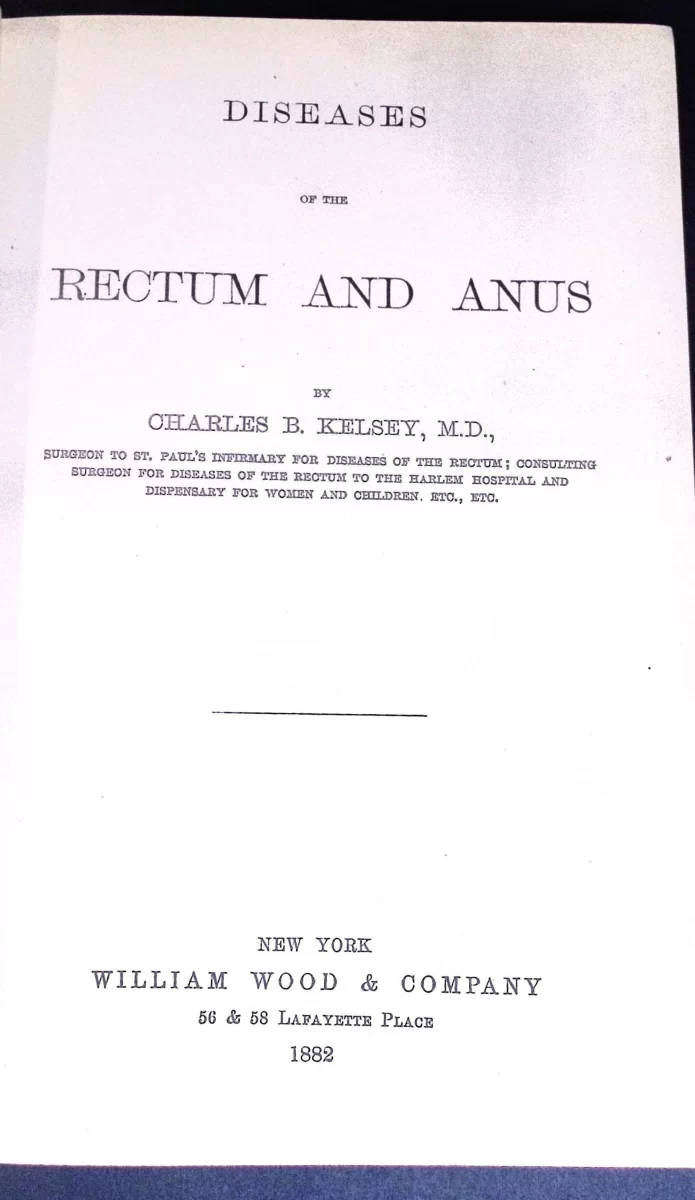
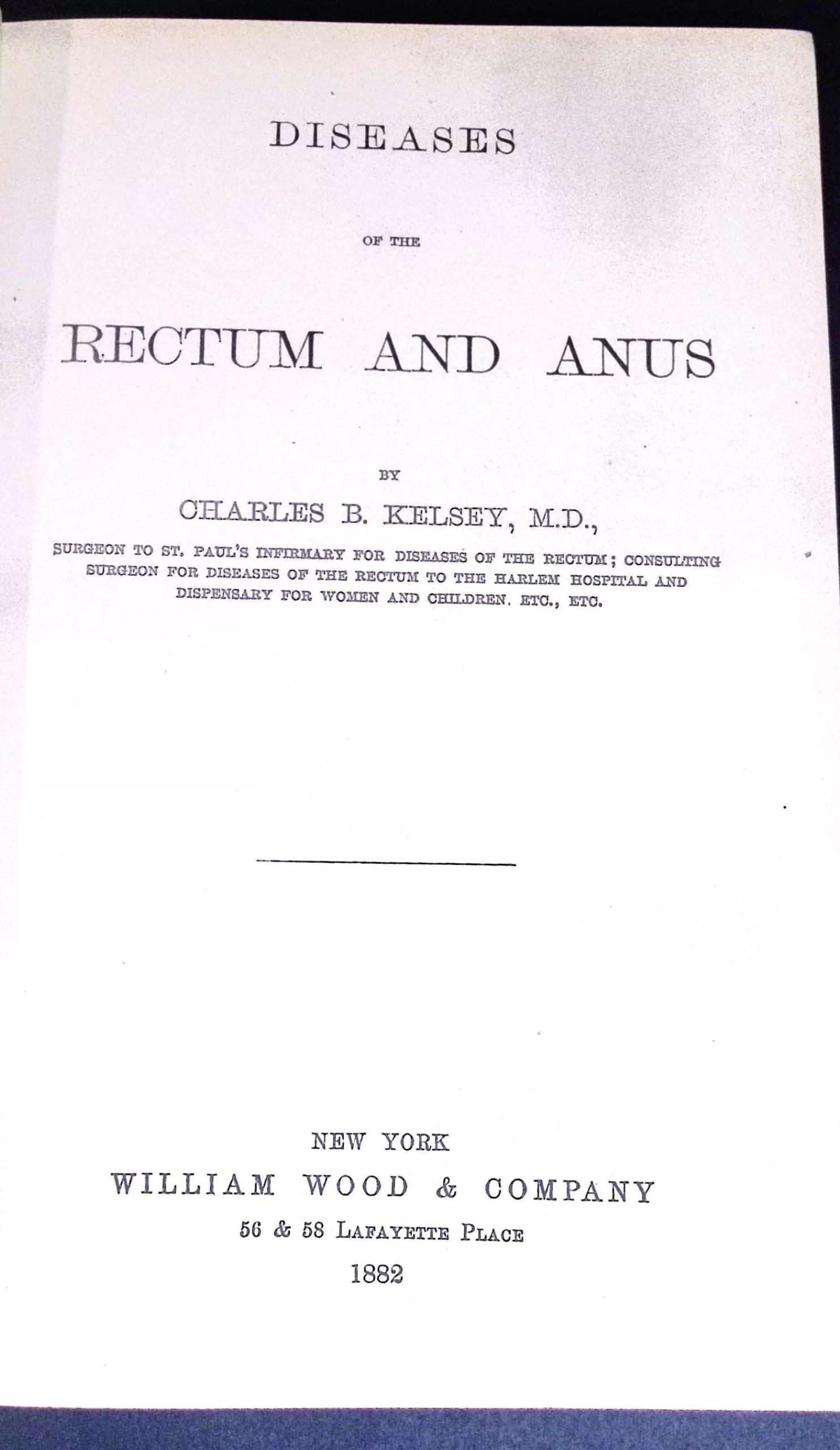
Published in 1882 by William Wood & Company, Diseases of the Rectum and Anus is an early American specialty surgical text devoted entirely to anorectal disease. Written by New York surgeon Charles B. Kelsey, the work covers the anatomy, diagnosis, and treatment of hemorrhoids, fistulae, fissures, prolapse, strictures, abscesses, malignant disease, and other disorders of the lower bowel.
The volume reflects a period when surgical specialization was beginning to emerge as a distinct branch of medicine. Kelsey was among the physicians helping establish proctology as its own field, and the text demonstrates the increasingly sophisticated understanding of anorectal disease in the late nineteenth century.
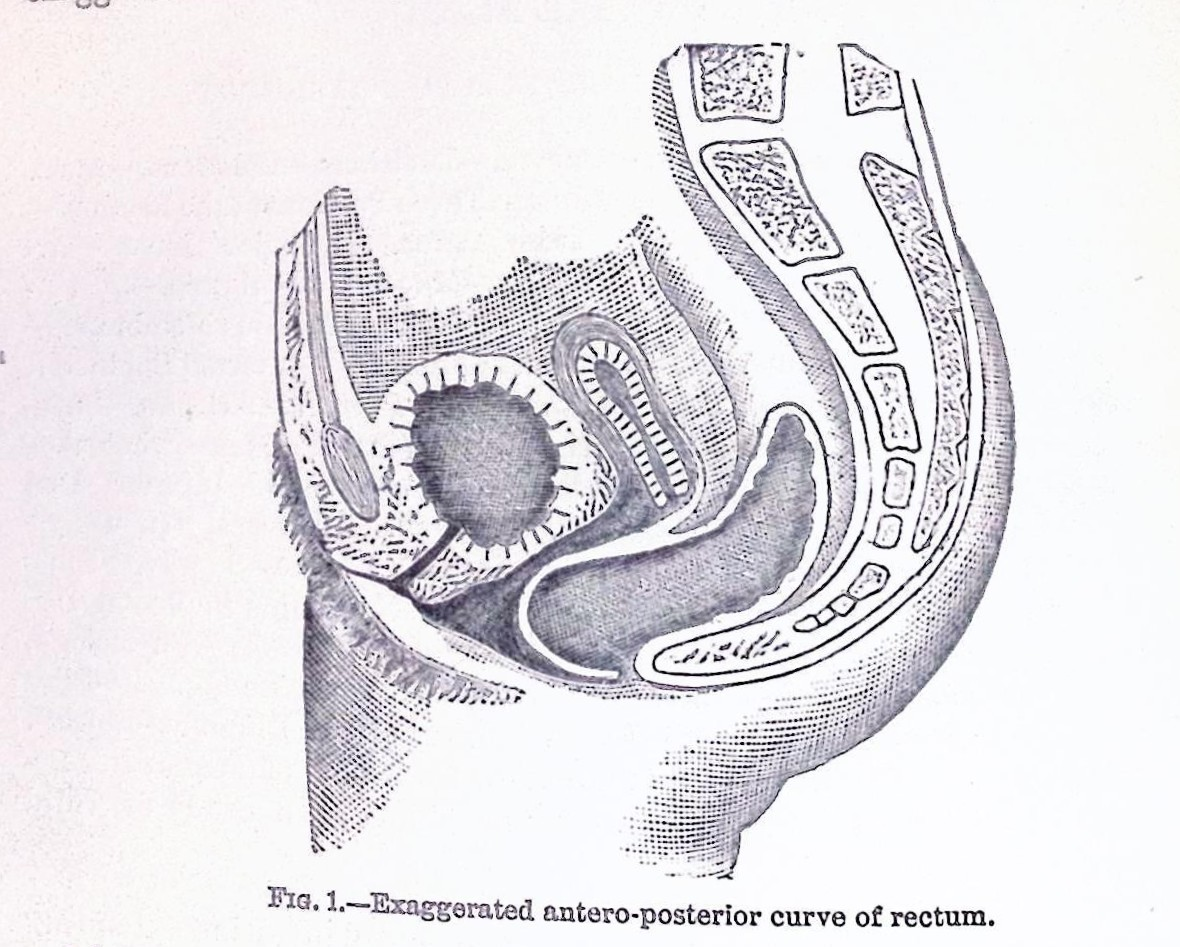
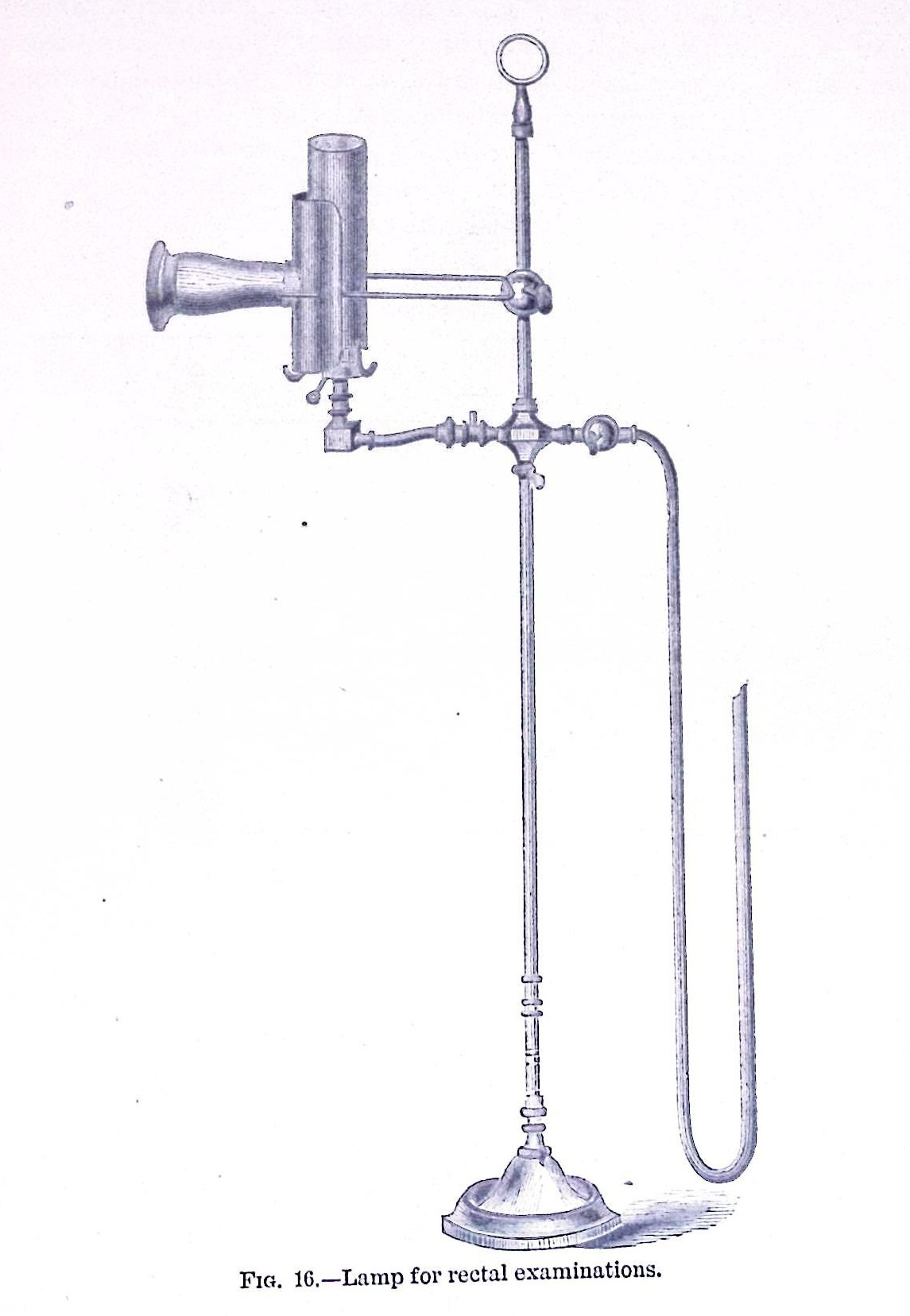
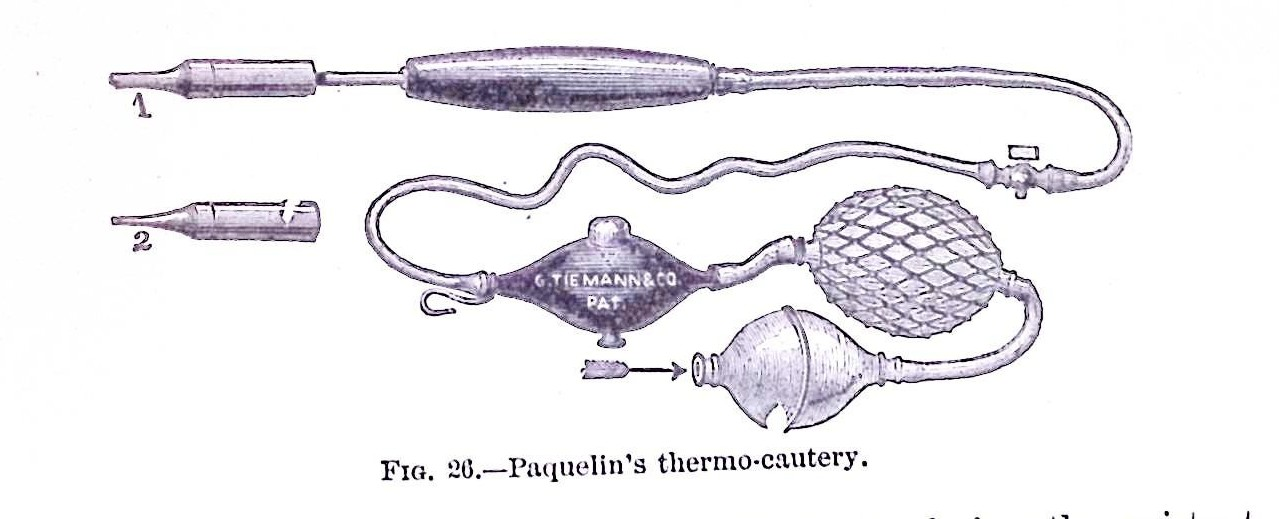
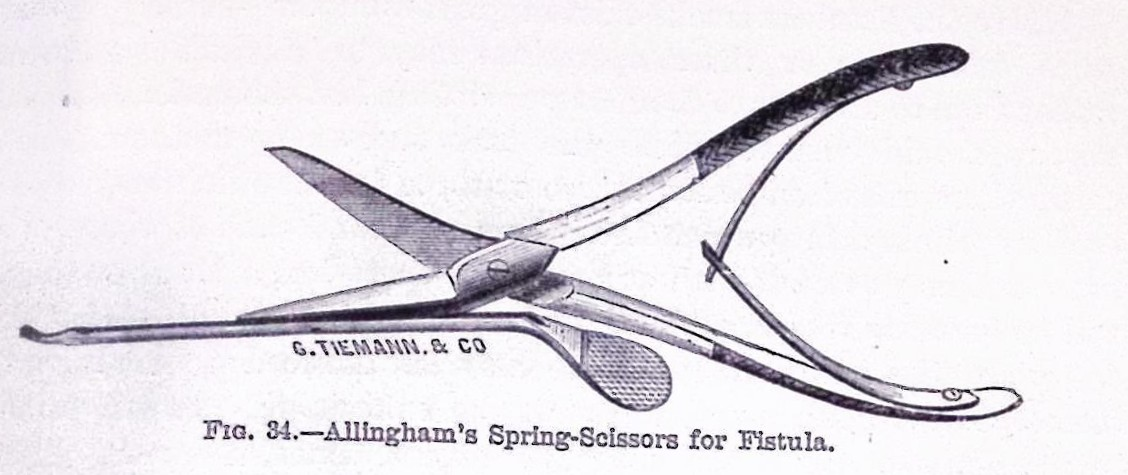
Illustrations throughout the book depict anatomy, examination equipment, surgical instruments, cautery devices, and operative techniques. Particularly notable are illustrations of Paquelin’s thermo-cautery, specialized fistula scissors, and examination lighting apparatus used before widespread electric illumination.
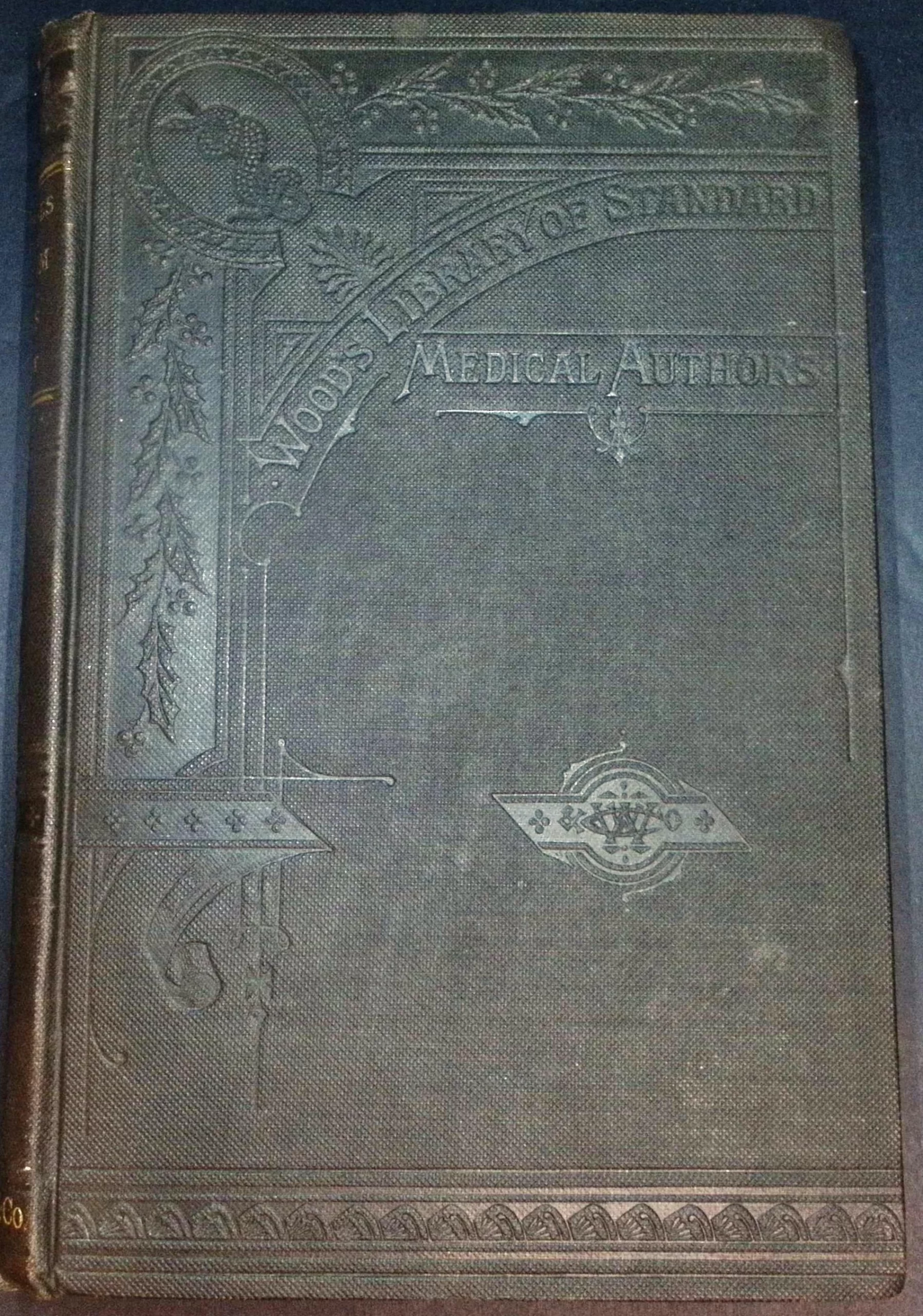
Bound in decorative publisher’s cloth, this volume was issued as part of the broader William Wood medical publishing program that supplied physicians with current specialty texts during the late Victorian era.
Condition
Good antique condition. Original publisher’s cloth binding with gilt spine lettering. Typical age-related wear consistent with an 1882 medical reference volume. Interior pages remain readable with illustrations intact.
Gallery

Historical context
By the 1880s surgery was rapidly evolving due to the adoption of anesthesia and antiseptic techniques. Conditions that had previously been managed conservatively or ignored could increasingly be treated surgically. Specialized texts such as Kelsey’s work demonstrate the growing trend toward physicians concentrating on specific organ systems and disease categories.
Curious Facts, Ephemera, and Trivia
- Charles B. Kelsey was one of the earliest American physicians known primarily for diseases of the rectum.
- The book contains illustrations of Paquelin’s thermo-cautery, a device that used heated platinum tips to destroy tissue and control bleeding.
- Several instruments illustrated within the volume were manufactured by George Tiemann & Company, one of the most important American surgical instrument makers of the nineteenth century.
- The rectal examination lamp shown in the text predates routine electric examination lighting and represents the ingenuity required for internal examinations during the Victorian era.
- Although modern readers often associate anorectal disease primarily with hemorrhoids, nineteenth-century surgeons routinely treated fistulae, prolapse, strictures, abscesses, tuberculosis, syphilitic lesions, and cancers of the rectum.
Excerpt
“The surgery of the rectum has within recent years assumed a position of importance which it did not formerly occupy.”
Why it is in the Cabinet
This volume represents the rise of medical specialization during the late nineteenth century. While many surviving medical books discuss general practice, Kelsey’s work focuses entirely on a single anatomical region and the diseases affecting it. The detailed illustrations of anatomy, instruments, and operative technology provide a fascinating glimpse into Victorian surgical practice and make the book an excellent example of early specialty medicine.
Digital Copy and Online Access
A digital edition of this work is available through the Internet Archive and other public-domain repositories. Readers interested in studying the complete text, illustrations, and original formatting may access or download a scanned copy through the link below.
Internet Archive: Diseases of the Rectum and Anus
Additional Notes:
This edition is in the public domain. Availability and scan quality may vary between repositories. Researchers are encouraged to compare multiple digital copies when available.
Support Dr. Bebout’s Cabinet of Medical Curiosities
If you enjoy the history, the oddities, and the effort, help keep this cabinet open. Every little bit helps preserve and share the strange wonders of medicine's past.
Buy Me a Ko-fi ☕ Buy Me a Coffee ☕ Tip via PayPal 💵