
Title
Antisepsis and Antiseptics
Author
Dr. R. R. Buchanan
Image
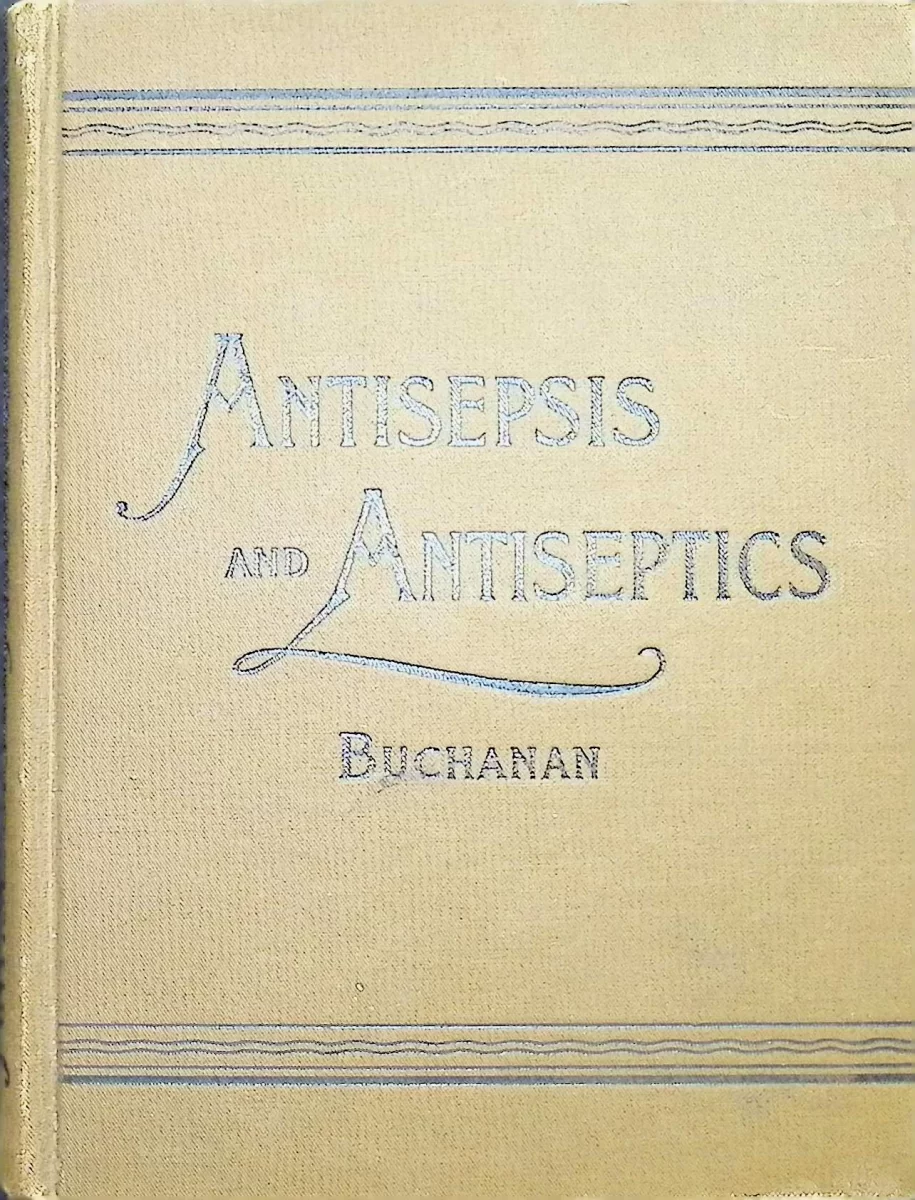
Description
Published in 1895, Antisepsis and Antiseptics by Dr. R. R. Buchanan is a concise and practical guide to surgical antiseptic technique. Endorsed in an introduction by prominent St. Louis surgeon Augustus Charles Bernays, this volume represents a transitional moment in the history of surgery — when germ theory had taken hold, but standardized antiseptic protocol was still evolving.
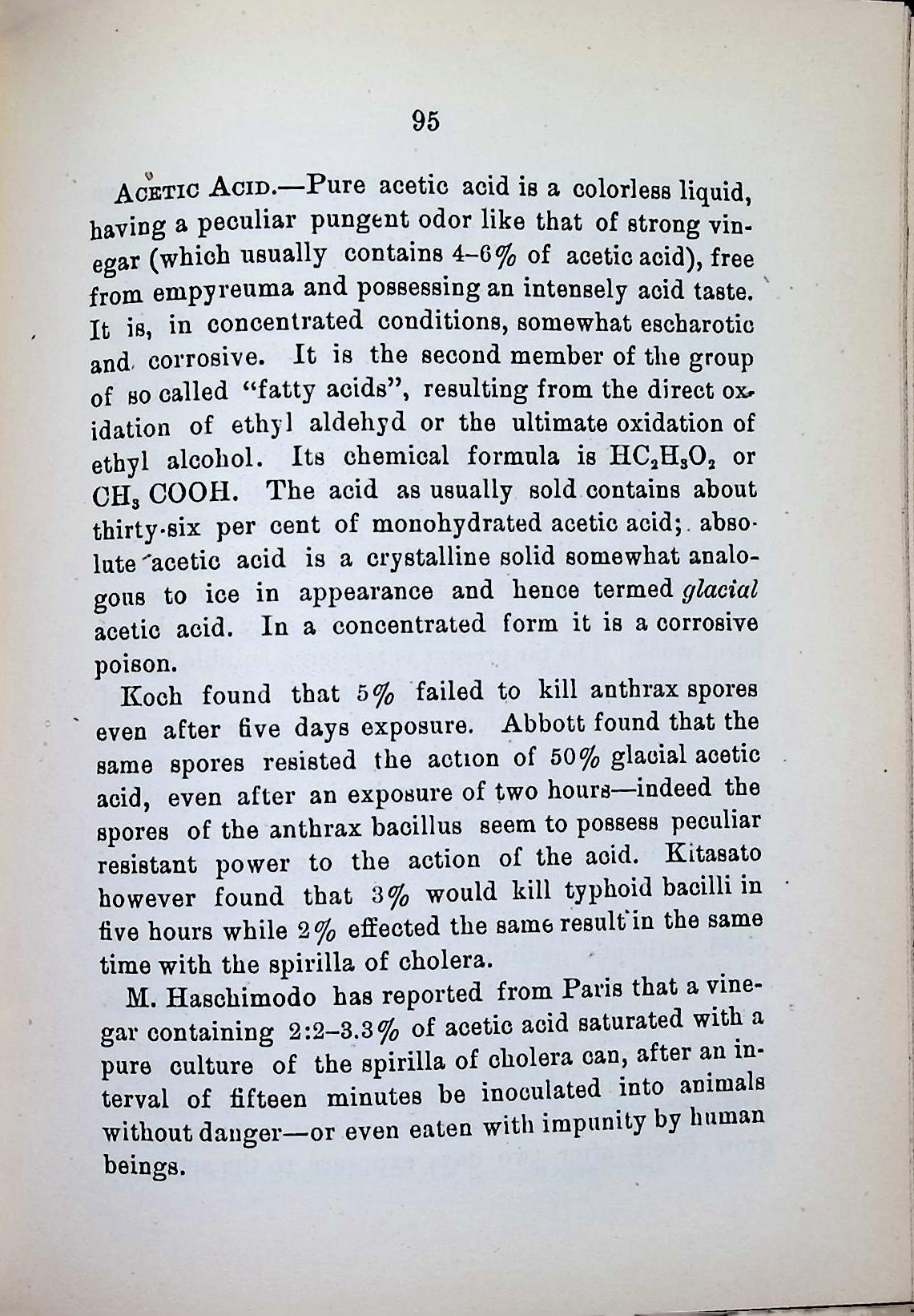
The book covers chemical disinfectants, surgical wound care, aseptic technique, and procedures for reducing infection in clinical settings. Its tone is utilitarian and instructional, emphasizing repeatable procedures and chemical specifics such as acetic acid concentrations used against anthrax and typhoid spores. It was likely written for practicing physicians and medical students seeking to modernize their operative technique.
Condition
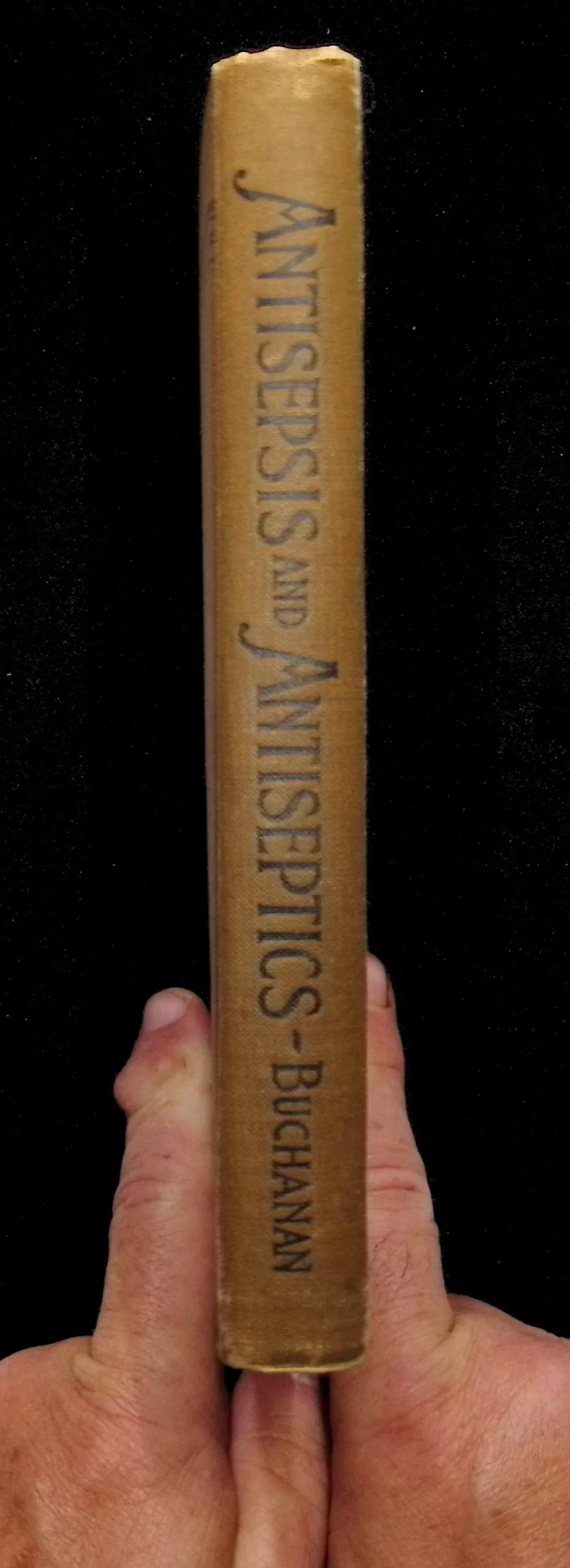
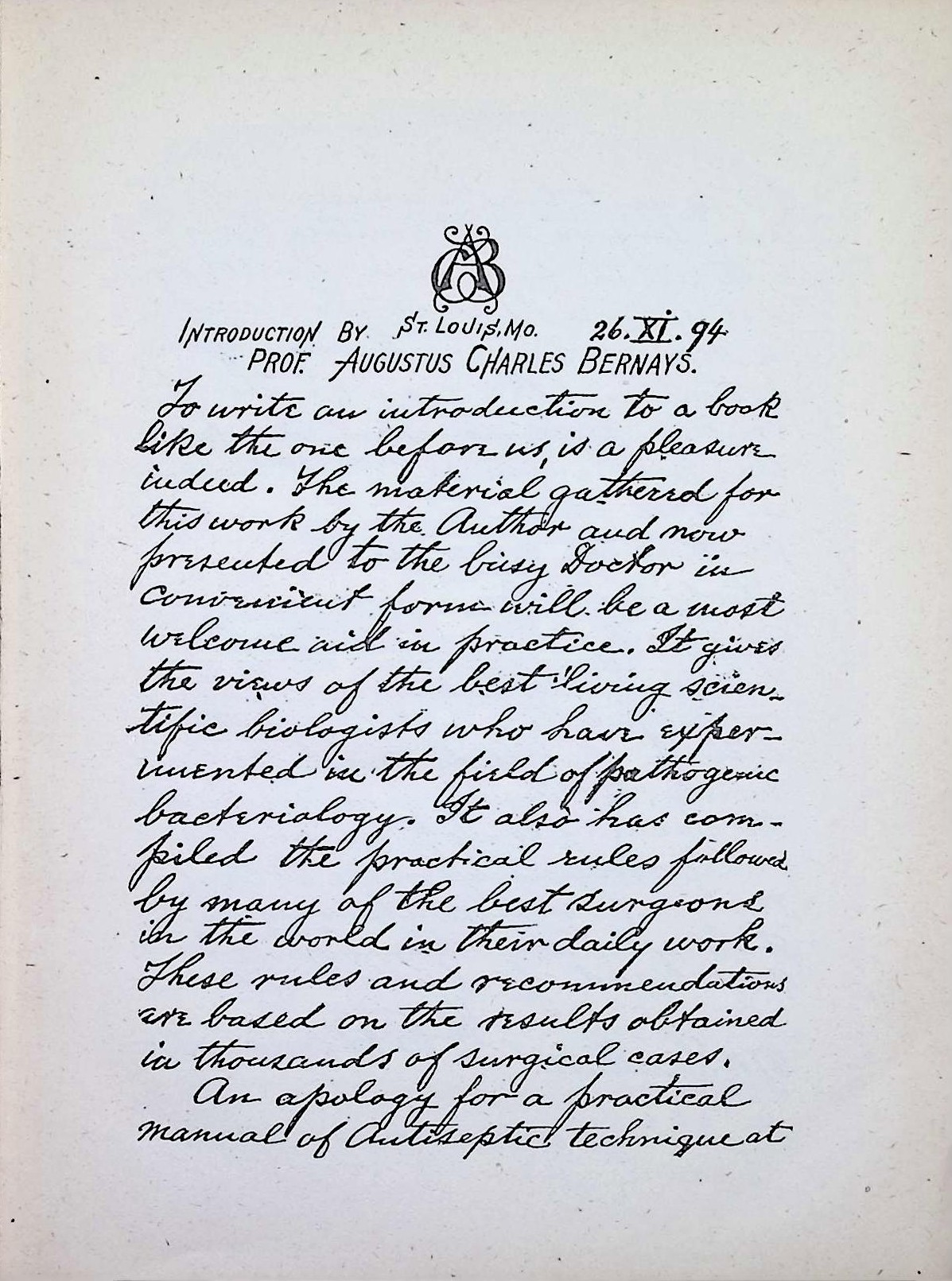
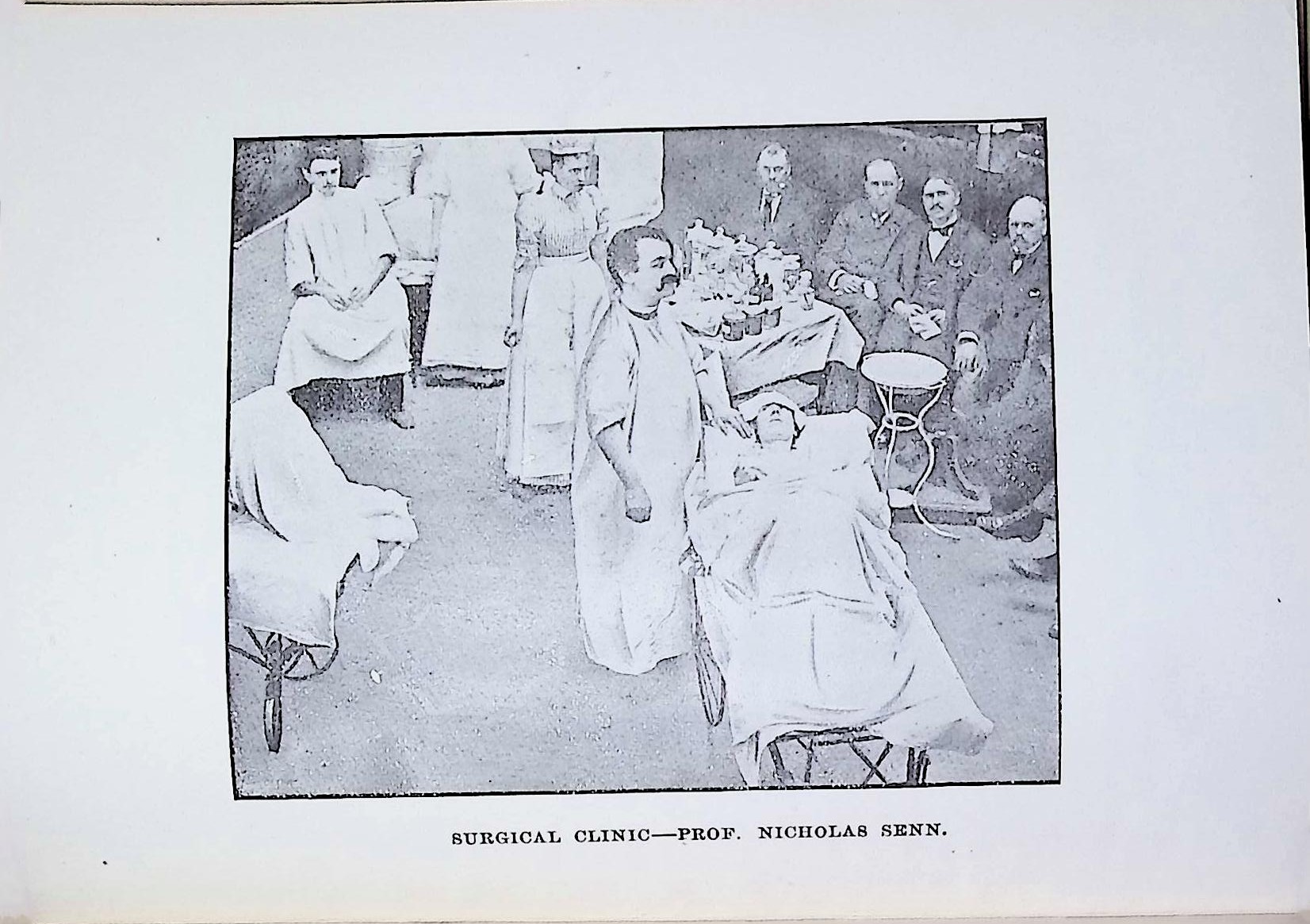
Tan clothbound hardcover with stylized blue stamped title on front and spine. Spine rounded with moderate wear to crown and foot. Slight darkening and abrasion noted on spine. Interior pages intact and crisp with minor foxing on early pages. Includes frontispiece image of surgical clinic (Prof. Nicholas Senn) and handwritten introductory letter in facsimile script.
Gallery


Historical context
The late 19th century marked a shift from miasmatic theories of infection toward bacteriology and sterile technique. Joseph Lister’s carbolic acid methods had begun to reshape surgery in Europe and North America. Buchanan’s Antisepsis and Antiseptics emerged during a race to disseminate best practices across the medical profession.
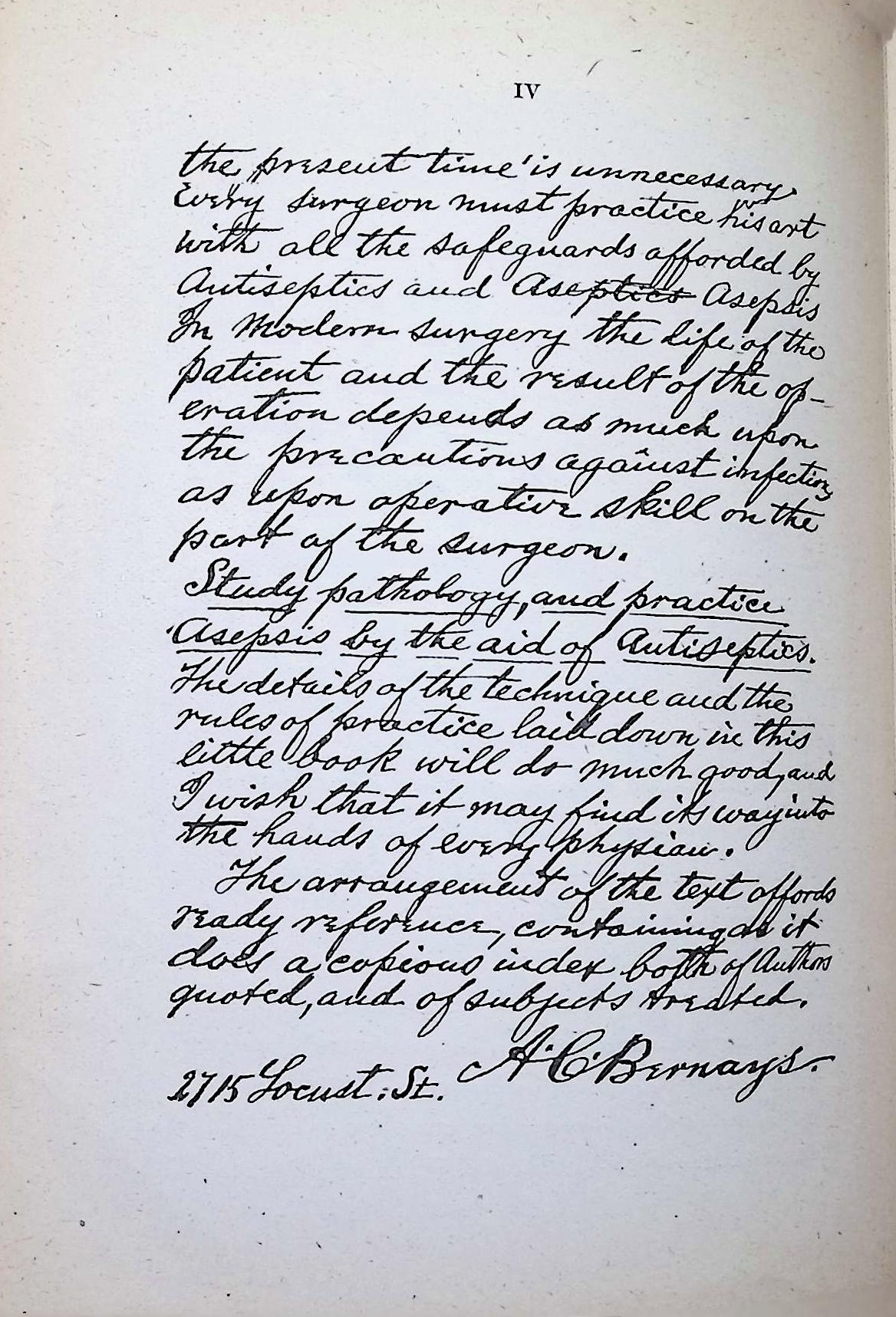
The book’s handwritten introduction by Dr. Bernays praises it for summarizing the latest insights in pathological bacteriology and distilling the practical protocols being adopted by leading surgeons. Buchanan’s work would have helped transition countless physicians into aseptic practice before the widespread use of gloves, antibiotics, or modern sterilizers.
Curious Facts, Ephemera, and Trivia
The book directly cites acetic acid as an agent for killing anthrax and cholera — a reminder of how early antisepsis often relied on kitchen chemistry and empirical trial.
A facsimile introduction by Augustus Charles Bernays — considered one of America’s top surgeons at the time — praises the manual as “an apology for a practical manual of antiseptic technique at the present time.”
Includes clinical photo of Prof. Nicholas Senn, a pioneering American surgeon and early antiseptic advocate.
Excerpt
“The life of the patient and the result of the operation depends as much upon the precautions against infection as upon operative skill on the part of the surgeon.”
— Prof. A. C. Bernays, Introduction, Nov. 26, 1894
Why it is in the Cabinet
This book serves as a physical artifact of the antiseptic revolution — when scientific discovery and clinical trial began converging into organized surgical standards. It captures the urgency and pride of a generation striving to reduce mortality through chemistry, precision, and procedural rigor. Its practical value and historical place in the timeline of surgical safety earn it a spot in the Cabinet.
Support Dr. Bebout’s Cabinet of Medical Curiosities
If you enjoy the history, the oddities, and the effort, help keep this cabinet open. Every little bit helps preserve and share the strange wonders of medicine's past.
Buy Me a Ko-fi ☕ Buy Me a Coffee ☕ Tip via PayPal 💵