
Title
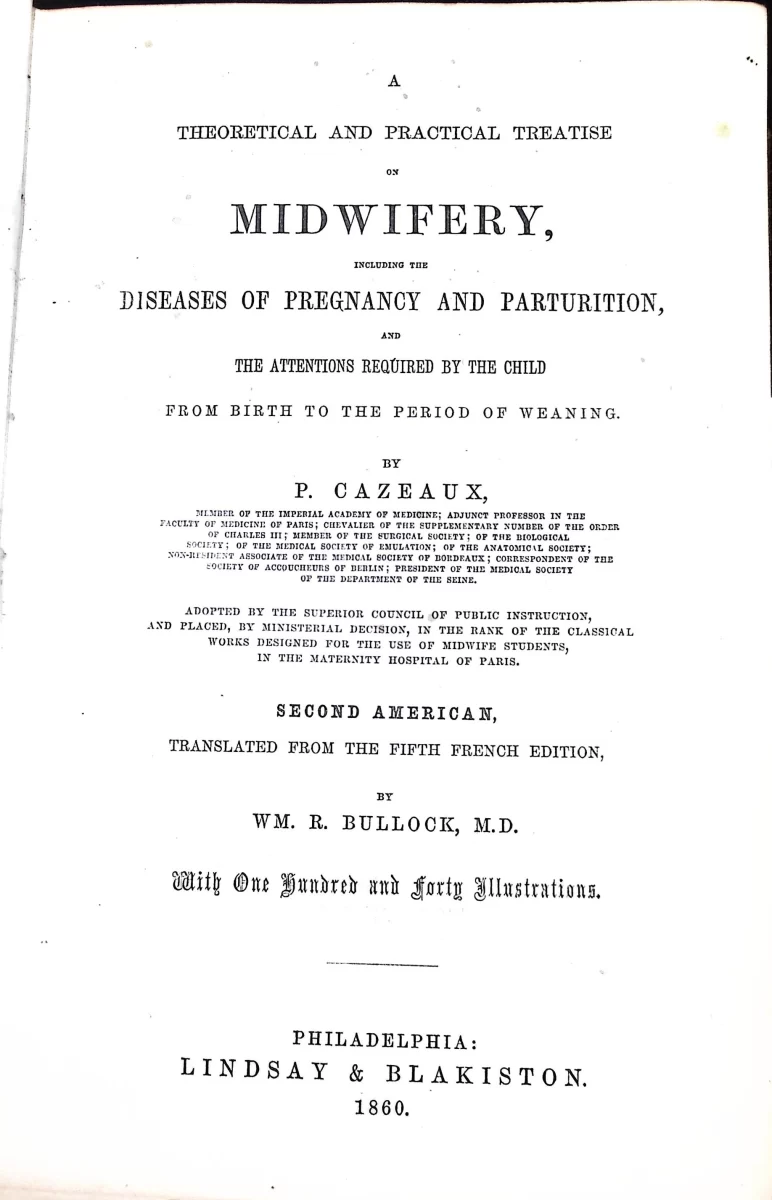
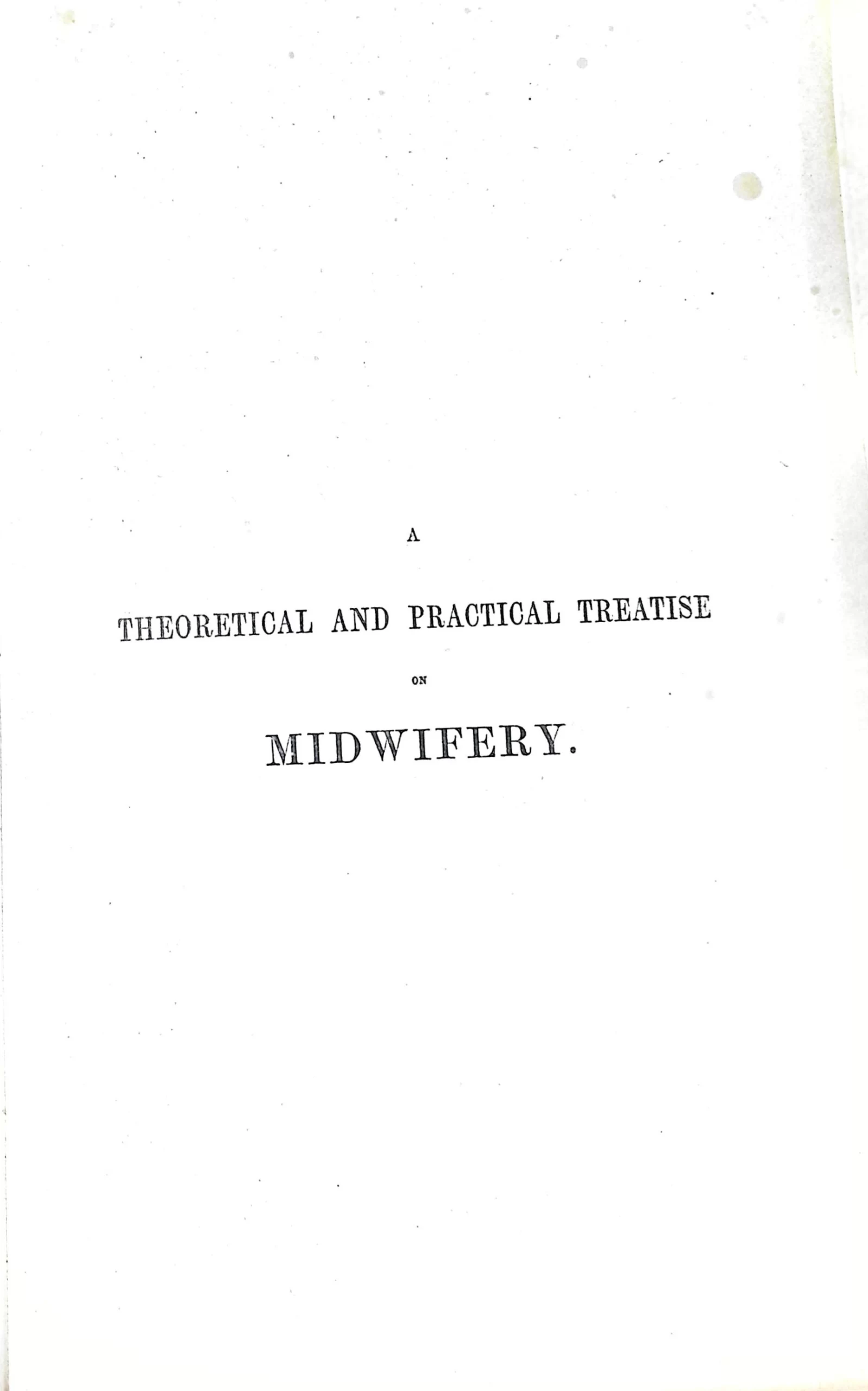
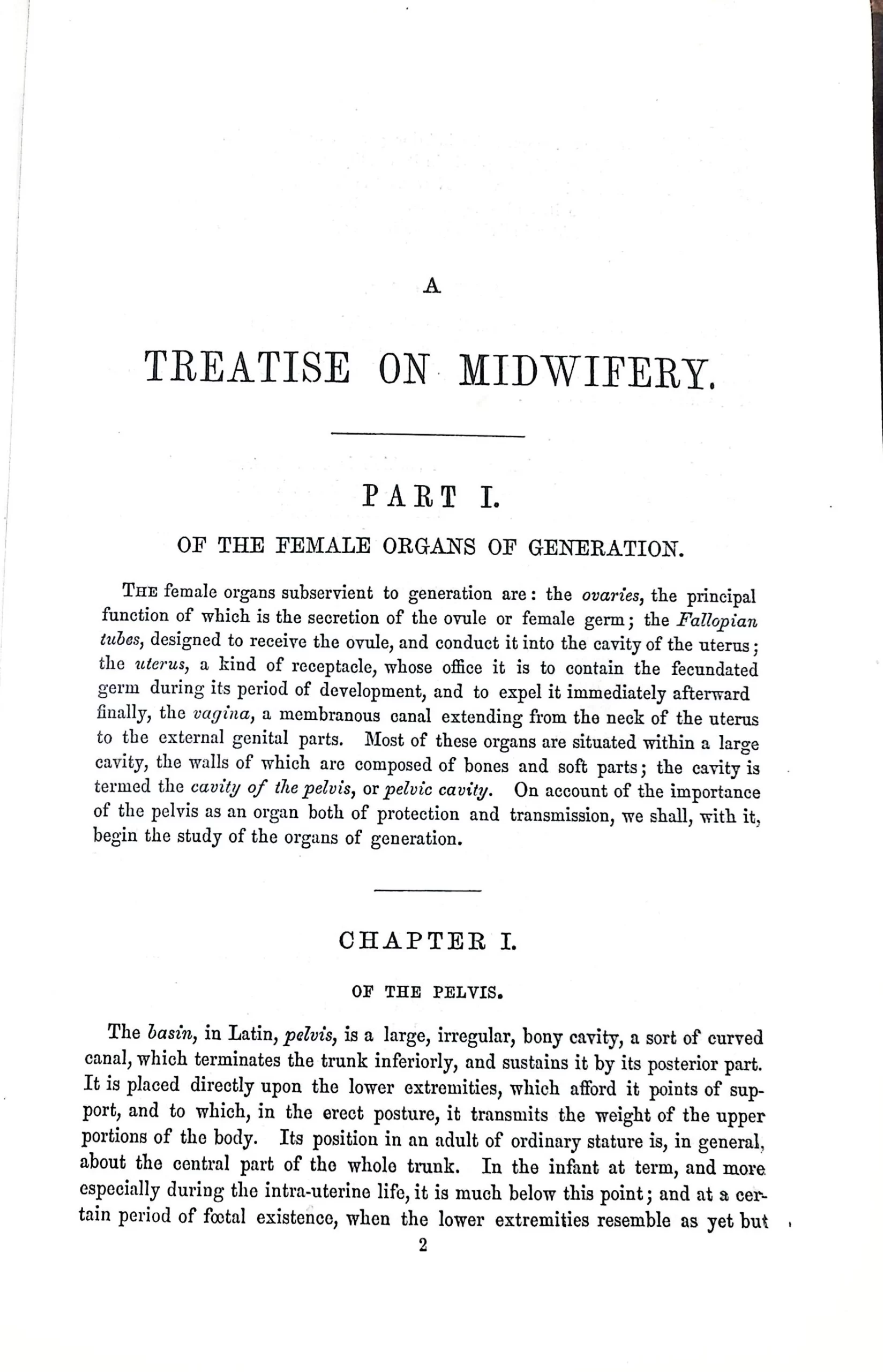
An 1860 Second American edition of Cazeaux’s Treatise on Midwifery, a foundational obstetrics text used in 19th-century medical education.
Author
P. Cazeaux
Translated by Wm. R. Bullock, M.D.
Image
Description
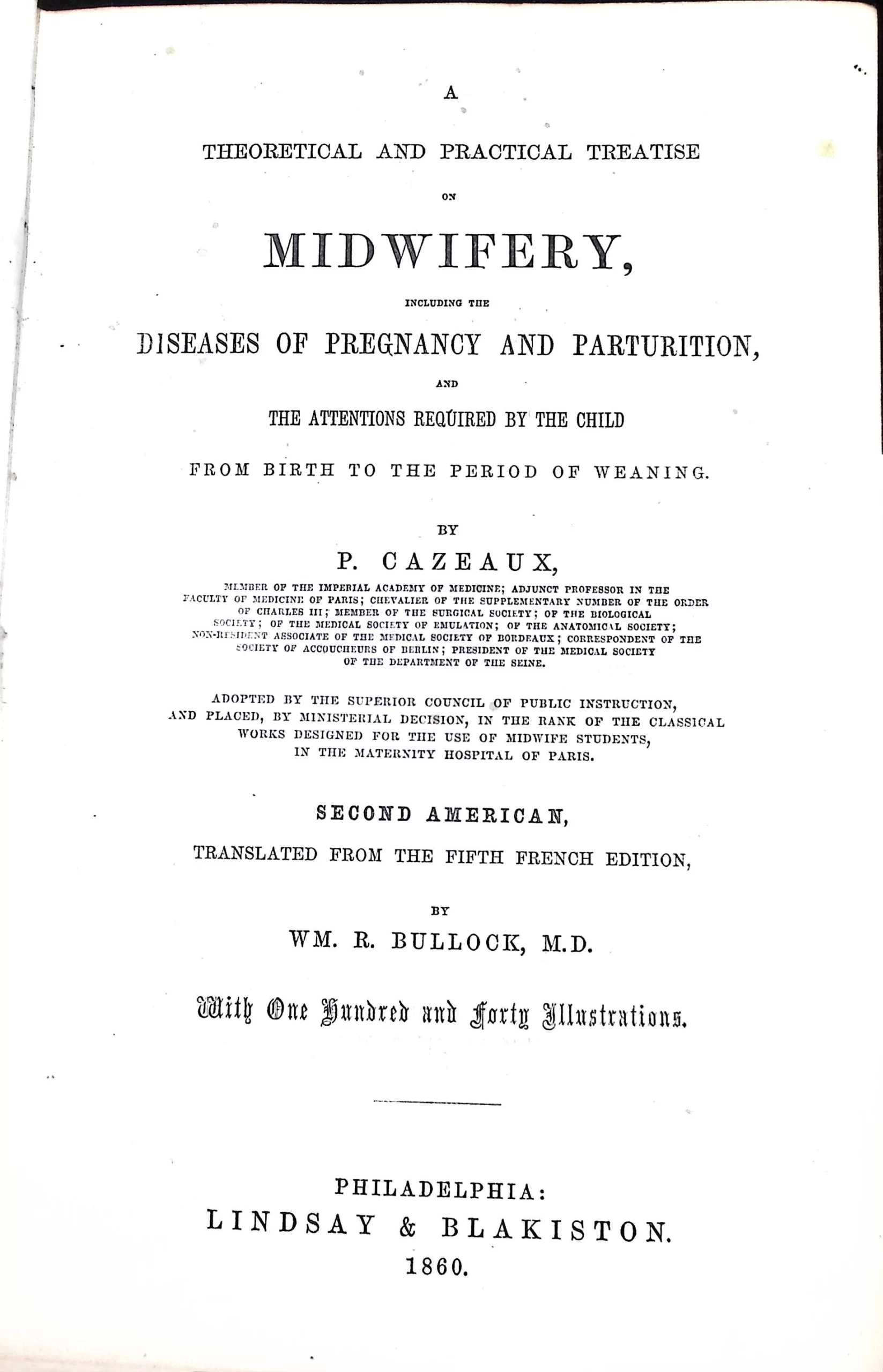
This 1860 Second American edition of Cazeaux’s Treatise on Midwifery represents one of the most authoritative 19th-century obstetrical texts used in both European and American medical education. Originally written in French and translated from the fifth French edition, the work reflects the formalization of obstetrics as a scientific and clinical discipline rather than a purely experiential practice.
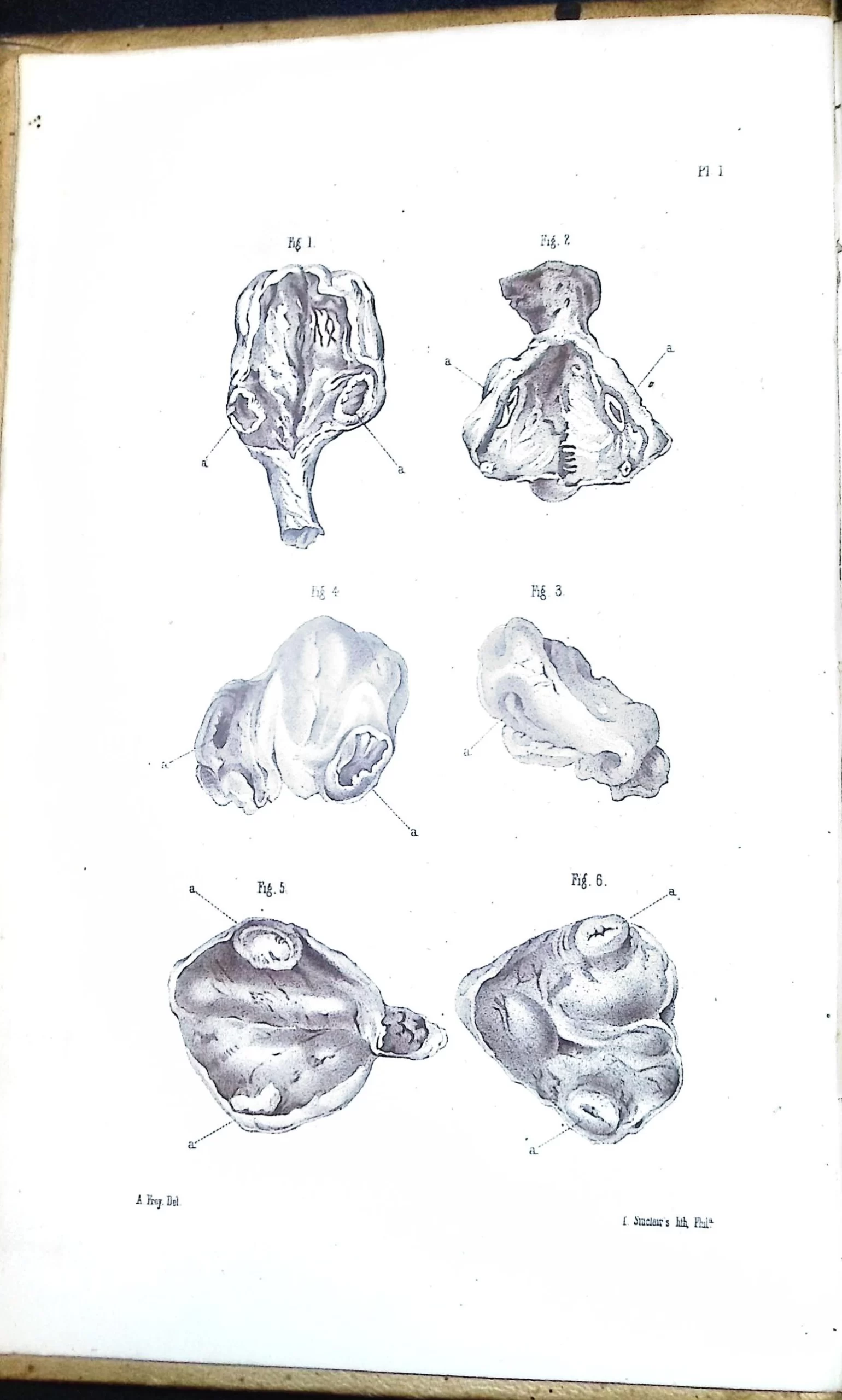
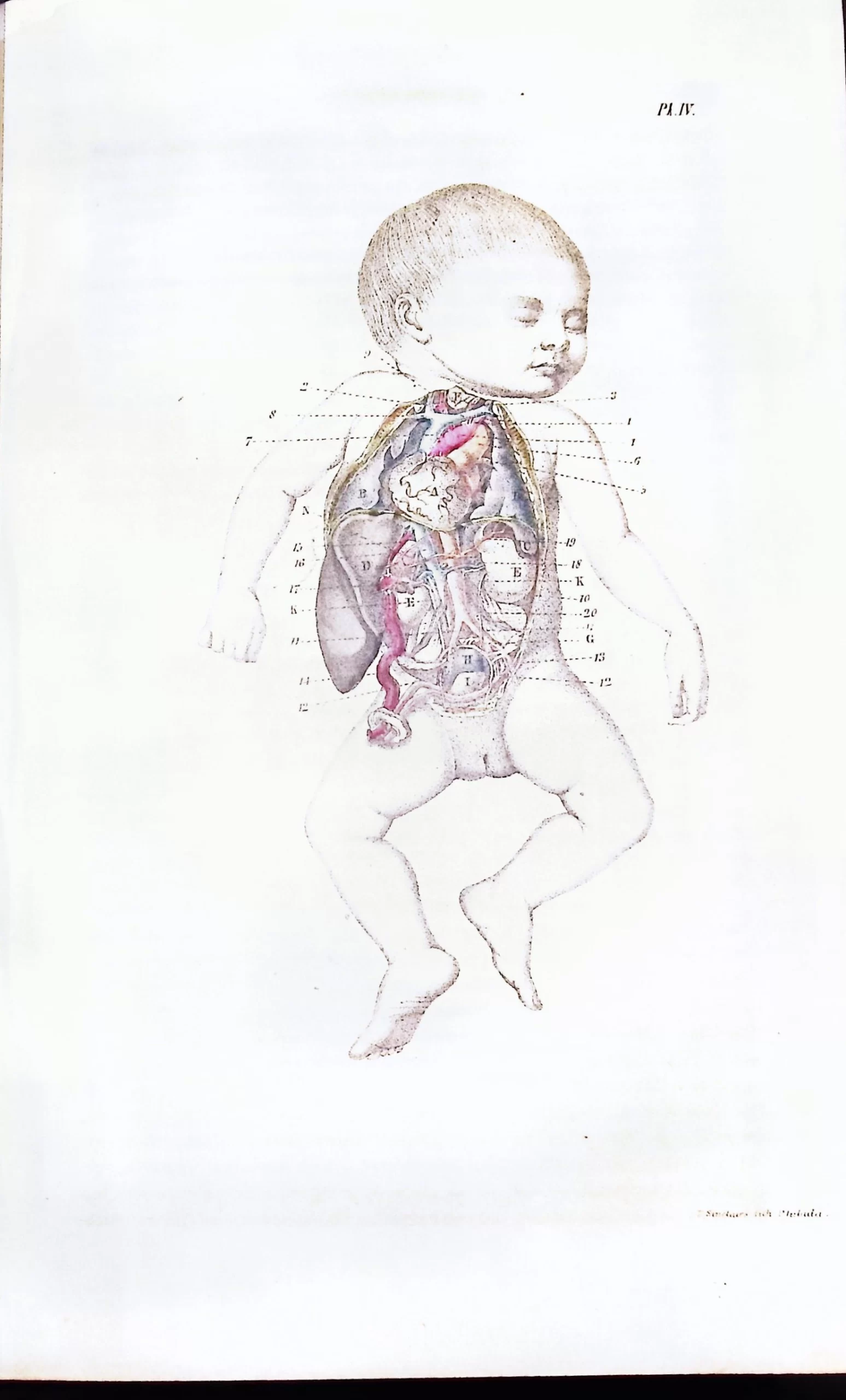
The volume covers the anatomy and physiology of the female reproductive system, the process of pregnancy and labor, complications of parturition, and early neonatal care. It includes detailed discussions of pelvic anatomy, fetal positioning, and disease processes affecting pregnancy, supported by over 140 illustrations.
The text was formally adopted for instructional use at the Maternity Hospital of Paris, one of the most influential centers for obstetrical training in the 19th century. Its structured, systematic approach marks a transition from traditional midwifery to physician-directed obstetrics grounded in anatomical and pathological understanding.
Condition
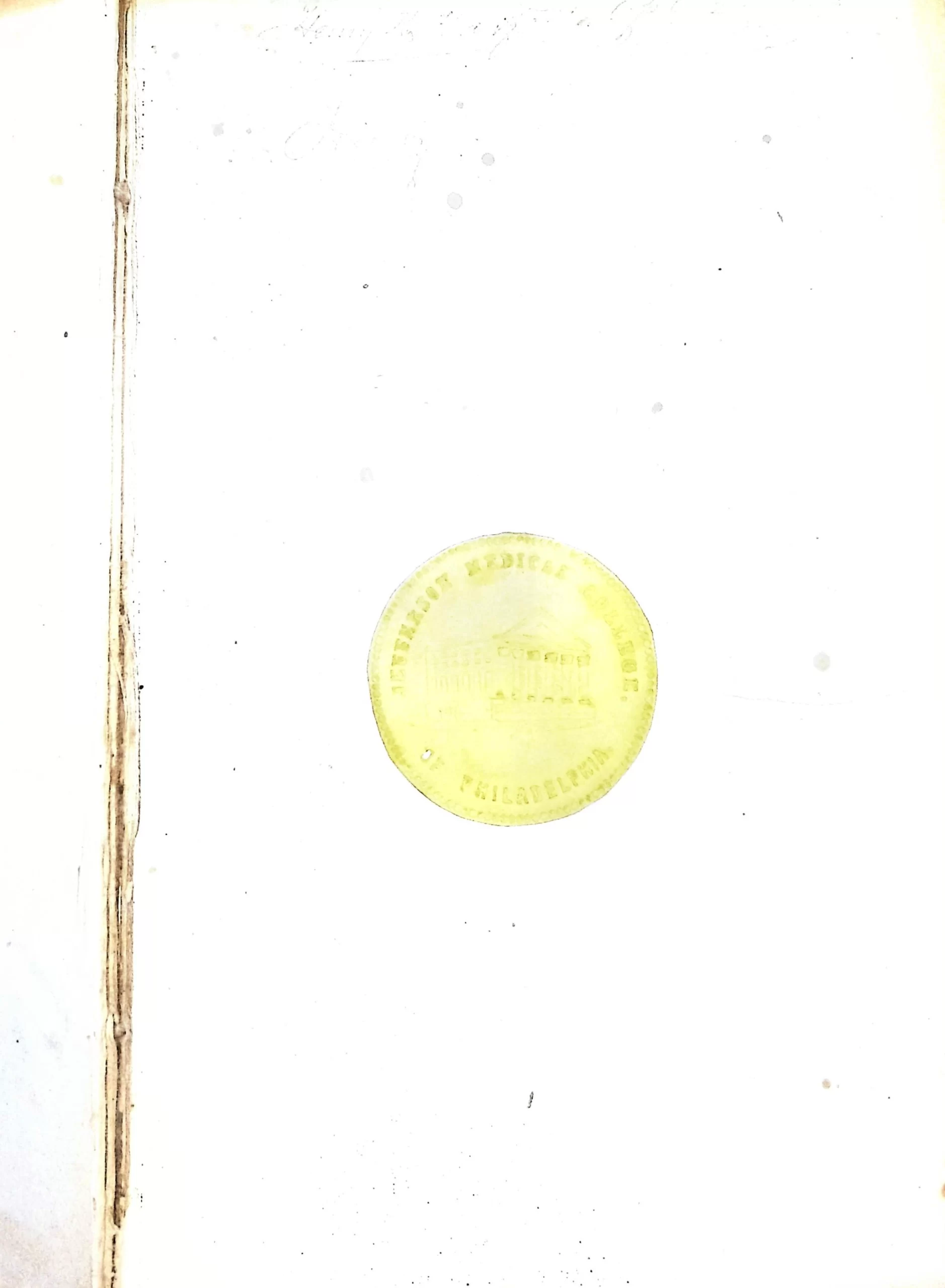
Original mid-19th century volume with visible age-related wear, including foxing, page toning, and binding wear consistent with use. Plates remain present and intact. Institutional stamp from the University of Medical College of Philadelphia noted. Structurally stable with expected wear for age.
Gallery
Historical context
During the mid-1800s, obstetrics underwent a major shift from traditional midwife-led care to a more medicalized, physician-driven discipline. Texts like Cazeaux’s played a central role in standardizing knowledge and training.
This period predates antisepsis and modern surgical obstetrics, meaning many practices described in this work occurred in an era of high maternal and neonatal mortality. Despite these limitations, the book reflects a growing emphasis on anatomical precision, clinical observation, and structured education, laying groundwork for modern obstetrics.
Curious Facts, Ephemera, and Trivia
- The book was adopted by the Superior Council of Public Instruction in France, indicating official governmental endorsement.
- It was used in the Maternity Hospital of Paris, a leading institution in obstetrical education.
- The translation reflects the transatlantic transfer of European medical knowledge into American practice.
- Illustrations include early anatomical depictions of fetal development and pelvic structures used for teaching before widespread cadaveric access.
- The presence of institutional stamps suggests prior use in formal medical training or library circulation.
Excerpt
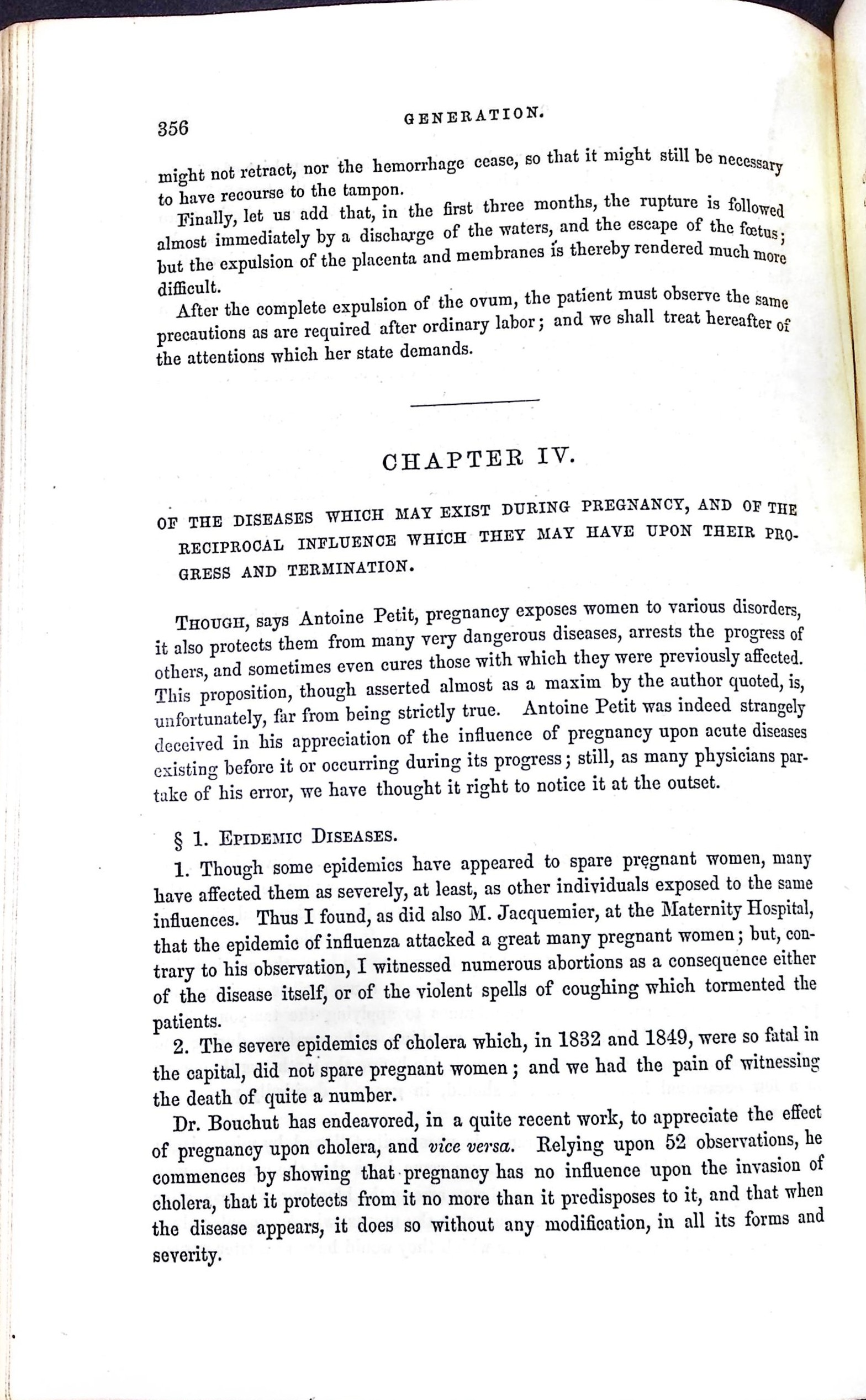
“Though some epidemics have appeared to spare pregnant women, many have affected them as severely, at least, as other individuals exposed to the same influences… I witnessed numerous abortions as a consequence either of the disease itself, or of the violent spells of coughing which tormented the patients.”
Why it is in the Cabinet
This volume represents the transition from traditional midwifery to structured, physician-led obstetrics. It documents a period when childbirth was becoming medicalized, but before the safety of modern techniques, making it both historically important and clinically revealing. The combination of institutional use, detailed illustrations, and comprehensive scope makes it a cornerstone example of 19th-century medical education.
Digital Copy (Download Available)
A complete digital copy of this 1860 edition of Cazeaux’s Treatise on Midwifery has been preserved and is available for direct download.
This version is provided for study and reference, allowing full access to the text, illustrations, and historical content without handling the original volume.
Download the digital copy here:
Cazeaux’s Treatise on Midwifery
Support Dr. Bebout’s Cabinet of Medical Curiosities
If you enjoy the history, the oddities, and the effort, help keep this cabinet open. Every little bit helps preserve and share the strange wonders of medicine's past.
Buy Me a Ko-fi ☕ Buy Me a Coffee ☕ Tip via PayPal 💵