
Title
Angina Pectoris
Author
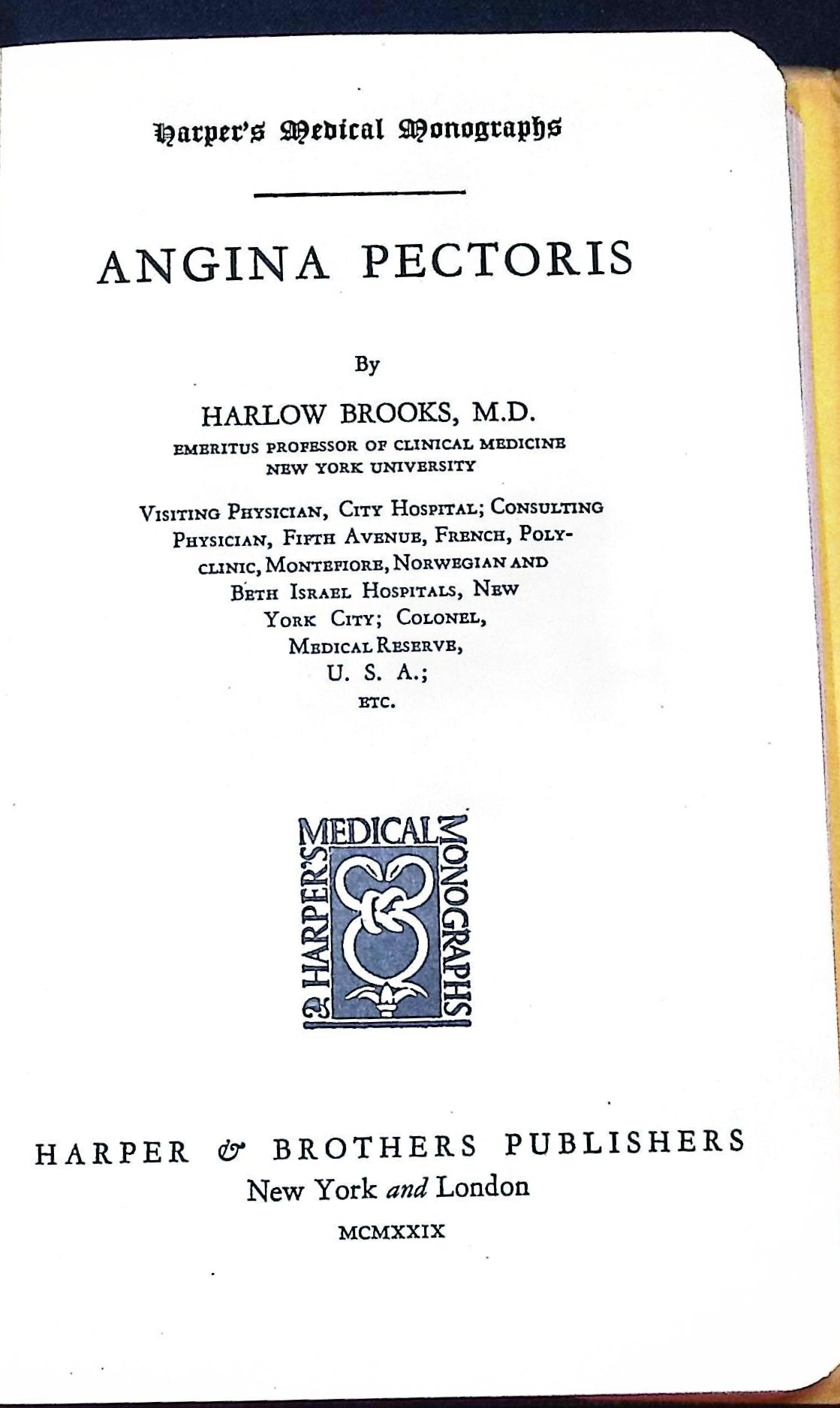
By Harlow Brooks, M.D.
Published 1929 by Harper & Brothers Publishers, New York and London
Image
Description
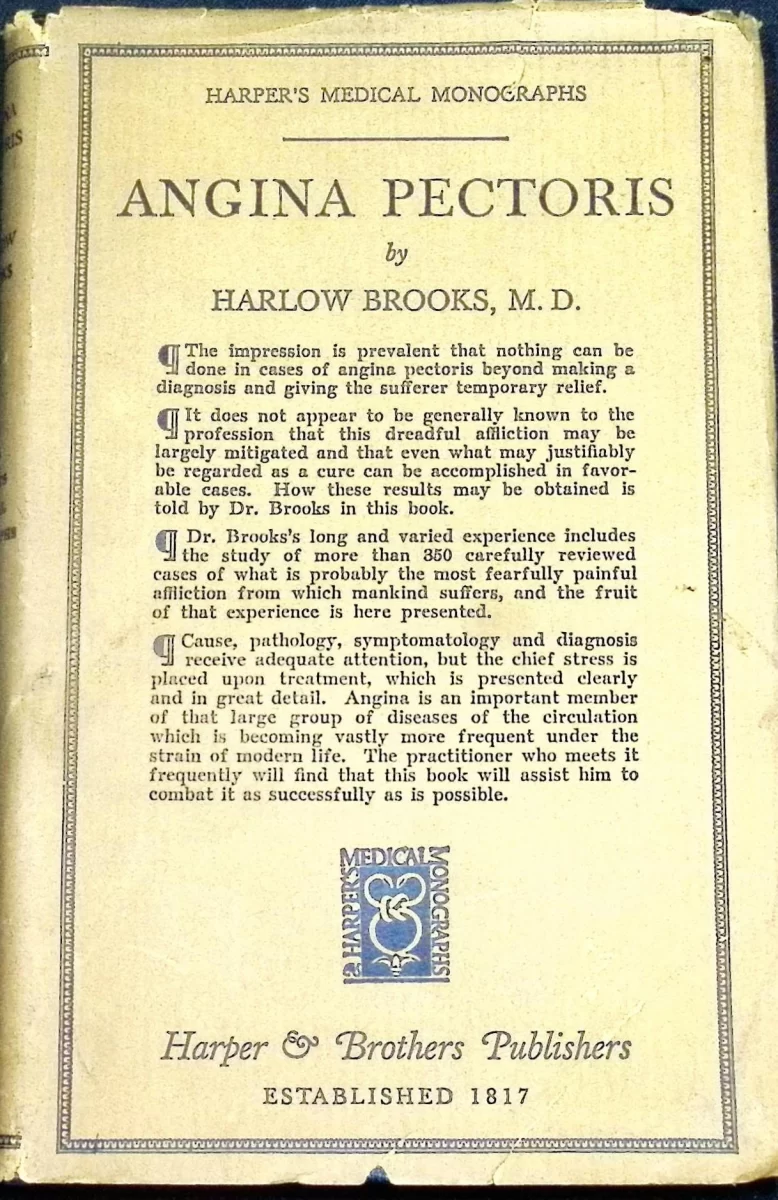
Angina Pectoris by Harlow Brooks is a compact physician’s monograph published as part of the Harper’s Medical Monographs series in 1929. Written specifically for practicing physicians, the work attempts to synthesize the historical understanding, pathological theories, symptomatology, and treatment approaches surrounding angina pectoris during the late interwar period — just before the explosion of modern cardiology, cardiac catheterization, and evidence-based coronary disease management.
Brooks, a prominent New York physician and professor of clinical medicine, presents angina not merely as a symptom, but as a dramatic and complex syndrome demanding careful clinical observation. The text reflects a fascinating transitional era in medicine: physicians clearly recognized the seriousness and classic presentation of coronary disease, yet still lacked many of the diagnostic tools and therapies that modern clinicians now take for granted.
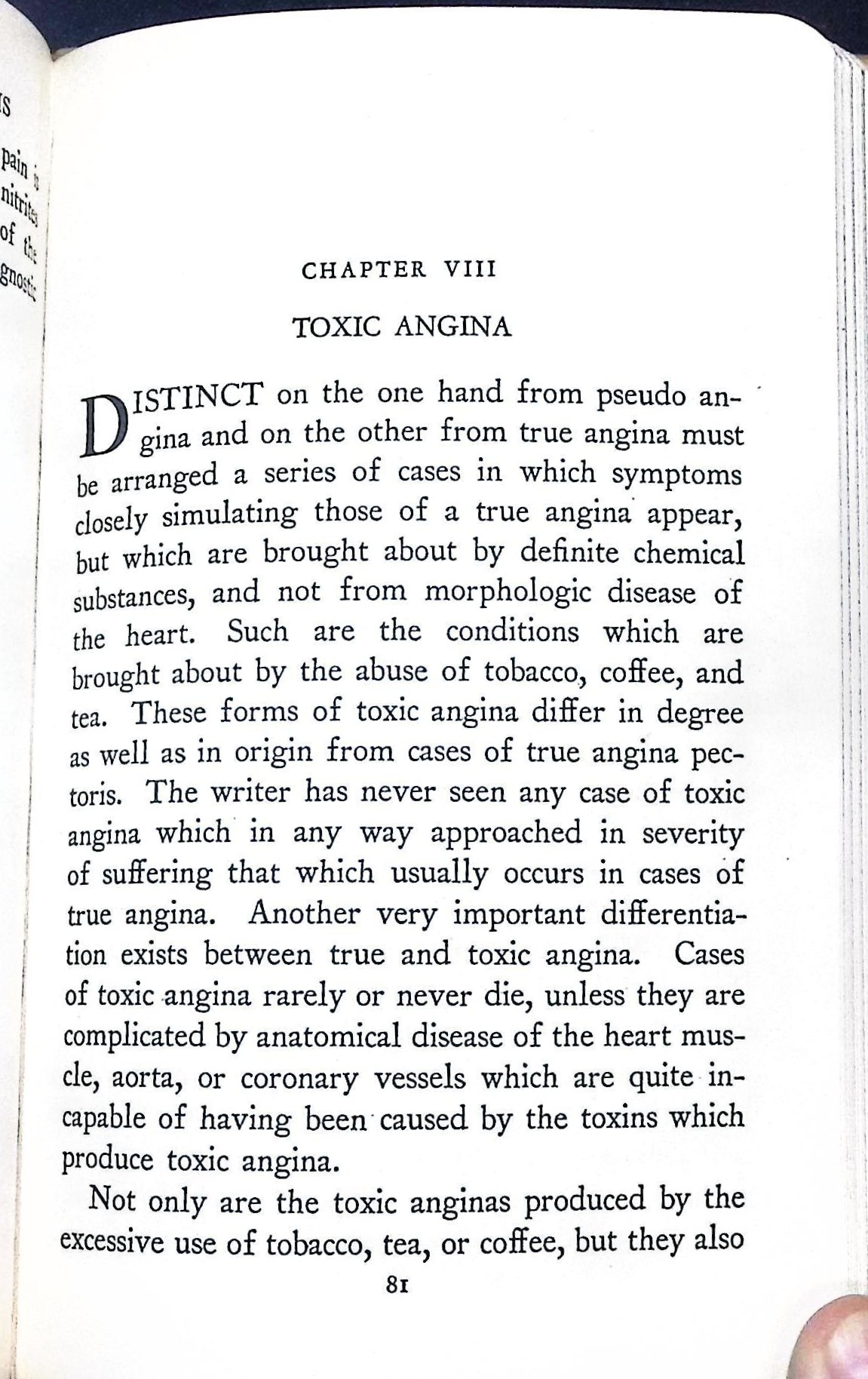
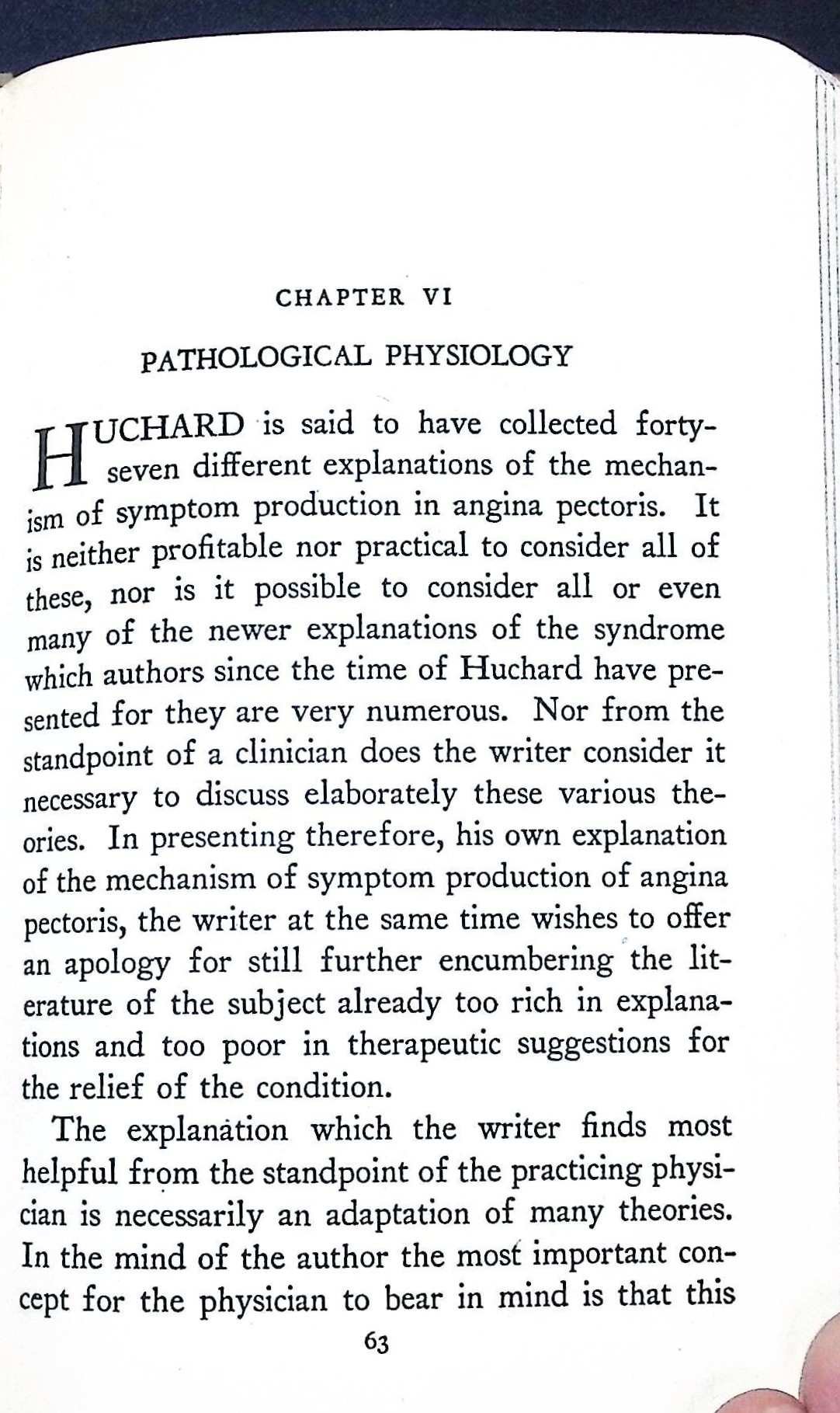
Particularly interesting are discussions of “toxic angina,” in which excessive tobacco, coffee, and tea consumption were proposed as causes of angina-like syndromes. The monograph also illustrates the enormous uncertainty surrounding the pathophysiology of coronary pain during the 1920s, with Brooks openly acknowledging the abundance of competing theories and the frustrating lack of consistently effective treatment options.
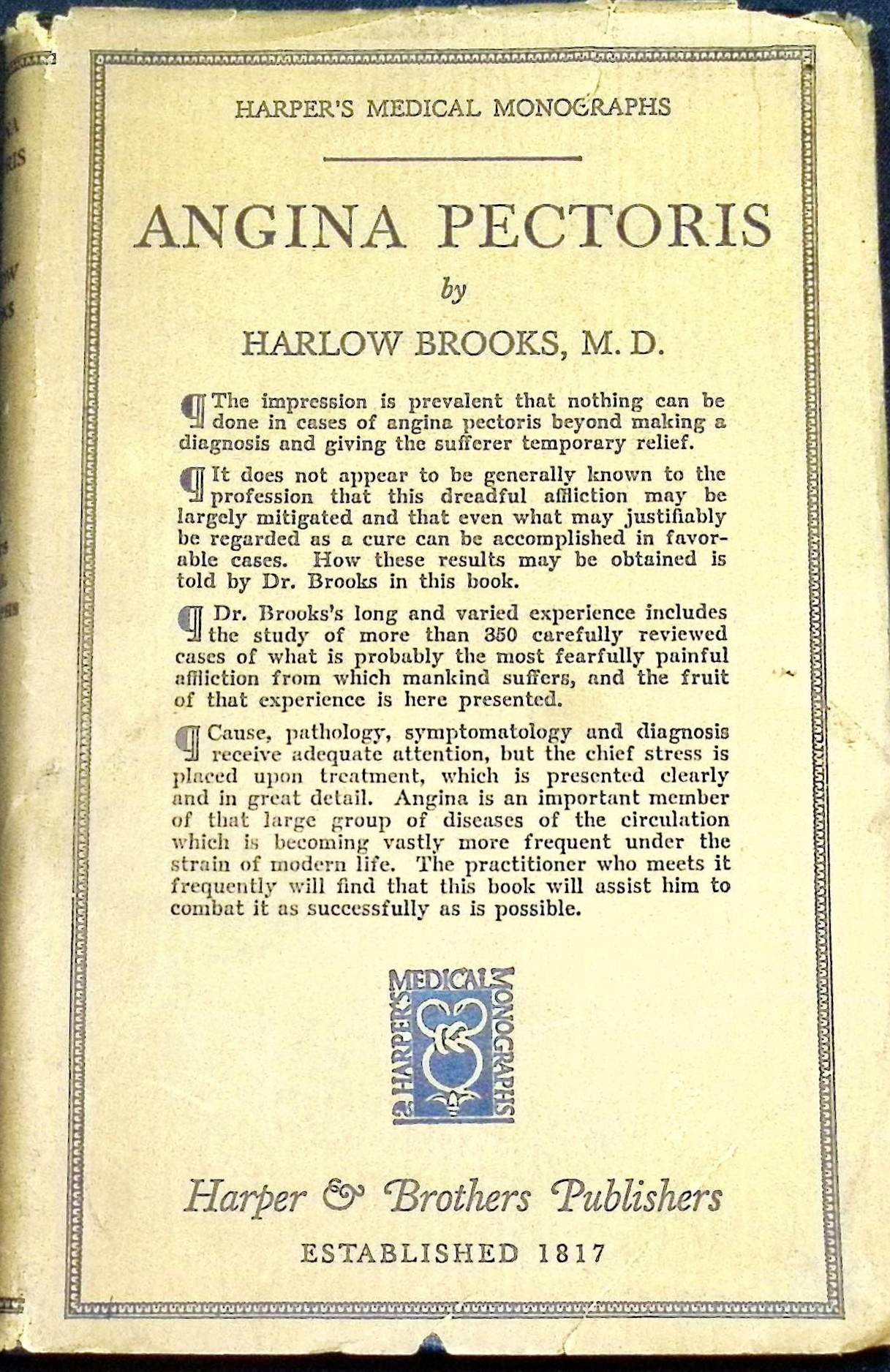
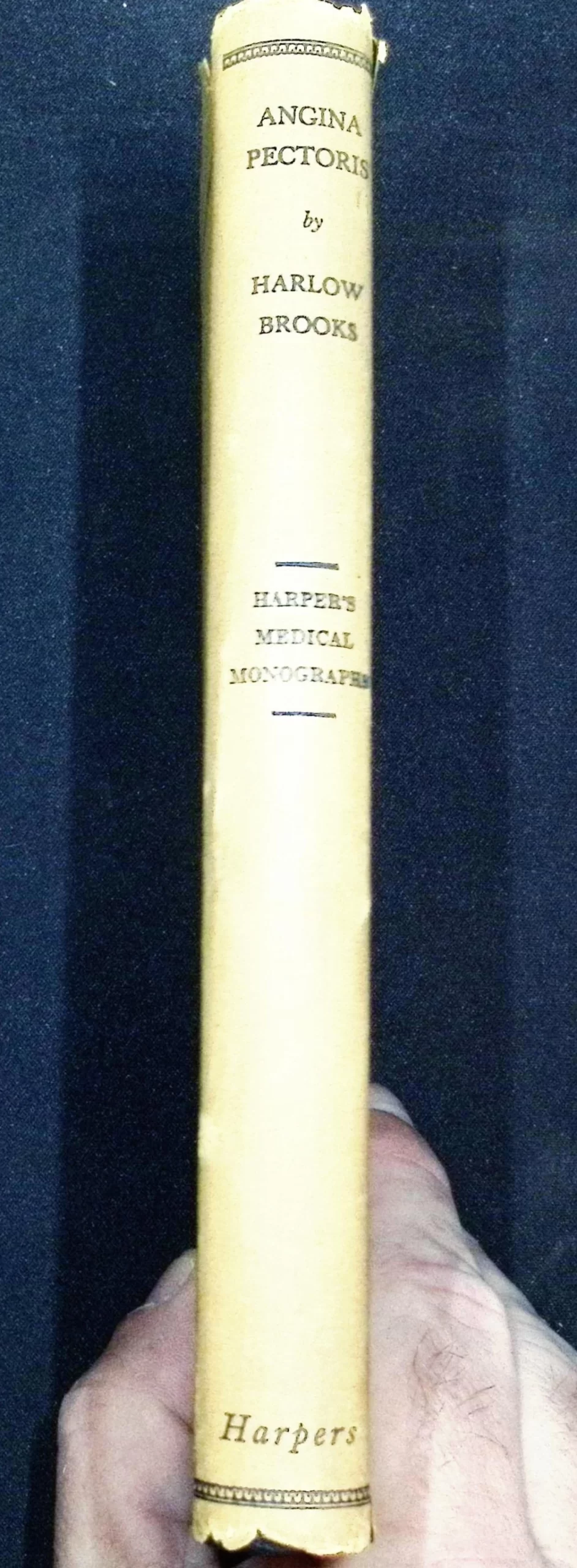
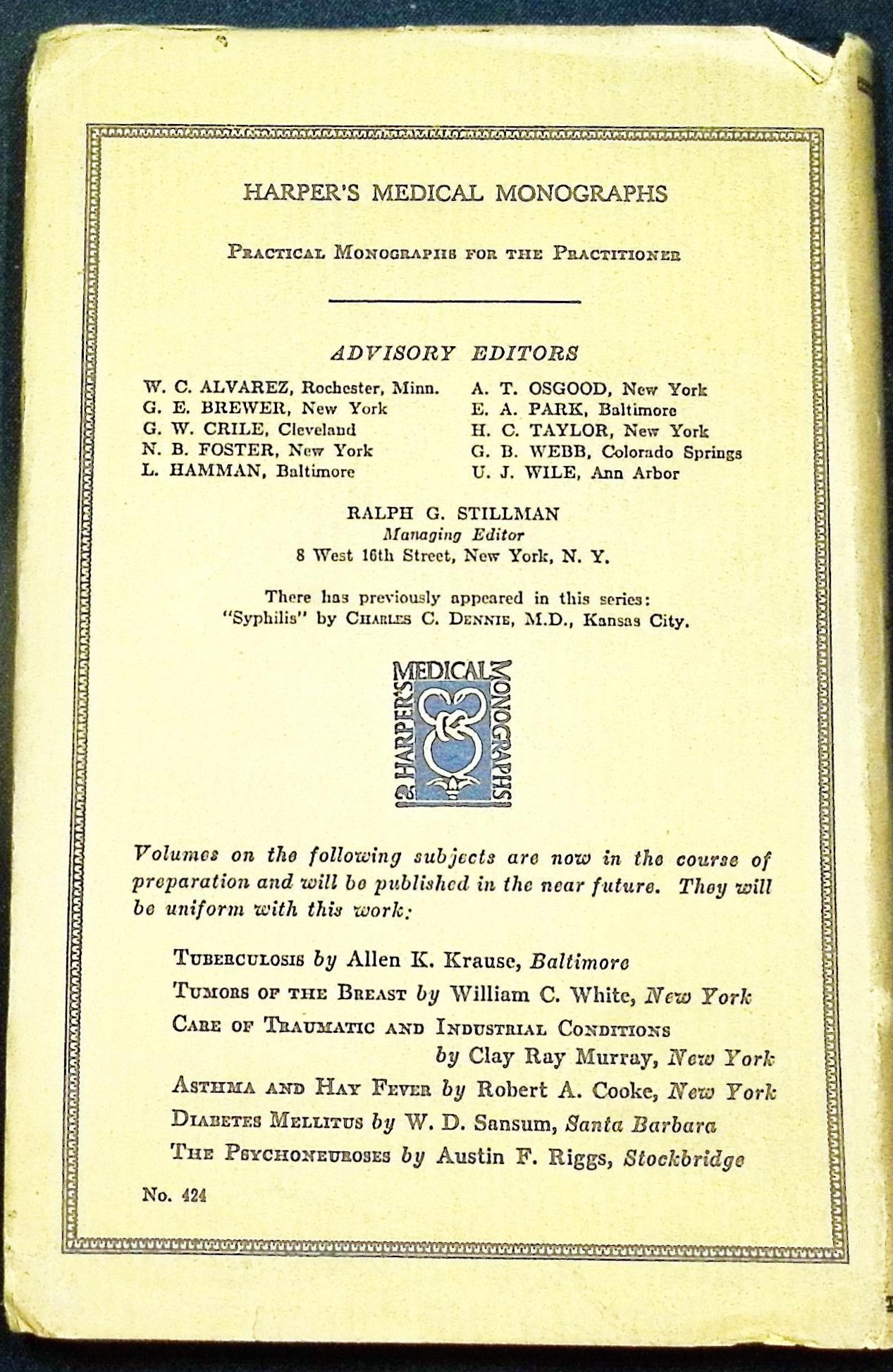
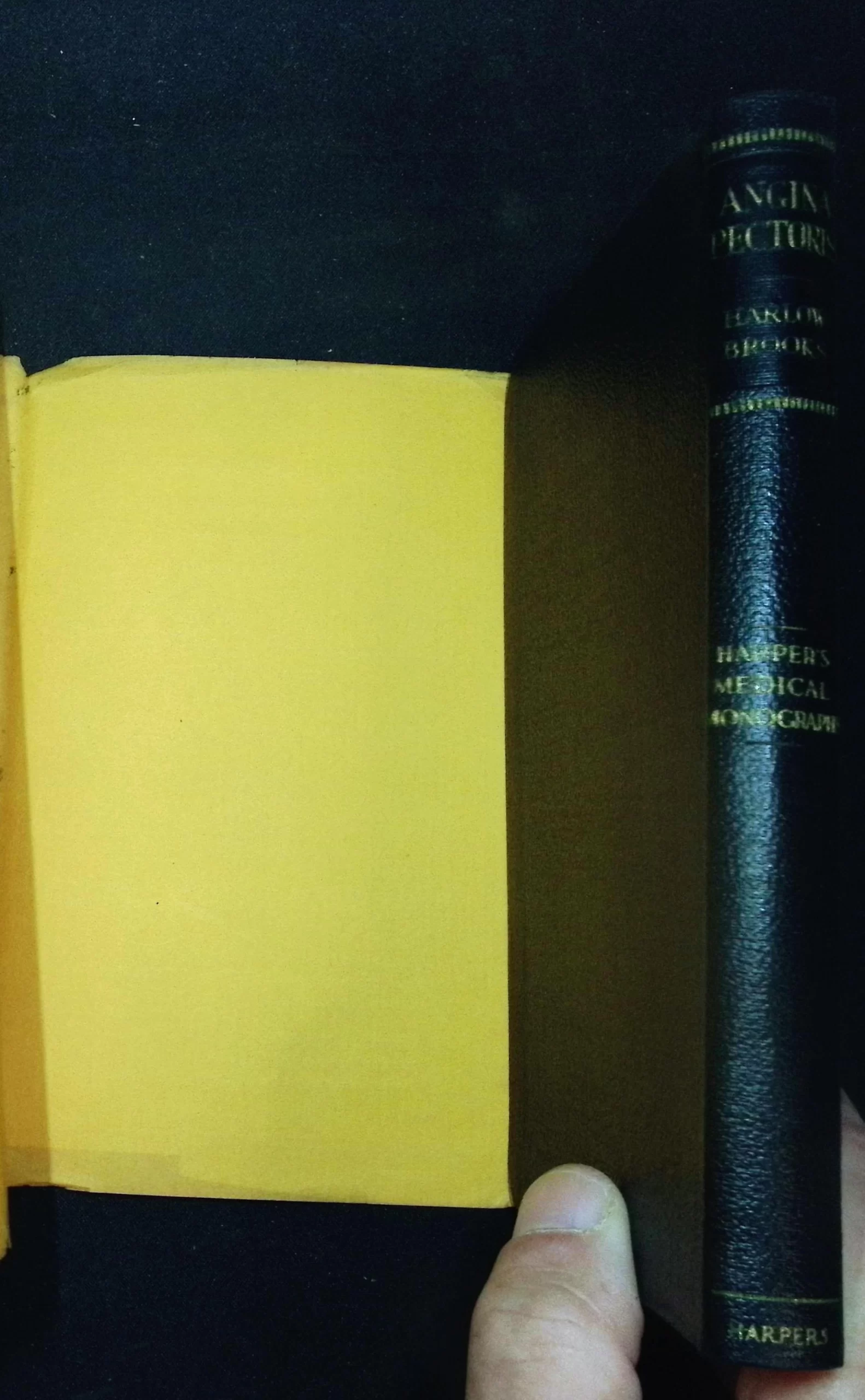
The volume is bound in dark textured cloth with gilt lettering and includes surviving publisher promotional inserts and advertising material for future medical monographs — ephemera rarely retained in heavily used physician reference books.
Condition
Very good antique condition overall. Binding remains solid with clean and highly legible interior pages. Mild edge wear and corner bumping are present, particularly at the spine ends. Gilt spine lettering remains attractive and readable. Includes original publisher insert pages and advertising material, an uncommon survival for a practical physician’s handbook of this period.
Gallery


Historical context
This monograph was published during a major transitional period in cardiovascular medicine. By 1929, physicians clearly understood that angina pectoris was associated with disease of the coronary circulation, yet the precise mechanisms and effective interventions remained controversial and limited. Electrocardiography was still relatively primitive, coronary angiography did not yet exist, and treatments largely focused on rest, vasodilators such as nitroglycerin, lifestyle moderation, and symptom management.
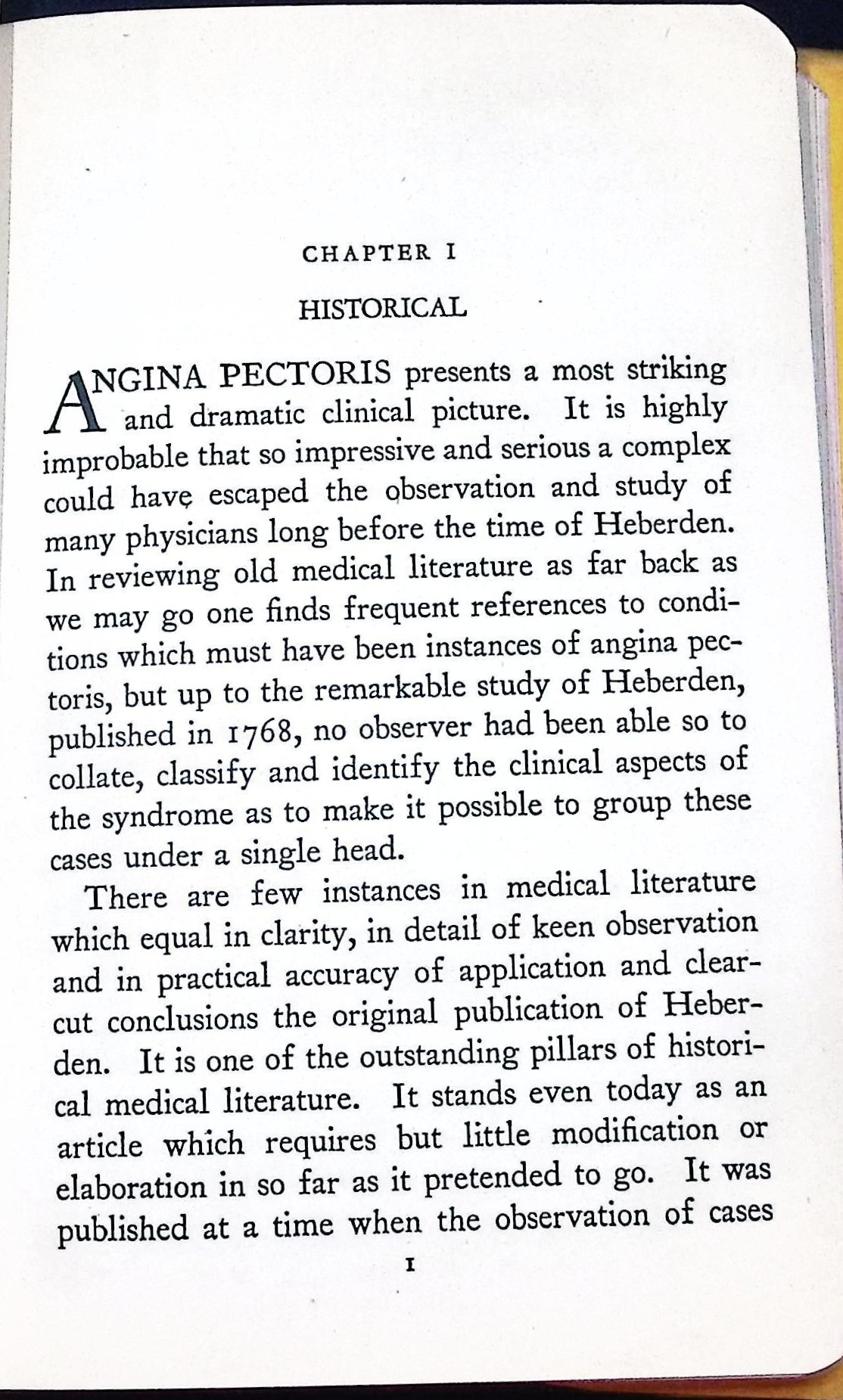
The text repeatedly references William Heberden’s landmark 1768 description of angina pectoris, demonstrating how strongly early twentieth-century cardiologists still relied upon classical bedside observation and descriptive clinical medicine.
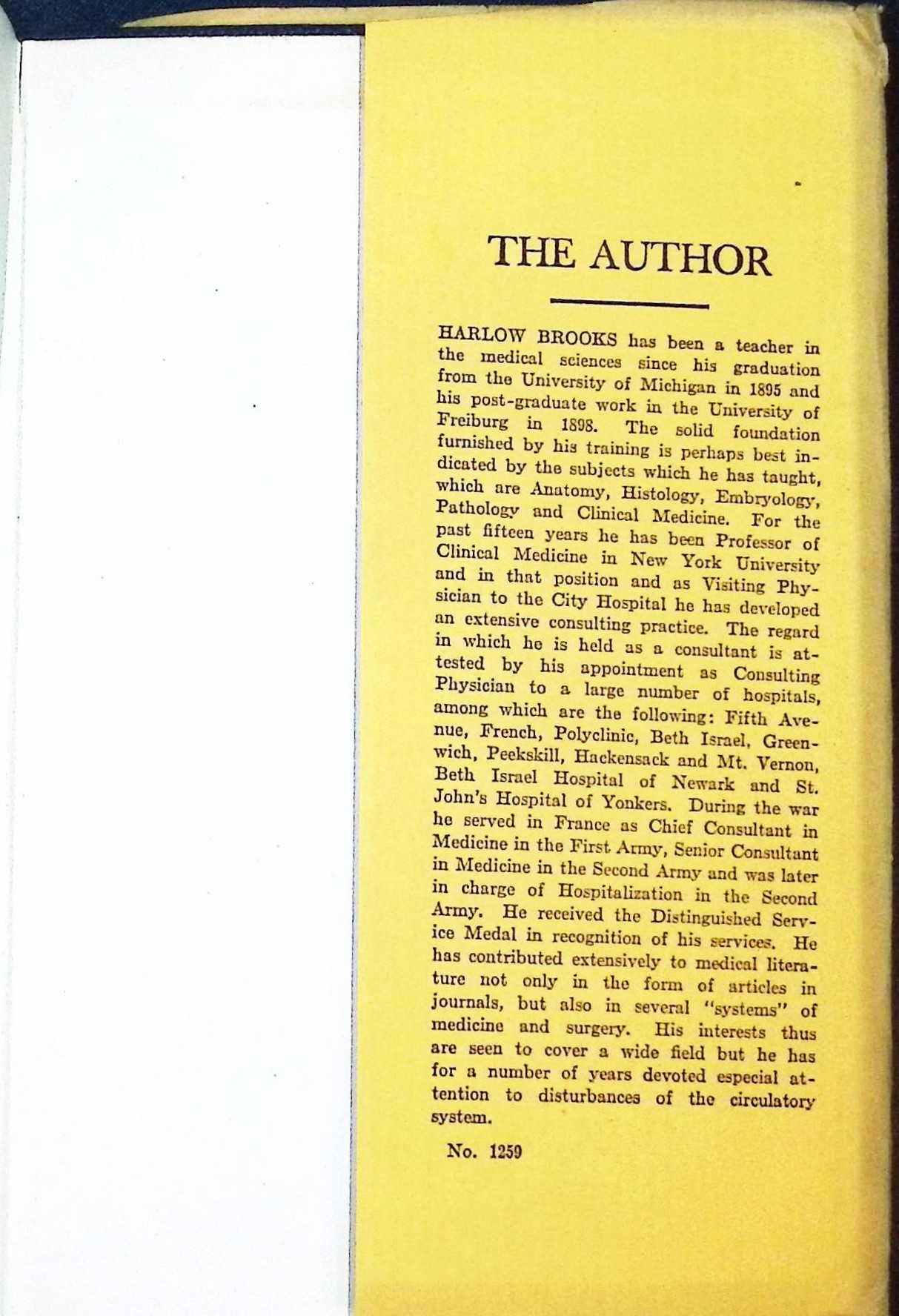
Brooks himself represented the archetype of the early twentieth-century academic clinician: physician, professor, consultant, military medical officer, lecturer, and prolific contributor to medical literature. His career bridged nineteenth-century descriptive medicine and the emerging scientific medical era.
Curious Facts, Ephemera, and Trivia
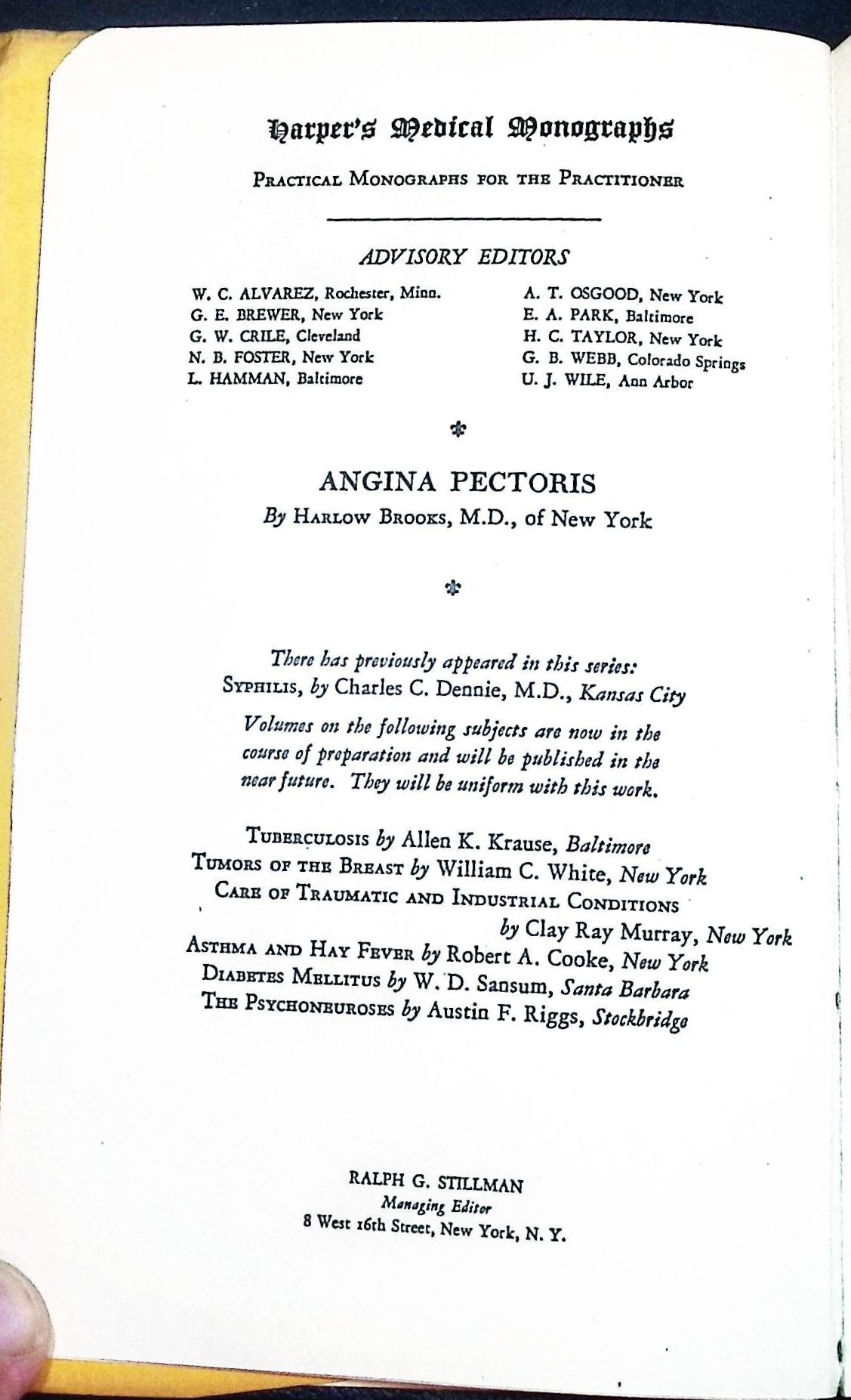
- The book was issued as part of Harper’s Medical Monographs, a series designed specifically for busy practicing physicians needing concise but authoritative references.
- The surviving yellow publisher insert asking physicians to mail in their address for announcements of future monographs is an unusual survivor and provides a wonderful glimpse into early medical publishing marketing.
- Brooks discusses “toxic angina” caused by excessive tobacco, coffee, and tea use — a reminder that stimulant-associated cardiovascular symptoms were recognized long before modern cardiology fully understood coronary artery disease.
- One passage humorously acknowledges the overwhelming number of competing theories explaining angina pectoris, essentially admitting that the literature contained more explanations than useful treatments.
- The author served as a Colonel in the U.S. Army Medical Reserve and worked as a senior consultant during World War I.
Excerpt
“The writer wishes to offer an apology for still further encumbering the literature of the subject already too rich in explanations and too poor in therapeutic suggestions for the relief of the condition.”
That line could probably still be muttered by exhausted specialists at some modern cardiology conferences after the fourth PowerPoint on inflammatory biomarkers.
Why it is in the Cabinet
This volume captures a remarkable midpoint in the history of cardiology — far enough along that physicians clearly recognized coronary disease as a deadly clinical entity, yet still operating in an era before cardiac catheterization, bypass surgery, coronary stents, troponins, stress imaging, or modern lipid management.
It is also a wonderful example of practical physician literature from the interwar years: compact, direct, experience-driven, and unapologetically clinical. The surviving inserts and clean presentation make it especially appealing as both a historical artifact and display piece within the Cabinet library.
Support Dr. Bebout’s Cabinet of Medical Curiosities
If you enjoy the history, the oddities, and the effort, help keep this cabinet open. Every little bit helps preserve and share the strange wonders of medicine's past.
Buy Me a Ko-fi ☕ Buy Me a Coffee ☕ Tip via PayPal 💵