
Title
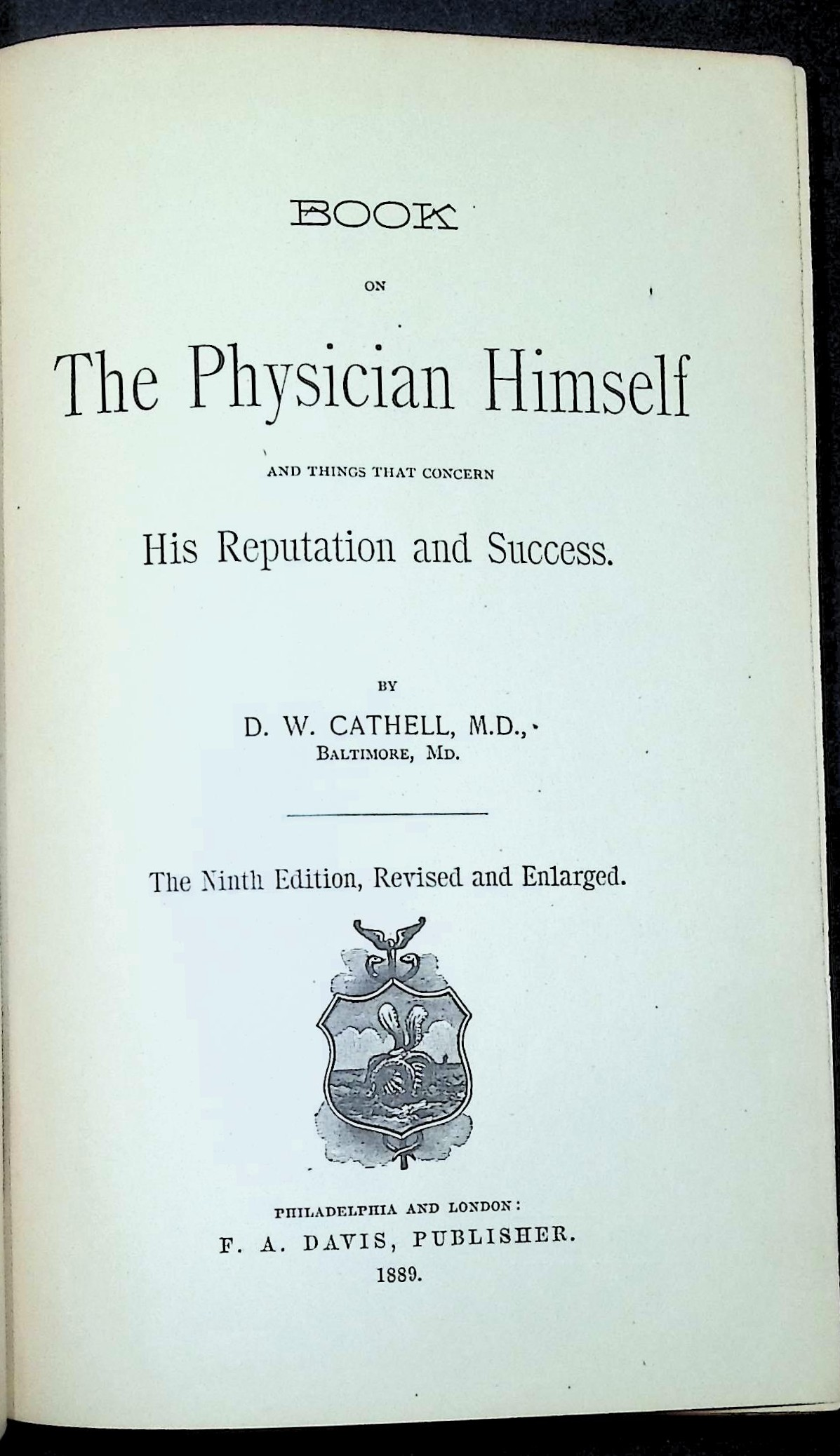
The Physician Himself (D. W. Cathell, M.D., 1889)
Author
Author: D. W. Cathell, M.D.
Publisher: F. A. Davis, Philadelphia and London
Edition: Ninth Edition, Revised and Enlarged
Publication Year: 1889
Image
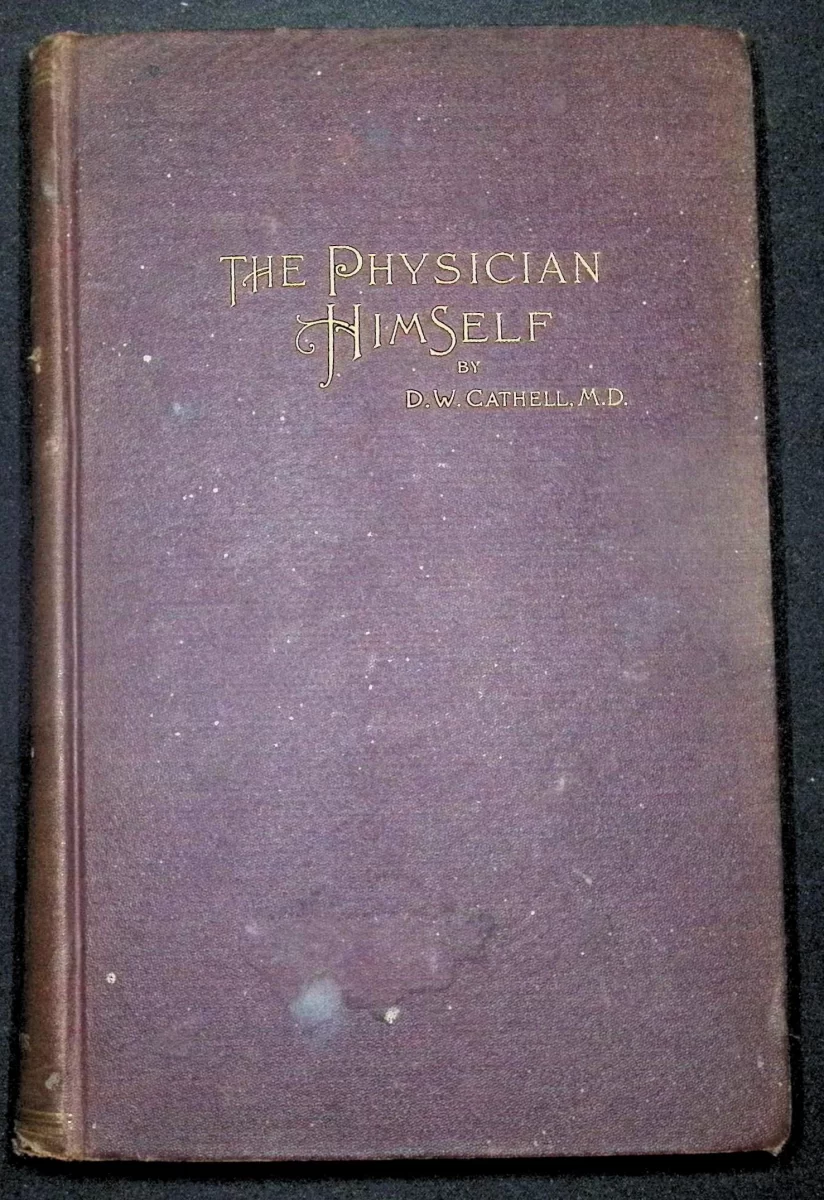
Description
This volume, titled The Physician Himself and Things That Concern His Reputation and Success, was authored by Dr. Daniel Webster Cathell (1839–1908) of Baltimore, Maryland. It served as one of the earliest guides to medical professionalism and practice management in the United States, advising young physicians not merely in clinical conduct but in manners, ethics, and reputation.
Cathell’s book, first published in 1873, went through numerous editions as it became a fixture on American medical shelves through the late 19th and early 20th centuries. Its lessons ranged from patient relations and business acumen to personal morality, self-promotion, and the pitfalls of professional life.
This ninth edition, published in 1889 by F. A. Davis, represents the fully expanded version and includes over 200 pages of moral and practical instruction for the physician in private practice.
Condition
Good condition overall. The cloth boards are lightly mottled with faint discoloration and mild edge wear. Gilt lettering remains clear on the spine and front cover. The interior is clean, with minor foxing on the preliminaries. Endpapers bear the bookplate of Dr. Delle A. Newman of Detroit, Michigan, and a bold ink signature of a prior owner identified as “Dr. Jones, M.D.”
Gallery
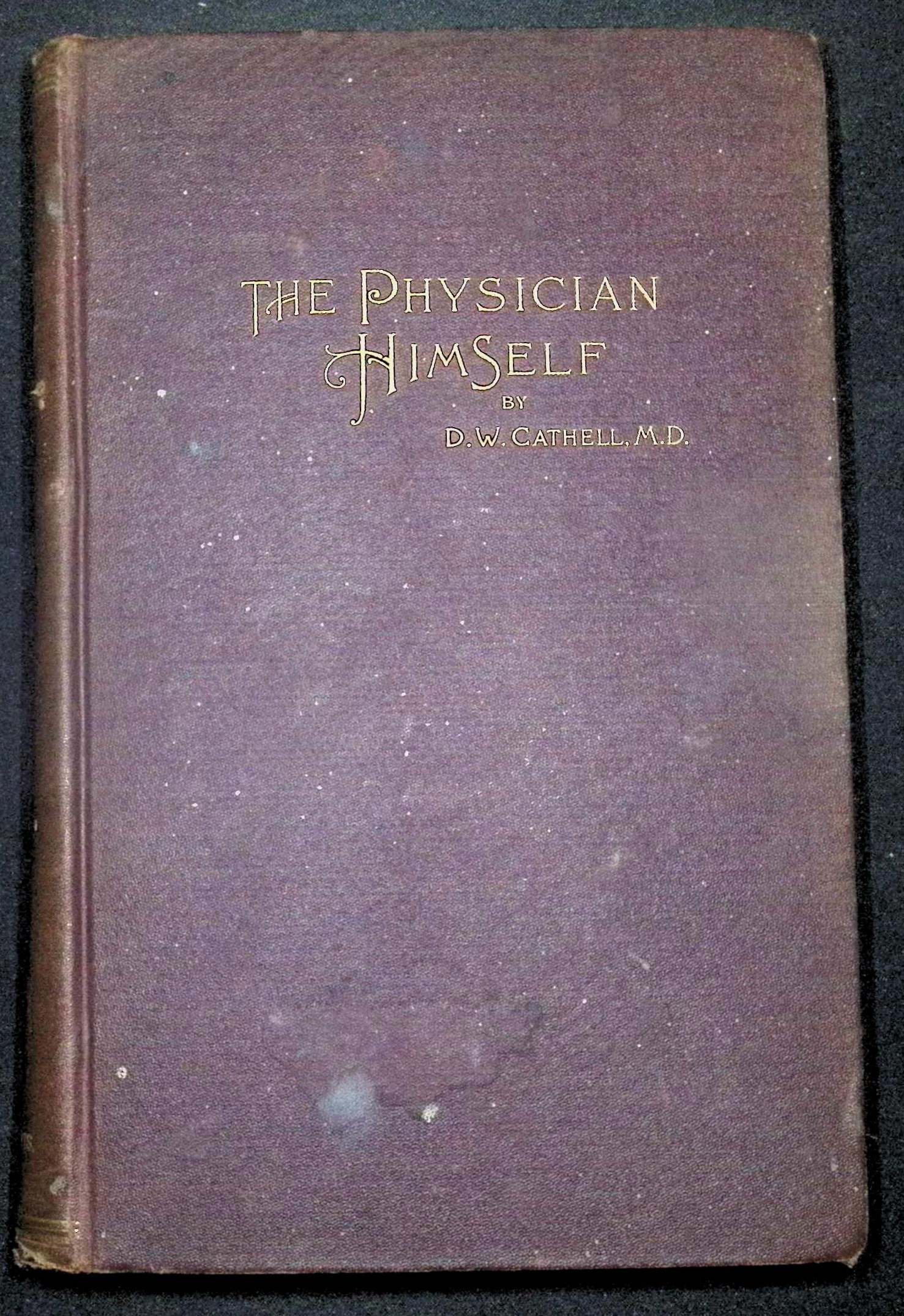
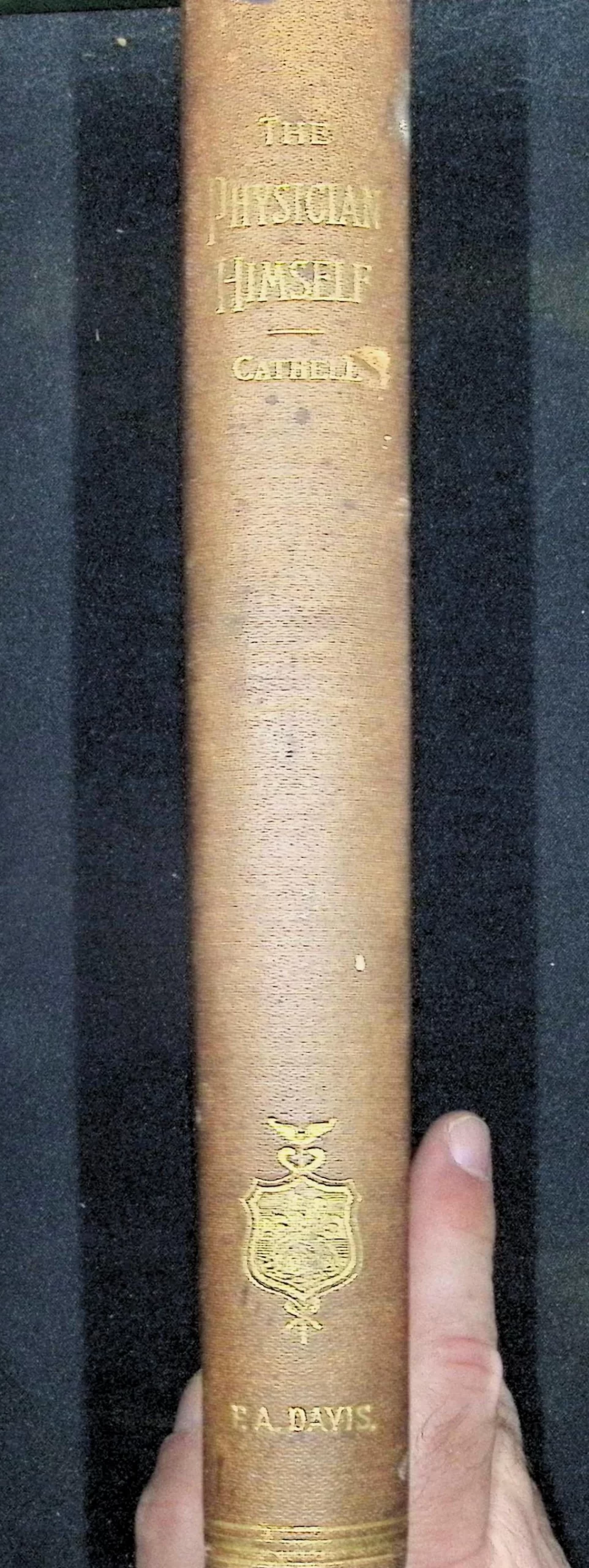
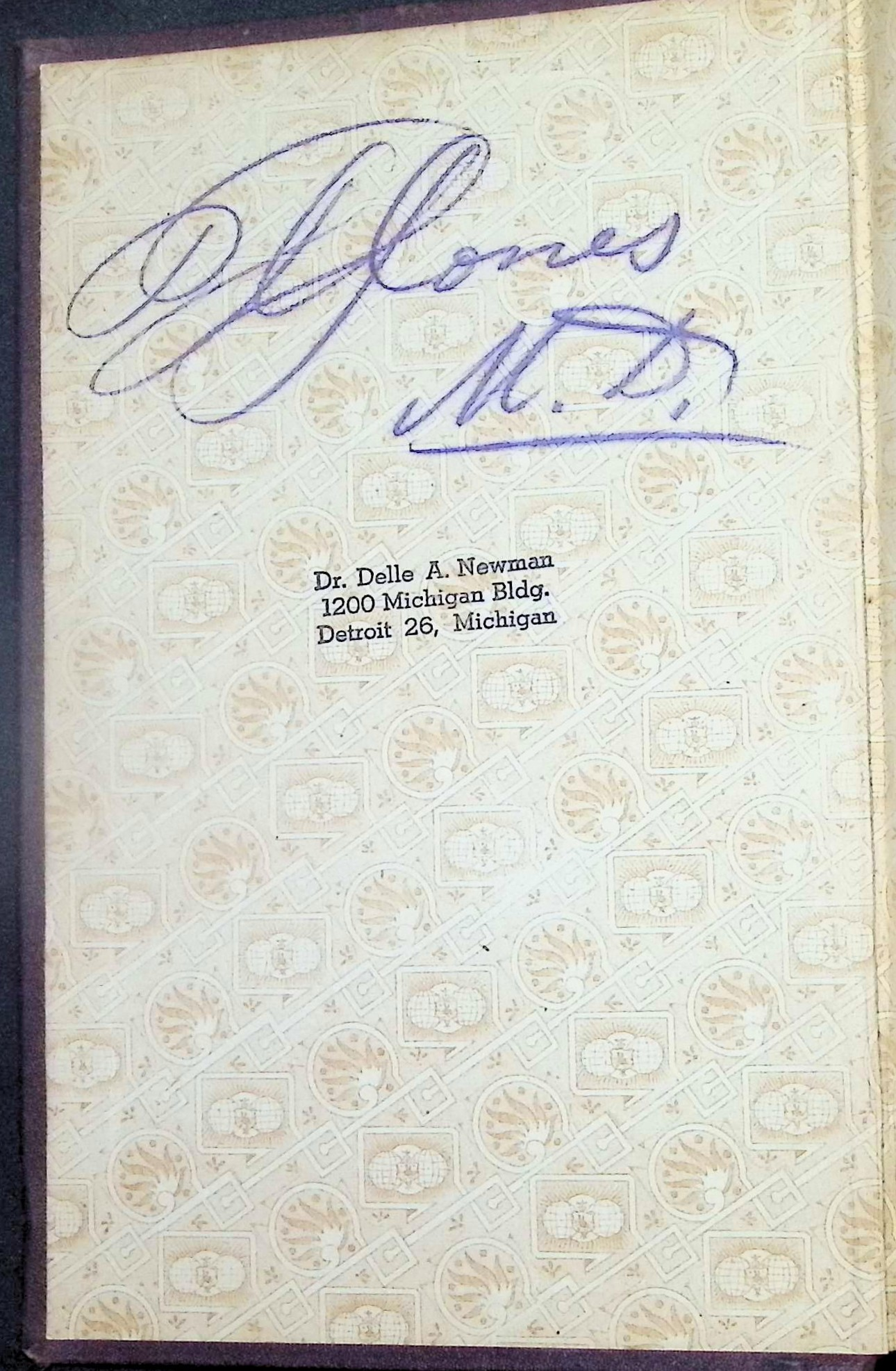
Historical context
Dr. D. W. Cathell’s The Physician Himself was among the first American works to treat medicine as both a calling and a business. In a period when many physicians struggled financially despite skill and training, Cathell offered frank, sometimes moralizing advice on self-discipline, dress, decorum, and maintaining patient confidence.
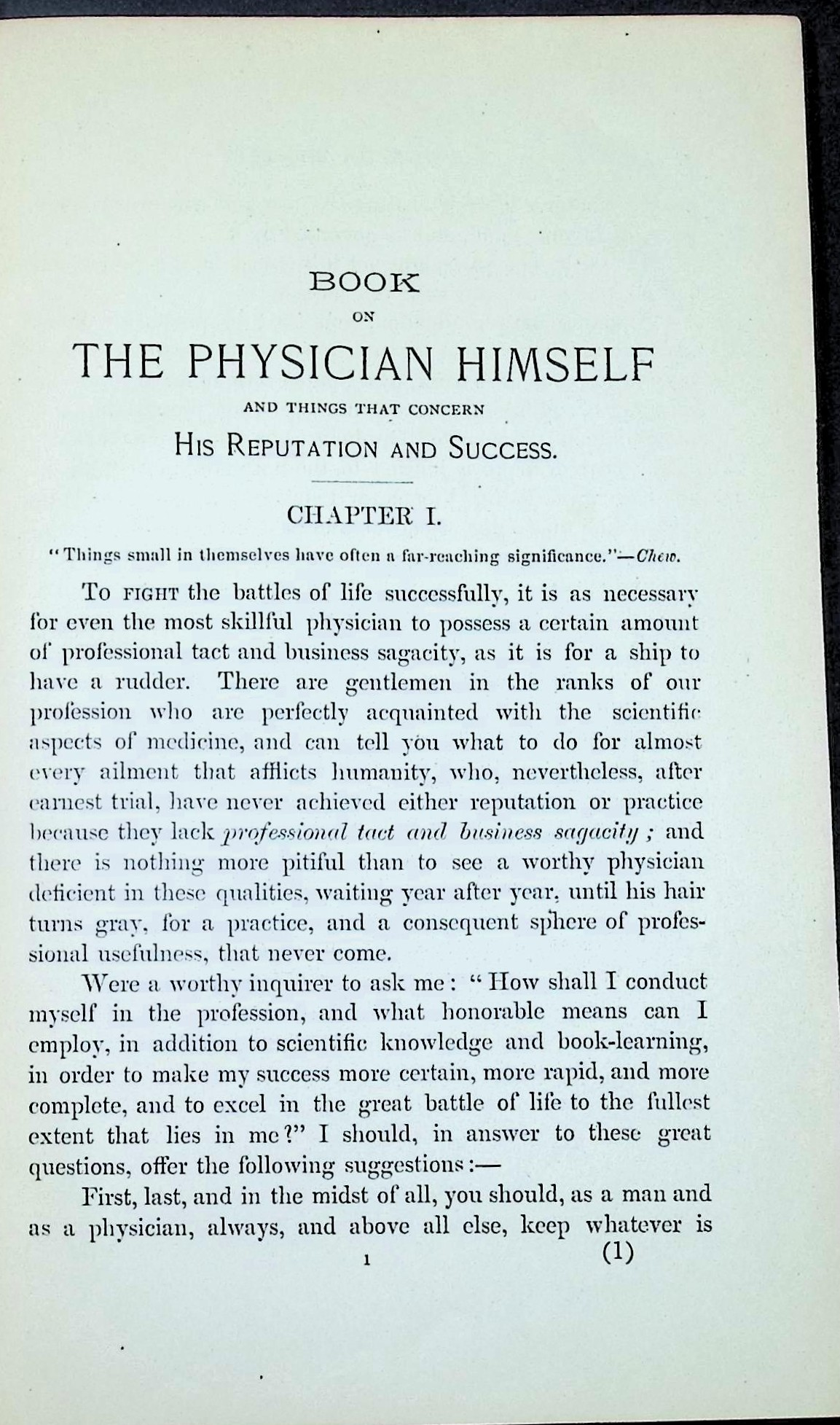
The book reflected the late Victorian ideal of the physician as a gentleman-scholar — sober, dignified, and respected. It warned against gossip, intemperance, and moral compromise, urging physicians to “fight the battles of life” with both science and self-control.
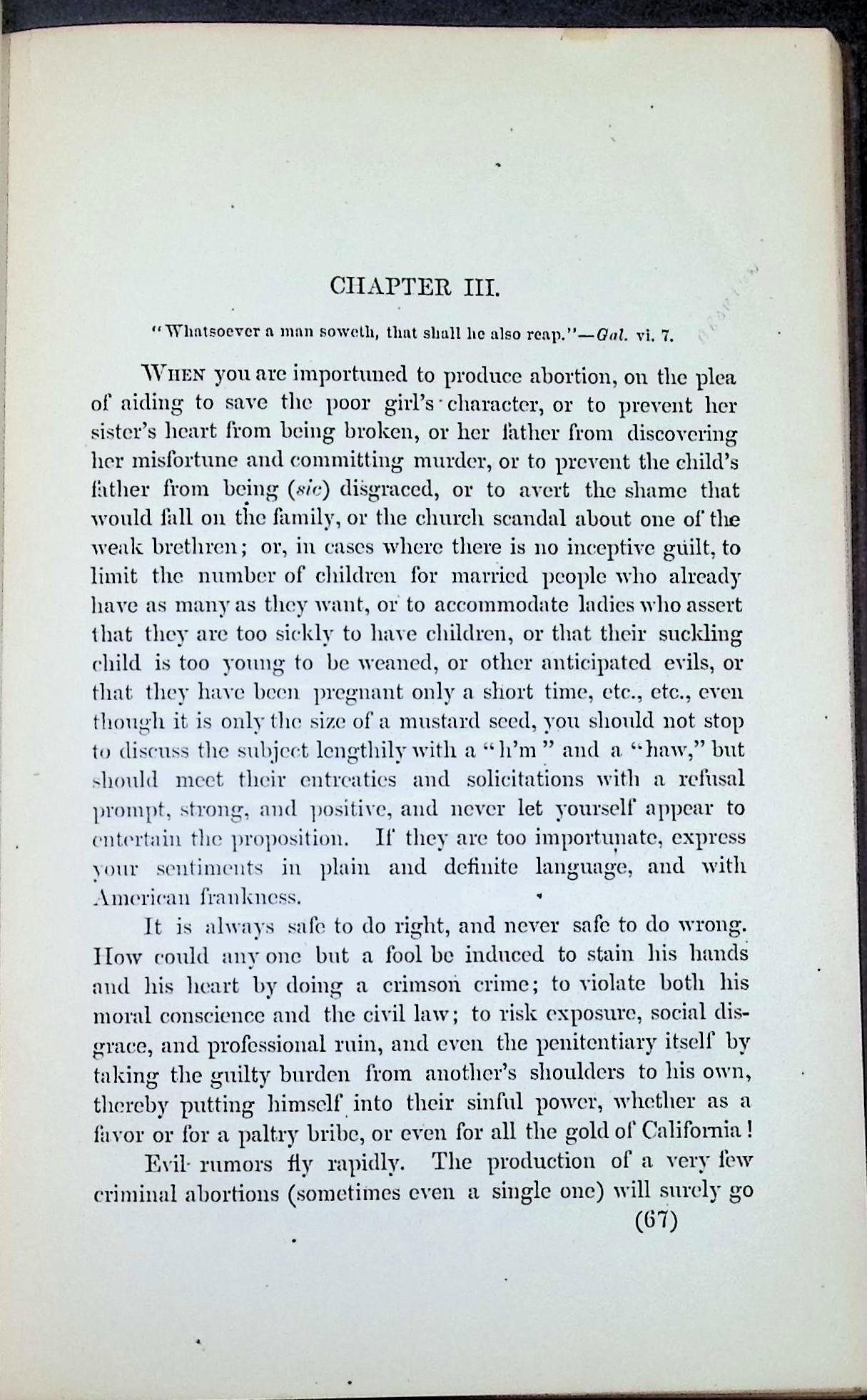
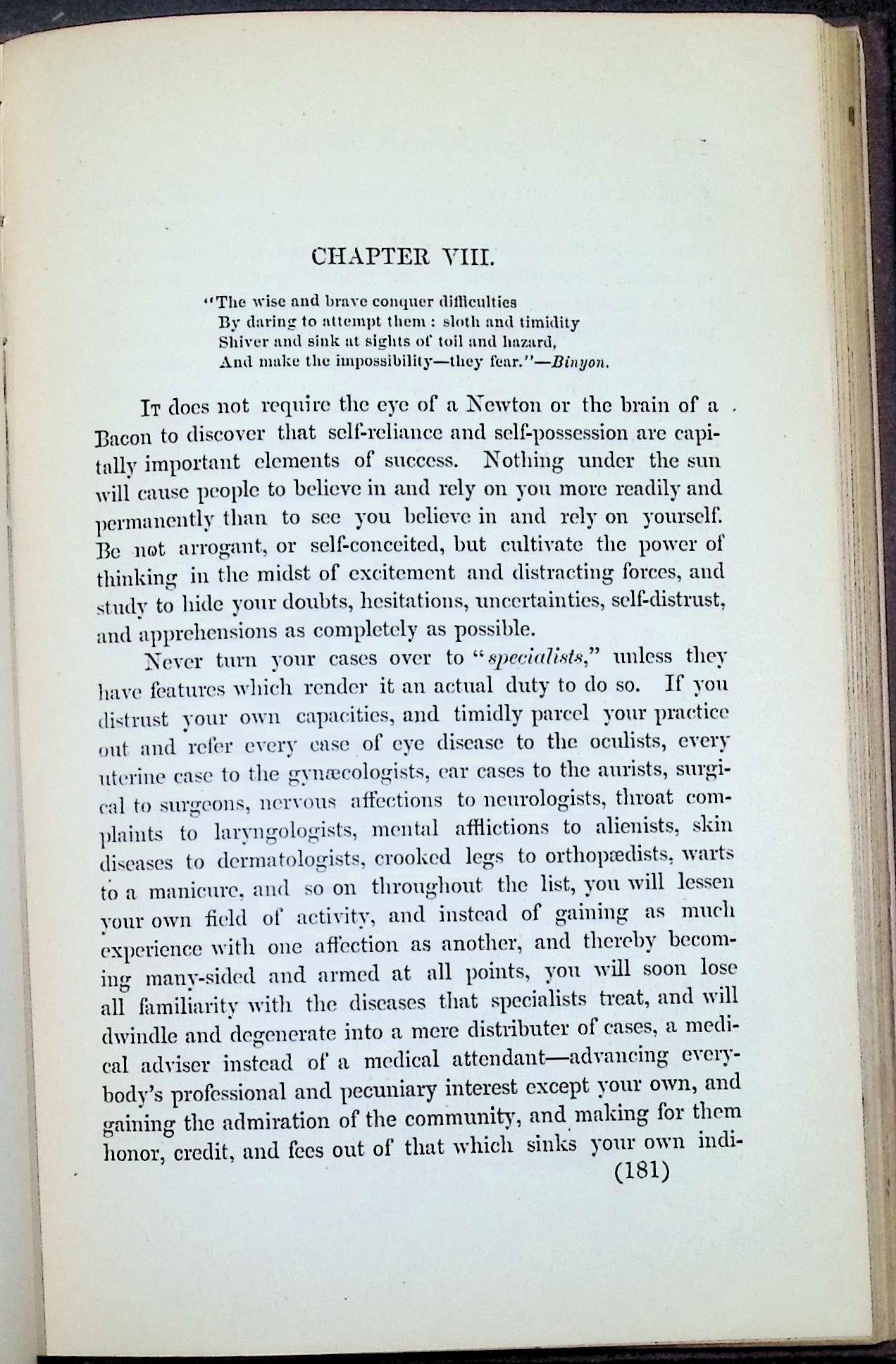
Particularly striking to the modern reader are Cathell’s comments on controversial topics: he sternly admonished against abortion under any circumstance, citing both moral and legal peril, and criticized the emerging reliance on medical specialists, urging general practitioners to maintain broad competence rather than surrendering cases.
Though dated in tone, the book stands as an invaluable artifact of medical culture in post-Civil War America — a mirror of 19th-century expectations of professionalism, ethics, and class within medicine.
Curious Facts, Ephemera, and Trivia
Cathell’s book remained in continuous print for over 40 years, with the 14th edition issued in 1922.
It was commonly presented as a graduation gift to new physicians by medical schools and hospital preceptors.
The work appeared frequently in JAMA advertisements into the 1910s as “the book that teaches doctors how to succeed.”
Cathell’s emphasis on “good handwriting and punctual bills” anticipated modern medical professionalism long before licensing boards enforced such standards.
The publisher, F. A. Davis, also produced the Medical Bulletin and many of the earliest post–Civil War medical manuals in America.
Excerpt
“To fight the battles of life successfully, it is as necessary for even the most skillful physician to possess a certain amount of professional tact and business sagacity as it is for a ship to have a rudder.”
“Never turn your cases over to specialists unless they have features which render it an actual duty to do so… Instead of gaining as much experience with one affection as another, you will soon lose all familiarity with the diseases that specialists treat.”
“It is always safe to do right, and never safe to do wrong.”
Why it is in the Cabinet
This book embodies the moral and professional ideals of the late Victorian physician. It reveals the social pressures and business realities that shaped the medical profession after the Civil War. Beyond its quaint advice, The Physician Himself captures an era when respectability was considered as vital to healing as medical knowledge. Its survival in well-preserved condition with physician provenance makes it a cornerstone artifact of medical self-culture.
Support Dr. Bebout’s Cabinet of Medical Curiosities
If you enjoy the history, the oddities, and the effort, help keep this cabinet open. Every little bit helps preserve and share the strange wonders of medicine's past.
Buy Me a Ko-fi ☕ Buy Me a Coffee ☕ Tip via PayPal 💵