
Title
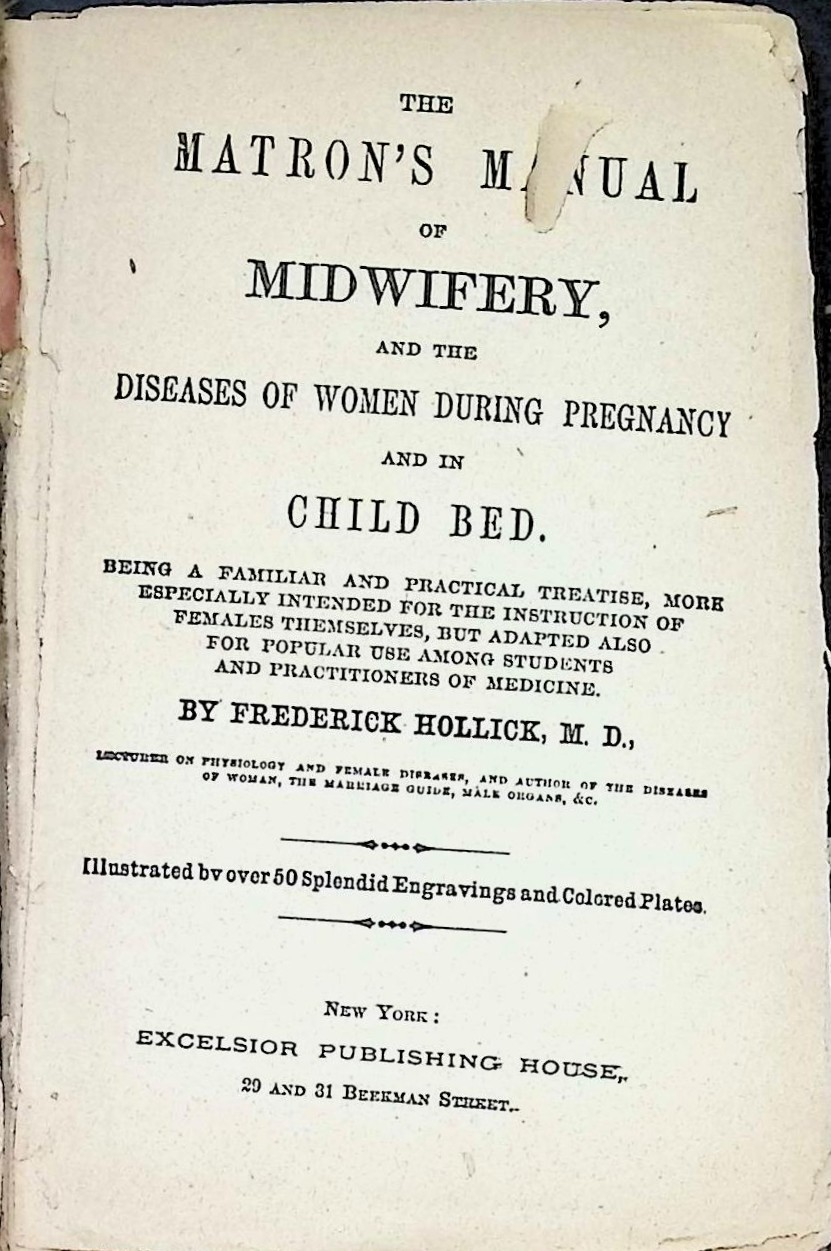
The Matron’s Manual of Midwifery, and the Diseases of Women During Pregnancy and in Childbed
Author
Author: Frederick Hollick, M.D.
Edition: 1876 (first published 1850)
Publisher: T. W. Strong
Place of Publication: New York
Image
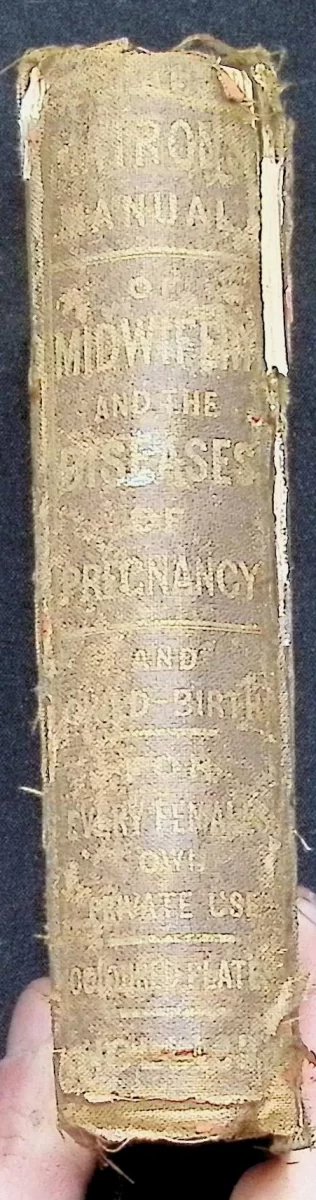
Description
The Matron’s Manual of Midwifery, and the Diseases of Women During Pregnancy and in Childbed is a widely circulated 19th-century domestic obstetrics guide written for women, midwives, and general practitioners at a time when childbirth was most often managed at home, frequently without direct medical supervision. First published in 1850 and reprinted for decades, the book reflects sustained demand for practical medical instruction in an era with limited access to professional obstetric care.
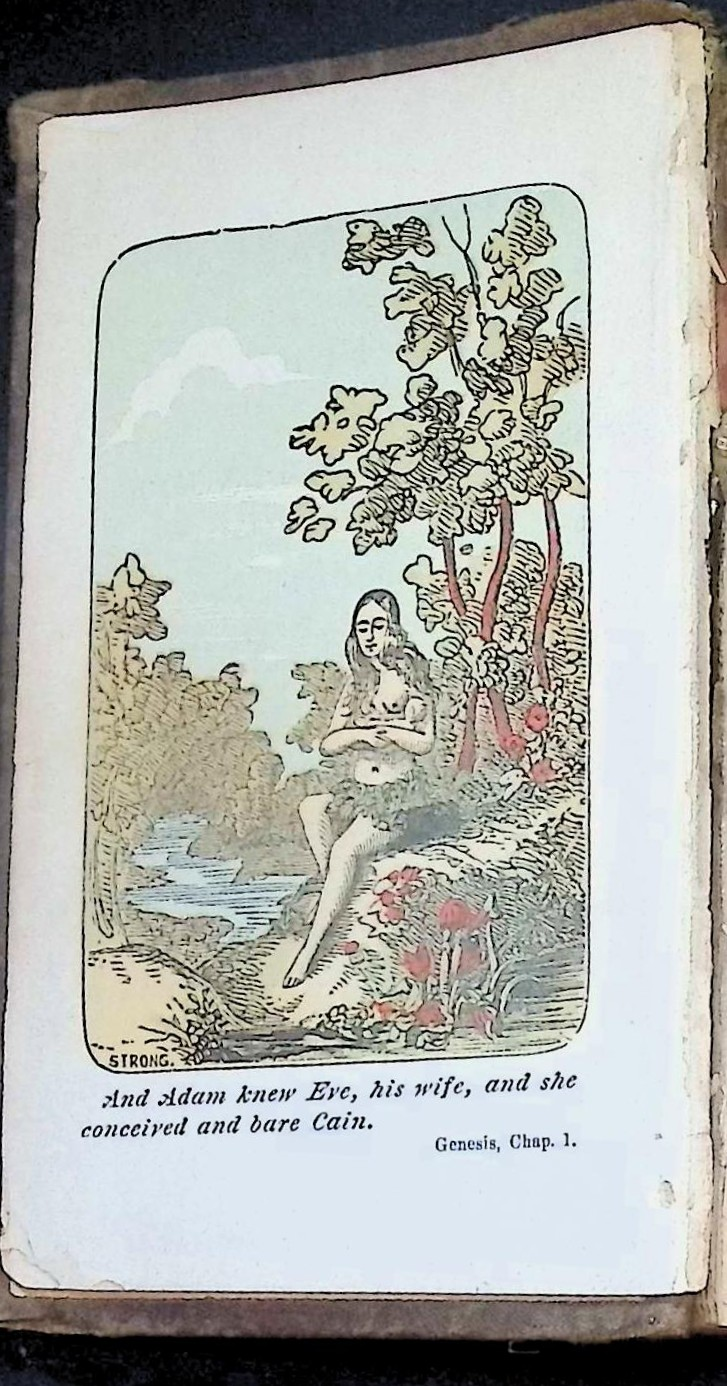
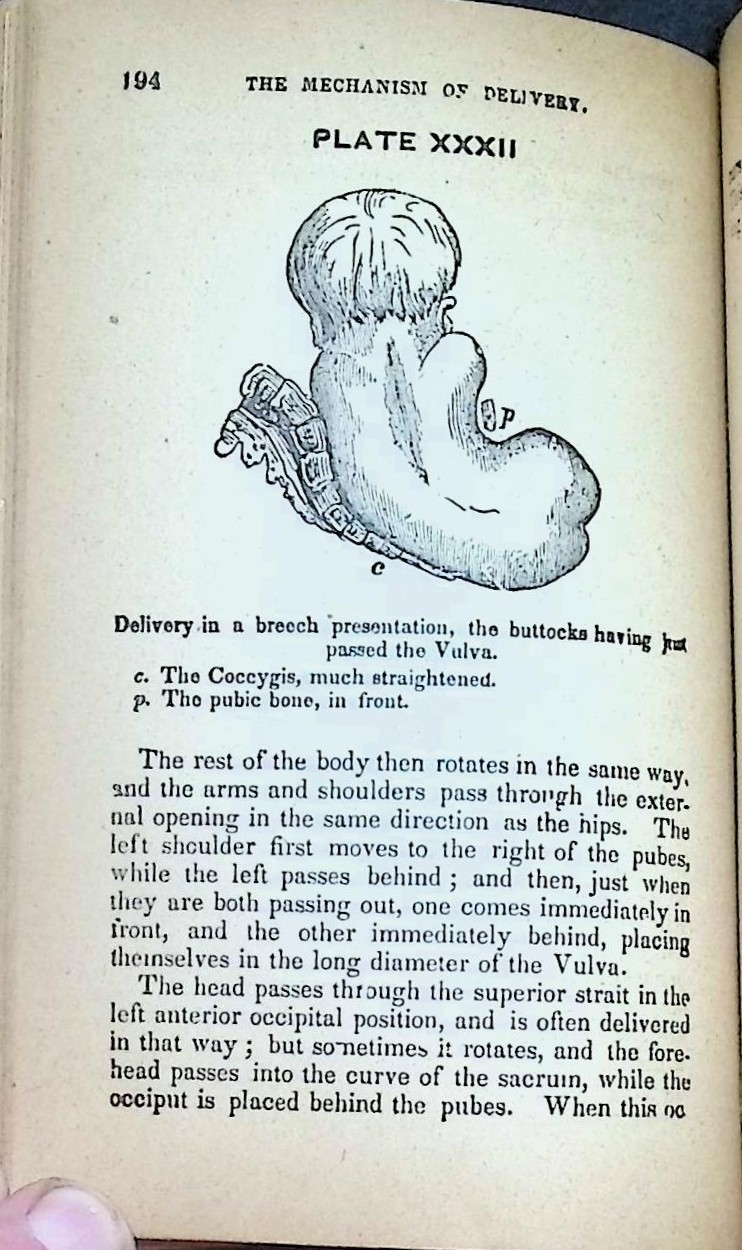
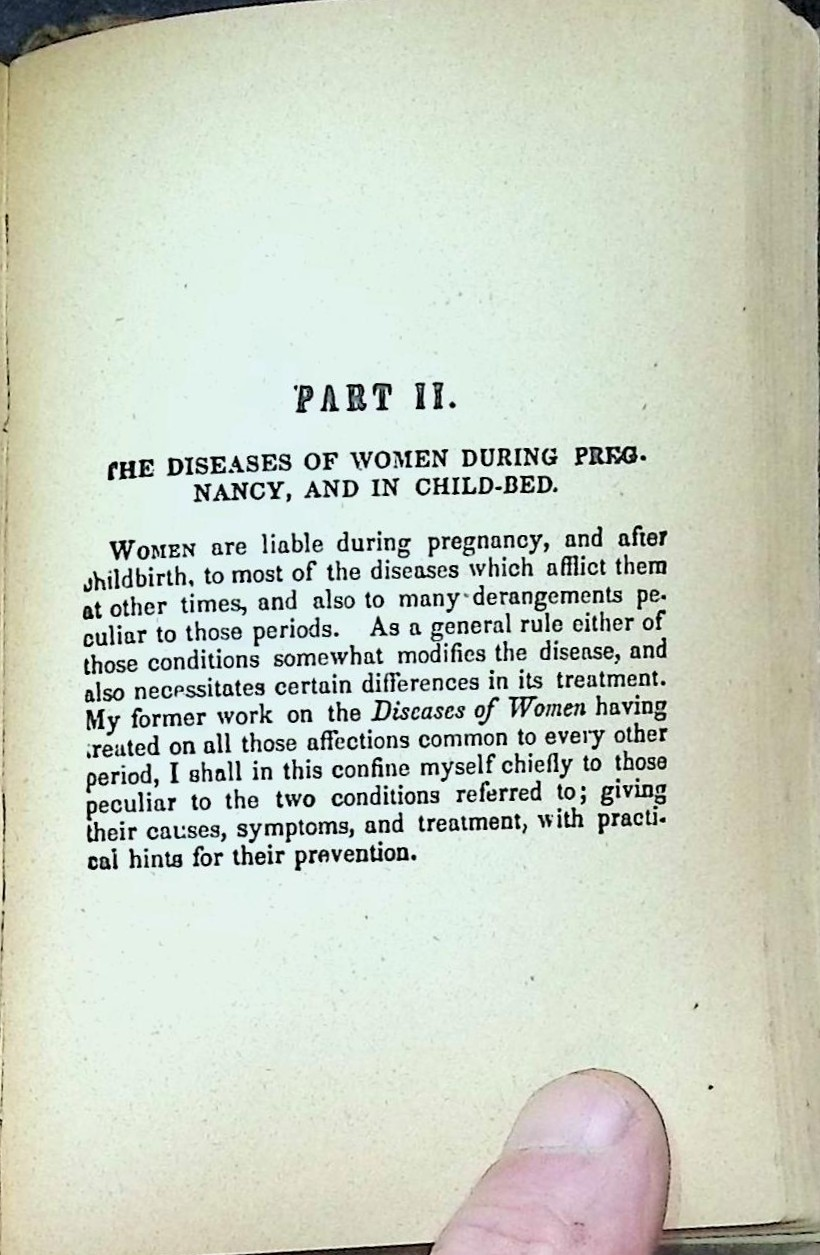
Hollick’s manual combines anatomical explanation, illustrated delivery techniques, and firm, prescriptive advice. Topics include pregnancy, the stages of labor, management of normal and abnormal fetal presentations (including breech), postpartum care, and diseases affecting women during confinement. The illustrations are direct and functional, intended to be consulted during real situations rather than studied academically.
The tone throughout is confident and directive. Hollick assumes the reader may need to act decisively and without assistance, emphasizing order, observation, and adherence to established rules. Alongside medical instruction, the text reflects contemporary moral and social expectations, placing responsibility for childbirth and recovery squarely within the domestic sphere.
By the time of this 1876 edition, the book was no longer new, but it remained relevant because the conditions it addressed had not substantially changed. Its continued publication reflects necessity rather than innovation. Copies like this were meant to be used, consulted, and relied upon during moments of urgency.
Condition
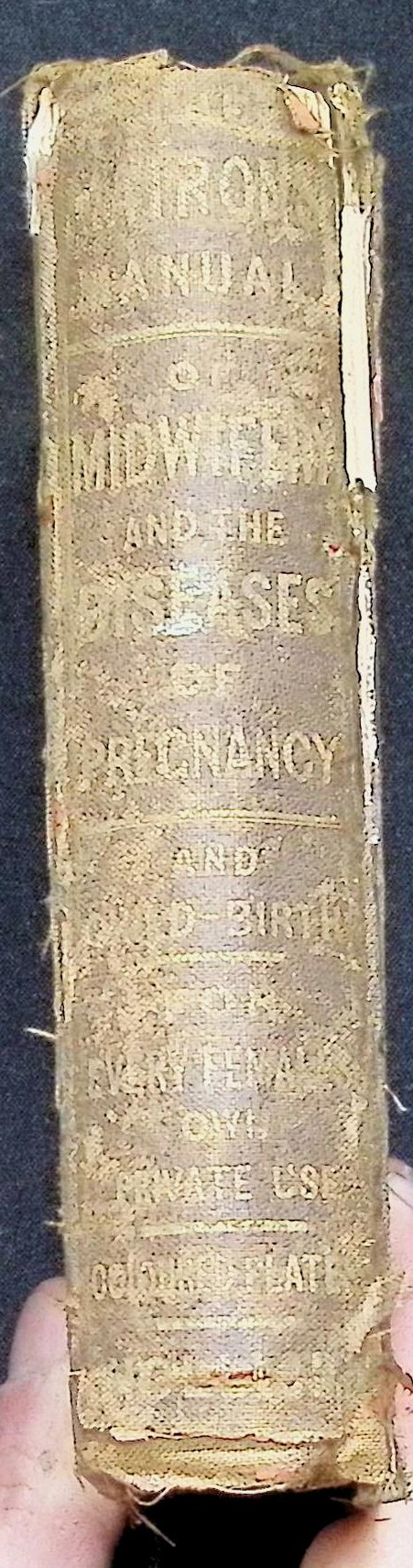
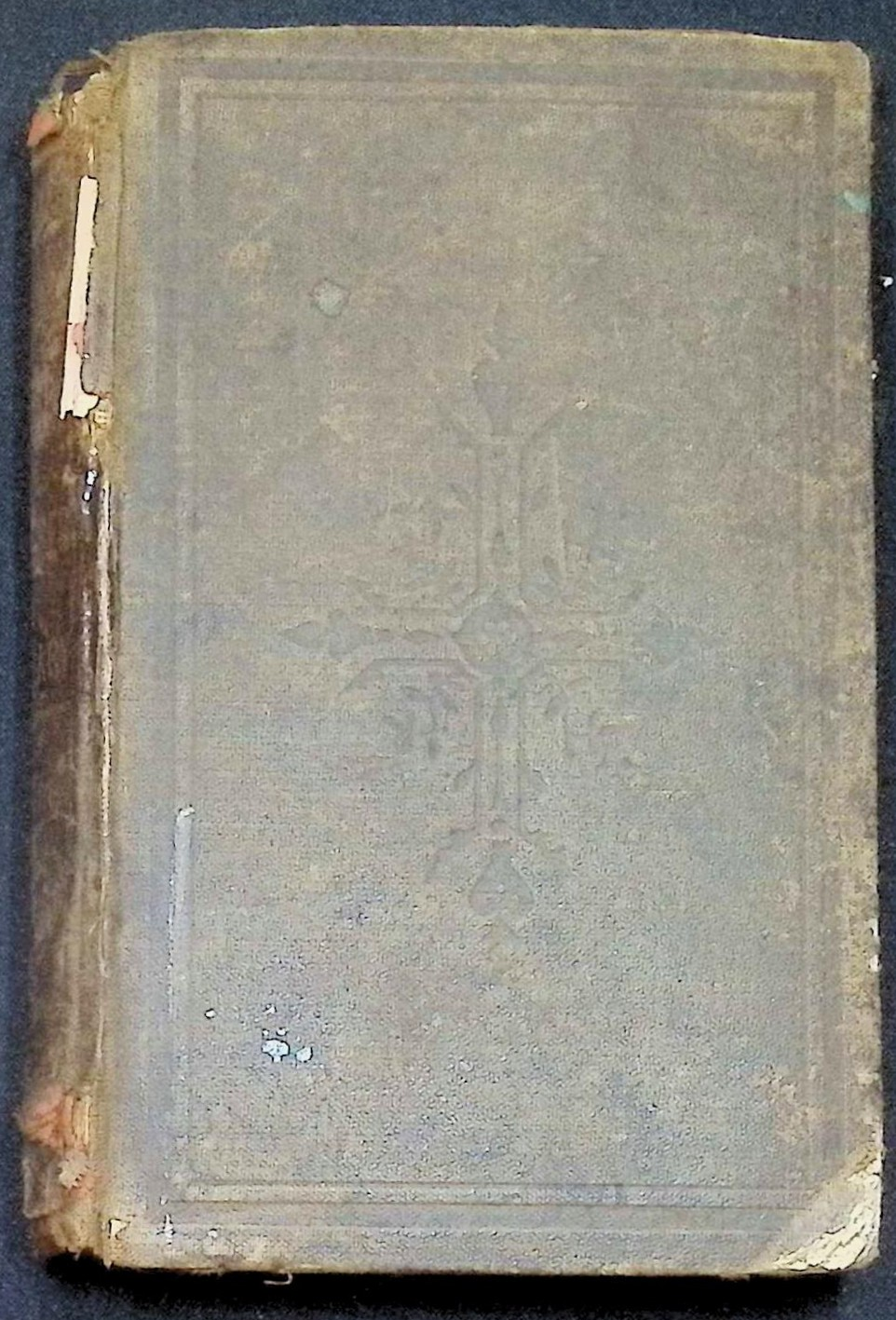
Heavy wear throughout, consistent with prolonged household use. Cloth boards are heavily frayed and faded with rounded corners and surface loss. The spine is soft and weakened. Both boards and the first several pages are beginning to separate at the hinges, with visible structural fatigue. Page edges are chipped and uneven, with small tears and losses. Interior pages are toned from age and handling but remain readable, with illustrations intact. Complete but structurally fragile.
Gallery
Historical context
Mid-19th-century obstetrics existed in a transitional space between traditional midwifery and emerging professional medicine. Anesthesia was limited, antisepsis unevenly applied, and maternal mortality remained significant. In this environment, books like Hollick’s attempted to impose structure and confidence where resources were scarce.
Domestic medical manuals filled the gap between professional care and necessity. They were often used repeatedly, passed between households, and consulted during emergencies. The heavy wear commonly seen in surviving examples reflects this role.
Curious Facts, Ephemera, and Trivia
The illustrations are notably direct, depicting fetal positions and manual interventions without euphemism. Moral instruction appears alongside medical advice, reinforcing period expectations surrounding motherhood, propriety, and household responsibility.
Excerpt
“Nature, when properly assisted, seldom fails; it is interference without knowledge that proves fatal.”
Why it is in the Cabinet
This book represents medicine practiced out of necessity rather than comfort. It is not theoretical, and it is not gentle. The physical wear on this copy is part of its meaning — evidence that it was likely present when decisions mattered. It belongs in the Cabinet because it shows how medical knowledge was trusted, applied, and literally worn down by use.
Digital Reference Copy
A digitized copy of the 1850 first edition of The Matron’s Manual of Midwifery, and the Diseases of Women During Pregnancy and in Childbed has been made available for reference. This digital version reflects the original publication of the work and is provided for historical comparison and research purposes.
Note: The physical volume documented in this Cabinet entry is an 1876 edition, representing a later reprinting of the same work
Support Dr. Bebout’s Cabinet of Medical Curiosities
If you enjoy the history, the oddities, and the effort, help keep this cabinet open. Every little bit helps preserve and share the strange wonders of medicine's past.
Buy Me a Ko-fi ☕ Buy Me a Coffee ☕ Tip via PayPal 💵