
Title
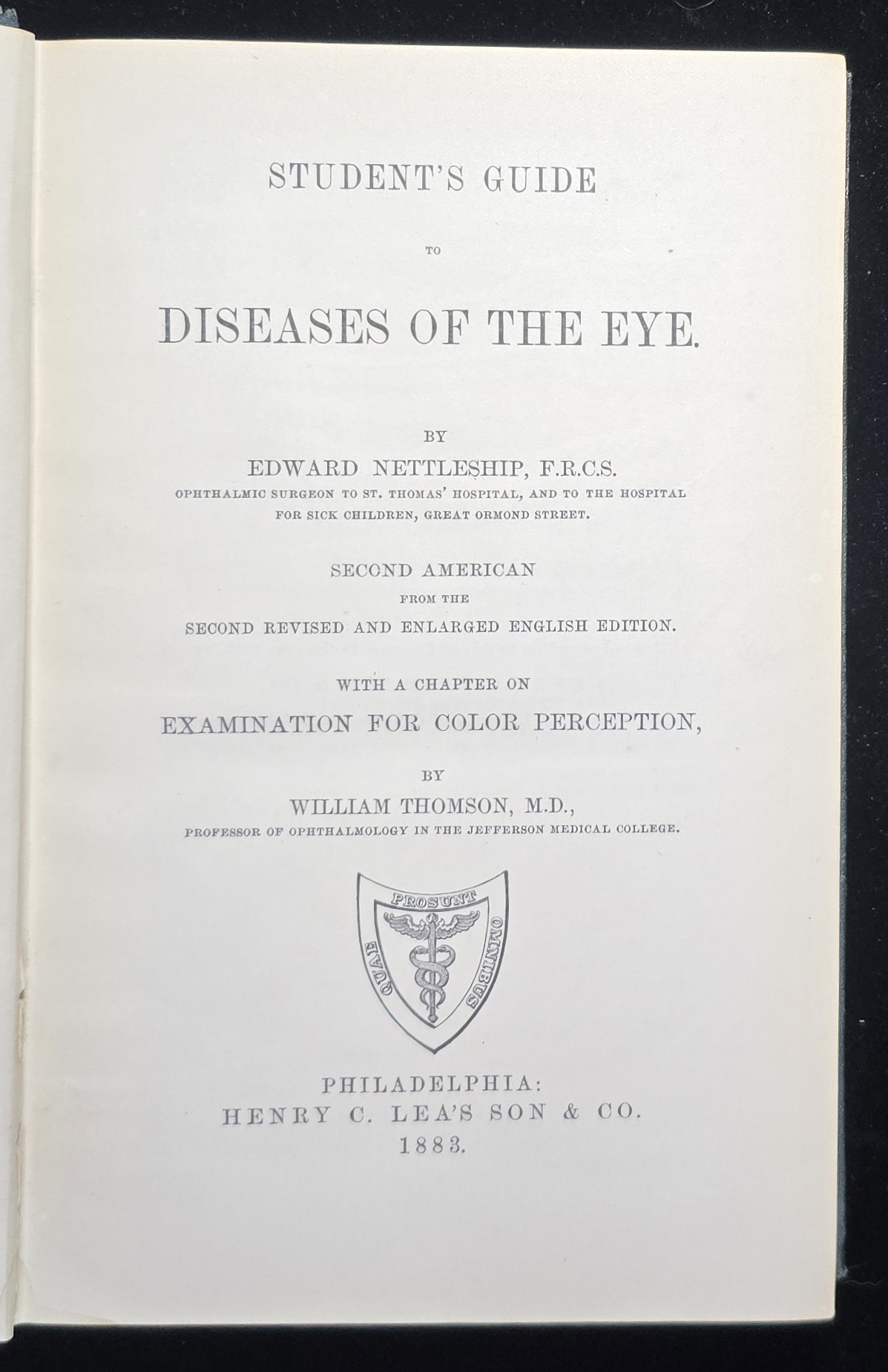
Student’s Guide to Diseases of the Eye (1883)
Author
Author: Edward Nettleship, F.R.C.S.
Editor (U.S. Edition): William Thomson, M.D.
Publisher: Henry C. Lea’s Son & Co., Philadelphia
Image
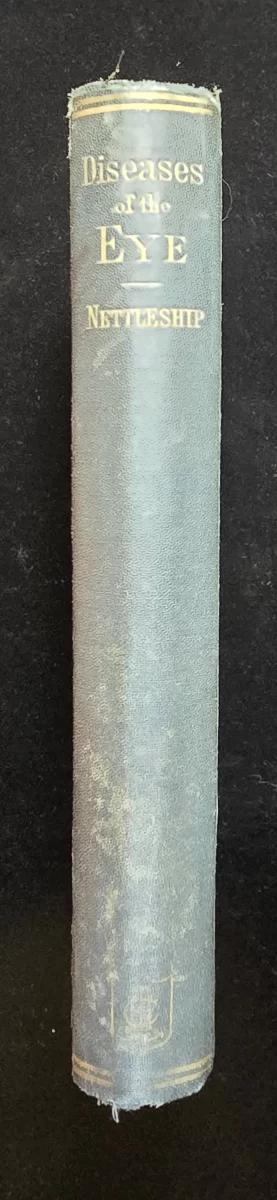
Description
This 1883 American edition of Student’s Guide to Diseases of the Eye was one of the most influential ophthalmologic manuals of the late 19th century. Written by Edward Nettleship—ophthalmic surgeon at St. Thomas’ Hospital and the Hospital for Sick Children in London—it offered concise, practical instruction for medical students and practitioners alike. The U.S. edition includes an additional chapter by Dr. William Thomson, covering color perception testing, reflecting growing interest in functional ophthalmology.
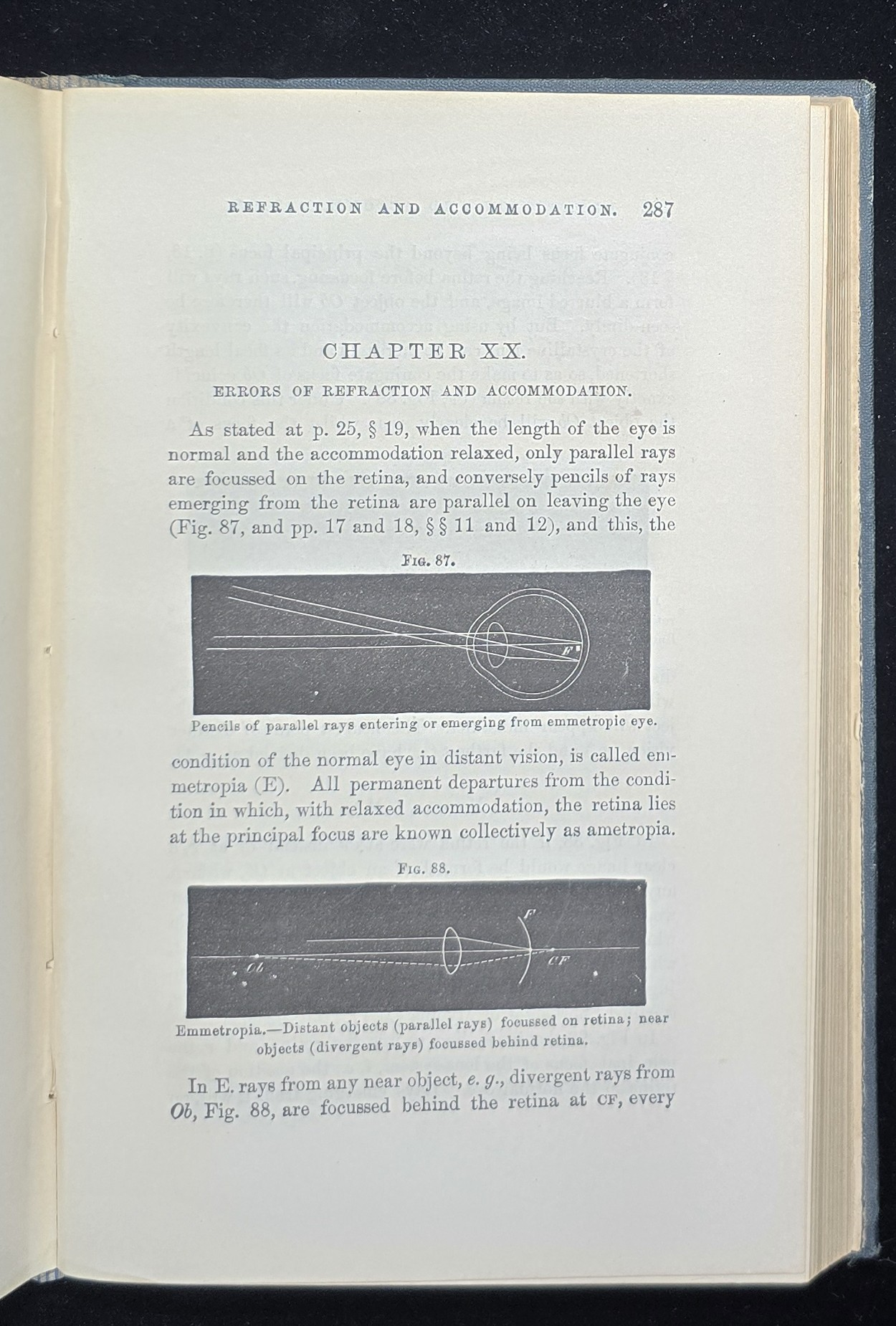
The volume features clear diagrams and clinical explanations, such as those found in Chapter XX on Errors of Refraction and Accommodation, showcasing early understanding of emmetropia and ametropia—terminology still used today.
Condition
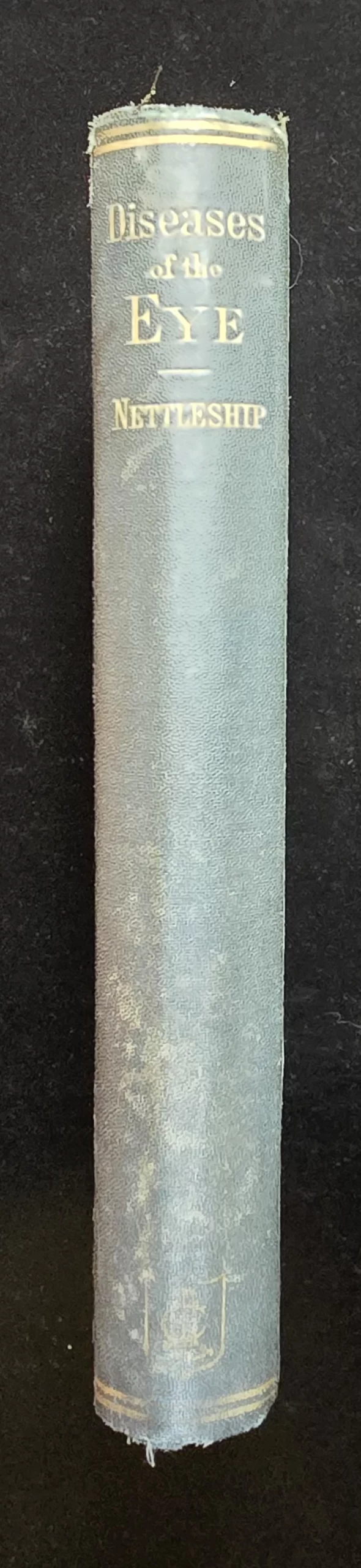
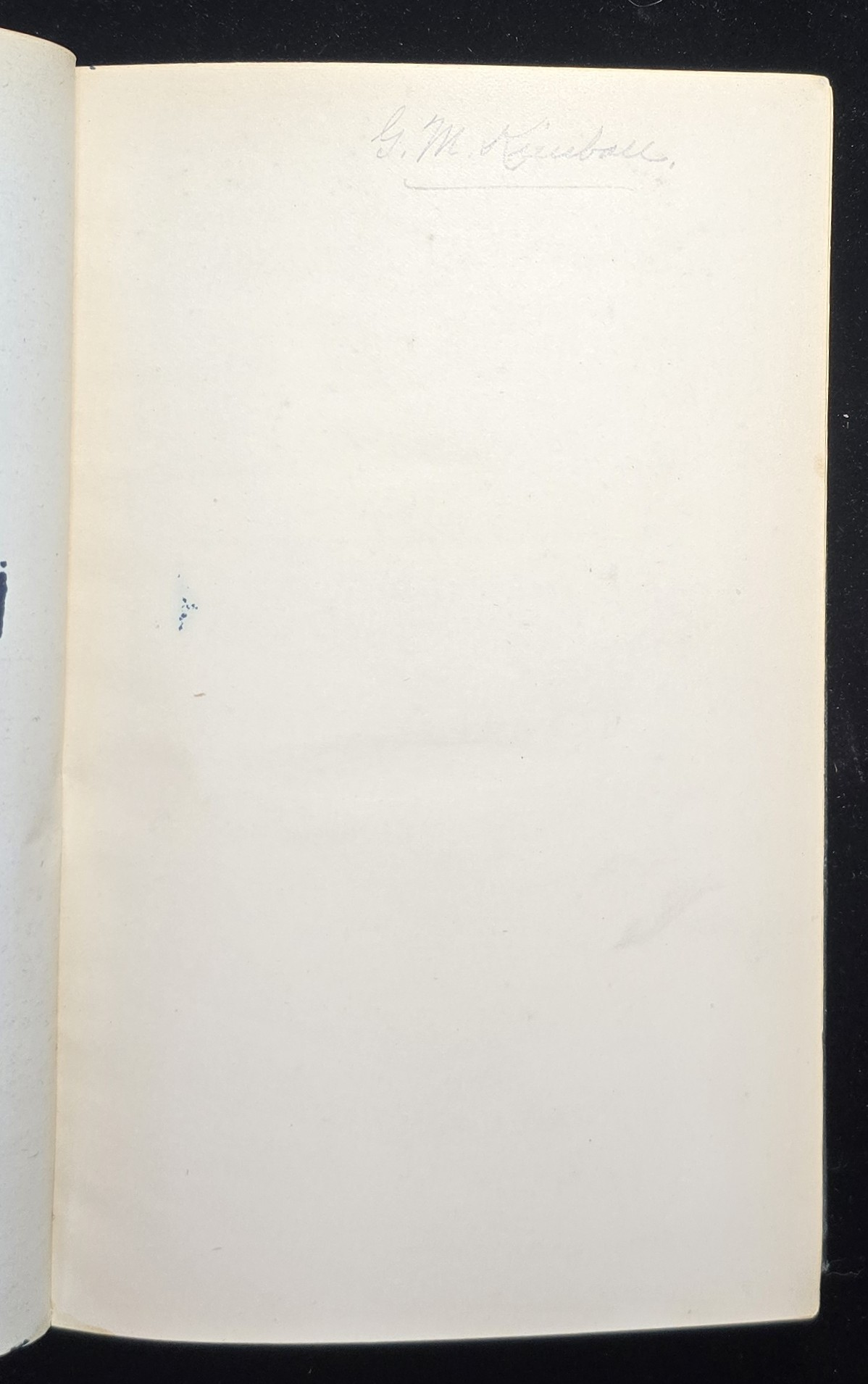
Good. Spine worn and frayed at crown and foot, light edge rubbing, binding sound. Internally clean with mild toning. Signed on the front flyleaf by a previous owner, “G. M. Kimball.”
Gallery
Historical context
Edward Nettleship’s The Student’s Guide to Diseases of the Eye emerged in the late 19th century—an era when ophthalmology was transforming from a niche surgical sideline into a full-fledged medical specialty. First published in the 1870s and widely circulated by the 1880s, this guide became a standard textbook in both British and American medical schools. Nettleship, an English ophthalmologist and lecturer at St. Thomas’ Hospital in London, wrote in a clear, practical style aimed at students just beginning to grapple with ocular anatomy, pathology, and surgical treatment.
At the time, eye diseases were common and devastating—especially in industrial and post-war populations. Trachoma, syphilitic uveitis, tuberculosis-related eye infections, and injuries from mining, factories, and railroads were routine. There were no antibiotics, no lasers, and no reliable intraocular procedures yet. Treatments leaned heavily on mercury, atropine, cocaine eye drops (yes, really), and surgery with frighteningly primitive tools.
Nettleship’s book guided students through this minefield with detailed illustrations and a surprisingly modern clinical mindset: observe carefully, record thoroughly, and examine the fundus. The book predates slit lamps and fundus cameras, but it championed the direct ophthalmoscope, which had been invented just decades earlier by Helmholtz in 1851.
The enduring popularity of the guide—particularly in American reprint editions—reflects the growth of ophthalmology during the Flexner-influenced modernization of medical education (circa 1910). This book gave young doctors a fighting chance at diagnosing and treating eye conditions before the field became hyper-specialized.
Curious Facts, Ephemera, and Trivia
Color vision testing was still in its infancy at this time; this text includes an early approach to evaluating it, well before the Ishihara test (1917).
Edward Nettleship later co-authored works on hereditary eye disease, contributing to the foundations of ocular genetics.
The book’s Philadelphia publisher, Henry C. Lea, was a titan of American medical publishing in the 19th century and also printed Gray’s Anatomy.
The ownership inscription “G. M. Kimball” could be investigated for potential connection to a historical physician or student.
Excerpt
“Ulcers on the eyelids may be malignant, or lupous, or syphilitic. And in the last case, the sore may either be a chancre or a tertiary ulcer.”
— Edward Nettleship, The Student’s Guide to Diseases of the Eye, p. 86
This no-nonsense line from Nettleship reflects the blunt tone of Victorian-era clinical guides. Students were expected to differentiate between cancer, lupus vulgaris, and syphilis at a glance—because each demanded drastically different treatments, ranging from caustics and curettage to mercury and isolation.
Why it is in the Cabinet
his text represents a transitional moment in medical training when specializations like ophthalmology were just beginning to formalize. With ophthalmic science still largely observational and pre-surgical, Nettleship’s work served as a bridge between bedside teaching and modern clinical specialization. It also reveals the pedagogical tone of the era—precise, no-nonsense, and unapologetically dense.
Support Dr. Bebout’s Cabinet of Medical Curiosities
If you enjoy the history, the oddities, and the effort, help keep this cabinet open. Every little bit helps preserve and share the strange wonders of medicine's past.
Buy Me a Ko-fi ☕ Buy Me a Coffee ☕ Tip via PayPal 💵