
Title
Principles of Roentgenological Interpretation
Author
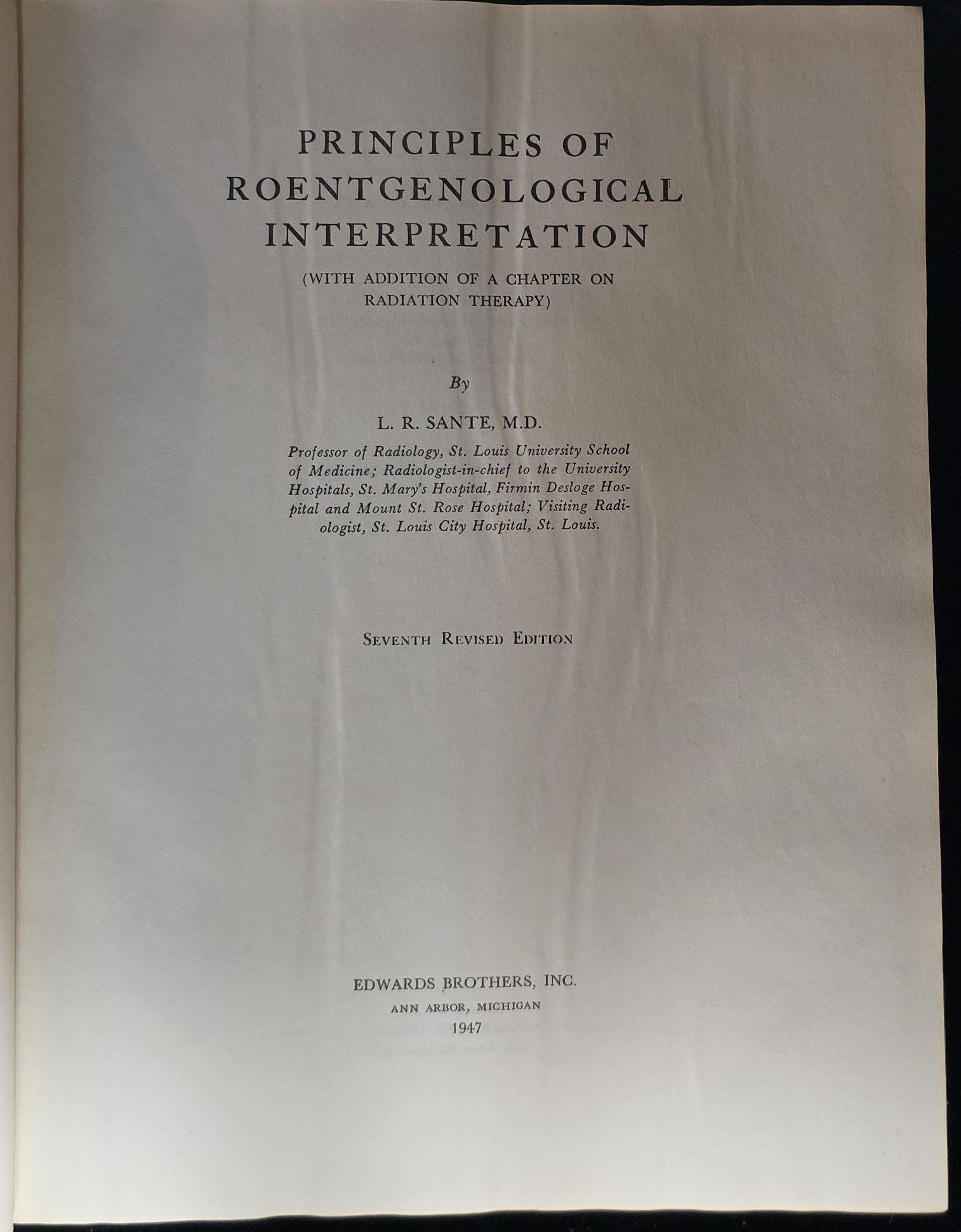
L. R. Sante, M.D. — Professor of Radiology, St. Louis University School of Medicine; Radiologist-in-Chief to the University Hospitals, St. Mary’s Hospital, Firmin Desloge Hospital, and Mount St. Rose Hospital; Visiting Radiologist, St. Louis City Hospital
Image
Description
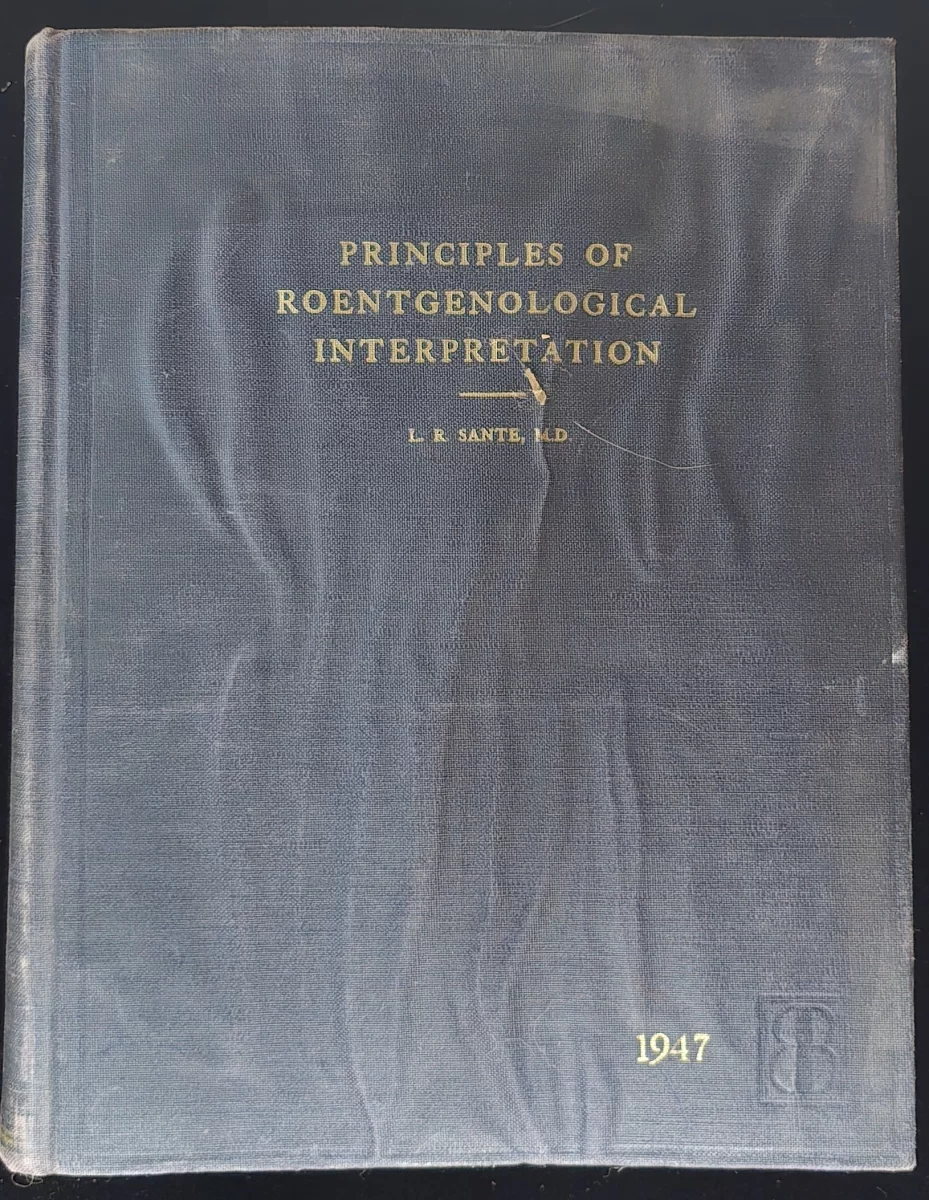
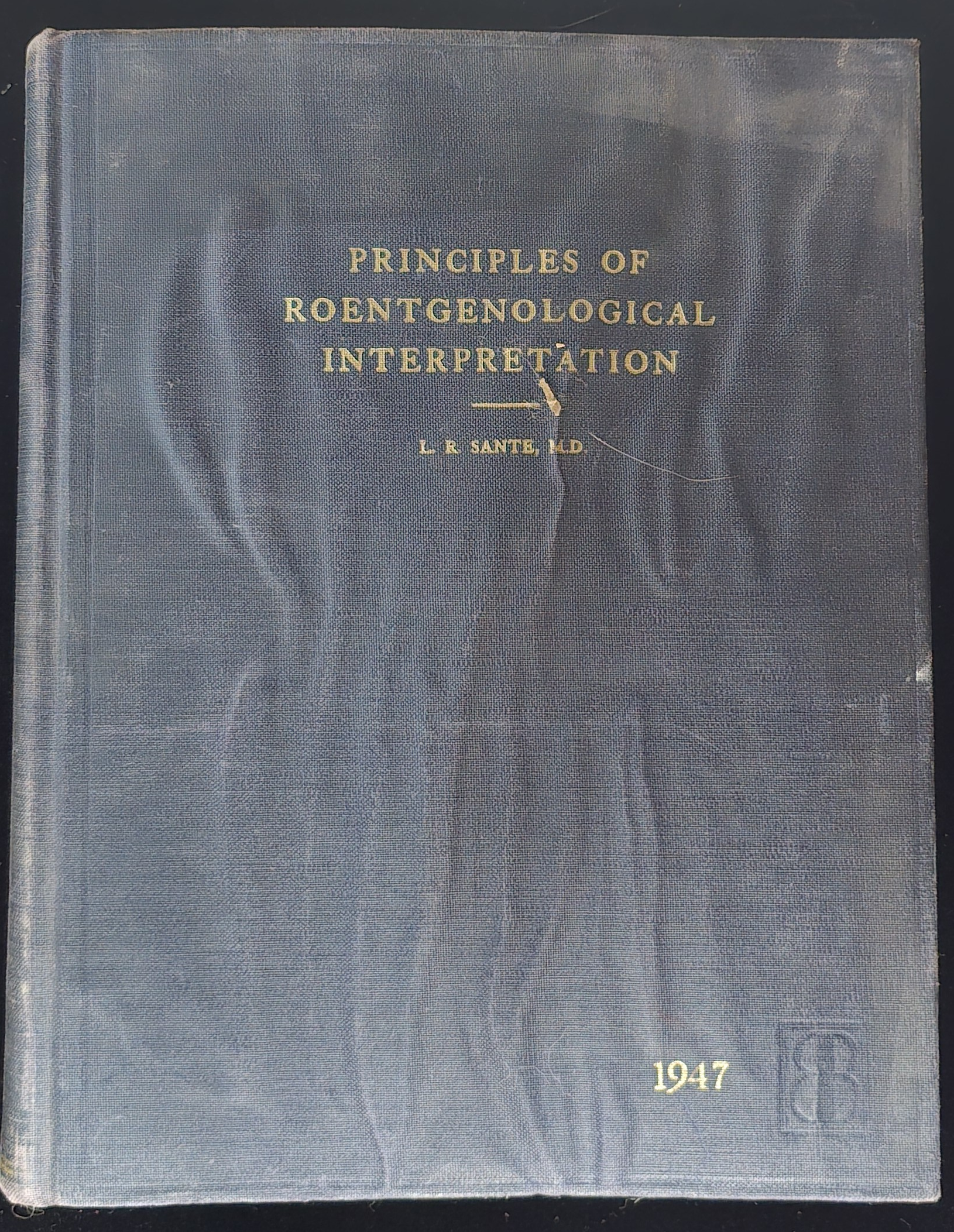
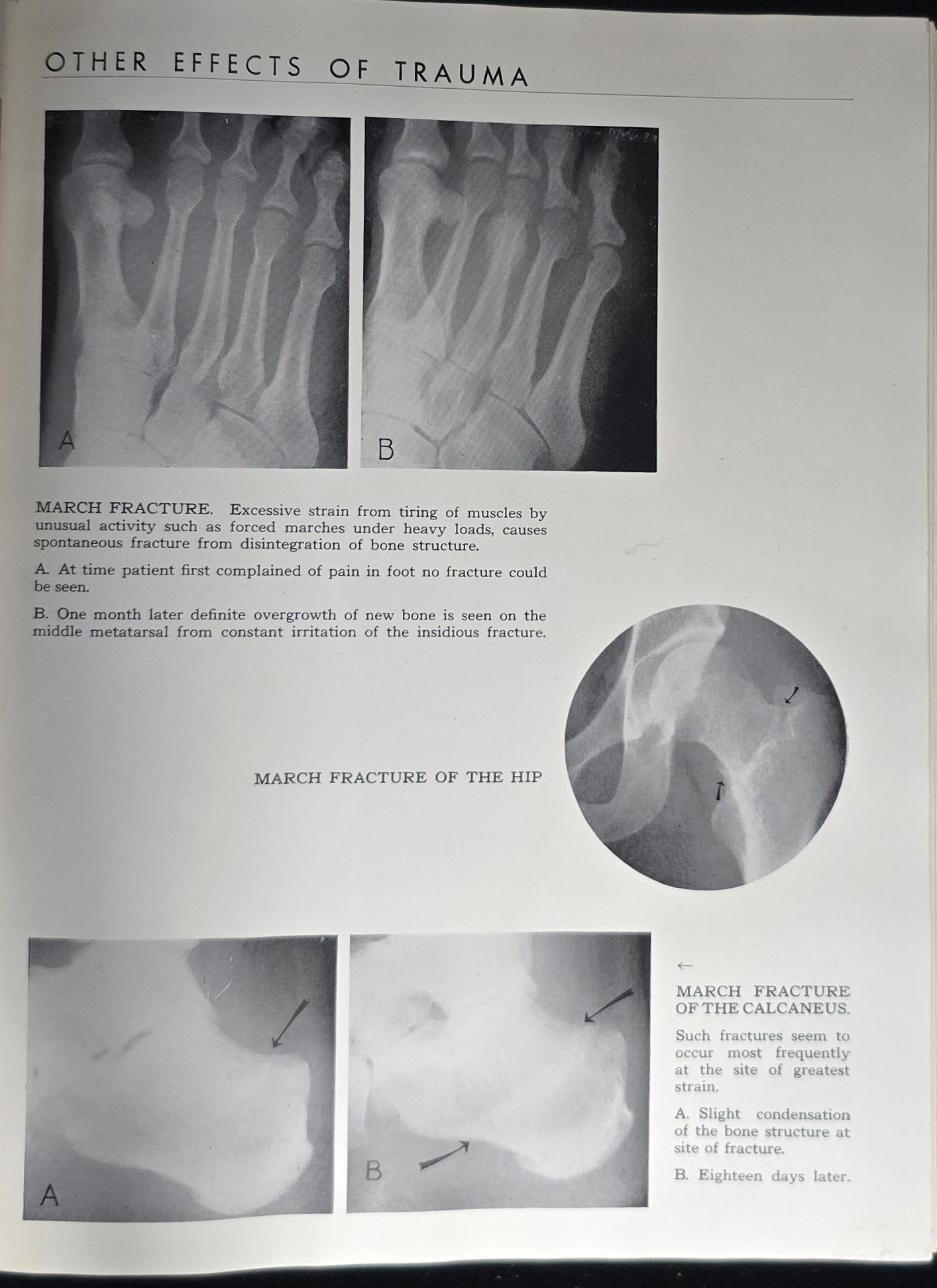
Principles of Roentgenological Interpretation (Seventh Revised Edition, 1947) by L. R. Sante is a comprehensive reference on the interpretation of X-ray images. This edition includes a newly added chapter on radiation therapy, reflecting the expanding role of radiology in both diagnosis and treatment. The work covers normal anatomy, pathology recognition, and specialized radiographic signs, with photographic plates illustrating a range of conditions. Notably, this edition features case studies such as “March fractures” — stress fractures seen in military recruits and athletes — captured in early radiographic detail.
Condition
Blue hardcover with gold lettering. Moderate edge and corner wear, with some surface wrinkling and light staining to covers. Spine slightly frayed at top. Binding tight; interior pages clean and well-preserved.
Gallery

Historical context
By the mid-20th century, radiology had become an essential component of modern medicine, moving beyond basic fracture diagnosis to detect subtle changes in soft tissues, internal organs, and early disease processes. Dr. Sante, a recognized leader in the field, wrote this work during a period when X-ray interpretation was still an art requiring years of experience. The inclusion of trauma cases like March fractures reflected the needs of a post-WWII medical community that was treating both civilian and veteran patients with overuse injuries and occupational trauma.
Curious Facts, Ephemera, and Trivia
The term “Roentgenology” comes from Wilhelm Röntgen, the discoverer of X-rays in 1895.
March fractures were first described in military recruits performing repetitive marches under heavy loads.
Edwards Brothers, Inc., the Ann Arbor-based printer, was known for high-quality academic and medical texts in the mid-20th century.
Excerpt
From “Other Effects of Trauma” section:
“Excessive strain from tiring of muscles by unusual activity such as forced marches under heavy loads, causes spontaneous fracture from disintegration of bone structure… One month later definite overgrowth of new bone is seen… from constant irritation of the insidious fracture.”
Why it is in the Cabinet
This volume is an important record of diagnostic radiology in the years before CT and MRI. The detailed descriptions and photographic plates provide insight into how physicians identified fractures, tumors, and other pathology with only conventional X-rays. It stands as a testament to the skill required to interpret subtle imaging changes — and to the history of radiology as both a diagnostic tool and a therapeutic guide.
Support Dr. Bebout’s Cabinet of Medical Curiosities
If you enjoy the history, the oddities, and the effort, help keep this cabinet open. Every little bit helps preserve and share the strange wonders of medicine's past.
Buy Me a Ko-fi ☕ Buy Me a Coffee ☕ Tip via PayPal 💵