
Title
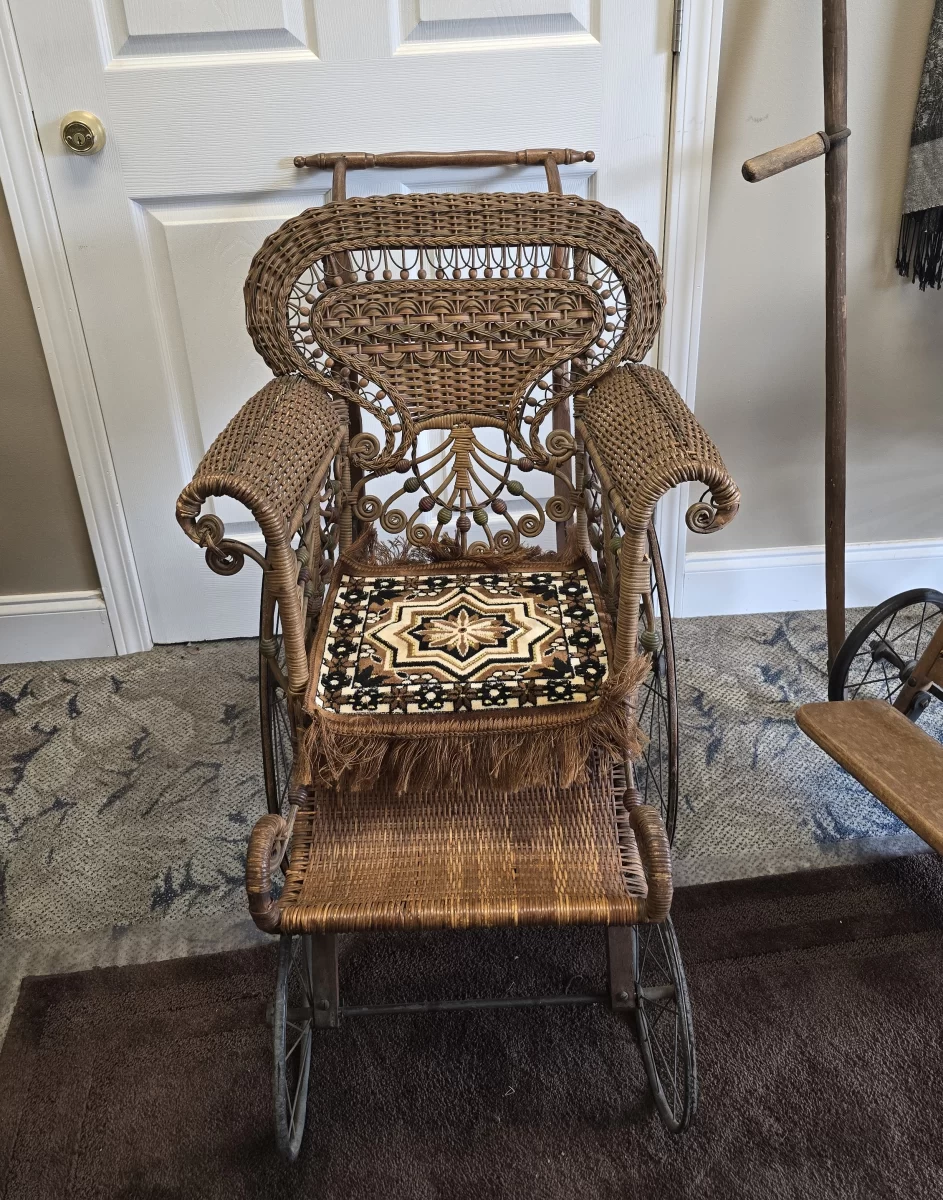
Pediatric Wicker Invalid Chair
Author
Maker unknown
Image
Description
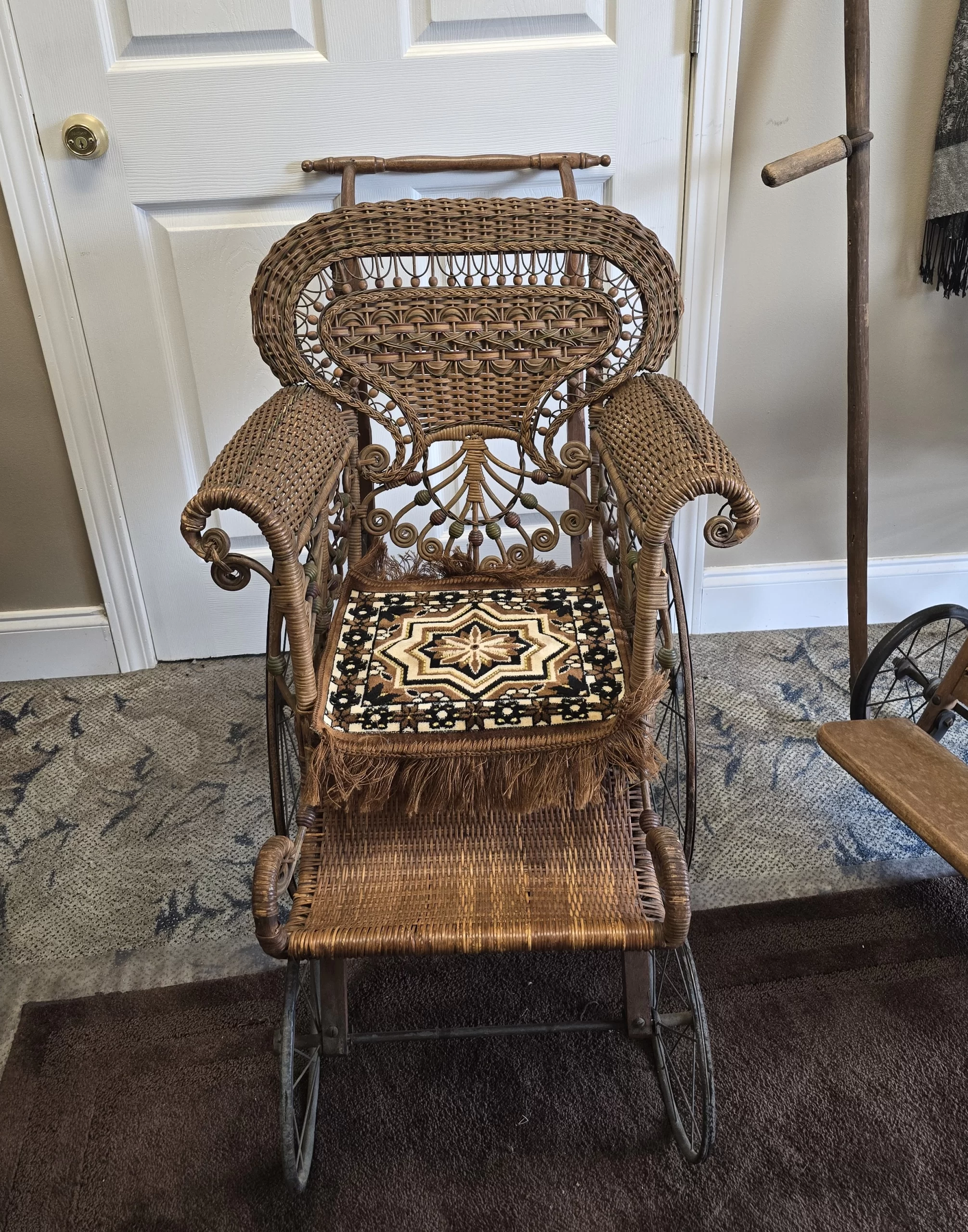
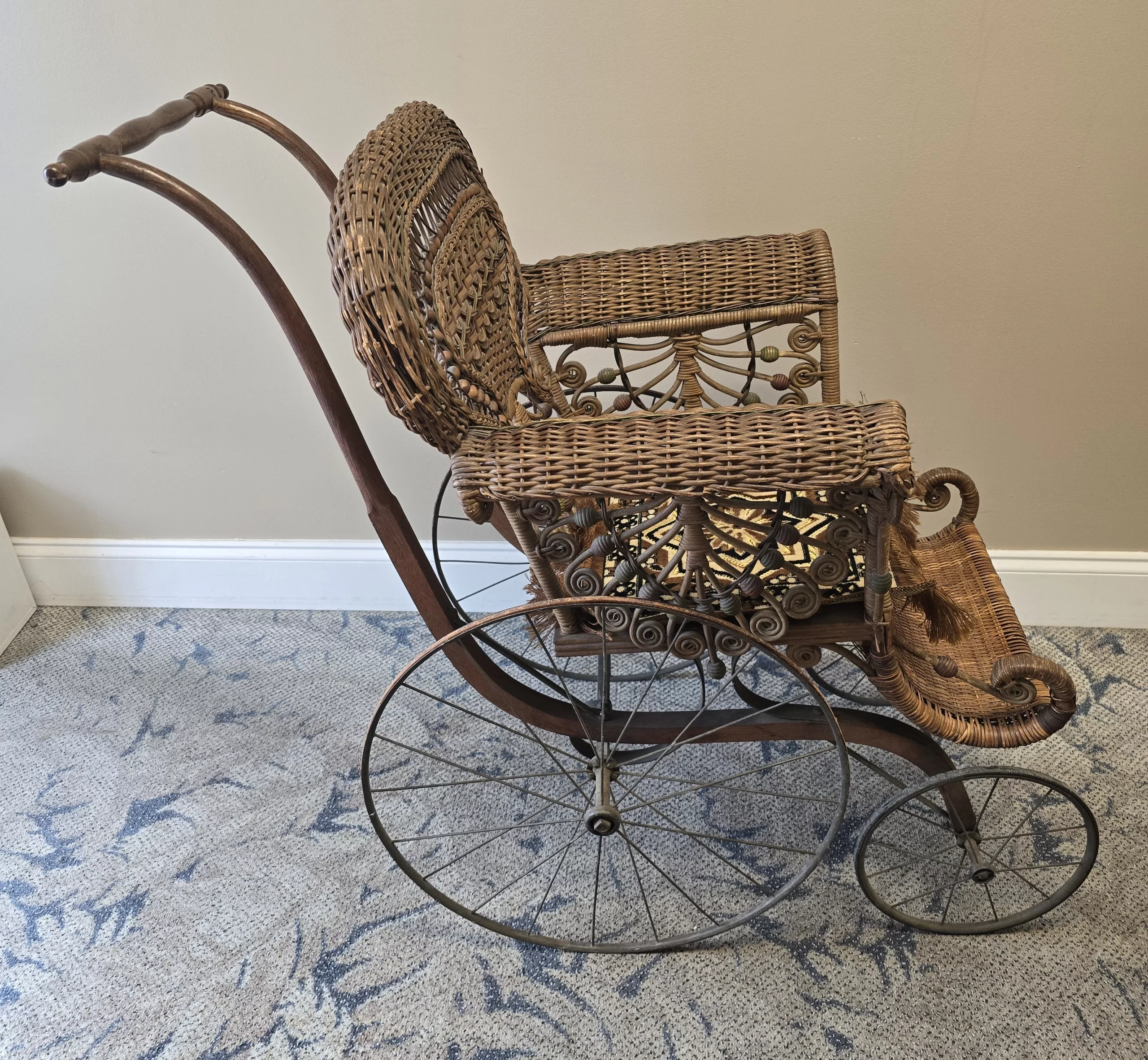
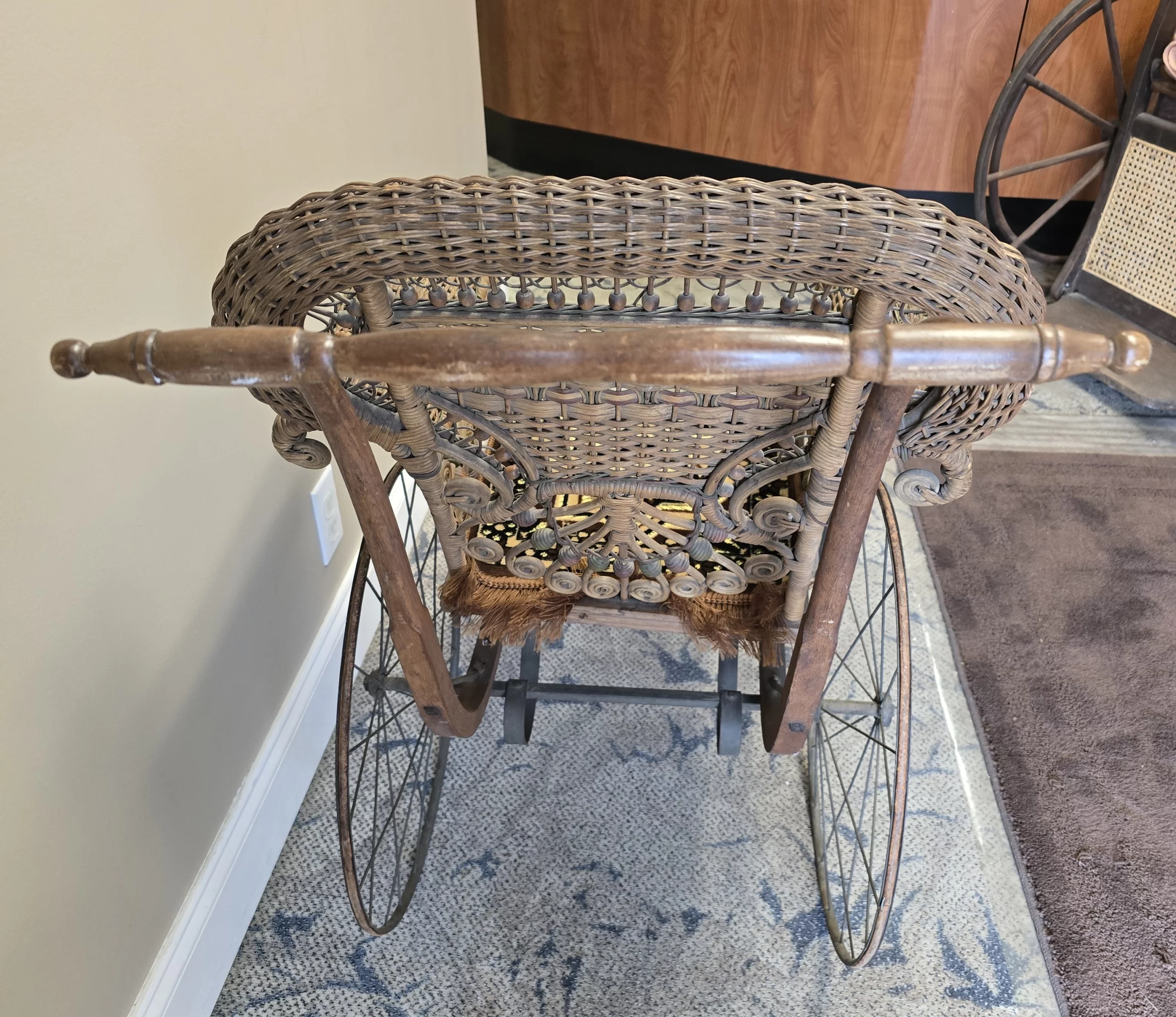
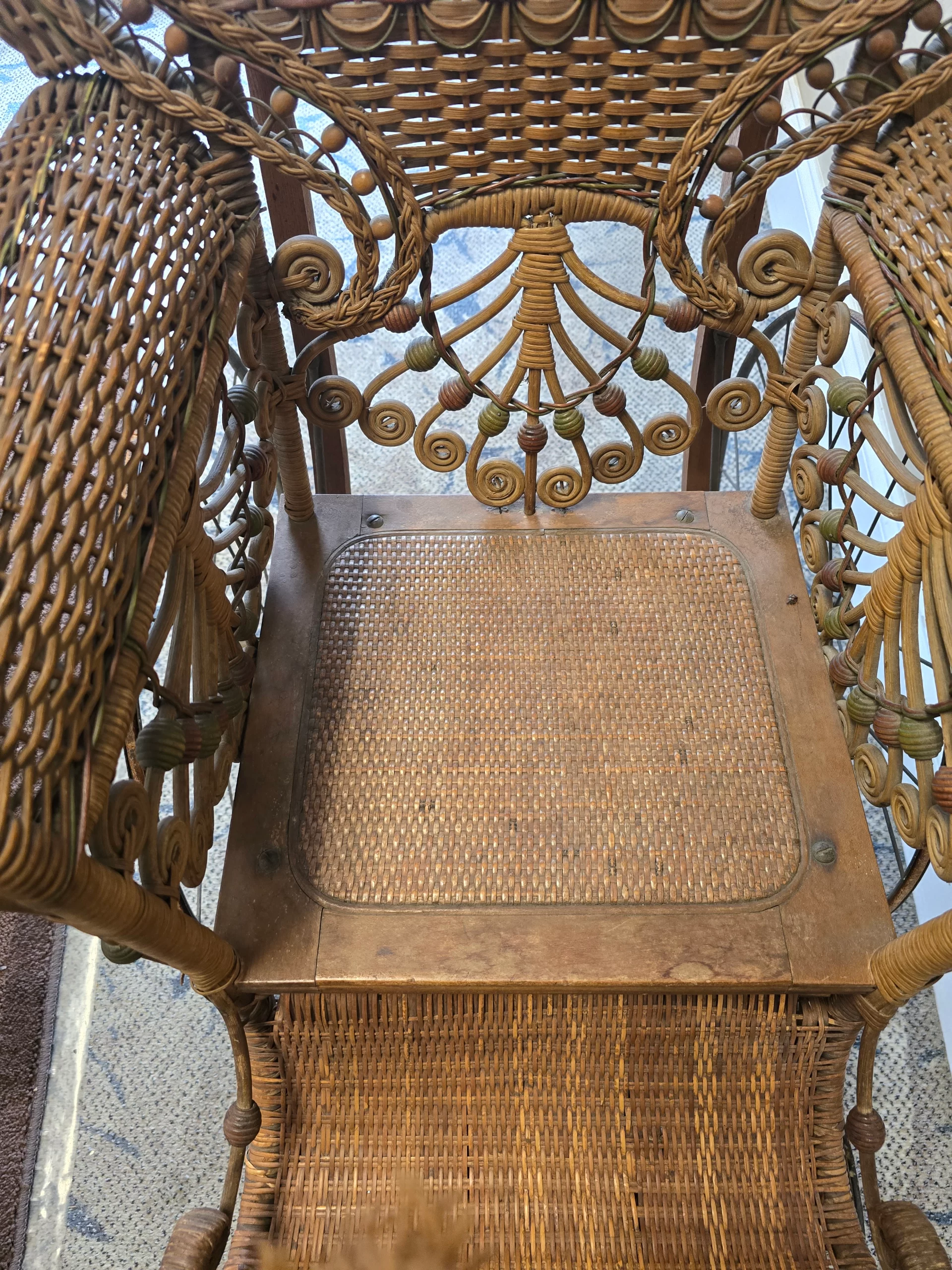
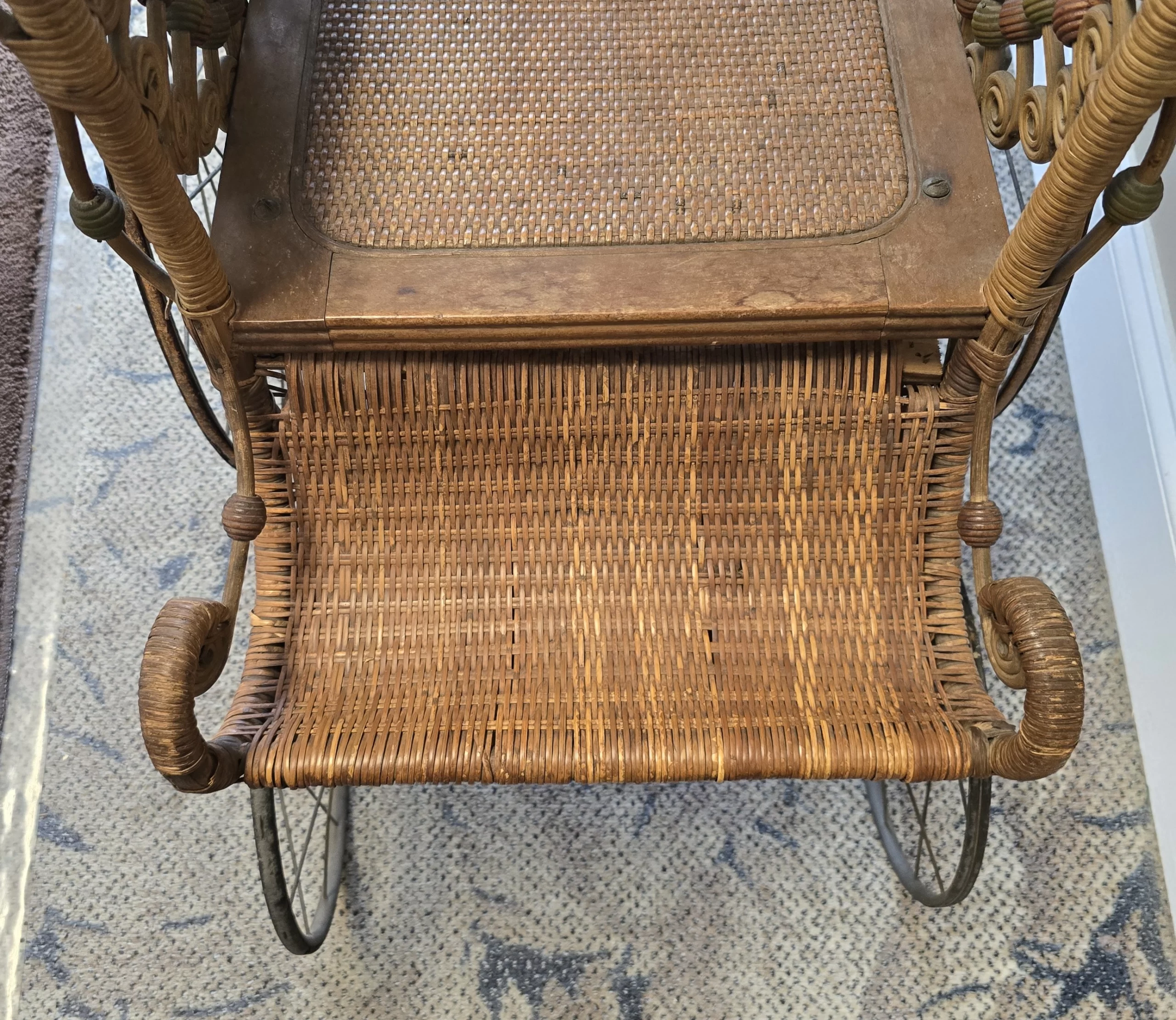
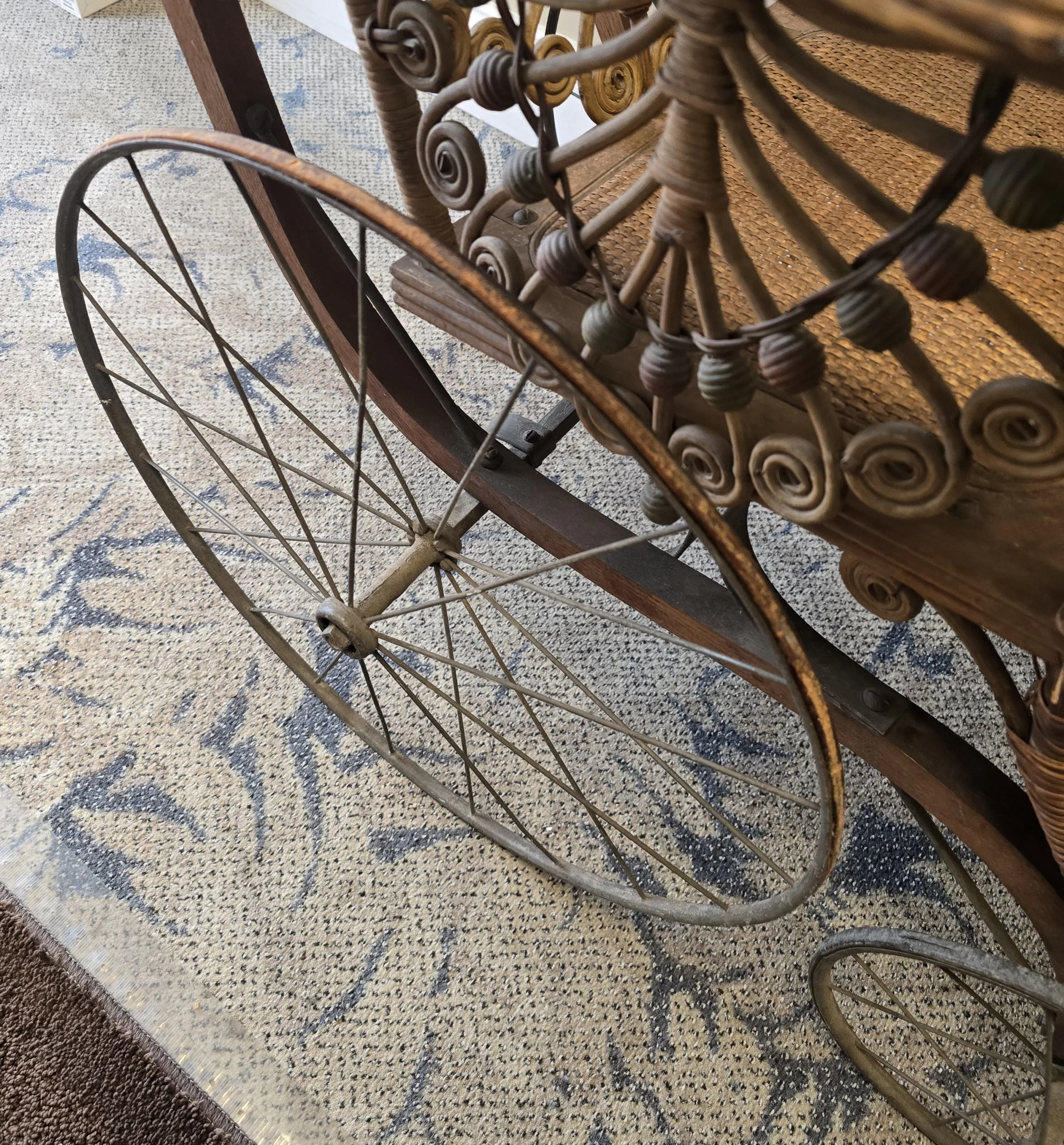
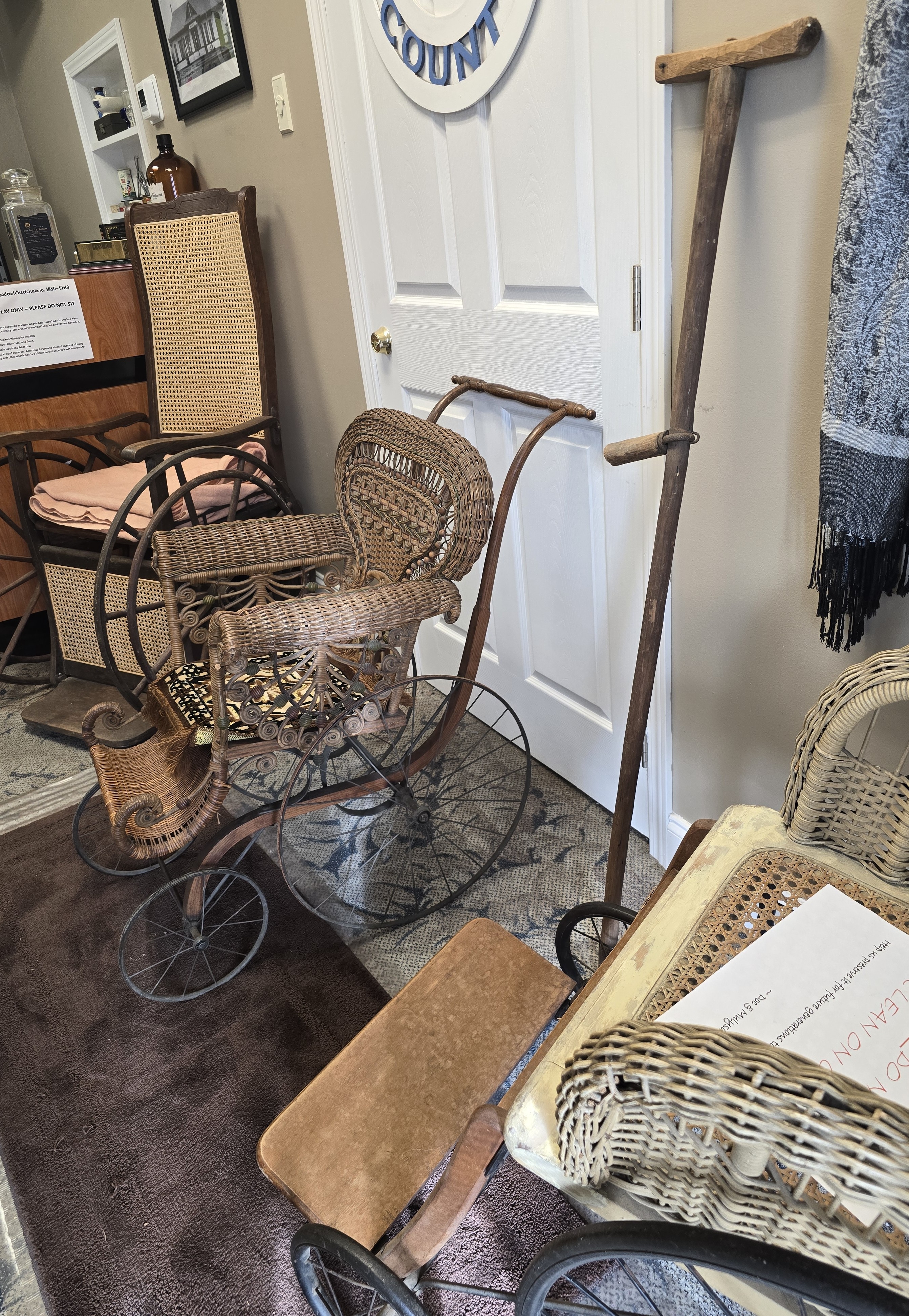
This ornate wicker invalid chair was designed for a child during the late Victorian to early Edwardian era, circa 1885–1910. Constructed with a lightweight wooden frame, thin spoked steel wheels, and intricately woven reed panels, the chair reflects the aesthetic and domestic medical culture of the period. Pediatric invalid carriages were used to transport frail or chronically ill children—particularly those recovering from polio, tuberculosis, rickets, congenital deformities, or prolonged illness—before modern pediatric mobility equipment existed. These chairs were typically operated by a caregiver and intended for gentle indoor or porch use rather than self-propulsion.
The elaborate curled wickerwork, decorative beading, and sculpted footrest indicate a higher-end model likely purchased by a middle- or upper-class household. The compact scale confirms its pediatric purpose: the seat measures approximately 12 inches by 12 inches, with an armrest height of 27 inches, dimensions appropriate only for a child or a very small, severely frail adult. Surviving examples of pediatric invalid chairs are far less common than adult versions, as they were produced in smaller quantities and frequently discarded as families moved or as children outgrew them.
Condition
Overall excellent display condition with original wickerwork largely intact. Minor wear and small losses to wicker edges, oxidation to metal components, and expected age patina to wood. Seat cushion appears to be a later addition.
Gallery
Historical context
Wicker invalid chairs became popular in the late 19th century when convalescence and fresh-air therapies were central to medical care. Their lightweight frames made them easy to roll onto verandas and along smooth walkways in sanatoriums and private homes. Although many were produced by major wicker manufacturers such as Heywood Brothers & Wakefield, most were unmarked, and attribution is often based on stylistic construction features rather than labels. This chair’s frame design, scrolling ornamentation, and wheel style are consistent with American production between 1885 and 1910.
Curious Facts, Ephemera, and Trivia
Victorian wicker invalid chairs were often marketed with romanticized language such as “convalescent perambulators” or “health carriages.” Advertisements promised that the chairs promoted “cheerfulness and vigor” simply by allowing the child to be wheeled outdoors. Period medical catalogs emphasized the aesthetic appeal over functionality, with some models offering tassels, parasol mounts, or fringed footrests—because nothing says “medical device” like hiding it under decorative excess.
Some sanitariums even required wicker because it was considered more “hygienic” than upholstered furniture, despite being nearly impossible to disinfect by any rational standard.
Excerpt
“Suitable for the gentle conveyance of invalid children, promoting both health and contentment. Light, agreeable, and pleasing to the household eye.”
— Excerpt adapted from an 1890s convalescent furniture catalog
Why it is in the Cabinet
This chair represents an important intersection between medical history, domestic caregiving, and social perceptions of childhood illness. Its survival in such complete condition provides a rare, tangible example of how families managed chronic disease and disability in the pre-modern medical era. As a pediatric artifact with both functional and artistic qualities, it exemplifies the mission of the Cabinet: to preserve and interpret medical objects that reveal how people lived, suffered, healed, and adapted long before the technology we rely on today.
Support Dr. Bebout’s Cabinet of Medical Curiosities
If you enjoy the history, the oddities, and the effort, help keep this cabinet open. Every little bit helps preserve and share the strange wonders of medicine's past.
Buy Me a Ko-fi ☕ Buy Me a Coffee ☕ Tip via PayPal 💵