
Title
Myrhha Apothecary Jar
Image
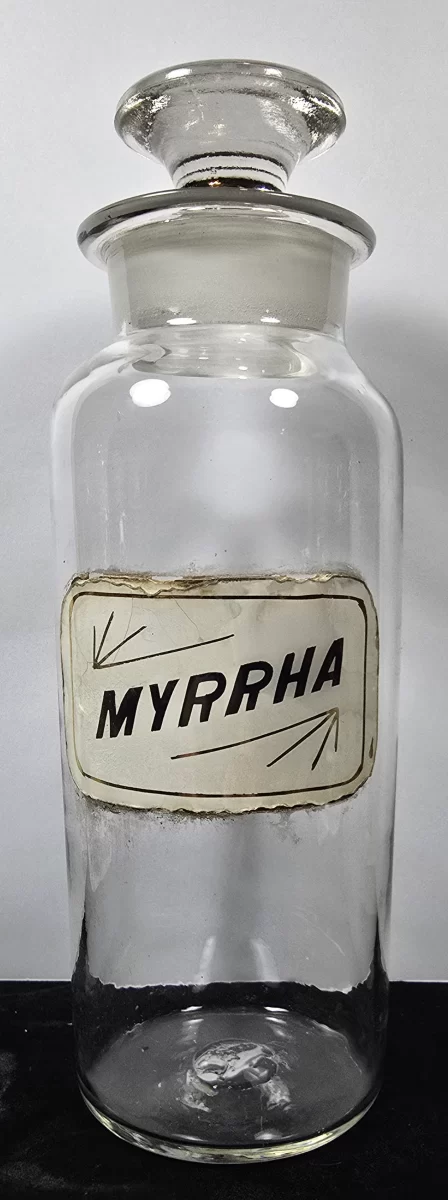
Description
This large clear glass apothecary jar with a ground glass stopper once stored Myrrha—better known as myrrh, the aromatic resin obtained from Commiphora trees. Myrrh was prized in ancient and early modern medicine as an antiseptic, digestive aid, and treatment for mouth and throat ailments. Apothecaries used jars like this to hold dried gum resin, which could be powdered or tinctured for compounding medicines.
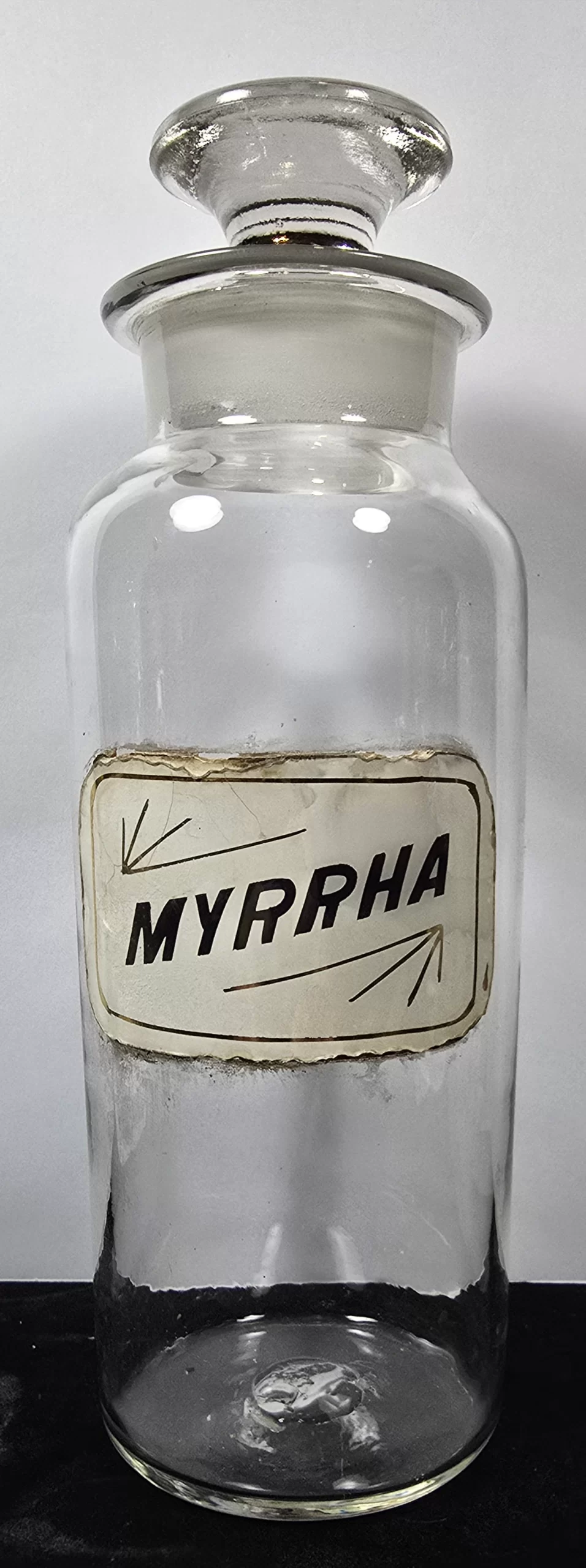
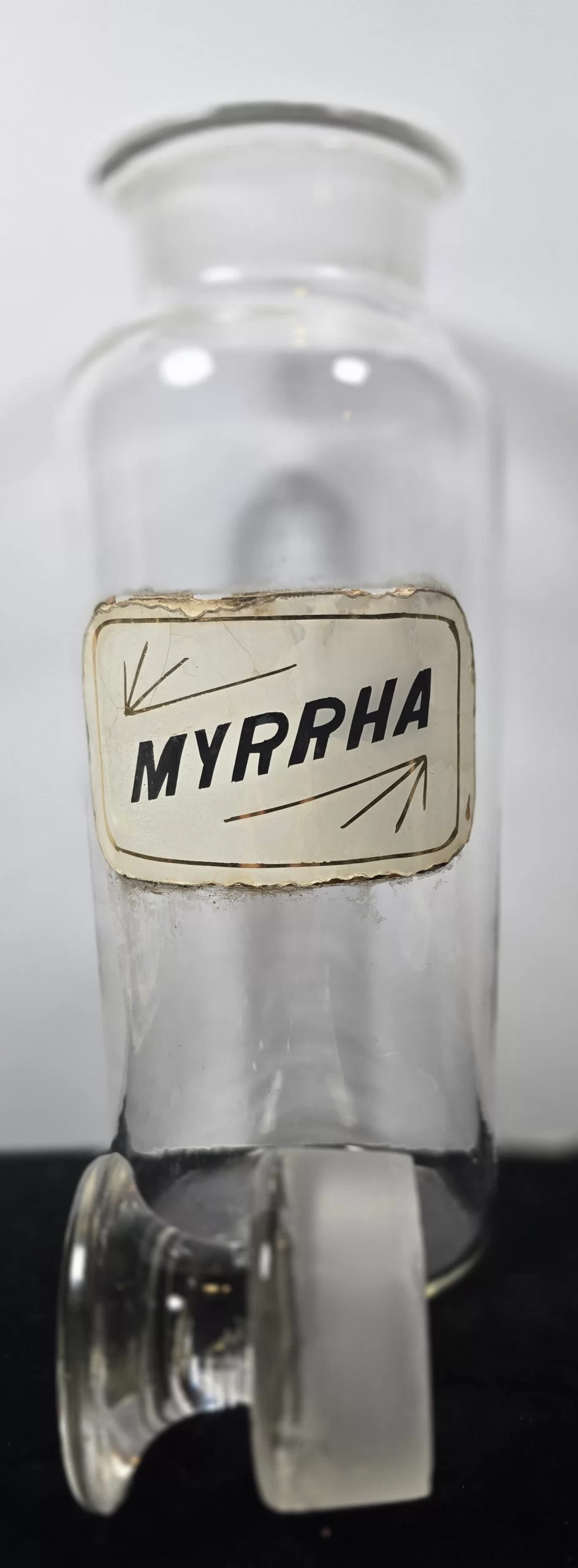
The jar features a rectangular applied paper label with bold black typography and decorative arrows, typical of late 19th to early 20th century apothecary style.
Condition
Glass clear with only minor scuffs and bubbles from hand-finishing
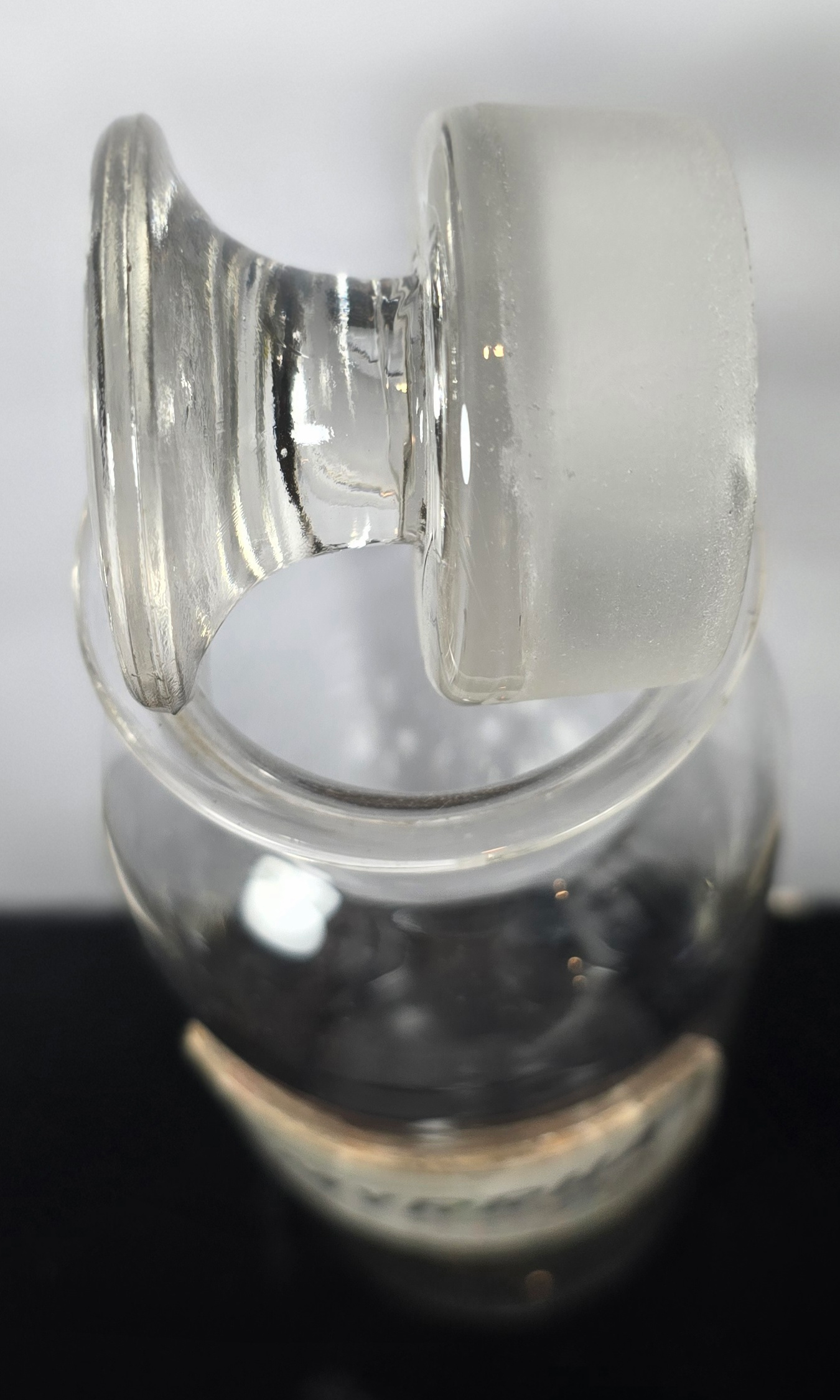
Stopper intact, ground to fit tightly
Label shows age toning, edge wear, and light cracking consistent with long storage
Overall, well-preserved with excellent display appeal
Gallery


Historical context
Myrrh has been used medicinally for over 4,000 years, appearing in Egyptian embalming practices, Biblical anointing oils, and as a staple of apothecary stock. In Western pharmacies, it was listed in multiple editions of the United States Pharmacopeia (USP) and used in tinctures for sore throats, ulcers, and as a general antiseptic.
Myrrh was not only a medicinal resin but also a mythic substance. In Greek mythology, Myrrha (Μύρρα, also called Smyrna) was transformed into a myrrh tree after a tragic story of forbidden love. From the tree was born Adonis, later beloved of Aphrodite. This myth tied the bitter resin to themes of suffering, transformation, and rebirth.
In practical medicine, myrrh resin appeared in the United States Pharmacopeia (USP) as an antiseptic and was often compounded into tinctures for oral and throat health. The dual role of myrrh—mythic and medicinal—made it a uniquely symbolic substance in both ancient and modern contexts.
Curious Facts, Ephemera, and Trivia
Myrrh was one of the three gifts presented to the Christ child in the Nativity story, symbolizing suffering and mortality.
In the 19th century, tincture of myrrh was a common ingredient in tooth powders and mouth rinses.
Myrrh gum has a bitter taste, leading to its use in bitters and tonics.
Why it is in the Cabinet
This jar represents the enduring role of natural plant resins in pharmacy and medicine, bridging ancient remedies and modern pharmacology. Its size and bold label make it a striking example of late apothecary storage jars.
Support Dr. Bebout’s Cabinet of Medical Curiosities
If you enjoy the history, the oddities, and the effort, help keep this cabinet open. Every little bit helps preserve and share the strange wonders of medicine's past.
Buy Me a Ko-fi ☕ Buy Me a Coffee ☕ Tip via PayPal 💵