
Title
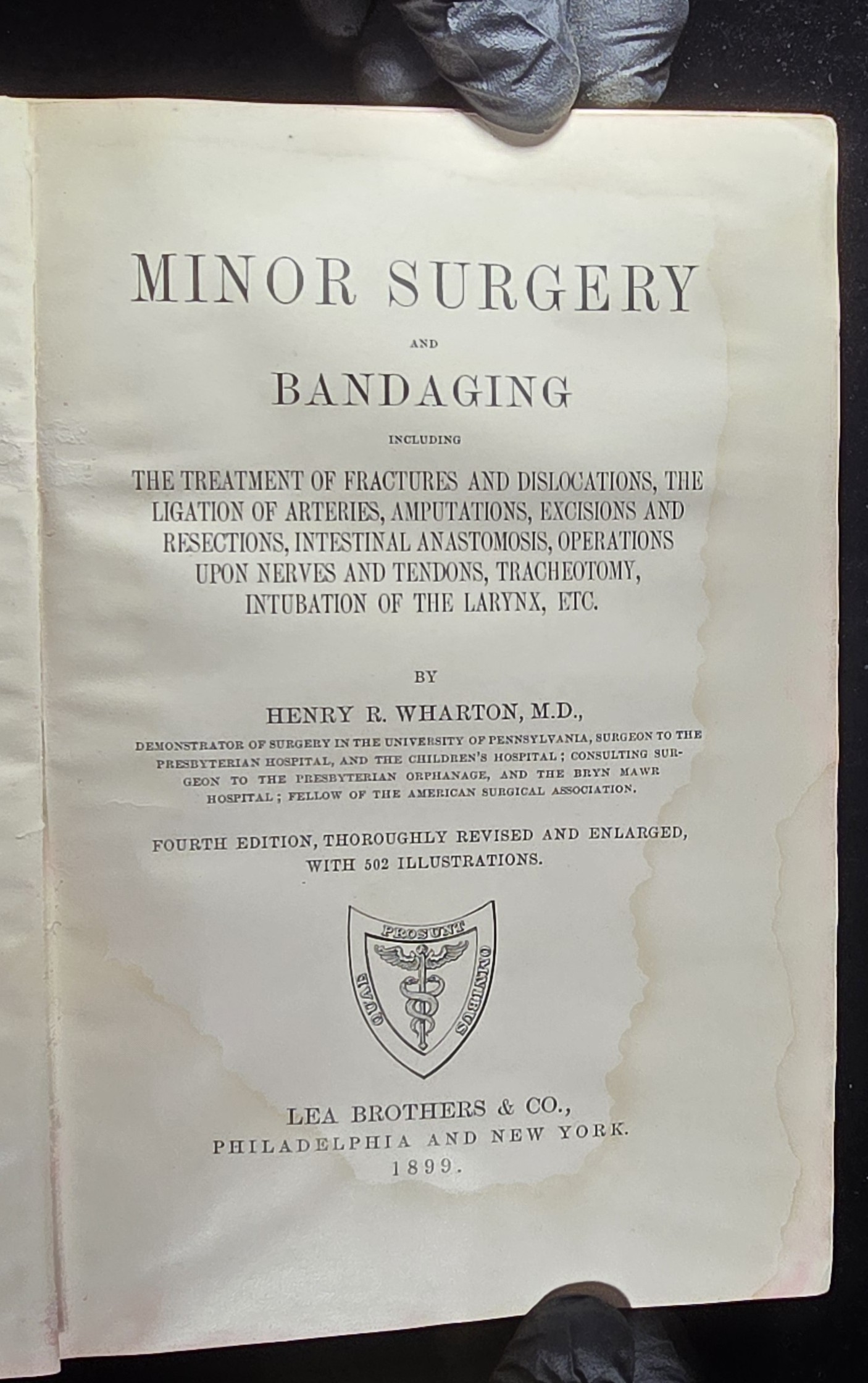
Minor Surgery and Bandaging
Author
Author: Henry R. Wharton, M.D.
Published: 1899
Publisher: Lea Brothers & Co., Philadelphia and New York
Edition: Fourth Edition, Thoroughly Revised and Enlarged
Archive.org – Wharton’s Minor Surgery and Bandaging, various editions
Image
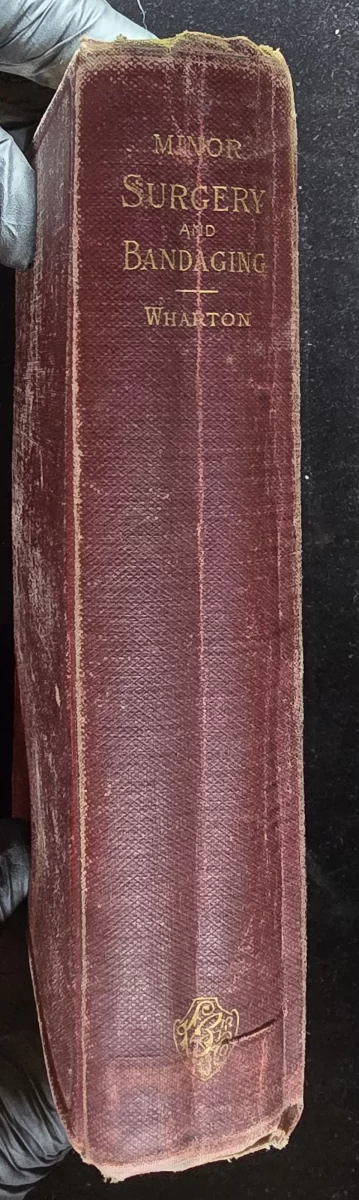
Description
A classic turn-of-the-century surgical manual, Minor Surgery and Bandaging offers step-by-step instruction in foundational surgical techniques. Dr. Henry Wharton, then demonstrator of surgery at the University of Pennsylvania, provides guidance on bandaging, dressing wounds, performing amputations, excisions, arterial ligations, tracheotomies, and more—all bolstered by 502 engravings.
Condition
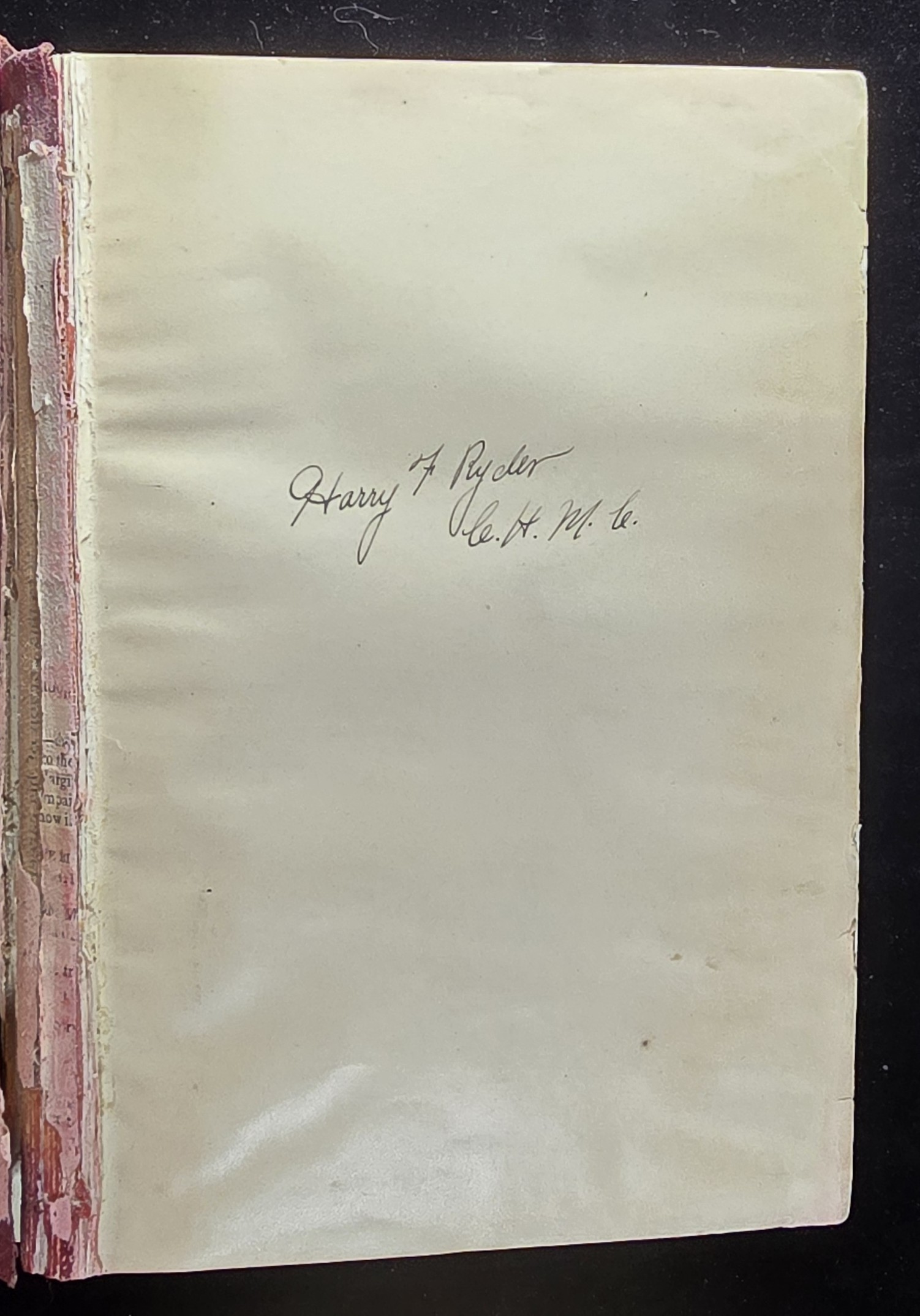
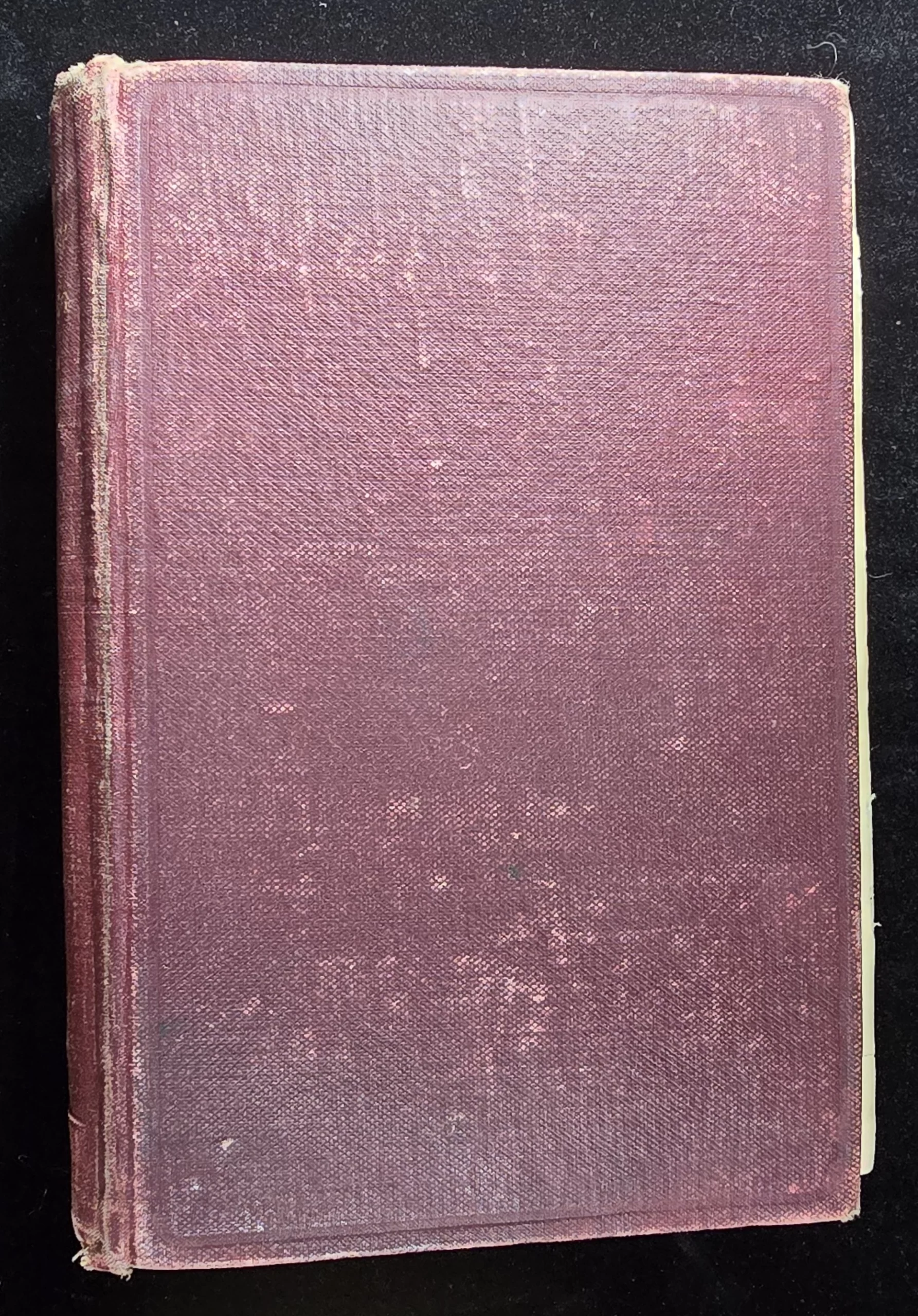
Fair. This copy shows clear evidence of age and heavy use. The maroon cloth boards are rubbed and faded, with moderate staining and edge wear. The front cover and binding are fractured and fully separated from the text block, though all pages remain present. The spine is still attached to the back cover, with visible fraying at both crown and foot, but the gilt titling remains legible. The title page has noticeable water staining along the lower edge. Interior pages are generally clean and intact, with minor edge chipping and corner bumping. A prior owner’s inscription—Harry H. Byler, Oct. 14, 1906—appears on the front endpaper in ink.
Despite its structural issues, this volume retains high historical and educational value as a richly illustrated surgical manual of the late 19th century.
Gallery

Historical context
This edition, published just after the turn of the century, captures a pivotal moment in surgical history. Antiseptic practices had been widely accepted, but anesthesia and aseptic techniques were still evolving. Surgeons were expected to master procedures ranging from dislocations to intestinal resections using basic instruments, considerable skill, and no modern imaging.
Wharton’s book was widely used in American medical schools and military settings. It reflects both the technical rigor and anatomical artistry of surgical instruction before the rise of modern specialties.
Curious Facts, Ephemera, and Trivia
Author Credentials: Dr. Henry R. Wharton was a demonstrator of surgery at the University of Pennsylvania and consulting surgeon at both the Presbyterian and Children’s Hospitals of Philadelphia—a prolific educator whose work shaped the instruction of generations of physicians.
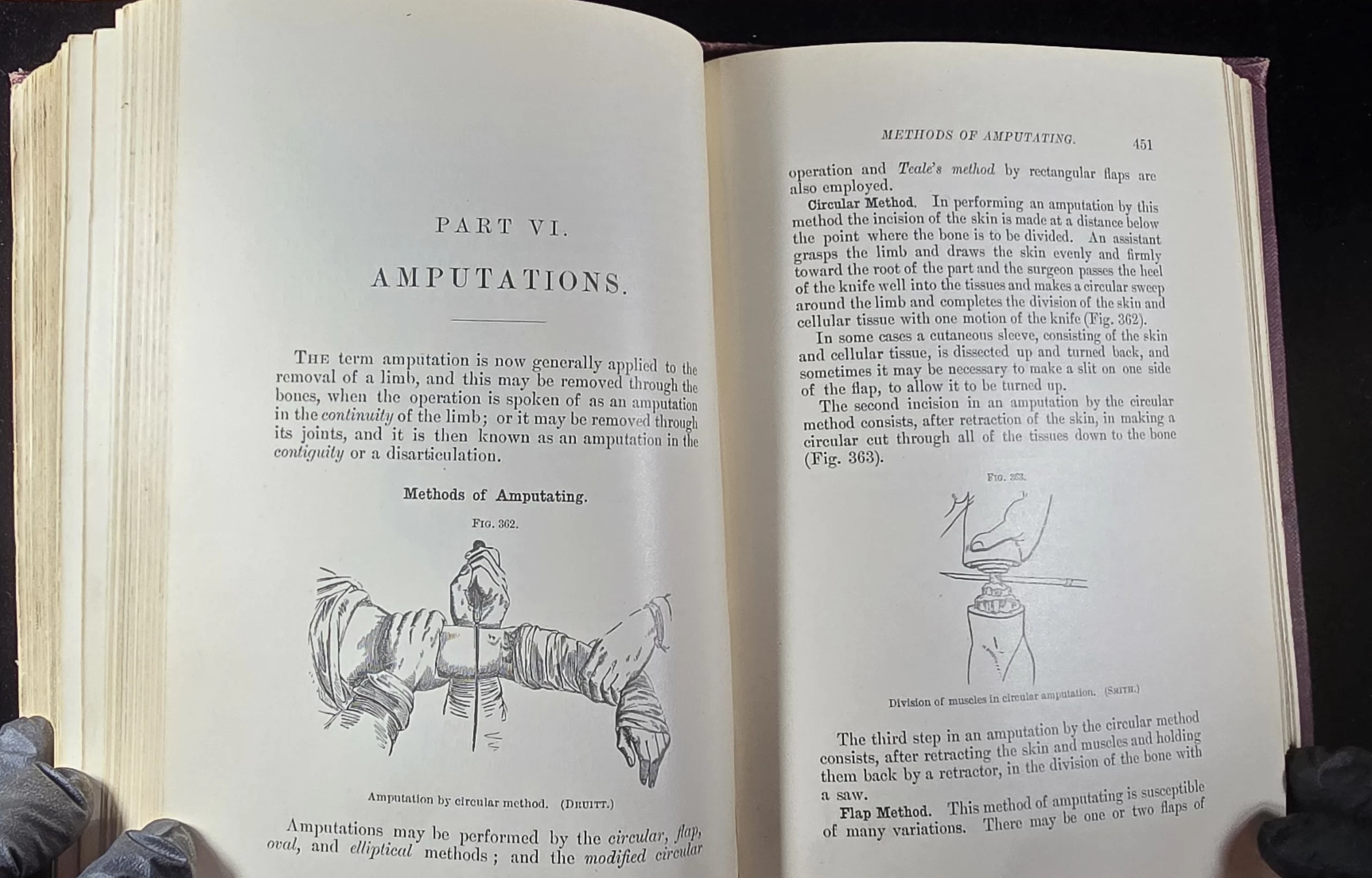
Graphic Edge: The book includes 502 illustrations, many of which vividly depict procedures such as tracheotomy, arterial ligation, and amputations—without the benefit of modern anesthesia or sterile gloves.
Signature Insight: The handwritten name Harry H. Byler, Oct. 14, 1906 suggests the book may have been used by a student or young physician shortly after its publication—possibly as a practical reference in early 20th-century clinical or military settings.
Intact Techniques: Many of the basic principles taught—such as pressure dressing, sling support, and tourniquet placement—still echo in modern emergency and battlefield medicine.
Enduring Legacy: Wharton’s manual remained in print and use through the early 20th century and is still referenced in historical studies of surgical education and battlefield medicine.
Excerpt
Excerpt from Page 483 – Amputation of the Metatarsal Bones:
“It is better in these amputations to leave the tarsal head of the metatarsal bone in place and divide the bone, or, in other words, to do an amputation in continuity to prevent opening up the tarsal articulations.”
This clinical advice reflects the cautious surgical philosophy of the late 19th century—emphasizing anatomical preservation and the avoidance of joint disruption when possible. Surgeons were trained not only in technique but in the anatomical and biomechanical consequences of each cut.
Why it is in the Cabinet
This volume embodies the transitional era of late 19th-century surgery—when a single physician might be expected to perform everything from tracheotomies to amputations with minimal support. The inclusion of graphic illustrations and methodical procedural descriptions make it a prime teaching tool of its time. The handwritten 1906 signature by a former owner, Harry H. Byler, adds a personal historical layer—possibly referencing an early 20th-century medical student or practitioner.
It stands as both a medical artifact and a stark reminder of how quickly surgical science evolved in the decades that followed.
Support Dr. Bebout’s Cabinet of Medical Curiosities
If you enjoy the history, the oddities, and the effort, help keep this cabinet open. Every little bit helps preserve and share the strange wonders of medicine's past.
Buy Me a Ko-fi ☕ Buy Me a Coffee ☕ Tip via PayPal 💵