
Title
Methodus Medicamenta Componendi
Author
Jacobus Sylvius (Jacques Dubois, 1478–1555)
Image
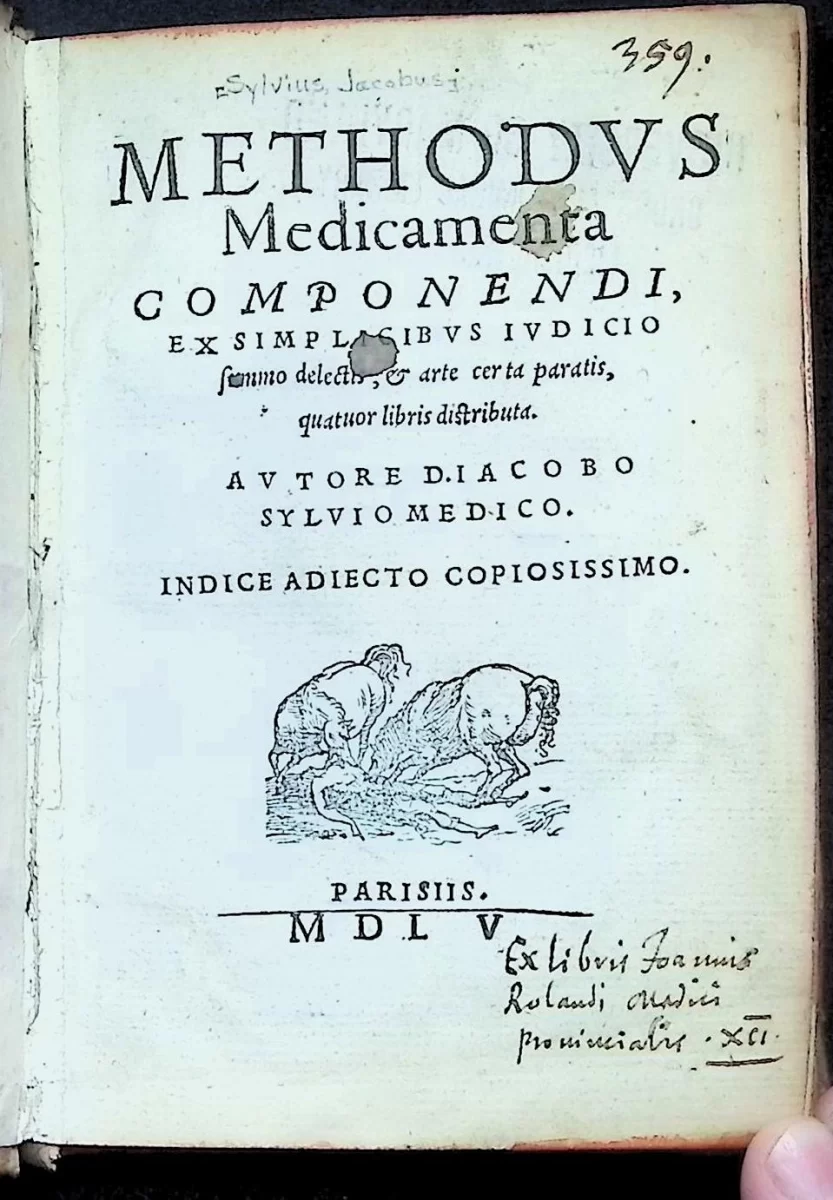
Description
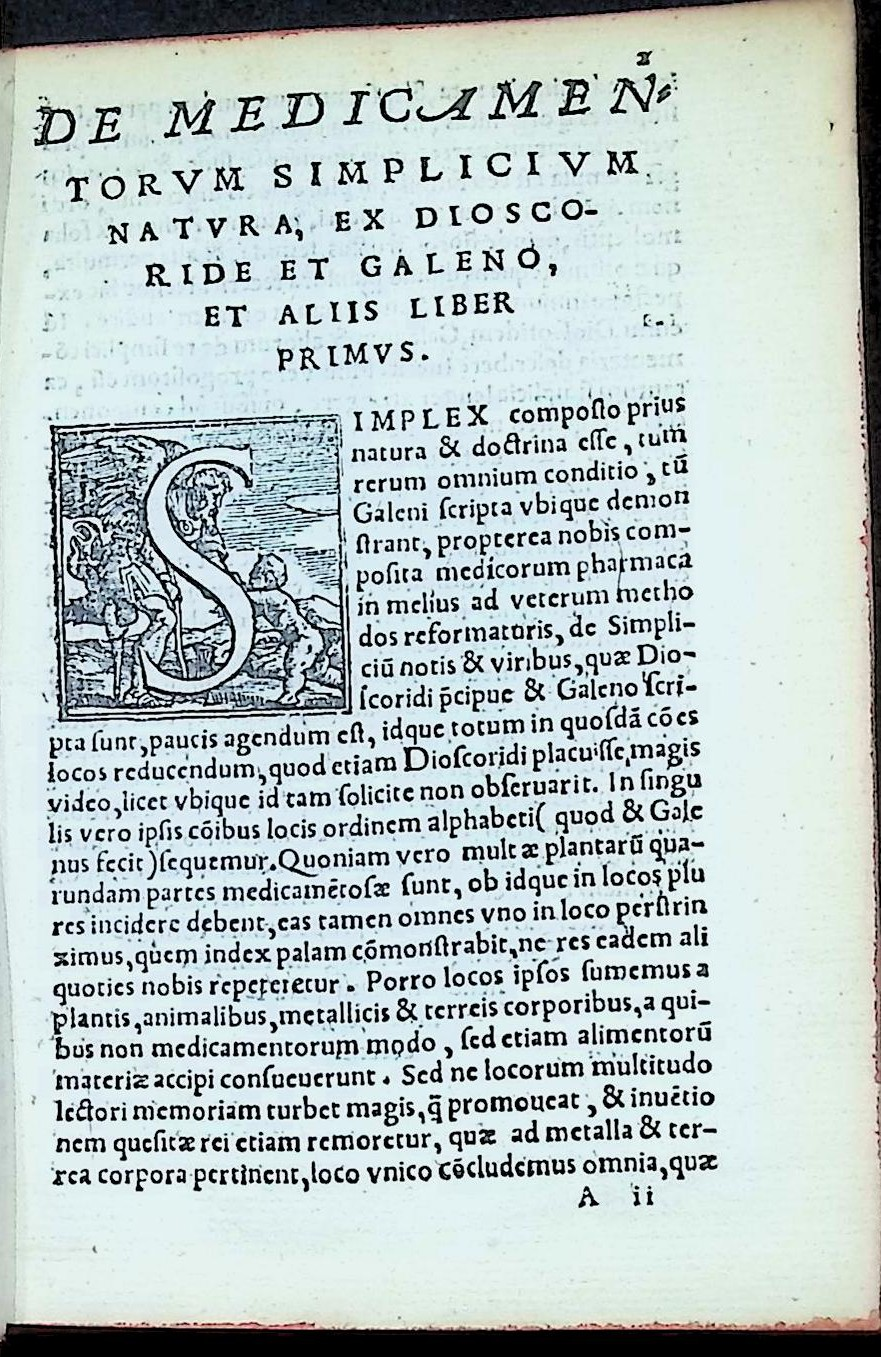
Methodus Medicamenta Componendi is a sixteenth-century medical and pharmaceutical compounding treatise by Jacobus Sylvius, one of the most influential physicians and anatomists of the Renaissance. First issued in the mid-sixteenth century and published in multiple closely related editions, the work presents a systematic approach to the preparation of medicinal compounds derived from plants, animals, minerals, and metallic substances, grounded in the teachings of Dioscorides and Galen.
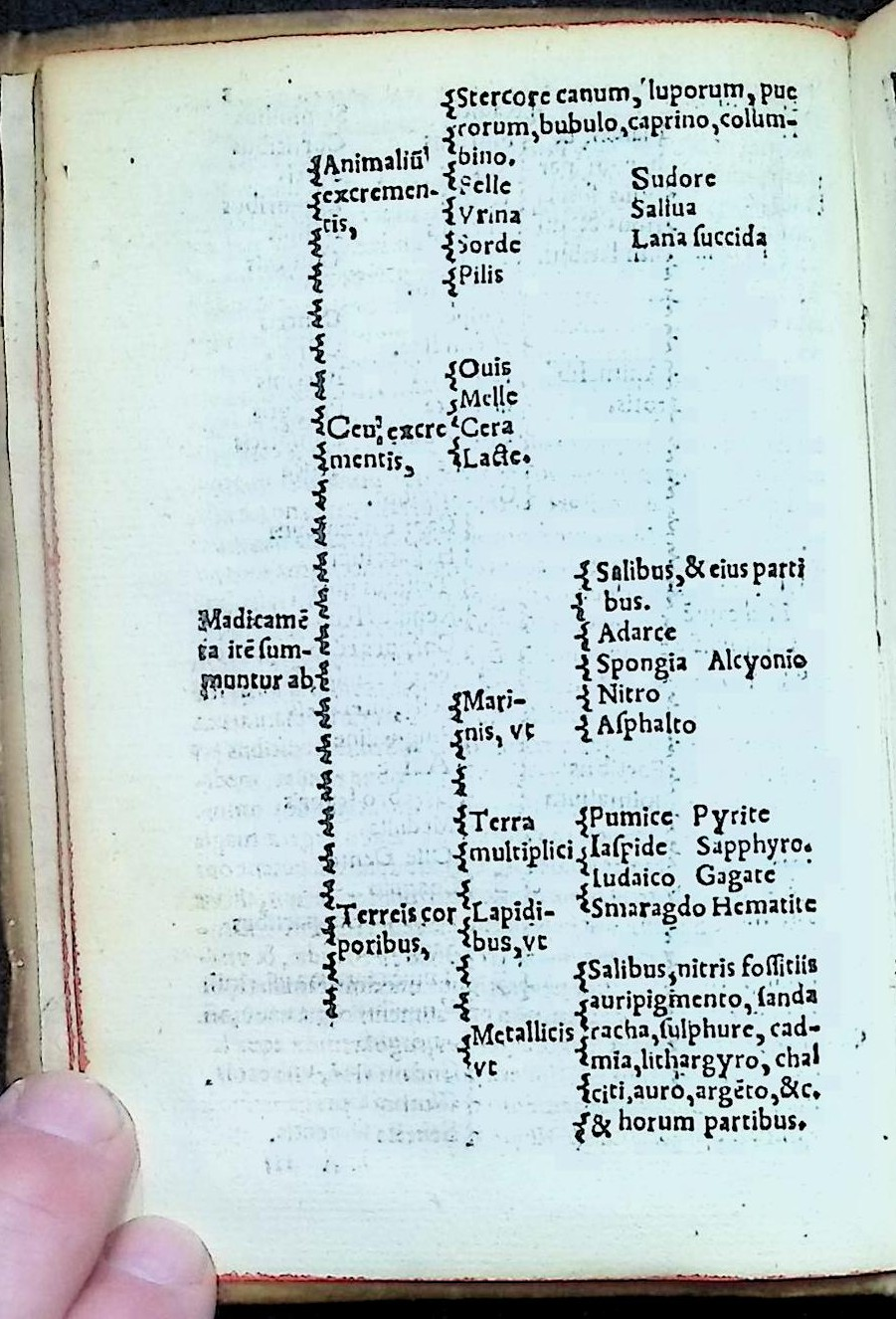
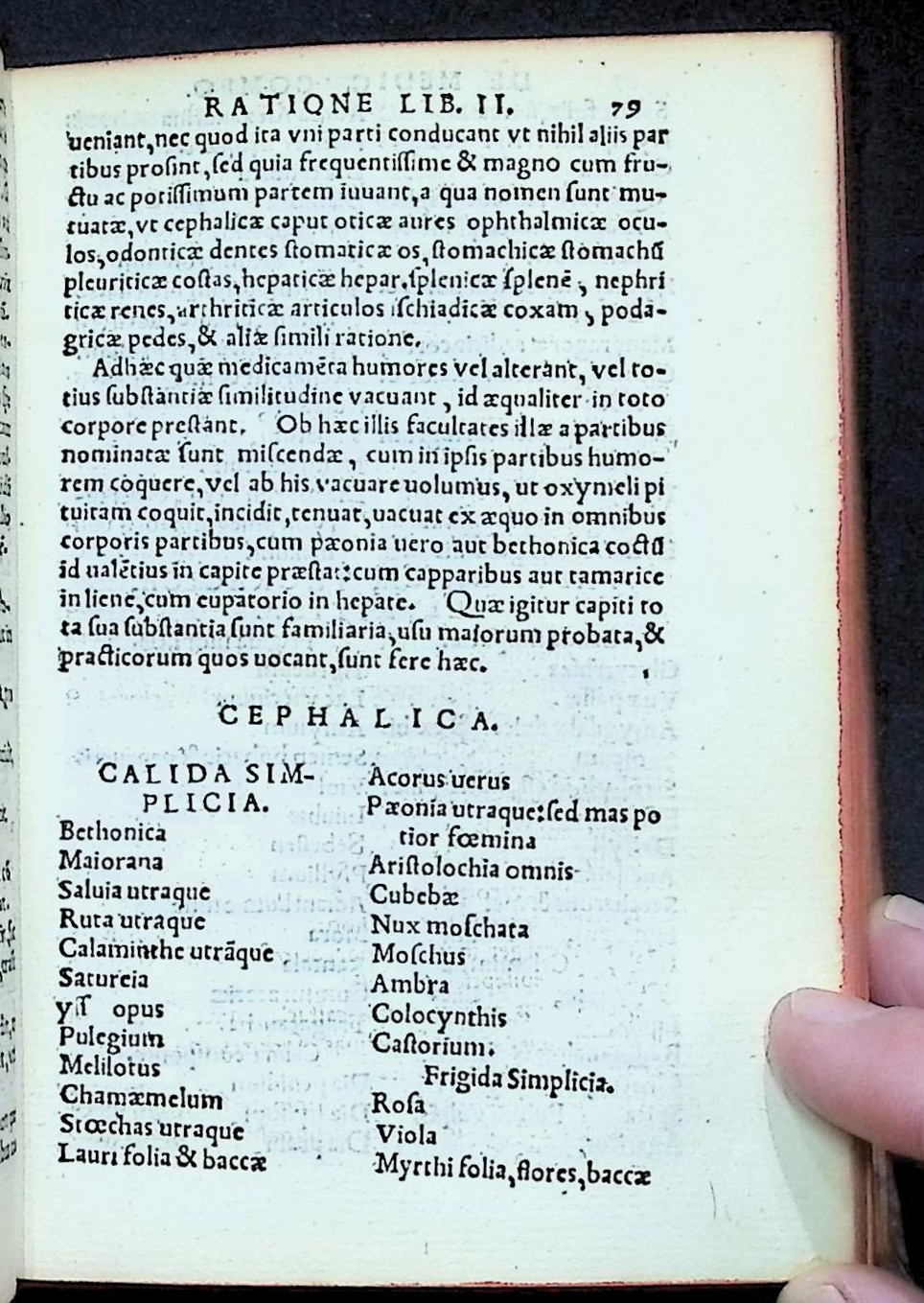
The text functions as both a pharmacological reference and a practical manual for physicians and apothecaries, cataloging medicinal substances by origin and therapeutic application. Remedies described include botanical simples, animal tissues and secretions, mineral preparations, and metallic compounds, reflecting pre-modern medical practice prior to chemical standardization and experimental pharmacology.
Condition
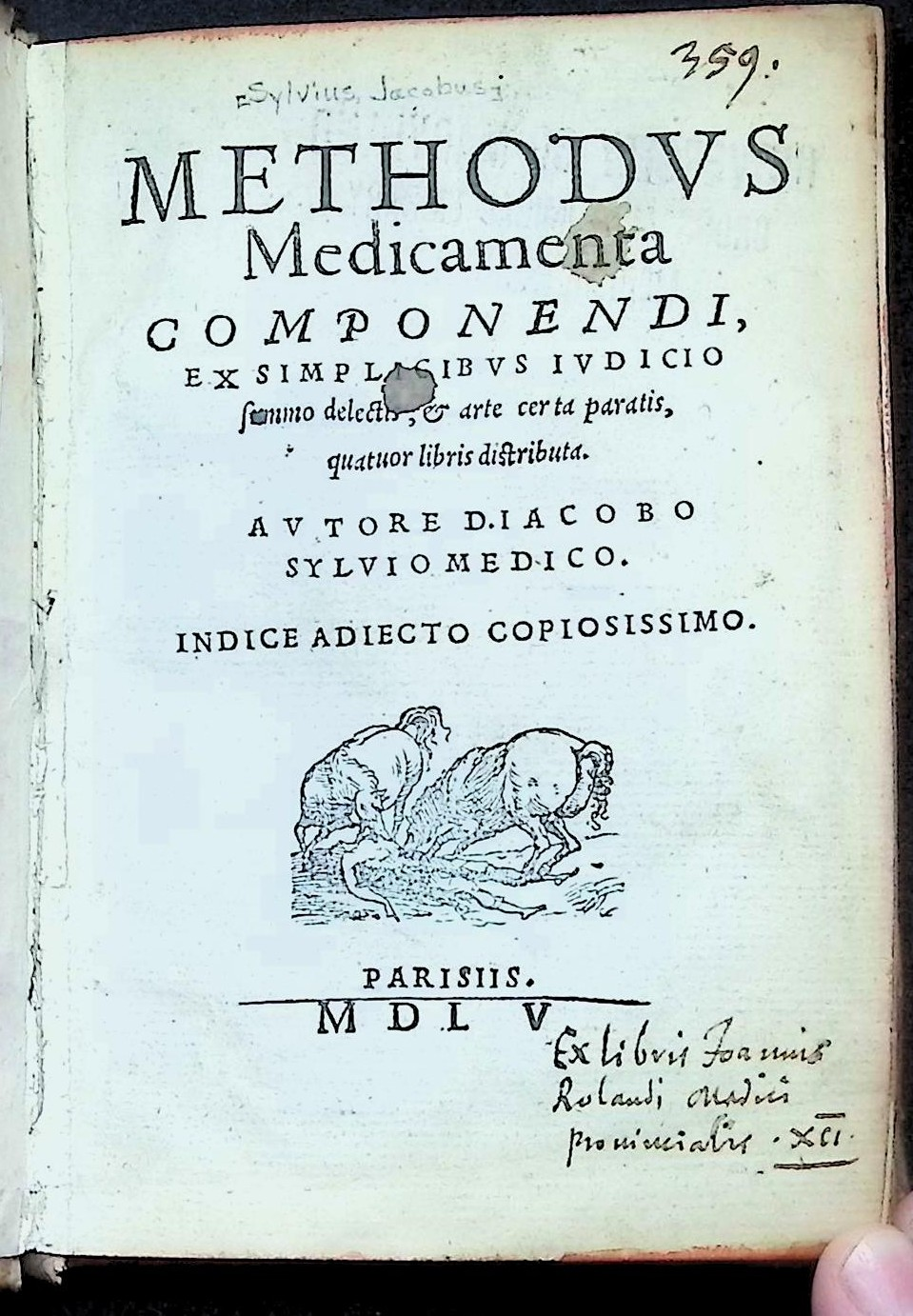
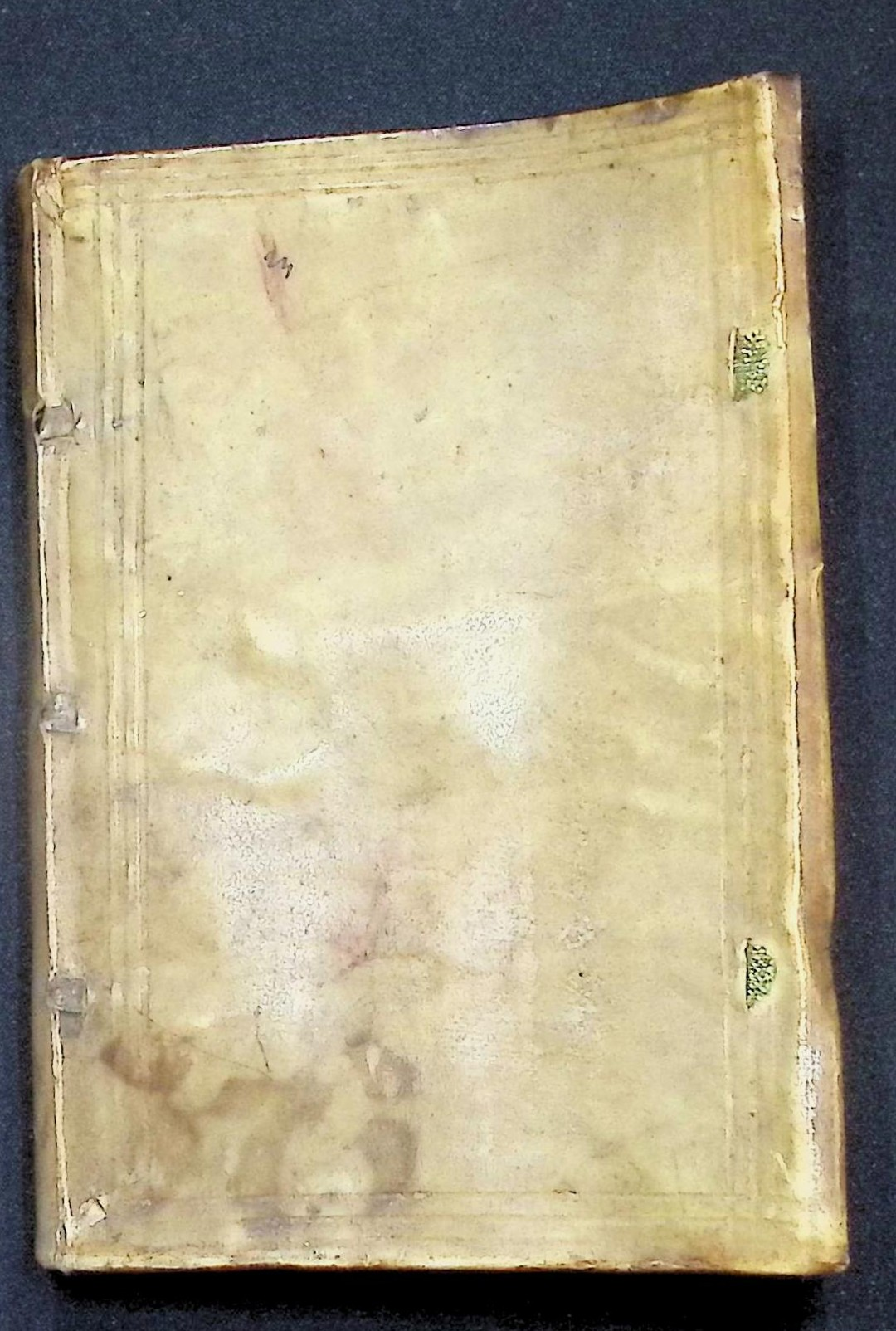
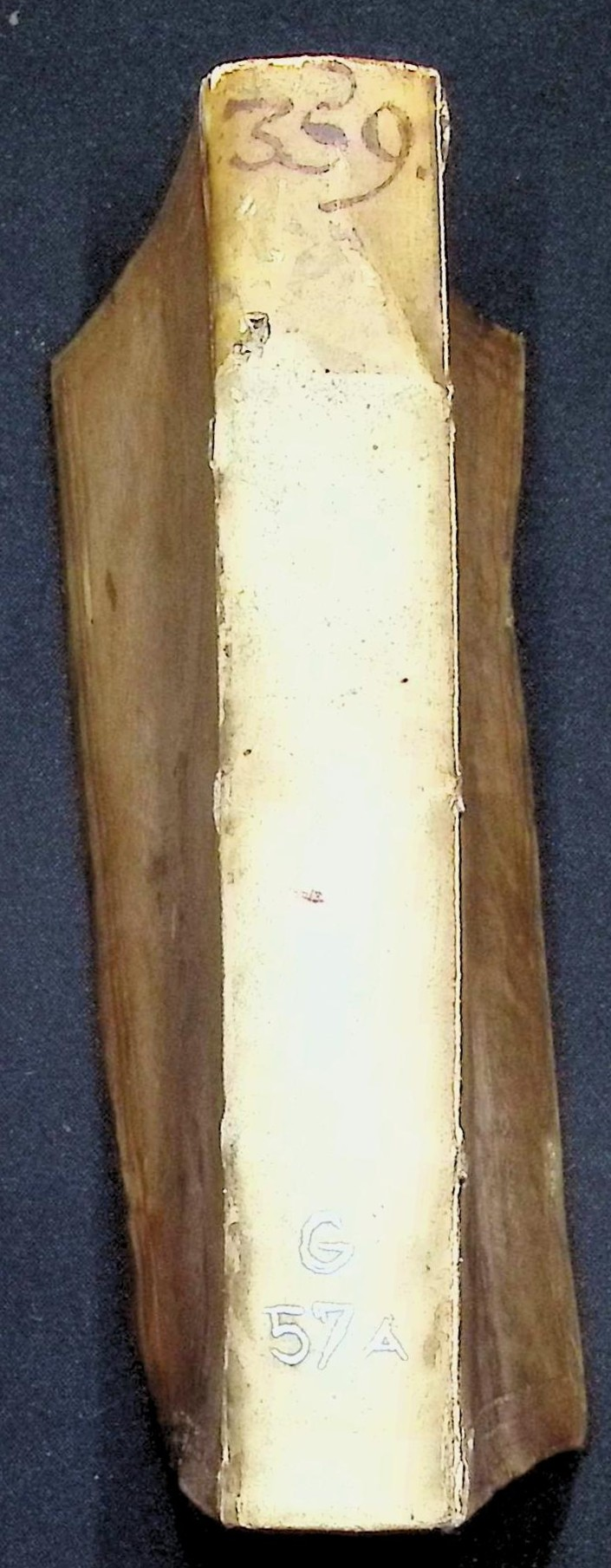
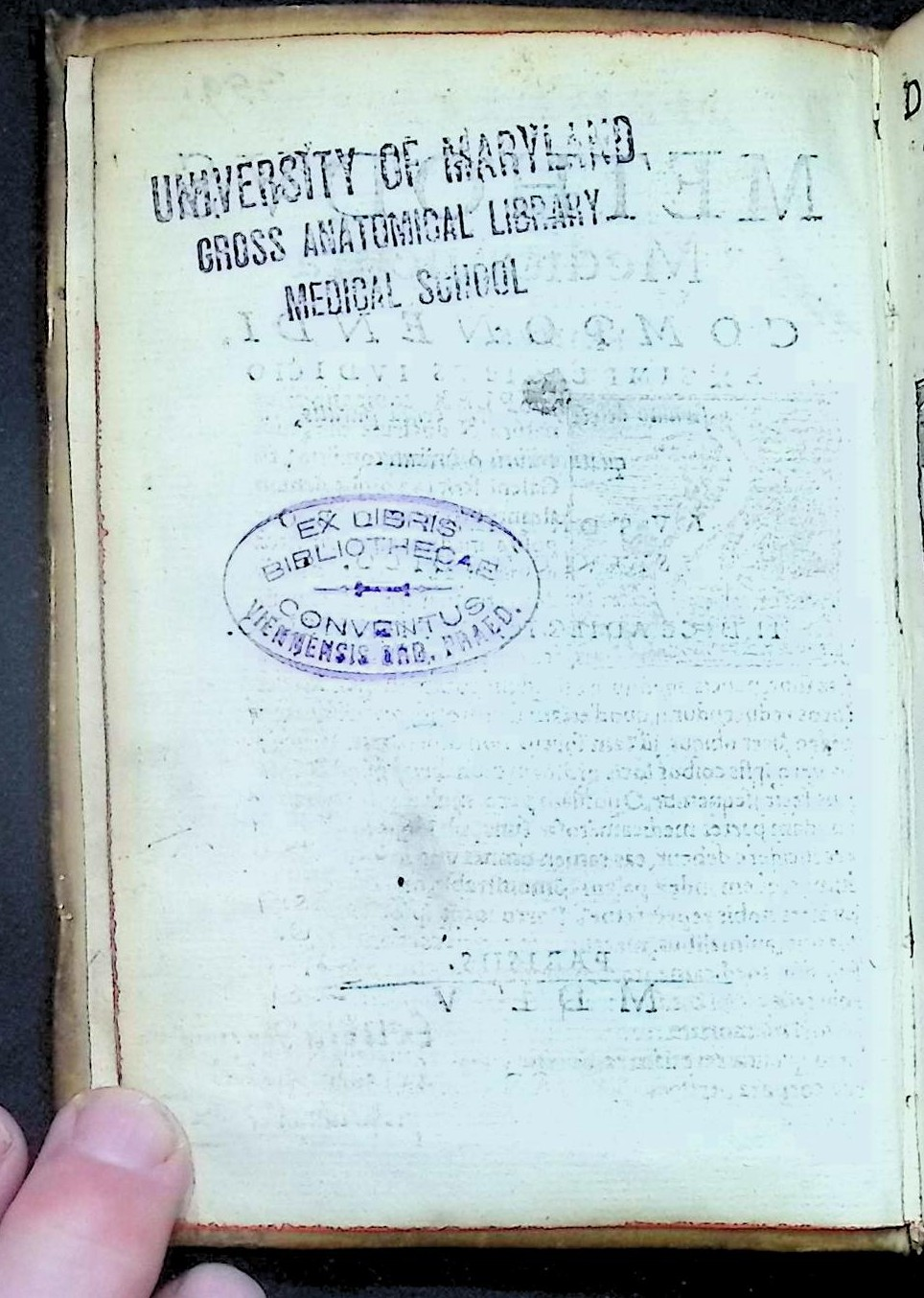
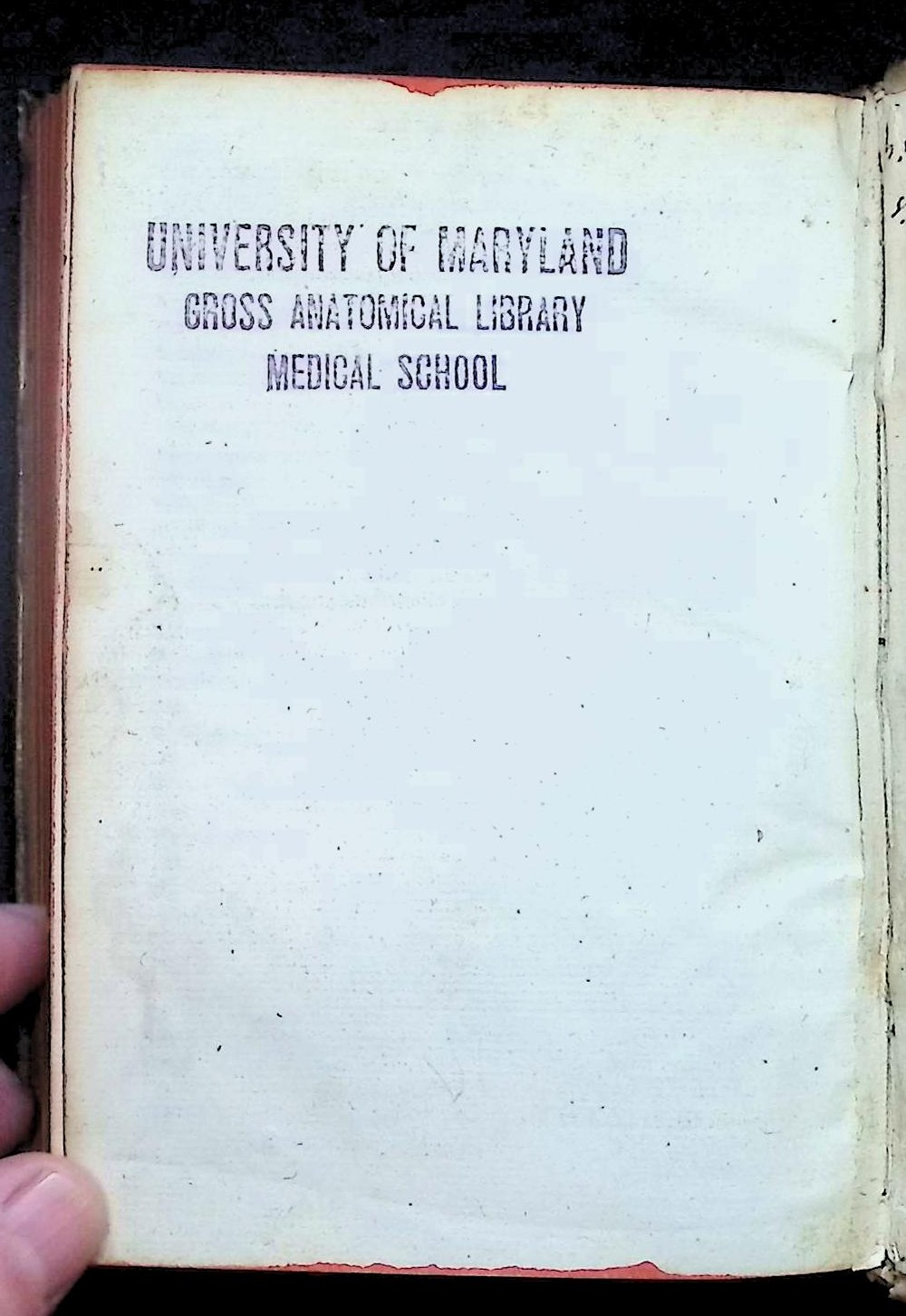
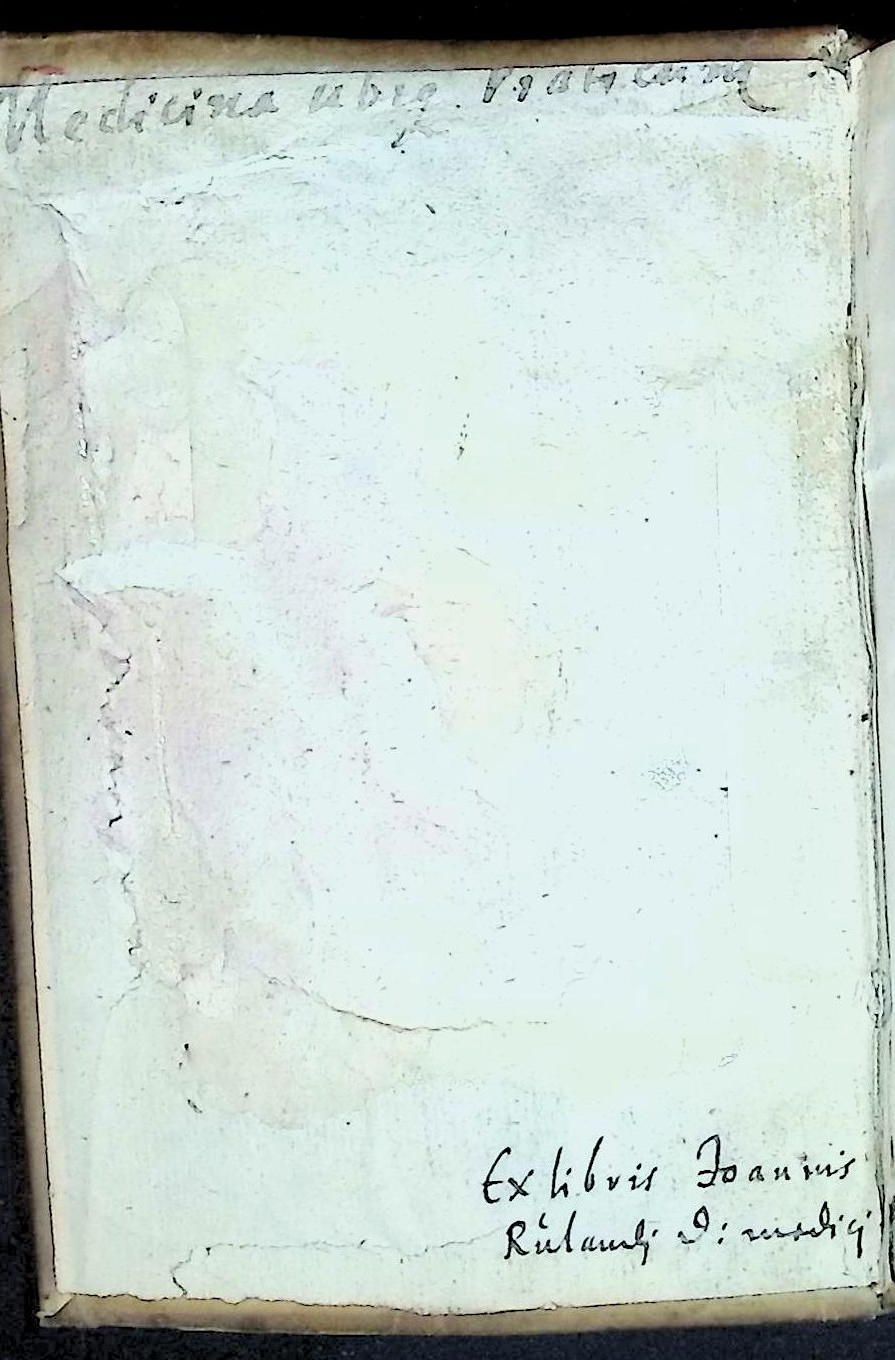
Original vellum binding with expected age-related wear; staining, edge wear, and surface abrasions present; institutional stamps, ex-libris markings, and handwritten annotations throughout; text block complete and legible.
Gallery
Historical context
Jacobus Sylvius was a central figure in Renaissance medicine and anatomy and is best known as a teacher of Andreas Vesalius. Although a committed defender of Galenic doctrine, Sylvius emphasized systematic organization of anatomical and pharmaceutical knowledge and played a key role in shaping early medical education.
This work represents a transitional period between medieval humoral medicine and early modern scientific inquiry. It documents how medicines were conceptualized, categorized, and prepared in the mid-sixteenth century, when therapeutic practice relied on direct manipulation of natural substances rather than standardized formulations.
Curious Facts, Ephemera, and Trivia
Published during the final years of Sylvius’s life, with multiple near-contemporary editions.
Includes medicinal substances now considered obsolete, symbolic, or hazardous.
Demonstrates the close relationship between anatomy, pharmacy, and natural history in Renaissance medicine.
Later editions were used for centuries in institutional and academic medical libraries.
No digitized copy of the 1555 Paris edition is currently available online. A 1556 posthumous edition of Methodus Medicamenta Componendi is available via the Internet Archive and is used here solely for reference and verification purposes.
Excerpt
The work emphasizes methodical classification and preparation of medicinal substances by origin—plant, animal, mineral, and metallic—reflecting early efforts to systematize therapeutic practice prior to modern chemistry.
Why it is in the Cabinet
This is the oldest object in the collection and represents medicine at its foundational crossroads—before microscopes, germ theory, or standardized drugs. It documents how physicians actually practiced medicine in the sixteenth century, compounding treatments directly from the natural world using inherited classical knowledge. This volume anchors the Cabinet historically and intellectually.
Support Dr. Bebout’s Cabinet of Medical Curiosities
If you enjoy the history, the oddities, and the effort, help keep this cabinet open. Every little bit helps preserve and share the strange wonders of medicine's past.
Buy Me a Ko-fi ☕ Buy Me a Coffee ☕ Tip via PayPal 💵