
Title
Handbook of Diseases of the Rectum
Author
Louis J. Hirschman, M.D., F.A.C.S.
Edition: Third Edition, Revised and Rewritten
Publisher: C.V. Mosby Company
Image

Description
This 1921 surgical reference, written by Louis J. Hirschman, M.D.—a leading figure in early 20th-century American proctology—offers a thorough and graphic examination of rectal diseases and their treatment. As Vice-Chairman of the A.M.A.’s Section on Gastroenterology and Proctology and professor at Detroit College of Medicine, Hirschman compiled a wealth of personal clinical experience into this compact yet richly illustrated volume.
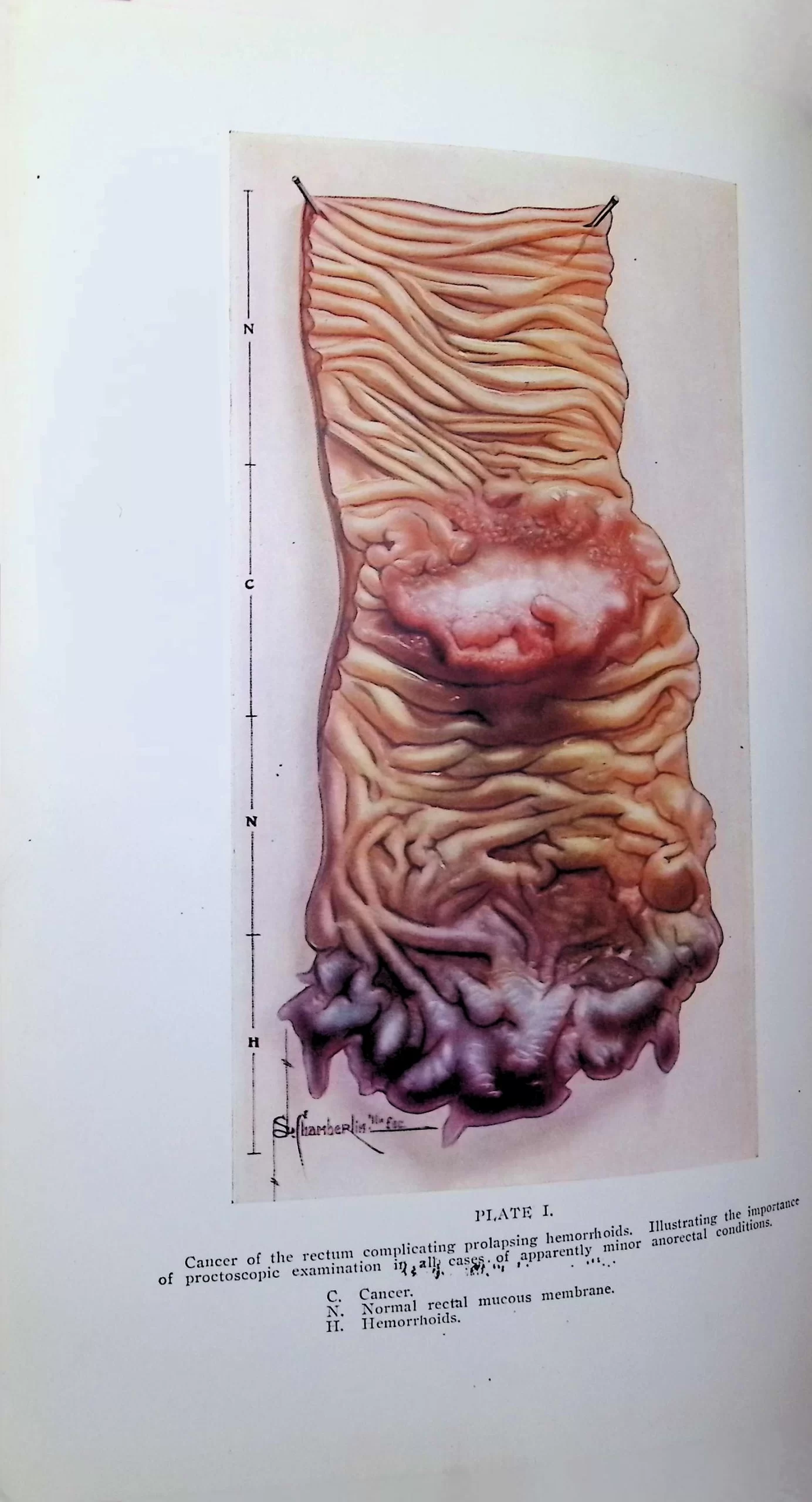
Its contents range from hemorrhoids, fissures, fistulas, prolapse, and abscesses to malignancies of the rectum, all detailed with 223 illustrations (most of them original), including vivid chromolithographic plates of pathological specimens.
The text includes in-depth chapters such as:
Chronic Proctitis and Sigmoiditis
Technic of the Use of Local Anesthesia in Anorectal Disease
Treatment of Hemorrhoids, Fistulas, and Cancer
Proctoscopic and Operative Techniques
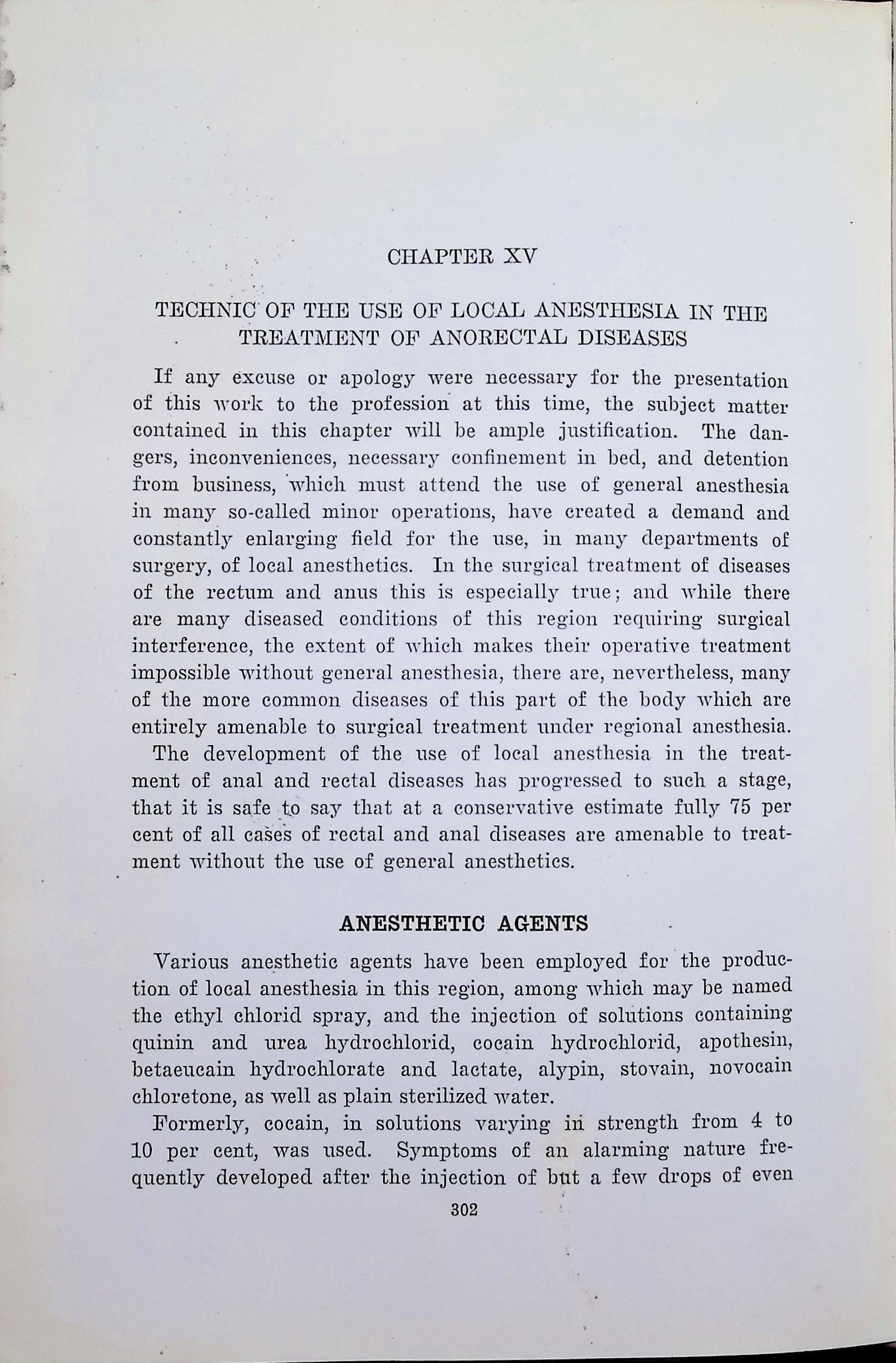
Notably, the anesthesia section describes the use of cocaine hydrochloride (4–10%) for local anesthesia, reflecting the standards of care of the era.
Condition
Cover: Heavy fading to red cloth boards, particularly upper front; light corner bumping and edge wear.
Spine: Gilt lettering largely legible but faded. Cloth shows signs of wear.
Interior: Clean, tight binding. Color plates are vibrant. Minor toning on interior pages consistent with age.
Gallery


Historical context
In the early 20th century, rectal disease was both common and under-discussed. Hirschman’s text stood out not only for its anatomical detail but also for its unapologetic frankness in addressing taboo topics. It advocated for local anesthesia in anorectal surgery—a controversial stance at the time—and supported the use of cocaine in minor rectal procedures before its dangers were fully recognized.
The inclusion of hand-painted plates was rare outside of major anatomical atlases and added a layer of visual authority that reinforced its clinical impact.
Curious Facts, Ephemera, and Trivia
Hirschman was not only a medical educator but a WWI Army Major, and brought military surgical experience into his civilian practice.
The term “proctologist” was still a relatively new designation in 1921, and texts like this helped formalize it.
Proctology was once ridiculed in American medical circles as “quack territory”—this book helped legitimize the specialty.
Excerpt
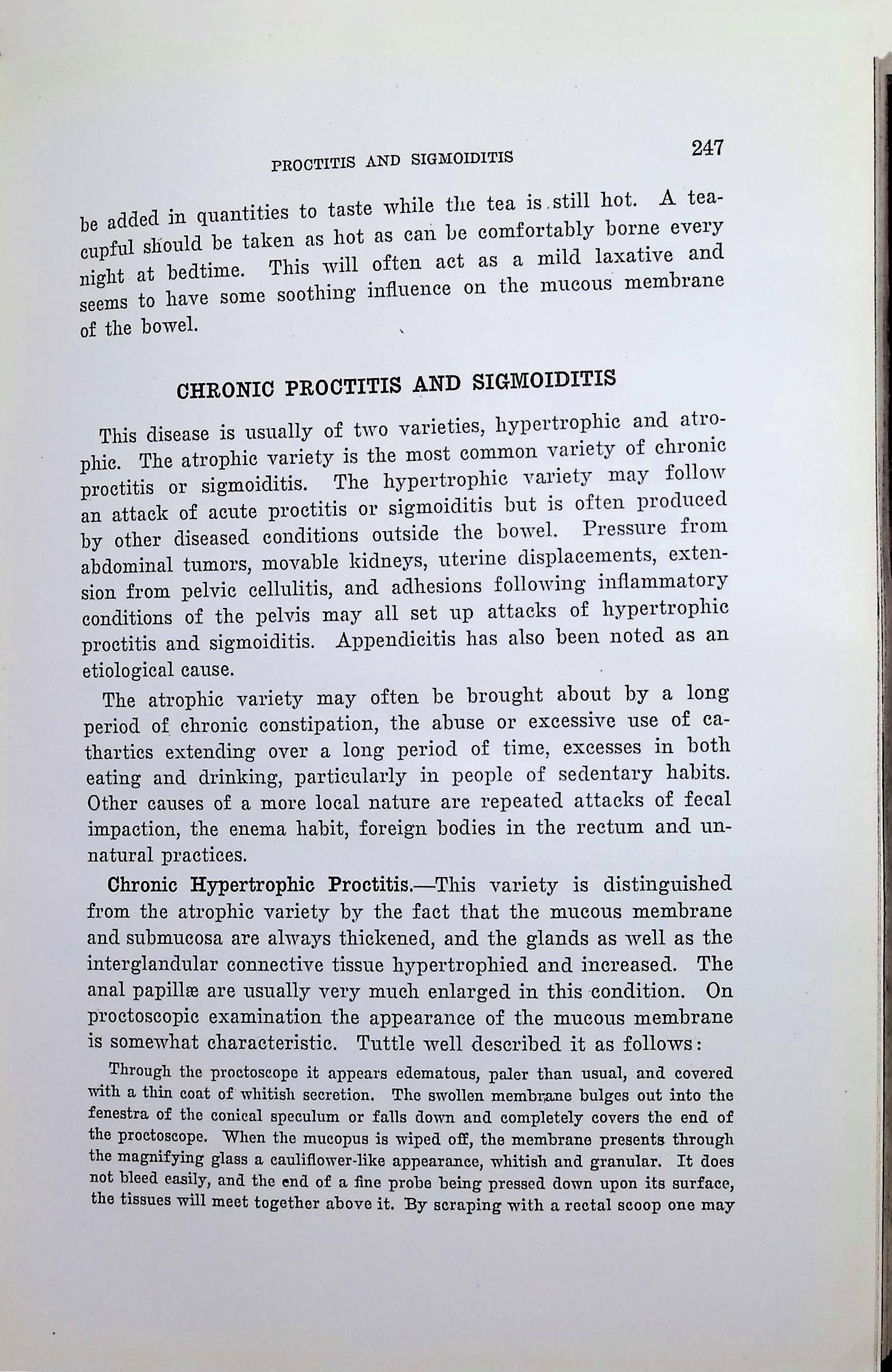
“The hypertrophic variety [of proctitis] may follow an attack of acute proctitis…but is often produced by diseased conditions outside the bowel. Pressure from abdominal tumors, movable kidneys, uterine displacements…“
(Page 247 – “Chronic Proctitis and Sigmoiditis”)
“Symptoms of an alarming nature frequently developed after the injection of but a few drops of even 10 per cent cocaine.“
(Page 302 – “Anesthetic Agents”)
Why it is in the Cabinet
This text documents both the medical challenges and social discomfort surrounding rectal diseases in the early 1900s. With its blend of scientific rigor, striking illustrations, and unapologetic anatomical detail, it stands as a pivotal milestone in proctologic education and a sobering reminder of how far we’ve come.
Support Dr. Bebout’s Cabinet of Medical Curiosities
If you enjoy the history, the oddities, and the effort, help keep this cabinet open. Every little bit helps preserve and share the strange wonders of medicine's past.
Buy Me a Ko-fi ☕ Buy Me a Coffee ☕ Tip via PayPal 💵