
Title
Elixir Amdelate (Abbott Laboratories)
Author
Abbott Laboratories
Image
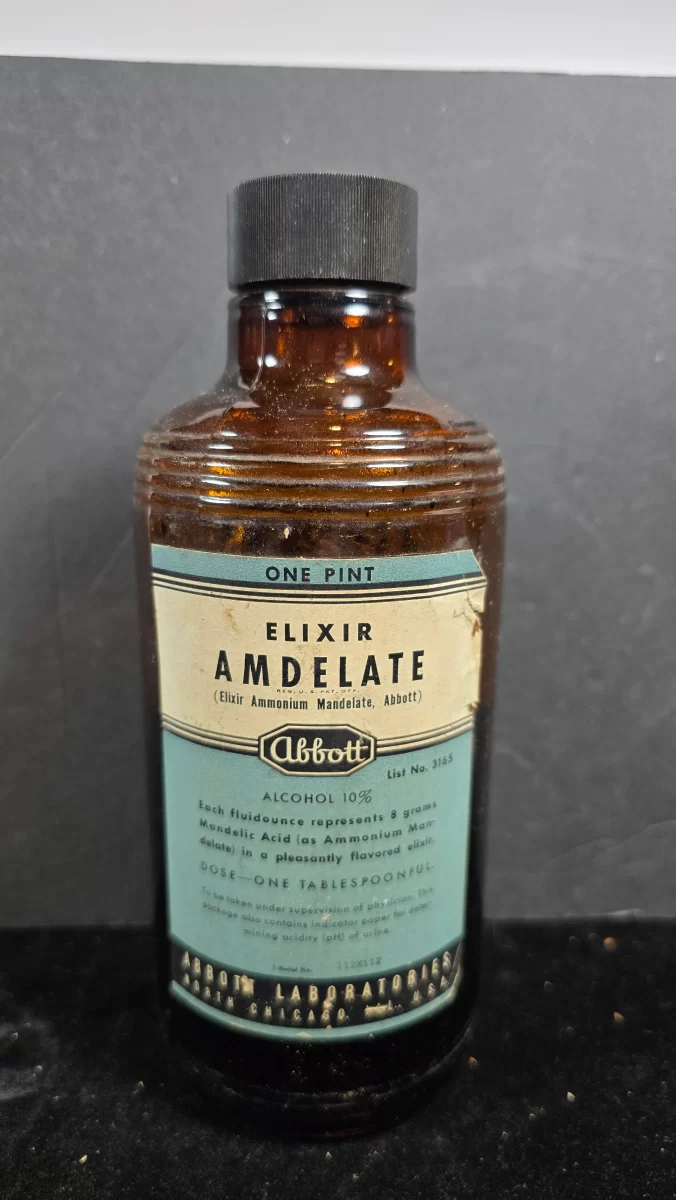
Description
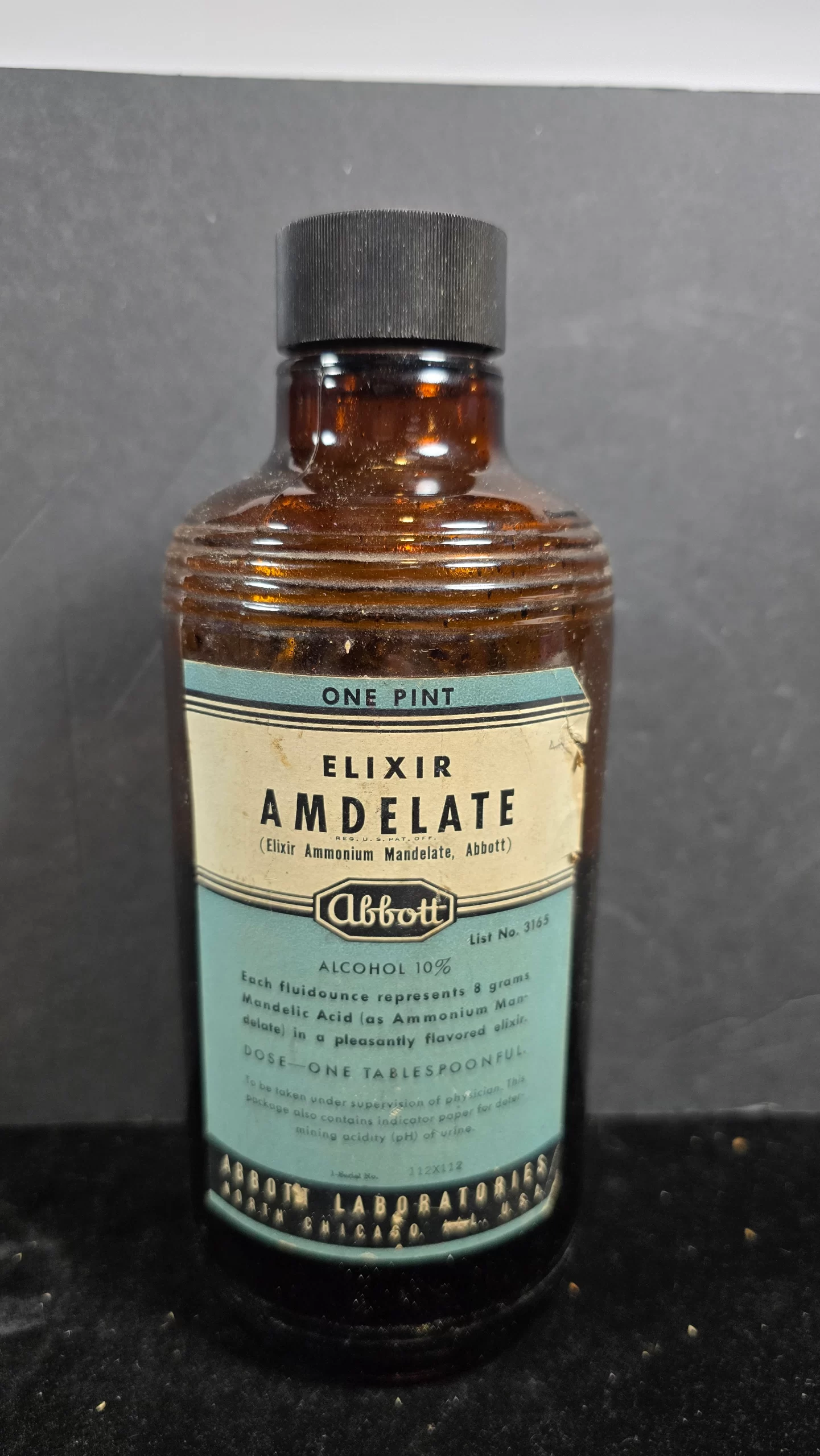
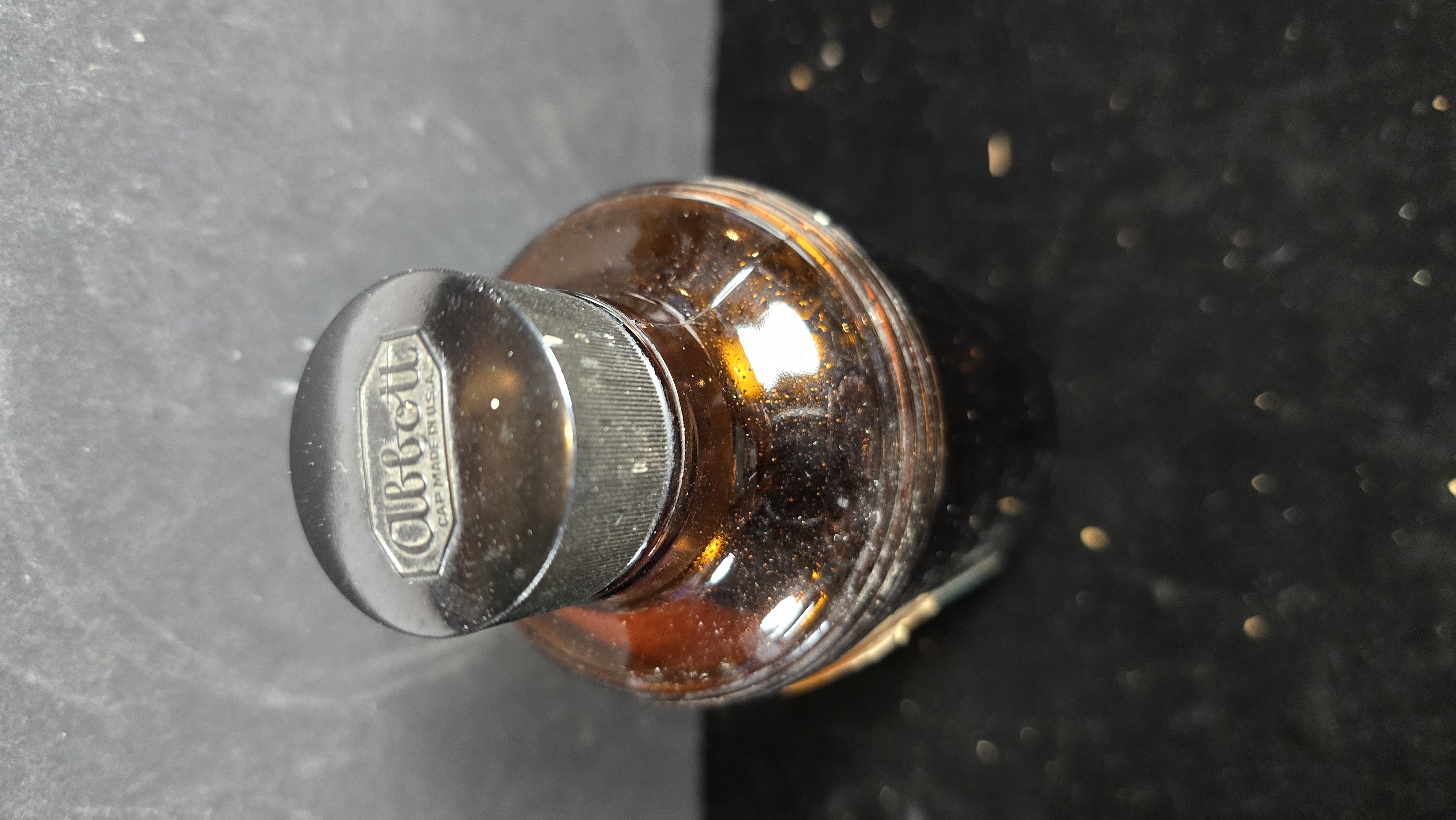
This is an original early 20th-century Elixir Amdelate, manufactured by Abbott Laboratories and supplied in a one-pint amber glass bottle with original screw cap. The preparation is identified on the label as Elixir Ammonium Mandelate, containing 10% alcohol, and formulated so that each fluid ounce represented a measured dose of mandelic acid as ammonium mandelate.
Elixir Amdelate was prescribed primarily for urinary tract infections, relying on urinary acidification and the antibacterial properties of mandelic acid. The label specifies a standard dose of one tablespoonful, to be taken under physician supervision, and notes the inclusion of indicator paper for determining urinary acidity (pH), reflecting the clinical emphasis on urine chemistry during this period.
The bottle retains its original Abbott-marked cap, intact label, and original pharmaceutical presentation.
Condition
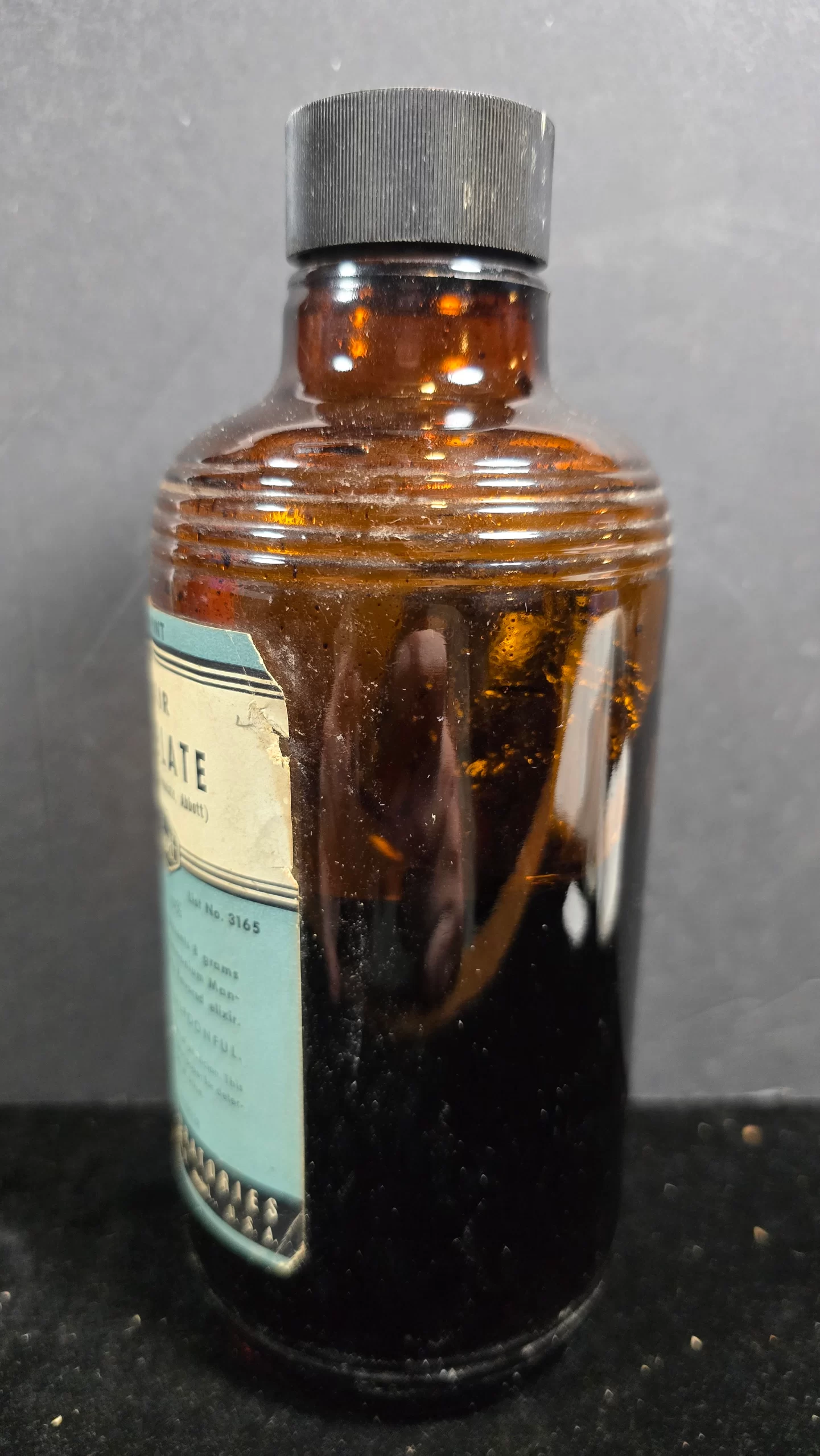
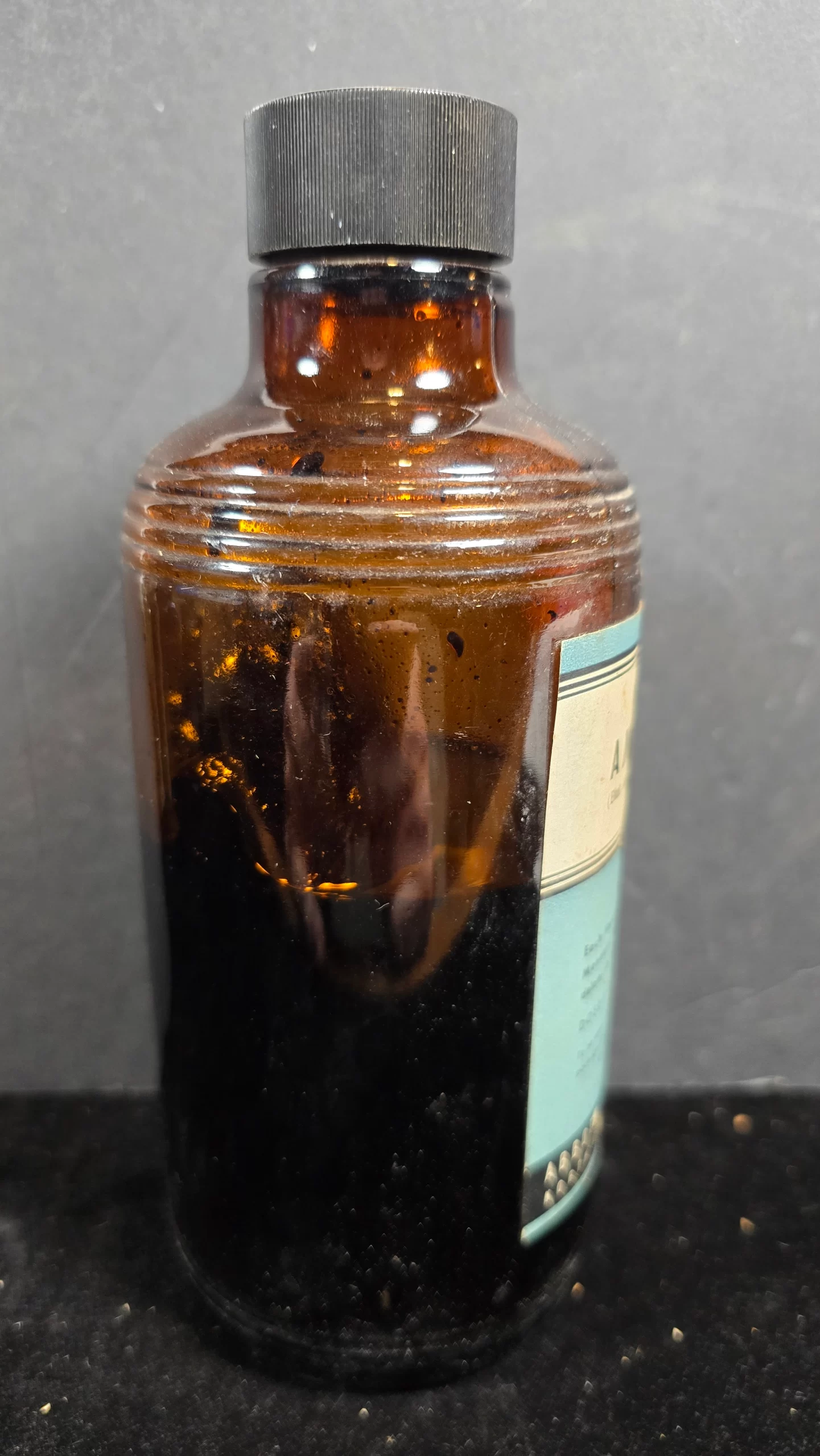
Original amber ribbed glass bottle with Abbott-marked screw cap. Label intact and legible with moderate edge wear, surface scuffing, and age toning. Glass shows expected age-related dusting and internal residue. Structurally sound with no cracks or chips observed.
Gallery
Historical context
Before the antibiotic era, mandelic acid and its salts were widely used for the treatment of urinary infections due to their ability to acidify urine and inhibit bacterial growth. Abbott’s Elixir Amdelate reflects early 20th-century efforts to standardize dosing, chemistry, and patient compliance through palatable liquid formulations.
This product represents mainstream, physician-directed therapeutics of the period—firmly rooted in laboratory chemistry rather than patent-medicine marketing—and illustrates the transitional phase between chemical therapy and modern antimicrobial treatment.
Curious Facts, Ephemera, and Trivia
The inclusion of pH indicator paper in the package underscores how closely treatment success was tied to measurable urinary acidity. The large one-pint format suggests extended treatment courses rather than short-term dosing, which was common in managing chronic or recurrent urinary infections before sulfonamides and antibiotics became available.
Excerpt
“Each fluid ounce represents 8 grams Mandelic Acid (as Ammonium Mandelate) in a pleasantly flavored elixir.”
Why it is in the Cabinet
This bottle is a textbook example of legitimate pre-antibiotic medical therapy, showing how physicians managed infection using chemistry, dosing discipline, and physiologic monitoring. It pairs well with antiseptics and urinary remedies in the Cabinet, reinforcing the story of medicine in transition rather than fringe or quack practice.
Support Dr. Bebout’s Cabinet of Medical Curiosities
If you enjoy the history, the oddities, and the effort, help keep this cabinet open. Every little bit helps preserve and share the strange wonders of medicine's past.
Buy Me a Ko-fi ☕ Buy Me a Coffee ☕ Tip via PayPal 💵