
Title
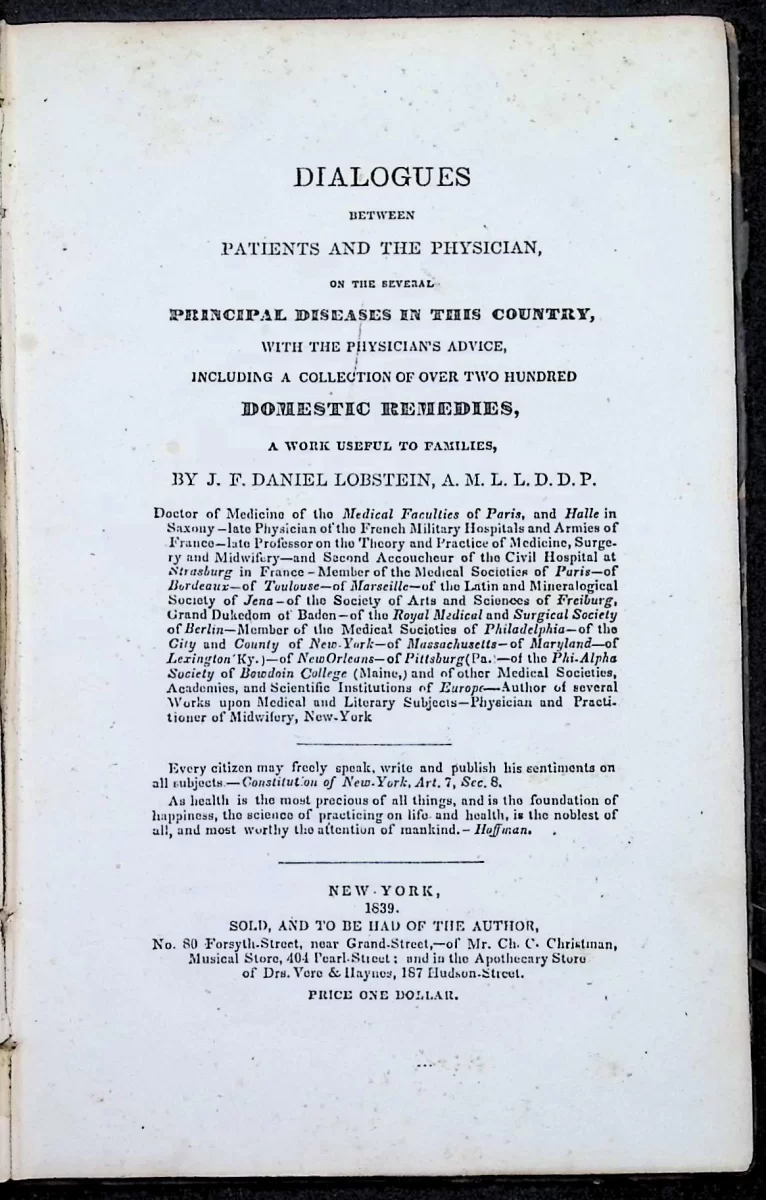
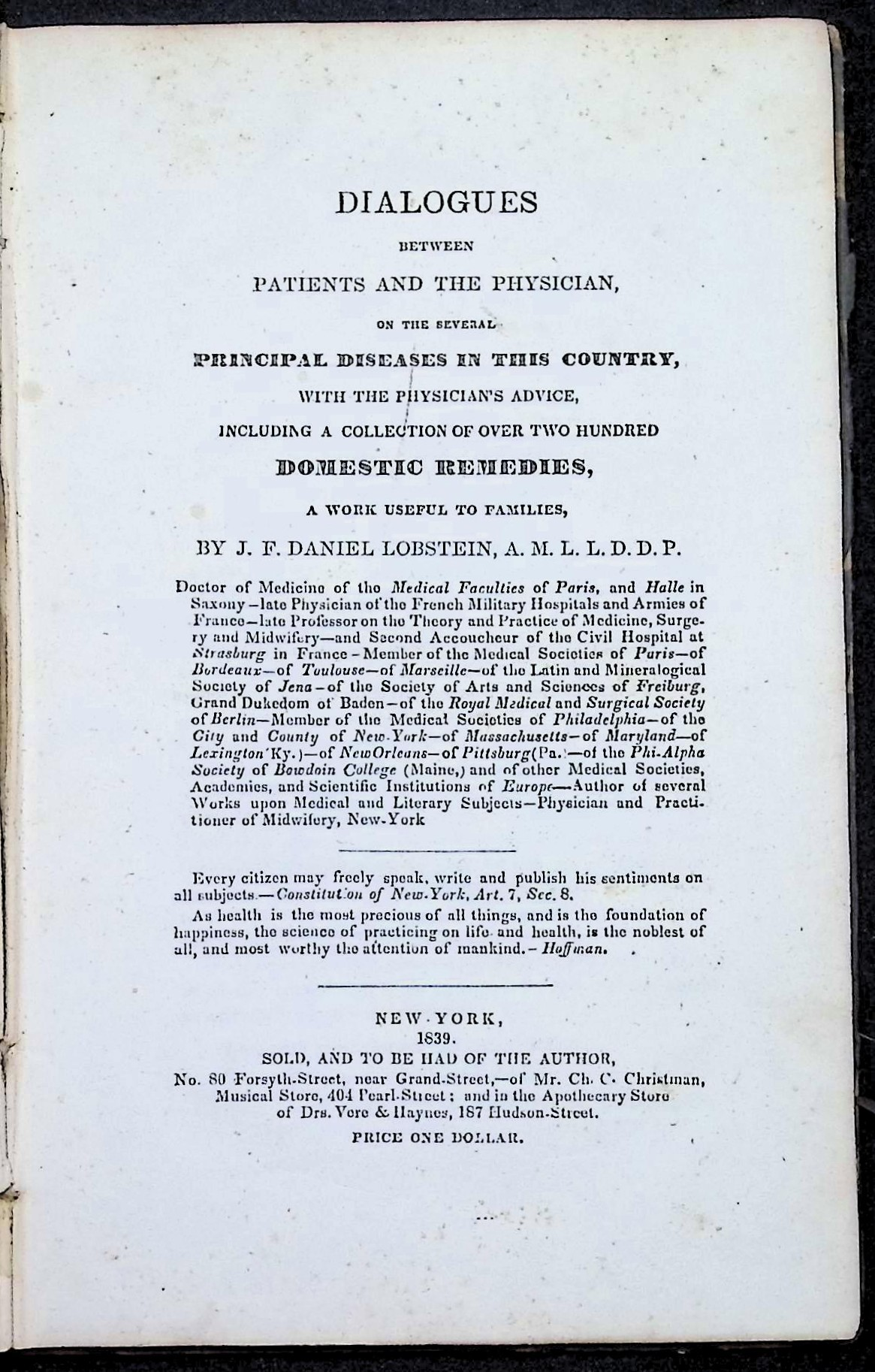
Dialogues Between Patients and the Physician
(on the Several Principal Diseases in This Country, Including a Collection of Over Two Hundred Domestic Remedies)
Author
J. F. Daniel Lobstein, A.M., L.L.D., D.P.
Image
Description
An early American medical work published in 1839, this volume presents fictionalized “dialogues” between doctor and patient designed to educate the public about common diseases, treatments, and preventive care.
The author, J.F. Daniel Lobstein, combined European medical training with an American populist approach, creating one of the most unusual hybrid texts of the 19th century — half practical guide, half didactic conversation.
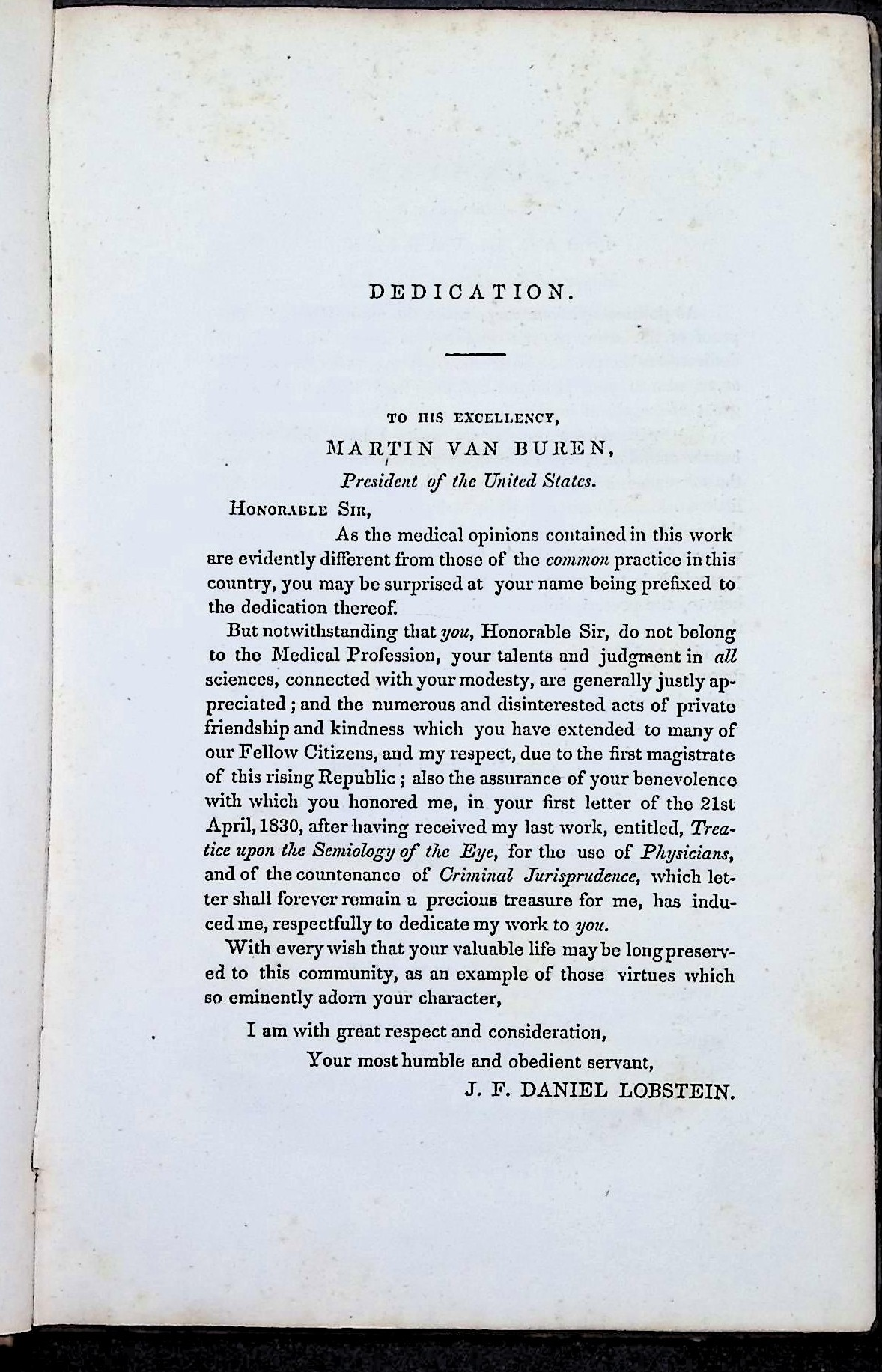
Printed in New York and dedicated to President Martin Van Buren, the book contains more than 200 domestic remedies, prescriptions in Latin and English, and moral observations about the role of the physician.
Condition
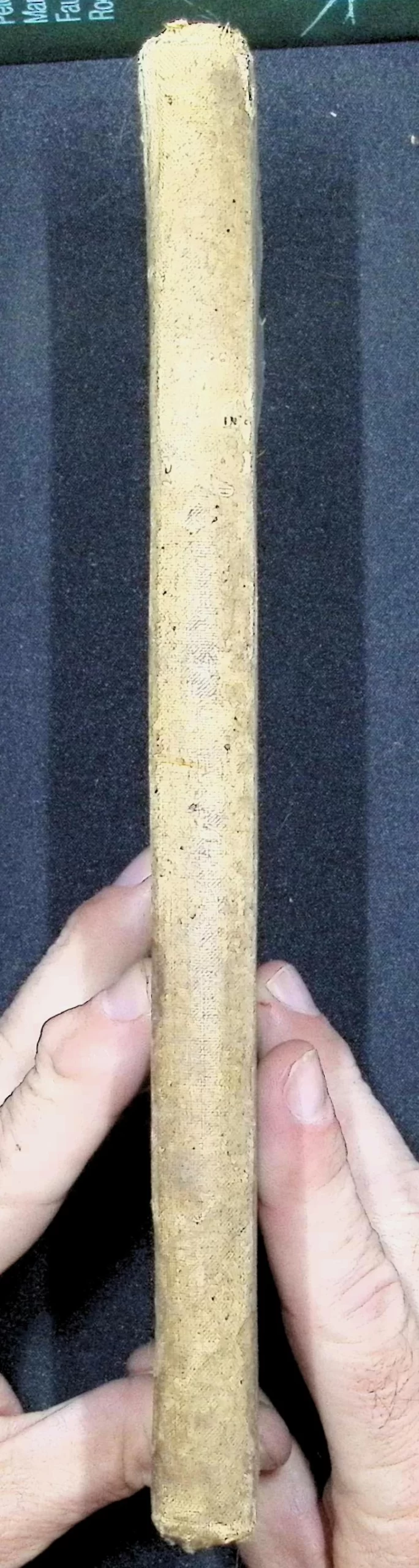
Original tan cloth boards show moderate toning and rubbing, corners slightly rounded.
Interior pages retain strong paper with light foxing throughout.
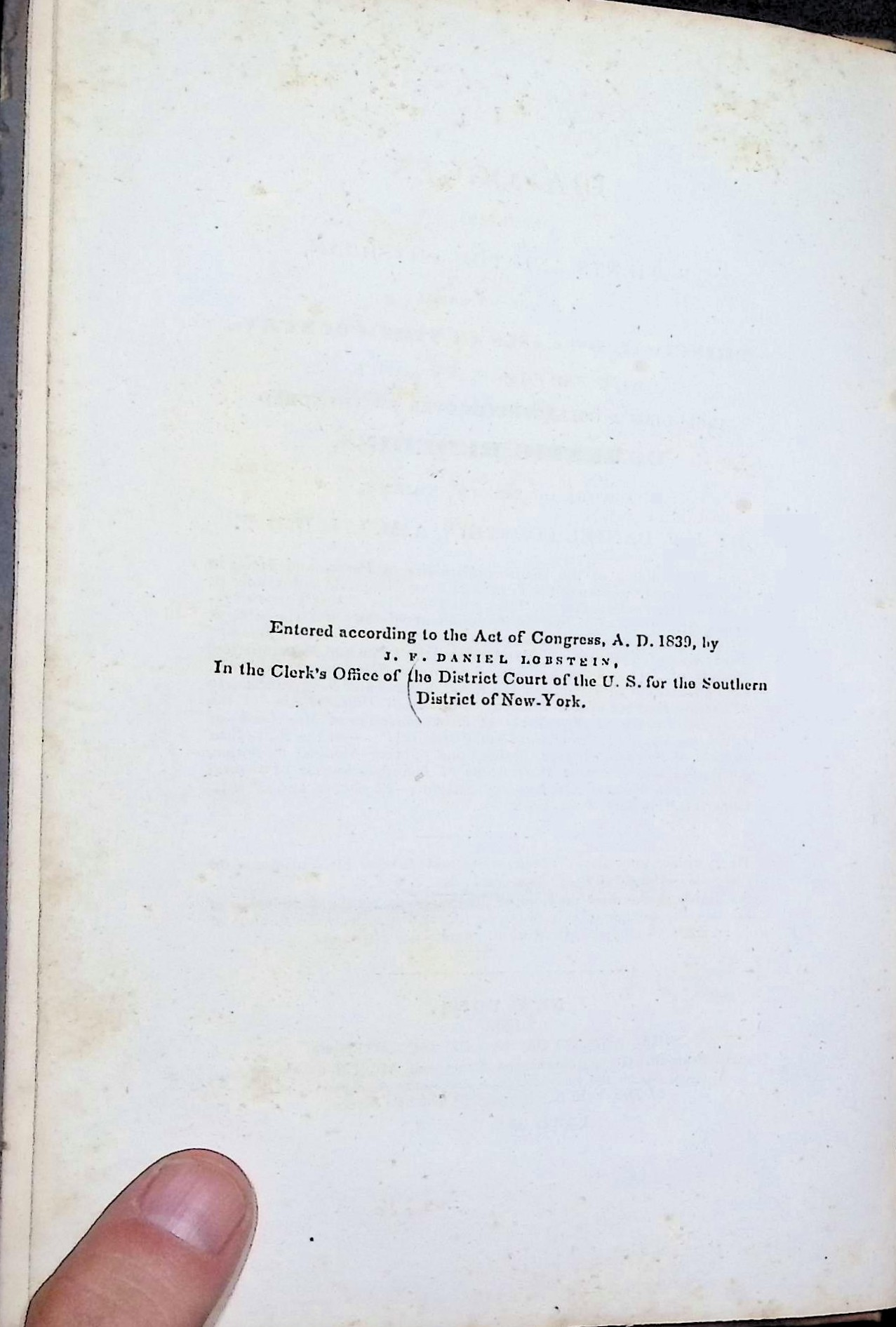
Binding remains firm; dedication and title pages intact.
Gallery
Historical context
Dr. J.F. Daniel Lobstein (1777 – 1840) was a Strasbourg-born physician who later emigrated to the United States. Educated in Europe’s major medical centers, he became an advocate for accessible instruction and moral reform within medicine.
Published during the Jacksonian era, this book bridged domestic medicine and professional authority, teaching families how to care for themselves while reinforcing trust in educated physicians. Its conversational tone, presidential dedication, and multilingual prescriptions make it a distinctive relic of pre-Civil War American medical publishing.
Curious Facts, Ephemera, and Trivia
Dedicated personally to President Martin Van Buren, an uncommon honor for a medical author.
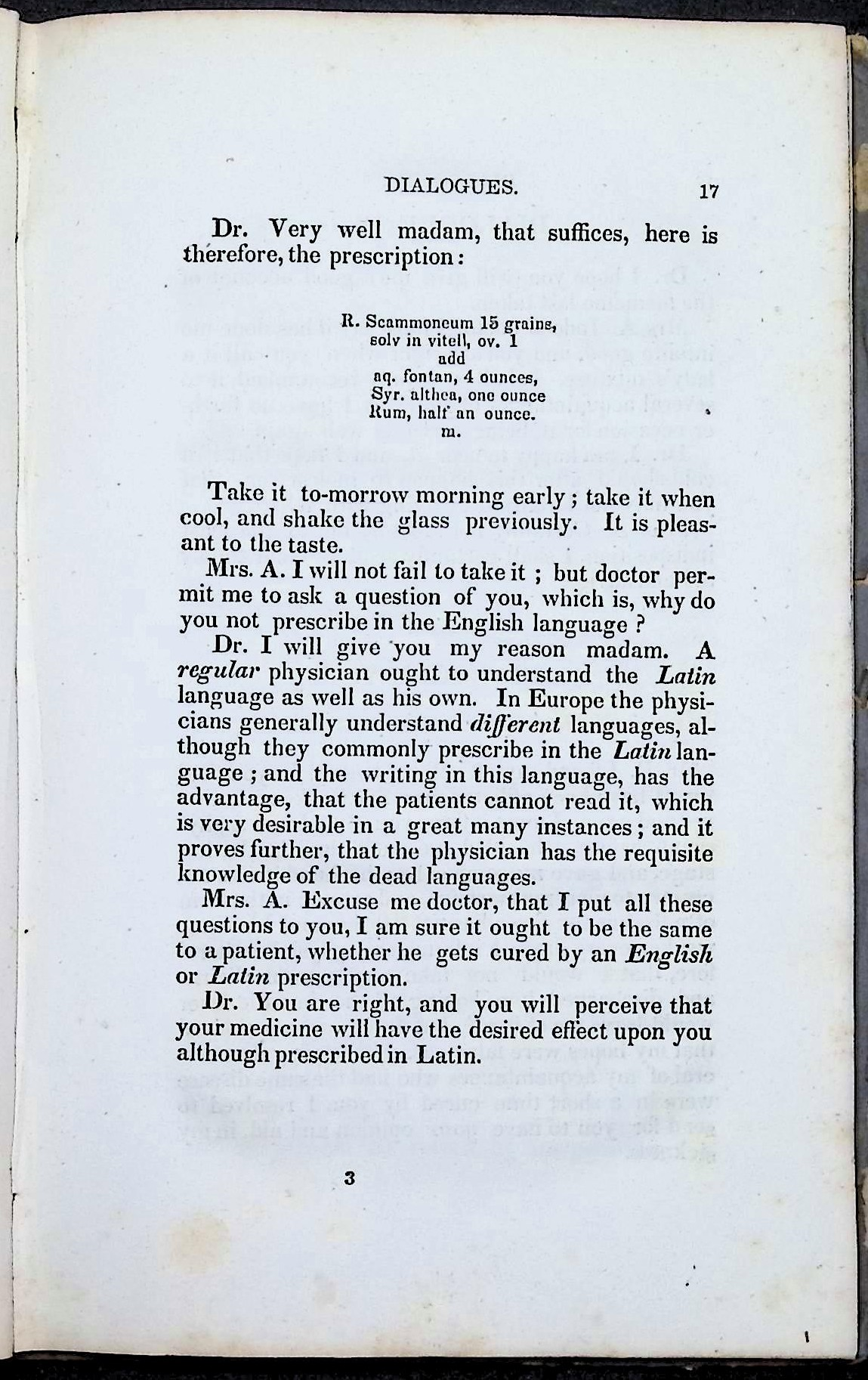
Contains numerous Latin prescriptions, justified by the author as necessary so “patients cannot read them,” reflecting 19th-century professional secrecy.
Combines both European and American medical philosophy in a single text.
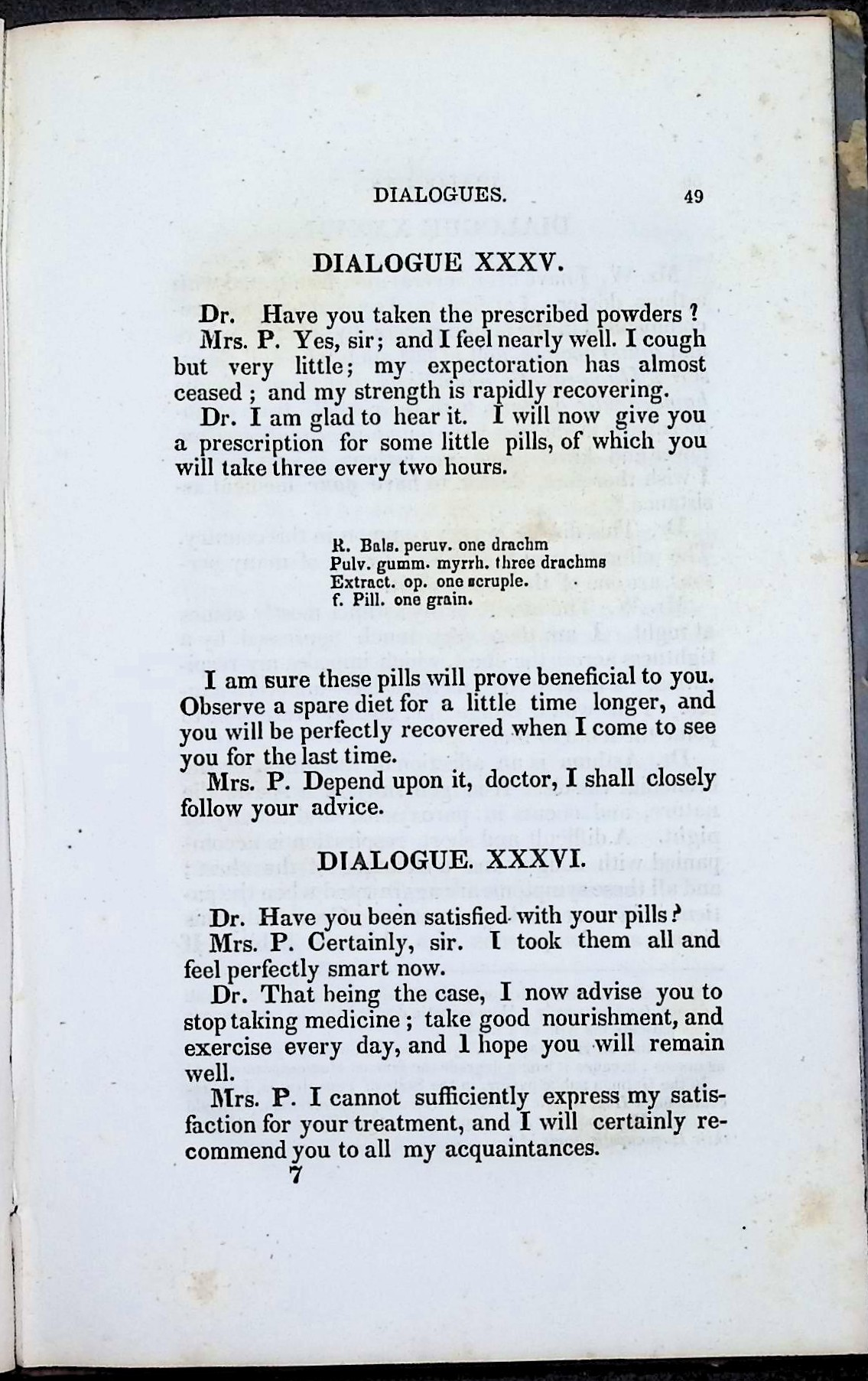
Each “dialogue” doubles as a miniature case study, revealing the moral expectations of both doctor and patient.
Excerpt
“A regular physician ought to understand the Latin language as well as his own… The writing in this language has the advantage that the patients cannot read it; which is very desirable in a great many instances.” — Dialogue III, p. 17
Why it is in the Cabinet
his 1839 work captures a turning point in American medicine, when formal education, domestic practice, and moral philosophy intertwined. Its dedication to a sitting president, conversational pedagogy, and preserved original binding make it an essential representation of 19th-century medical communication and authority.
Support Dr. Bebout’s Cabinet of Medical Curiosities
If you enjoy the history, the oddities, and the effort, help keep this cabinet open. Every little bit helps preserve and share the strange wonders of medicine's past.
Buy Me a Ko-fi ☕ Buy Me a Coffee ☕ Tip via PayPal 💵