
Title
DARVON® COMPOUND–65 PULVULES TIN
Author
Manufactured by Eli Lilly & Company
Image
Description
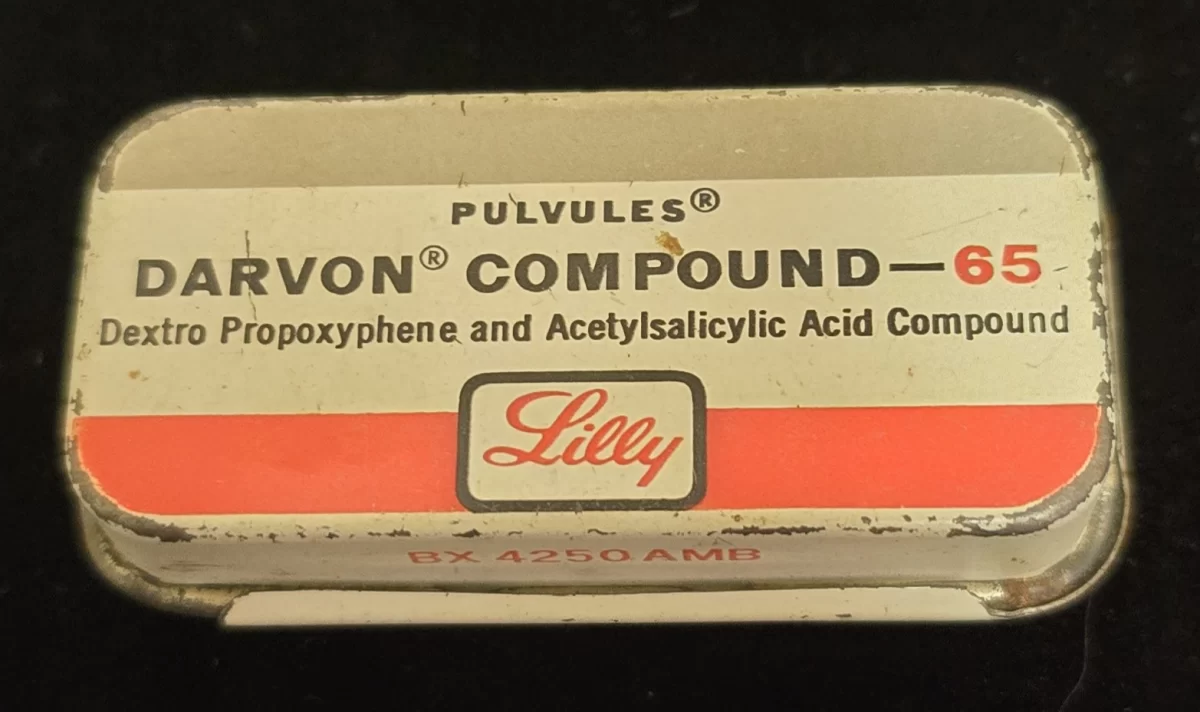
This small metal tin once held Darvon® Compound–65 Pulvules, a combination analgesic marketed by Eli Lilly & Co. and widely prescribed from the mid-20th century into the early 2000s. Each Pulvule contained dextropropoxyphene (a synthetic opioid analgesic) combined with acetylsalicylic acid (aspirin)—a popular pairing in an era when fixed-dose analgesic combinations dominated American prescribing.
Dextropropoxyphene, introduced in the 1950s, was designed to be a milder opioid alternative to codeine. For decades it was widely viewed as safe and effective for mild to moderate pain, leading to enormous prescribing volume. By the 1970s and 1980s, concerns mounted regarding cardiotoxicity, CNS depression, drug interactions, and overdose risk, ultimately culminating in the FDA removing propoxyphene products from the U.S. market in 2010.
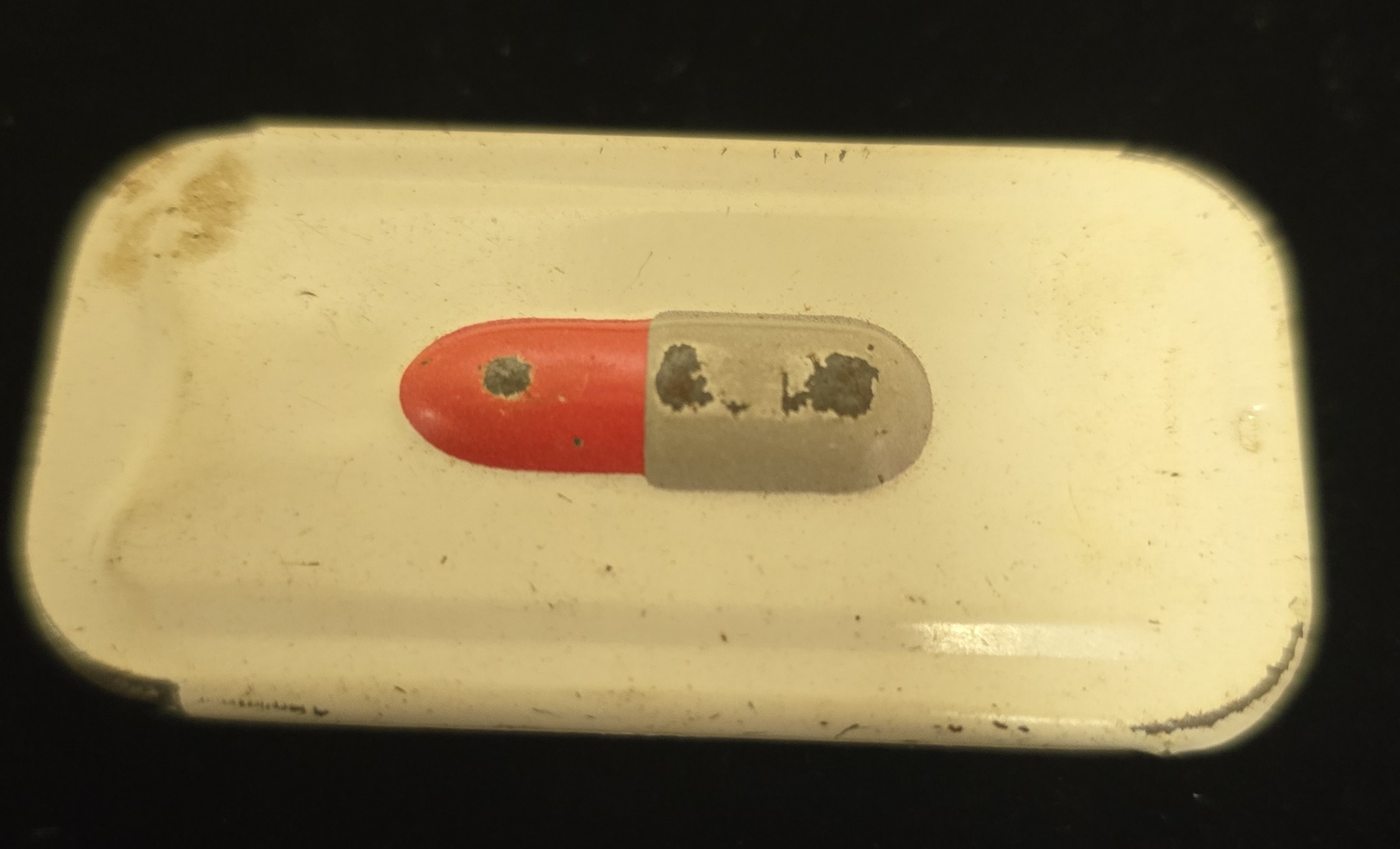
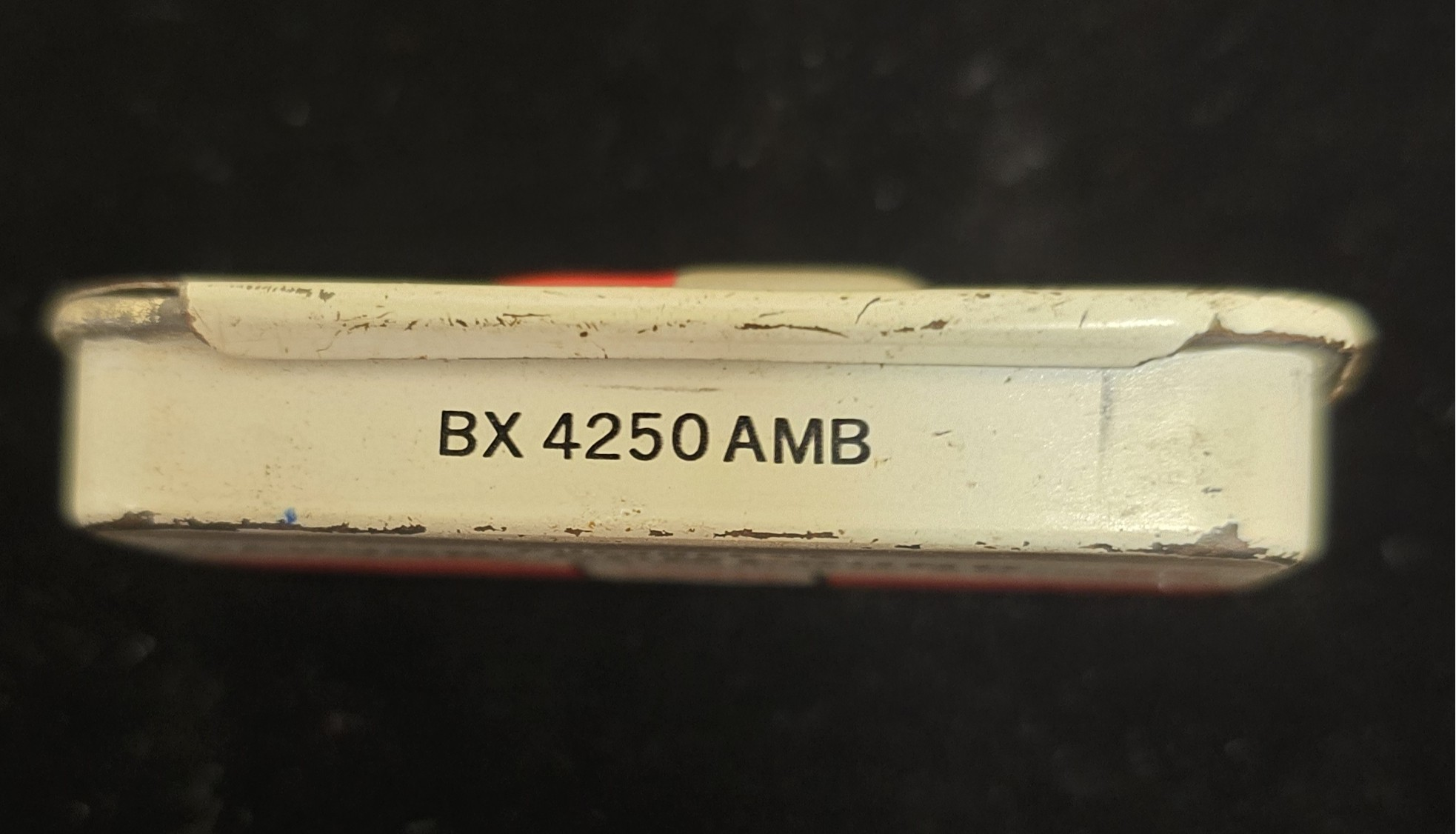
This tin—marked BX 4250 AMB—is a classic example of Lilly’s compact dispensary packaging of the period. The reverse side features a stylized red-and-gray capsule illustration, now worn with age.
Condition
Metal tin with surface wear, paint loss, oxidation at edges, and general handling marks; labeling remains legible and structurally intact.
Gallery

Historical context
Propoxyphene rose to prominence during an era hungry for “safer” opioids—an optimistic pharmaceutical landscape that often outpaced evidence. Marketed as gentle yet effective, Darvon became one of the most prescribed analgesics in the United States for decades.
By the early 21st century, accumulated data demonstrated significant risks—including fatal arrhythmias even at therapeutic doses—forcing regulators to reevaluate its safety profile. The drug’s eventual withdrawal stands as a major example of long-lag pharmacovigilance: a medication surviving for half a century before definitive action.
Combination analgesics like Darvon Compound–65 also reflect mid-century prescribing philosophy: mix an opioid, an antipyretic, and sometimes a sedative, and package the trio as a one-stop pain solution.
Curious Facts, Ephemera, and Trivia
“Pulvules®” was Lilly’s proprietary term for its hard-gelatin capsules, marketed as easy-swallow, dust-free, and rapidly dissolving.
Darvon was so widely used that it became a cultural reference point—featured in novels, television, and even music lyrics during the 1960s–1980s.
The FDA initially rejected petitions for market withdrawal multiple times before ultimately banning it in 2010 due to cardiac conduction abnormalities.
Propoxyphene overdoses frequently produced seizures, arrhythmias, and sudden cardiac arrest—often out of proportion to the opioid effect itself.
Excerpt
From Lilly’s historical marketing language (mid-20th century):
“A dependable analgesic for the relief of the ordinary pain of everyday life.”
(Representative contemporary advertising phrasing; exact text varied across printings.)
Why it is in the Cabinet
This tin represents a major chapter in American pharmaceutical history: the rise and fall of a widely trusted drug that ultimately proved far more dangerous than believed. It illustrates shifting medical standards, the limitations of early drug surveillance, and the changing understanding of opioid safety. As a physical artifact, the Pulvules tin is an iconic piece of mid-century pharmaceutical packaging—compact, practical, and instantly recognizable.
Support Dr. Bebout’s Cabinet of Medical Curiosities
If you enjoy the history, the oddities, and the effort, help keep this cabinet open. Every little bit helps preserve and share the strange wonders of medicine's past.
Buy Me a Ko-fi ☕ Buy Me a Coffee ☕ Tip via PayPal 💵