
Title
BRONCHIAL ASTHMA: ITS DIAGNOSIS AND TREATMENT
Author
Harry L. Alexander, A.B., M.D.
Associate Professor of Medicine, Washington University Medical School, St. Louis, Missouri
Associate Physician, Barnes Hospital, St. Louis, Missouri
Image
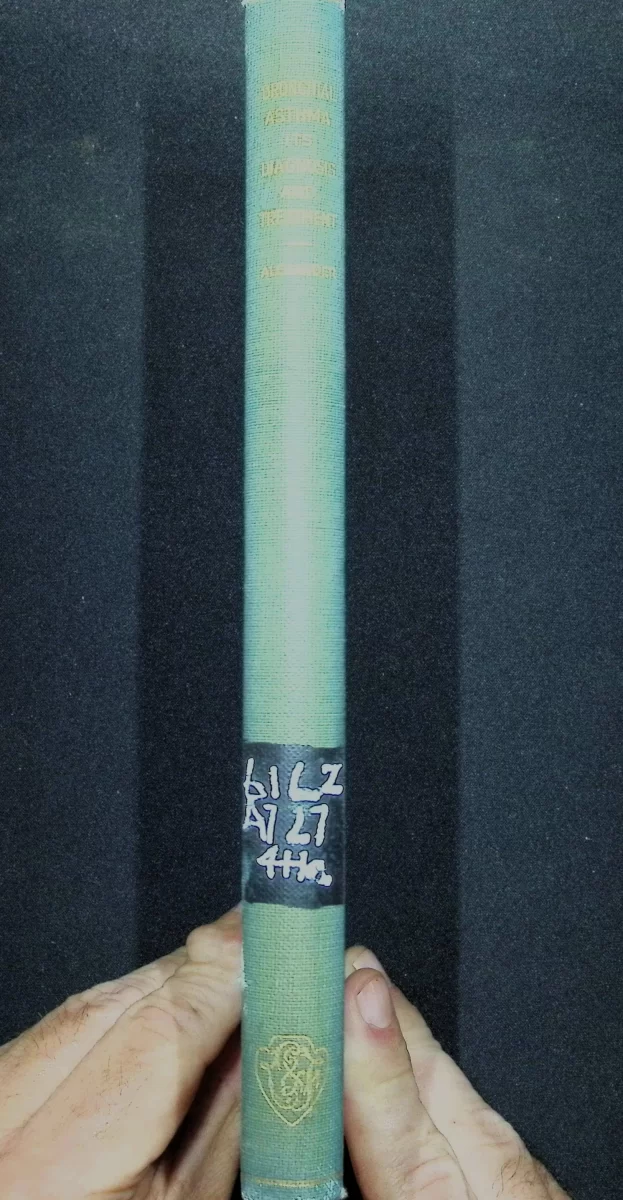
Description
Published in 1928 by Lea & Febiger, this volume presents an early 20th-century clinical analysis of bronchial asthma at a time when the disease was poorly understood and its mechanisms hotly debated. Alexander synthesizes contemporary physiological, pathological, and emerging immunological thought, offering a concise but comprehensive monograph aimed at physicians treating chronic respiratory disease.
The book addresses the pathogenesis of asthma, the distinction between bronchospasm theories and allergic mechanisms, the role of anaphylaxis, common complications such as emphysema, and evolving diagnostic strategies. It includes illustrative material, though typical of the era, relies more heavily on textual synthesis than on visual aids.
As a publication of Lea & Febiger—one of the leading American medical publishers of the late 19th and early 20th centuries—this text represents the prevailing academic consensus shortly before corticosteroids, bronchodilators, and modern allergy practices reshaped asthma treatment.
Condition
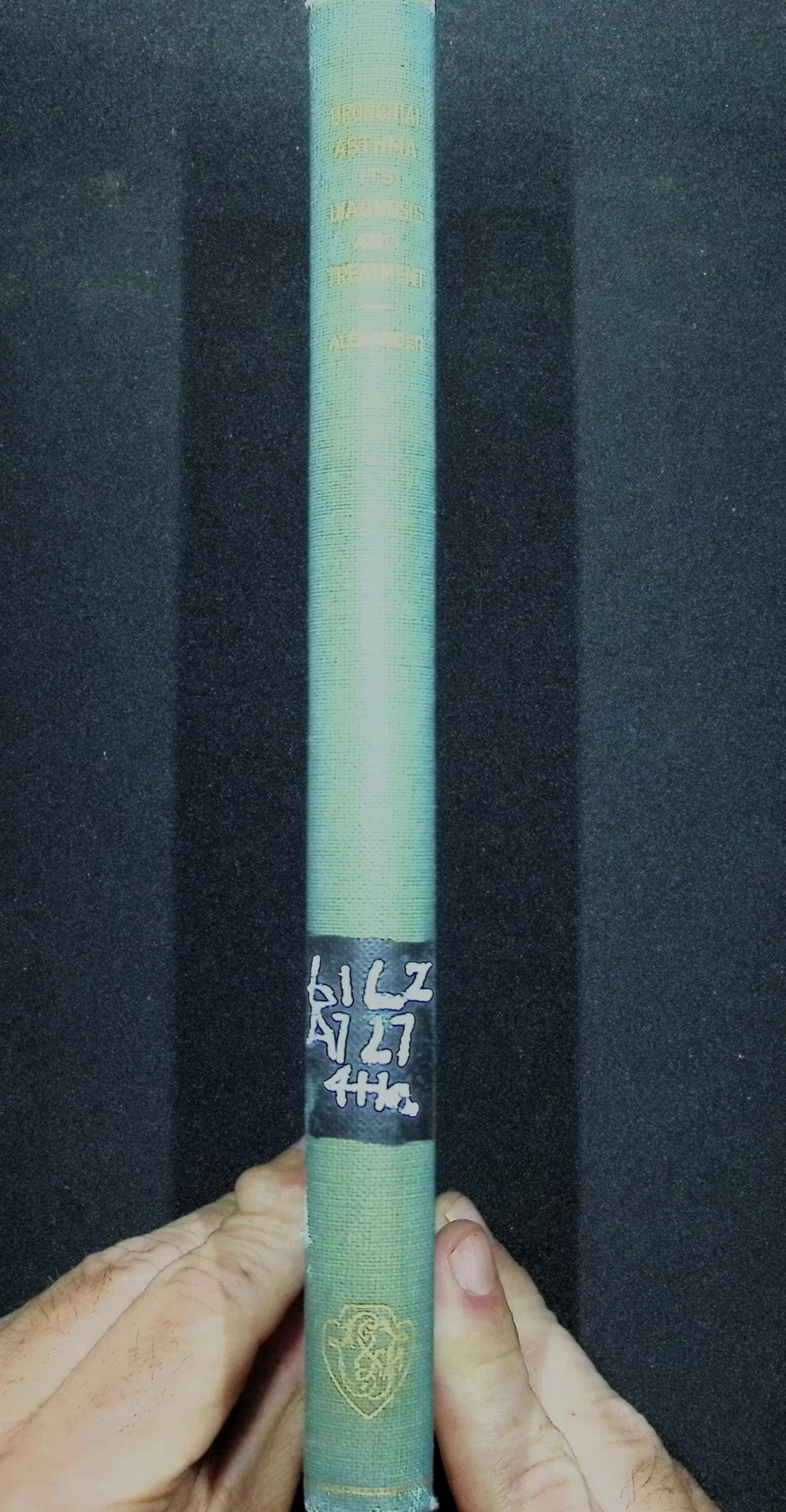
Blue cloth hardcover with moderate shelf wear; corners lightly rubbed; old library call-number tape on spine; binding sound; pages clean and well-preserved.
Gallery

Historical context
Asthma research in the 1920s occupied a transitional moment between classical physiology and the rising field of immunology. Prior to this period, asthma was considered almost entirely a disorder of bronchial muscle spasm. Alexander’s text reflects the intellectual shift sparked by studies of anaphylaxis, protein sensitization, and experimental shock models.
By the late 1920s, the medical community had begun to recognize asthma as a heterogeneous disorder with immunologic and environmental influences, yet lacking effective therapeutic interventions. Treatments of the time included epinephrine injections, atropine derivatives, steam inhalation, and avoidance of suspected triggers—far from the pharmacologic sophistication that would emerge mid-century.
This volume captures the state of respiratory medicine at a critical juncture, just before major therapeutic and diagnostic breakthroughs.
Curious Facts, Ephemera, and Trivia
The book predates the discovery of IgE (1966) by nearly four decades.
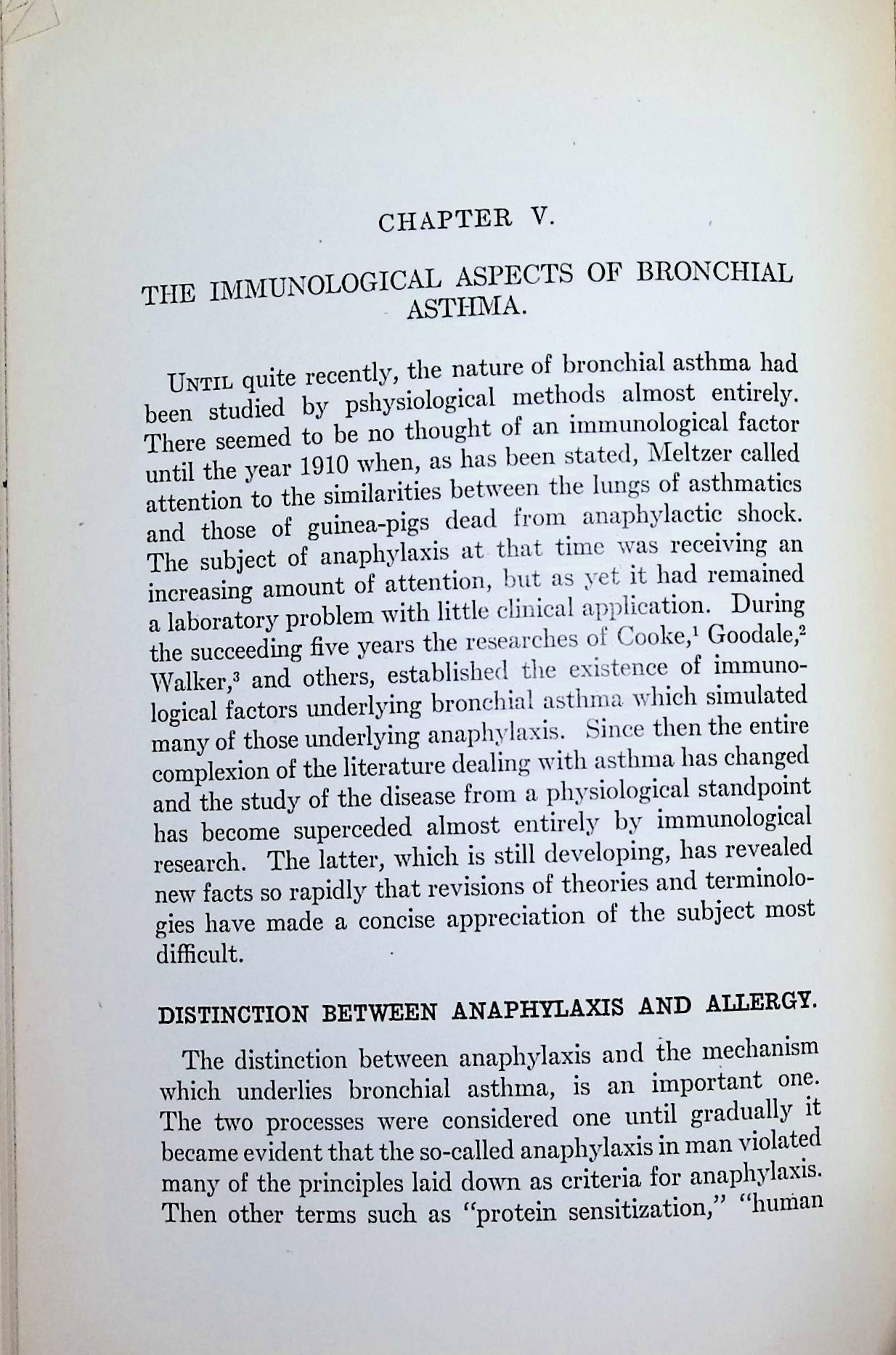
Immunology was still considered speculative in asthma research, yet Alexander devotes an entire chapter to its emerging role.
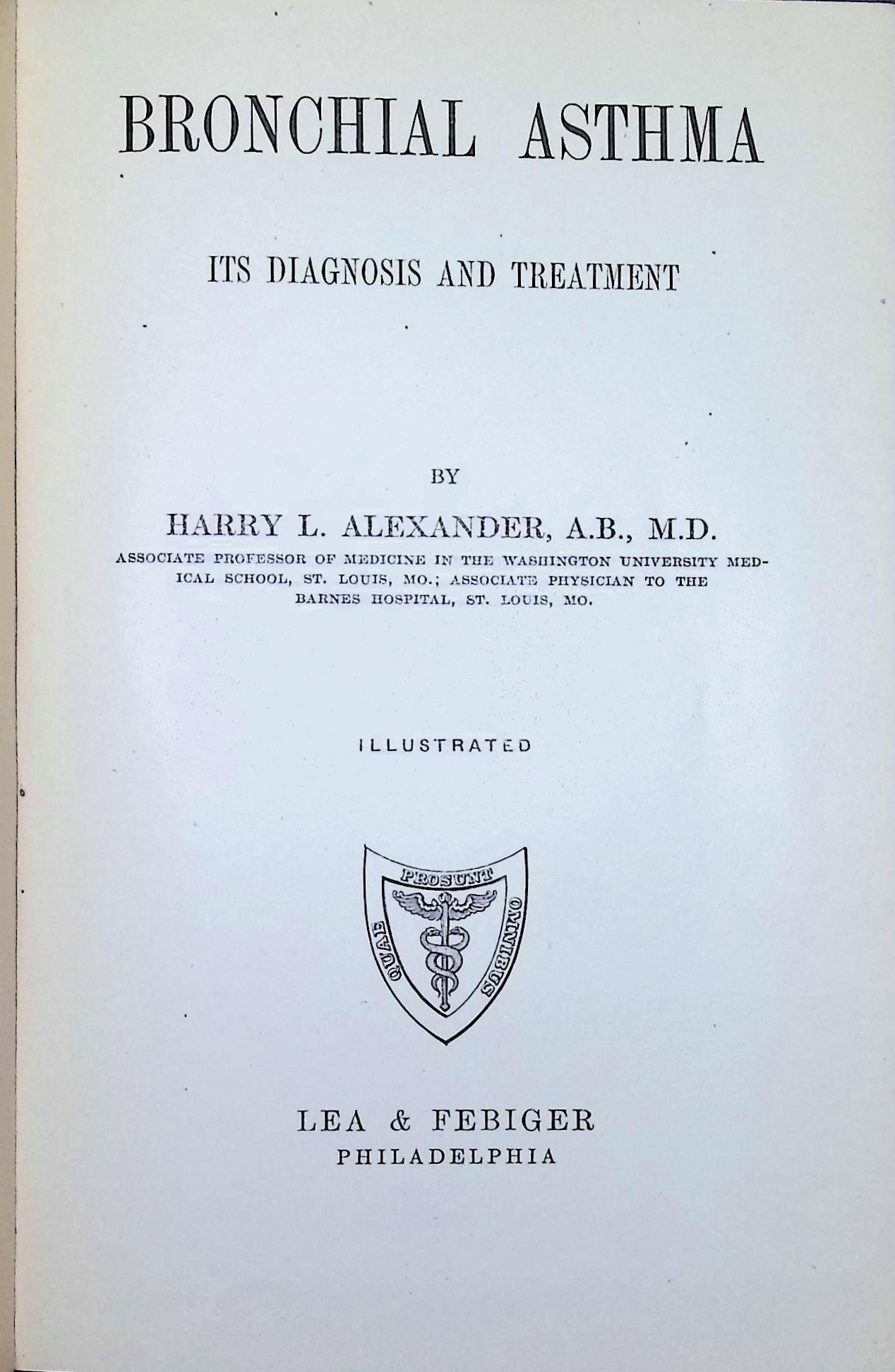
Lea & Febiger’s caduceus-like emblem appears prominently on the title page—despite the modern recognition that the caduceus is not an authentic medical symbol.
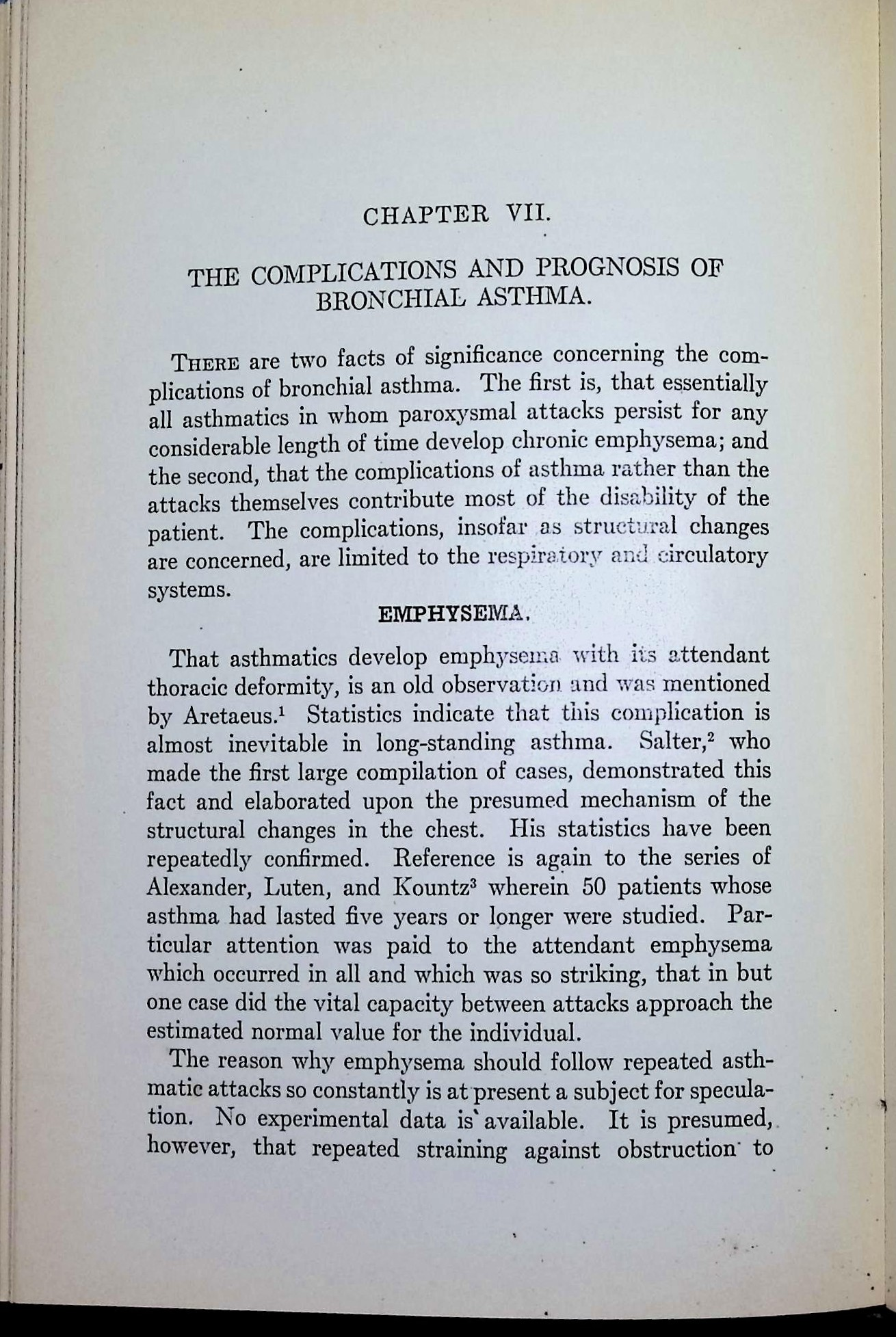
The emphysema chapter highlights early observational epidemiology, long before imaging or pulmonary function testing were widely available.
Excerpt
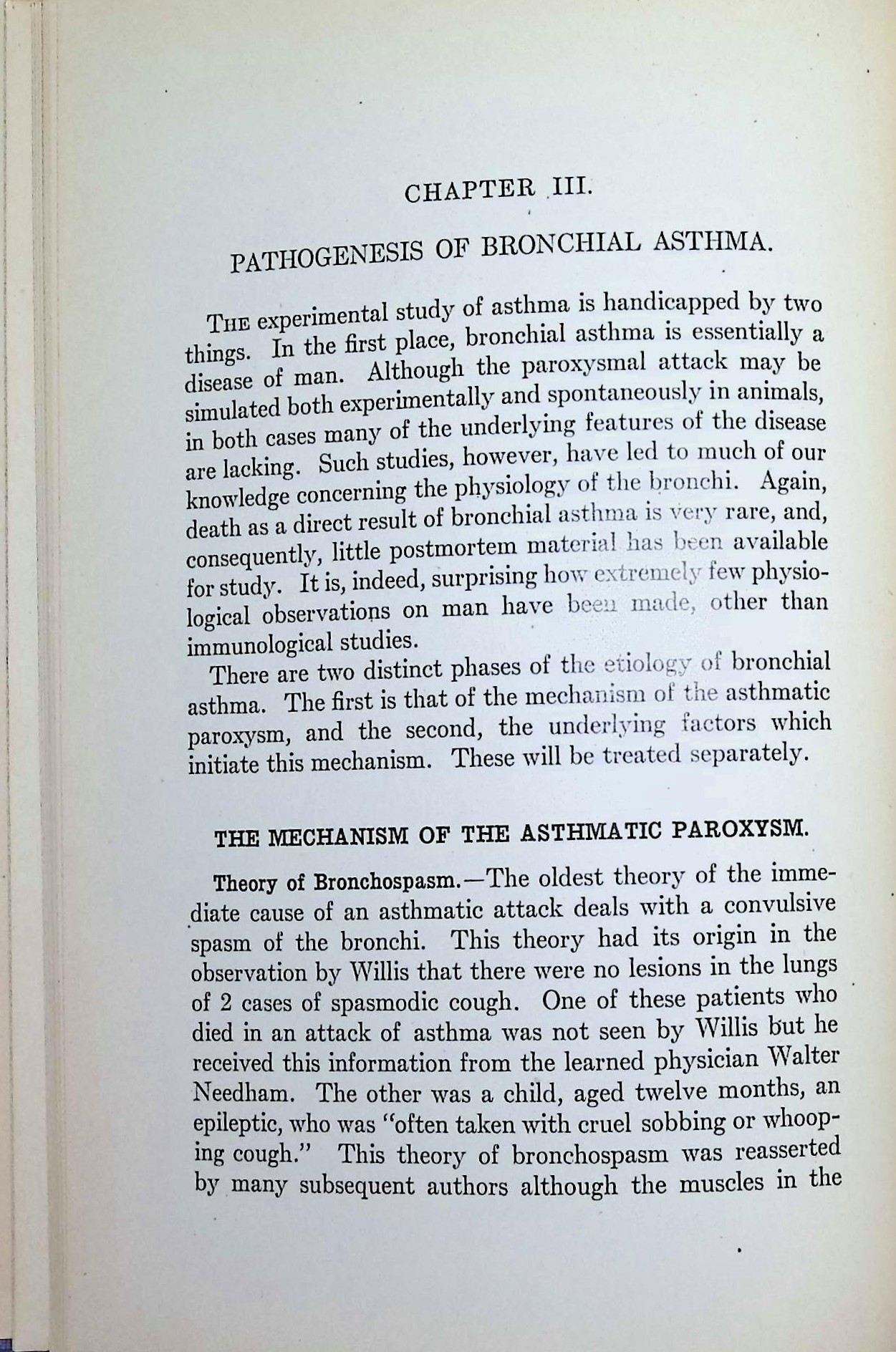
From Chapter III, Pathogenesis of Bronchial Asthma:
“The experimental study of asthma is handicapped by two things. In the first place, bronchial asthma is essentially a disease of man… Such studies, however, have led to much of our knowledge concerning the physiology of the bronchi.”
Why it is in the Cabinet
This book provides an invaluable snapshot of asthma theory before the rise of modern allergy science and respiratory pharmacology. Its detailed exploration of bronchospasm, anaphylaxis, and early immunologic thinking makes it a significant historical reference for understanding the evolution of asthma diagnosis and treatment.
Support Dr. Bebout’s Cabinet of Medical Curiosities
If you enjoy the history, the oddities, and the effort, help keep this cabinet open. Every little bit helps preserve and share the strange wonders of medicine's past.
Buy Me a Ko-fi ☕ Buy Me a Coffee ☕ Tip via PayPal 💵