
Title
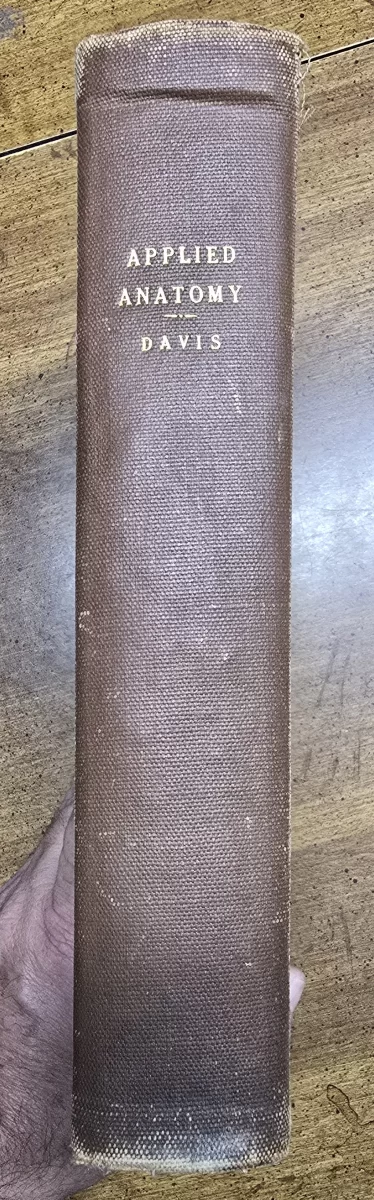
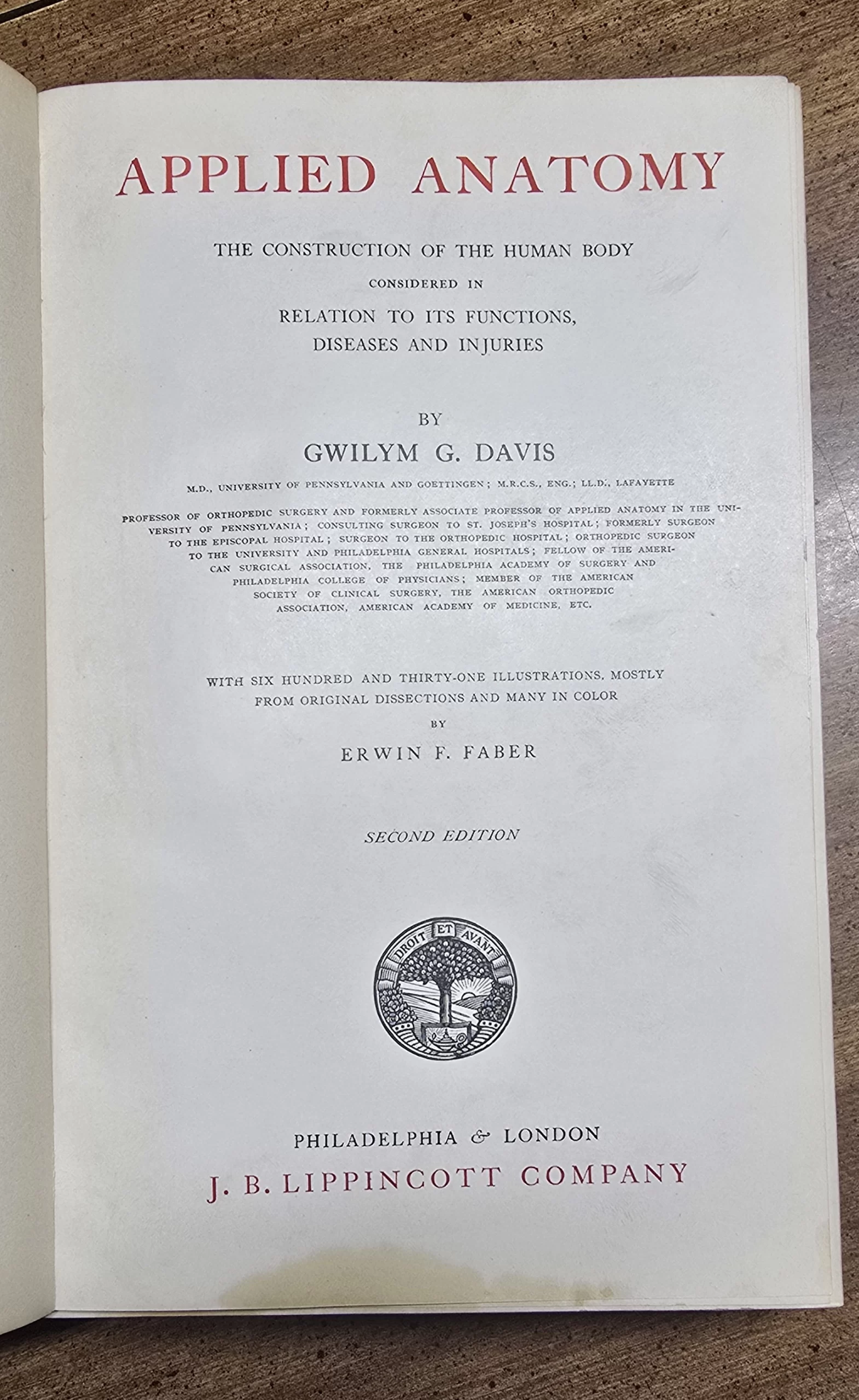
Applied Anatomy (Second Edition, 1910)
Author
By Gwilym G. Davis, M.D.
Philadelphia & London: J. B. Lippincott Company
Image
Description
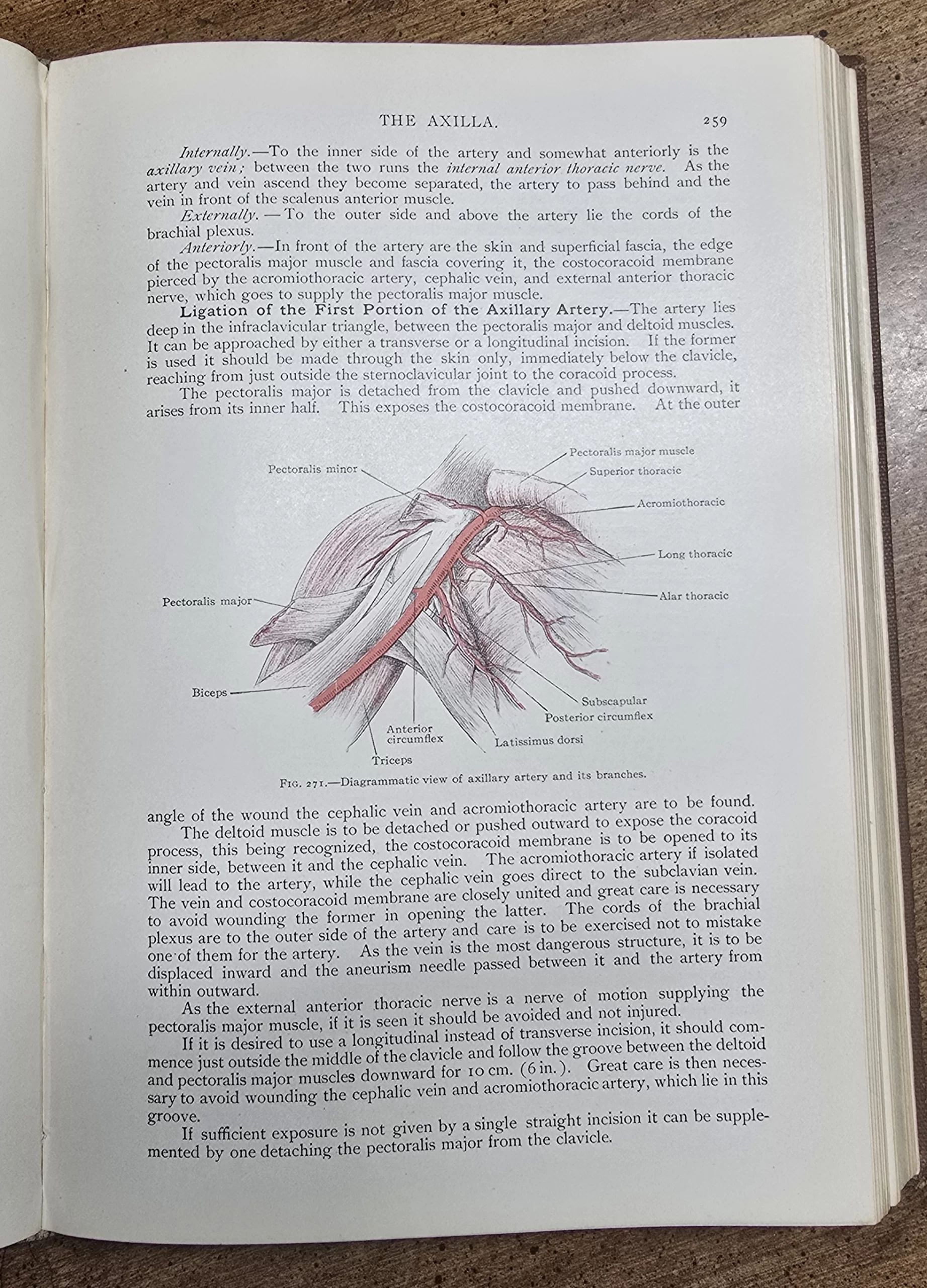
This 1910 second edition of Applied Anatomy by orthopedic surgeon Gwilym G. Davis reflects an era when anatomical instruction was intimately tied to clinical function and surgical relevance. With 631 illustrations — many based on original dissections — Davis’s text was designed not only to describe structure but to illuminate how anatomy influences disease, injury, and medical intervention.
Used widely in early 20th-century medical schools, especially at the University of Pennsylvania, this book helped train physicians who would go on to serve in both civilian practice and the battlefields of World War I. Davis’s approach emphasized real-world anatomical knowledge, focusing on fractures, dislocations, surgical landmarks, and pathologic consequences.
Condition
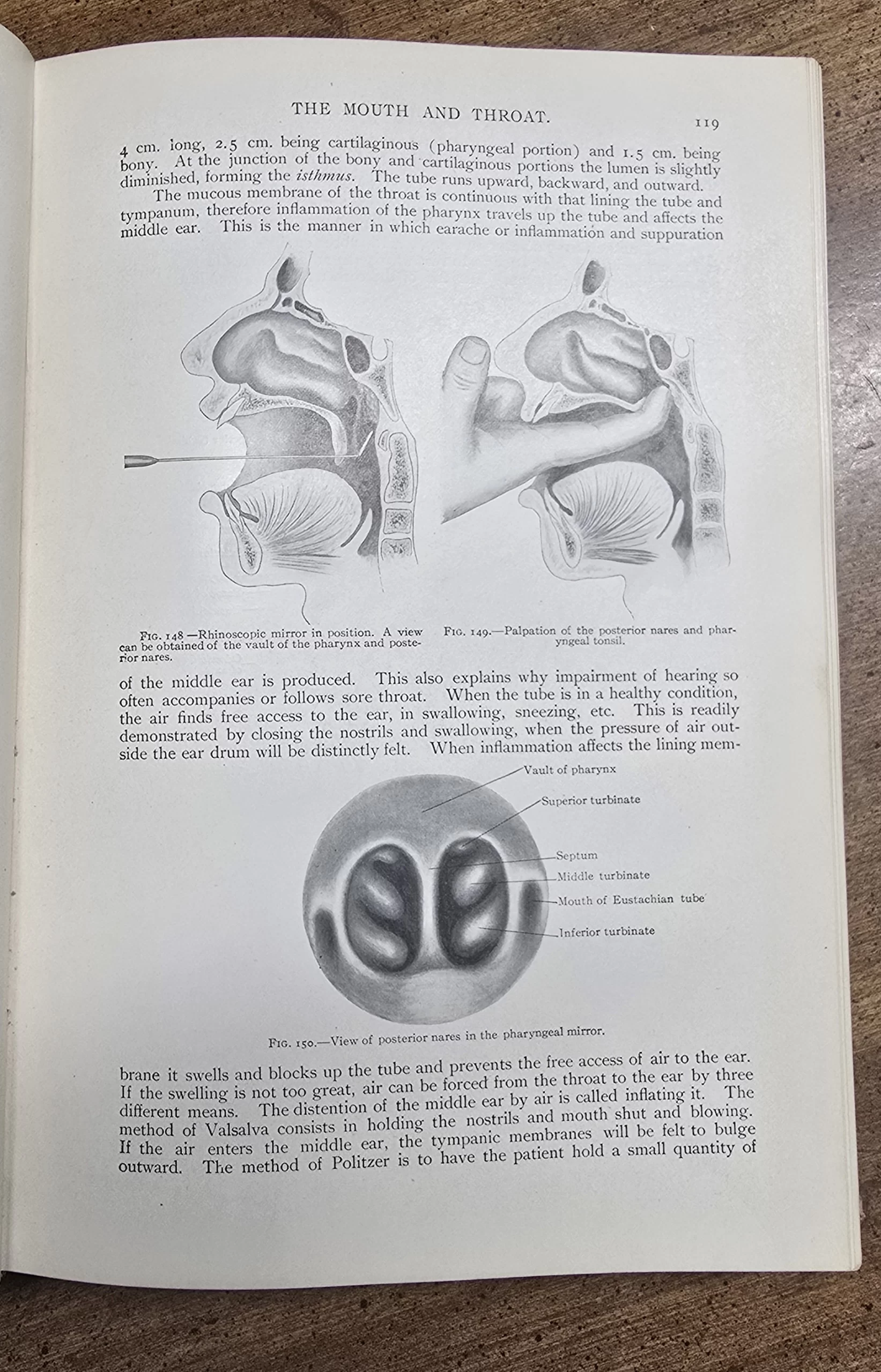
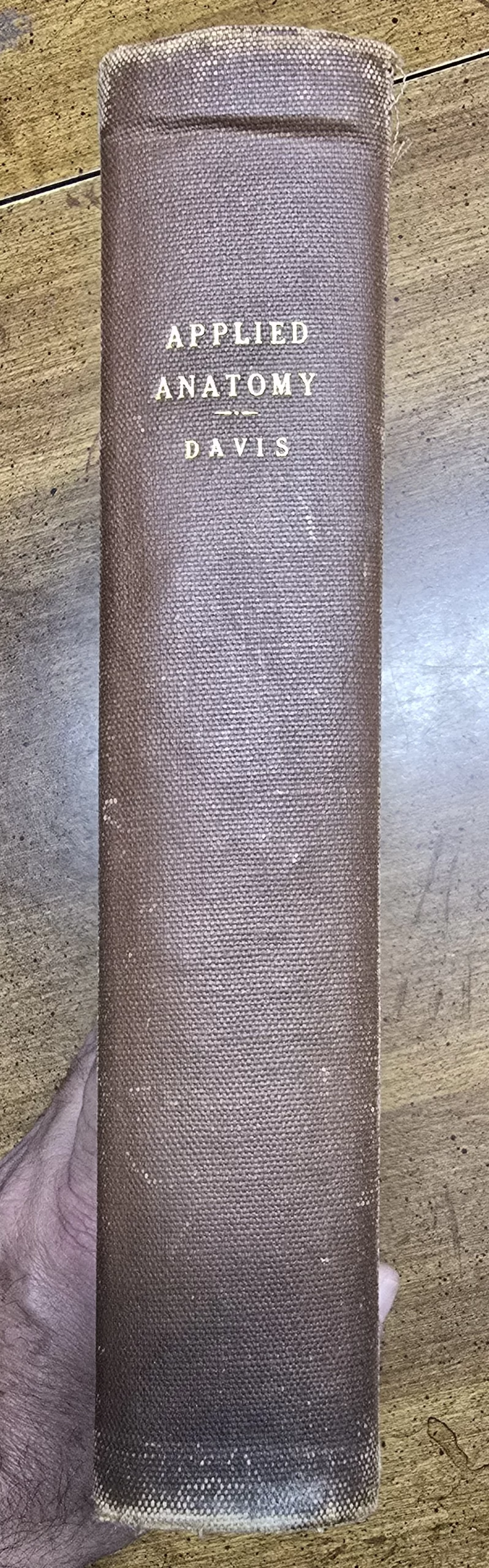
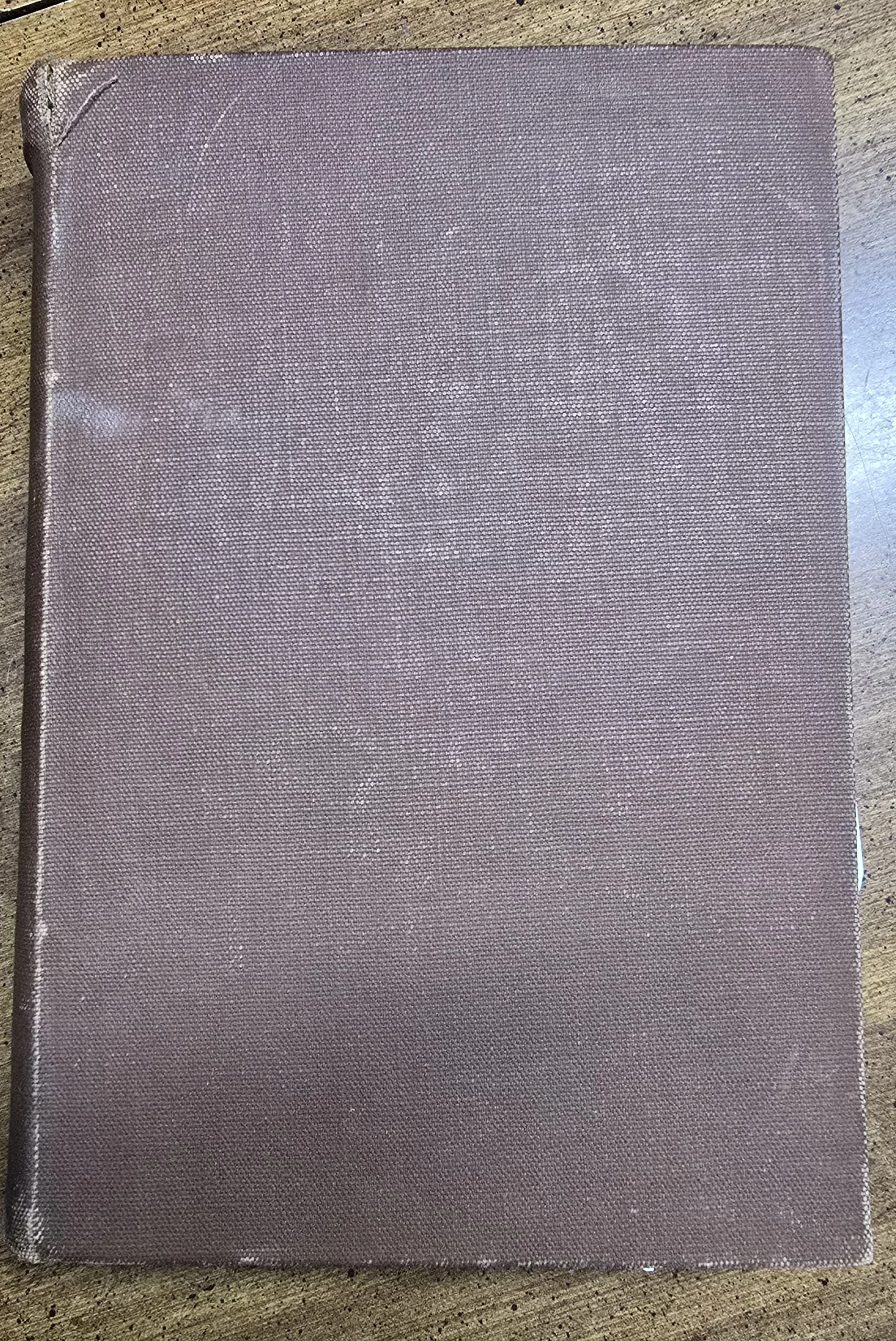
This copy of the second edition is complete and intact, with moderate age wear. The spine is fully legible with decorative gold labeling; interior pages show foxing and slight warping, consistent with early 20th-century paper stock. All anatomical illustrations remain clearly printed and fully intact.
Gallery
Historical context
When this second edition of Applied Anatomy was published in 1910, American medicine stood at a crossroads. That same year, the Flexner Report was released, launching a revolution in medical education by calling for rigorous scientific training and the closure of substandard schools. This book emerged during the last decade before antibiotics, blood banking, and widespread aseptic technique—when even basic surgical outcomes depended heavily on anatomical knowledge and clinical skill.
The early 20th century was also an era of rapid urbanization, industrial injuries, and growing public demand for competent physicians. Davis’s work reflected this moment, offering a structured, practical guide for medical students expected to function with limited diagnostic tools but high personal responsibility.
Curious Facts, Ephemera, and Trivia
The Applied Anatomy series by Davis was published during one of the most transformative moments in American medical education history. Just months after this second edition was released, the Flexner Report of 1910 was published—an investigative survey that would go on to shutter over half of all U.S. medical schools in the following years due to inadequate standards. It’s likely that Davis’s Applied Anatomy was among the reference texts found in the better-regarded schools of the time.
Excerpt
Excerpt (Page 207) Re: Wounds of the Heart
“Wounds of the heart are usually immediately fatal, but sometimes they are not so. The pleurae are very liable to be wounded at the same time. The right ventricle, on account of lying anteriorly, is the part most often involved. The atria lie more posteriorly and are most apt to be wounded in stabs to the back. Not only may the substance of the heart itself be injured, but also its blood vessels. The right coronary artery lying in the atrioventricular groove and the anterior interventricular branch of the left coronary running between the two ventricles anteriorly are the vessels most liable to injury. Owing to the heart being enclosed in the pericardium, a closed sac, if blood accumulates in it, the action of the heart is interfered with. To avoid this occurrence, wounds bleeding externally should not be closed, or distention of the pericardium may ensue.”
Why it is in the Cabinet
This book represents a critical period in American medical education — one where applied dissection, battlefield medicine, and clinical pragmatism converged. The selected passage on cardiac wounds shows how Davis’s anatomical expertise was tied to life-or-death decisions long before the advent of modern cardiac surgery.
By explaining not only what gets damaged but how and why, Davis provided early guidance in the management of penetrating trauma, even before widespread use of chest X-rays or ECGs. The second edition holds value as both an educational tool and a window into the surgical mindset of the 1910s.
Support Dr. Bebout’s Cabinet of Medical Curiosities
If you enjoy the history, the oddities, and the effort, help keep this cabinet open. Every little bit helps preserve and share the strange wonders of medicine's past.
Buy Me a Ko-fi ☕ Buy Me a Coffee ☕ Tip via PayPal 💵