
Title
Apothecary Jar – Spiritus Lavandulae Compositus (Compound Spirit of Lavender)
Author
N/A – Pharmaceutical container
Image
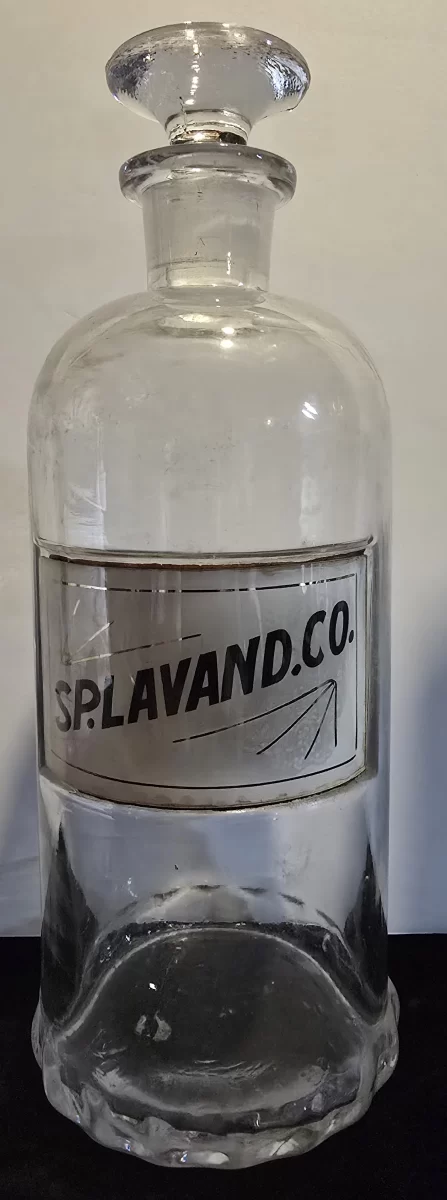
Description
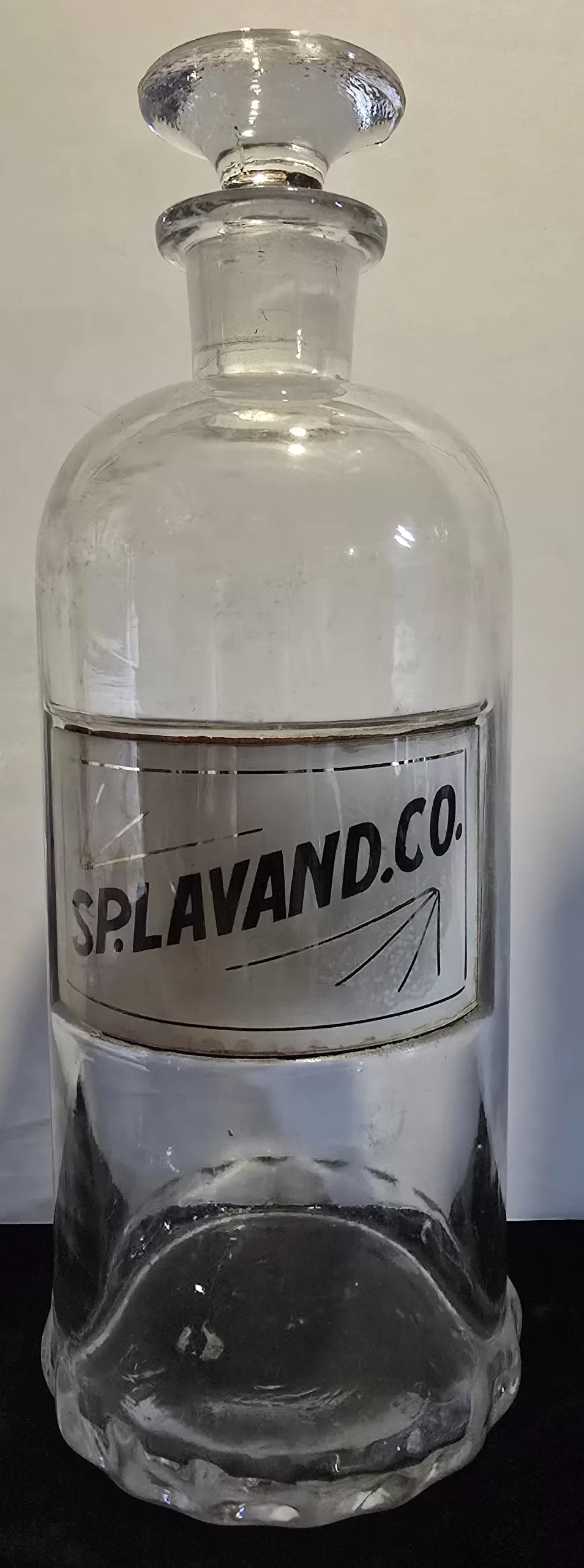
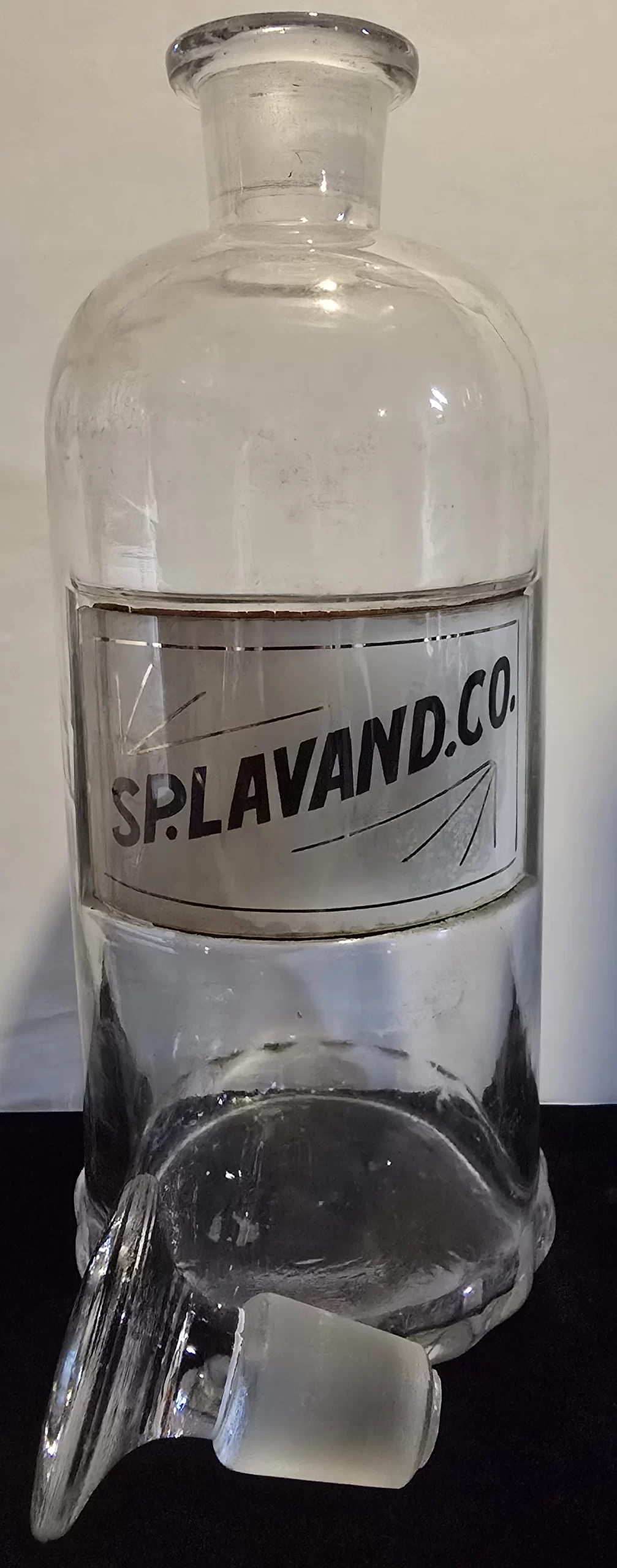
This antique apothecary jar is boldly labeled SP. LAVAND. CO., an abbreviation for Spiritus Lavandulae Compositus (Compound Spirit of Lavender). Hand-blown with a ground glass stopper, it was part of the standard fittings of 19th and early 20th century pharmacies.
Compound Spirit of Lavender was a preparation of oil of lavender, cinnamon oil, clove oil, nutmeg, and diluted alcohol. It was prescribed as a stimulant and carminative, taken in small doses to ease flatulent colic, faintness, nervous headaches, “hysteria,” and mild gastric upset. Pleasantly aromatic, it stood in sharp contrast to the toxic alkaloid and narcotic remedies housed on neighboring shelves.
Condition
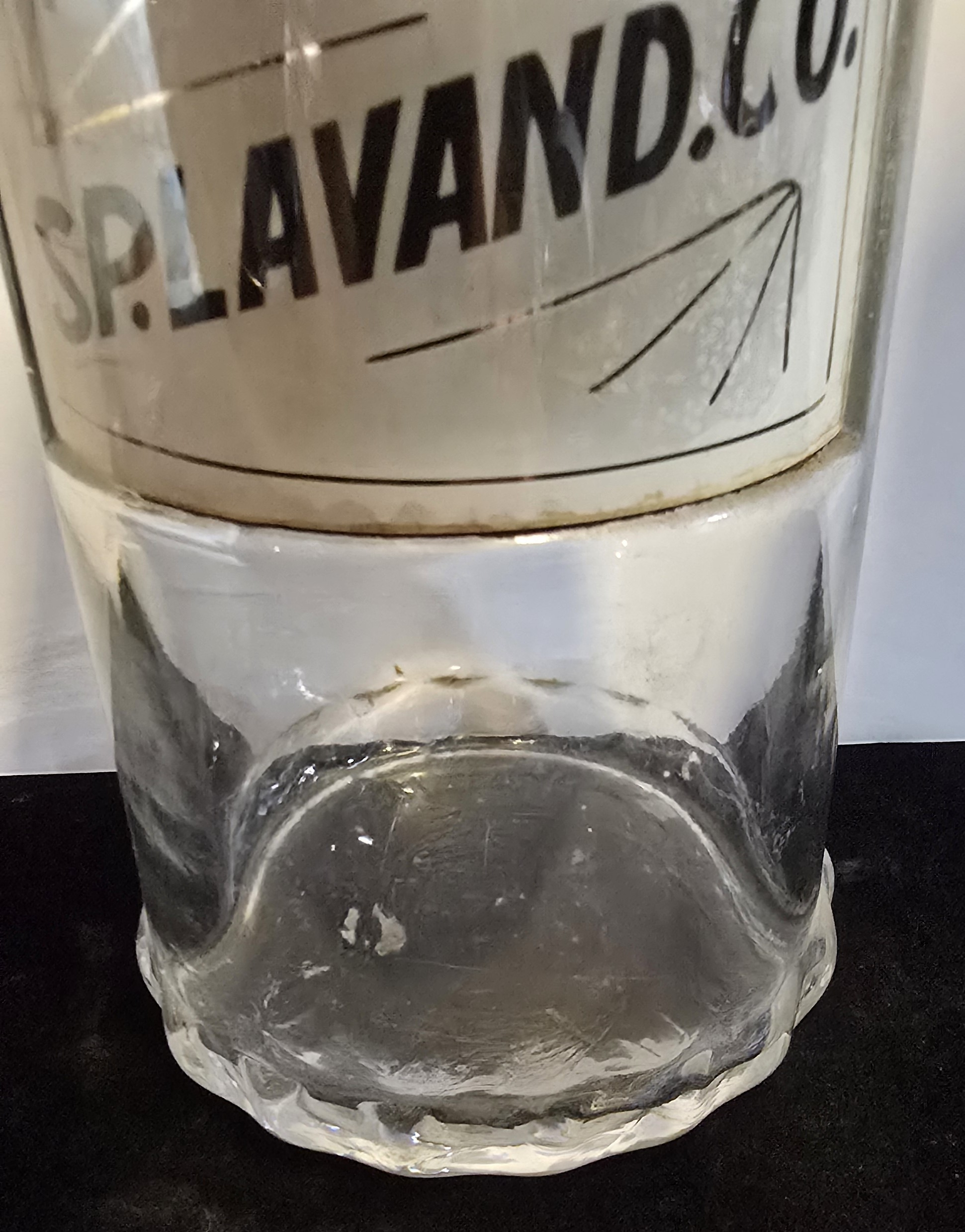
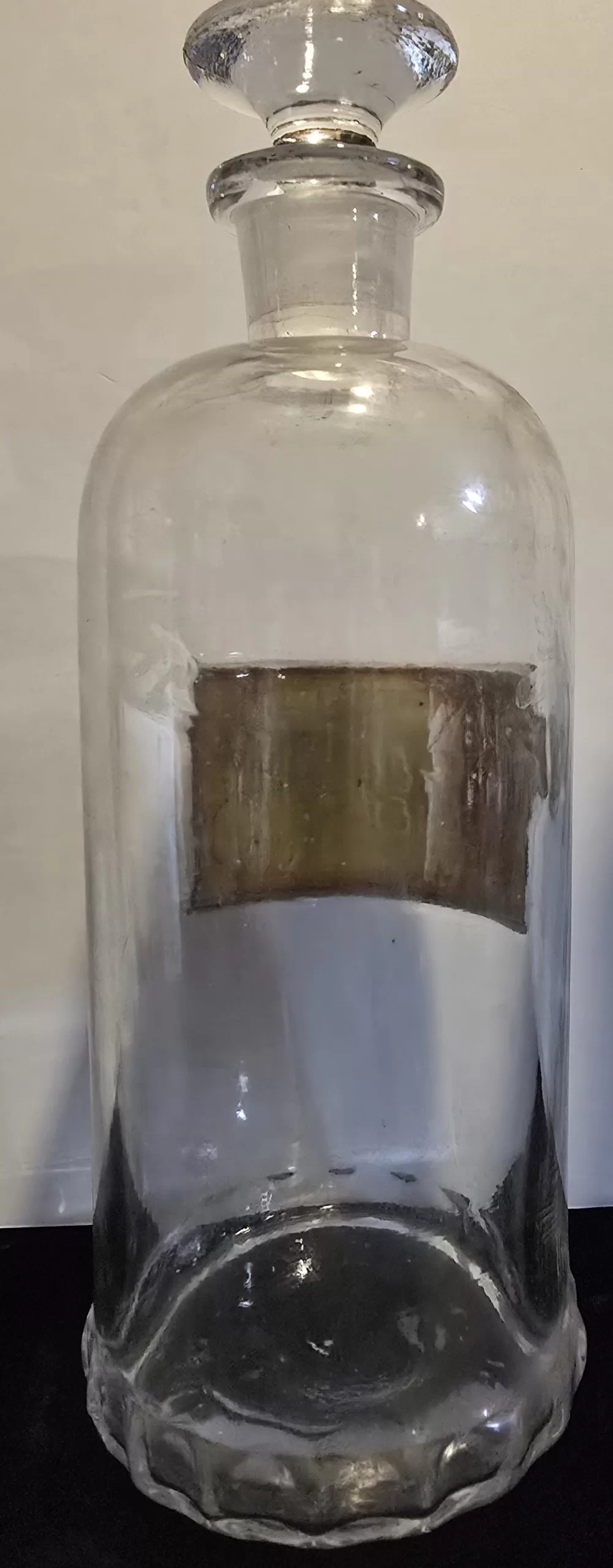
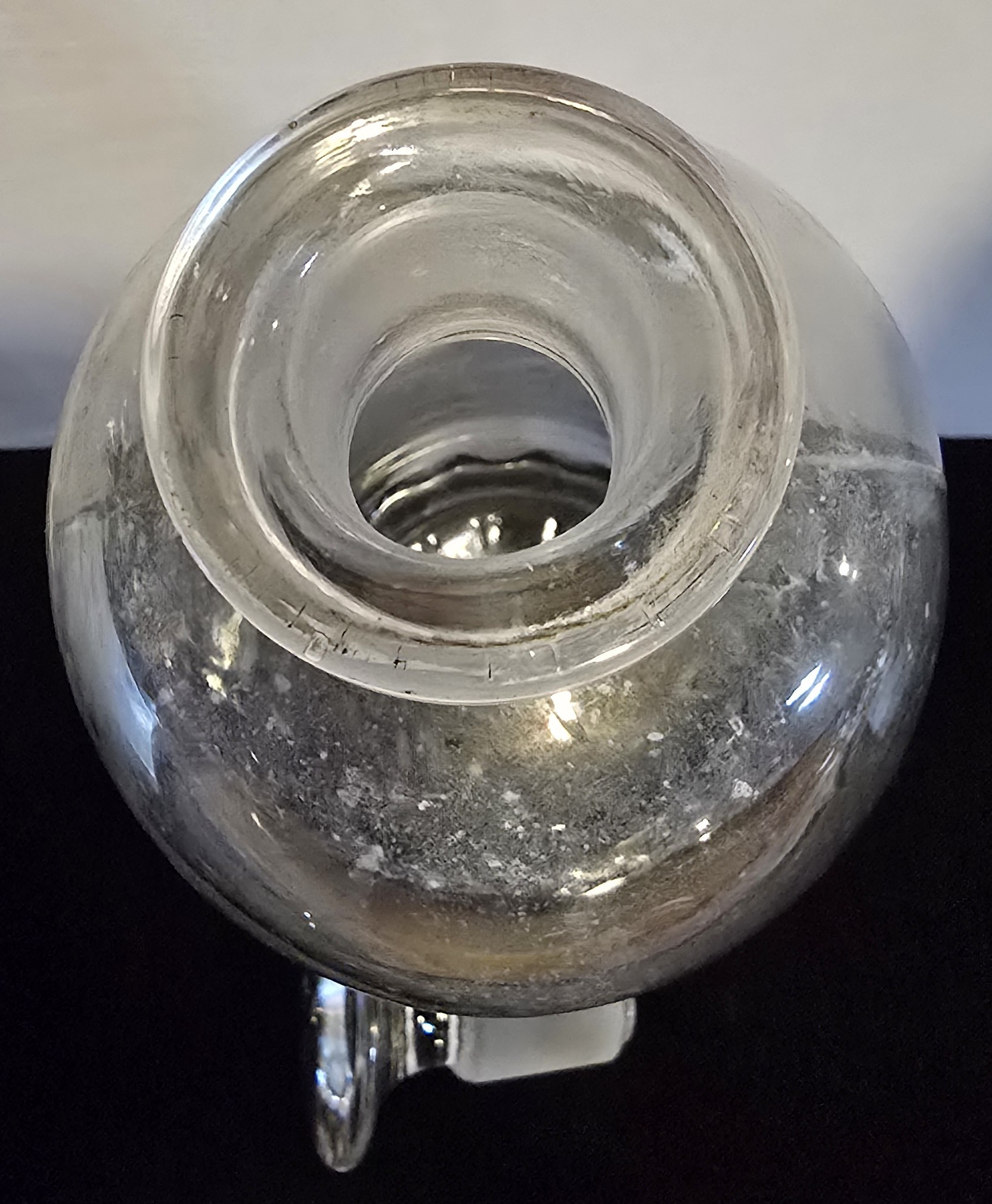
The jar remains intact with no cracks or chips. Its ground glass stopper is present and functional. The painted/applied label shows minor wear and age-toning but retains strong legibility. The interior glass has residue and light clouding consistent with former use.
Gallery
Historical context
Compound Spirit of Lavender was listed in both the British and American pharmacopoeias into the early 20th century. Apothecaries dispensed it frequently as a gentle, multi-purpose aromatic. Unlike stramonium or belladonna, Spirit of Lavender was regarded as safe, making it one of the few pharmacy preparations that patients could take without great risk. Its association with calmness and recovery echoed lavender’s longer folk-medicine reputation as a purifier, relaxant, and remedy for fainting fits.
Curious Facts, Ephemera, and Trivia
King’s American Dispensatory (1898) describes it as “stimulant and carminative,” suitable for colic, faintness, headache, hysteria, and gastric disturbance.
Typical doses were 10 to 60 drops — far smaller than many contemporary drug doses.
Though medicinal, its high alcohol content also made it a socially acceptable “tonic” for patients.
Lavender itself has been used for centuries as a fragrance, culinary herb, and calming agent.
Excerpt
From King’s American Dispensatory (1898):
“Spirit of lavender is stimulant and carminative. It may be used in flatulent colic, faintness, nervous headache, hysteria, and gastric disturbance. Dose, 10 to 60 drops.”
Why it is in the Cabinet
This jar highlights the gentler side of historical pharmacy. Where many apothecary jars held poisons or powerful narcotics, Spiritus Lavandulae Compositus represented a milder aromatic remedy — a reminder that not all medicines of the past were dangerous, and that some remedies carried comfort as well as cure.
Support Dr. Bebout’s Cabinet of Medical Curiosities
If you enjoy the history, the oddities, and the effort, help keep this cabinet open. Every little bit helps preserve and share the strange wonders of medicine's past.
Buy Me a Ko-fi ☕ Buy Me a Coffee ☕ Tip via PayPal 💵