
Title
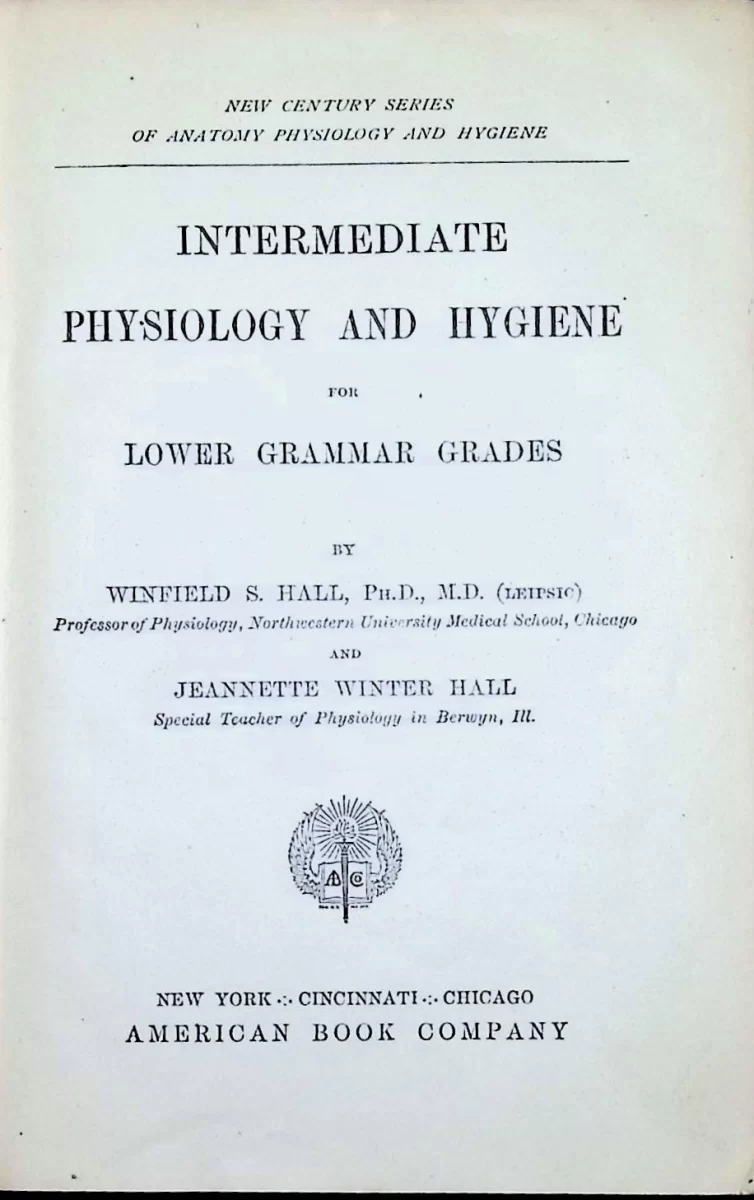
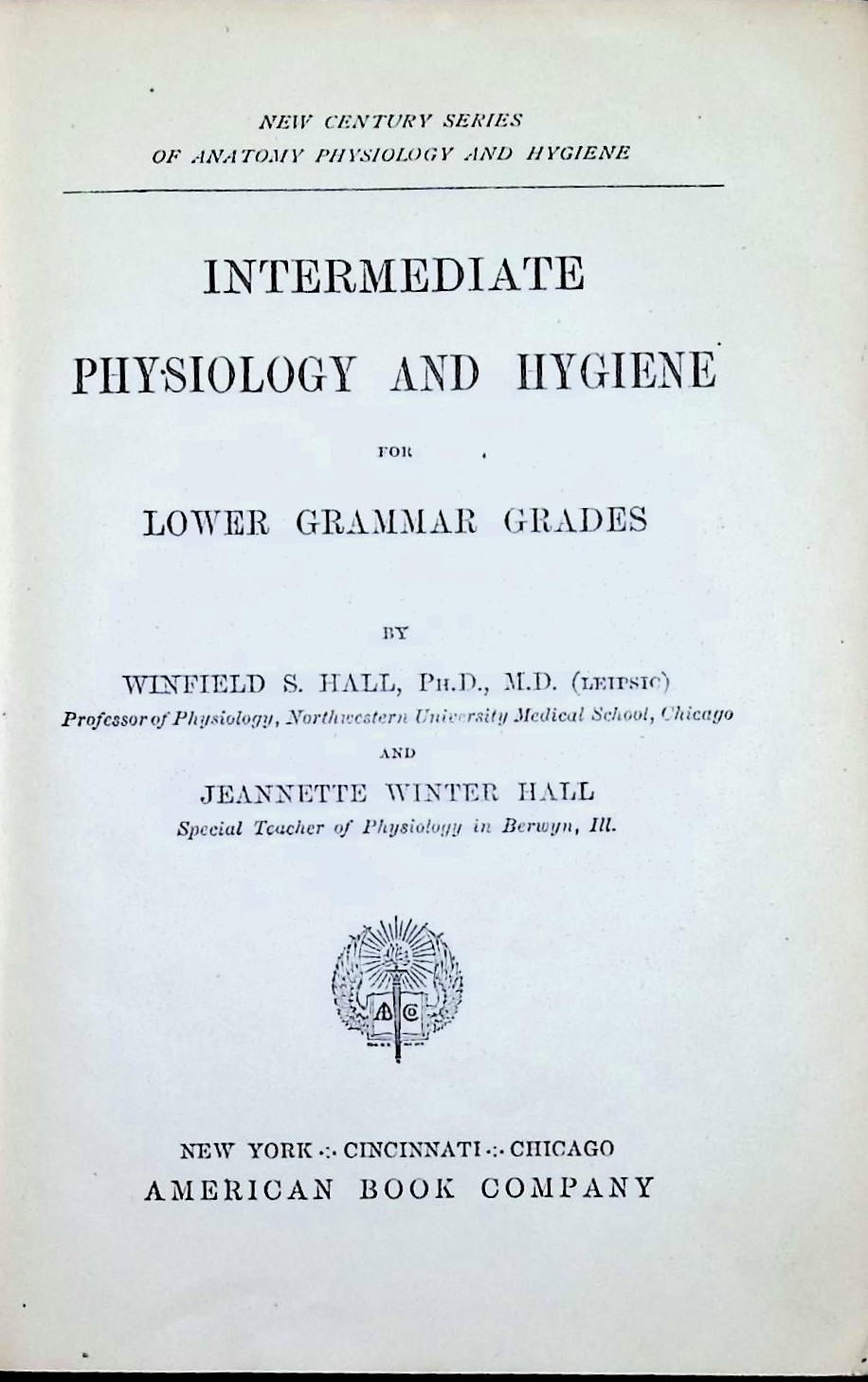
Intermediate Physiology and Hygiene for Lower Grammar Grades (Hall, 1917 edition)
Author
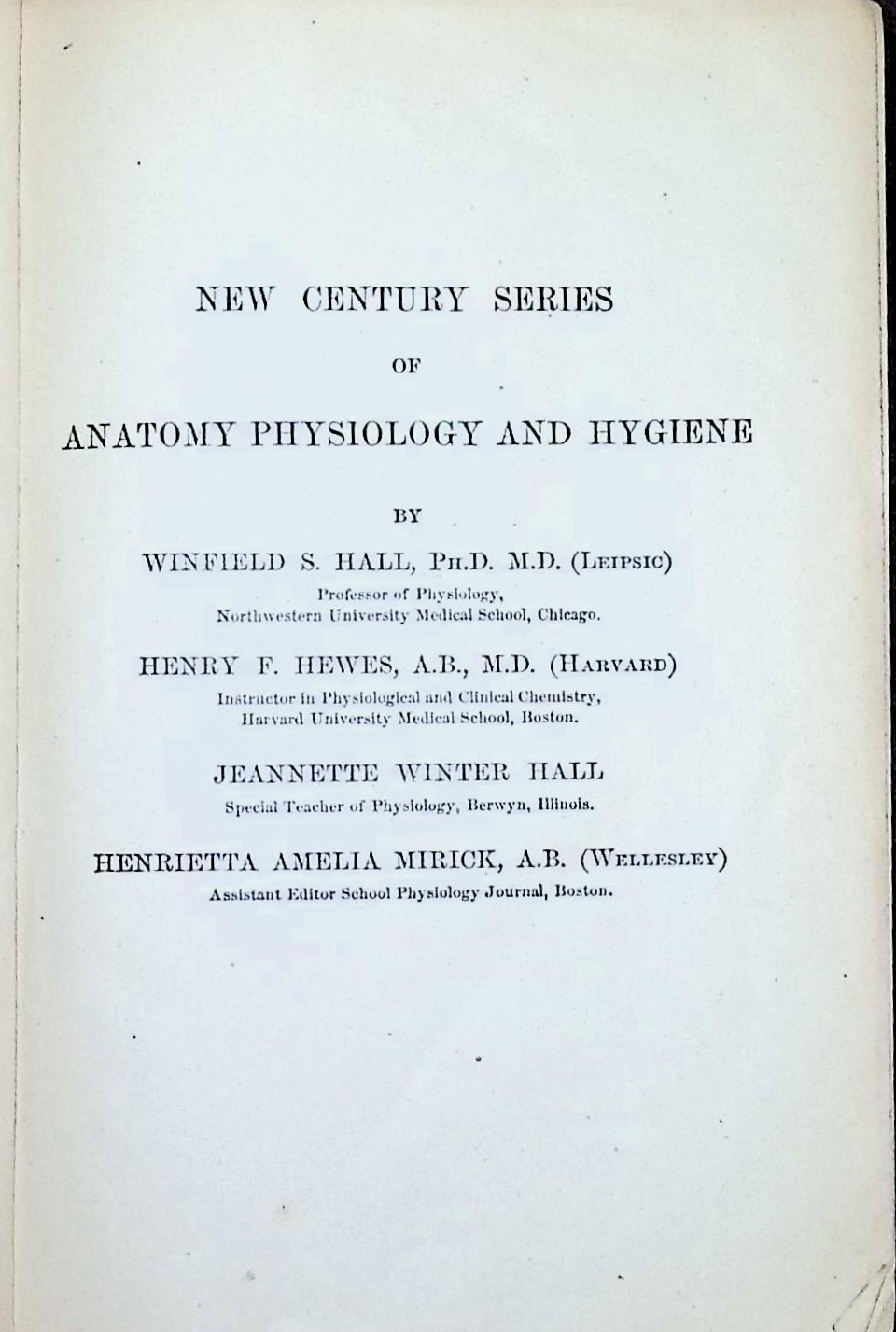
Winfield S. Hall, Ph.D., M.D. (Leipsic)
Jeannette Winter Hall
(With earlier contributions by Henry F. Hewes and Henrietta Amelia Mirick in the series)
Image
Description
This is a 1917 school edition of Intermediate Physiology and Hygiene, part of the New Century Series of Anatomy, Physiology, and Hygiene, published by the American Book Company. Written by Dr. Winfield S. Hall, professor of physiology at Northwestern University Medical School, with Jeannette Winter Hall as co-author, this volume was designed for lower grammar grades.
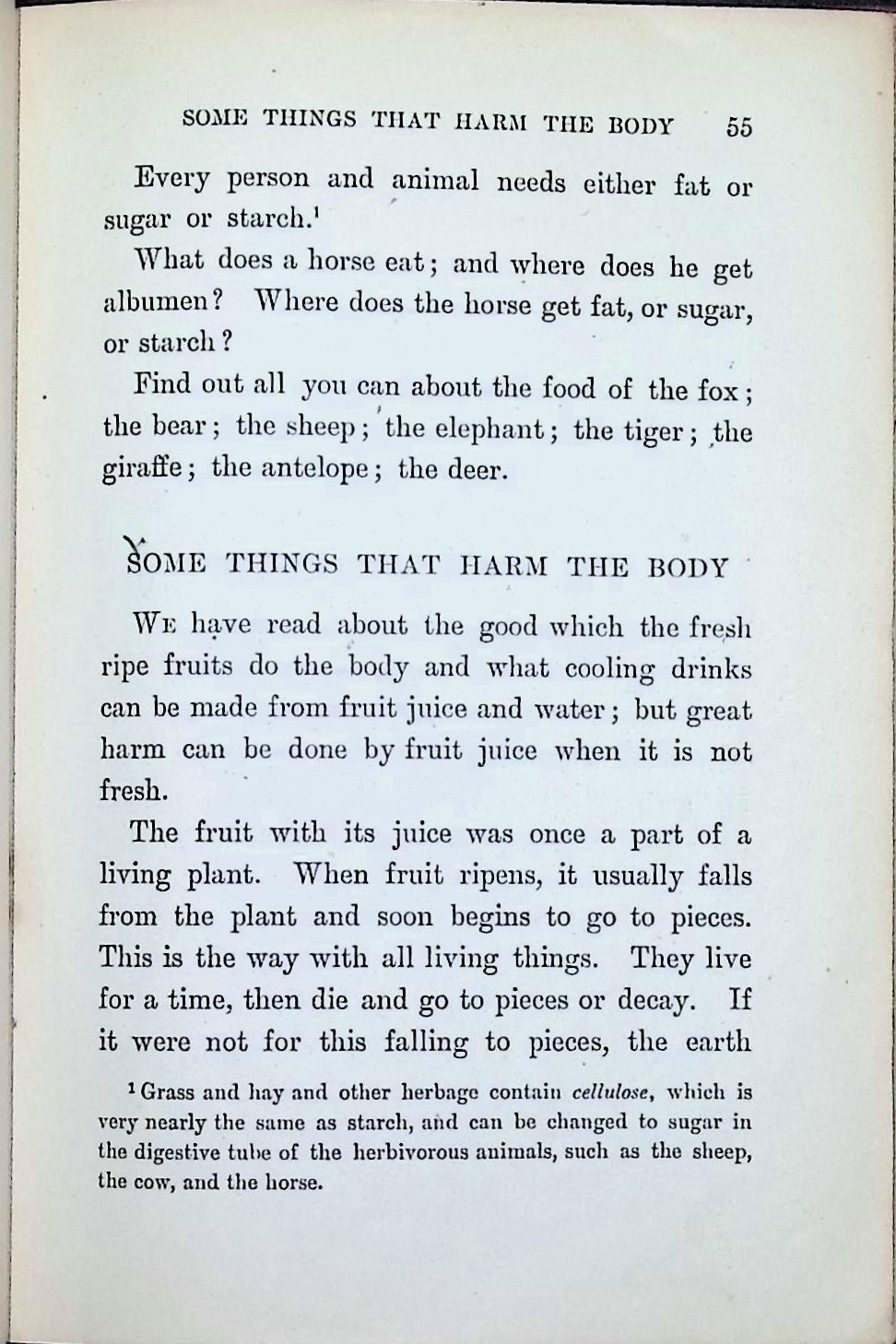
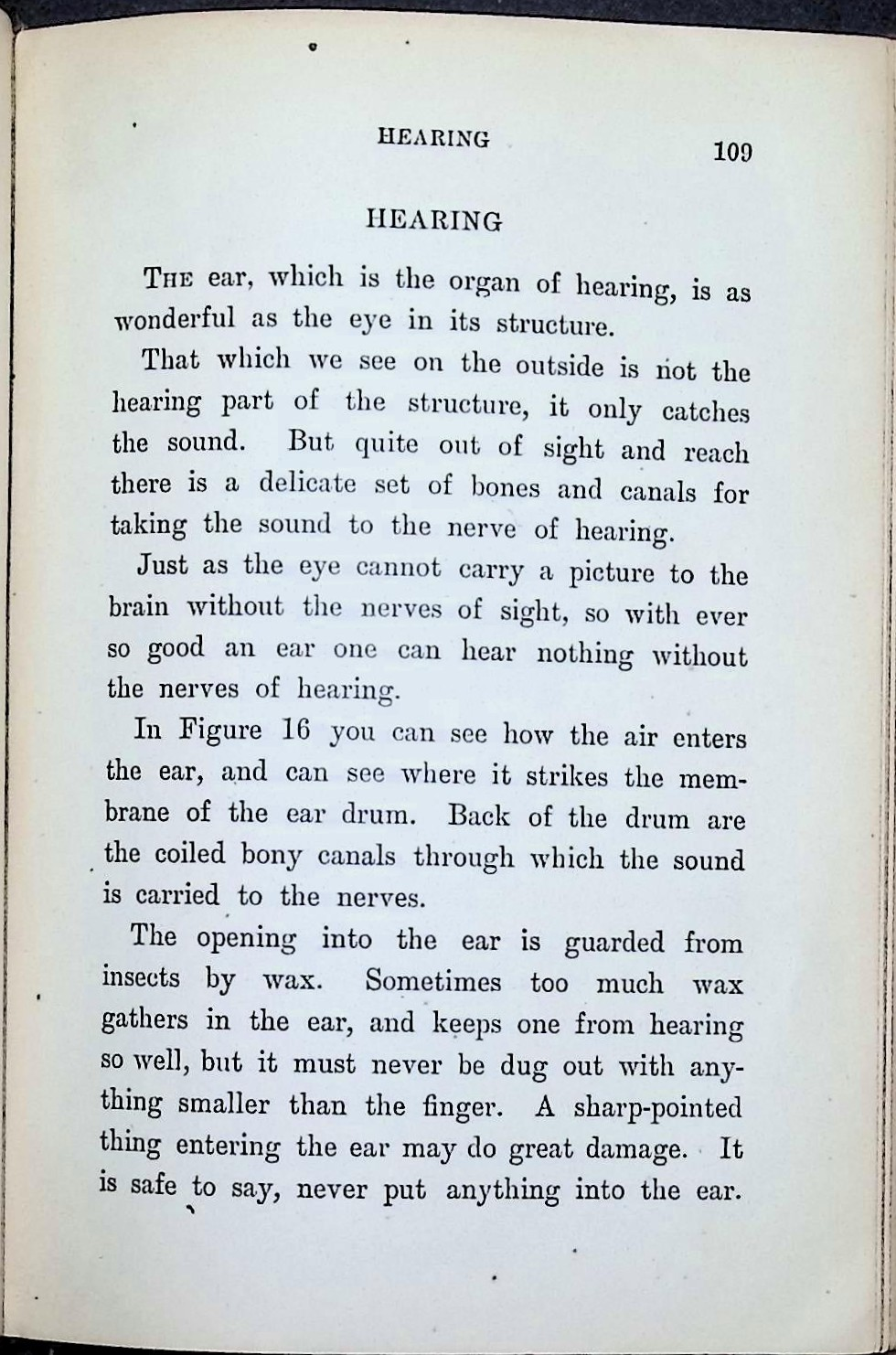
The book represents early 20th-century efforts to teach young students the basics of anatomy, hygiene, and healthy living. It emphasizes nutrition, the senses, and moral instruction about personal care. Pages discuss topics such as foods that “harm the body,” the structure of the ear, and warnings about personal habits.
Condition
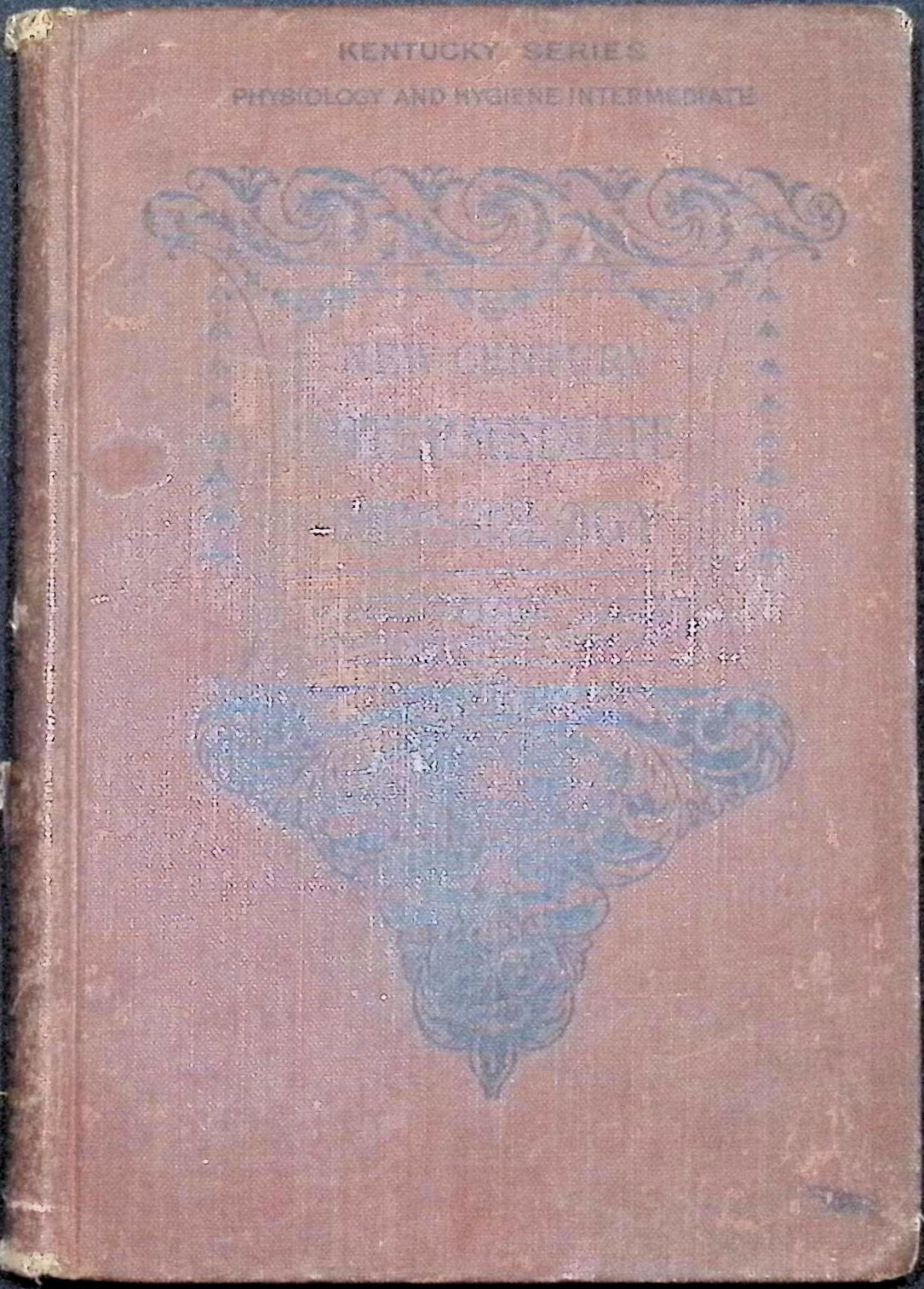
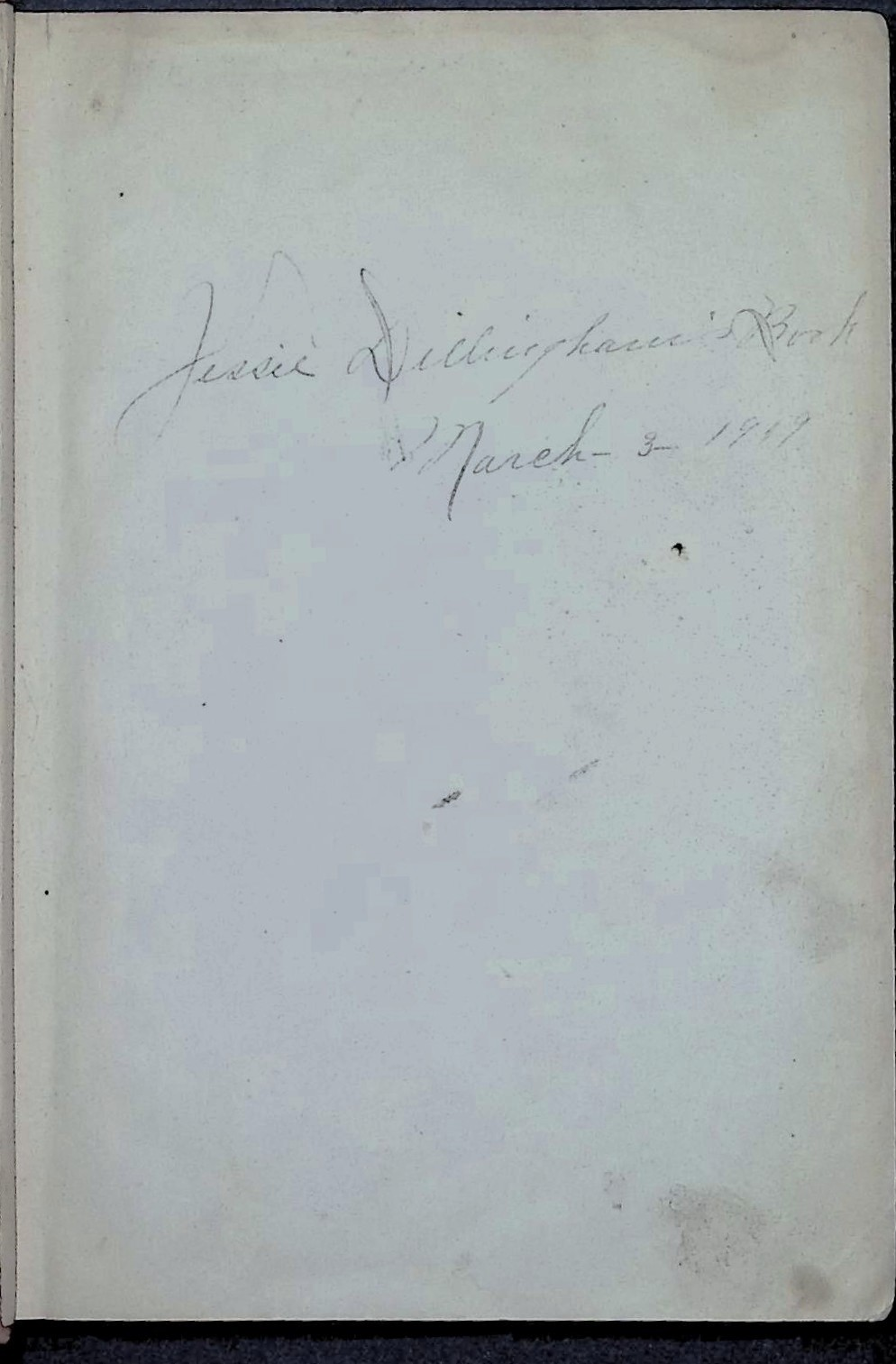
Hardcover, cloth-bound in faded reddish-brown with ornate blue stamping. Considerable fading and wear to cover, with fraying at head and tail of spine. Binding intact, some edge wear, and interior pages remain legible. Inscription on front endpaper reads: “Jessie Dilday, March 3, 1917.”
Gallery
Historical context
At the turn of the 20th century, school textbooks often combined basic anatomy with moralized health instruction, reinforcing both science and social values. Winfield Hall was a prominent physiologist who strongly advocated public health education. These texts were widely distributed in the U.S., and this edition specifically notes Kentucky Series on the cover, indicating use in state school systems.
Curious Facts, Ephemera, and Trivia
Dr. Winfield Hall was an influential medical educator, also authoring works on reproduction and hygiene.
The New Century Series was widely used in American schools from the late 1800s through the 1920s.
This book demonstrates the blending of scientific physiology with early 20th-century cultural norms, including strict warnings against behaviors like inserting objects into the ear.
The inscription connects the volume directly to a student owner in 1917, personalizing the artifact.
Excerpt
From the chapter on hearing:
“The ear, which is the organ of hearing, is as wonderful as the eye in its structure… The opening into the ear is guarded from insects by wax… It is safe to say, never put anything into the ear.”
Why it is in the Cabinet
This schoolbook exemplifies the era’s approach to teaching children about health and anatomy, blending science with moral instruction. It provides insight into both the educational system of the early 1900s and the progression of public health instruction in America.
Support Dr. Bebout’s Cabinet of Medical Curiosities
If you enjoy the history, the oddities, and the effort, help keep this cabinet open. Every little bit helps preserve and share the strange wonders of medicine's past.
Buy Me a Ko-fi ☕ Buy Me a Coffee ☕ Tip via PayPal 💵