
Title
Dalby’s Carminative
Author
N/A (Proprietary patent medicine)
Image
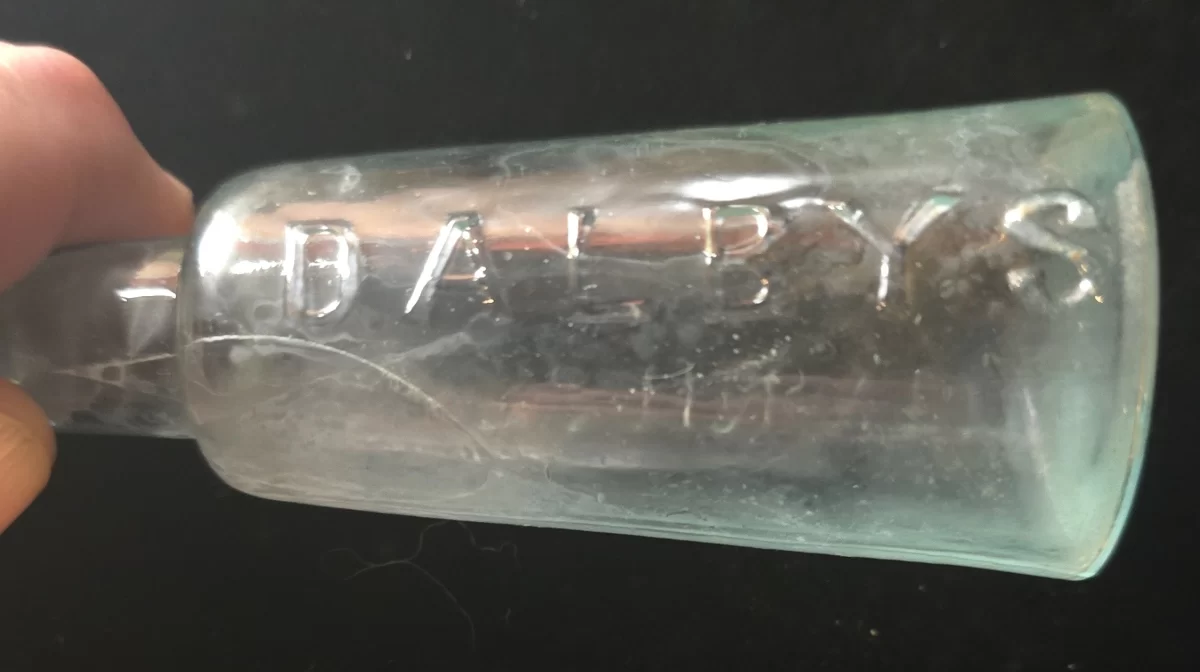
Description
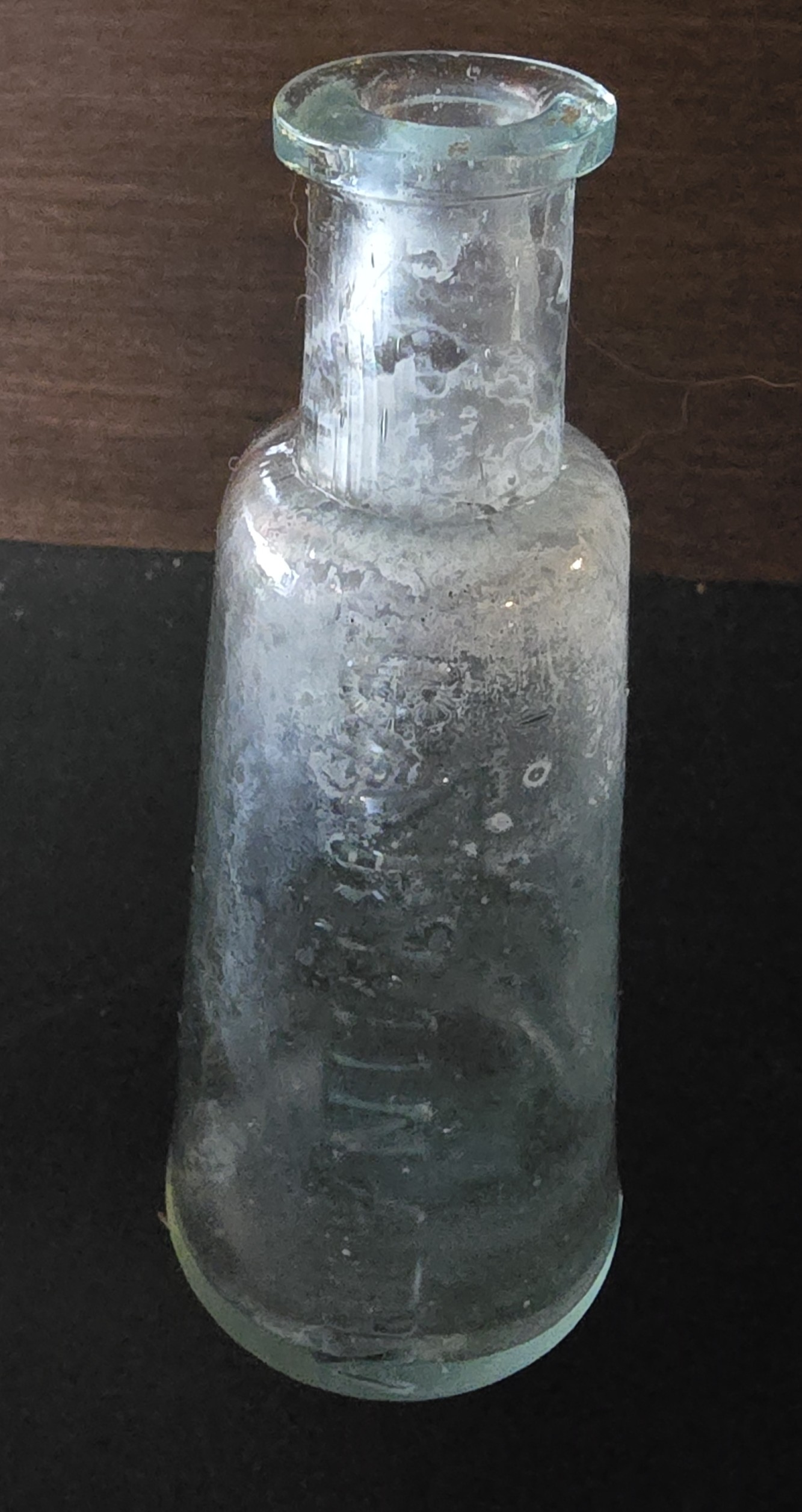
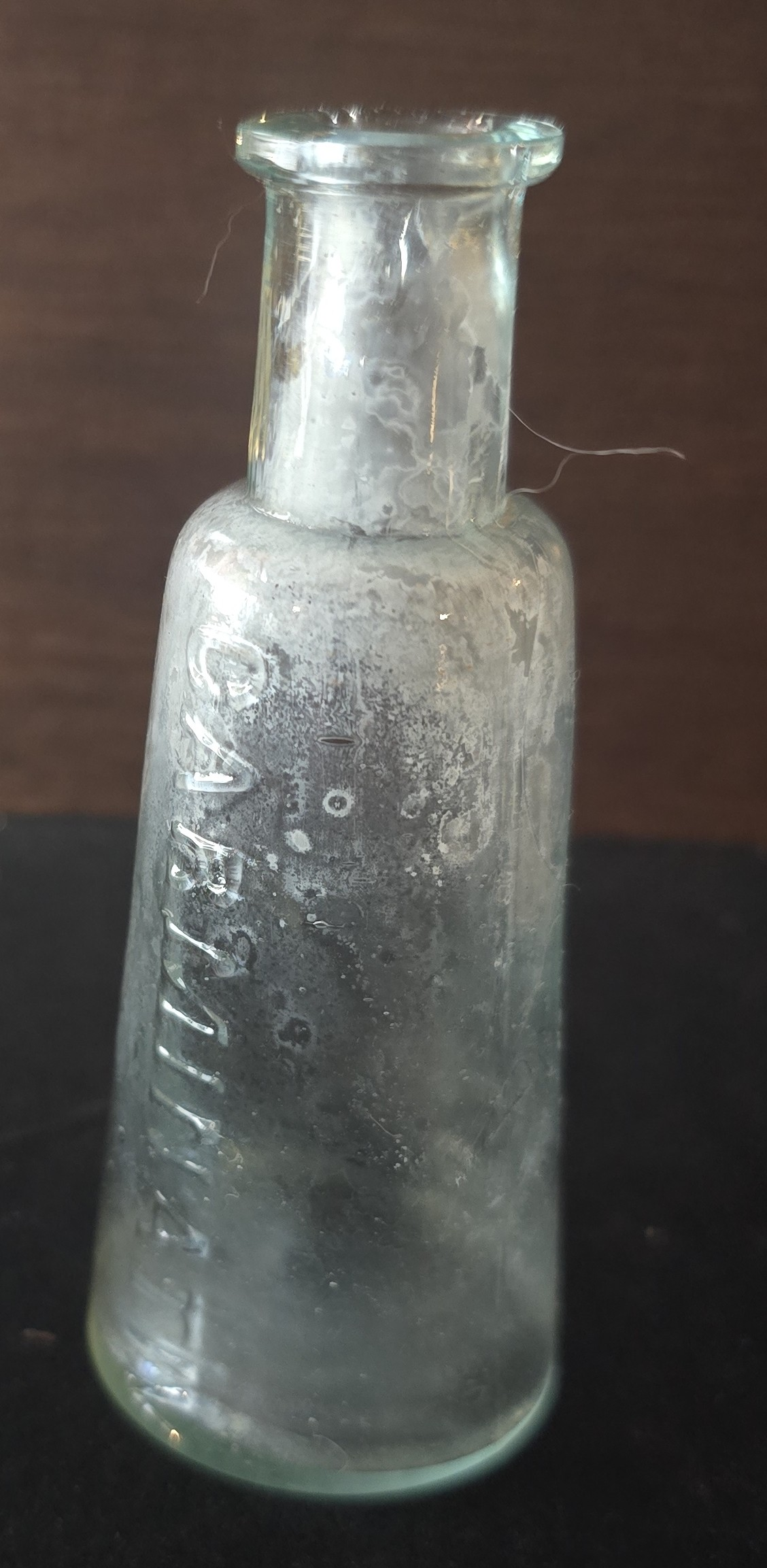
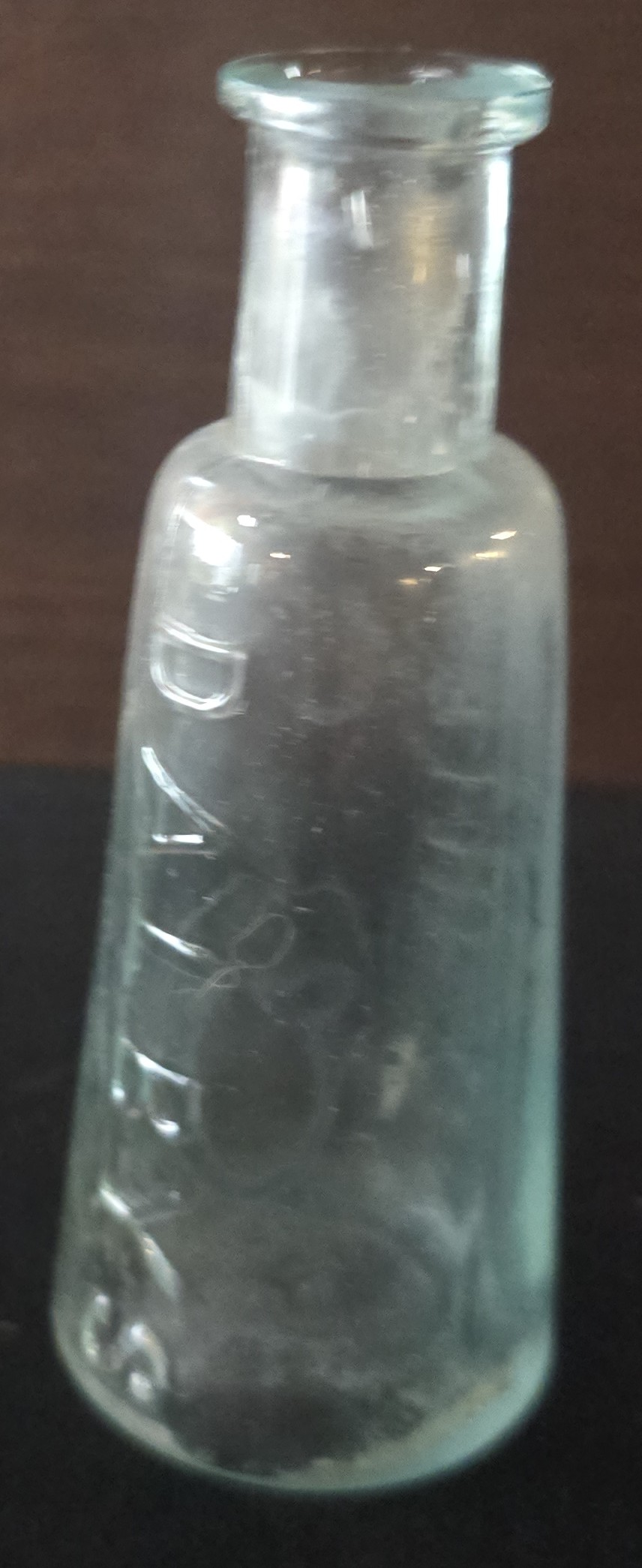
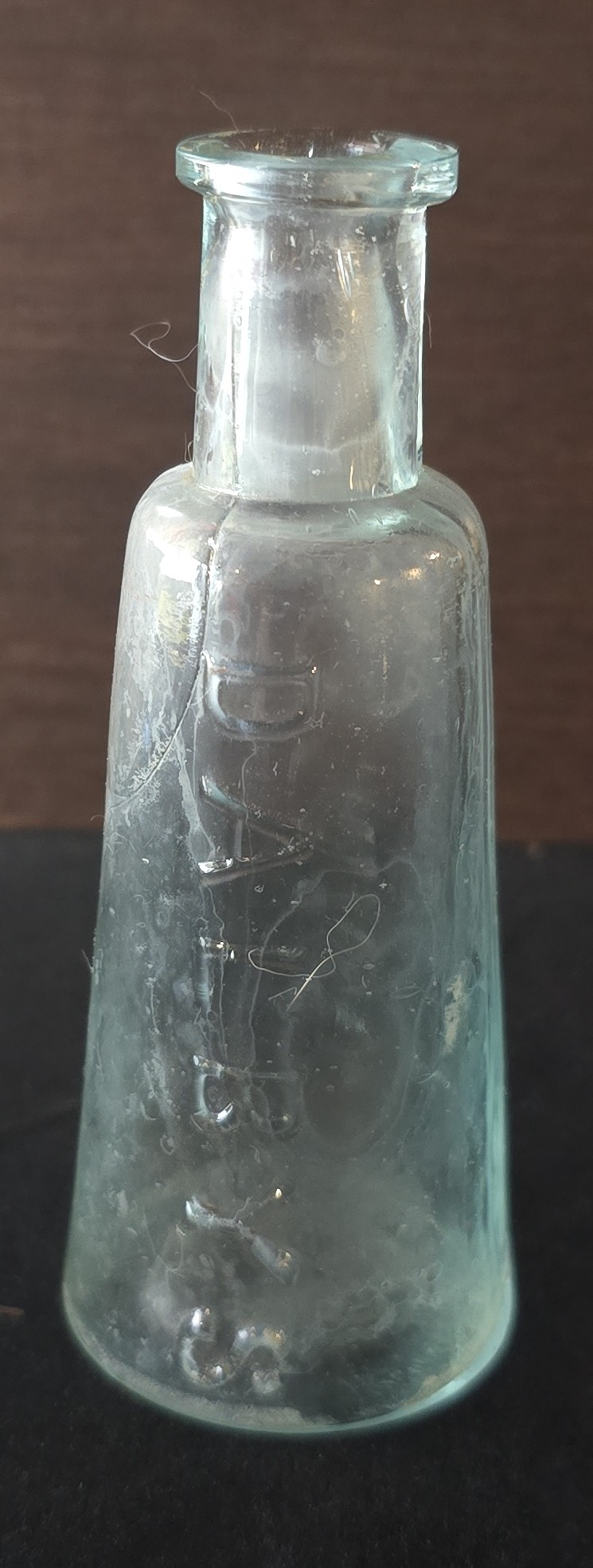
This embossed aqua glass bottle once contained Dalby’s Carminative, a 19th-century “soothing syrup” marketed for infants suffering from colic, indigestion, and teething troubles. The term carminative refers to medicines meant to relieve gas and intestinal discomfort.
The soothing effect, however, came not from fennel or nutmeg but from tincture of opium (laudanum) — making this remedy both addictive and dangerous. Mothers were encouraged to use it liberally, leading to widespread narcotic exposure in children.
Condition
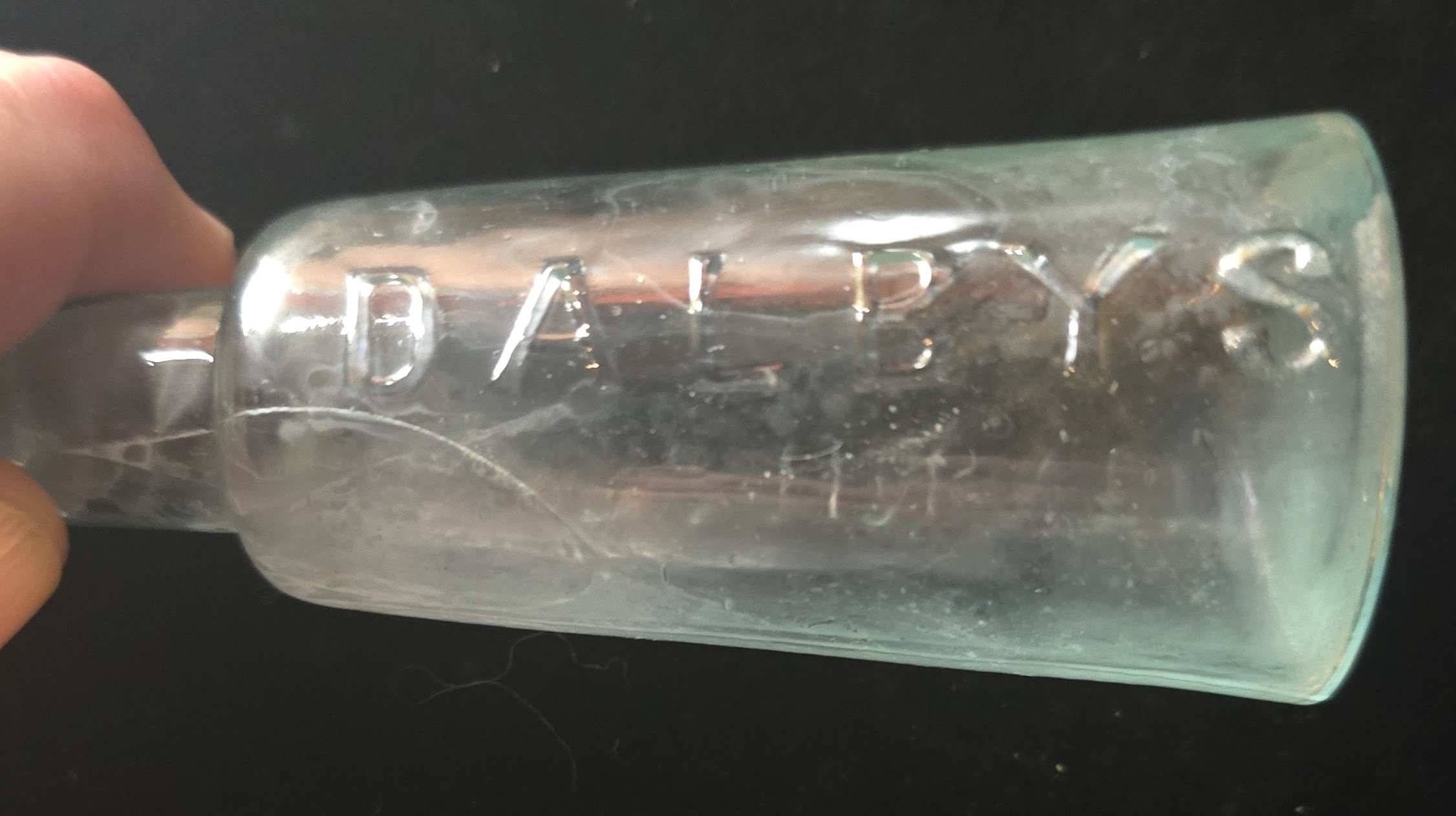
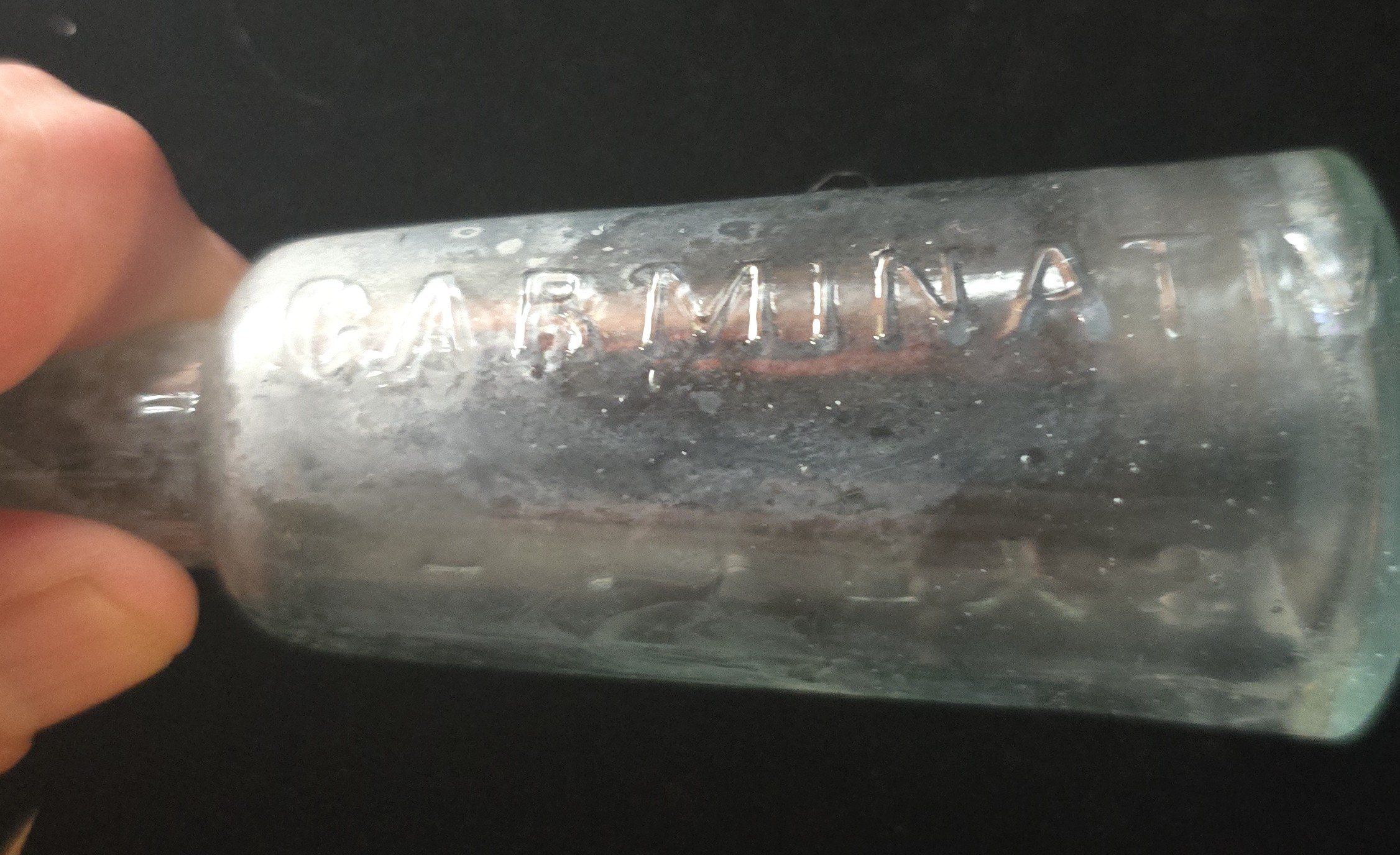
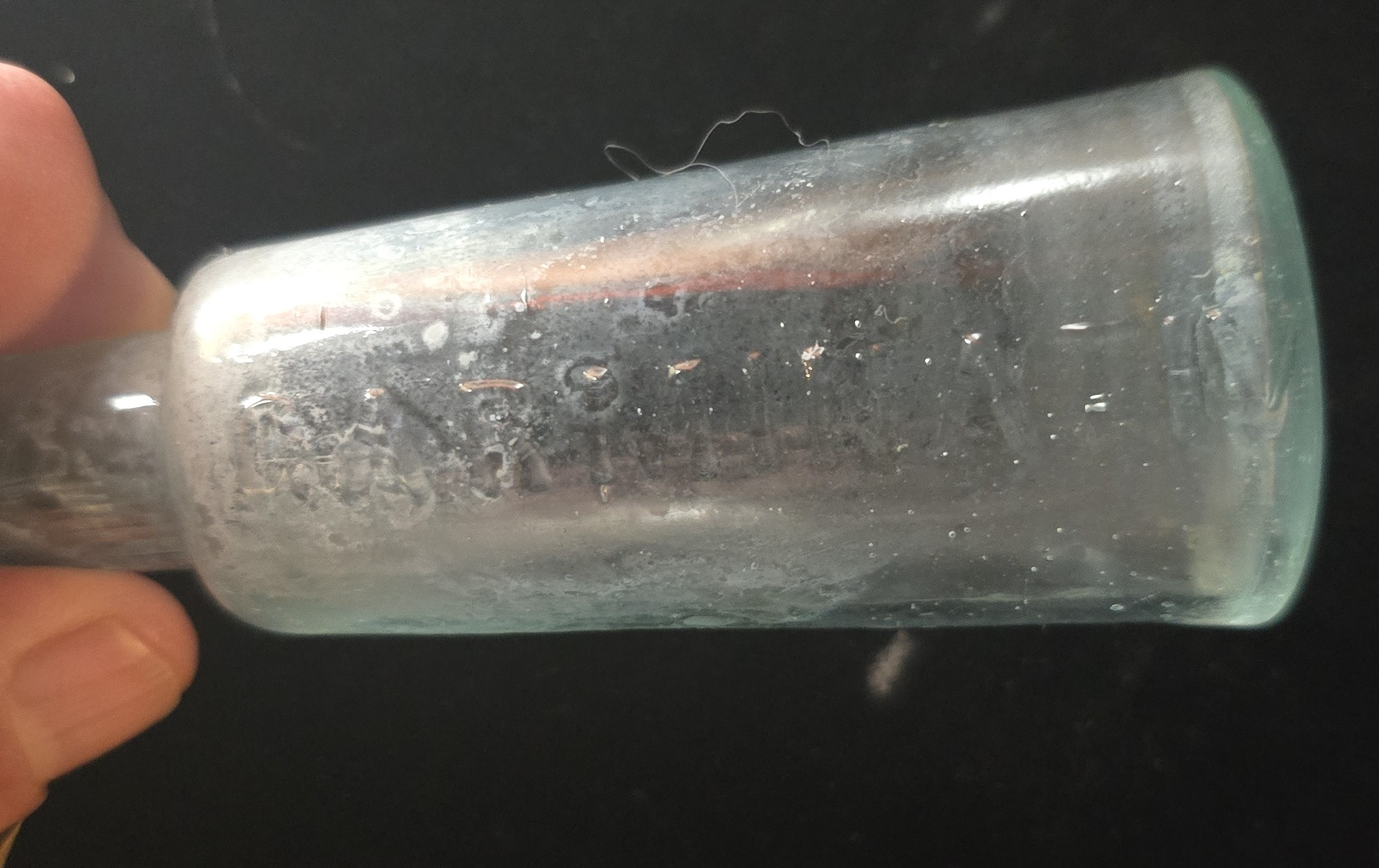
Embossing remains sharp, with light interior haze typical of dug examples. No cracks or major chips noted.
Gallery
Historical context
Dalby’s Carminative was first introduced in the late 18th century and remained popular throughout the Victorian era. It belonged to the class of “baby quieters” that included Mrs. Winslow’s Soothing Syrup and Godfrey’s Cordial.
As published in The Lancet, the recipe called for a potent mixture of narcotics and botanicals:
Tincture of opium – four drachms and a half
Tincture of assafoetida – two drachms and a half
Oil of carraways – three scruples
Oil of peppermint – six scruples
Tincture of castor – six drachms and a half
Rectified spirits of wine – six drachms
Two drachms of this concentrate were then combined in each bottle with magnesia (one drachm) and topped off with simple syrup and a little rectified wine.
Explaining the measures
Victorian pharmacy still used the old apothecary system:
Drachm (ʒ or dr) – equal to about 1/8 of a fluid ounce, or ~3.55 mL. Four and a half drachms of opium tincture works out to roughly 16 mL — more than half a tablespoon.
Scruple (℈) – one third of a drachm, or about 1.18 mL. Six scruples of peppermint oil is around 7 mL, over a teaspoon.
So each bottle of Dalby’s contained a fairly stiff dose of opium, alcohol, and strong essential oils, all sweetened to make it palatable for infants.
This formula explains both the effectiveness and the danger of Dalby’s Carminative: opium for sedation, assafoetida for gastrointestinal complaints, aromatic oils for flavor and “digestive” effect, magnesia as an antacid, and alcohol as both solvent and preservative.
By the late 19th and early 20th centuries, public health campaigns highlighted the dangers of narcotic-laced infant medicines. The 1906 Pure Food and Drug Act and subsequent narcotics laws eventually forced the removal of opium from such remedies.
Curious Facts, Ephemera, and Trivia
The word “carminative” comes from the Latin carmen, meaning “card for wool” — referring to the smoothing out of digestive troubles.
Patent medicines for children often contained opium, morphine, or alcohol — and were still sold openly in U.S. pharmacies until the early 20th century.
Surviving bottles like this one serve as stark reminders of how infant care was intertwined with narcotics.
Excerpt
“Dalby’s Carminative — a safe and gentle remedy for the relief of infants’ wind, colic, and teething distress.” (from period advertising)
Why it is in the Cabinet
This bottle is preserved as a striking example of how dangerous patent medicines were marketed directly to parents for infant care. Its inclusion highlights the intersection of pharmacy, narcotics, and pediatric history.
Support Dr. Bebout’s Cabinet of Medical Curiosities
If you enjoy the history, the oddities, and the effort, help keep this cabinet open. Every little bit helps preserve and share the strange wonders of medicine's past.
Buy Me a Ko-fi ☕ Buy Me a Coffee ☕ Tip via PayPal 💵