
Title
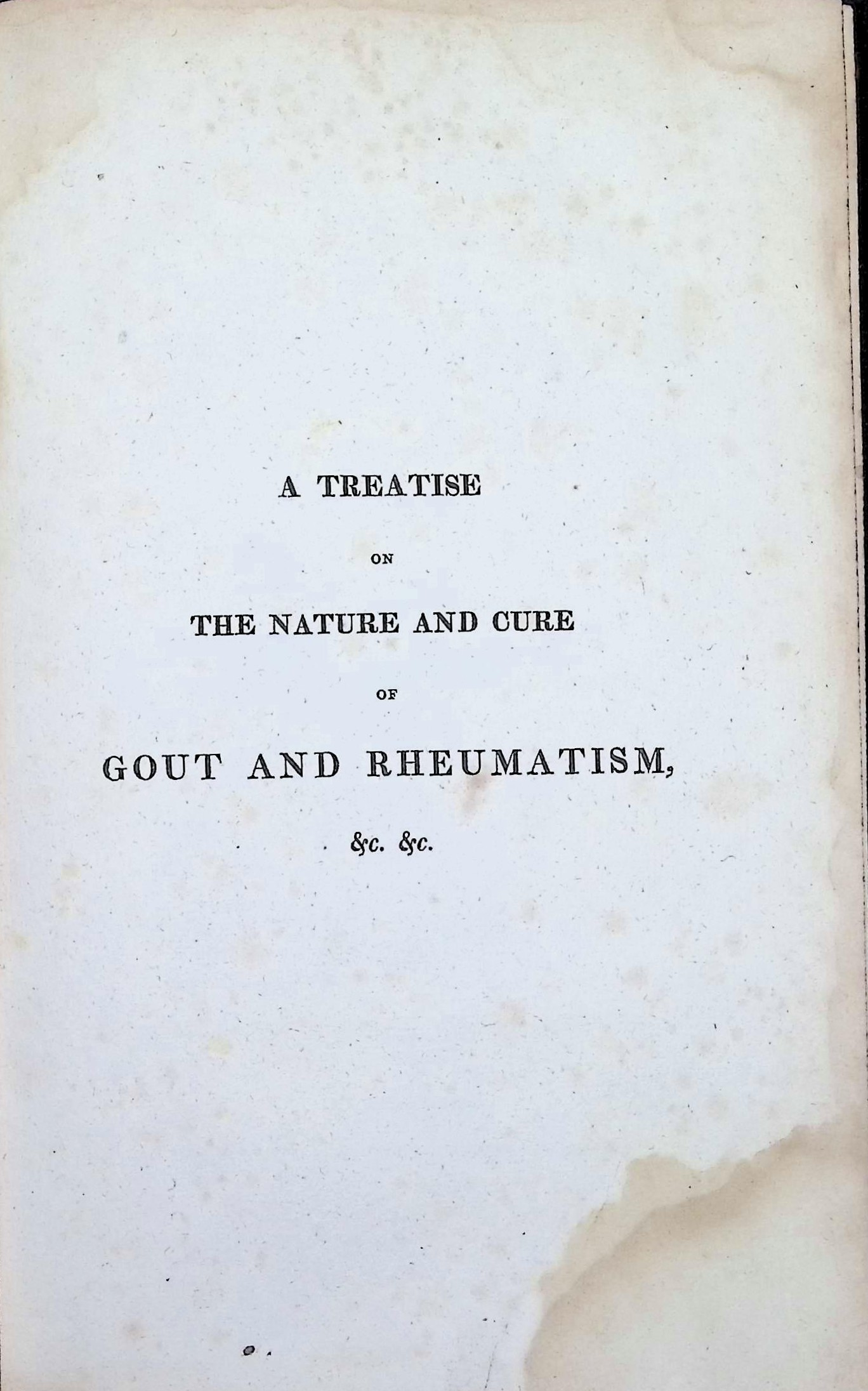
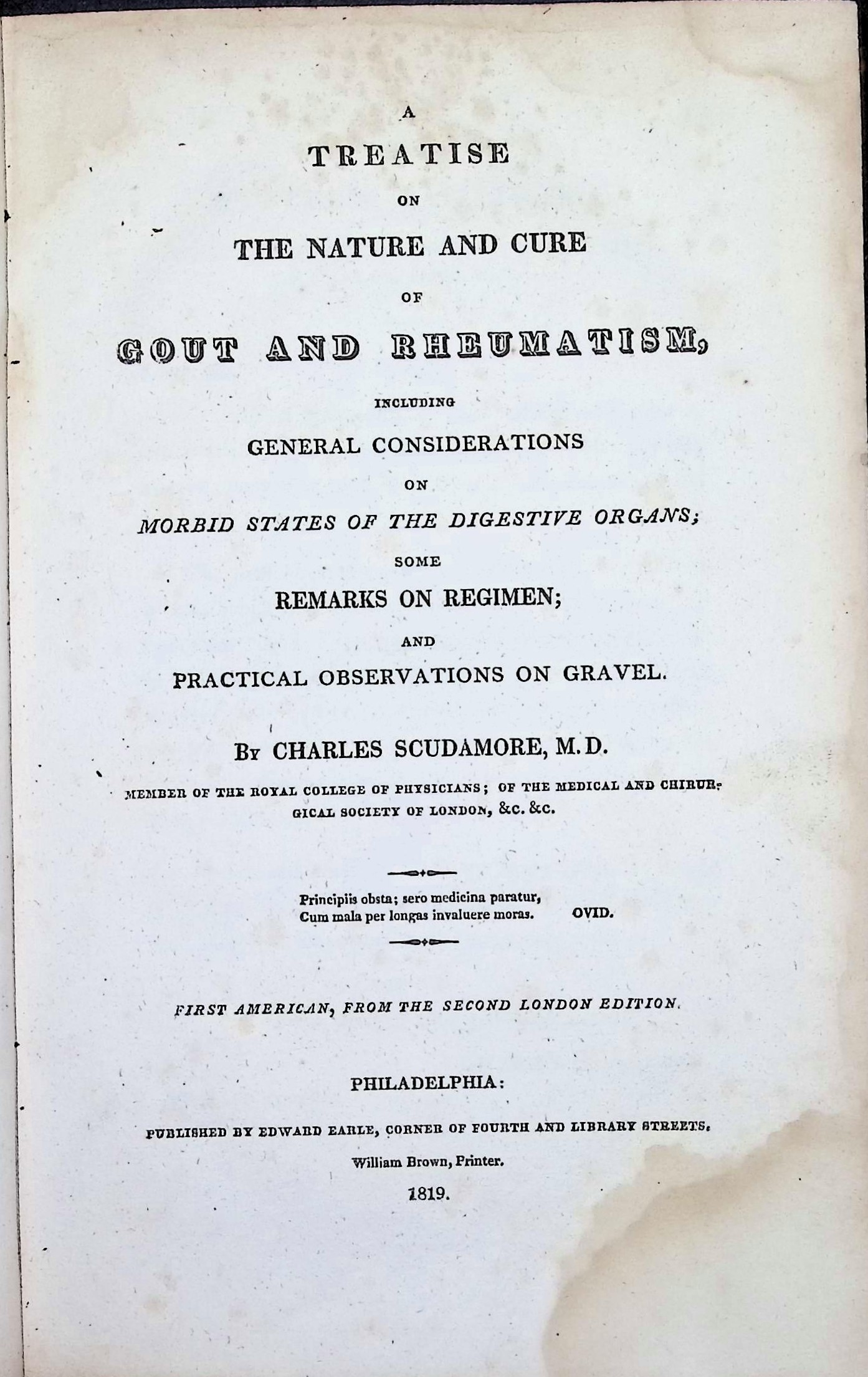
A Treatise on the Nature and Cure of Gout and Rheumatism (1819, First American Edition)
Author
Charles Scudamore, M.D.
Member of the Royal College of Physicians; Medical and Chirurgical Society of London
Image
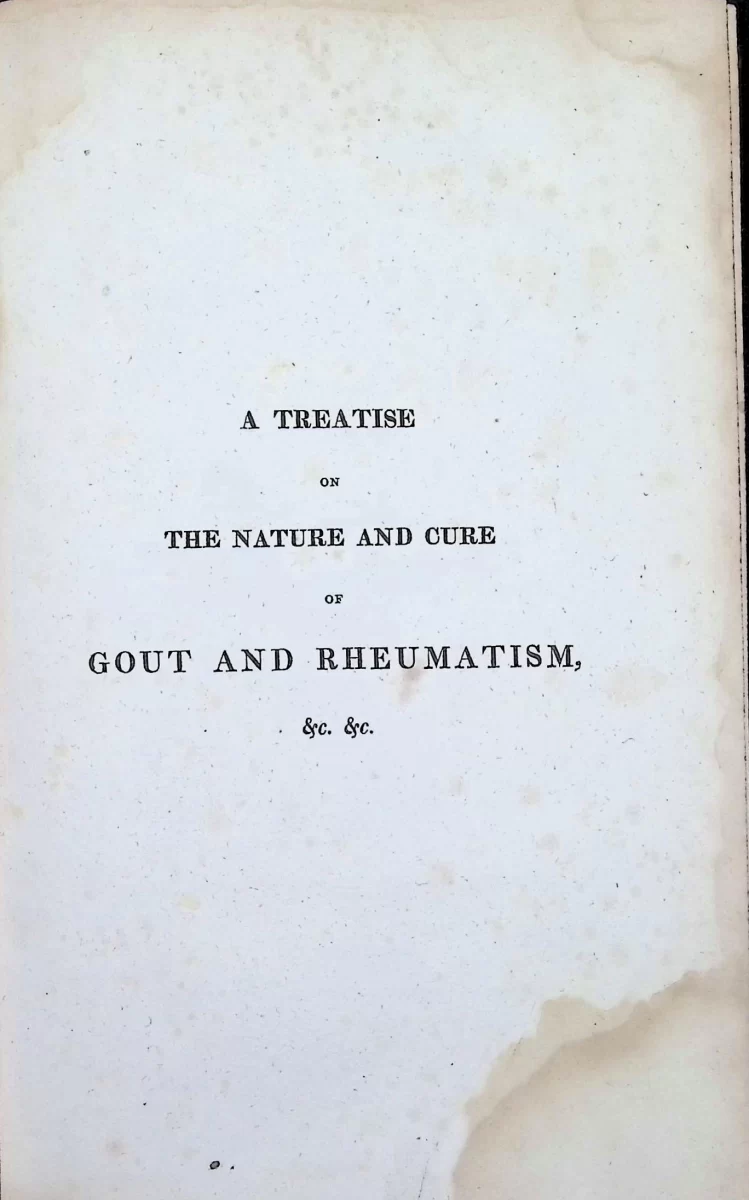
Description
This is the First American edition (1819) of Charles Scudamore’s influential A Treatise on the Nature and Cure of Gout and Rheumatism, printed in Philadelphia by Edward Earle from the second London edition. Scudamore (1779–1849), a British physician noted for his studies of gout, here presents one of the earliest systematic attempts to classify and treat both acute and chronic gout as well as rheumatism, with additional remarks on digestive disorders, gravel (kidney stones), and dietary management.
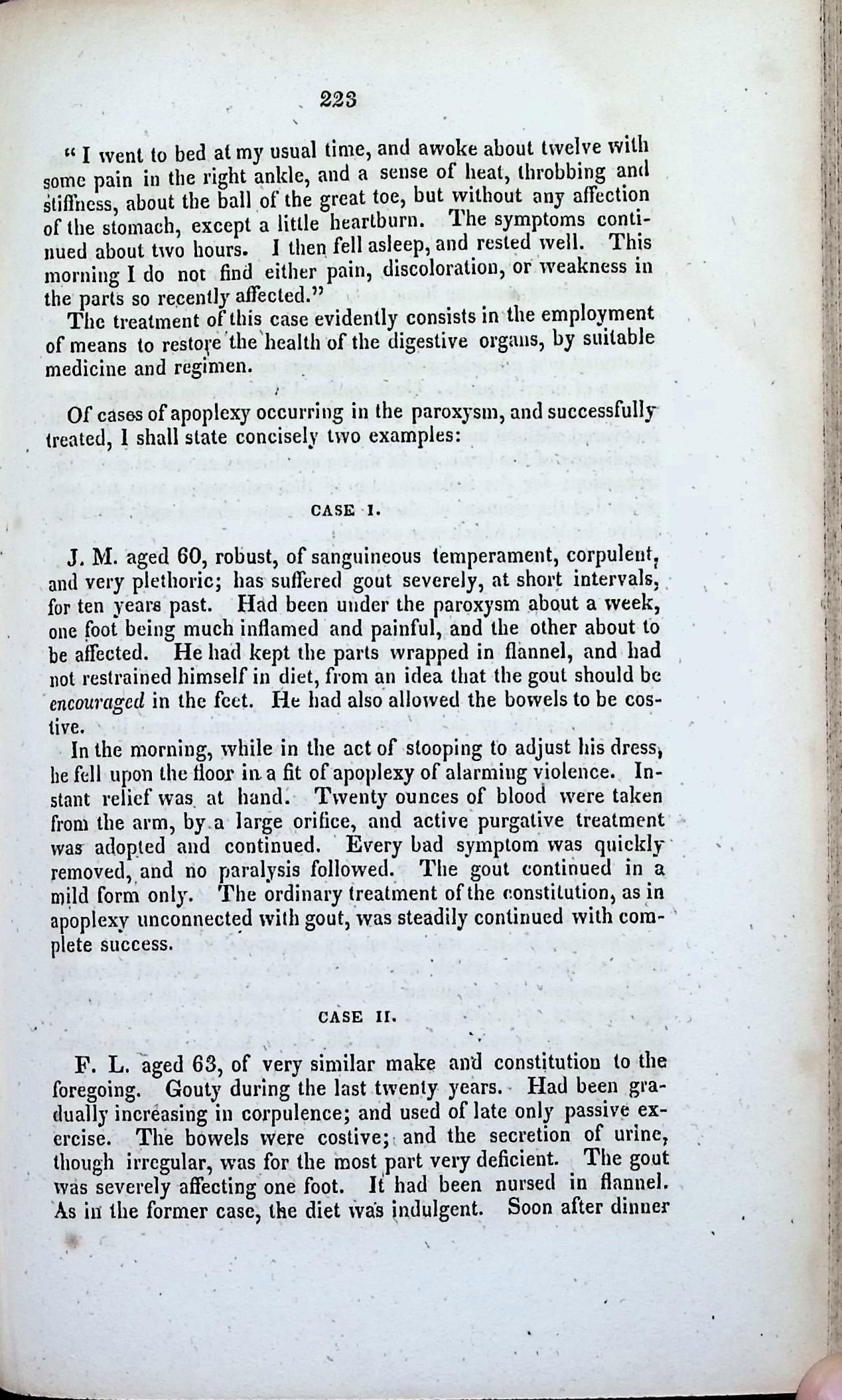
The volume includes case studies documenting patients’ symptoms, disease progression, and treatment outcomes—many involving aggressive methods such as bloodletting, purgatives, and strict dietary regimens.
This work became a cornerstone in the 19th-century understanding of gout, blending clinical observation with prevailing humoral theories.
Condition
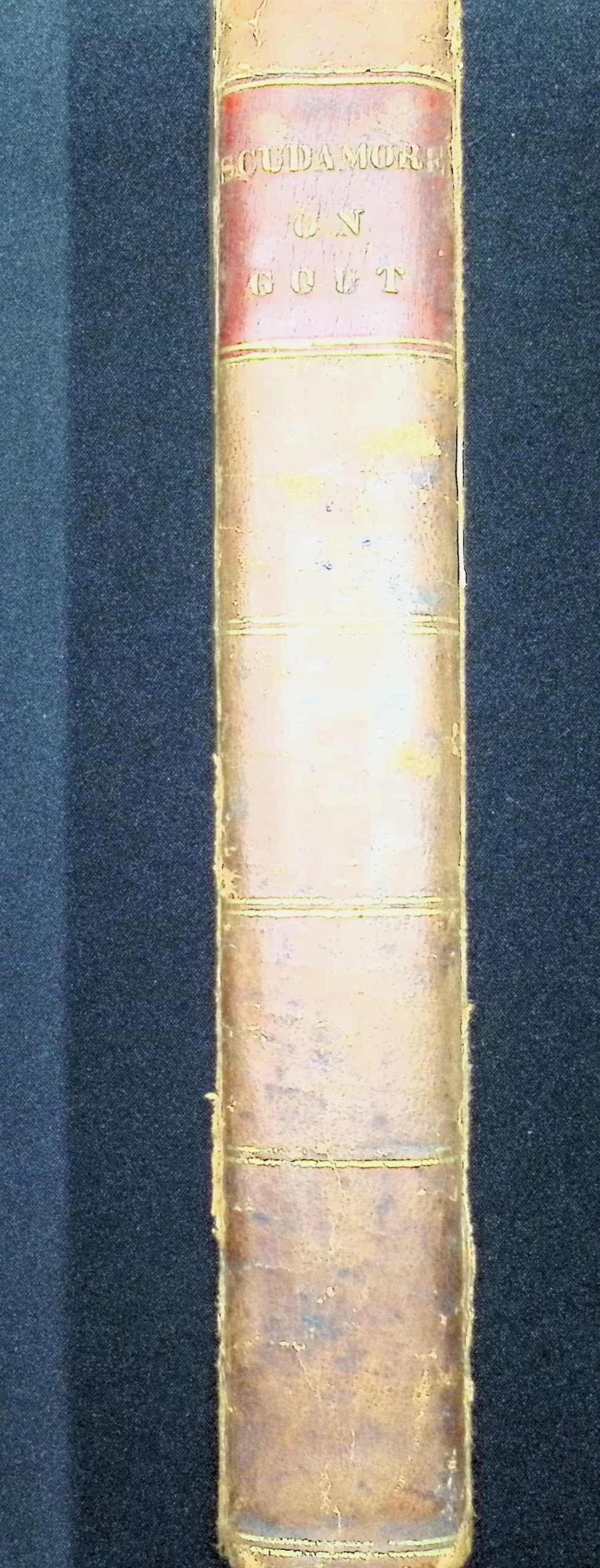
Full leather binding, heavily worn with edge rubbing and surface scuffs.
Spine label partially legible (“Scudamore on Gout”).
Significant foxing and spotting throughout.
Water staining to lower margins on several leaves.
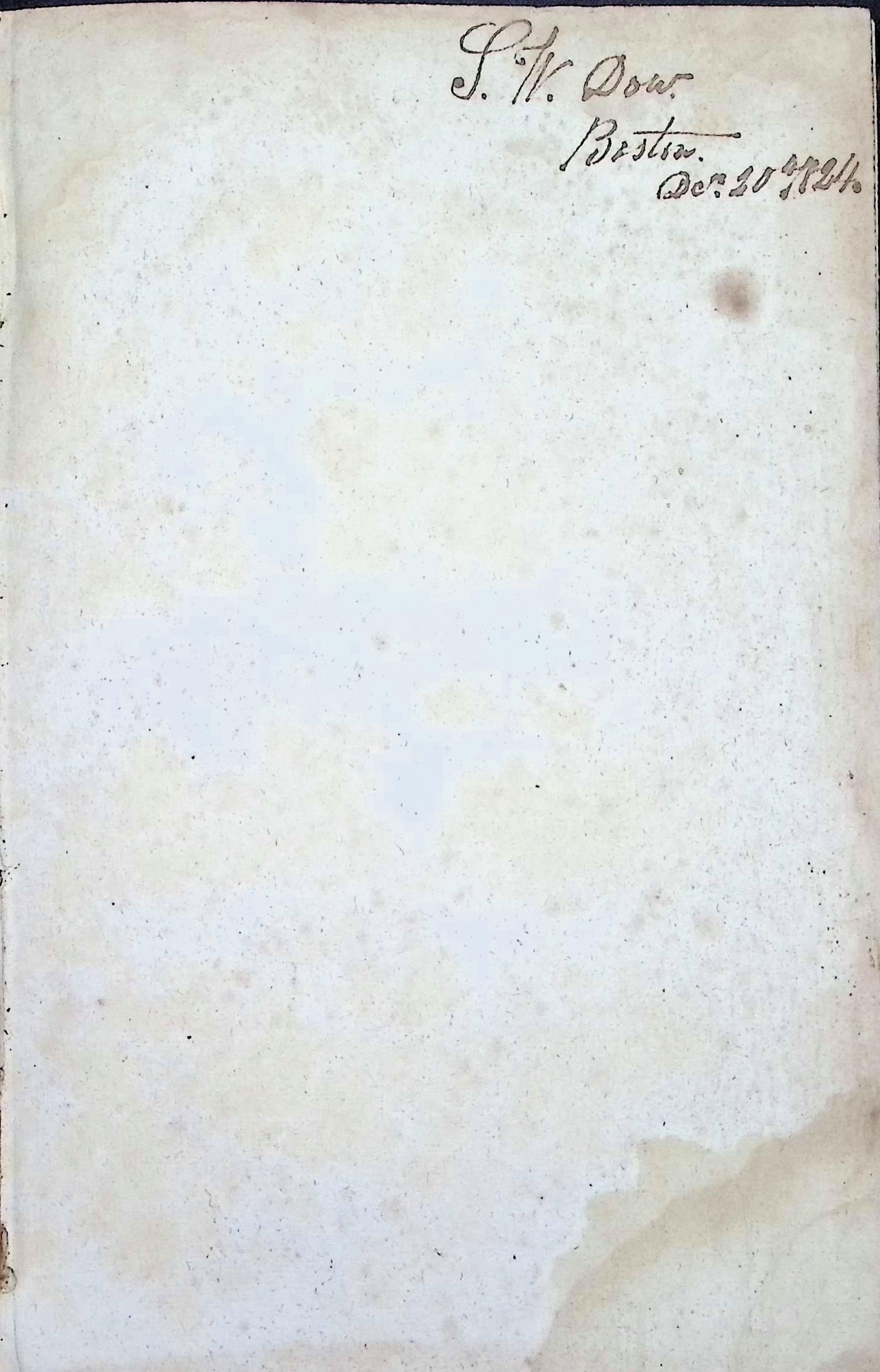
Owner inscription present: “S. W. Dorr, Boston, Dec. 20, 1824.”
Binding remains intact; text block stable and complete.
Gallery
Historical context
In the early 1800s, gout was often associated with wealthy lifestyles, sometimes called the “disease of kings.” Treatments were as much about managing diet and lifestyle as they were about medical intervention. Scudamore’s treatise contributed to shifting medical opinion toward considering digestive health and constitutional factors in the development of gout.
The book also reflects an era when case-based medicine was the primary way to teach and record knowledge. Each narrative gives insight into both medical practice and social views of disease in the early 19th century.
Curious Facts, Ephemera, and Trivia
Scudamore strongly emphasized dietary management, foreshadowing modern recommendations for low-purine diets in gout.
Treatments recommended included bloodletting, calomel (mercurous chloride), colchicum (autumn crocus), and drastic purgatives.
The inscription ties this copy to Boston in 1824, only five years after its American publication.
Gout was often depicted satirically in political cartoons of the time—suggesting both medical concern and cultural fascination.
Excerpt
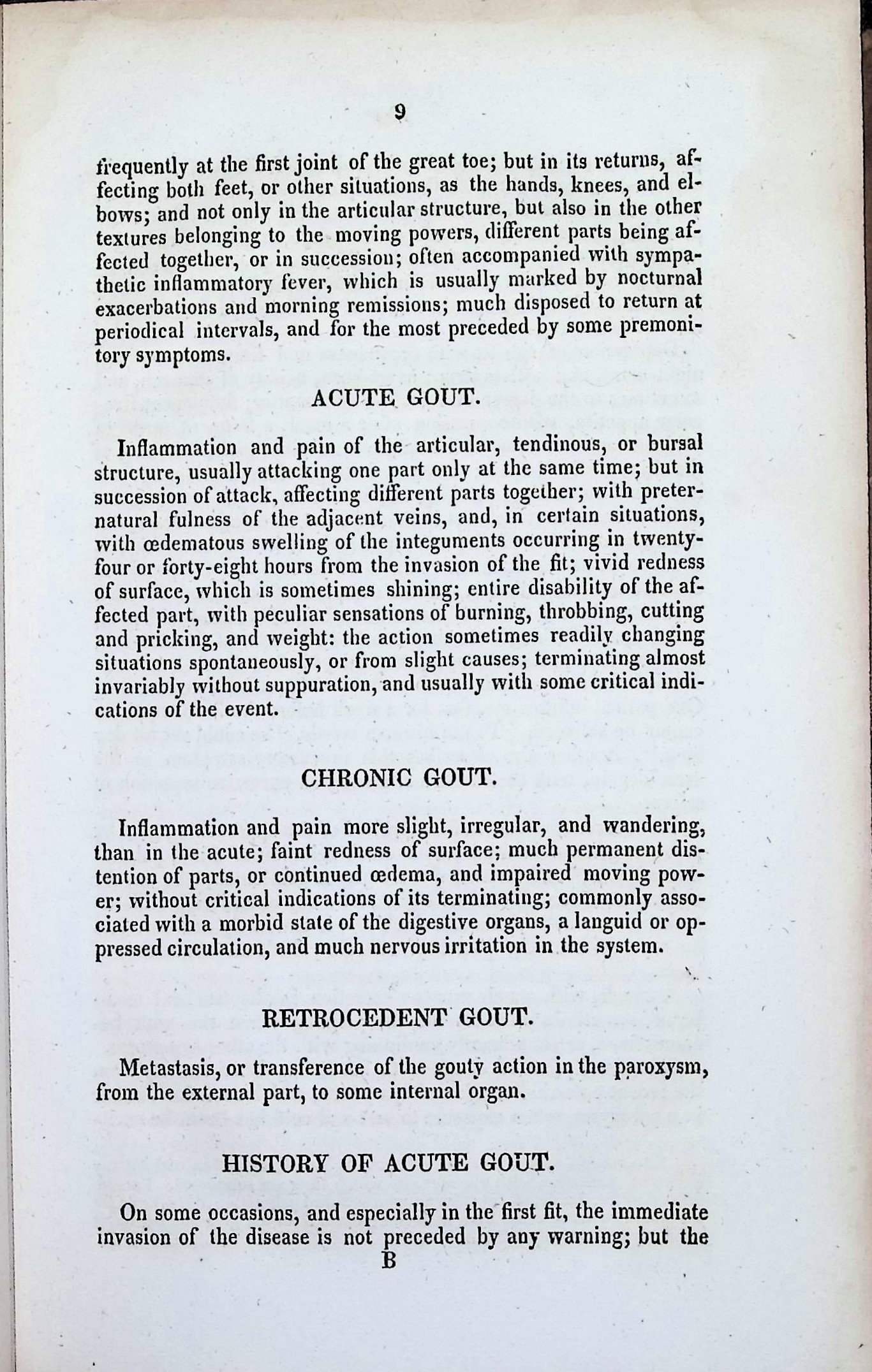
From the section on acute gout:
“Inflammation and pain of the articular, tendinous, or bursal structure, usually attacking one part only at the same time… vivid redness of surface, entire disability of the affected part, with peculiar sensations of burning, throbbing, cutting and pricking, and weight.”
Why it is in the Cabinet
This book is included in the Cabinet as an important artifact of early American medical publishing and an influential work in the evolving understanding of gout and rheumatism. Its detailed case histories, therapeutic recommendations, and historical context illustrate both the scientific limitations and the earnest attempts of 19th-century medicine to grapple with chronic disease.
Support Dr. Bebout’s Cabinet of Medical Curiosities
If you enjoy the history, the oddities, and the effort, help keep this cabinet open. Every little bit helps preserve and share the strange wonders of medicine's past.
Buy Me a Ko-fi ☕ Buy Me a Coffee ☕ Tip via PayPal 💵