
Title
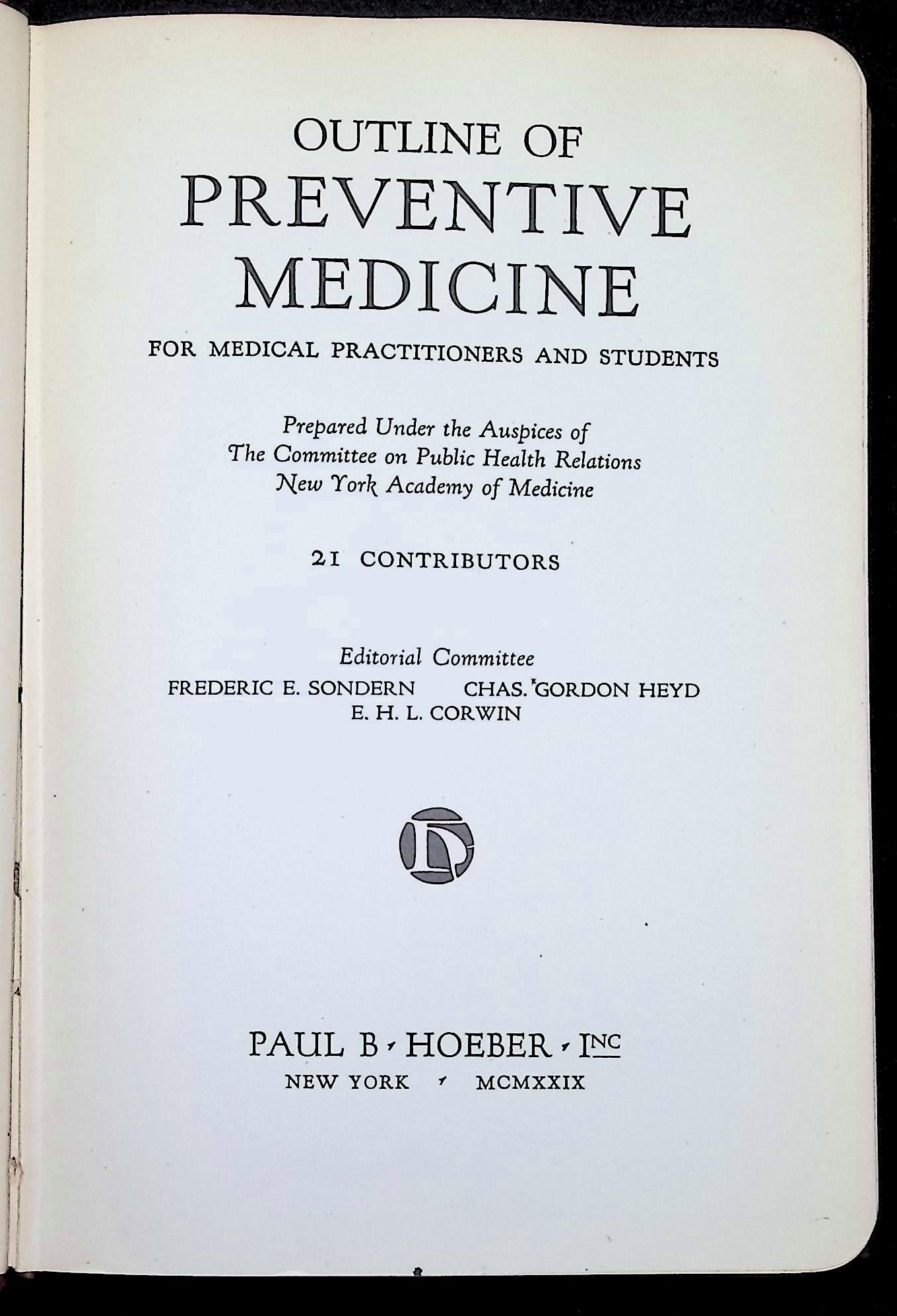
Outline of Preventive Medicine: For Medical Practitioners and Students
Author
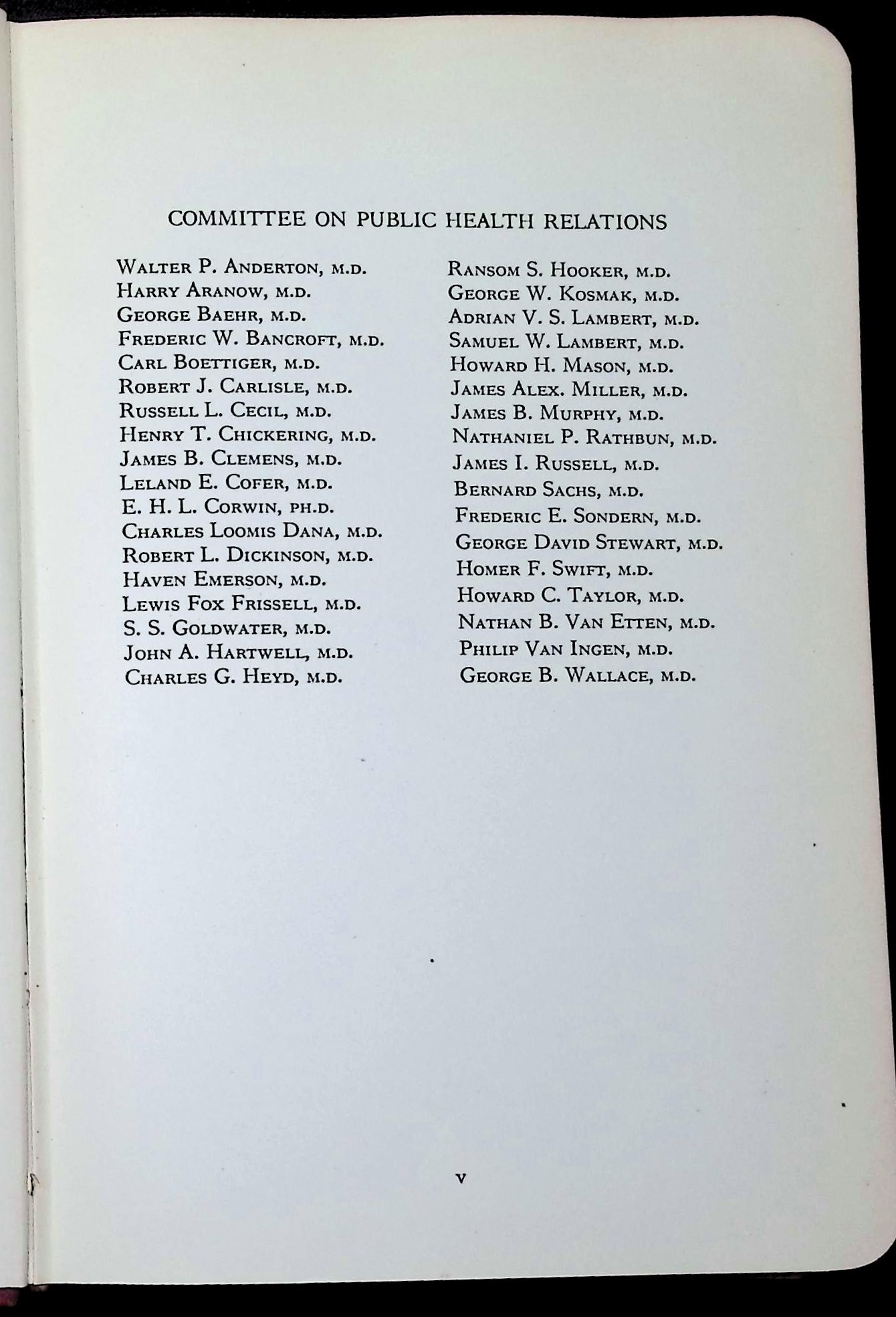
Prepared under the auspices of The Committee on Public Health Relations, New York Academy of Medicine
Editorial Committee: Frederic E. Sondern, Chas. Gordon Heyd, E.H.L. Corwin
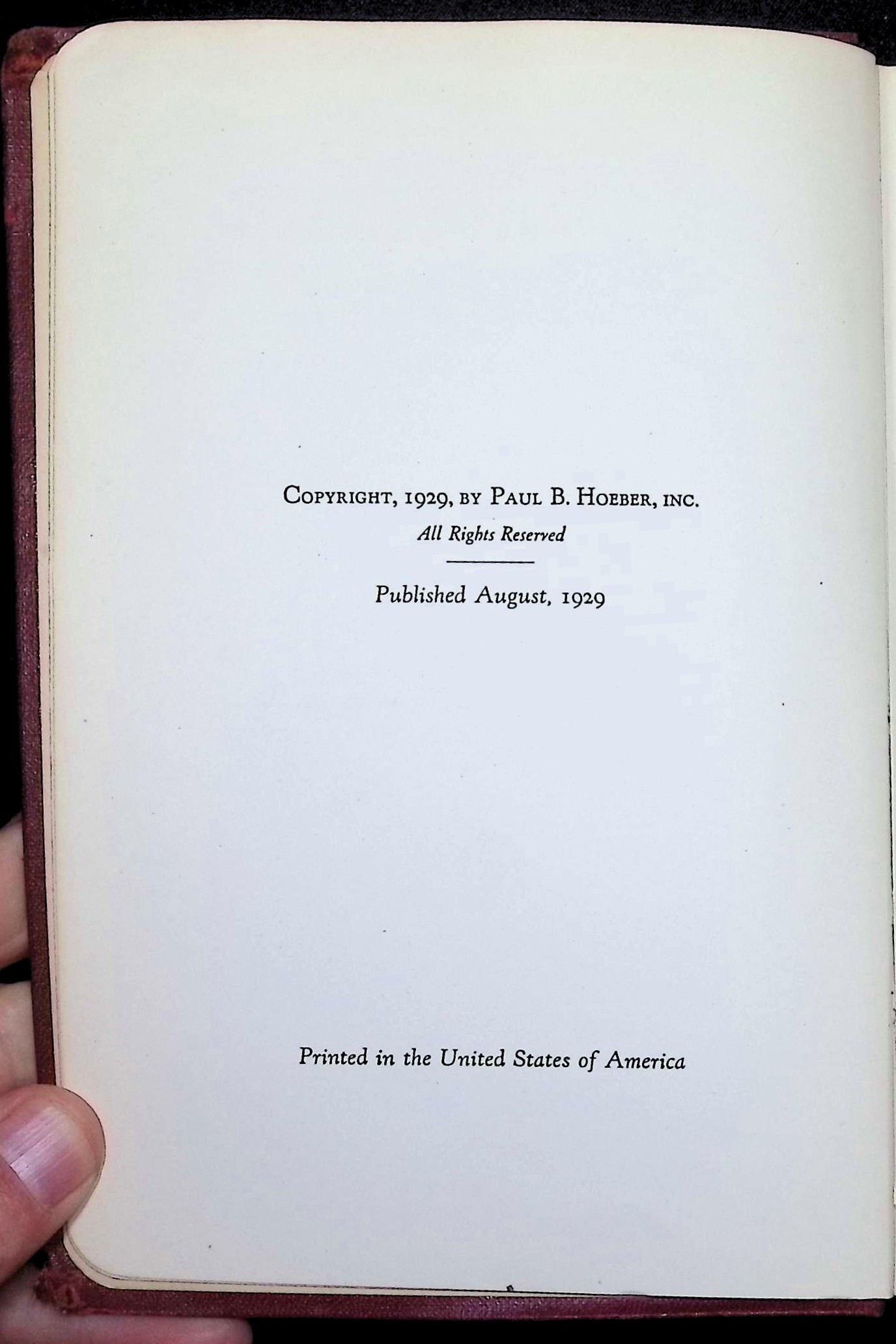
Published by Paul B. Hoeber, Inc., New York, August 1929
Image
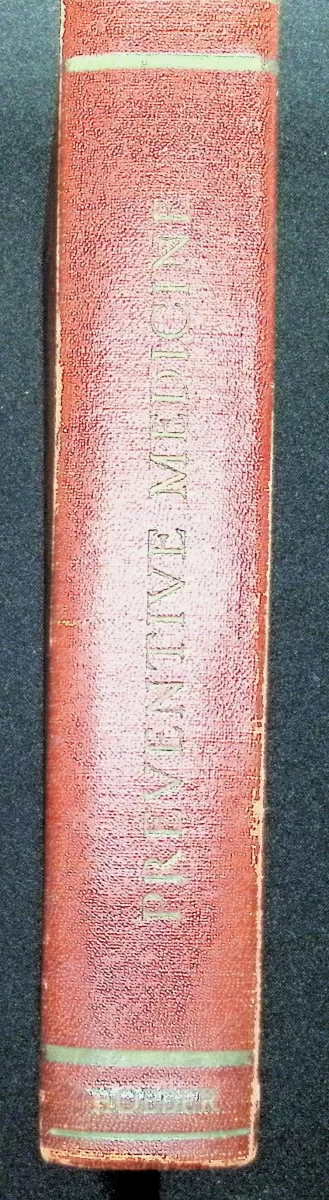
Description
This 1929 volume is a collaborative medical text created under the direction of the New York Academy of Medicine’s Committee on Public Health Relations. With contributions from 21 prominent physicians of the era, the book presents a structured overview of preventive medicine across multiple disciplines—general medicine, pediatrics, oral health, infectious disease, and public health.
Condition
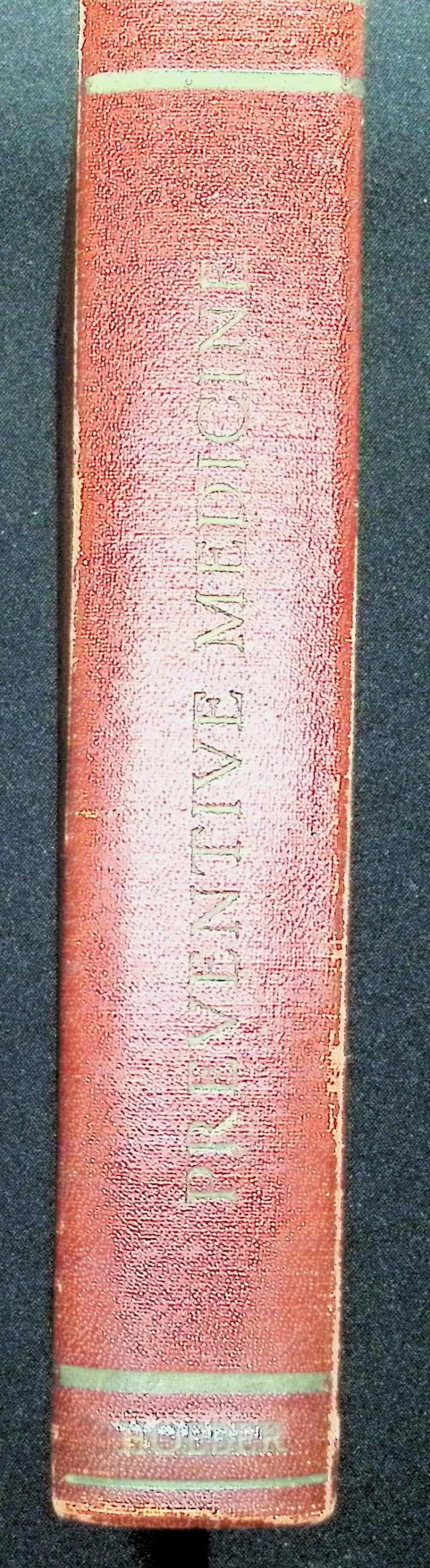
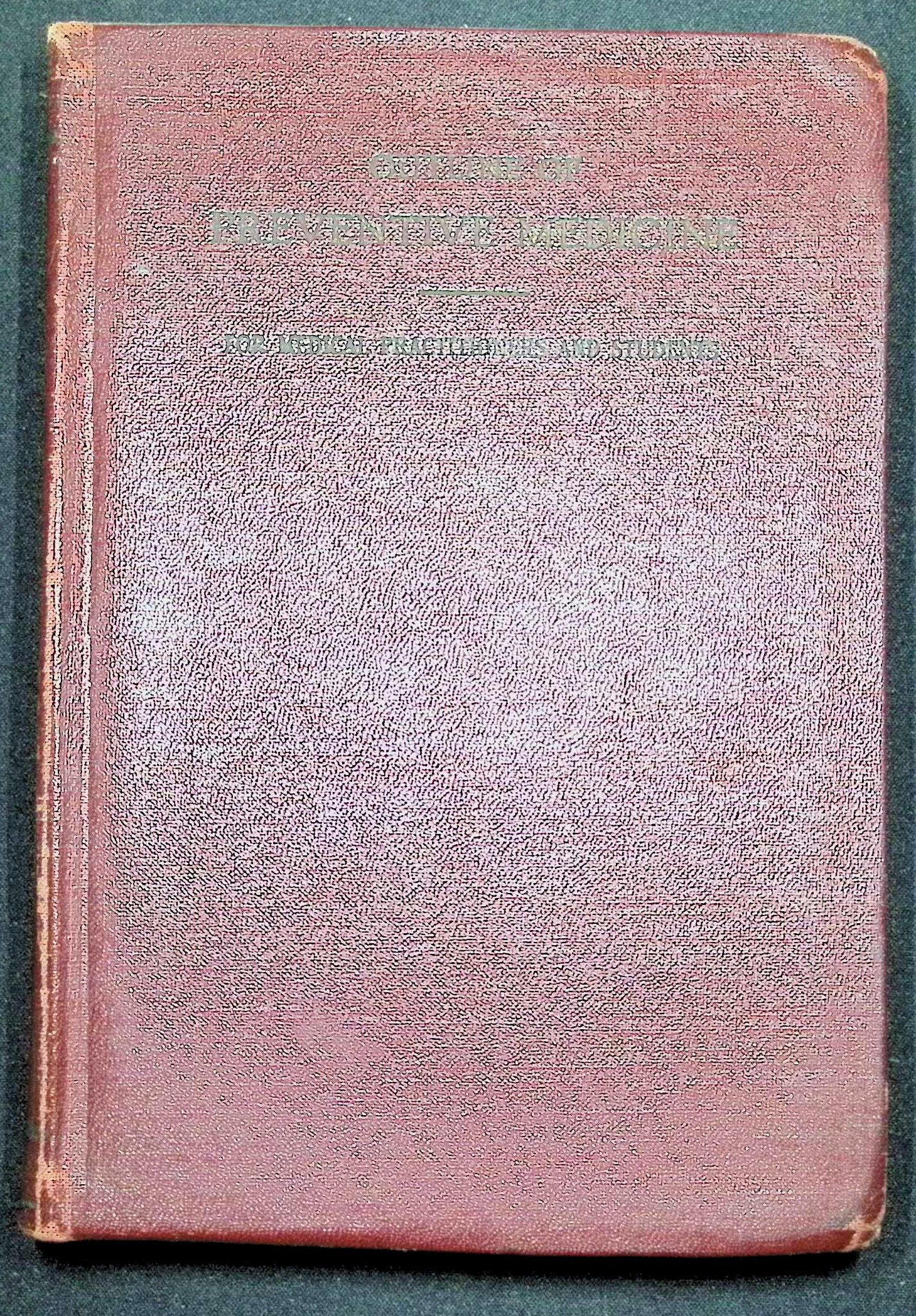
Bound in red textured cloth with gilt lettering on cover and spine. Some rubbing and fading, minor corner wear, interior pages clean with light toning. Solid and well-preserved for its age.
Gallery
Historical context
Published at a time when public health movements were gaining traction in the United States, this book reflects the growing emphasis on disease prevention through organized health systems and periodic health examinations. Its guidance for both medical practitioners and students highlights the transition from purely curative models to preventative strategies.
Curious Facts, Ephemera, and Trivia
The Committee included Haven Emerson, M.D., an influential figure in public health who later became known for his work in epidemiology.
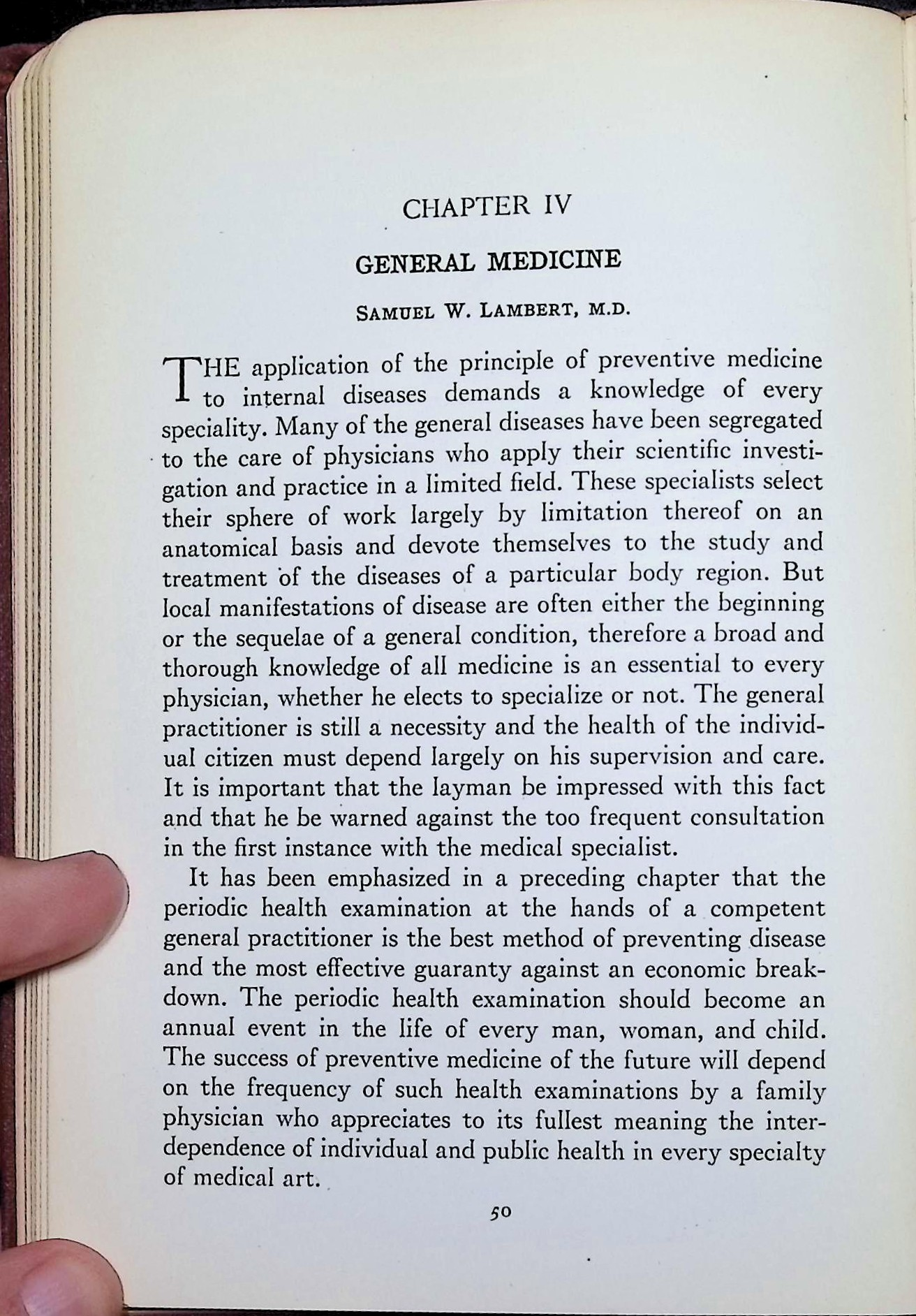
Several chapters emphasize the role of general practitioners in overseeing community health, foreshadowing today’s emphasis on primary care.
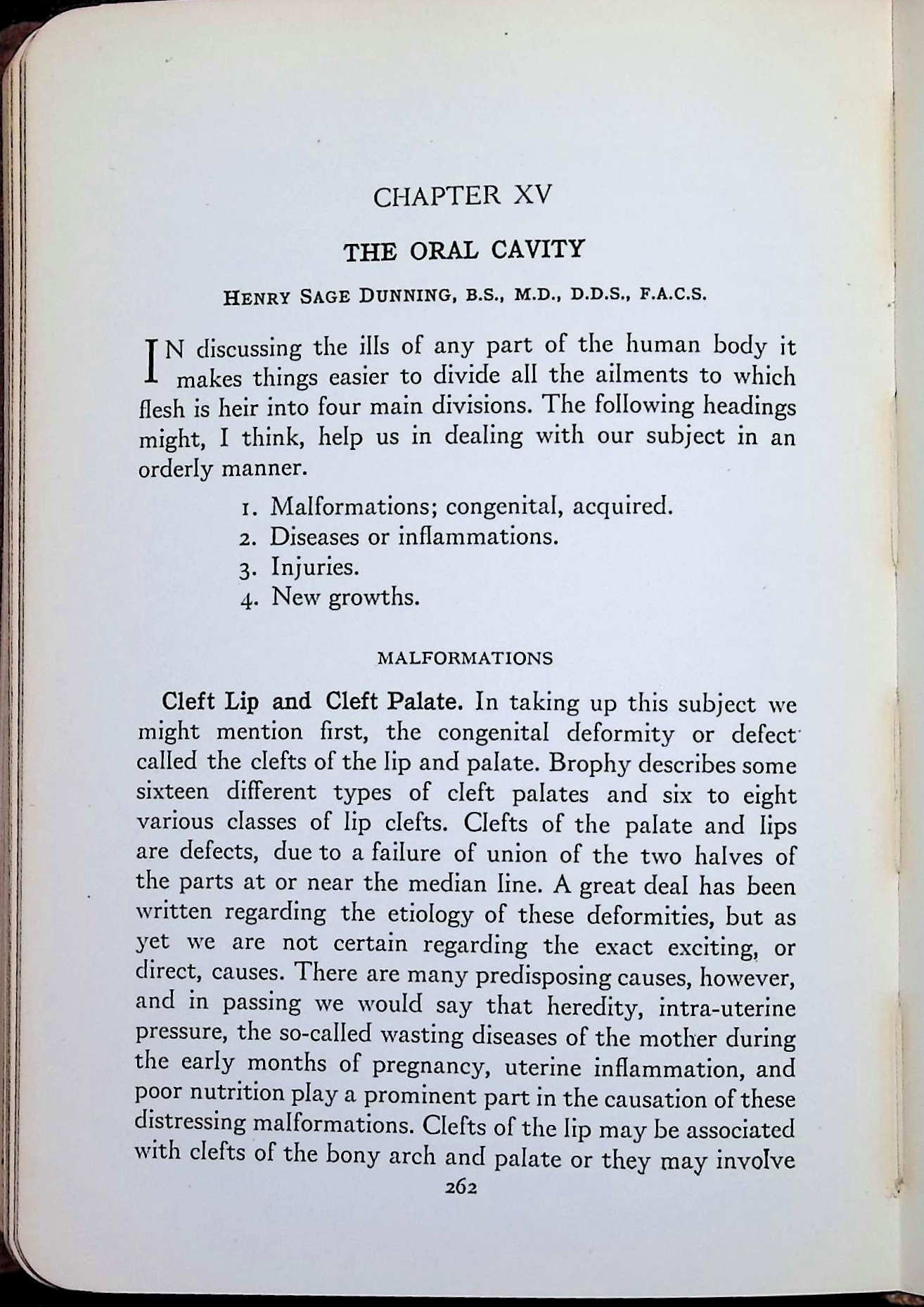
The oral health section highlights cleft lip and palate as congenital malformations with nutritional and intrauterine factors—an early recognition of multifactorial causes.
Excerpt
“The periodic health examination at the hands of a competent general practitioner is the best method of preventing disease and the most effective guaranty against an economic breakdown. The periodic health examination should become an annual event in the life of every man, woman, and child.” (p. 50)
Why it is in the Cabinet
This book stands as an artifact of the preventive health movement of the early 20th century, bridging medical education, public health advocacy, and patient care. It embodies a turning point in medicine, when the focus shifted toward proactive care—a principle still central to modern medical practice.
Support Dr. Bebout’s Cabinet of Medical Curiosities
If you enjoy the history, the oddities, and the effort, help keep this cabinet open. Every little bit helps preserve and share the strange wonders of medicine's past.
Buy Me a Ko-fi ☕ Buy Me a Coffee ☕ Tip via PayPal 💵