
Title
Our Family Physician
Author
H. R. Stout, M.D.
Image
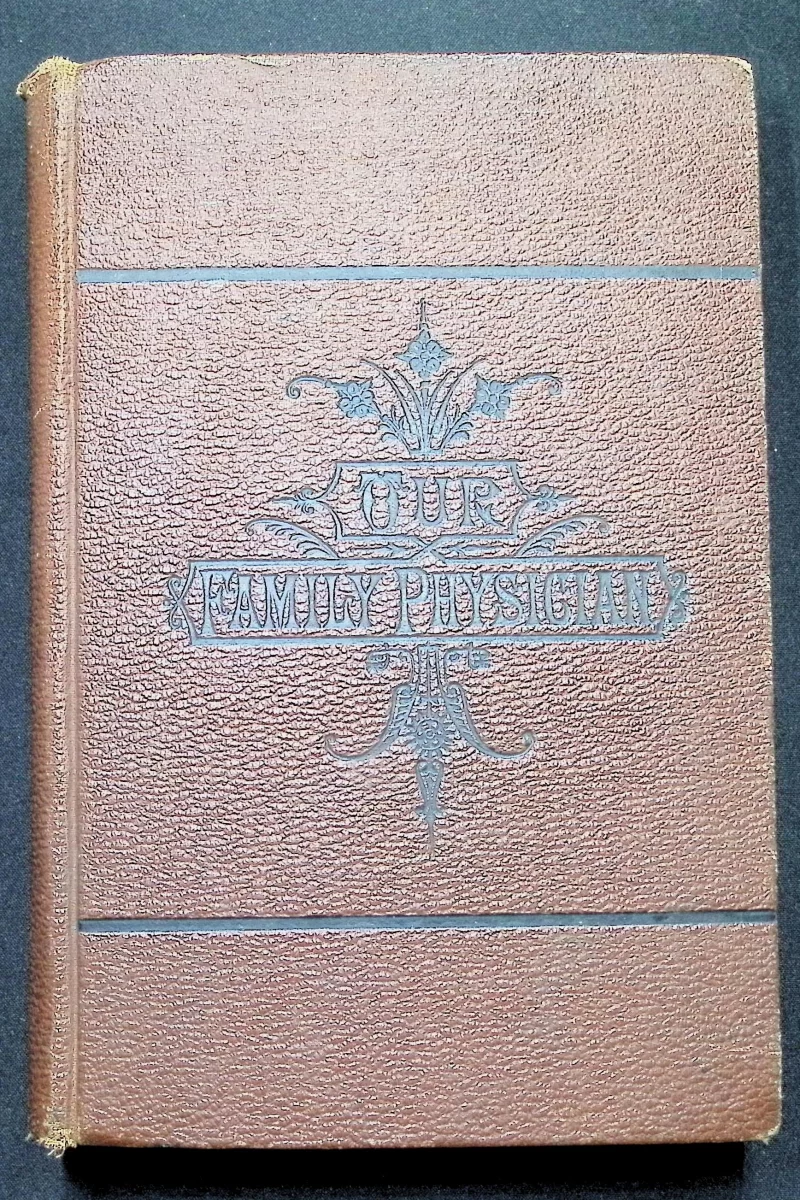
Description
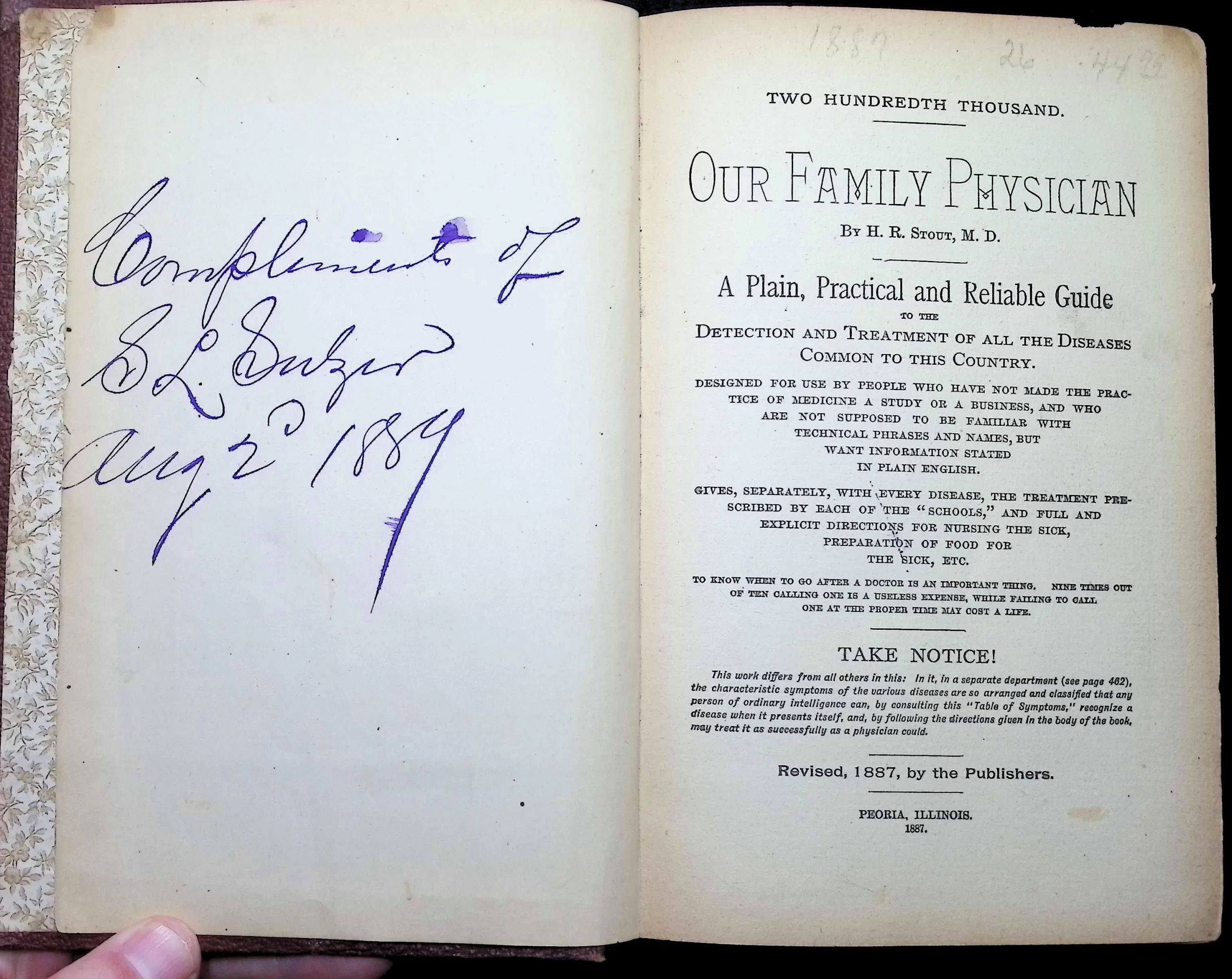
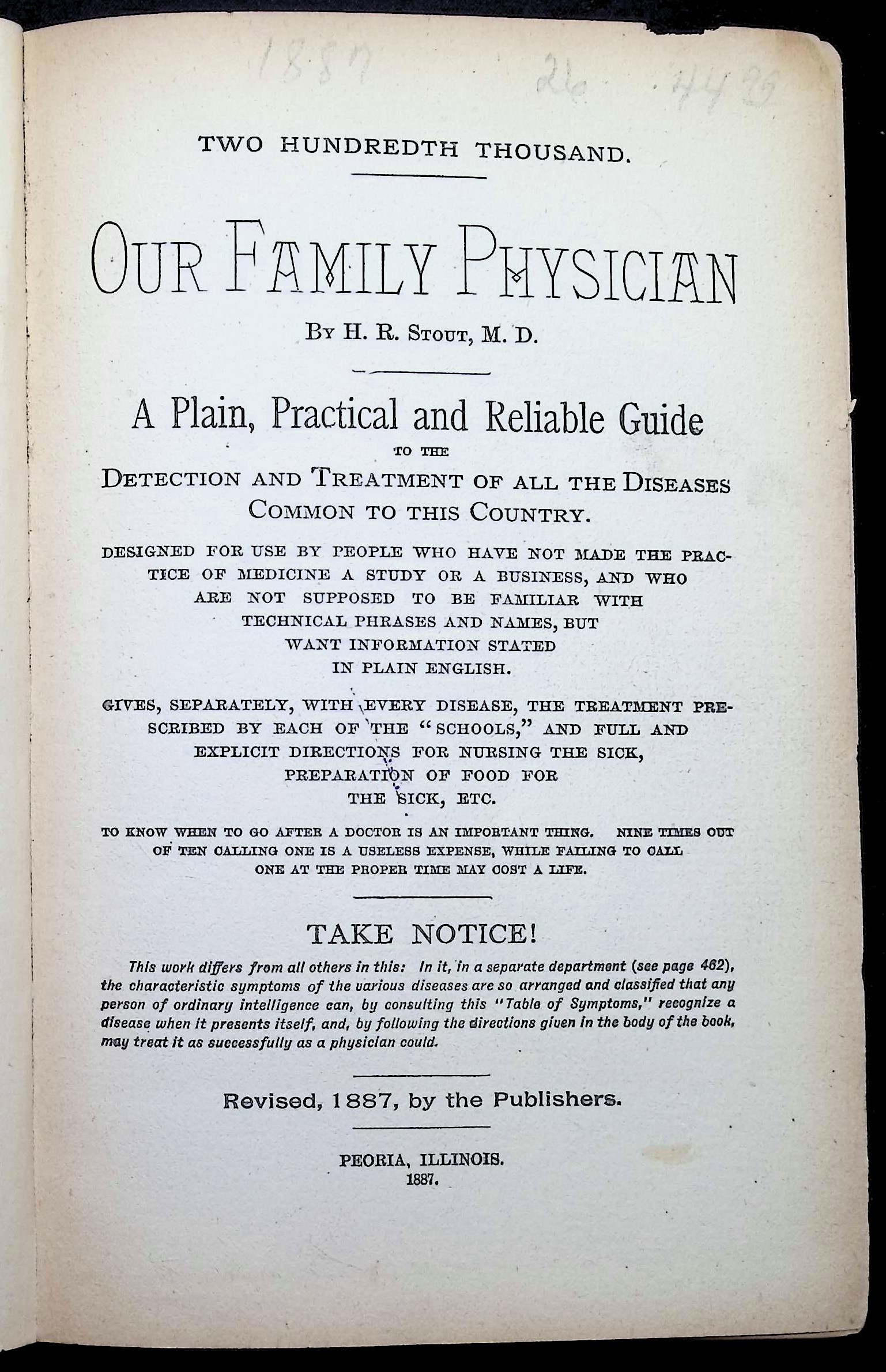
Our Family Physician: A Plain, Practical and Reliable Guide to the Detection and Treatment of All the Diseases Common to This Country was written by H.R. Stout, M.D. and published by Henderson & Sturtevant in Peoria, Illinois. This revised 1887 edition (copyright 1885) reflects a late 19th-century movement to bring medical knowledge into the home, empowering ordinary families to care for the sick and manage common illnesses.
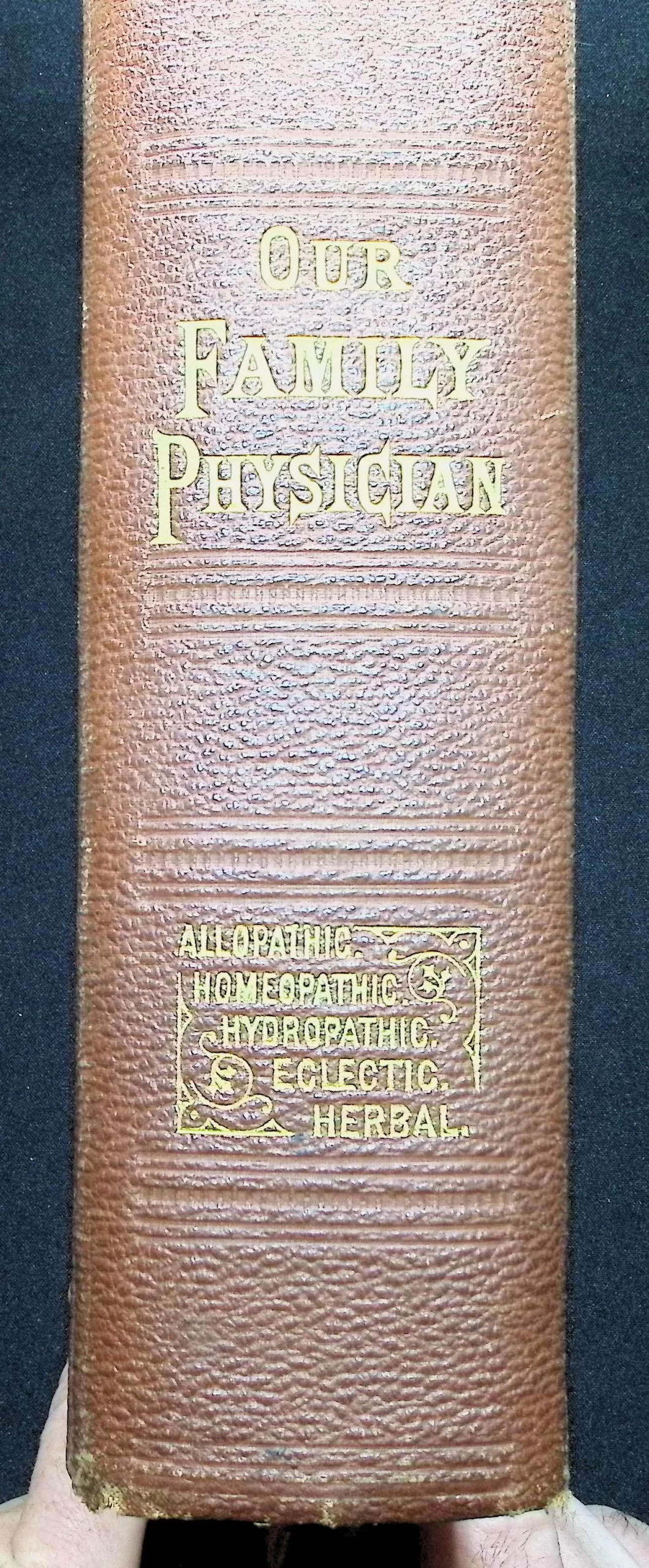
The book emphasizes accessibility, with explanations in plain English, separate treatment recommendations from all major “schools” of the era — allopathic, homeopathic, eclectic, hydropathic, and herbal — and detailed directions for nursing and diet. Advertised as a household necessity, it also included a “Table of Symptoms” for quick reference.
Condition
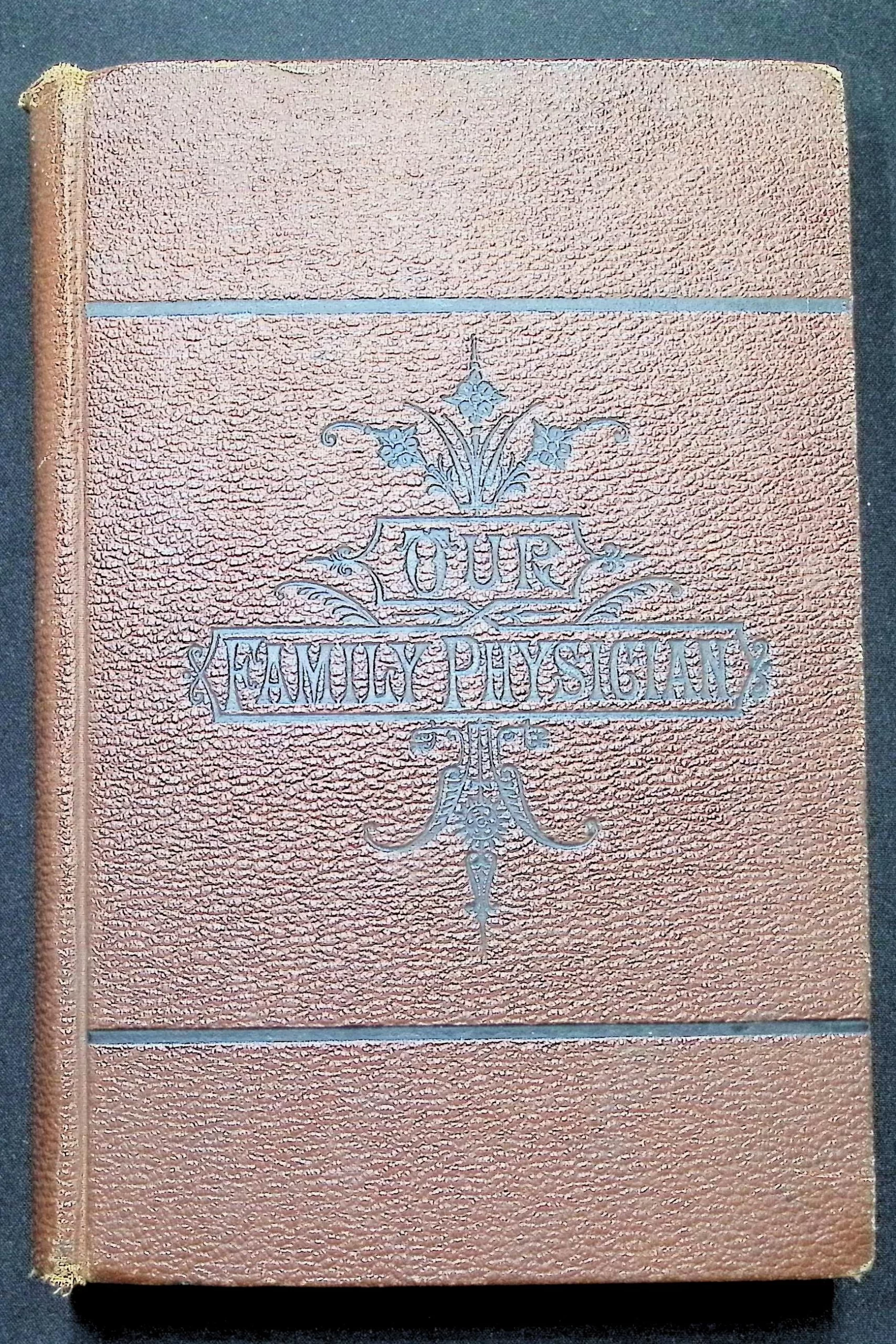
Brown embossed cloth binding with gilt-stamped spine, moderately worn at edges and corners.
Interior pages show light toning with scattered foxing.
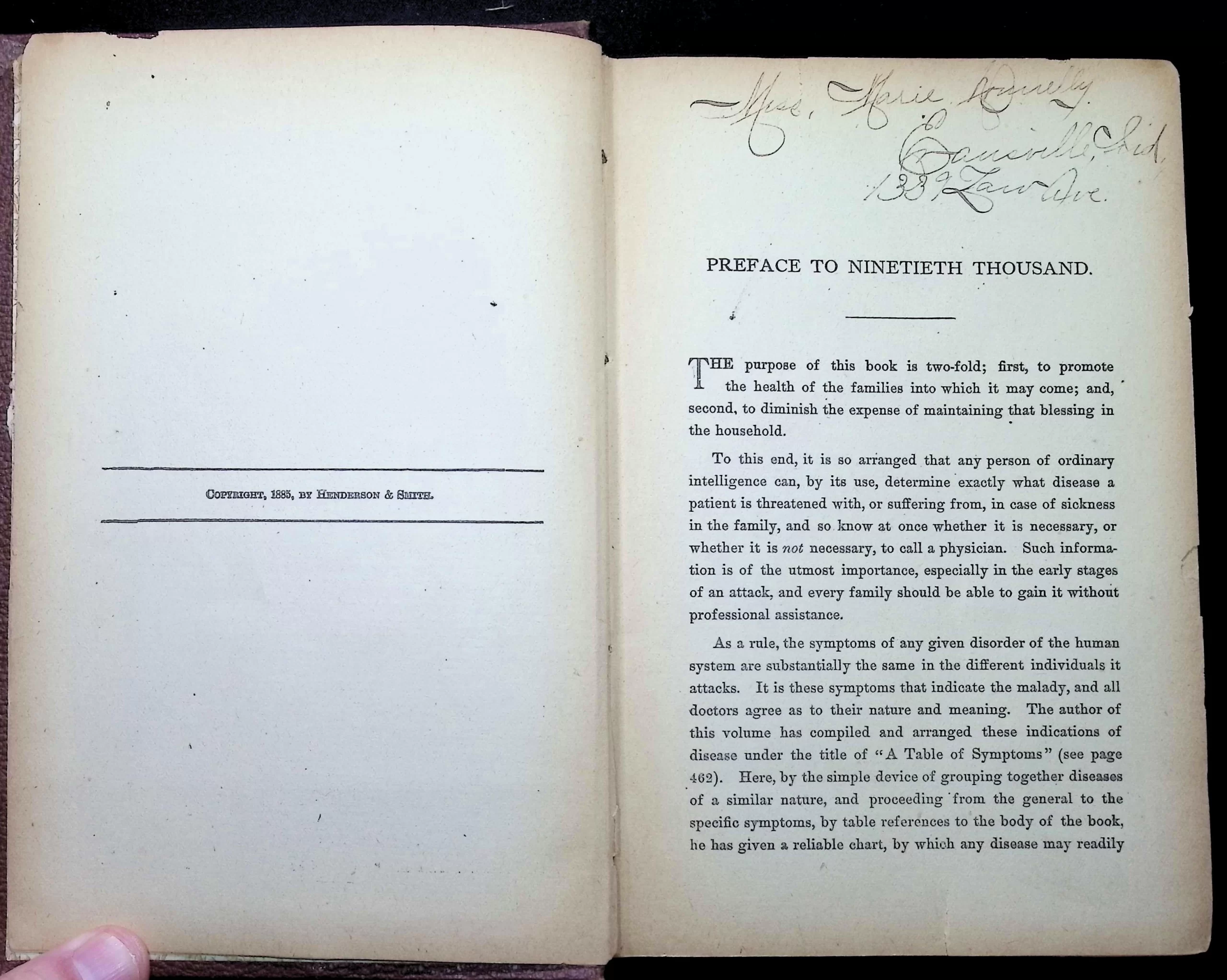
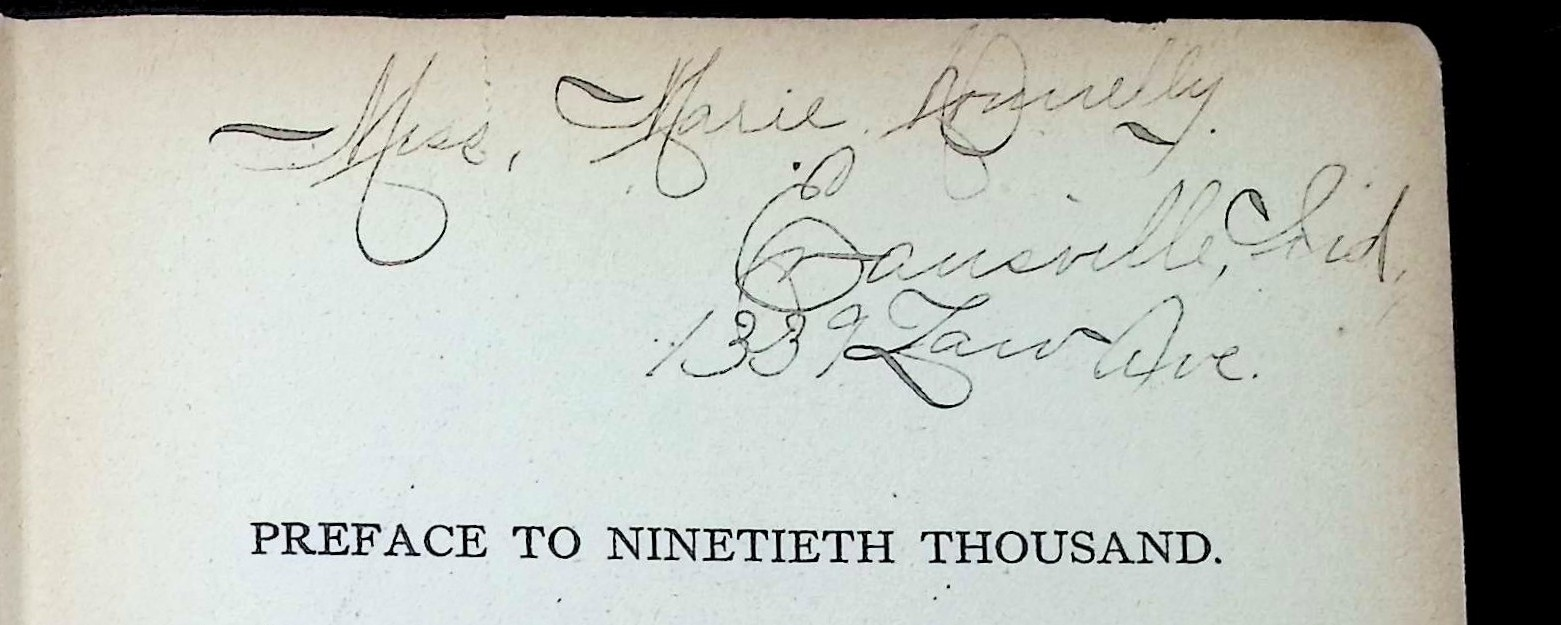
Several handwritten inscriptions: one dated August 2, 1889, signed by S.L. Dubuz, and another ownership note from Mrs. Marie Donnelly of Evansville, Indiana.
Binding intact, though slightly loosened at front hinge. Overall, a well-preserved example of a heavily used family medical guide.
Gallery
Historical context
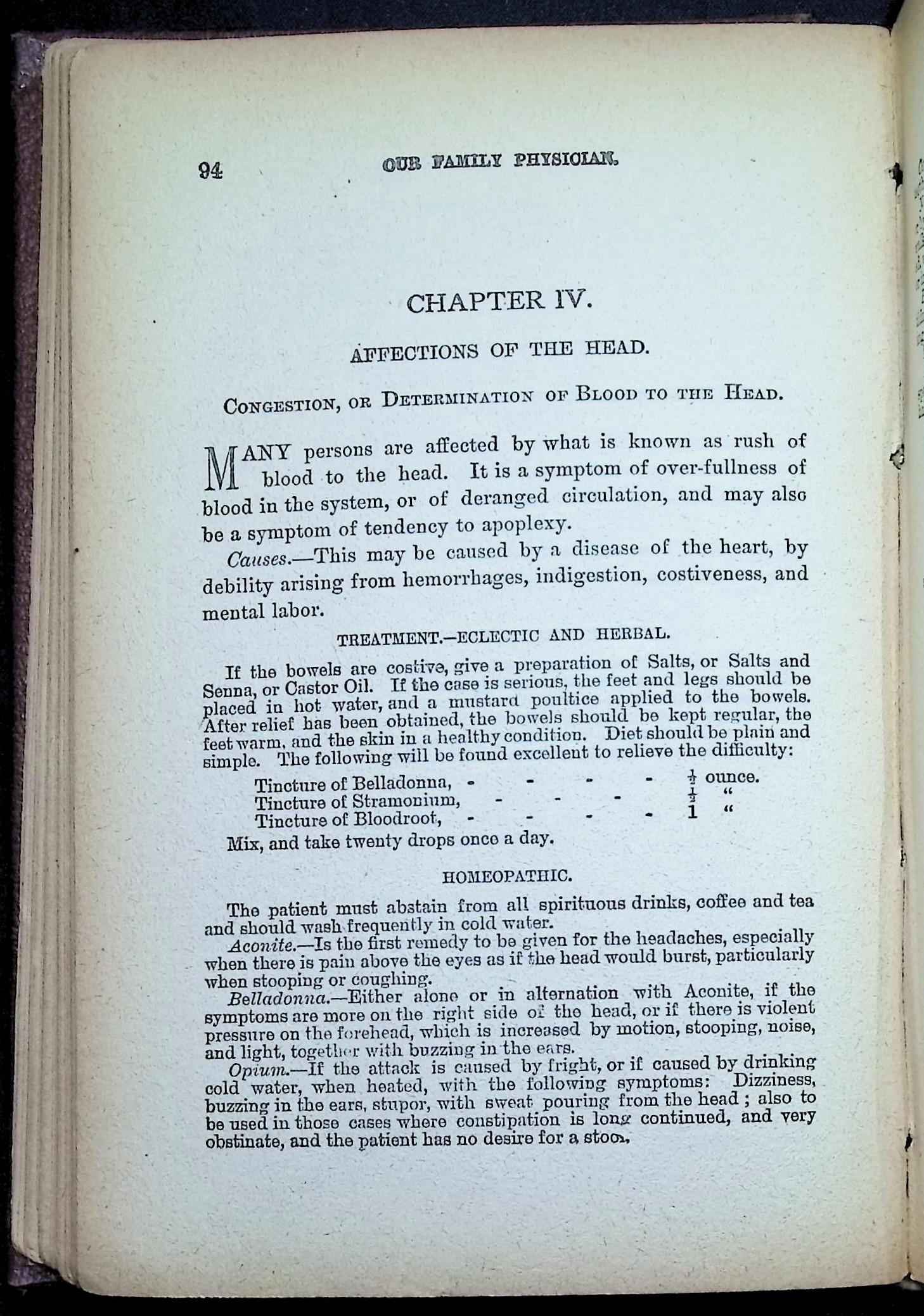
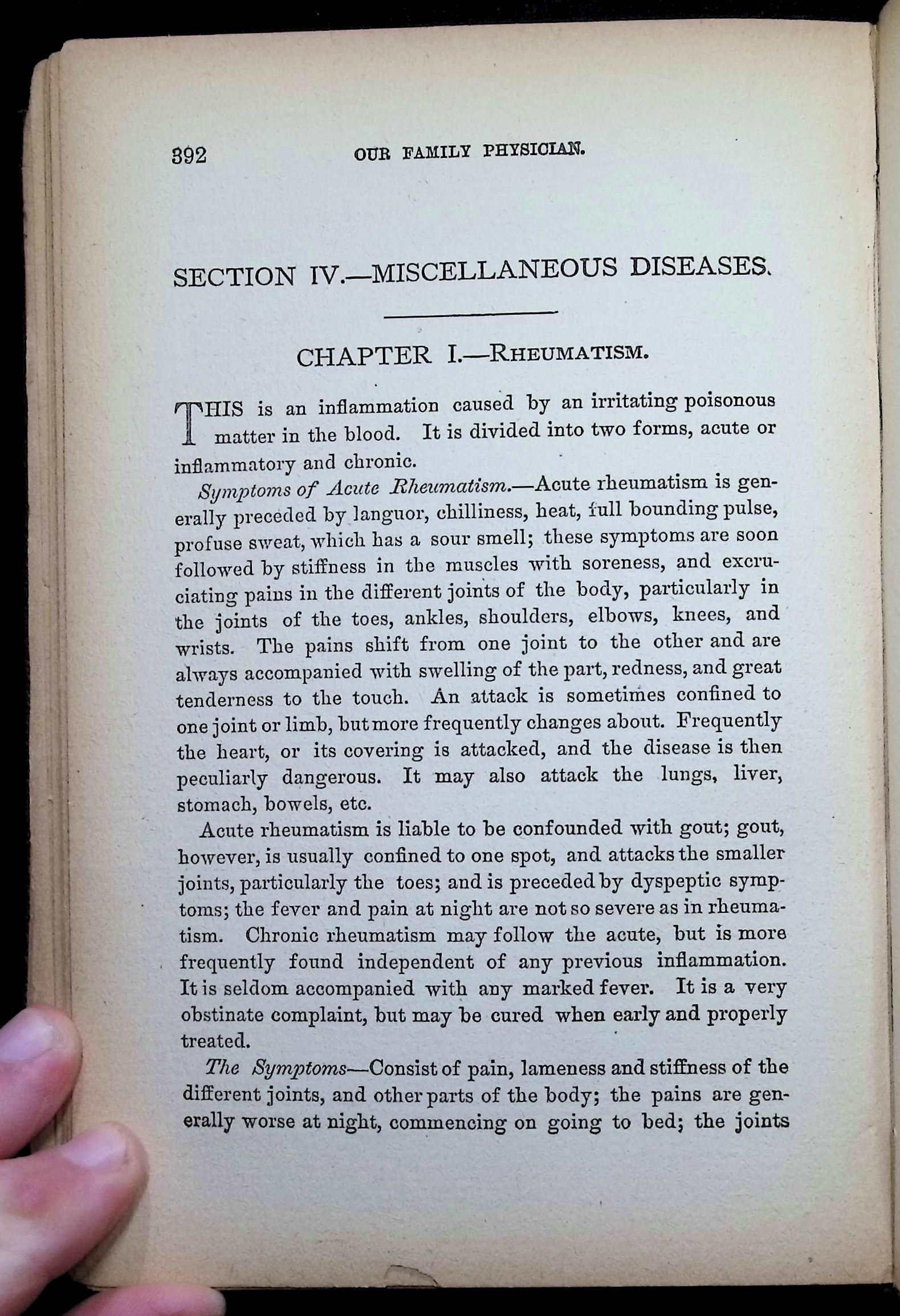
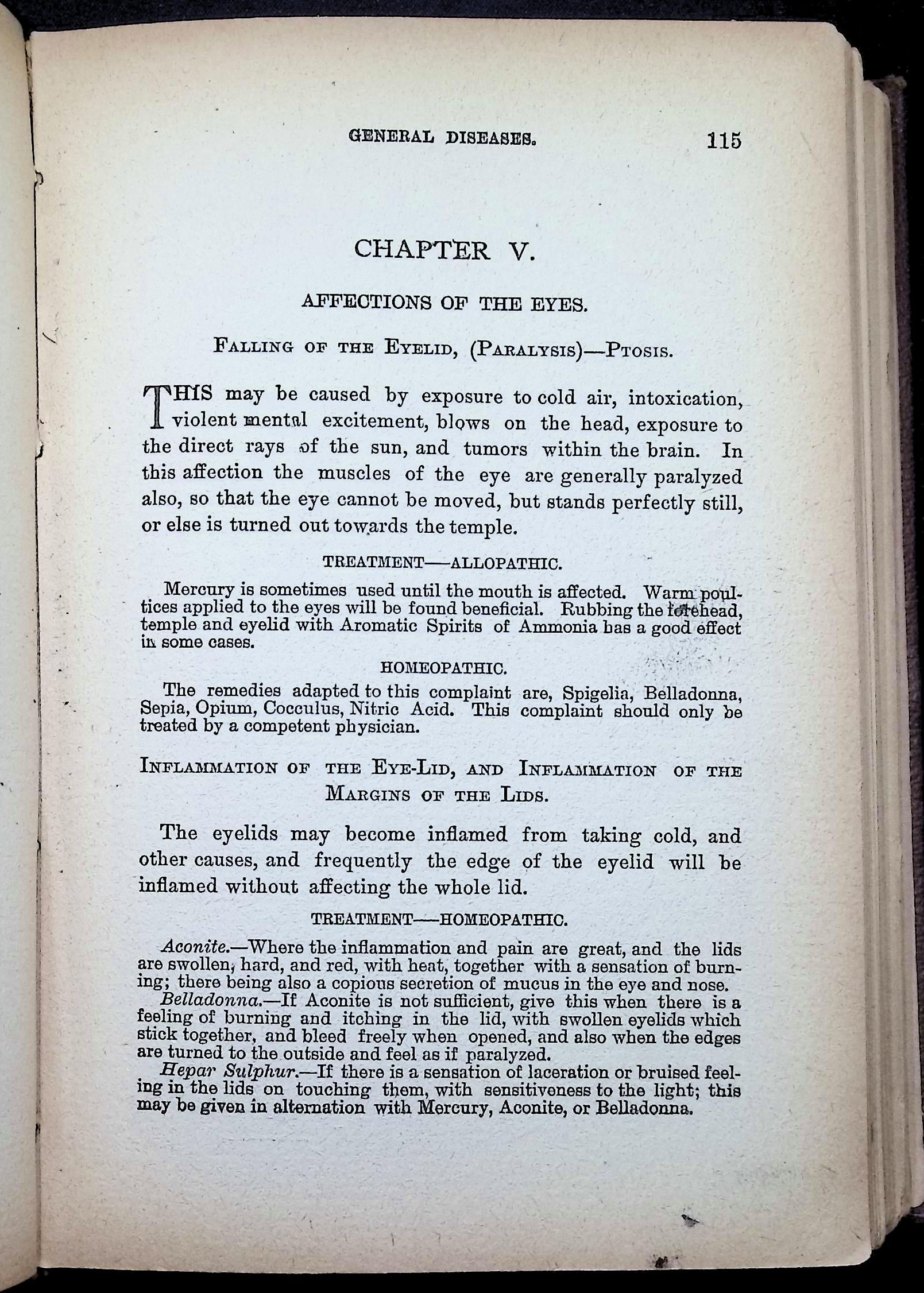
In the late 19th century, before widespread access to physicians and hospitals, medical self-help guides were common fixtures in American households. Our Family Physician exemplifies the eclectic medical landscape of the period, where multiple therapeutic systems competed for legitimacy. Families were encouraged to take charge of their own care, consulting books like this one for ailments ranging from “congestion of blood to the head” to rheumatism, ptosis, and fevers.
The inclusion of all major schools of thought was both a selling point and a reflection of public uncertainty — offering readers reassurance that no matter their leanings, they could find advice within its pages.
Curious Facts, Ephemera, and Trivia
The spine boldly lists “Allopathic, Homeopathic, Hydropathic, Eclectic, Herbal” — a striking reminder of the competing medical philosophies of the era.
Ownership inscriptions add a layer of provenance, showing the book’s journey through families in the 1880s.
Treatments included tinctures of belladonna, stramonium, and bloodroot — potent remedies by modern standards.
The book promoted the idea that calling a doctor too quickly was often unnecessary, reflecting both the cost and limited availability of professional care in rural America.
Excerpt
From Chapter IV, Affections of the Head:
“Many persons are affected by what is known as rush of blood to the head. It is a symptom of over-fullness of blood in the system, or of deranged circulation, and may also be a symptom of tendency to apoplexy… The following will be found excellent to relieve the difficulty: Tincture of Belladonna, Tincture of Stramonium, Tincture of Bloodroot. Mix, and take twenty drops once a day.”
Why it is in the Cabinet
This volume represents the era when American families relied heavily on printed guides for healthcare. It illustrates the intersection of medicine, culture, and self-reliance, providing insight into how disease and health were understood outside professional settings. Its eclectic approach makes it a valuable artifact of transitional medical history, bridging folk remedies and emerging professional medicine.
See also other household medical guides in the Cabinet: Medicology (1904), Mother’s Remedies
Support Dr. Bebout’s Cabinet of Medical Curiosities
If you enjoy the history, the oddities, and the effort, help keep this cabinet open. Every little bit helps preserve and share the strange wonders of medicine's past.
Buy Me a Ko-fi ☕ Buy Me a Coffee ☕ Tip via PayPal 💵