
Title
Modern Ophthalmic Lenses and Optical Glass
Author
Theo. E. Obrig, A.B. — President, Obrig Laboratories, Inc.
Image
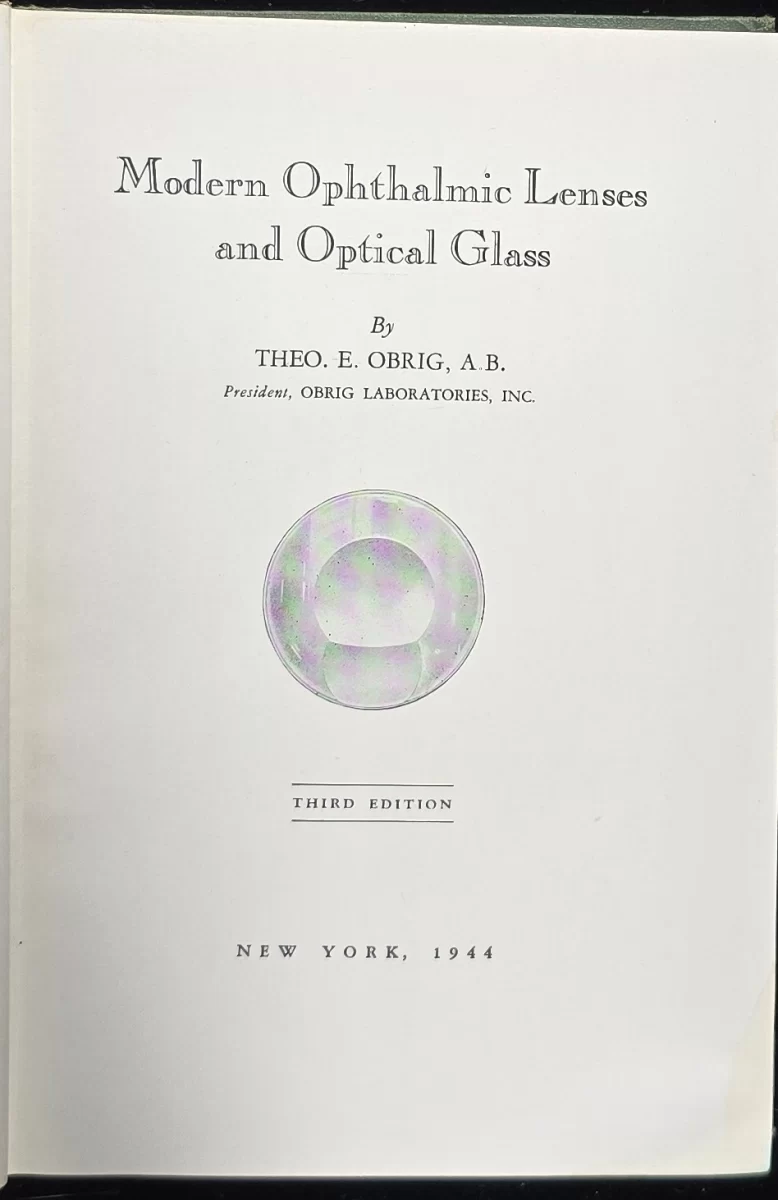
Description
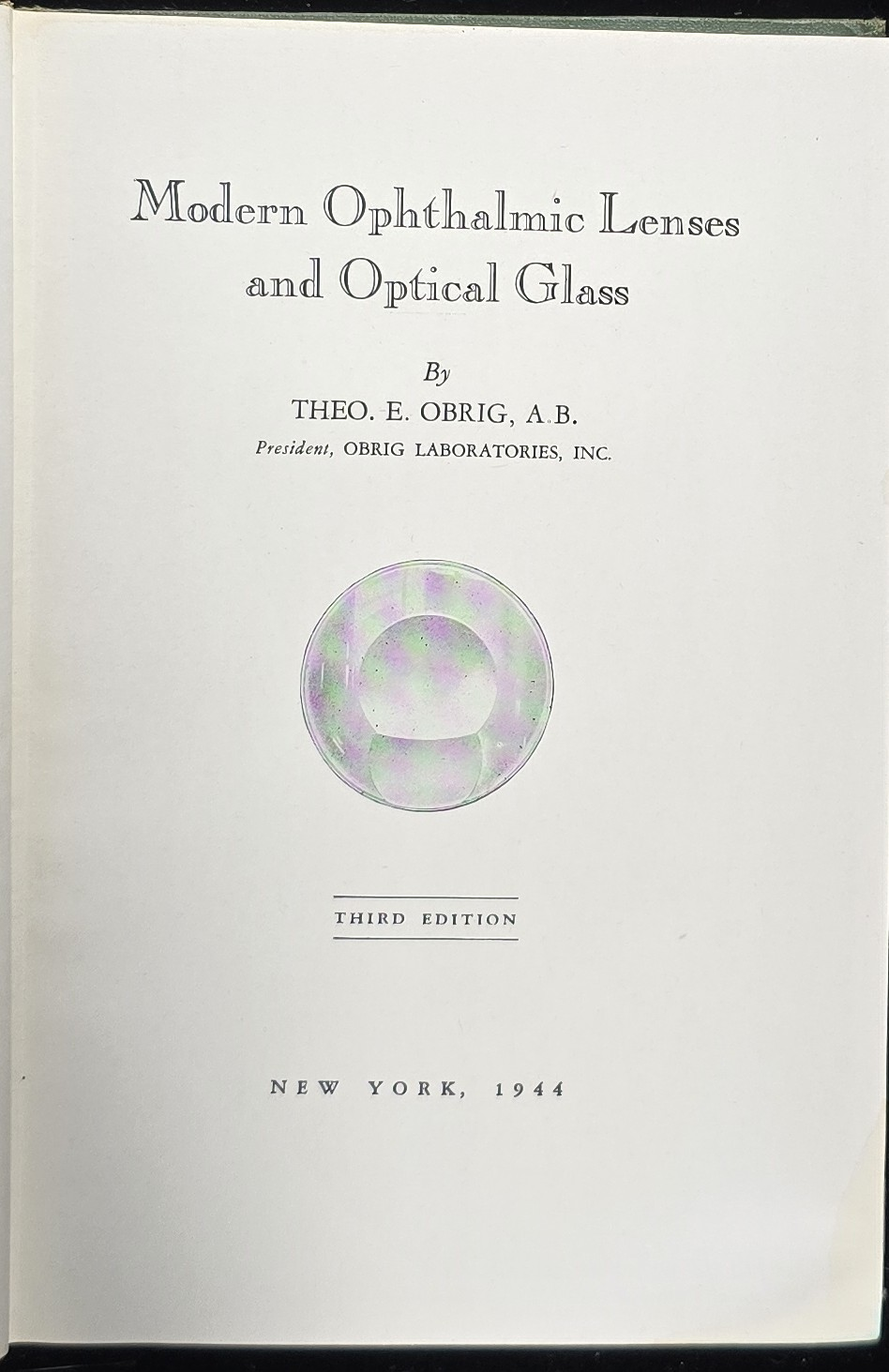
Modern Ophthalmic Lenses and Optical Glass (Third Edition, 1944) by Theo. E. Obrig is a specialized reference work dedicated to the science, design, and manufacture of optical lenses for corrective eyewear. A prominent figure in optical science, Obrig provides a comprehensive guide to lens types, materials, and applications for both practitioners and optical manufacturers. This edition includes a historical overview of spectacles, tracing their origins from ancient magnifiers and glass beads to the refined ophthalmic lenses of the mid-20th century.
Condition
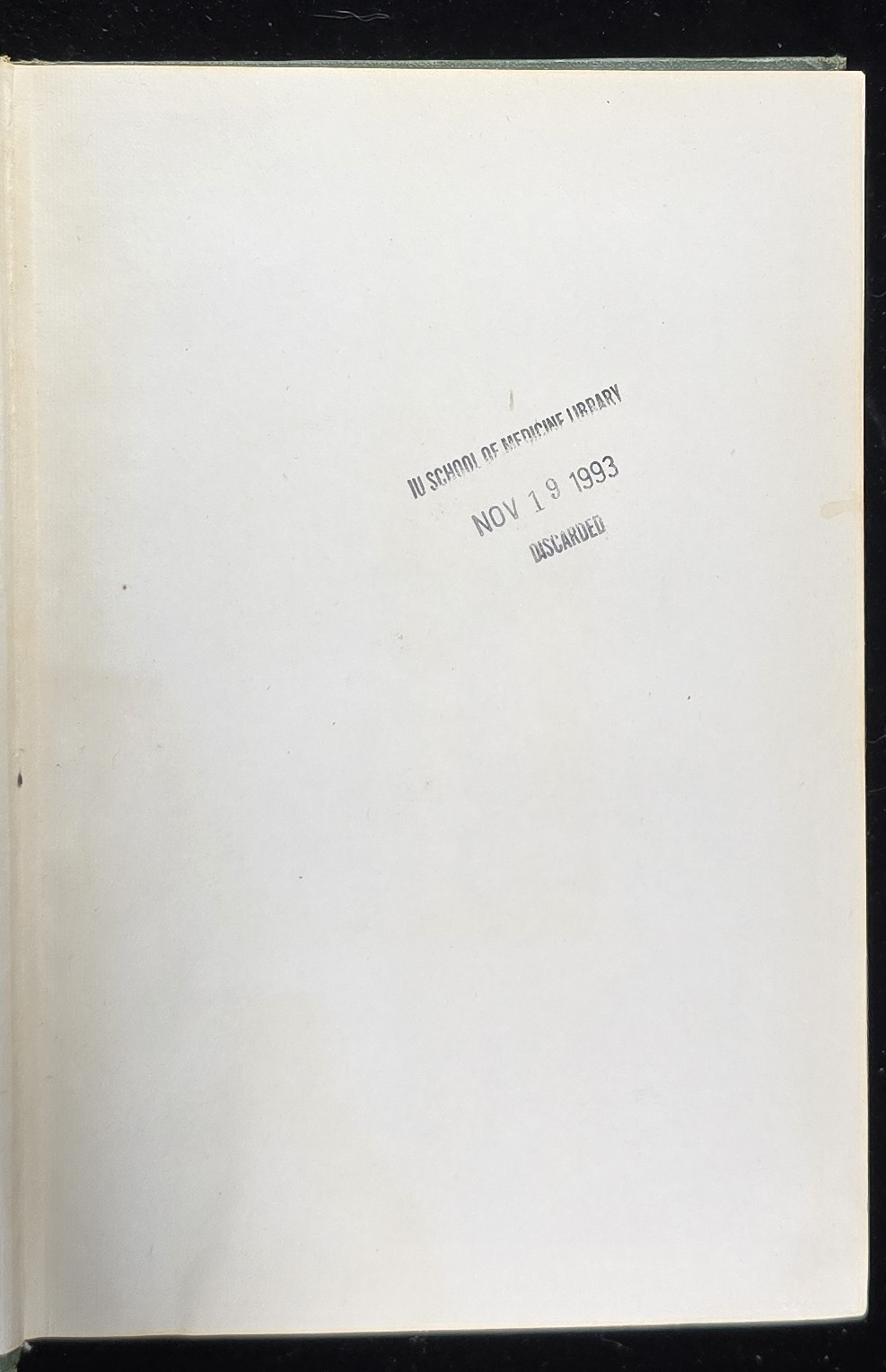
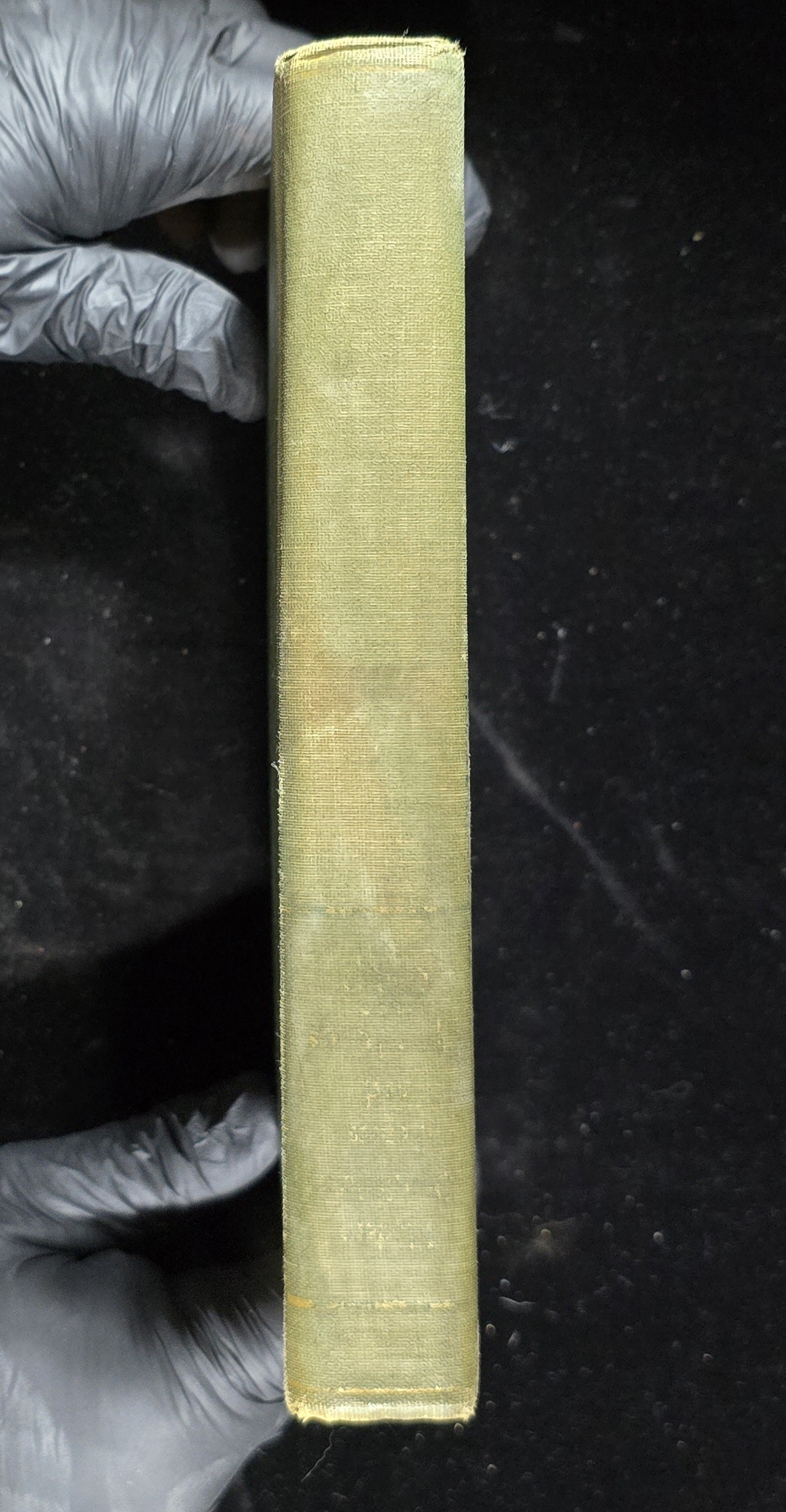
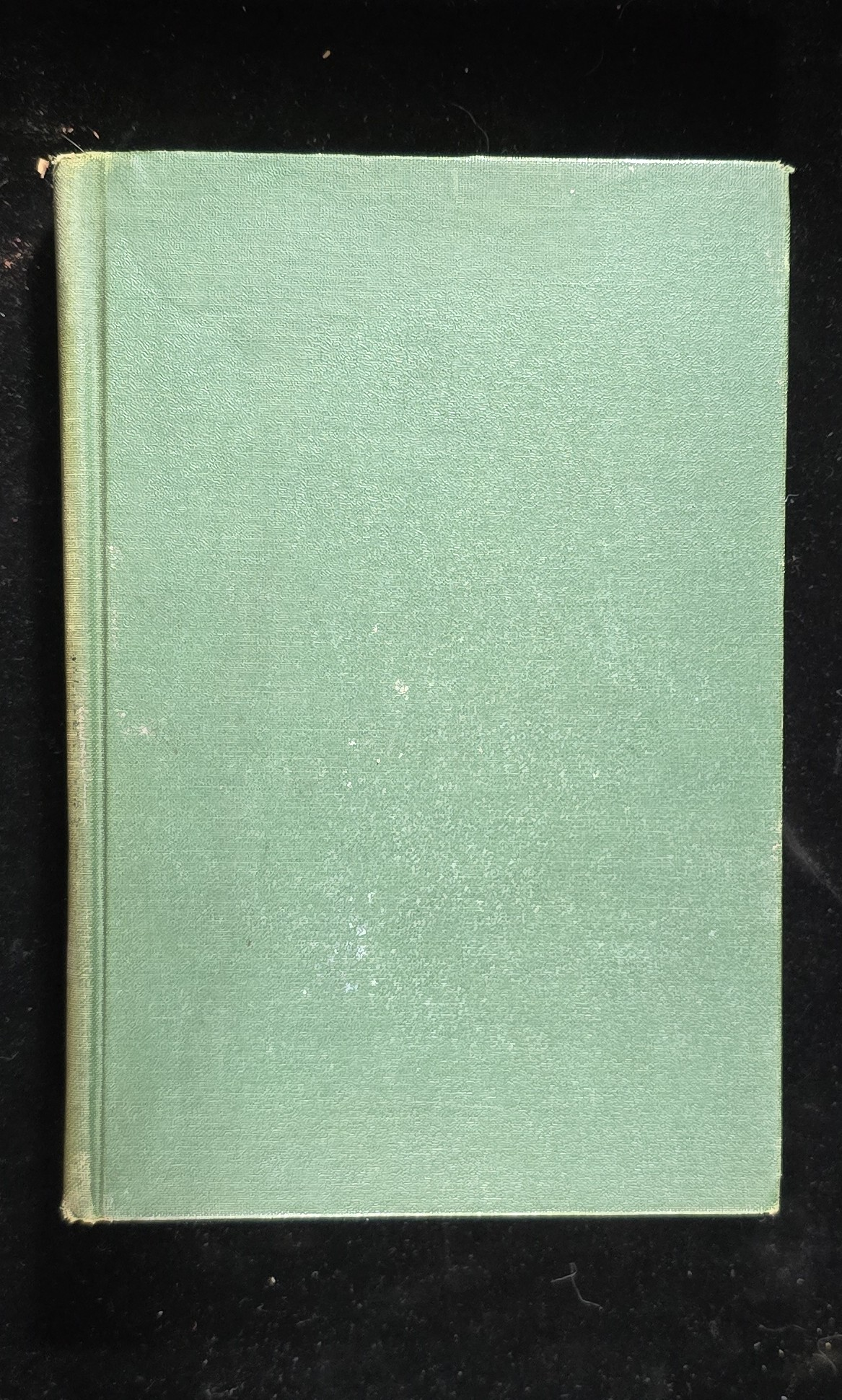
Green hardcover in good condition with moderate wear to edges and spine. Binding is intact, pages clean. Library discard stamp from Indiana University School of Medicine, dated November 19, 1993.
Gallery
Historical context
By 1944, the optical industry had made tremendous advances in both material science and lens design. The Second World War accelerated improvements in optical glass manufacturing, leading to better precision, clarity, and durability for civilian eyewear. Obrig’s work served as both a professional reference and educational text for opticians, ophthalmologists, and optical engineers. His historical chapter links modern lenses back to their medieval predecessors, reminding readers that the craft of aiding vision is centuries old.
Curious Facts, Ephemera, and Trivia
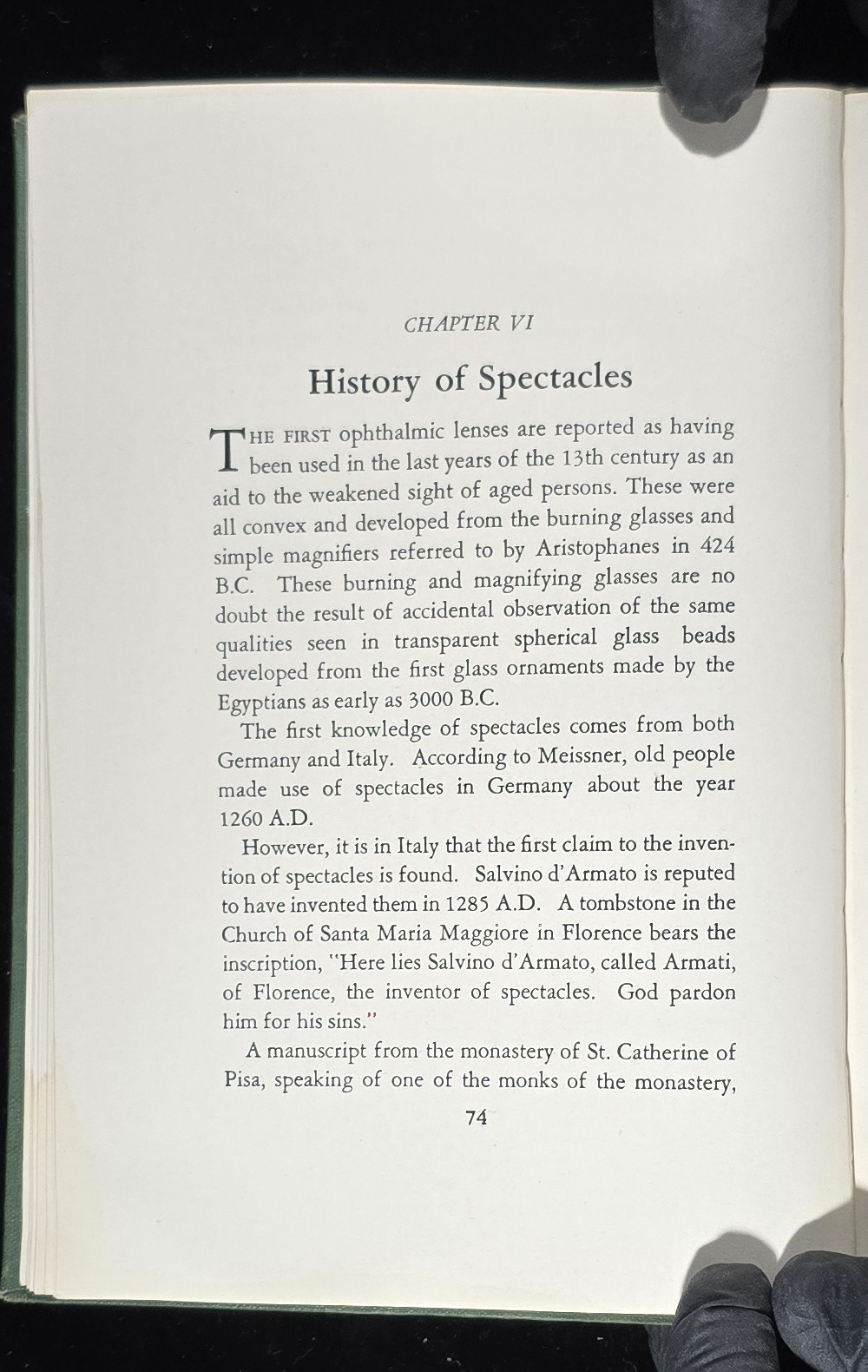
The book’s history section credits Salvino d’Armato of Florence (circa 1285) as the reputed inventor of spectacles, though this claim is debated among historians.
Mentions that the earliest magnifying devices date to ancient Egypt, where spherical glass beads may have been used as primitive lenses as early as 3000 B.C.
This copy was once part of the Indiana University School of Medicine Library before being withdrawn in 1993.
Excerpt
From Chapter VI, History of Spectacles:
“The first ophthalmic lenses are reported as having been used in the last years of the 13th century as an aid to the weakened sight of aged persons… Salvino d’Armato is reputed to have invented them in 1285 A.D.”
Why it is in the Cabinet
This book bridges the gap between ancient optical innovations and modern ophthalmic science. Its mix of historical narrative and technical expertise makes it valuable not only for its content but also as an artifact of mid-20th century medical and optical education. The historical chapter on spectacles connects this volume to centuries of human ingenuity in improving vision.
Support Dr. Bebout’s Cabinet of Medical Curiosities
If you enjoy the history, the oddities, and the effort, help keep this cabinet open. Every little bit helps preserve and share the strange wonders of medicine's past.
Buy Me a Ko-fi ☕ Buy Me a Coffee ☕ Tip via PayPal 💵