Hell on Earth: Inside Danvers State Mental Hospital
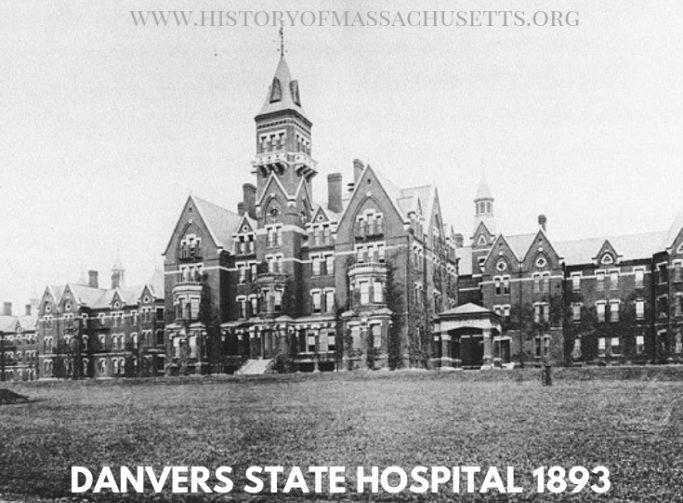
Danvers State Hospital (Kirkbride Complex), circa 1893. Public domain. Cropped for presentation.
Trigger Warning: The following contains descriptions of historical psychiatric abuse, neglect, and death that some may find disturbing.
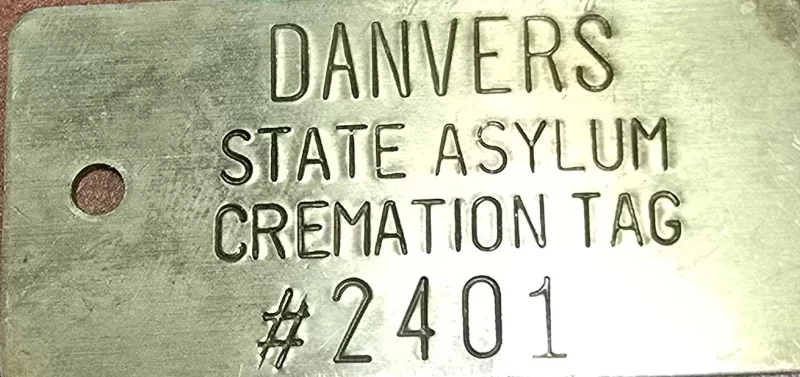
I was looking over my collection the other day when my eyes landed on two particular pieces — a recreated lobotomy kit and a replica of a brass cremation tag from Danvers State Mental Hospital. And I found myself wondering: What did the people who ended up with these in their story actually go through?

The more I thought about it, the more my imagination ran wild. Then I started digging into the history. I learned what the conditions were like, how it all spiraled out of control, what finally led to its closing, and why Danvers still stands in history as one of the worst examples of what psychiatric care used to be.
Danvers has inspired more than just nightmares. It’s said to have been the model for Arkham Asylum in the Batman series, possibly tied to H.P. Lovecraft’s asylum settings, and has been woven into books, TV, movies, even video games. Its legacy will never die. But it’s not a legacy of good—it’s a legacy of fear, neglect, and cruelty.
Danvers: Where Psychiatric Care Became a Nightmare
You want to know what a living hell looks like? Forget the devil, forget fire and brimstone. Hell is being locked in a psychiatric ward in the 1920s, 30s, or 40s with no way out. No hope, no plan, no lawyer, no family who cares enough to pull you out. Maybe you’re not as crazy as they say you are. Maybe you are. Doesn’t matter. You’re stuck.
That’s what happened to thousands at Danvers State Mental Hospital. They called it a lot of things over the years—Danvers Insane Asylum, Danvers Lunatic Asylum, the State Lunatic Hospital at Danvers. Same place, same nightmare. Built in 1874 for 500 patients, it was already a hellhole by the time the 30s rolled around. Two thousand people jammed into a building meant for a quarter of that. If you think overcrowding just means sharing a room, you’ve never seen what it does to people.
Mistreatment. Neglect. Experimentation. That’s what overcrowding brings. Straitjackets, leather restraints, locked isolation rooms. “Treatments” that were nothing more than legalized torture. Hydrotherapy—hold you in a tub of freezing water until your teeth chatter. Insulin shock—drop your blood sugar until you seize. And if none of that “worked,” they’d just take an icepick and scramble your brain. Lobotomy. Done before lunch.
The smell hits you first—disinfectant trying to cover urine, sweat, and something rotten you can’t quite place. The walls sweat in the summer, your breath fogs in the winter. Screams from down the hall don’t even register after a while. You watch the violent ones out of the corner of your eye, whether they’re patients or staff. Food is ladled onto dented trays. It’s gray. Sometimes it’s moldy. You eat it anyway.
You don’t get better here. You just get used to it—or you die. And when you die, they don’t care. Your family’s long gone. Your body gets a brass tag with a number, no name. They cremate you in the same furnace they use for trash. If your ashes aren’t claimed, you get dumped in a field at the edge of the grounds with the other forgotten ones. No marker. No date. No sign you were ever here.
That’s hell. Cold walls, locked doors, and the certainty that you’ll die here and the world won’t even blink.
Horrific treatment of so many people for so many years! We toured Evansville State Hospital during our Psych rotation. They’d moved all the crude treatment modalities in the bowels of the hospital. One particular item caught my eye..remember the huge marble water hydrotherapy appliance the man in “One Flew Over the Cuckoos Nest” threw out the window!? They had one.
Great article, Doc!