
Title
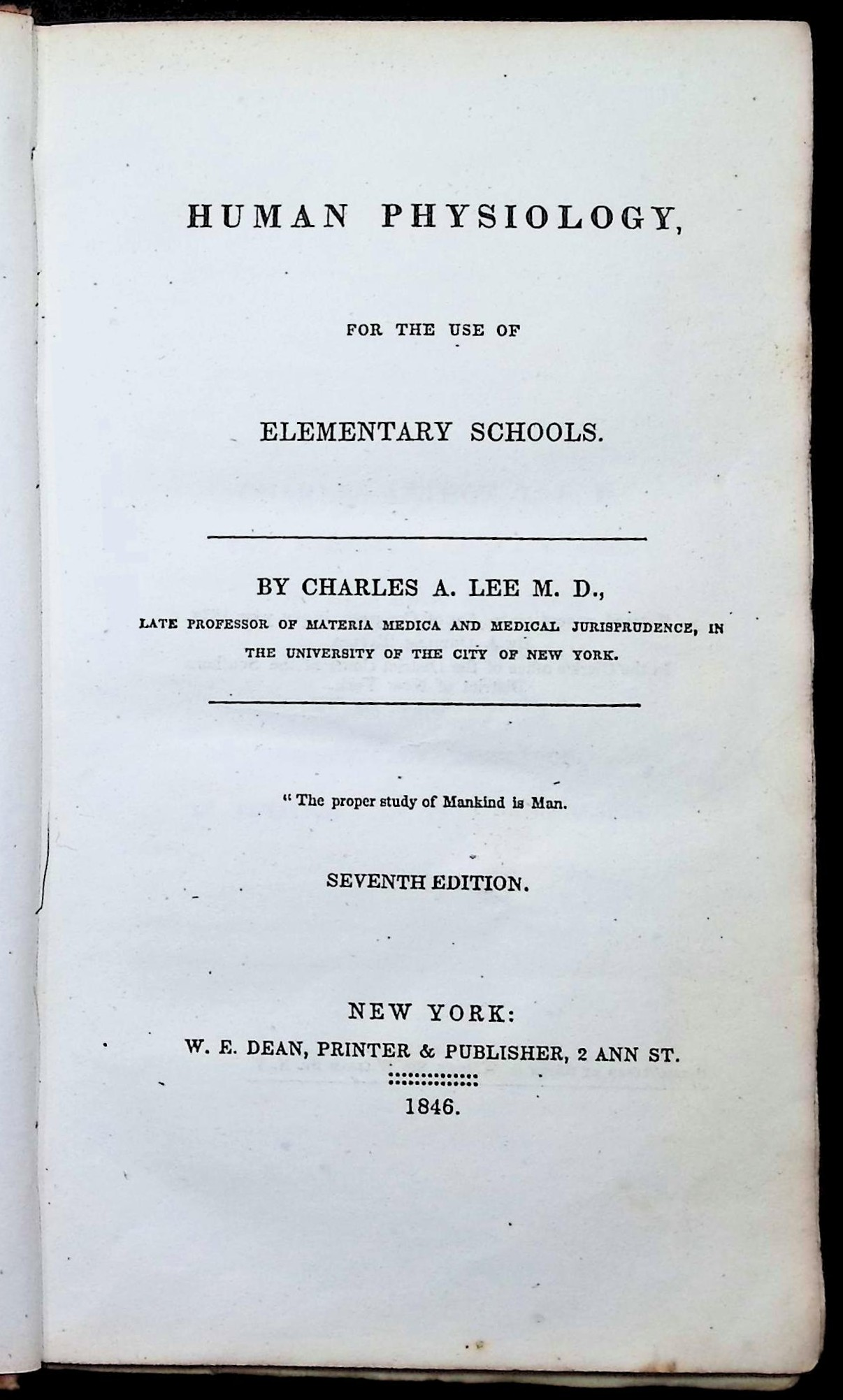
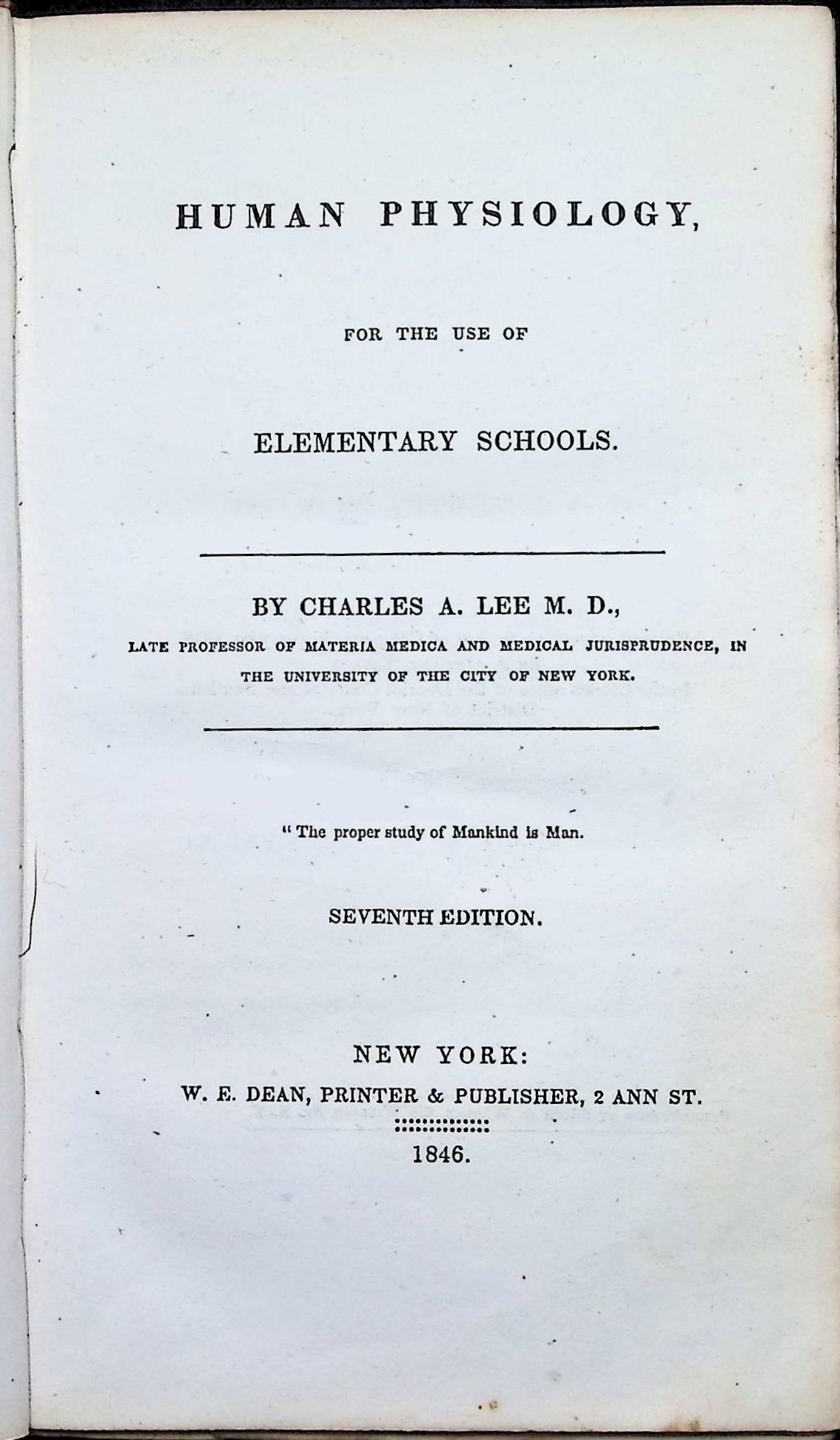
Human Physiology, for the Use of Elementary Schools
Author
Charles A. Lee, M.D.
Image
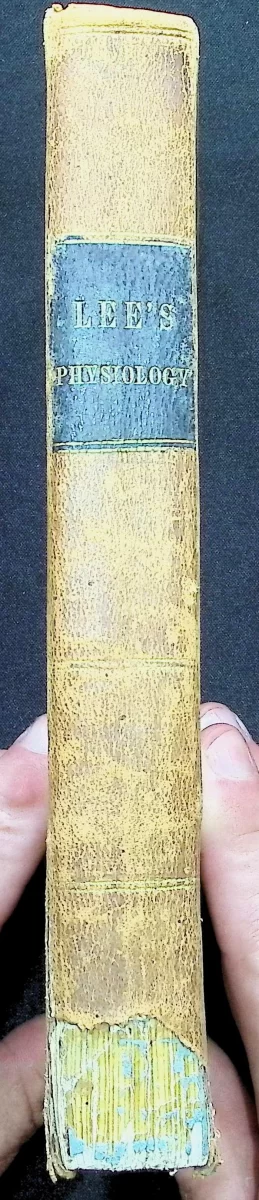
Description
Charles A. Lee’s Human Physiology was marketed as a textbook for elementary school students—but by modern standards, it reads more like an introductory college anatomy manual. Published in 1846, this is the seventh edition of a widely circulated schoolbook used in early American classrooms.
Lee, a professor of Materia Medica and Medical Jurisprudence, wrote with clarity but did not sacrifice rigor. His goal was not to dumb down science, but to elevate students’ understanding of the human body in a time when health misinformation and pseudoscience were rampant.
Condition
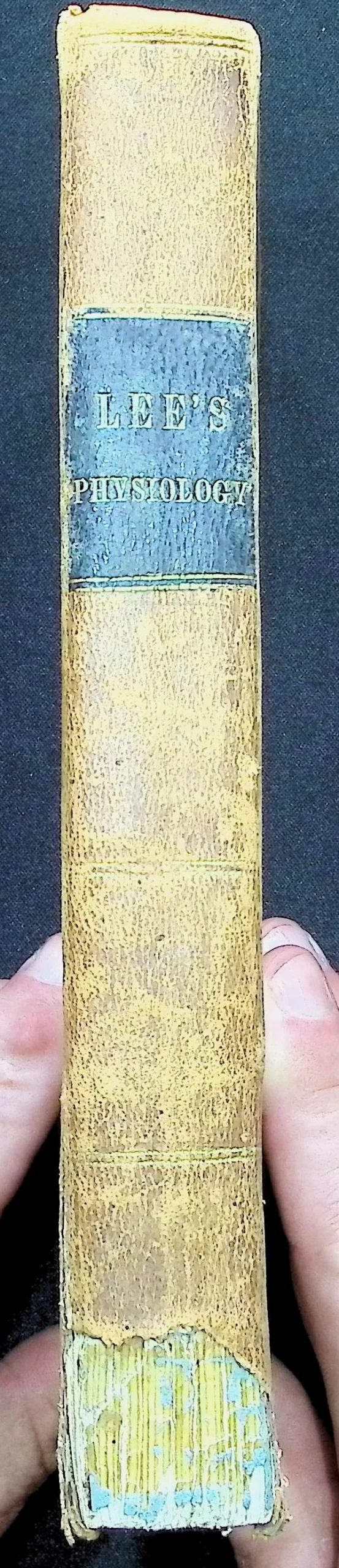
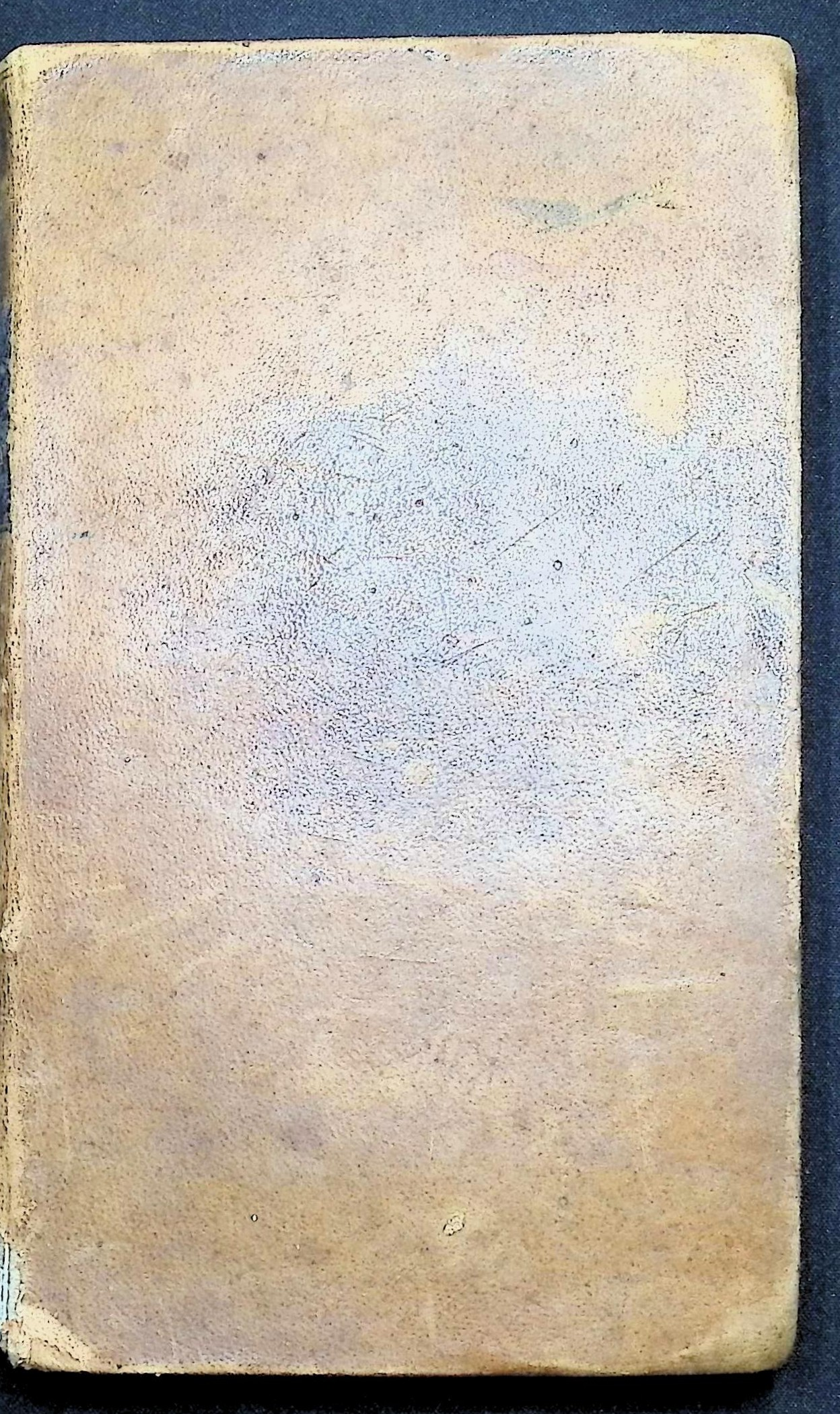
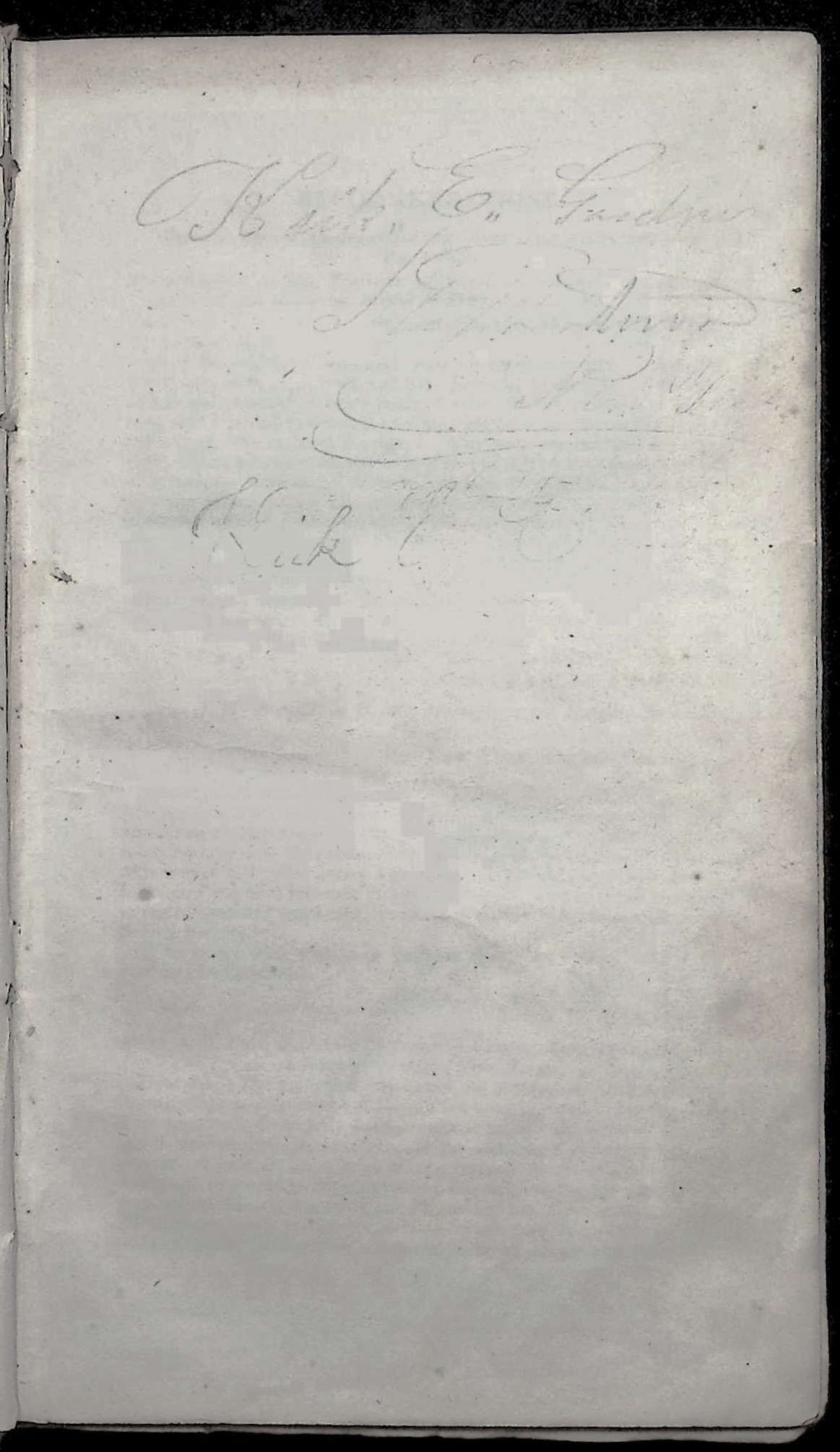
Full leather binding with raised bands and black spine label. Spine and edges show moderate wear. Colorfully marbled page edges. Internal pages are clean, legible, with mild foxing. Contains owner inscription on front flyleaf.
Gallery
Historical context
Charles A. Lee (1801–1872) was a physician, educator, and editor who taught at Geneva Medical College and the University of New York.
The publisher, W.E. Dean, specialized in academic texts, distributing them widely across the northeastern U.S.
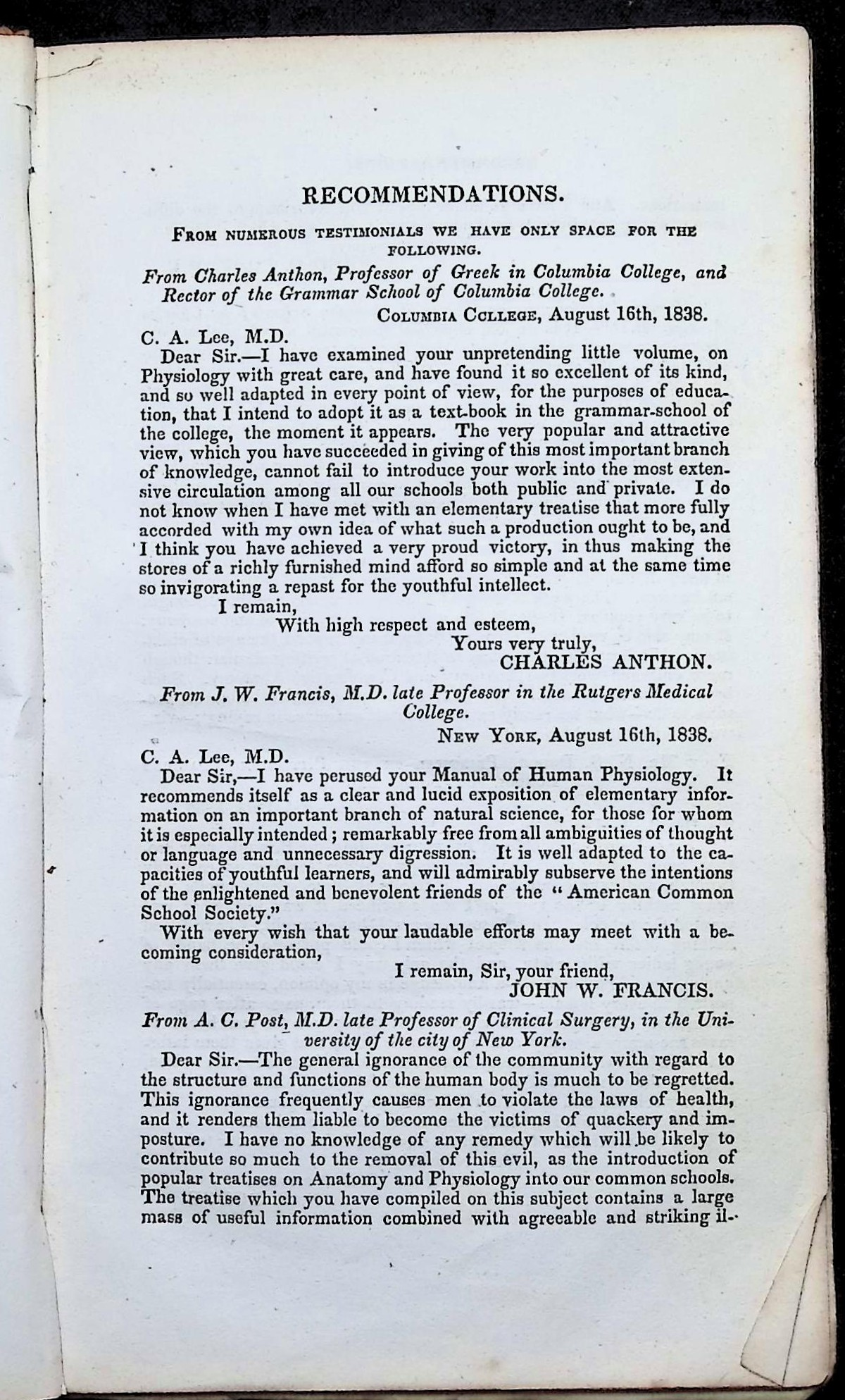
The 1846 edition includes strong endorsements from academic leaders, including Charles Anthon and John W. Francis, attesting to its scholarly value in both grammar schools and medical institutions.
Curious Facts, Ephemera, and Trivia
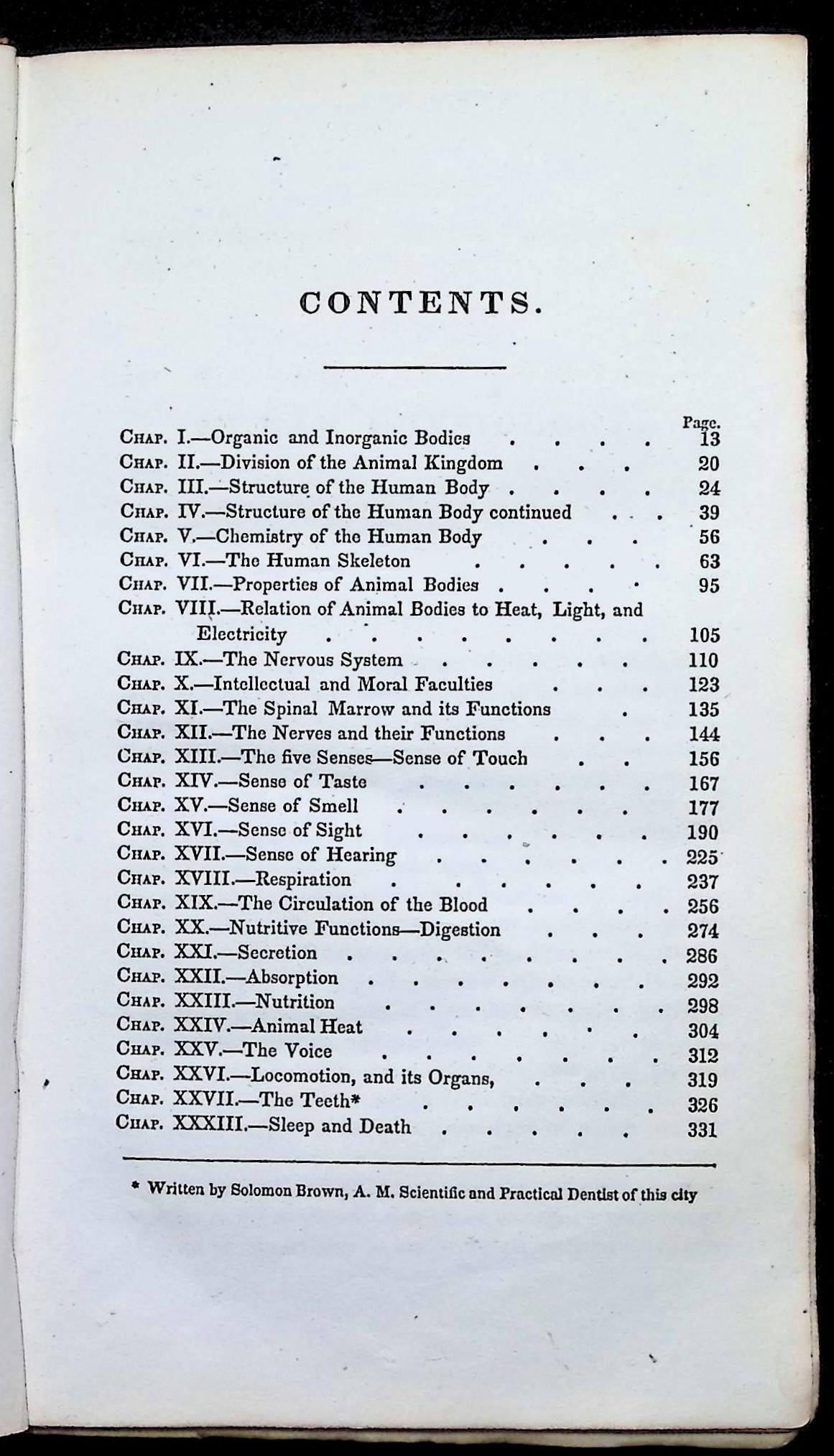
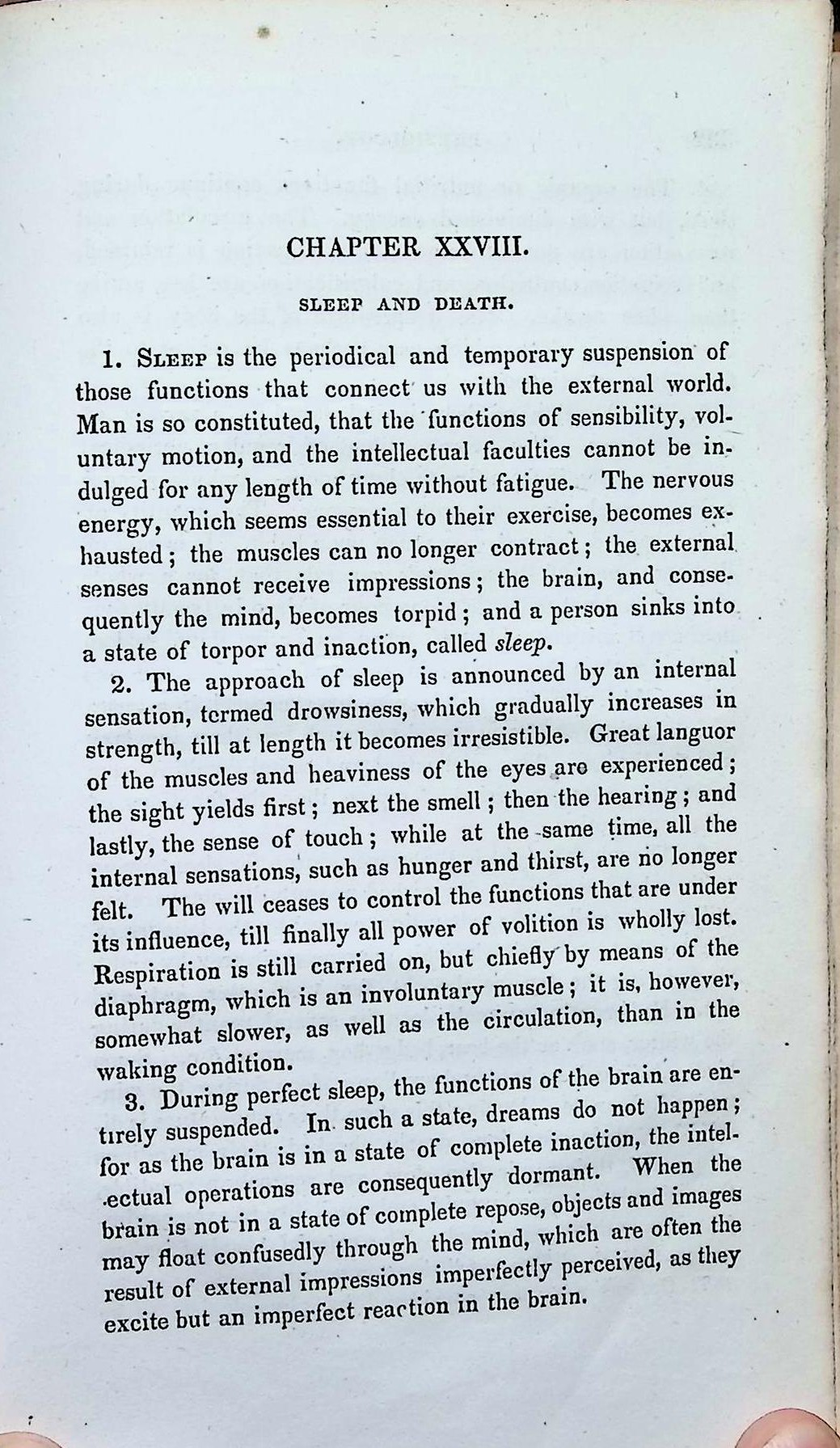
The table of contents includes chapters on The Voice, Sleep and Death, Moral Faculties, and The Five Senses—treating each with structured scientific discussion.
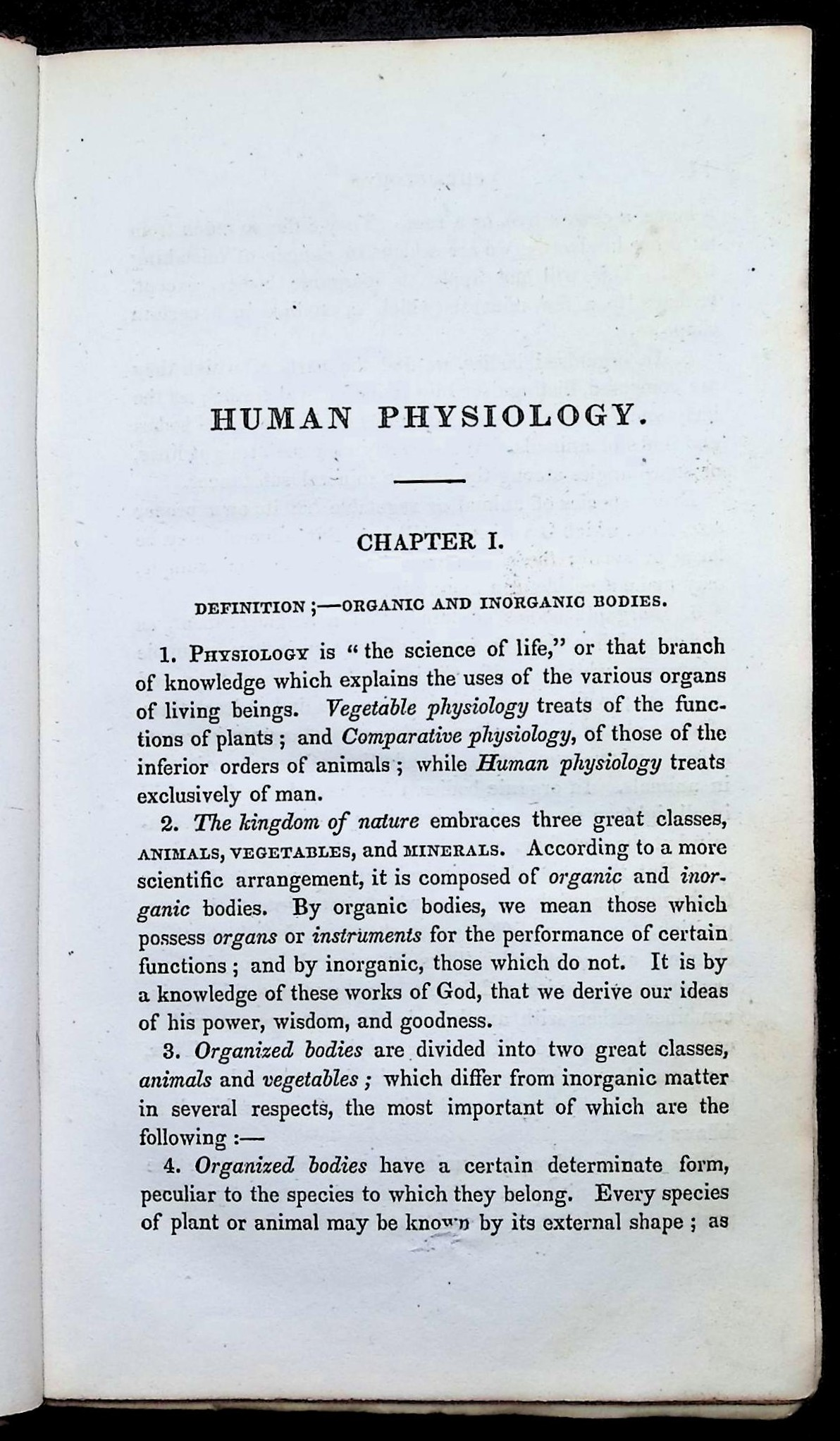
Chapter I directly cites “the works of God” in explaining physiological knowledge, showing the blend of theology and science in educational texts of the period.
The section on teeth was contributed by Solomon Brown, one of the earliest African-American scientific contributors in U.S. print history, listed here as an “A.M., Scientific and Practical Dentist.”
Excerpt
“Physiology is ‘the science of life,’ or that branch of knowledge which explains the uses of the various organs of living beings… It is by a knowledge of these works of God that we derive our ideas of his power, wisdom, and goodness.”
(Chapter I: Organic and Inorganic Bodies)
Why it is in the Cabinet
This book is a prime example of 19th-century American medical pedagogy, where children were taught anatomy, neurology, and circulatory science in astonishing depth. It represents the intersection of public education and early medical literacy, and it underscores how standards for educational materials have shifted over time.
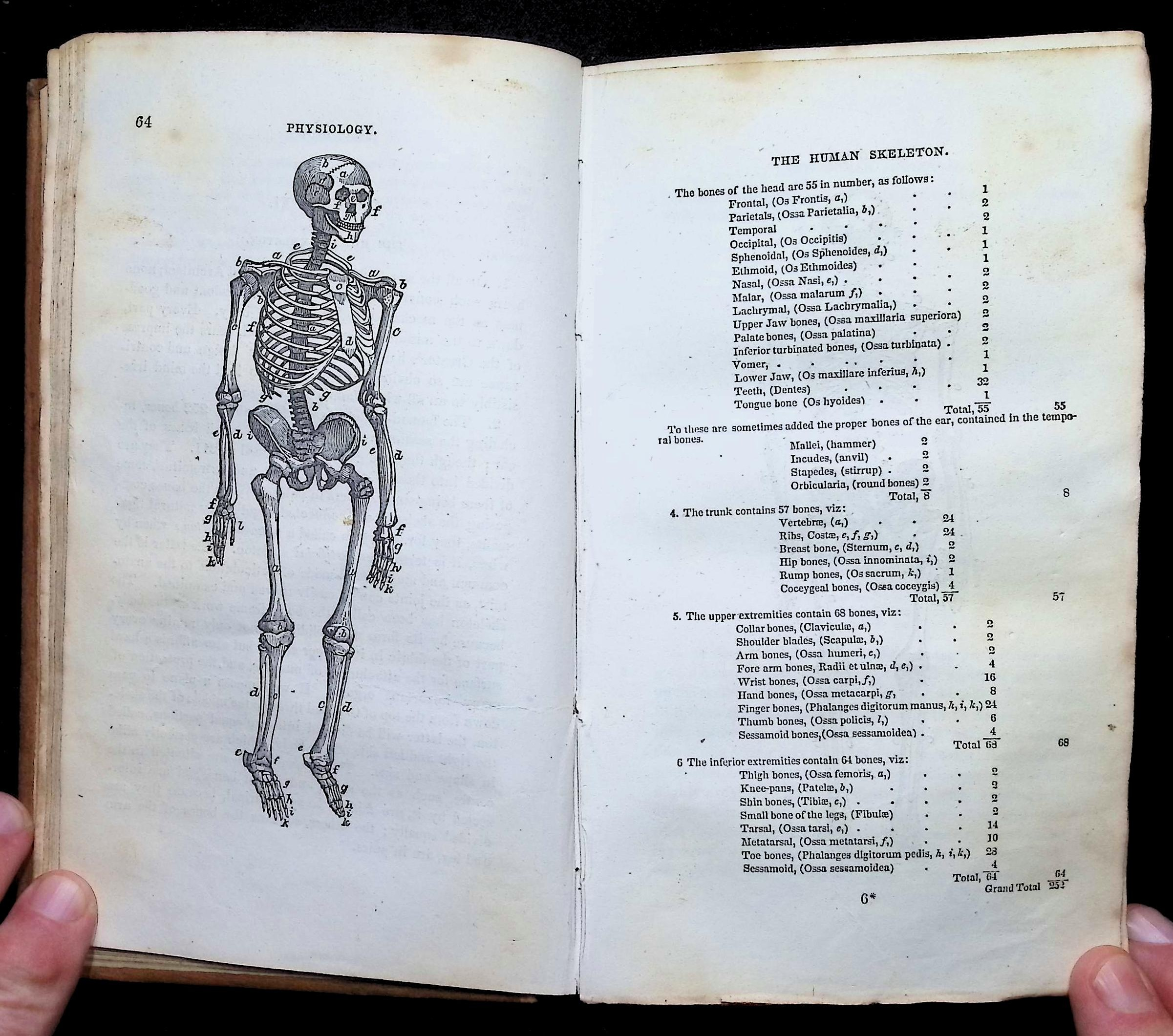
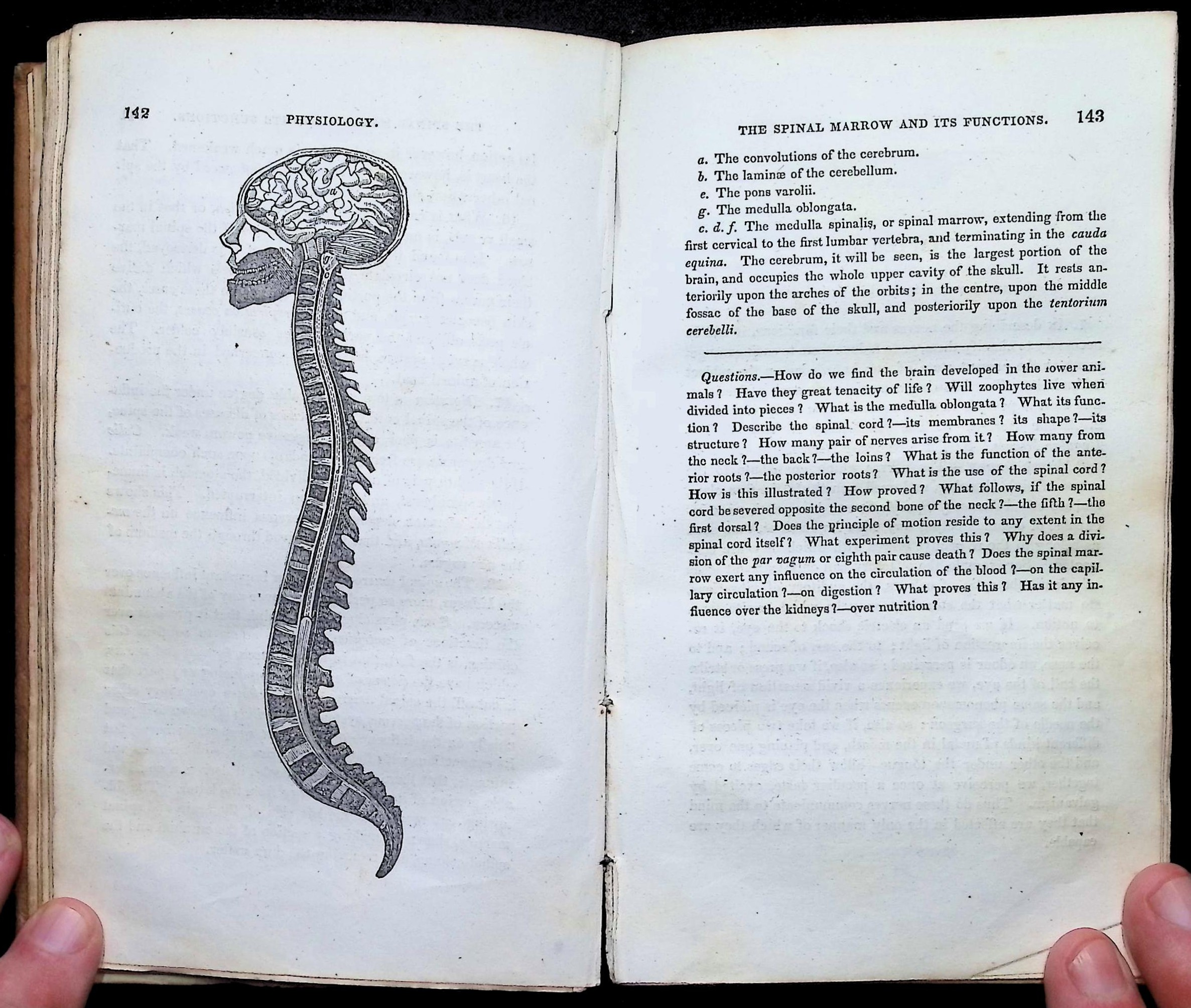
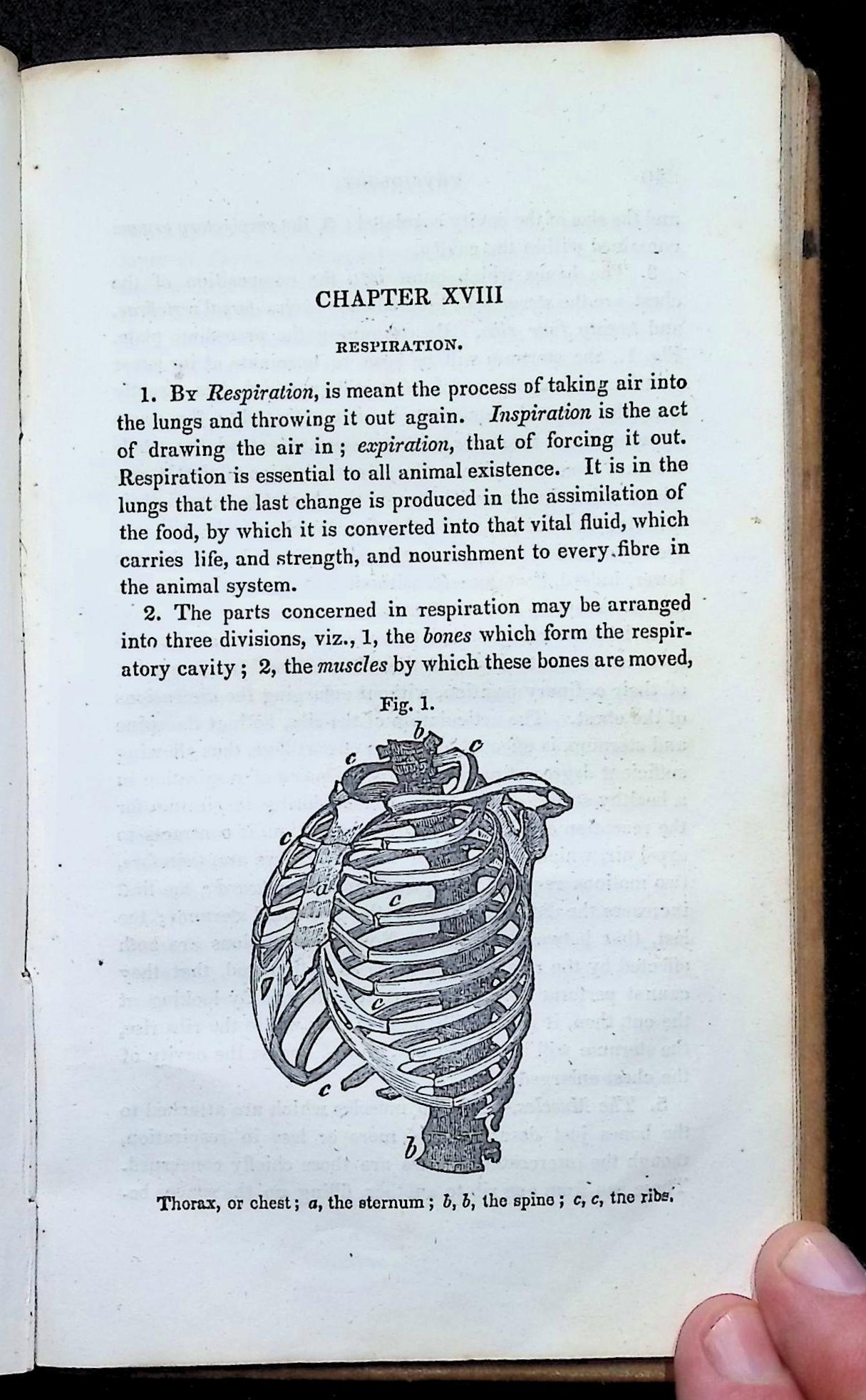
Even the illustrations—skeletal diagrams and central nervous system structures—are accurate, concise, and bold in execution.
Support Dr. Bebout’s Cabinet of Medical Curiosities
If you enjoy the history, the oddities, and the effort, help keep this cabinet open. Every little bit helps preserve and share the strange wonders of medicine's past.
Buy Me a Ko-fi ☕ Buy Me a Coffee ☕ Tip via PayPal 💵