
Title
Hemacytol – A Reconstructive and Protoplasmic Regenerator of the Nerve Tissues
Author
Lambert & Lowman, Manufacturing Chemists
Detroit, Michigan
Image
Description
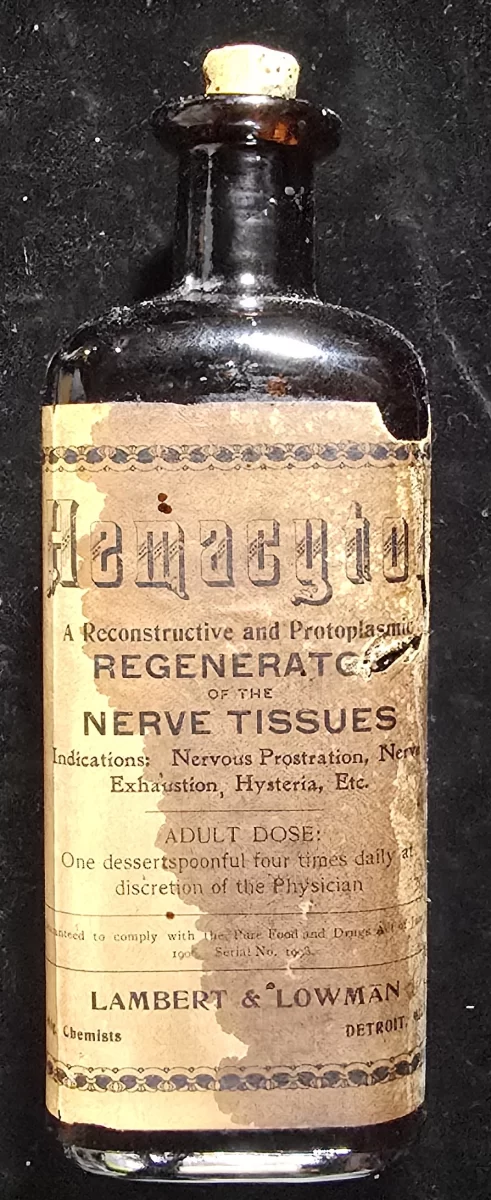
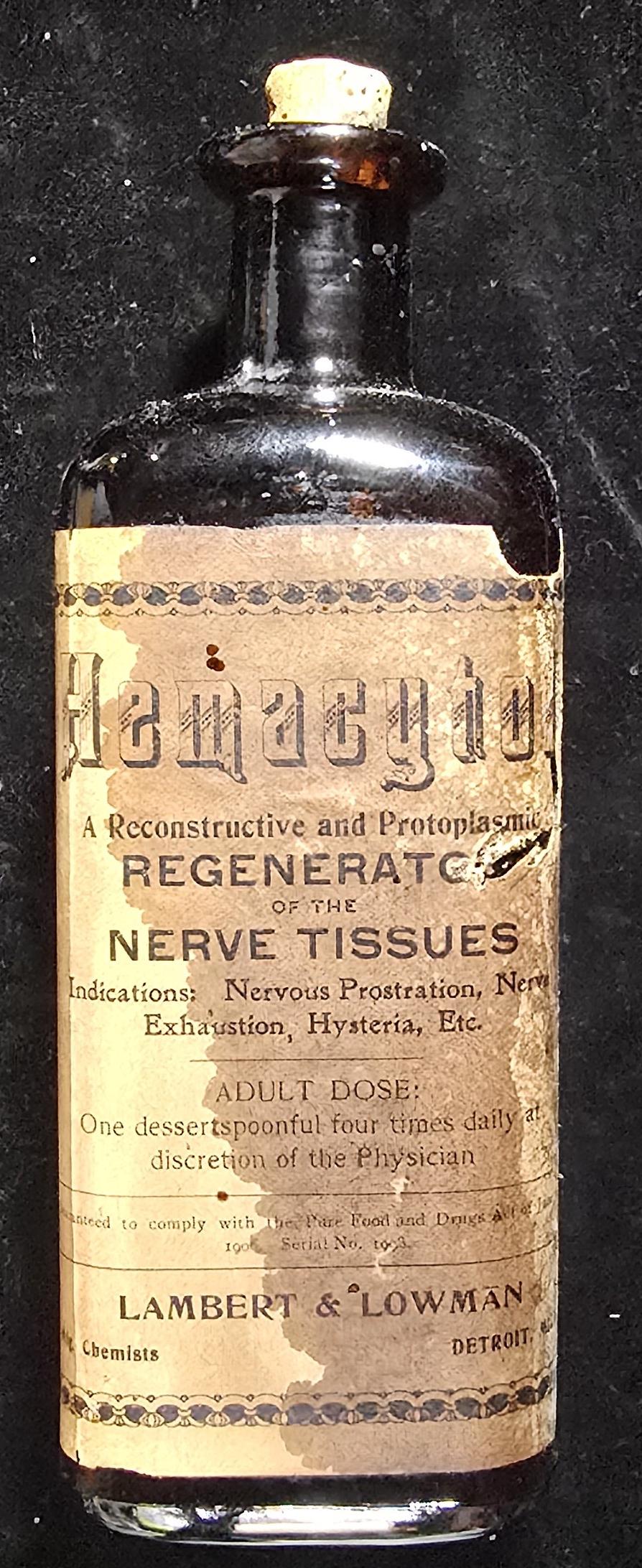
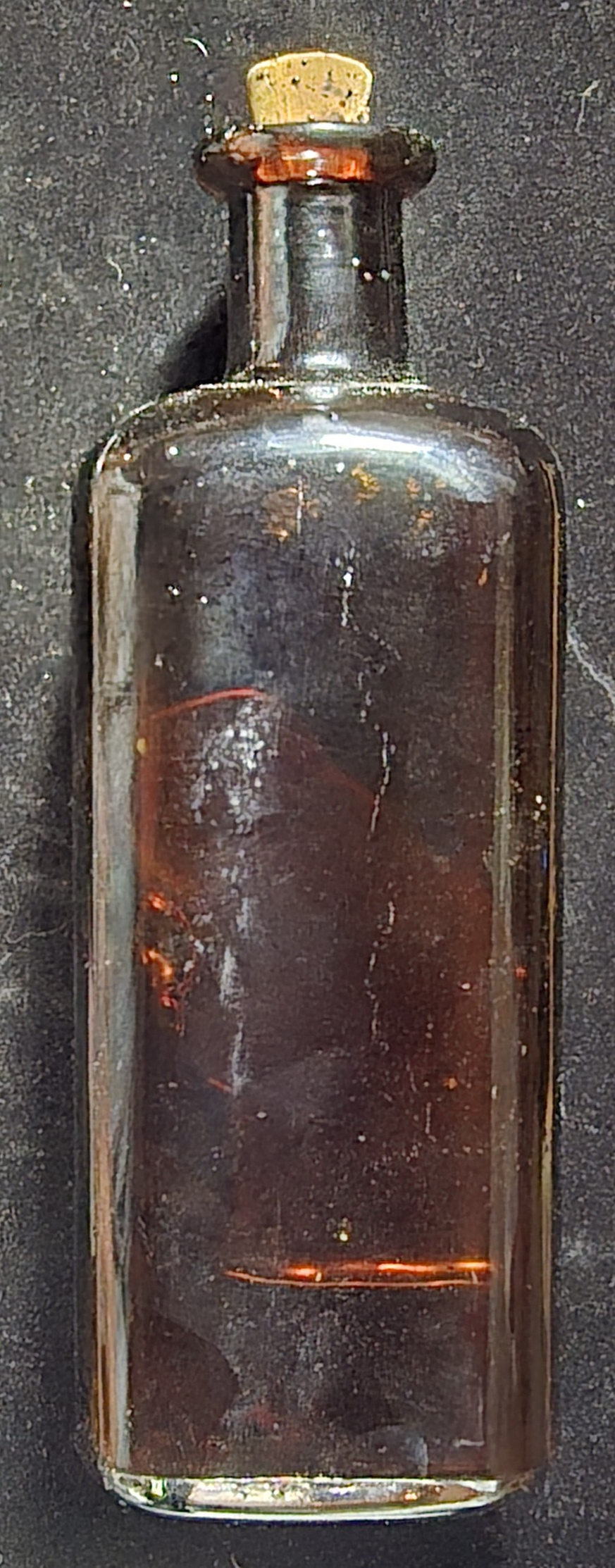
Hemacytol was a turn-of-the-century nerve tonic produced by Lambert & Lowman, a Detroit-based pharmaceutical firm. Labeled as a “Reconstructive and Protoplasmic Regenerator of the Nerve Tissues,” it was marketed for nervous exhaustion, hysteria, and general debility—broad and vague diagnoses common in early 20th-century medicine.
This bottle, made of amber glass and sealed with a cork, still bears its original paper label with elegant blackletter branding. The label includes instructions for use (“one dessertspoonful four times daily”) and notes that the product complies with the 1906 Pure Food and Drugs Act—which helps date it to approximately 1907–1920.
Though no ingredient list is provided, tonics like this often contained alcohol, bromides, or other sedatives. The name “Hemacytol” itself likely draws from the word cytoplasm, a pseudo-scientific flourish meant to imply cellular healing or blood rejuvenation.
Condition
Amber glass in excellent condition
Original cork stopper present
Label shows browning, fading, and water damage, but most of the text remains legible
Decorative border and typography intact on front-facing panel
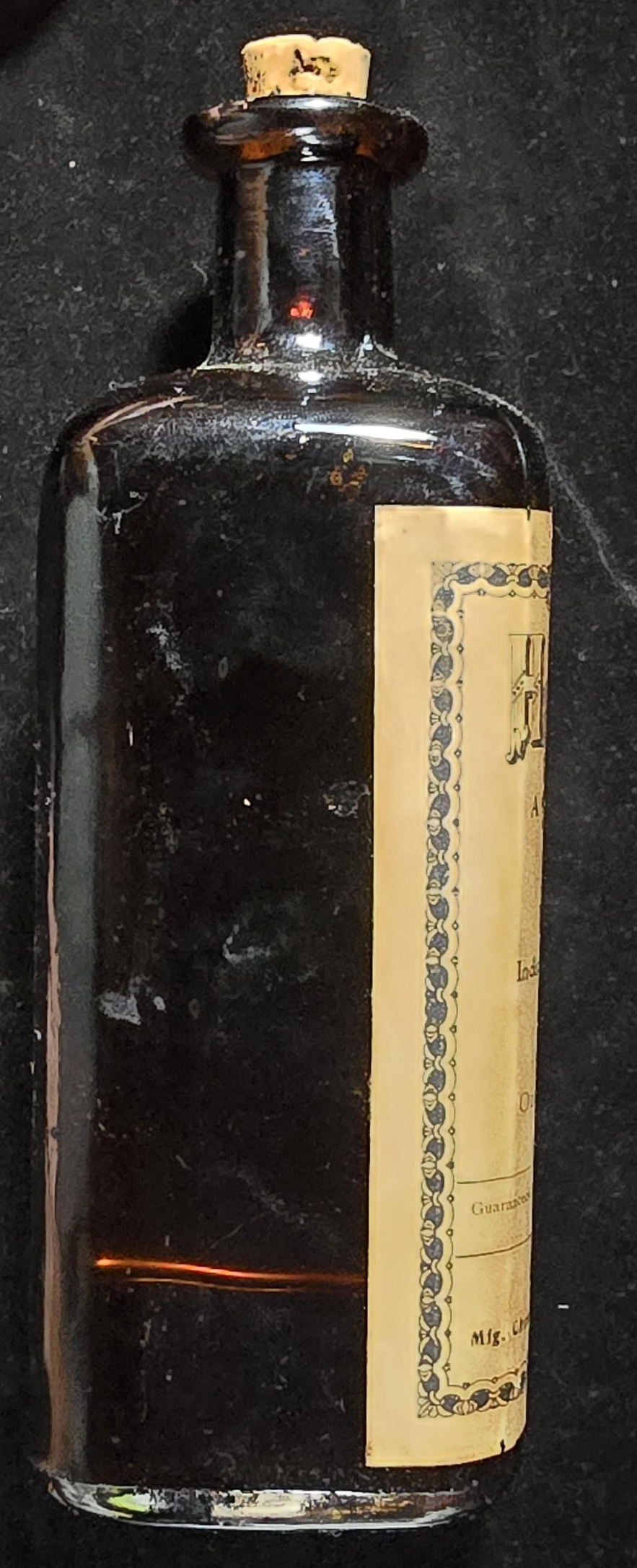
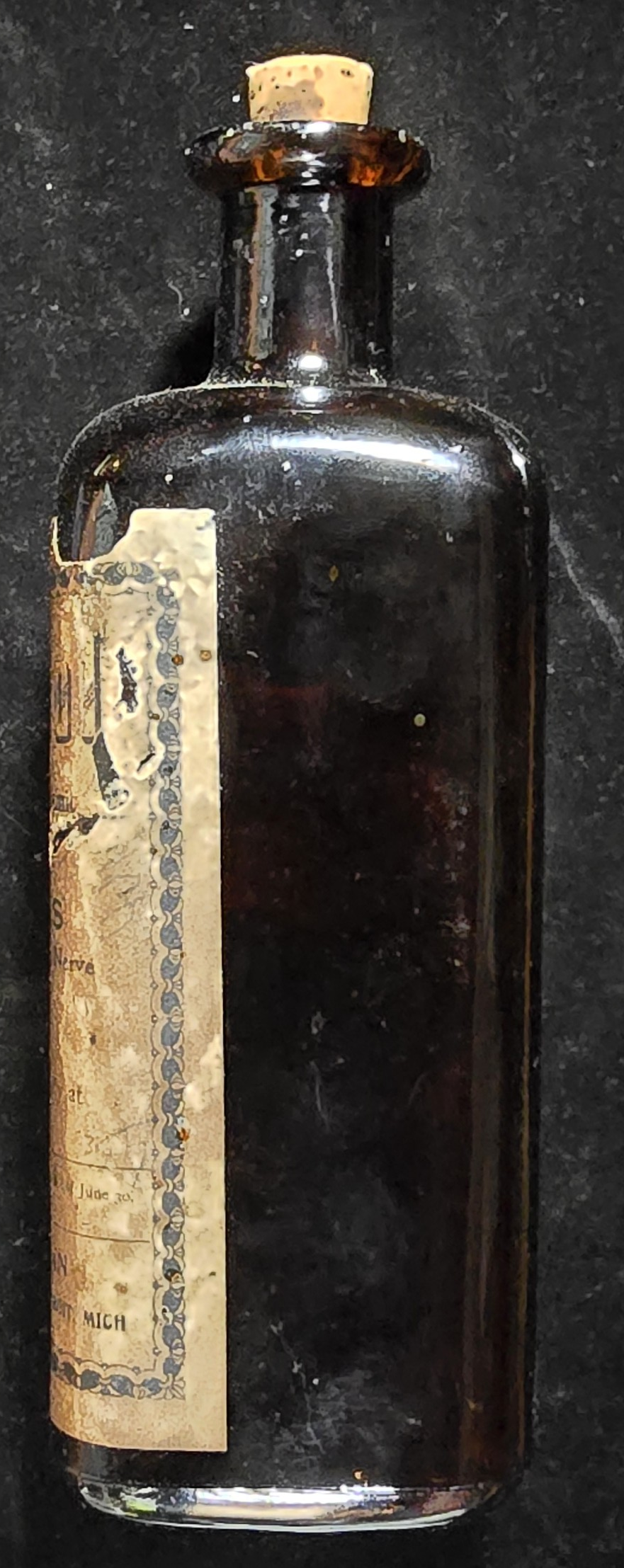
No embossing on bottle; smooth glass on all sides
Gallery
Historical context
At the time Hemacytol was produced, the term “nervous prostration” was a catch-all for fatigue, anxiety, depression, and any number of undefined complaints—particularly in women. “Hysteria,” though falling out of scientific favor, remained a fashionable diagnosis into the 1920s. Products like Hemacytol promised to calm the nerves and restore vitality through unverified but impressive-sounding biological effects.
Detroit, home to Lambert & Lowman, was a hub of pharmaceutical manufacturing in the early 1900s. Dozens of small chemist firms competed with national brands, offering over-the-counter elixirs with potent or dubious contents. Hemacytol’s marketing reflects this era’s blend of biological buzzwords and suggestive, reassuring promises.
Curious Facts, Ephemera, and Trivia
“Protoplasmic regenerator” is not a medically recognized term—then or now—but was commonly used to imply deep cellular healing.
“Hemacytol” appears to be a coined word, combining “hema-” (blood) and “-cytol” (cellular), despite no evidence it actually affected either.
The product’s stated compliance with the 1906 Pure Food and Drugs Act helps date the bottle with precision: it was likely made after 1907 but before widespread labeling laws of the 1930s.
No known surviving advertisements or registries list Hemacytol, making this bottle a rare surviving example of regional medical branding.
Excerpt
“Indications: Nervous Prostration, Nervous Exhaustion, Hysteria, Etc.”
“A Reconstructive and Protoplasmic Regenerator of the Nerve Tissues”
“Dose—One dessertspoonful four times daily.”
Why it is in the Cabinet
Hemacytol is an ideal example of early 20th-century nerve tonics—marketed with flowery language, vague indications, and a complete lack of ingredient transparency. It reflects the desperation and hope that often intersected in pre-regulation pharmaceutical care. Its ornate label, obscure brand name, and preserved bottle make it a visual and historical standout in the Cabinet.
Support Dr. Bebout’s Cabinet of Medical Curiosities
If you enjoy the history, the oddities, and the effort, help keep this cabinet open. Every little bit helps preserve and share the strange wonders of medicine's past.
Buy Me a Ko-fi ☕ Buy Me a Coffee ☕ Tip via PayPal 💵