
Title
The Principles and Practice of Gynecology for Students and Practitioners
Author
E. C. Dudley, A.M., M.D.
Image
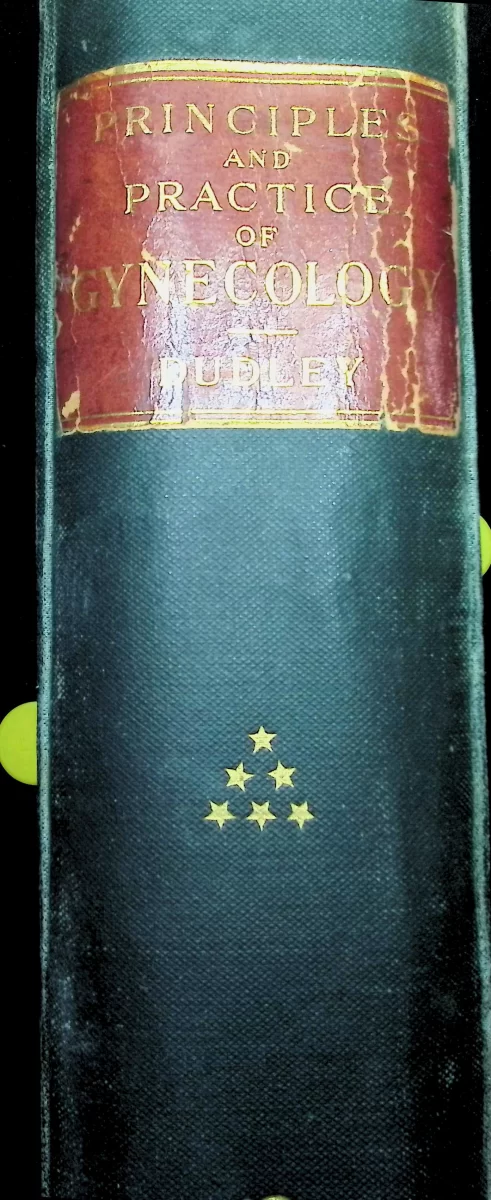
Description
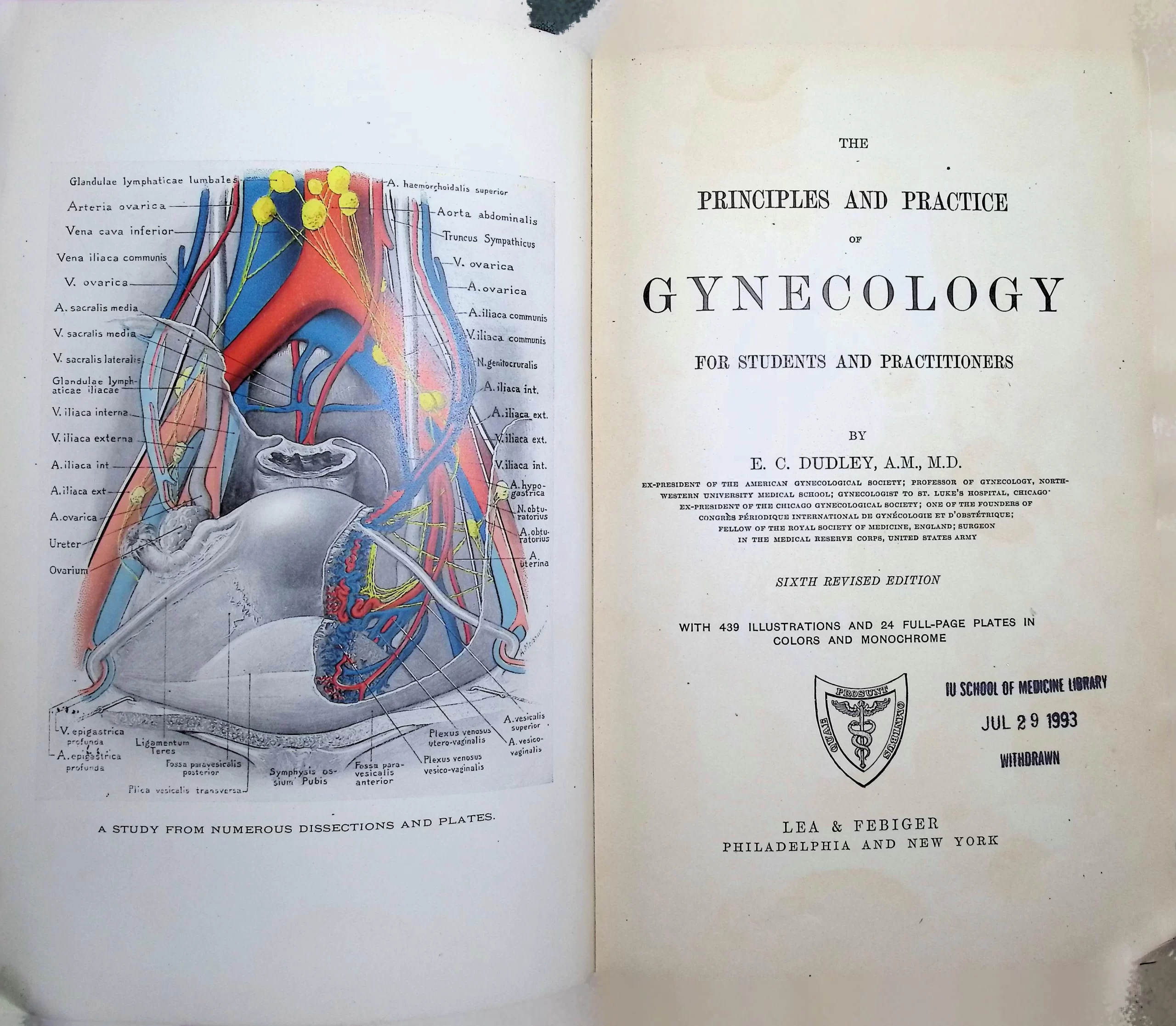
This sixth revised edition of The Principles and Practice of Gynecology, authored by Dr. E.C. Dudley and published by Lea & Febiger, represents one of the definitive surgical gynecology textbooks of the early 20th century. The volume spans nearly 800 pages and includes 439 illustrations—24 of them full-page plates, some in color—documenting pathology, surgical procedures, and gynecologic instruments in extraordinary detail.
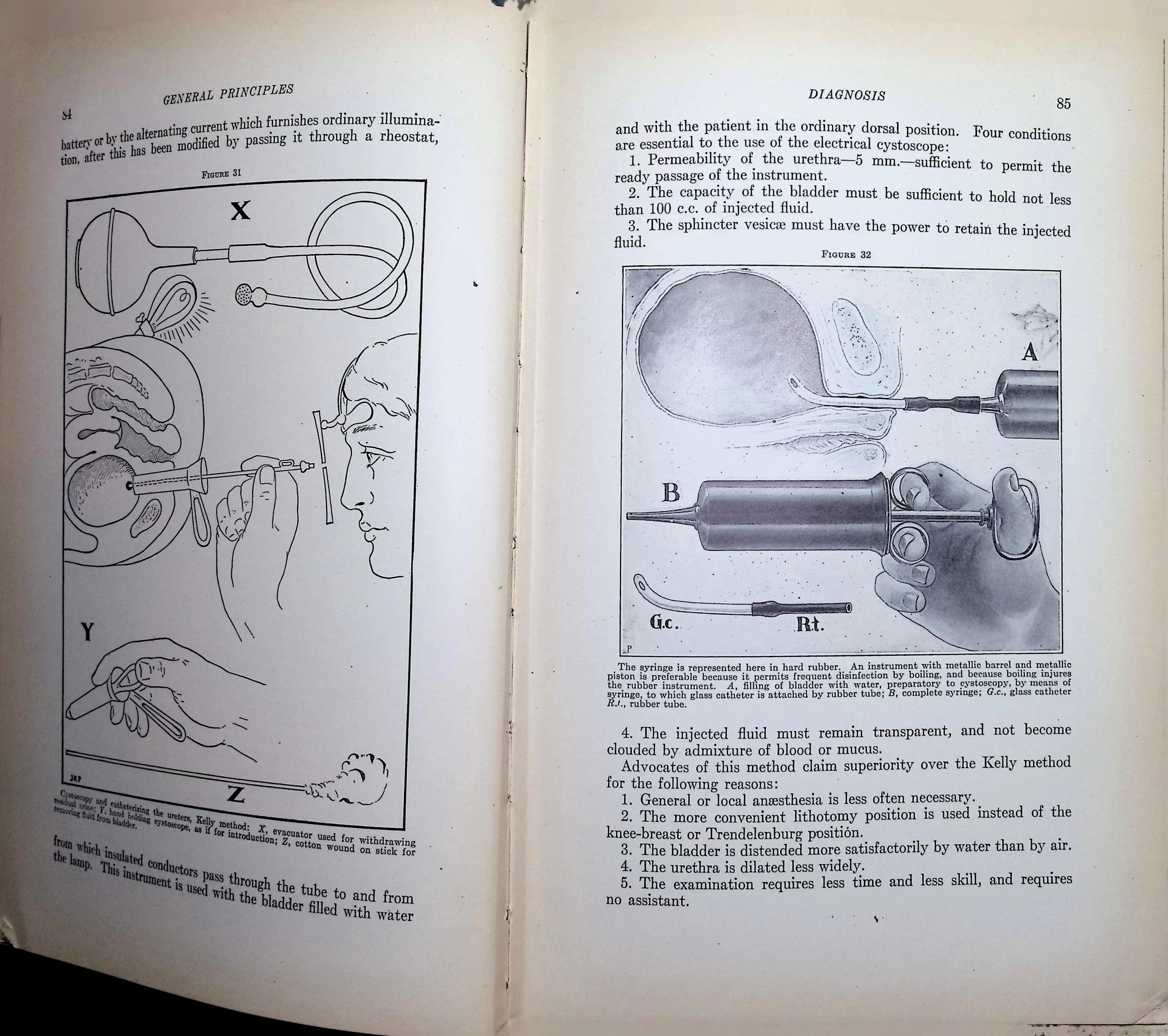
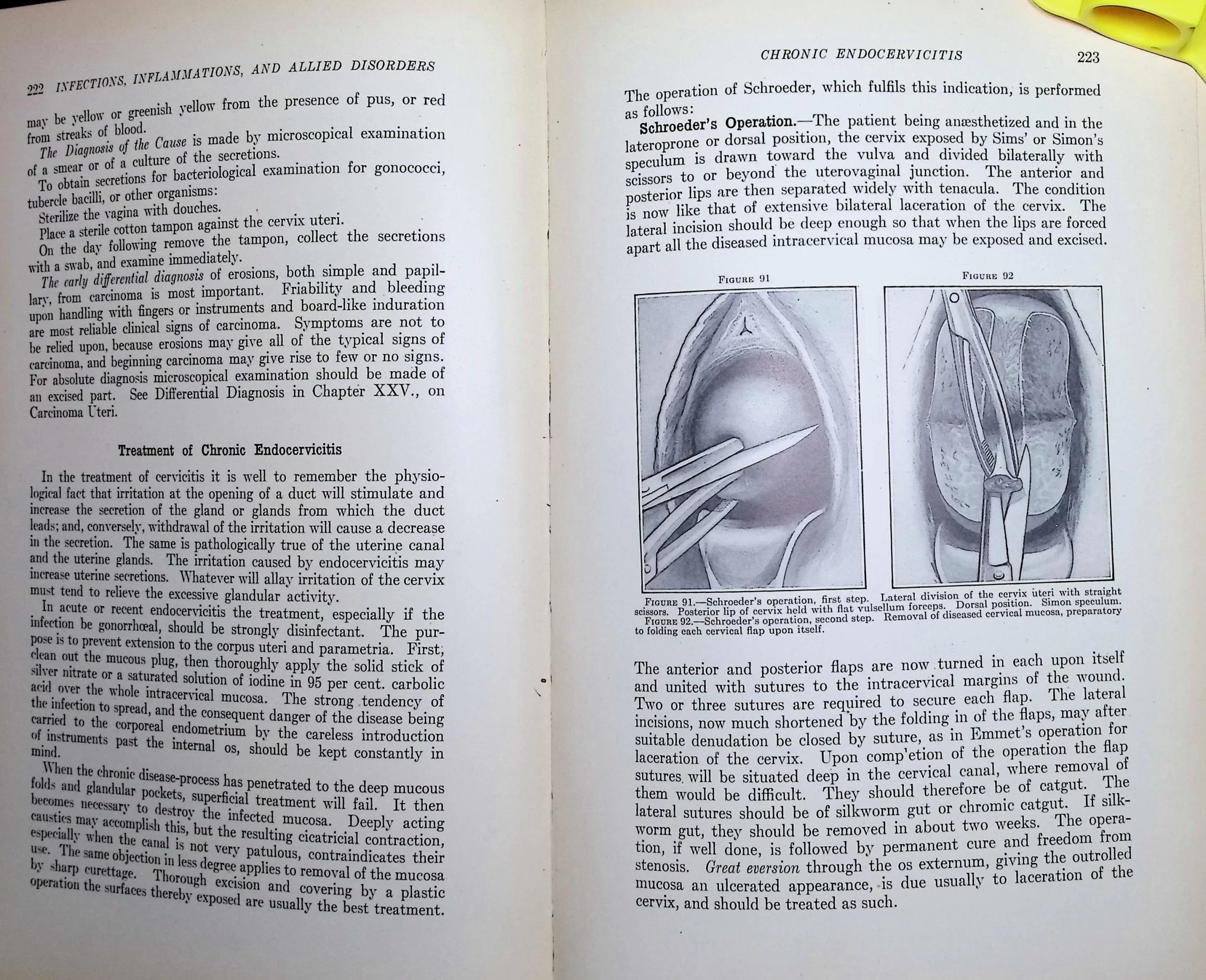
Withdrawn from the Indiana University School of Medicine Library in 1993, this copy retains academic provenance and shows signs of steady institutional use. Dudley’s approach to women’s health was rooted in anatomical precision and early adoption of surgical techniques. The work discusses uterine displacements, chronic endocervicitis, fibroids, retroversion, and the use of electrical cystoscopes.
Condition
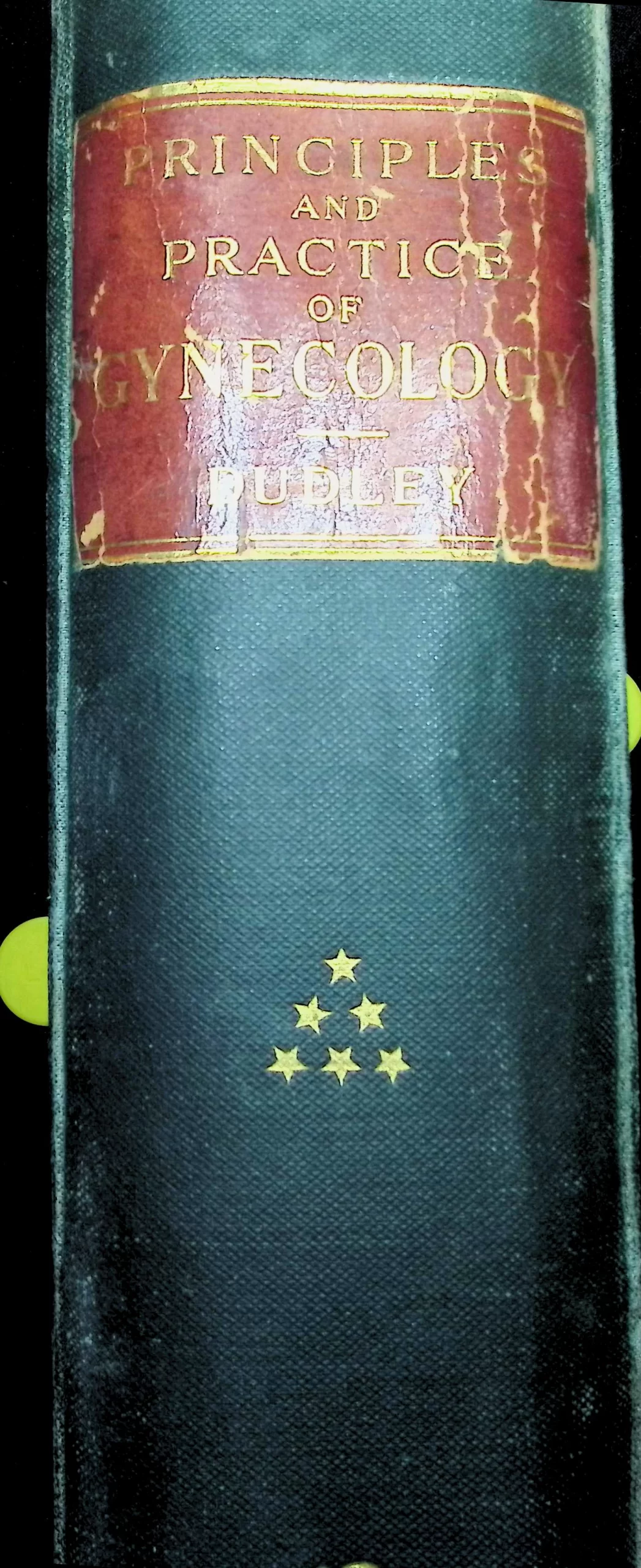
Green cloth boards with red leather spine label, gold gilt lettering mostly intact
Cover edgewear and age-related shelf fading present
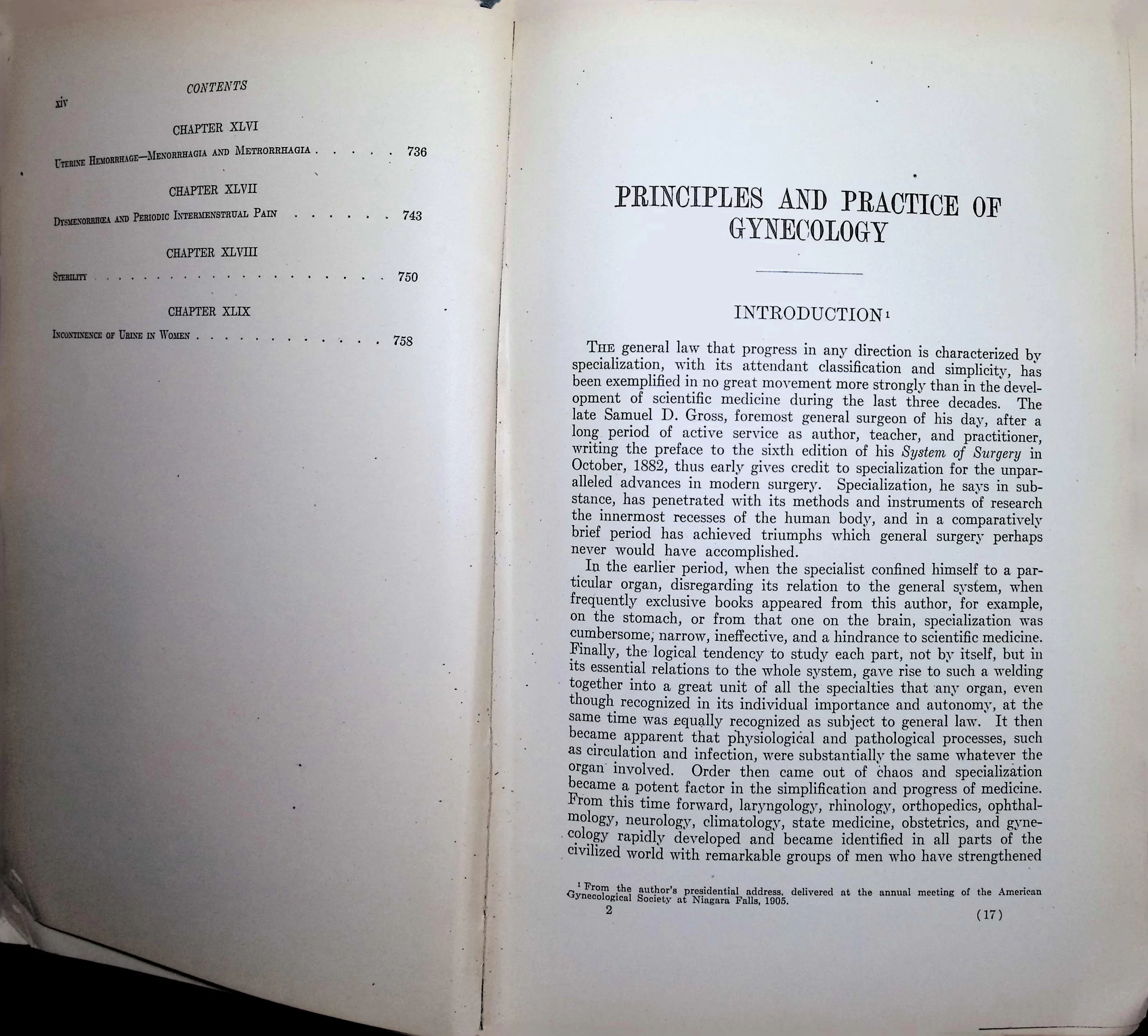
Pages lightly toned, structurally sound
All illustrations and color plates present
IU School of Medicine Library stamps and withdrawal notice (1993)
Gallery

Historical context
Dr. Edward C. Dudley (1850–1922) was a professor of gynecology at Northwestern and a leading figure in formalizing surgical gynecology as a medical discipline. His work bridged an era when women’s health care began shifting from home remedies to surgical hospital care. Dudley championed antiseptic techniques and developed detailed approaches to diagnosing and correcting uterine abnormalities.
Curious Facts, Ephemera, and Trivia
The textbook includes an early diagram of the electrical cystoscope, shown with a lightbulb filament and hand grip.
Several illustrations were hand-colored lithographs, not photographic plates.
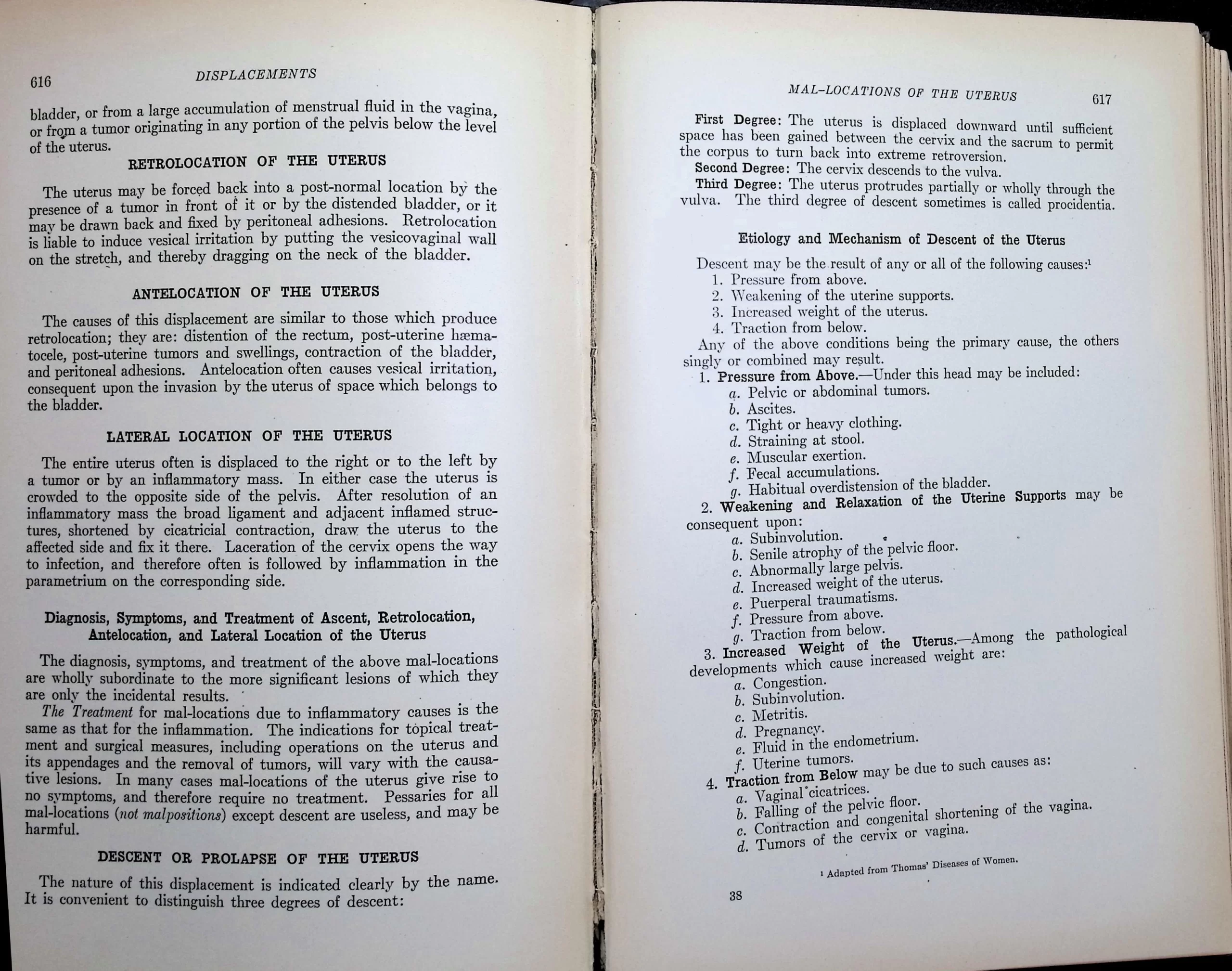
Chapter discussions on habitual bladder overdistension and tight corsets reflect outdated but common etiologies of the time.
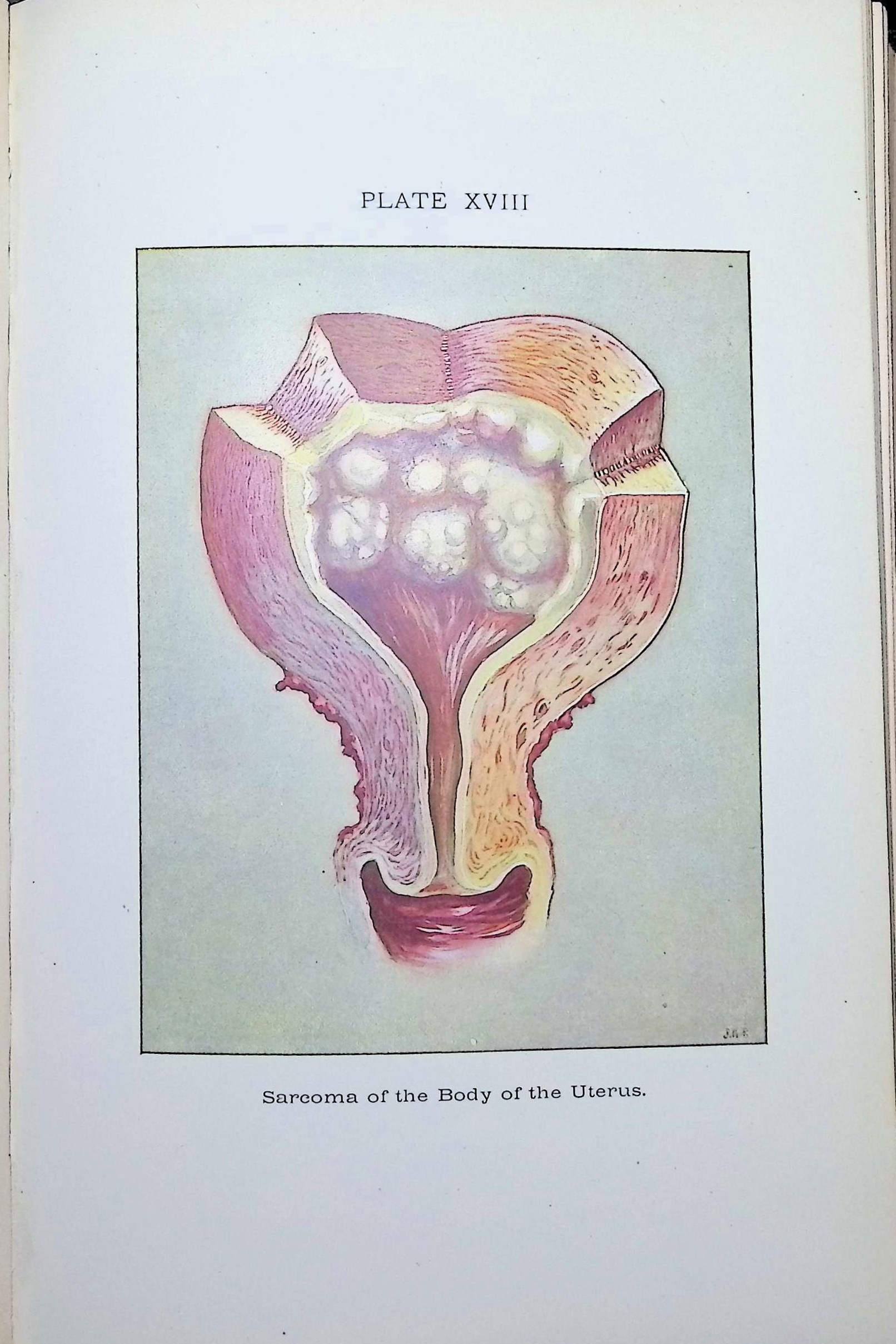
Figure 178 offers a vivid depiction of sarcoma of the uterus, with detailed tissue morphology.
The text references the conservative use of curettage, long before hysteroscopic visualization became standard.
Excerpt
“Retroversion is liable to induce vesical irritation by putting the vesicovaginal wall on the stretch, and thereby dragging on the neck of the bladder… even when the displacement is slight.”
— The Principles and Practice of Gynecology, Ch. XXIV
Why it is in the Cabinet
This book represents a turning point in women’s health care—when gynecology became surgical, anatomical, and institutionalized. With its hand-colored plates, elaborate instrument diagrams, and deeply embedded cultural assumptions, it’s not just a medical manual—it’s a snapshot of how the field once viewed the female body.
Support Dr. Bebout’s Cabinet of Medical Curiosities
If you enjoy the history, the oddities, and the effort, help keep this cabinet open. Every little bit helps preserve and share the strange wonders of medicine's past.
Buy Me a Ko-fi ☕ Buy Me a Coffee ☕ Tip via PayPal 💵