
Title
Chemical and Microscopical Diagnosis
Author
Francis Carter Wood, M.D.
Image
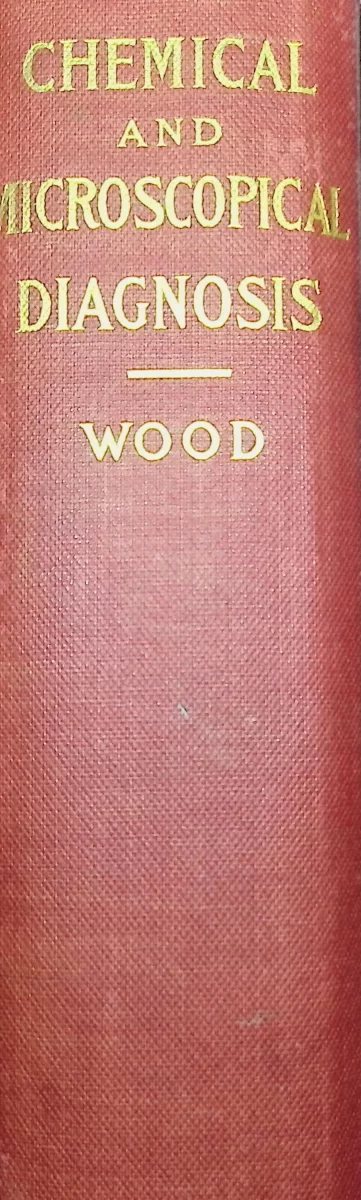
Description
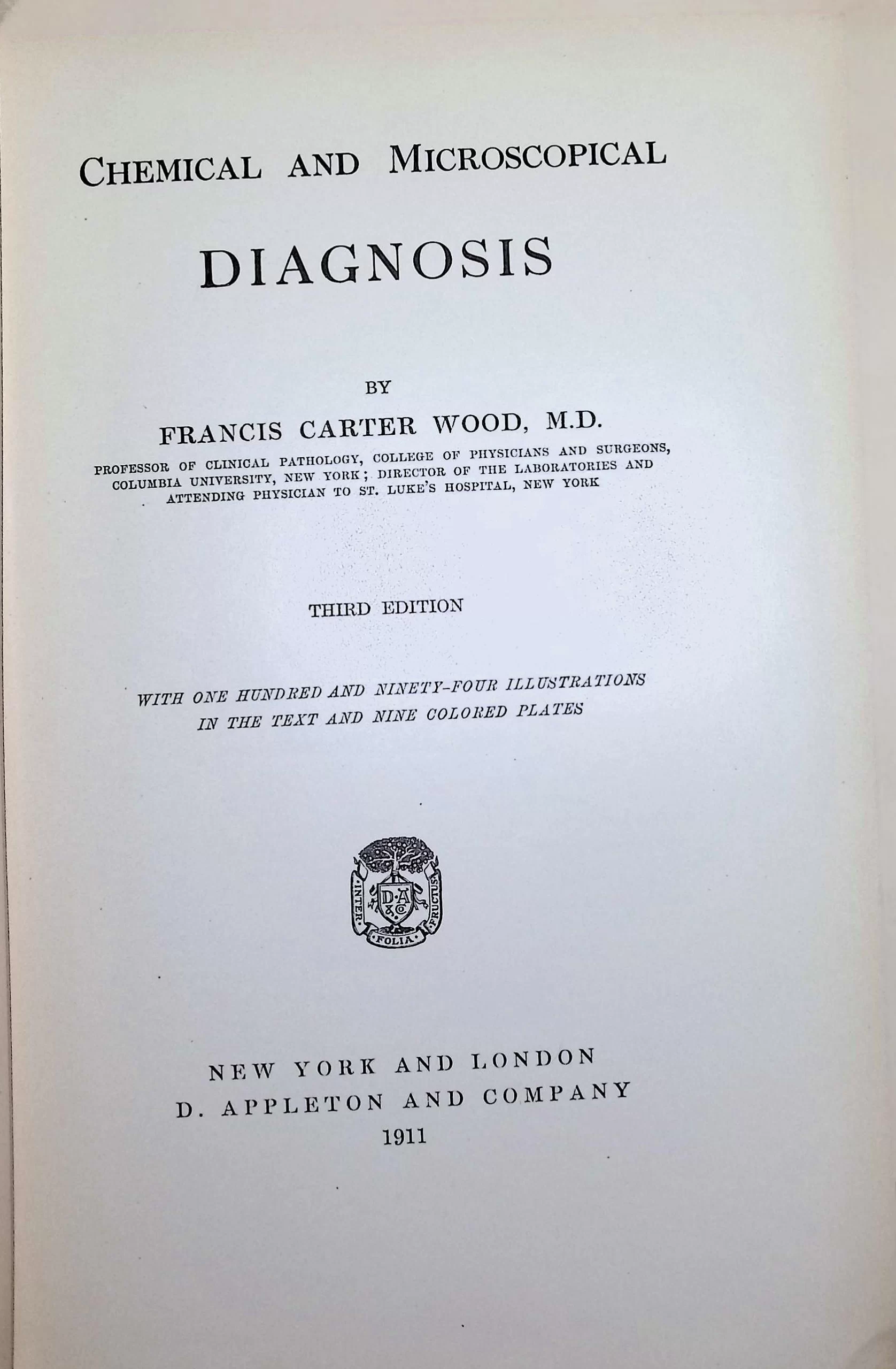
Originally published in the early 20th century, Chemical and Microscopical Diagnosis by Francis Carter Wood, M.D., served as a comprehensive clinical guide for laboratory diagnostics. This third edition, dated 1911 and issued by D. Appleton and Company in both New York and London, includes 194 illustrations and 9 colored plates. Dr. Wood—then professor of clinical pathology at Columbia University and attending physician at St. Luke’s Hospital—lays out systematic procedures for diagnosing disease through chemical analysis and microscopic examination of bodily fluids and tissues. The book covers a vast range of topics from malarial parasites in blood to physical properties of urine, reflecting the turn-of-the-century shift toward lab-based medical diagnostics.
Condition
Red cloth cover with moderate wear, including some spotting on the front board. Spine and cover text remain clearly legible in gilt. Binding is firm and interior pages are clean with no major damage noted.
Gallery

Historical context
At the dawn of the 20th century, pathology and diagnostics began transitioning from bedside speculation to laboratory-confirmed science. This text captures that pivotal shift. Francis Carter Wood was among the American pioneers who brought precision lab methods—once limited to European clinics—into mainstream U.S. medical education and hospital practice.
Curious Facts, Ephemera, and Trivia
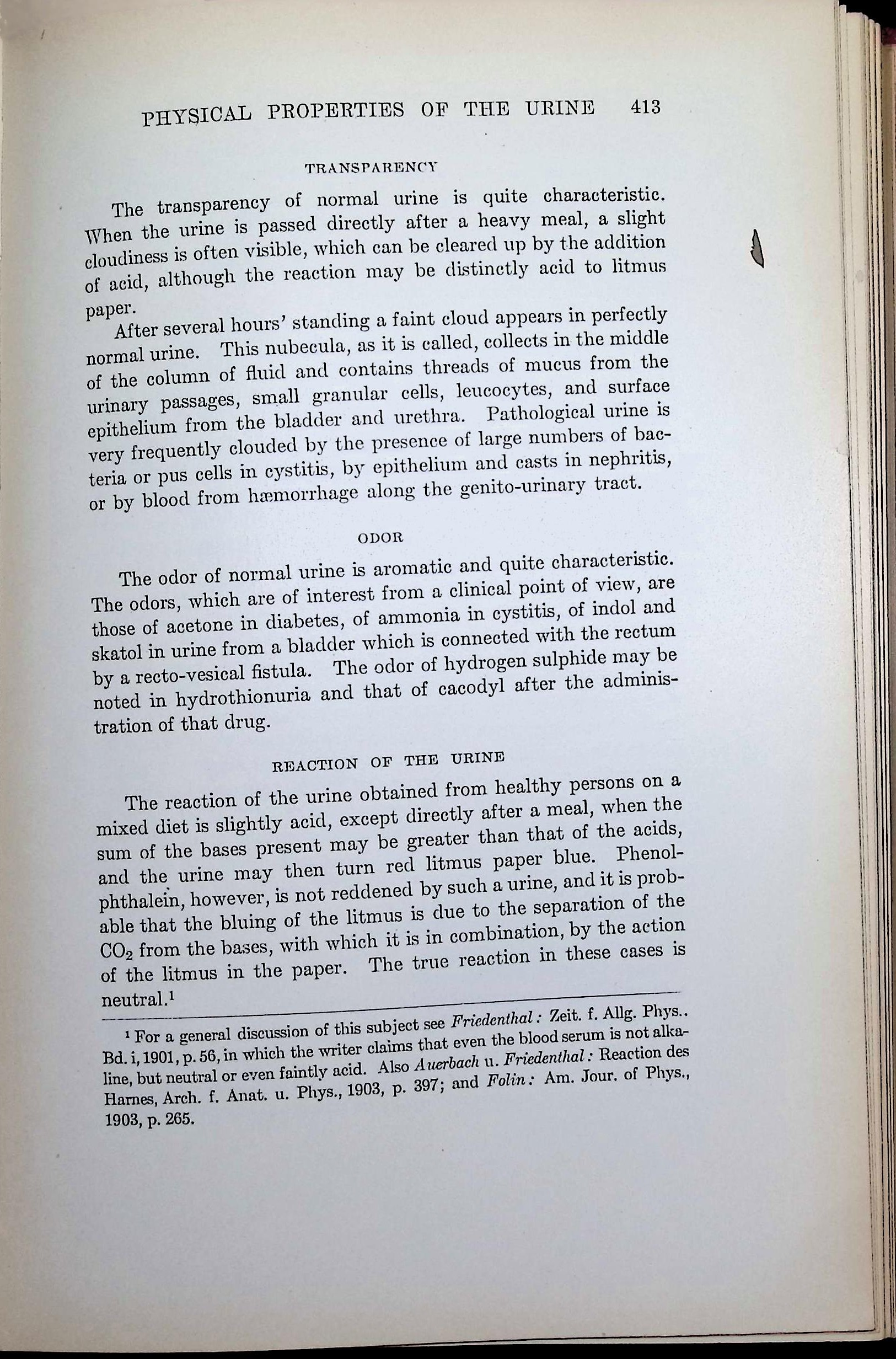
Wood’s text makes early references to now-obsolete classifications like “hyperplastic anemia” and terms such as “nucella” in urine analysis.
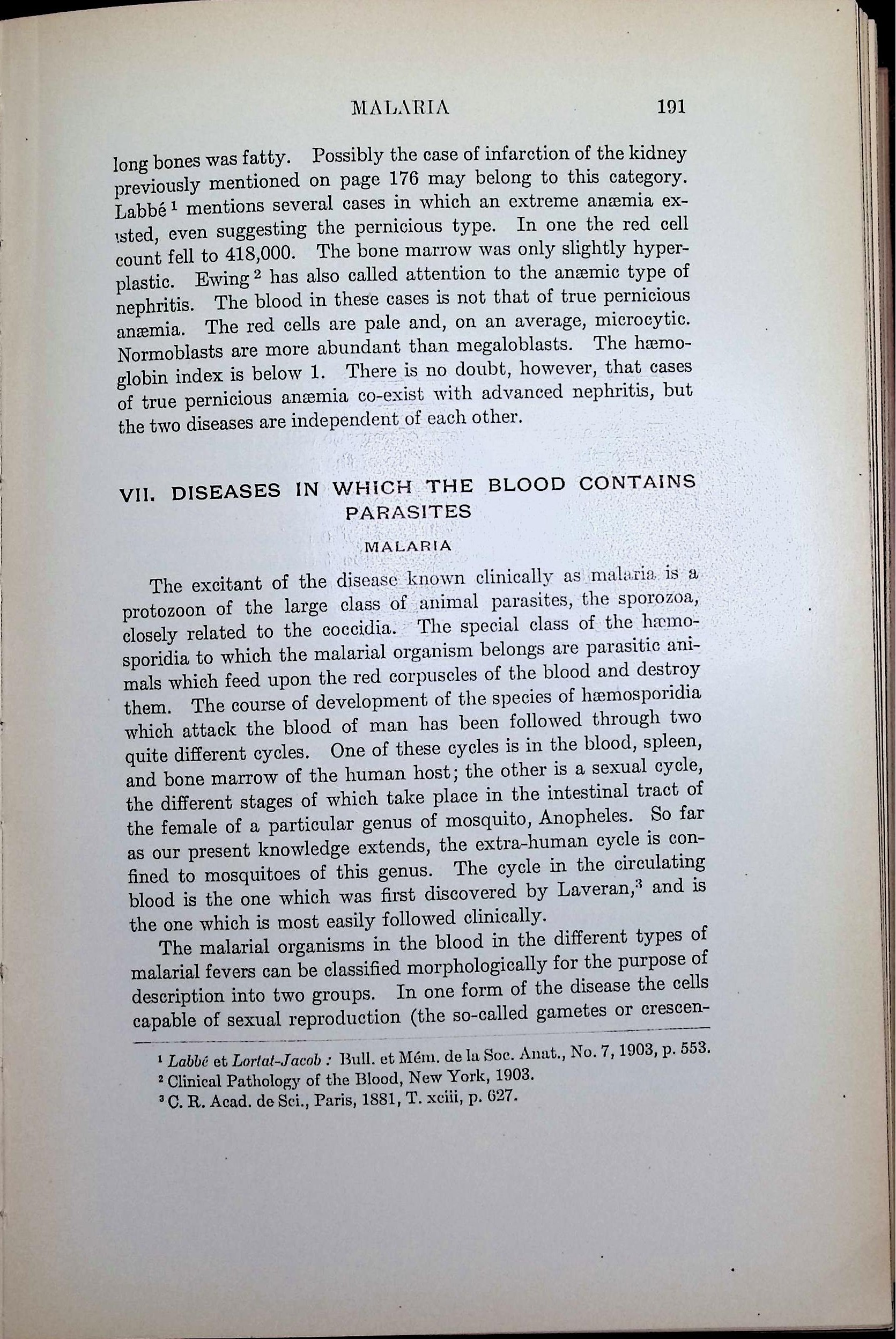
The malaria section references Charles Louis Alphonse Laveran, the French physician who first identified the malaria parasite in 1880 and later won the Nobel Prize in 1907.
Hydrogen sulphide odor in urine is discussed, along with the phrase “recto-vesical fistula,” a striking reminder of the conditions being clinically described at the time.
Excerpt
“The odor of normal urine is aromatic and quite characteristic. The odors… are those of acetone in diabetes, of ammonia in cystitis, of indol and skatol in urine from a bladder which is connected with the rectum by a recto-vesical fistula.”
Why it is in the Cabinet
This book represents a defining moment in the evolution of laboratory medicine. It marks the transition from speculative, symptom-based diagnosis to one grounded in chemistry, microscopy, and empirical observation—ideals that shaped modern medical practice.
Support Dr. Bebout’s Cabinet of Medical Curiosities
If you enjoy the history, the oddities, and the effort, help keep this cabinet open. Every little bit helps preserve and share the strange wonders of medicine's past.
Buy Me a Ko-fi ☕ Buy Me a Coffee ☕ Tip via PayPal 💵