
Title
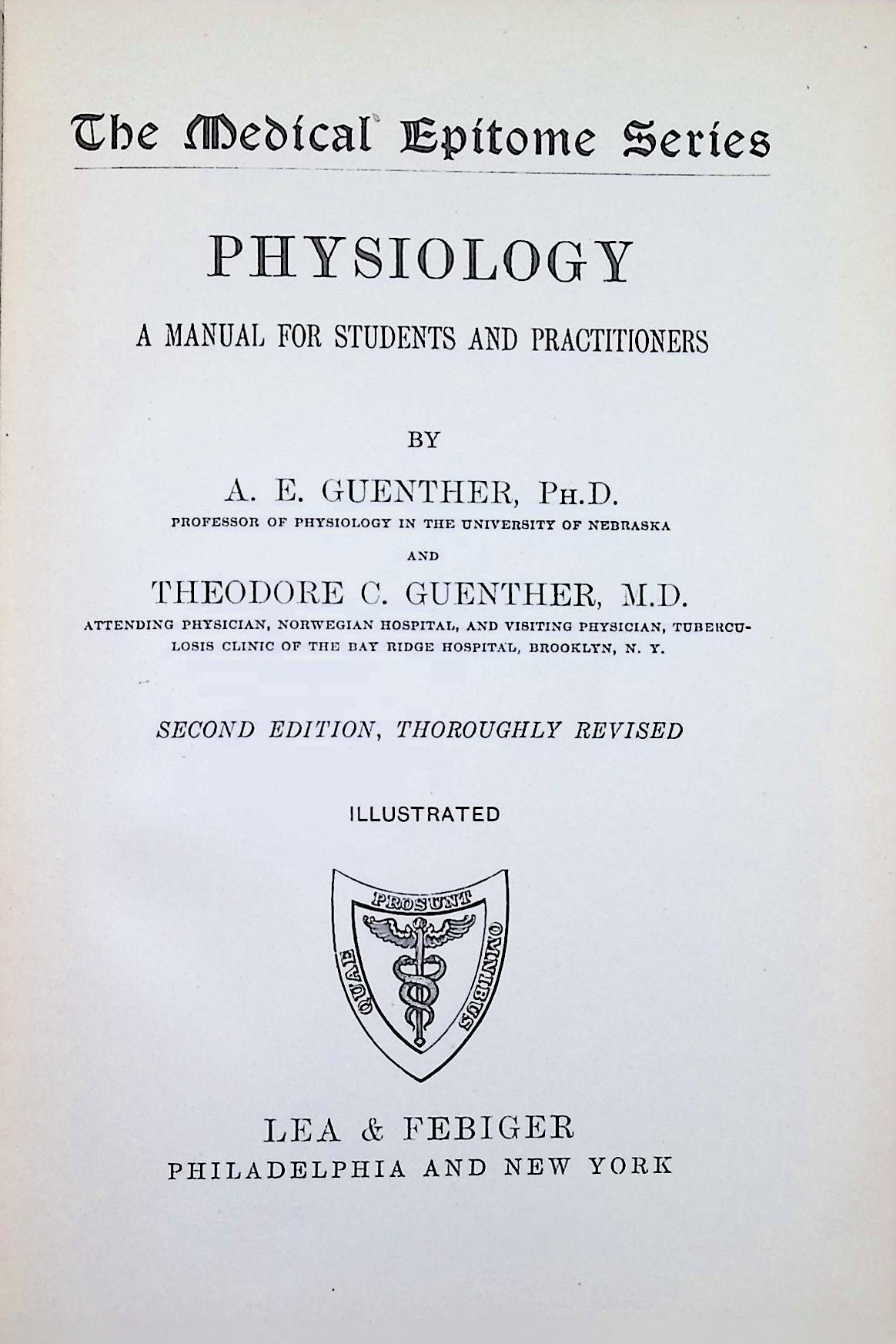
Physiology: A Manual for Students and Practitioners (1912)
Author
A. E. Guenther, Ph.D. & Theodore C. Guenther, M.D.
Image
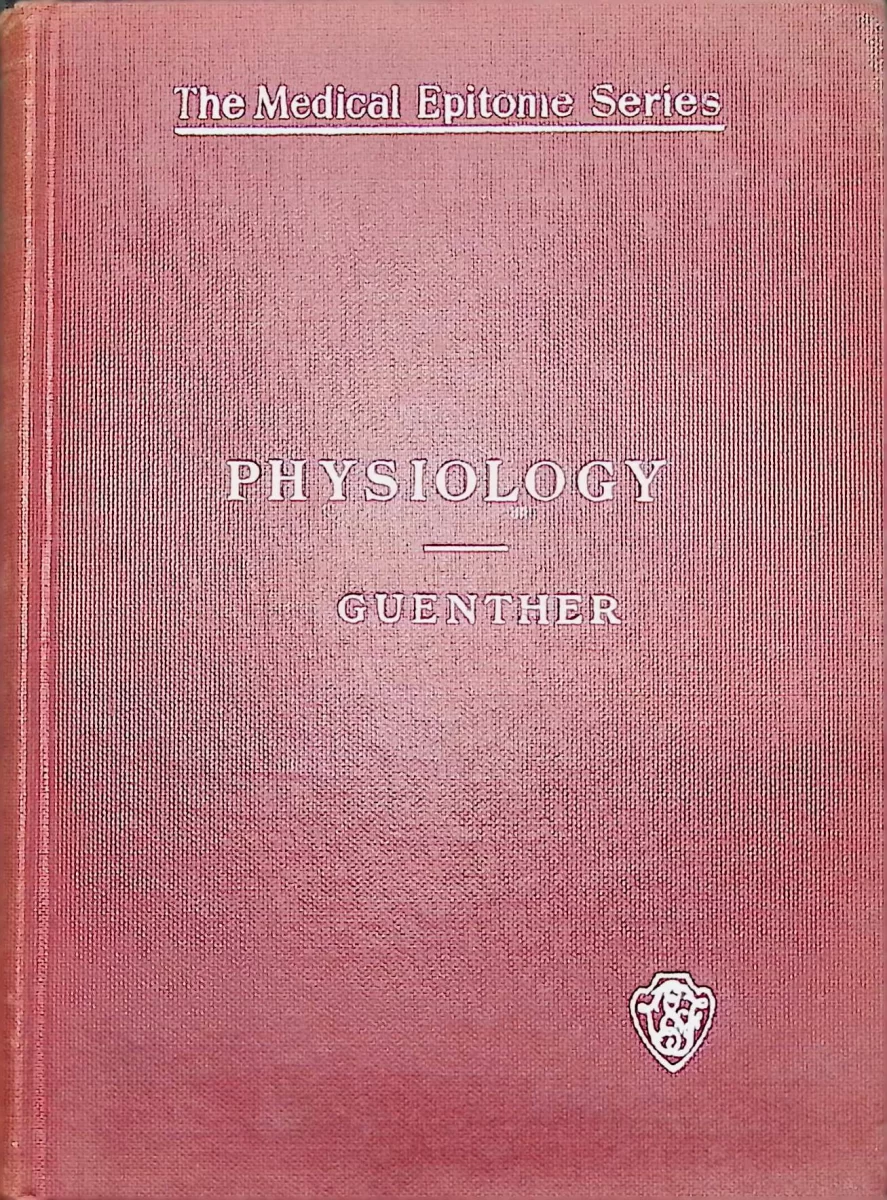
Description
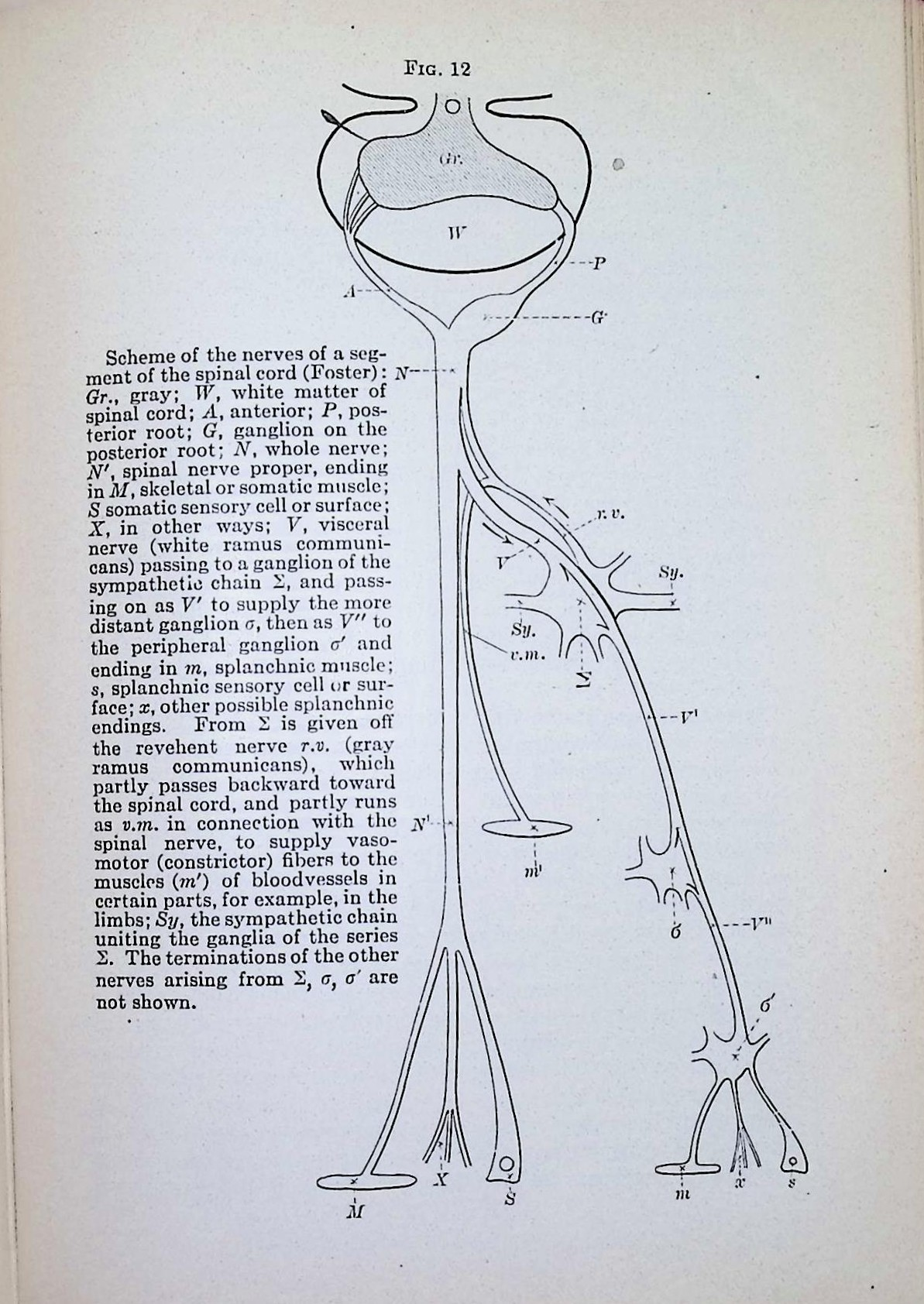
This second edition of Physiology: A Manual for Students and Practitioners was published in 1912 by Lea & Febiger as part of the Medical Epitome Series—a compact and affordable set of reference books for medical students. Designed to present essential concepts in a clear and digestible form, the volume covers the major systems of the body, physiological processes like digestion, respiration, and nerve transmission, and includes illustrative diagrams of the spinal cord and other structures.
Condition
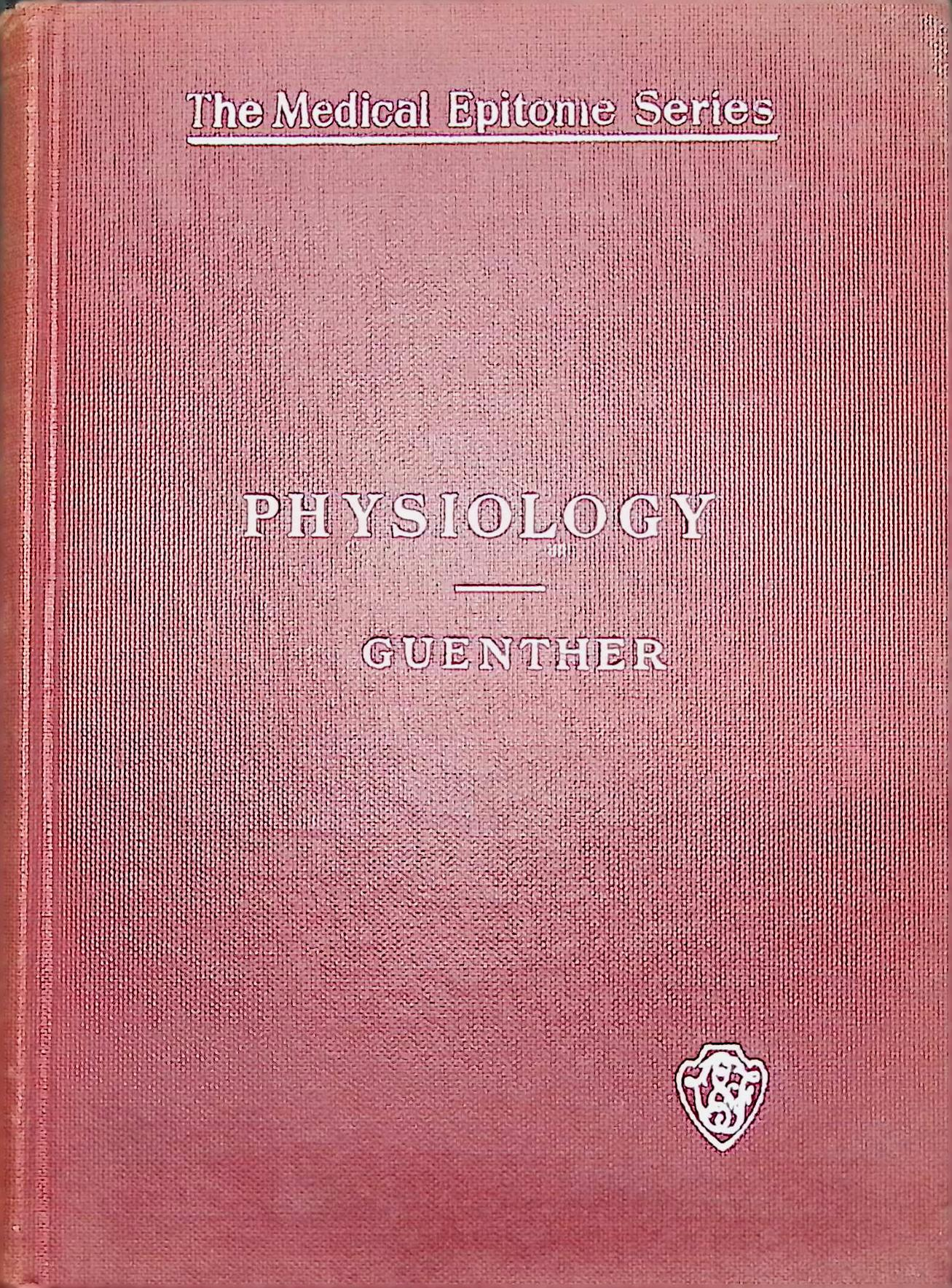
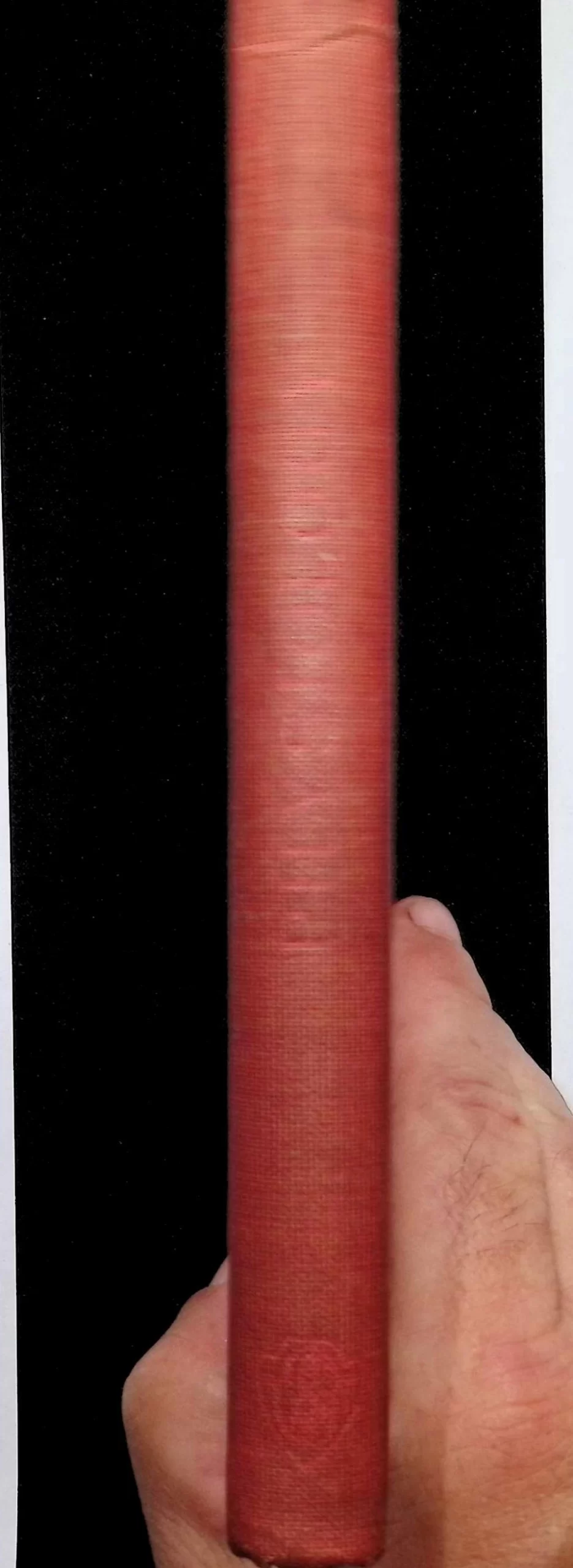
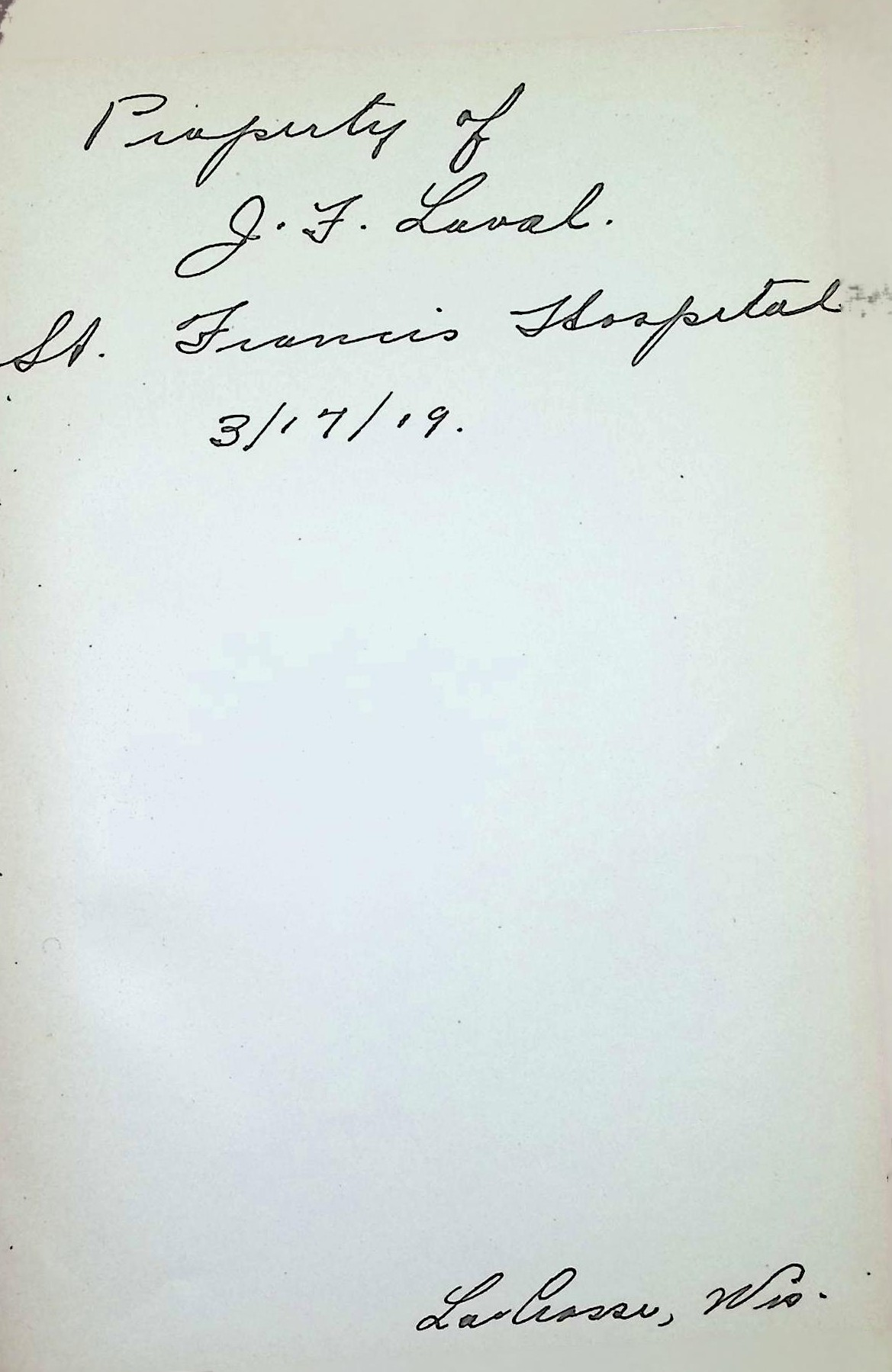
Red cloth boards with silver gilt title, slightly faded. Spine title faint but intact. Interior clean. Previous owner inscription dated 3/7/1919 from Dr. J. F. Laval, St. Francis Hospital, La Crosse, Wisconsin.
Gallery
Historical context
The Medical Epitome Series was widely used by medical students in the early 20th century, offering compact summaries of clinical knowledge. This physiology volume reflects both the biological understanding of the time and a transitional period in medicine—where hormones were newly understood, bacteria were known but not fully appreciated, and diet, digestion, and organ function were still rooted in classical theory blended with emerging science.
Curious Facts, Ephemera, and Trivia
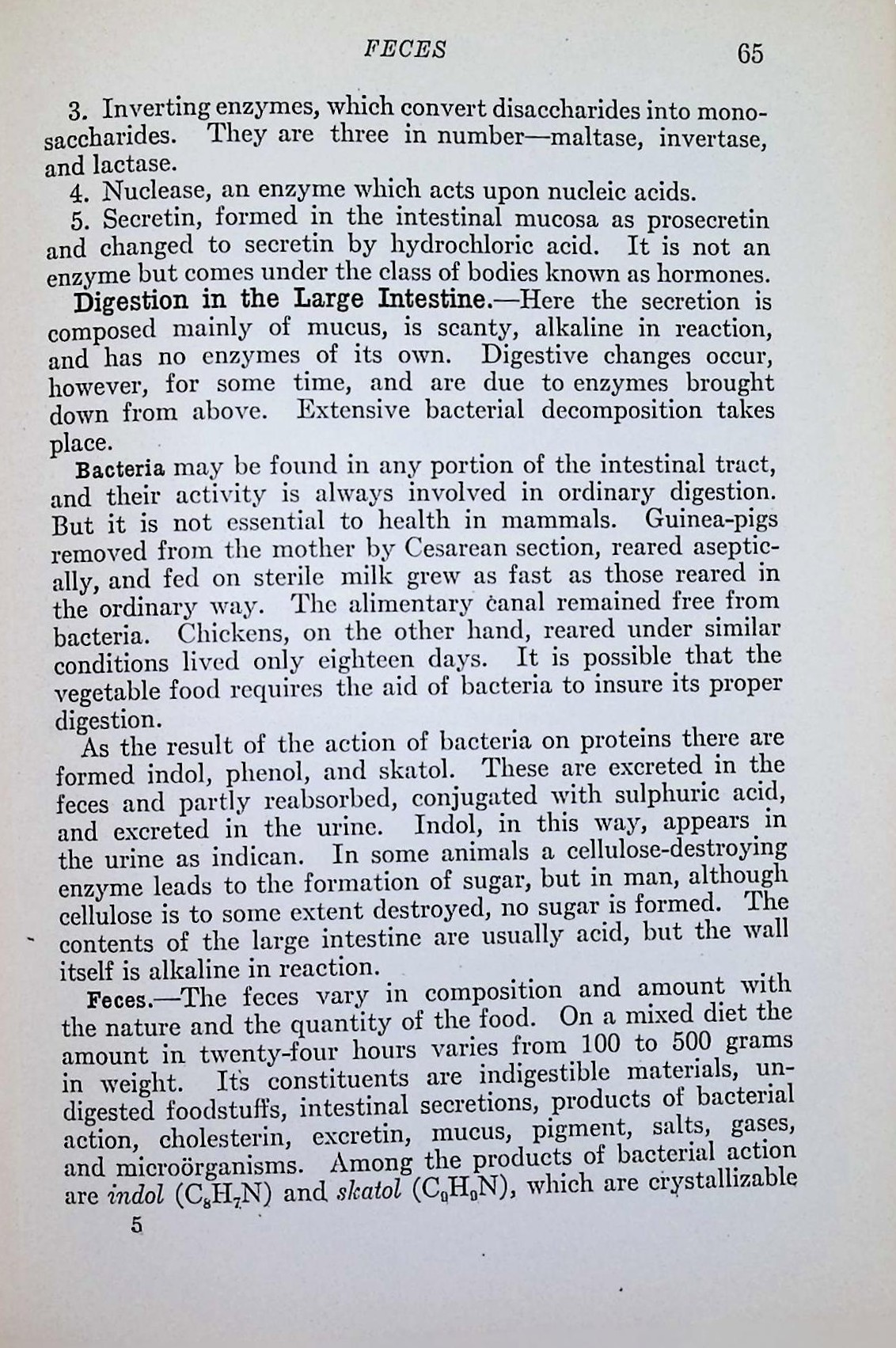
The section on intestinal bacteria notes that guinea pigs raised on sterile milk grew just as fast as normal, but chickens in similar conditions died quickly—highlighting a primitive grasp of gut flora.
The text refers to newly understood compounds like secretin and hormones, as well as waste products like indol and skatol.
Excerpt
“Bacteria may be found in any portion of the intestinal tract… Guinea-pigs removed from the mother by Cesarean section, reared aseptically, and fed on sterile milk grew as fast as those reared in the ordinary way. Chickens, on the other hand… lived only eighteen days.”
Why it is in the Cabinet
This volume captures the state of medical knowledge in 1912 just before the rise of antibiotics, endocrinology, and microbiome science. It’s also personally marked by Dr. J. F. Laval—whose signature appears in multiple volumes—offering a rare, unified provenance within the collection.
Support Dr. Bebout’s Cabinet of Medical Curiosities
If you enjoy the history, the oddities, and the effort, help keep this cabinet open. Every little bit helps preserve and share the strange wonders of medicine's past.
Buy Me a Ko-fi ☕ Buy Me a Coffee ☕ Tip via PayPal 💵