
Title
Pape’s Cold Compound – Belladonna & Aconite Cold Remedy Tube
Image

Description
This small paper-and-foil tube originally held 24 tablets of “Pape’s Cold Compound,” a patent medicine marketed to relieve the “painful discomfort of colds and associated headache.” This vintage remedy was priced at 35 cents and distributed by the Sterling Products Division of Sterling Drug Inc., Wheeling, West Virginia. The ingredients list reads like a roll call of now-discontinued or tightly controlled substances: acetanilid (a fever and pain reducer withdrawn from the market for causing kidney and liver damage), powdered belladonna (a toxic anticholinergic), powdered aconite root (a dangerously potent neurotoxin), phenolphthalein (a laxative linked to cancer), and even turpentine.
Condition
Very good vintage condition. The paper-and-foil tube is intact with some slight discoloration and edge wear. Text is fully legible on all sides. Top seal appears unopened. A rare survivor of a heavily regulated class of medications.
Gallery
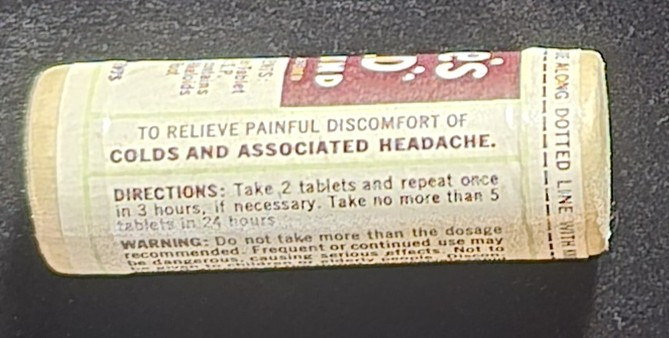
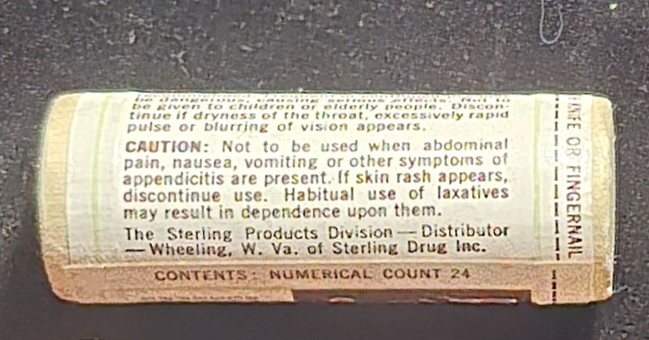
Historical context
Patent medicines like this were commonplace in the early to mid-20th century, before the FDA exerted strict control over therapeutic claims and ingredient safety. The combination of belladonna and aconite—both derived from plants with long histories of medicinal and poisonous use—was typical of a time when relief often trumped risk. Pape’s Cold Compound is an example of how powerful ingredients were casually dispensed in over-the-counter remedies before the drug reform era began in earnest with the 1938 Food, Drug, and Cosmetic Act.
Curious Facts, Ephemera, and Trivia
Aconite, known as “monkshood” or “wolfsbane,” was historically used as both medicine and poison. Even minute amounts could cause fatal cardiac arrhythmias.
Belladonna (deadly nightshade) dilates pupils and was once used cosmetically by Renaissance women to appear more “seductive”—at the risk of blindness and systemic toxicity.
The warning label on this tube starkly reflects growing public concern: “Do not take more than the dosage recommended… habitual use of laxatives may result in dependence upon them.”
Sterling Drug, the manufacturer, once owned the Bayer name in the United States and was behind a number of controversial products, including acetanilid-containing medications that were later removed from the market.
Excerpt
“Habitual use of laxatives may result in dependence upon them.” — From the warning on the tube, foreshadowing the modern understanding of medication overuse and dependency.
Why it is in the Cabinet
This compact tube distills so much of what the Cabinet seeks to preserve: a vivid window into pharmaceutical history, changing public attitudes toward safety, and the strange, sometimes dangerous, efforts to fight everyday ailments. It is also a potent example of how ingredients we now recognize as toxic were once household staples.
Support Dr. Bebout’s Cabinet of Medical Curiosities
If you enjoy the history, the oddities, and the effort, help keep this cabinet open. Every little bit helps preserve and share the strange wonders of medicine's past.
Buy Me a Ko-fi ☕ Buy Me a Coffee ☕ Tip via PayPal 💵