
Title
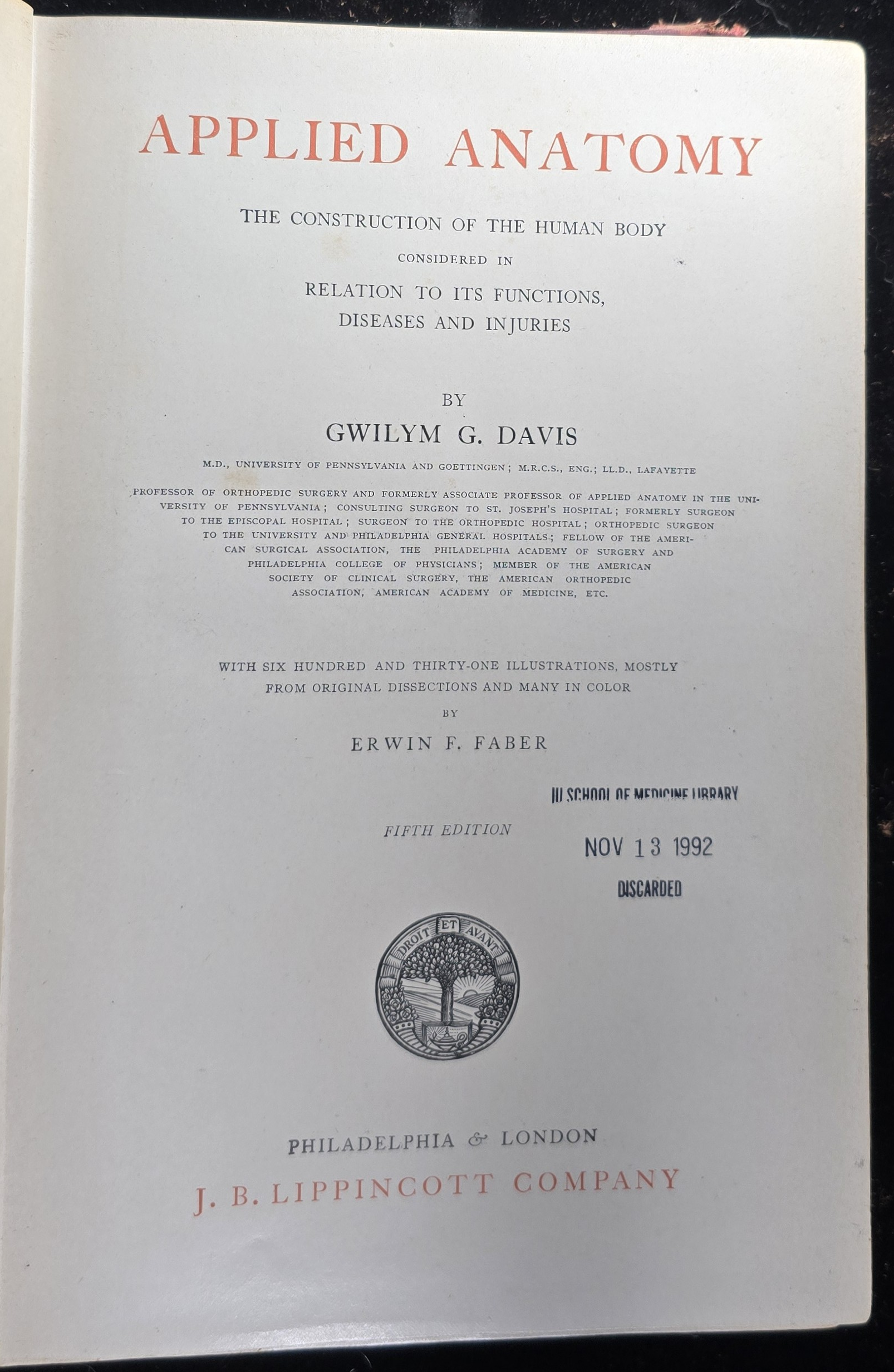
Applied Anatomy (Fifth Edition)
Author
By Gwilym G. Davis, M.D., M.R.C.S. (Eng.), LL.D.
Illustrated by Erwin F. Faber
Published by J. B. Lippincott Company, Philadelphia & London
Image
Description
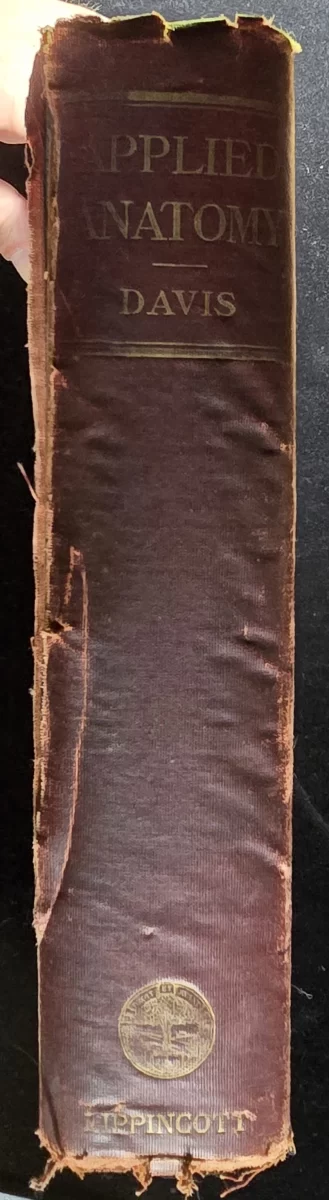
This fifth edition of Applied Anatomy by Gwilym G. Davis presents a detailed anatomical analysis of the human body in relation to its functions, diseases, and injuries. Designed for physicians, surgeons, and medical students, it offers a richly illustrated journey through practical and surgical anatomy.
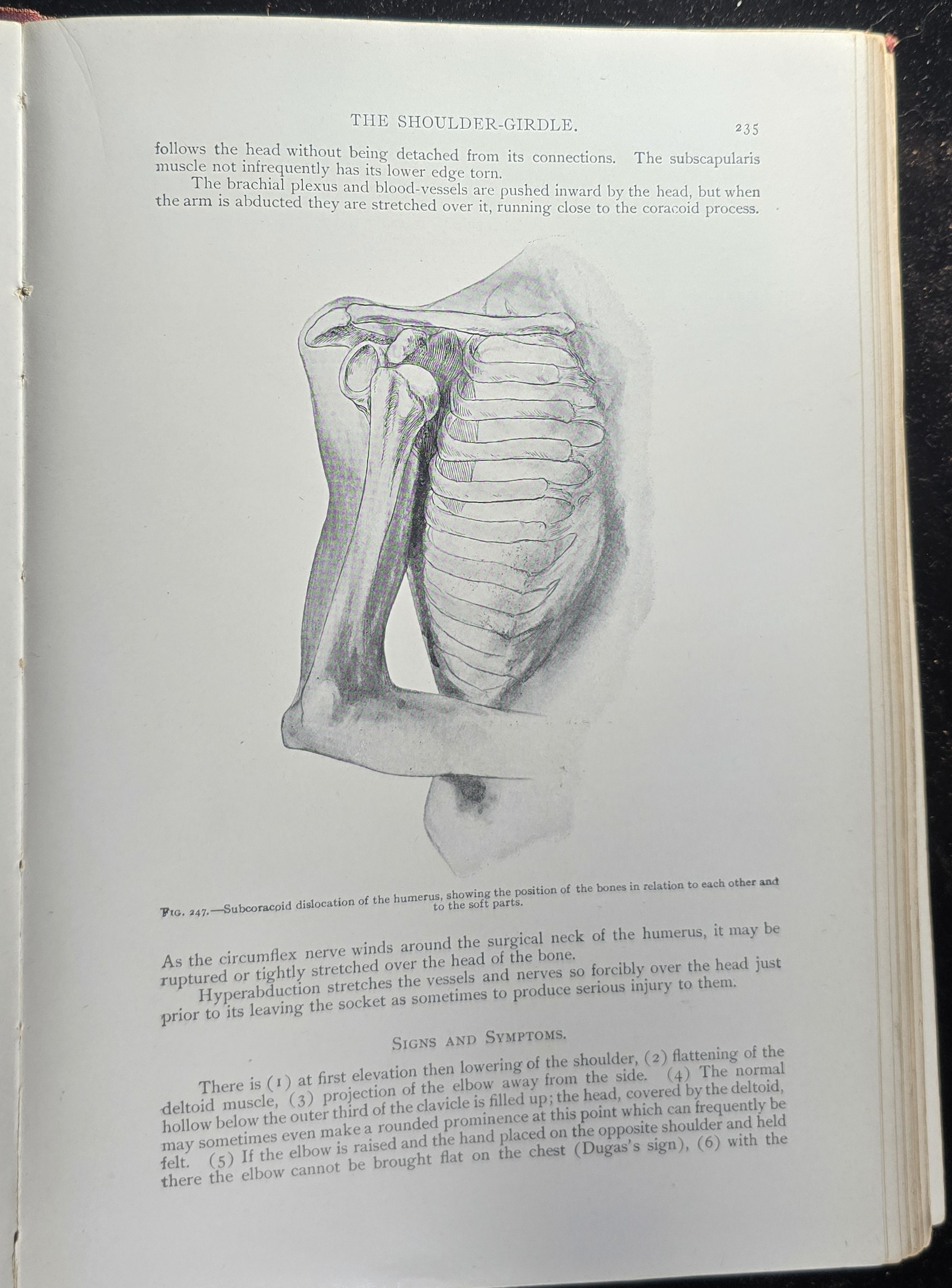
The text is notable for its clinical correlations, helping physicians translate anatomical knowledge into real-world diagnostics and operative decisions. This edition contains 631 illustrations, many in color, prepared from original dissections by Erwin F. Faber, a noted medical illustrator of the era.
Davis held posts at the University of Pennsylvania and multiple Philadelphia hospitals, including as consulting surgeon and orthopedic specialist. His authority in both academia and surgery makes this volume a valuable historical artifact in the evolution of applied clinical anatomy.
Archive.org link for the digitized version of Applied Anatomy by Gwilym G. Davis (5th edition).
Condition
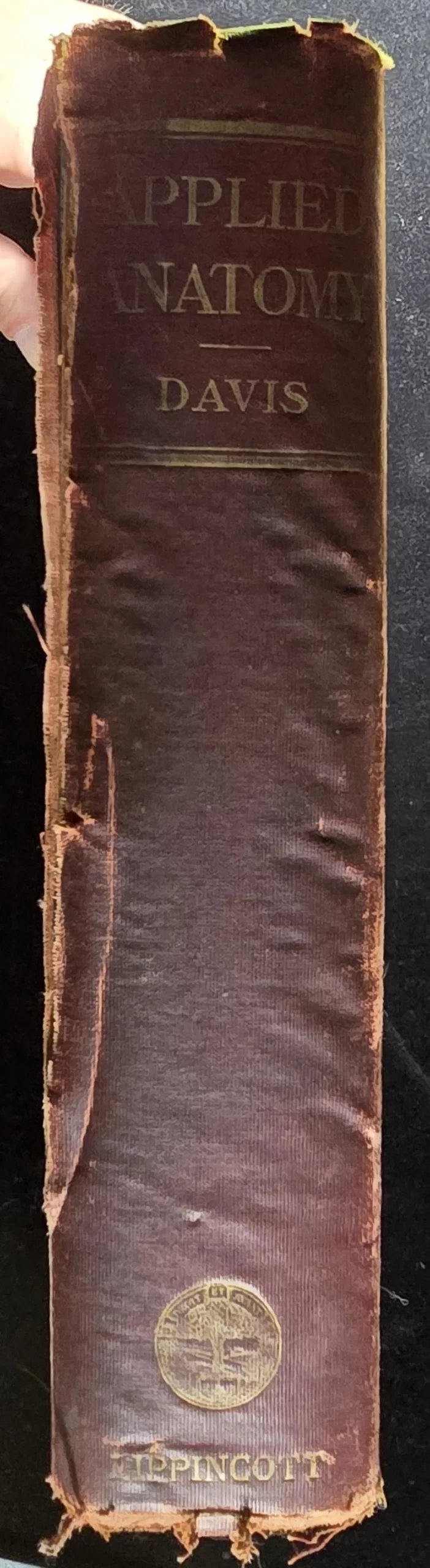
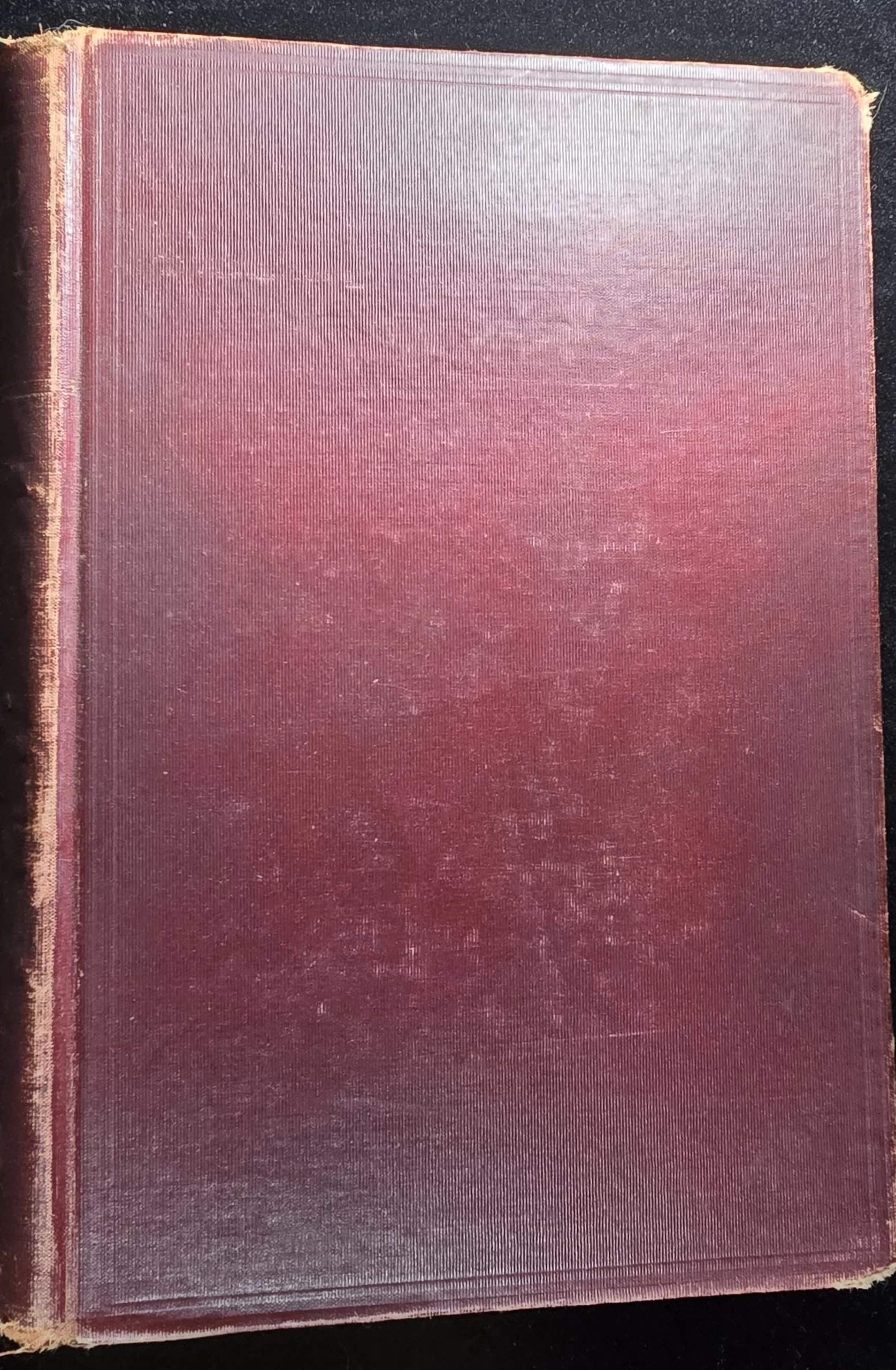
Front cover and spine: Separated from text block
Binding: Broken, with exposed and partially detached inner pages
Pages: Some mild toning, but illustrations remain vivid and intact
Library markings: Stamped “DISCARDED” by IU School of Medicine Library
Gallery
Historical context
Gwilym G. Davis was a respected orthopedic surgeon and professor in the late 19th and early 20th centuries, practicing during a transitional period in surgery when antiseptic technique and operative skill were rapidly advancing.
Applied anatomy texts like this one helped bridge gross anatomical dissection and real-world surgical application, especially in orthopedics and trauma medicine. Davis’s emphasis on the functional significance of anatomical structures reflects a growing trend of integrating pathology, injury mechanics, and surgical outcomes in education — a philosophy that would eventually influence modern surgical curricula.
The volume was discarded from the Indiana University School of Medicine Library in 1992, but now finds renewed life in the Cabinet.
Curious Facts, Ephemera, and Trivia
Erwin F. Faber, the illustrator, was a renowned medical artist whose work appeared in multiple surgical atlases of the period.
The book includes unusual clinical topics such as milium, a skin condition described in plain, accessible language for practitioners.
A color anatomical plate in the user’s copy was scanned at 600 DPI, yielding a massive 40 MB file — proof of the quality and detail of Faber’s illustrations.
Excerpt
“The liver rises to the fourth costal interspace on the right side, to or slightly above the xipho-sternal junction in the midline, in the lower border of the fifth rib on the left side, to its extremity just beyond the apex of the heart, at the lower border of the sixth rib. Its lower border passes from this point to the eighth left cartilage, crosses the middle line about midway between the xiphoid articulation and the umbilicus to the ninth right costal cartilage, and thence follows the edge of the ribs posteriorly, being about 2.5 cm (1 inch) lower in women. The upper limits of its percussion dullness are the upper border of the sixth rib in the right mammillary line, the eighth in the axillary, and the tenth in the scapular.”
— On the Position of the Liver, Applied Anatomy, 5th Ed., Page 419
Why it is in the Cabinet
This volume represents one of the finest American anatomical teaching texts of the early 20th century. Applied Anatomy by Gwilym G. Davis emphasized practical, clinical applications of human anatomy—bridging textbook learning and surgical relevance in a way that shaped generations of physicians. The fifth edition, updated by Erwin F. Faber, contains 631 illustrations, including numerous color plates derived from original dissections. It served not only as a resource for medical students but also as a reference for practicing surgeons and general physicians. Its inclusion in the Cabinet reflects both its visual richness and its importance in the evolution of anatomical instruction. The heavily worn binding and medical school discard stamp add to its authenticity and historical value as a once-utilized teaching tool in American medical education.
Support Dr. Bebout’s Cabinet of Medical Curiosities
If you enjoy the history, the oddities, and the effort, help keep this cabinet open. Every little bit helps preserve and share the strange wonders of medicine's past.
Buy Me a Ko-fi ☕ Buy Me a Coffee ☕ Tip via PayPal 💵