
Title
Manual of the Diseases of the Eye
Author
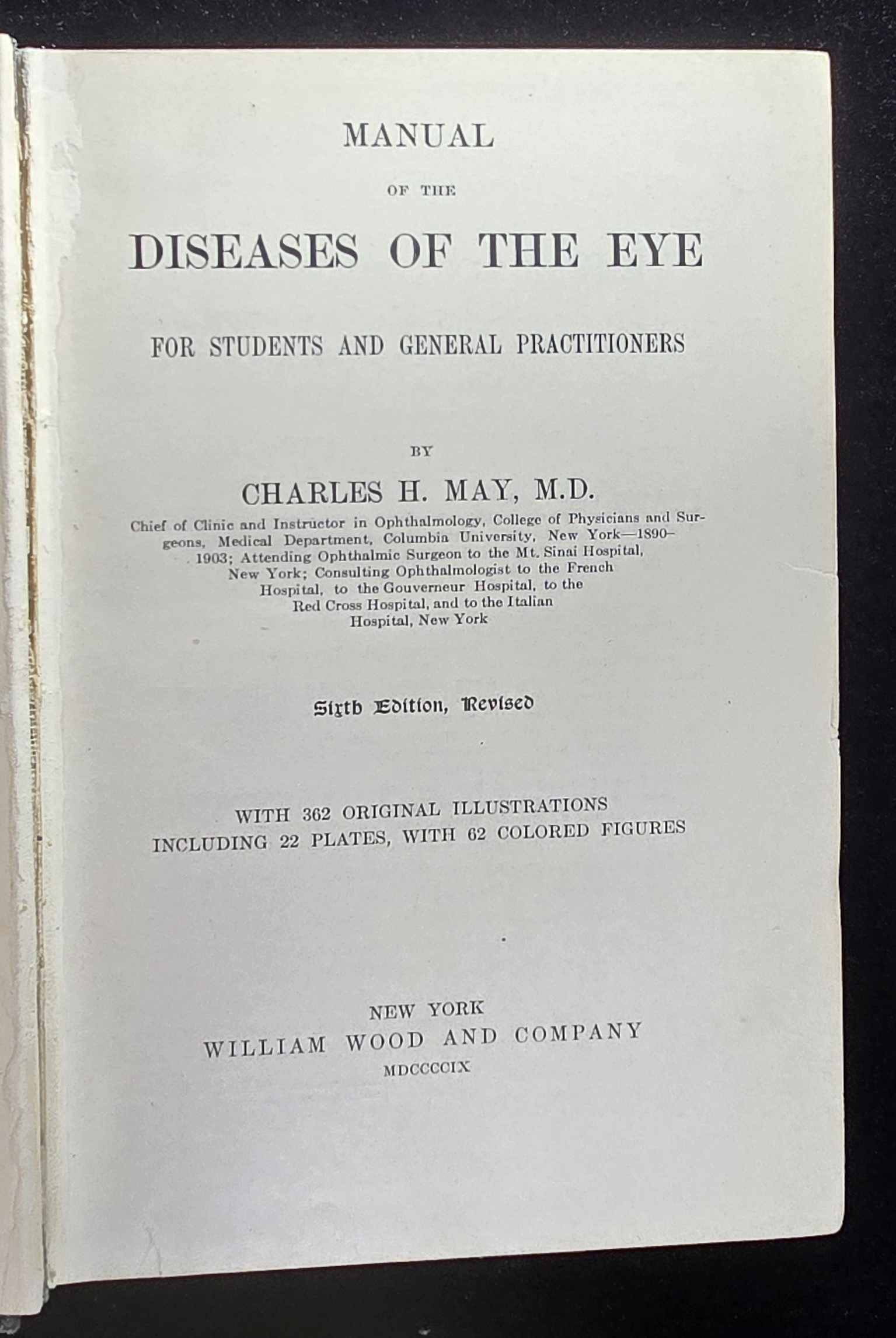
Author: Charles H. May, M.D.
Published: 1909
Publisher: William Wood and Company, New York
Image
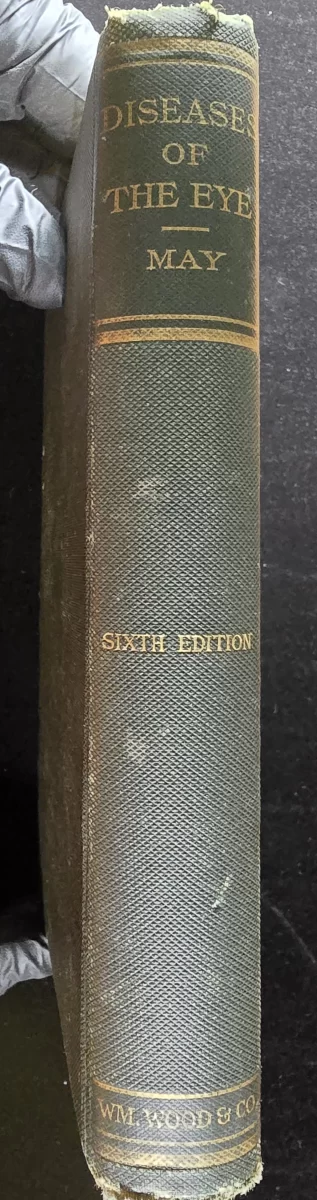
Description
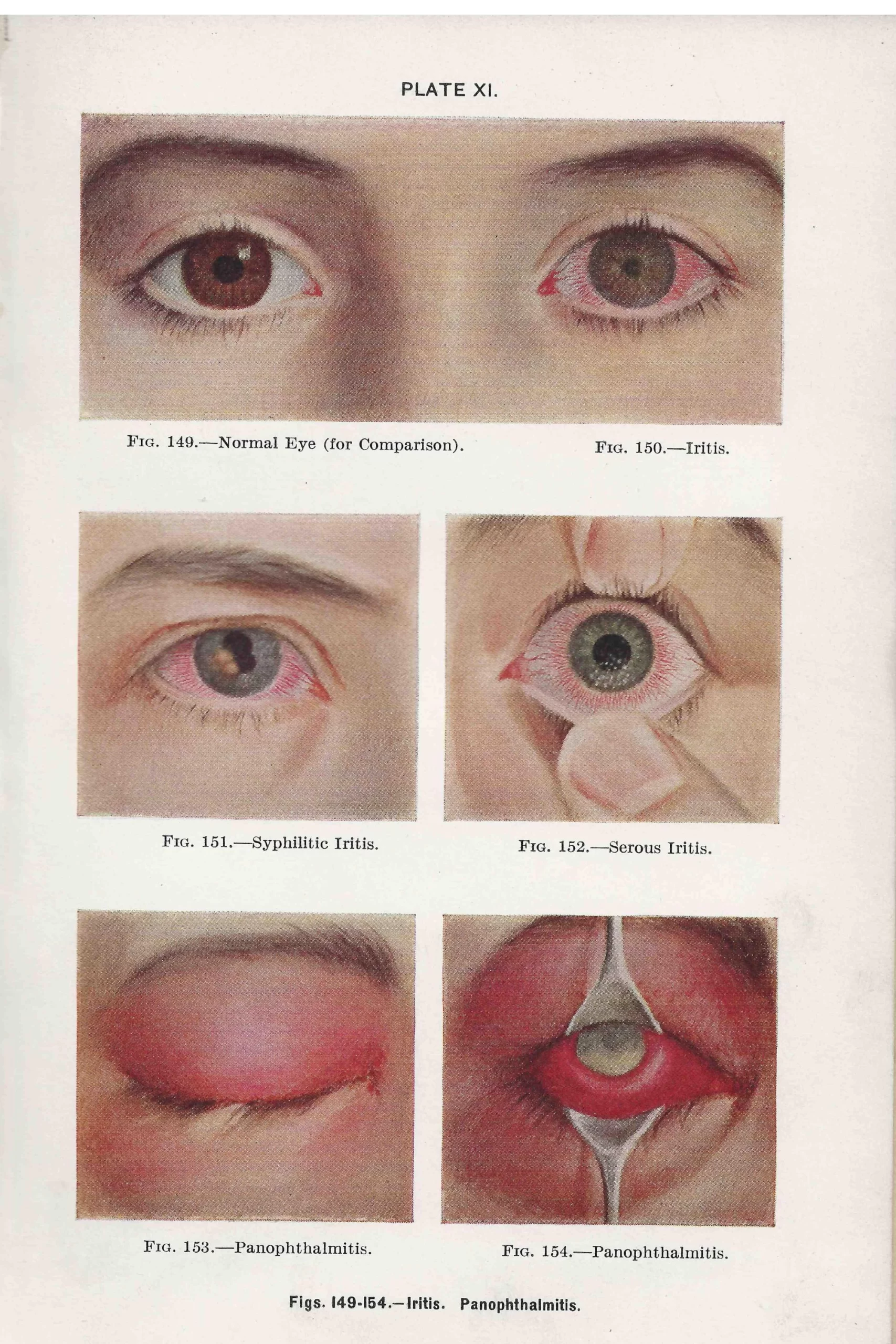
This sixth edition of Manual of the Diseases of the Eye by Dr. Charles H. May served as a definitive ophthalmology handbook for both medical students and general practitioners in the early 20th century. Compact yet richly detailed, it contains 362 original illustrations (including 62 in color) that visually reinforce diagnostic techniques, disease manifestations, and clinical tools of the period.
Dr. May was a prominent ophthalmologist and educator affiliated with Columbia University, Mt. Sinai Hospital, and several other New York institutions. His manual helped standardize ophthalmic education in the U.S. and abroad.
Condition
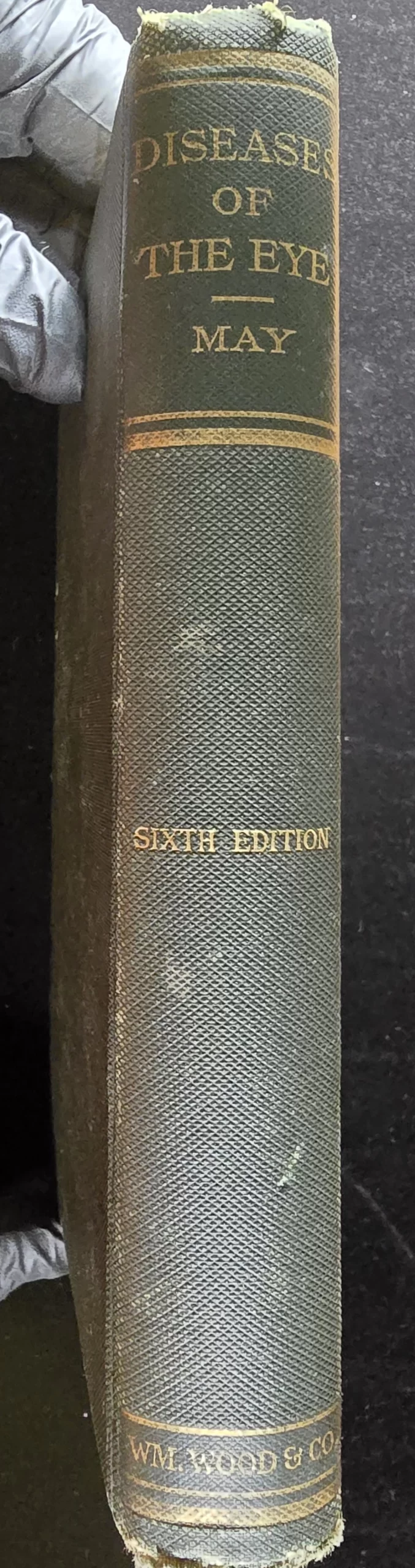
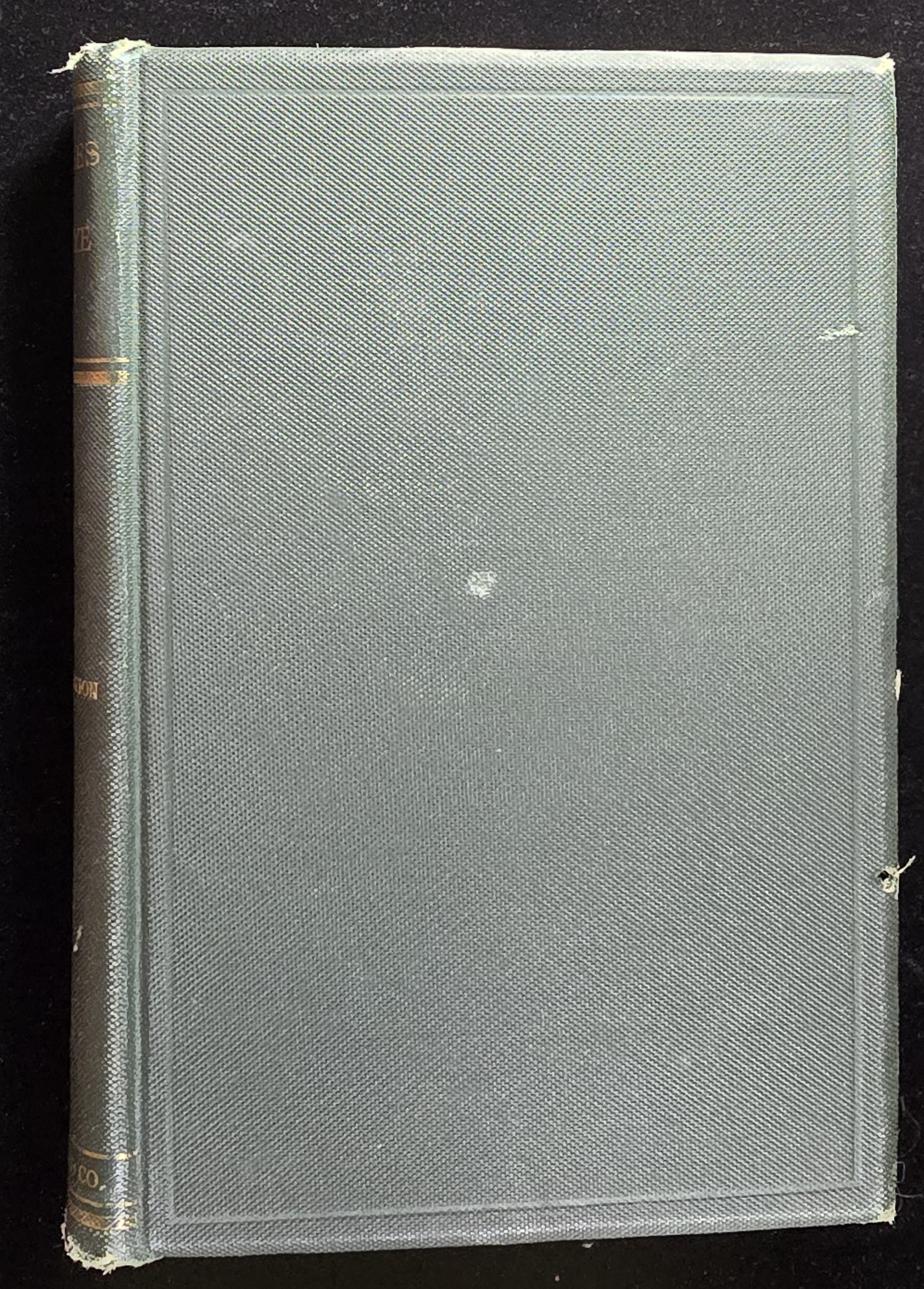
Binding: Green cloth hardcover with gilt spine titling
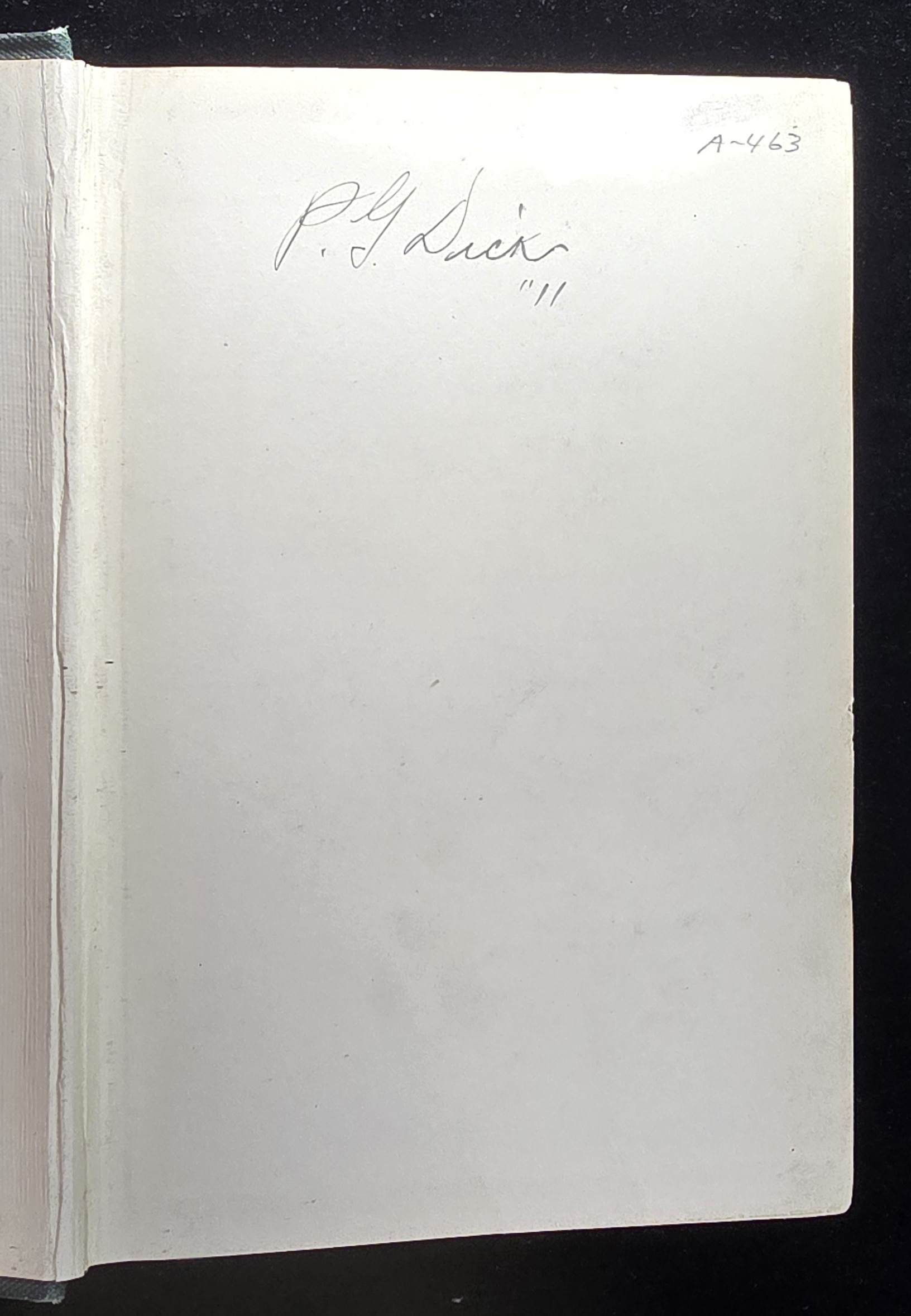
Condition: Good. Spine is intact but frayed at head and tail. Light rubbing and edge wear to boards. Interior binding sound with minor foxing. Ownership inscription by P. G. Dick, “’11,” on front endpaper.
Gallery
Historical context
At the dawn of the 20th century, ophthalmology was becoming a distinct and rapidly advancing specialty. Manual of the Diseases of the Eye by Dr. Charles H. May emerged as one of the most widely used and translated ophthalmic manuals of the era. First published in 1900, the manual was designed as a compact, richly illustrated reference for medical students and general practitioners—many of whom still practiced across broad fields of medicine.
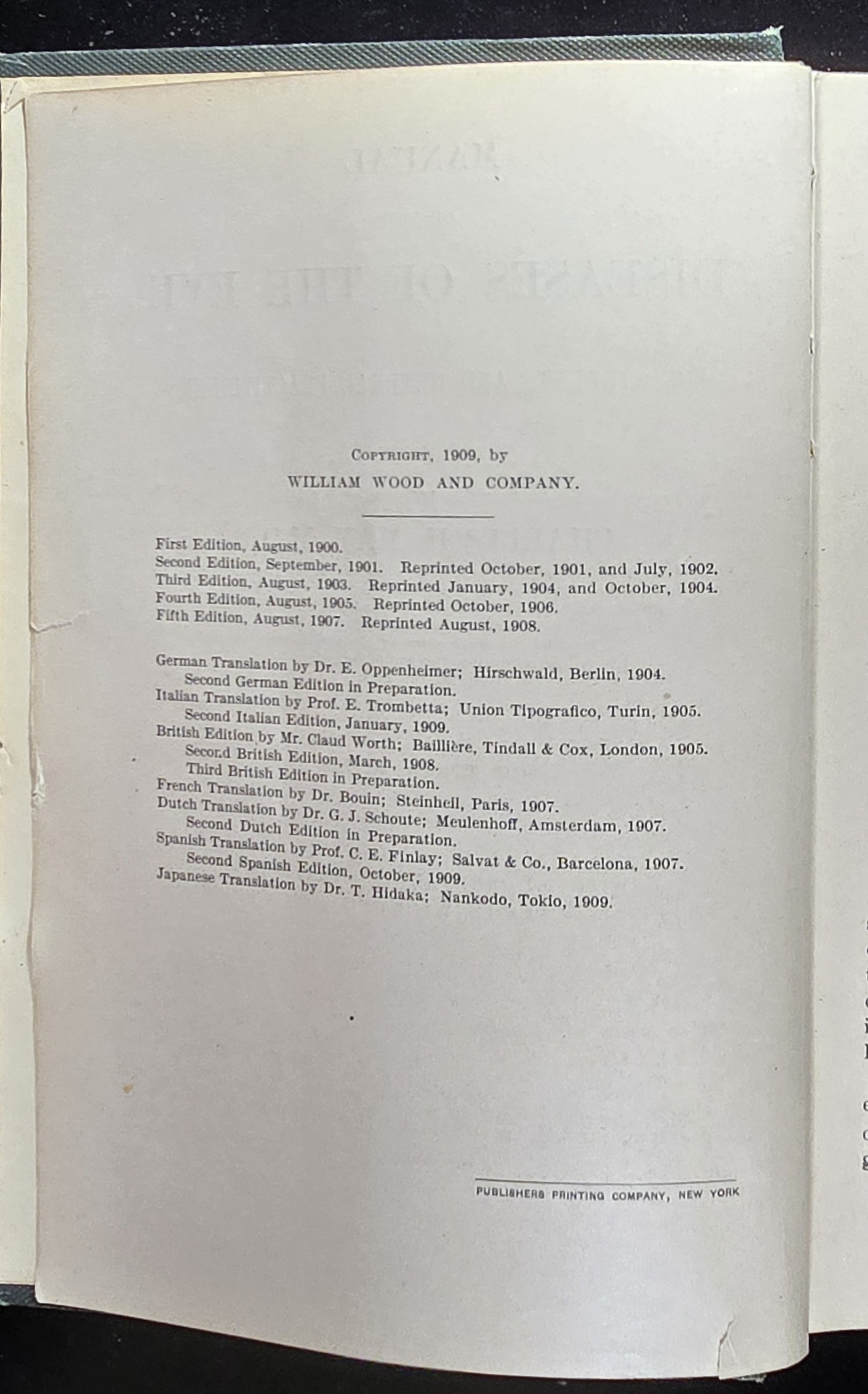
By the time of this sixth edition in 1909, the book had already been translated into six languages (German, French, Dutch, Italian, Spanish, and Japanese), reflecting its global influence. It provided crucial guidance on diagnosing and managing eye diseases in a time before antibiotics, routine eye surgery, or modern diagnostic imaging.
The book’s color plates—rare and expensive to produce—offered invaluable visual instruction in recognizing conditions like iritis, cataracts, glaucoma, and retinal disease. These visual aids helped bridge the gap between textbook learning and clinical experience in an age when many physicians trained primarily through lectures and apprenticeships.
Dr. May himself was a well-known educator associated with Columbia University and several major New York hospitals. His manual helped standardize ophthalmic education and reflects the increasing emphasis on clinical specialization and visual diagnosis in early 20th-century medicine.
Curious Facts, Ephemera, and Trivia
The sixth edition was published just nine years after the first (1900), reflecting rapid growth in both ophthalmology and medical publishing.
Dr. May’s name is still associated with later ophthalmic manuals well into the 20th century, sometimes revised under other editors.
Colored illustrations in portable manuals were considered a luxury and innovation in 1909—evidence of the growing demand for visual diagnostic aids.
This copy bears the handwritten name P. G. Dick, ’11, possibly indicating ownership by a medical student from the class of 1911.
Excerpt
Excerpt from Page 56 – Milium:
“Milium is a small, yellowish-white elevation about the size of a pin’s head, due to retention in a sebaceous gland.”
Why it is in the Cabinet
This manual offers a striking look into the evolution of clinical eye care during the progressive era of medicine. Its balance of accessibility and anatomical detail made it an international staple—it was translated into German, Italian, French, Dutch, Spanish, and Japanese, according to the copyright page. This particular 1909 edition captures the book’s peak global reach and relevance.
The inclusion of colored plates in a portable format speaks to its importance as both a teaching and reference tool during a time when visual diagnosis was critical—and technology was minimal.
Support Dr. Bebout’s Cabinet of Medical Curiosities
If you enjoy the history, the oddities, and the effort, help keep this cabinet open. Every little bit helps preserve and share the strange wonders of medicine's past.
Buy Me a Ko-fi ☕ Buy Me a Coffee ☕ Tip via PayPal 💵