
Title
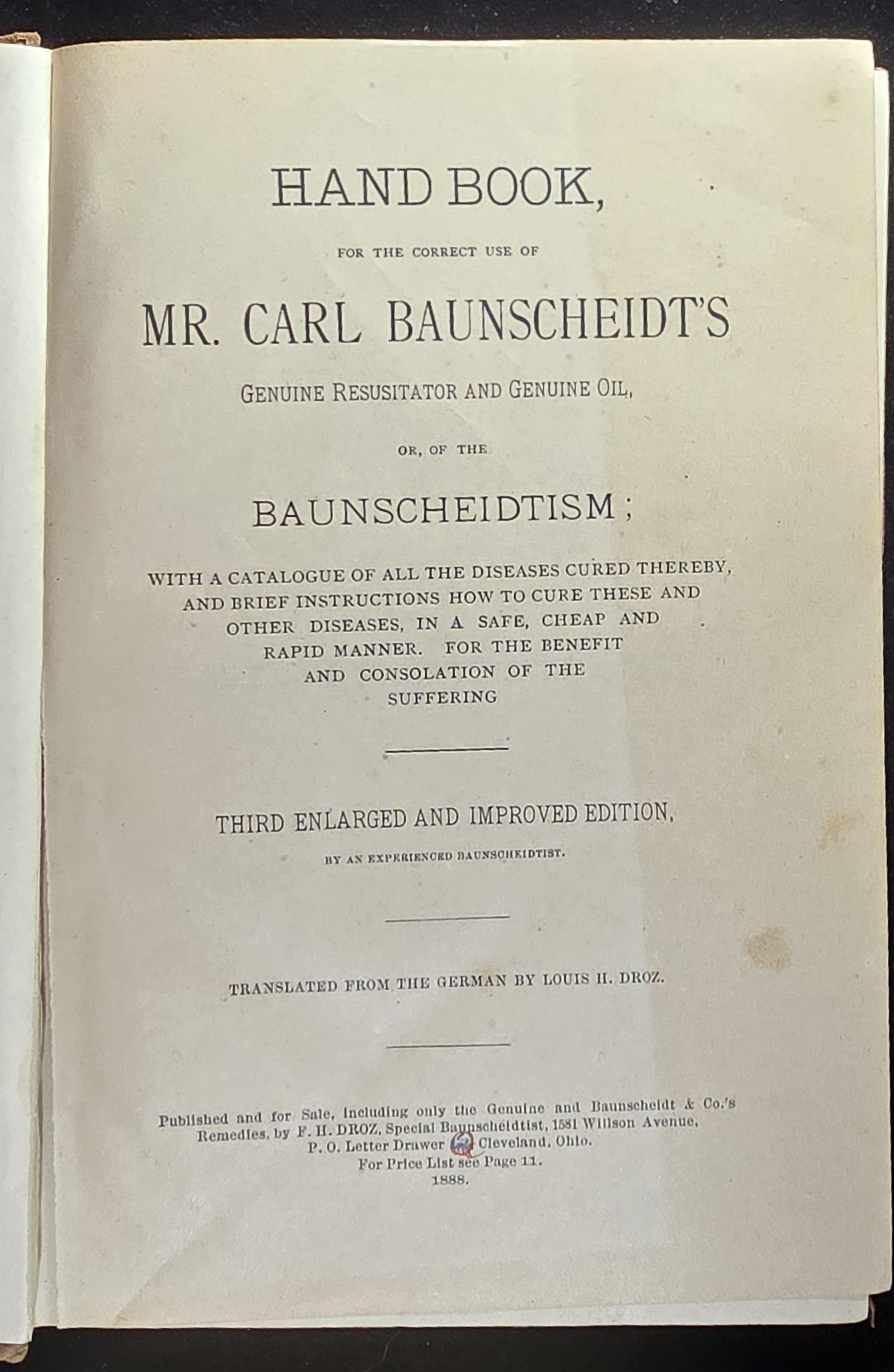
Hand Book of Baunscheidtism
Author
Author: Louis H. Droz (translator)
Original Developer: Mr. Carl Baunscheidt
Published: 1888, Cleveland, Ohio
Publisher: F. H. Droz, Special Baunscheidtist
Image

Description
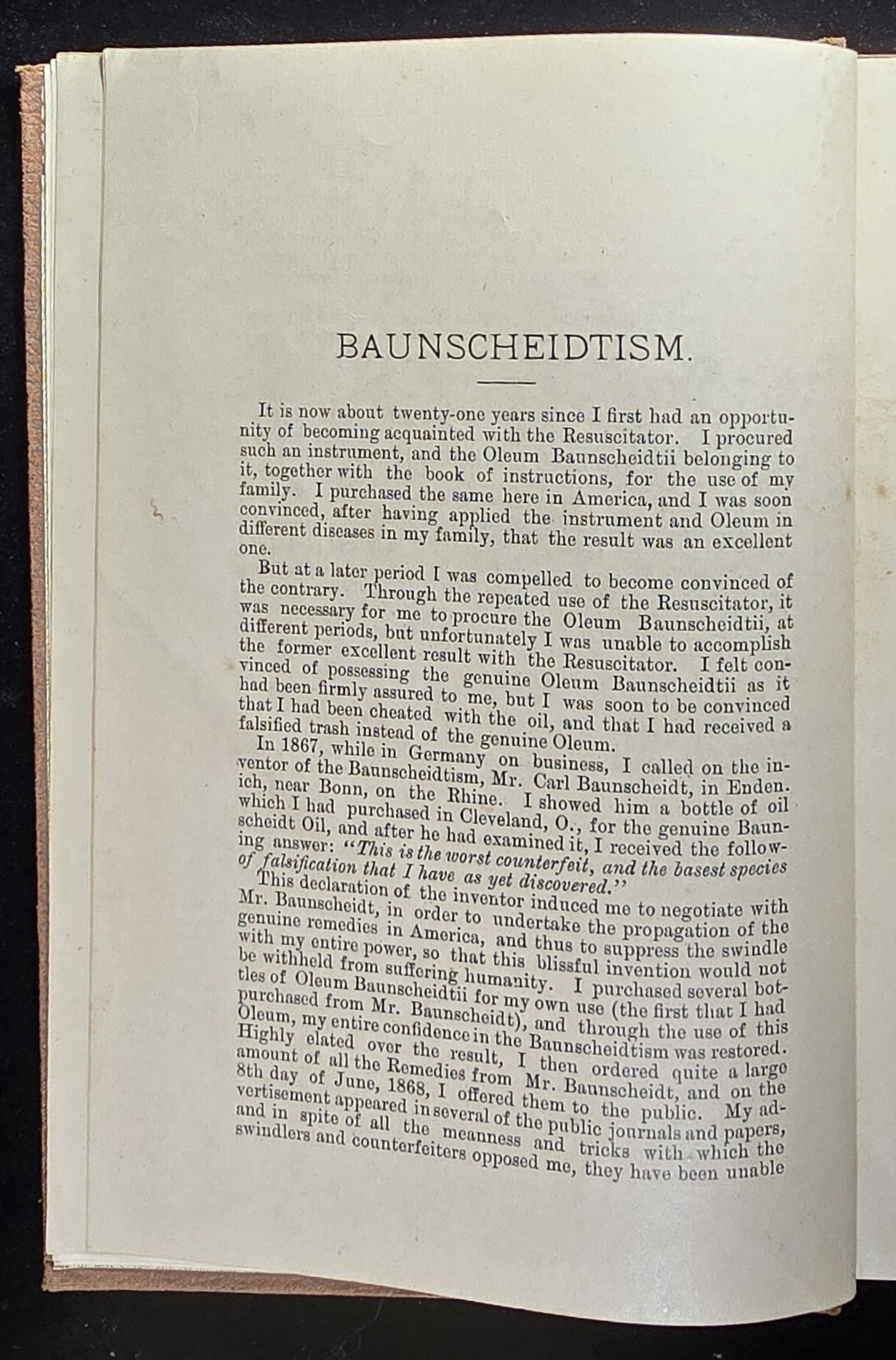
This 1888 manual offers detailed instructions on the use of Mr. Carl Baunscheidt’s patented Resuscitator and Oleum Baunscheidtii, central tools in the practice of Baunscheidtism—a 19th-century therapeutic technique rooted in counter-irritation. The method involved using a needle-studded device (similar to a small tattooing instrument) to puncture the skin and apply a pungent oil intended to provoke inflammation and “draw out” disease.
The book includes:
A catalog of conditions claimed to be curable via Baunscheidtism
Step-by-step usage guidance
Testimonials and promotional anecdotes
A passionate defense against counterfeit oils
Condition
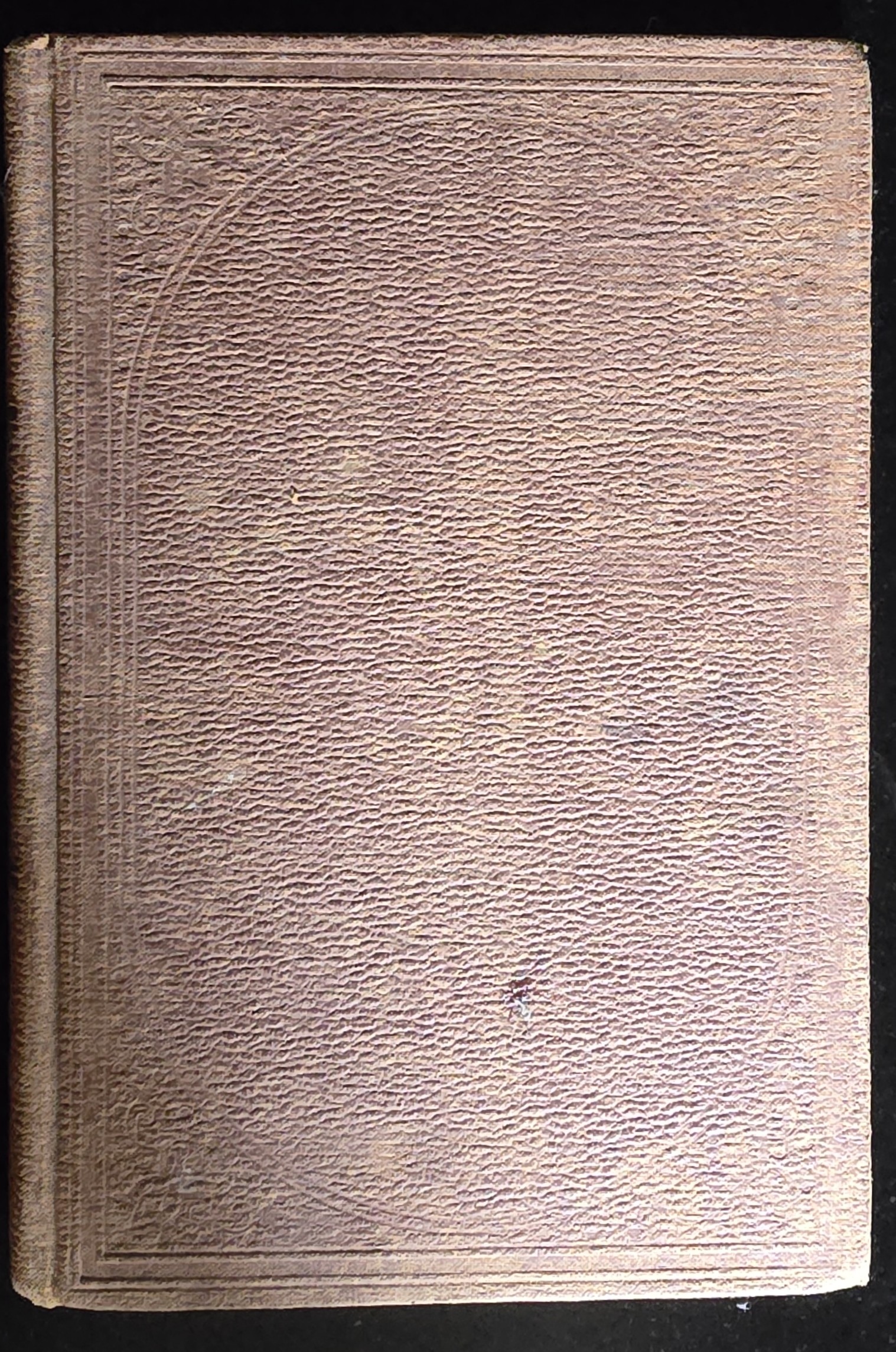
Very good overall. Light edge wear to cloth, spine tip slightly frayed. Interior pages toned with minor foxing, but binding remains firm and text legible.
Gallery

Historical context
Baunscheidtism gained notoriety in the mid-1800s as an alternative to more invasive treatments like bloodletting or surgery. It reflected popular enthusiasm for mechanical and “natural” therapies that stimulated the skin and immune system. Despite being widely dismissed by mainstream physicians, it enjoyed a loyal following in Europe and America. The inventor, Carl Baunscheidt, marketed his device as a universal remedy and licensed regional distributors like Louis H. Droz in the United States.
This particular edition was marketed from Cleveland, Ohio, at the height of American interest in the technique. It notably includes claims of battling fraud and counterfeit oil—offering a glimpse into the fierce commercialism surrounding 19th-century patent medicine.
Curious Facts, Ephemera, and Trivia
The “Resuscitator” was marketed as both a therapeutic and rejuvenating device—some claimed it cured everything from deafness to sexual dysfunction.
The oil applied post-puncture often contained croton oil, a potent skin irritant that caused blistering.
Baunscheidtism is still practiced in some naturopathic circles today, though overwhelmingly discredited by modern medicine.
The book’s Cleveland distributor, Louis H. Droz, emphasizes his exclusive rights to the “genuine” oil—underscoring a rampant 19th-century issue: patent medicine fraud.
Excerpt
“Some parts of the body are to be spared from being punctured as long as possible, such as the delicate parts under the shoulders, in the vicinity of the eyes, the nose, the joints, the hock, and the privy parts.” Page 15
Why it is in the Cabinet
This 1888 handbook is a relic of Baunscheidtism—a bizarre 19th-century healing fad that involved puncturing the skin with a spiked device and rubbing in a blistering oil to “draw out disease.” Promising to cure everything from asthma to neuralgia, it embodied the era’s fascination with mechanical quackery and the belief that inflammation itself was curative. This particular edition, issued by a U.S. distributor, includes not only detailed instructions but stern warnings against counterfeit oils and an unusual caution: avoid puncturing “the privy parts” and “the hock.” A striking example of speculative medicine, commercial zeal, and the fine line between ingenuity and absurdity.
Support Dr. Bebout’s Cabinet of Medical Curiosities
If you enjoy the history, the oddities, and the effort, help keep this cabinet open. Every little bit helps preserve and share the strange wonders of medicine's past.
Buy Me a Ko-fi ☕ Buy Me a Coffee ☕ Tip via PayPal 💵