
Title
Physiology Notes – 1897 Handwritten Student Notebook
Author
Edith W. Dalton
Image
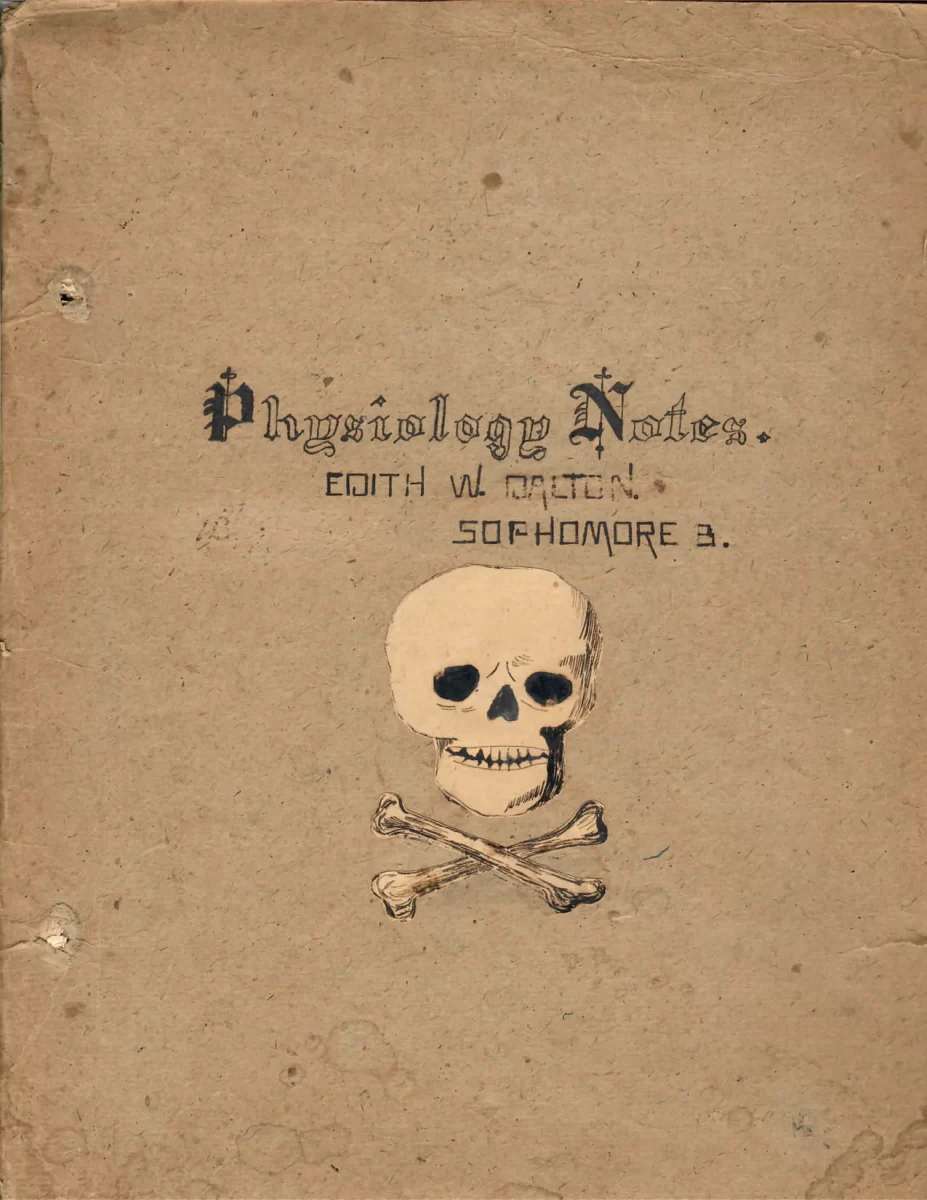
Description
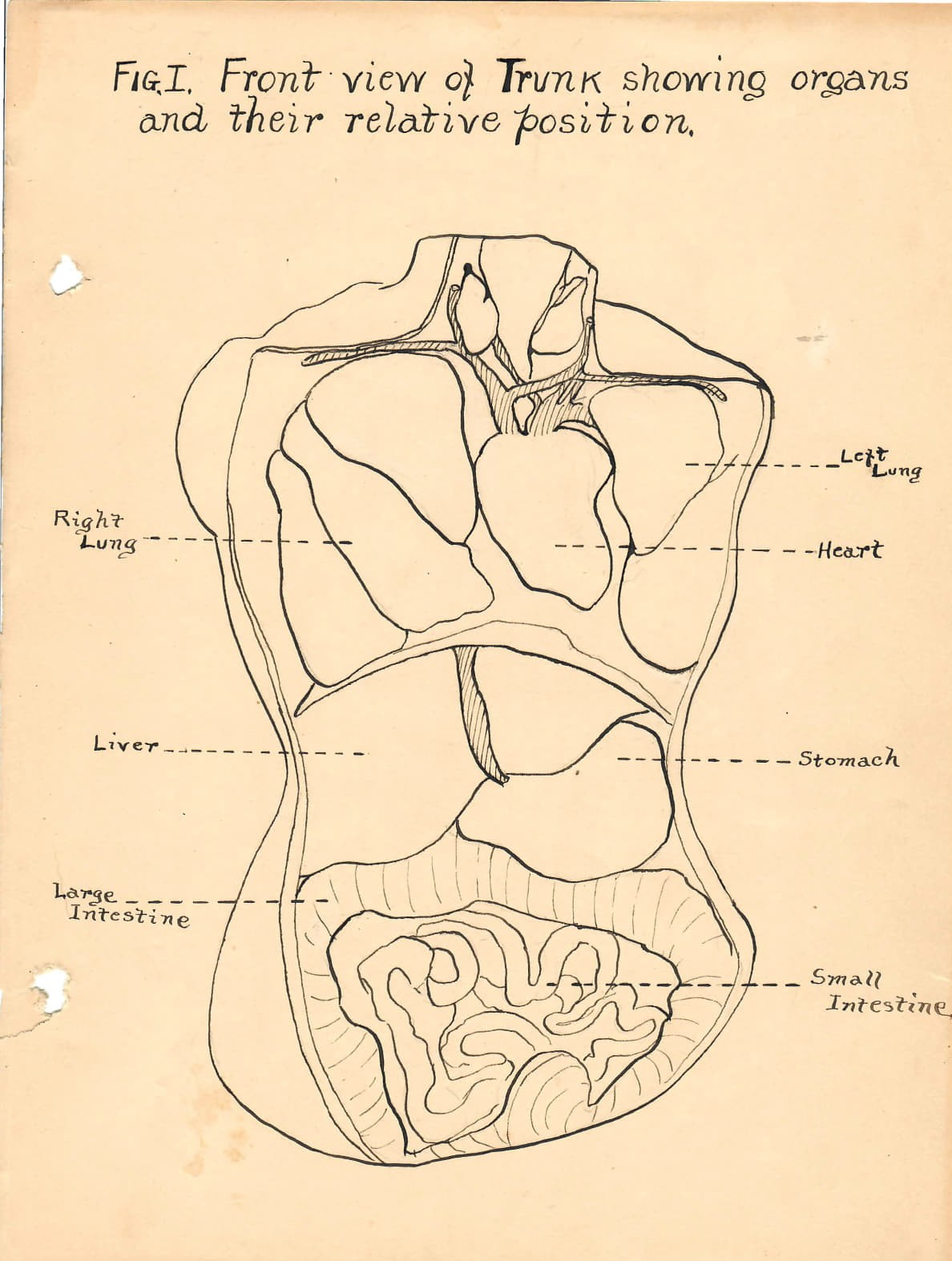
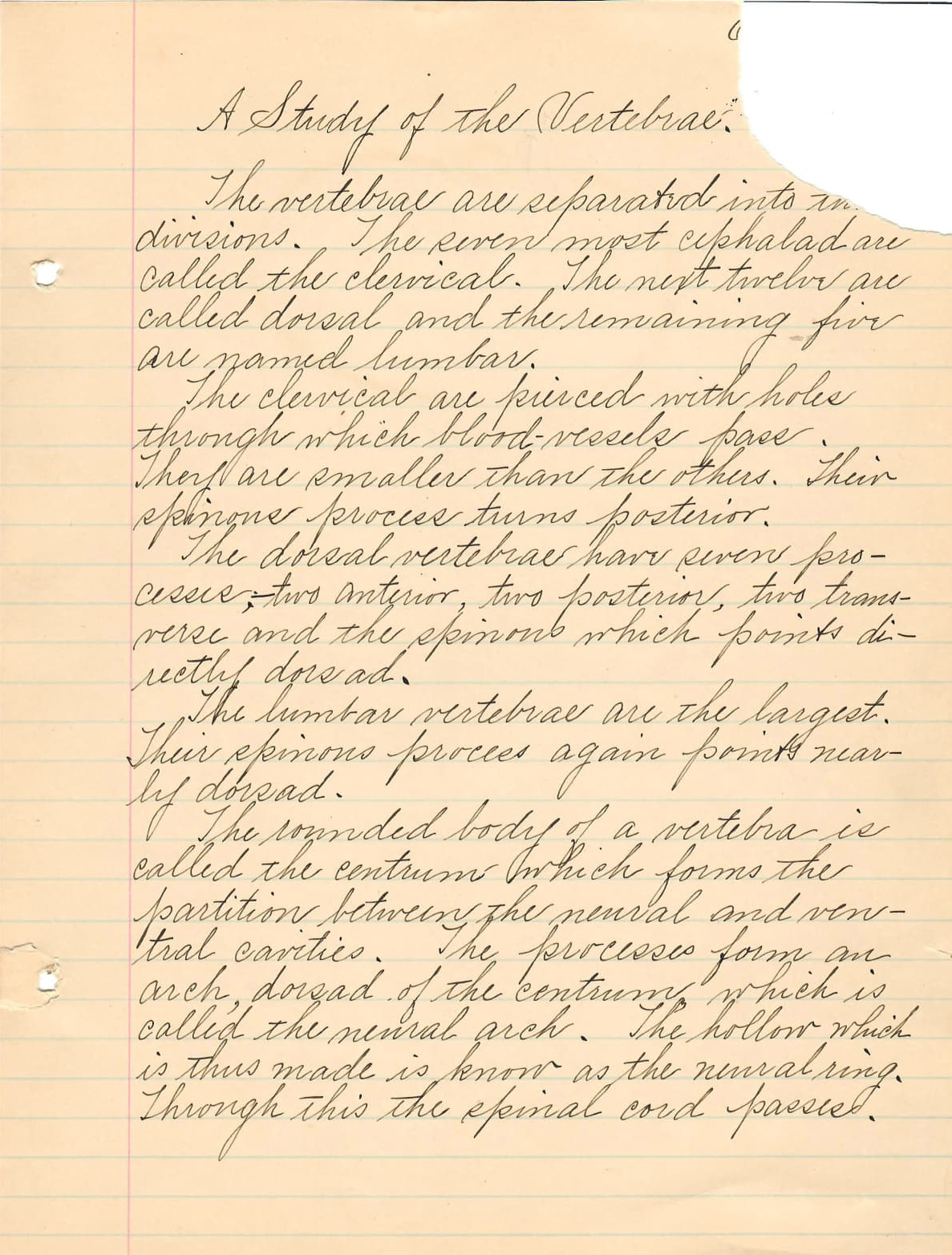
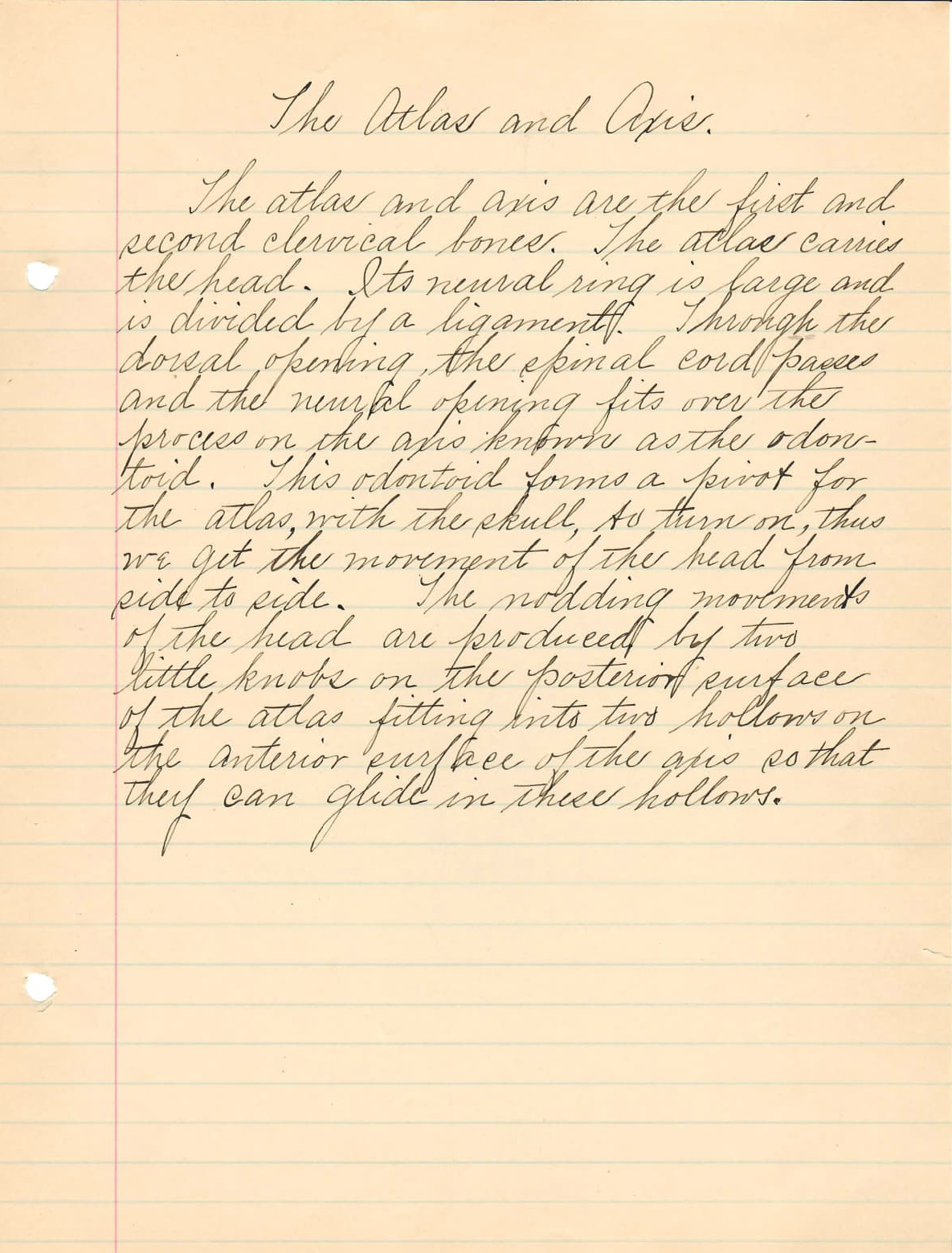
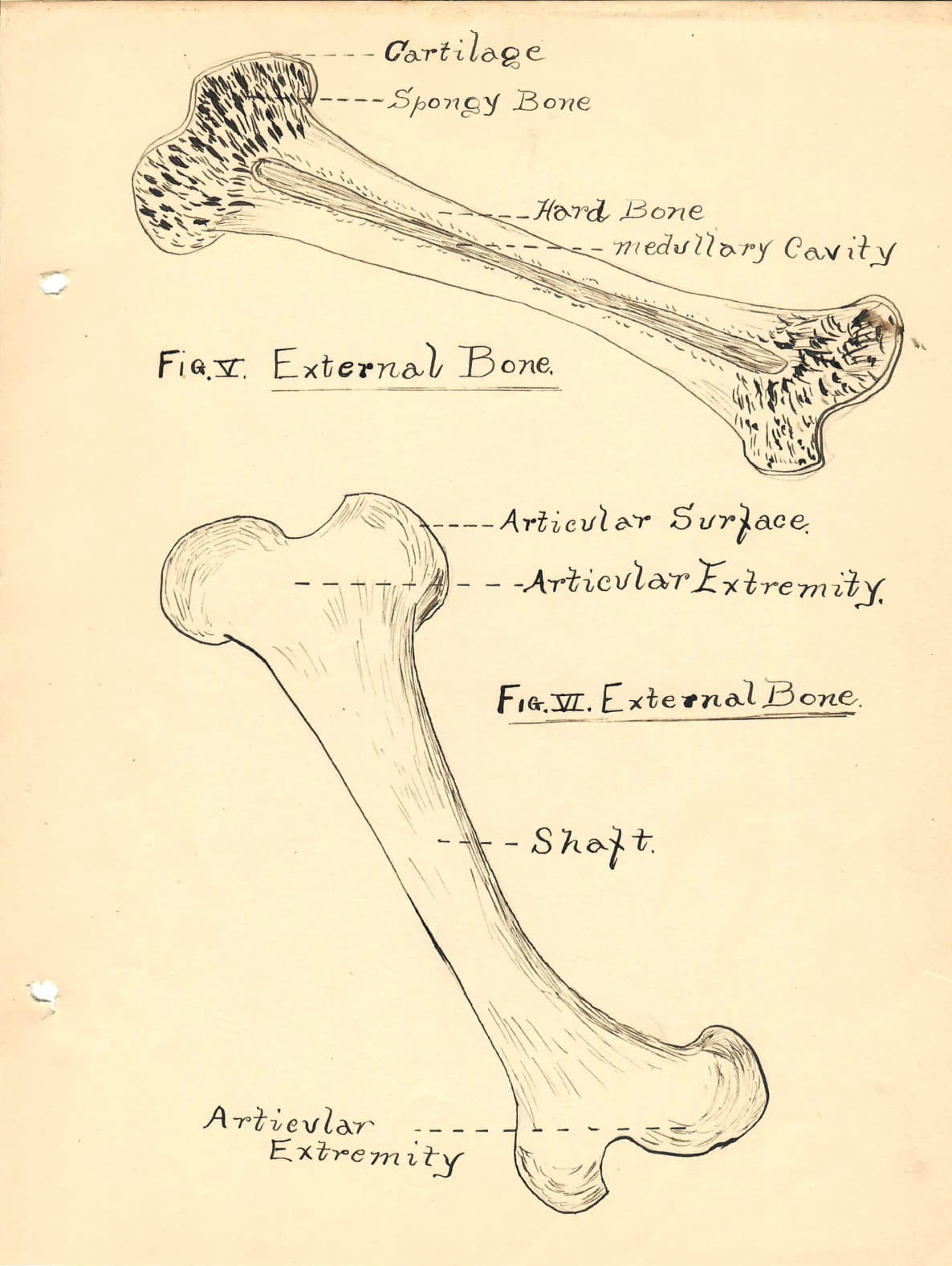
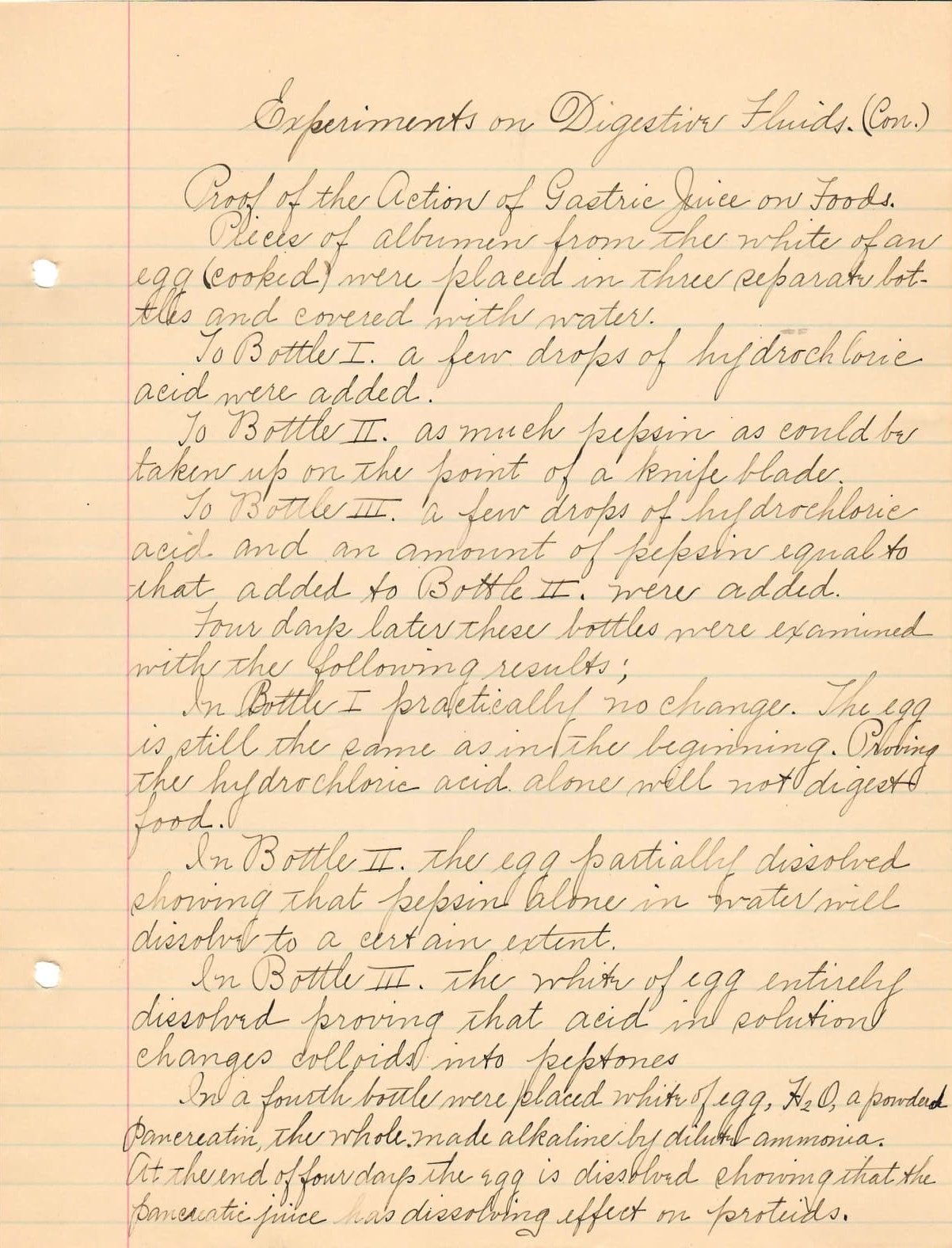
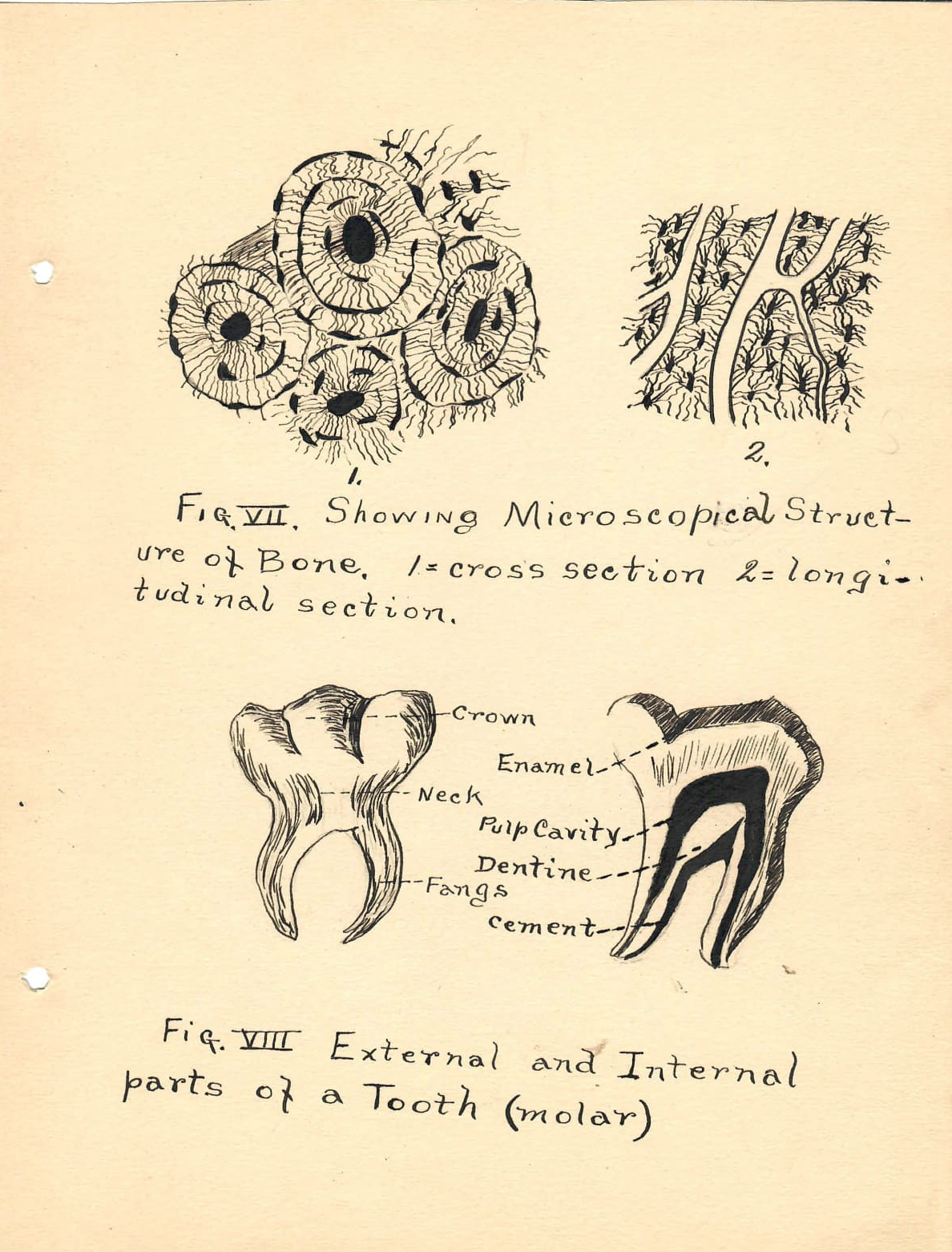
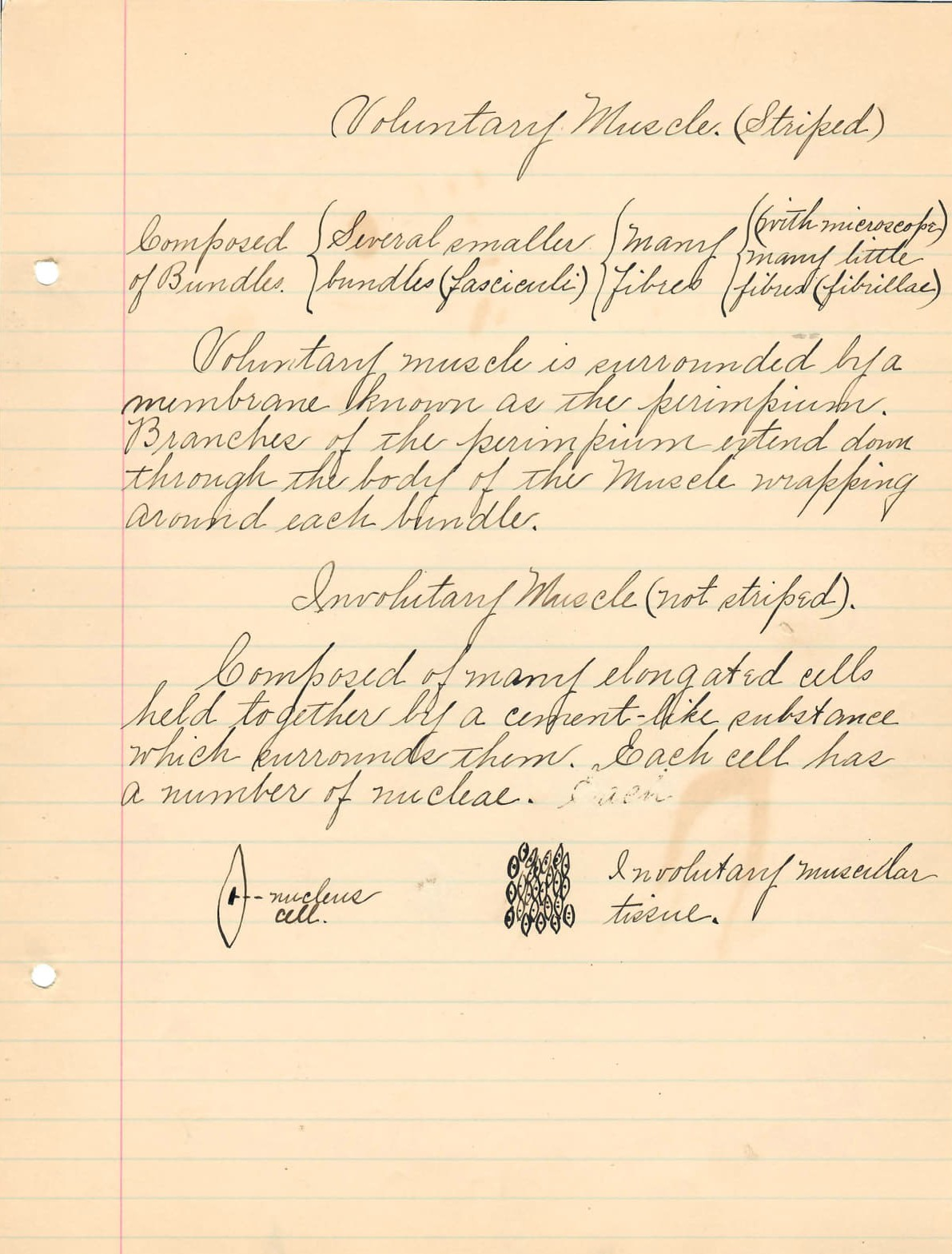
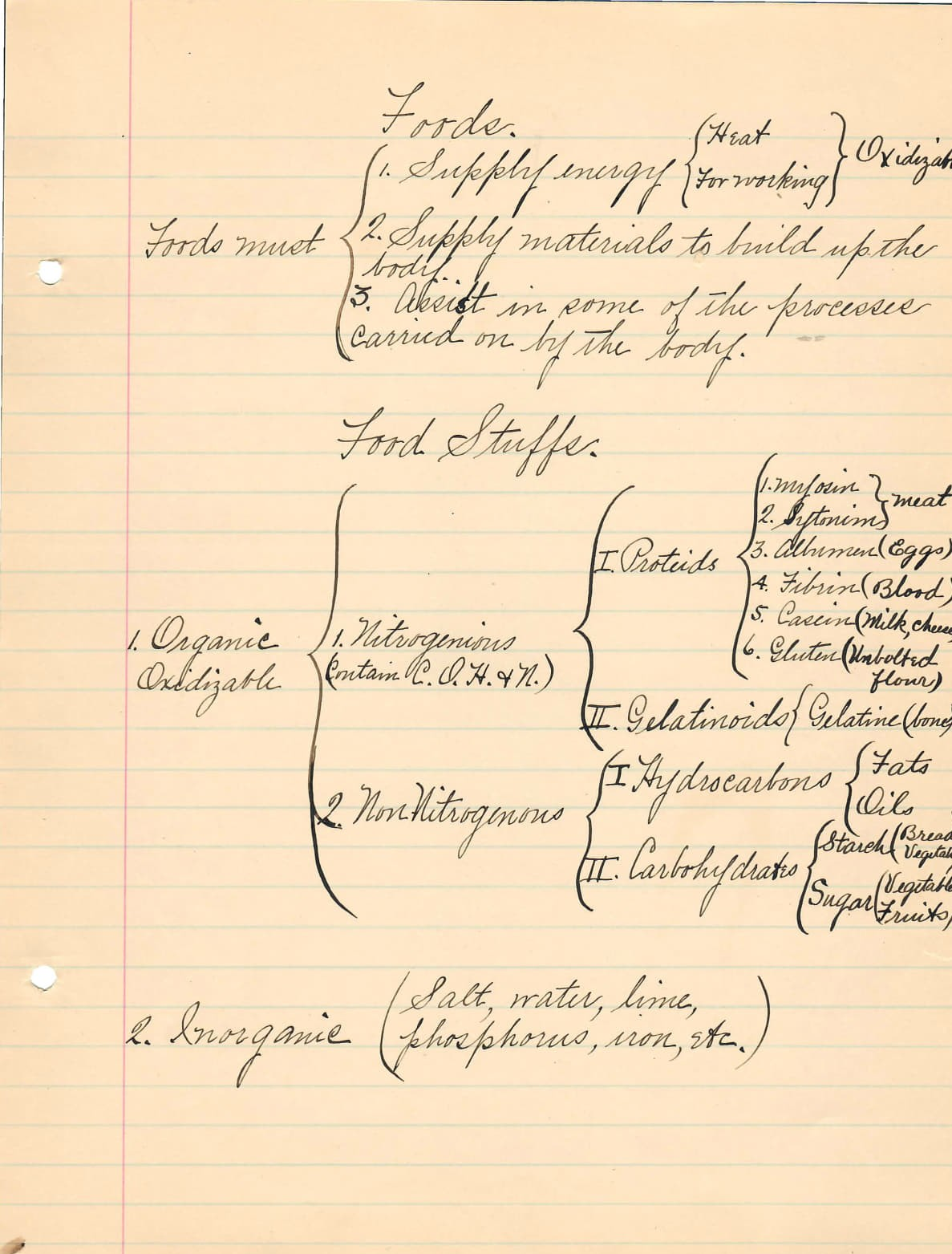
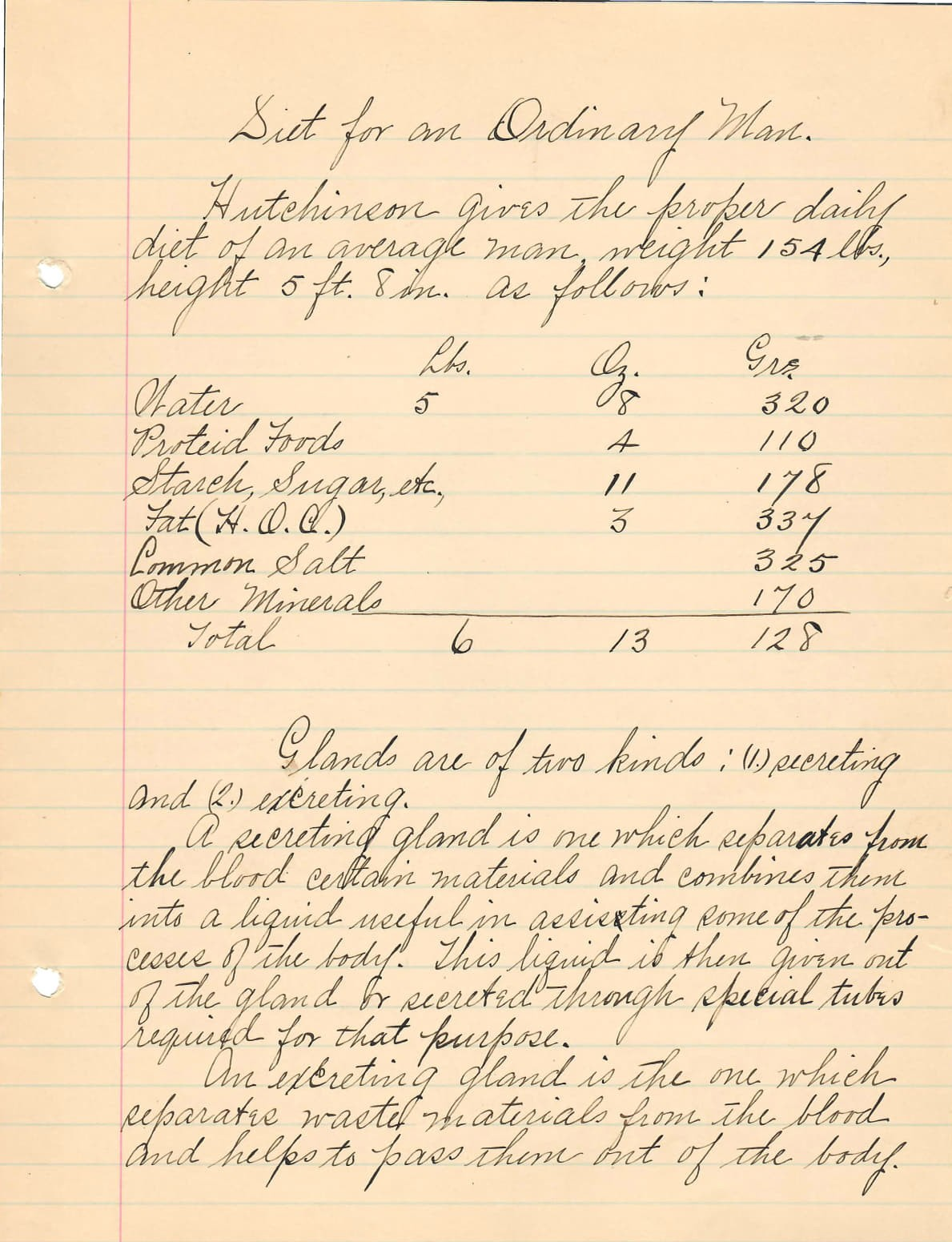
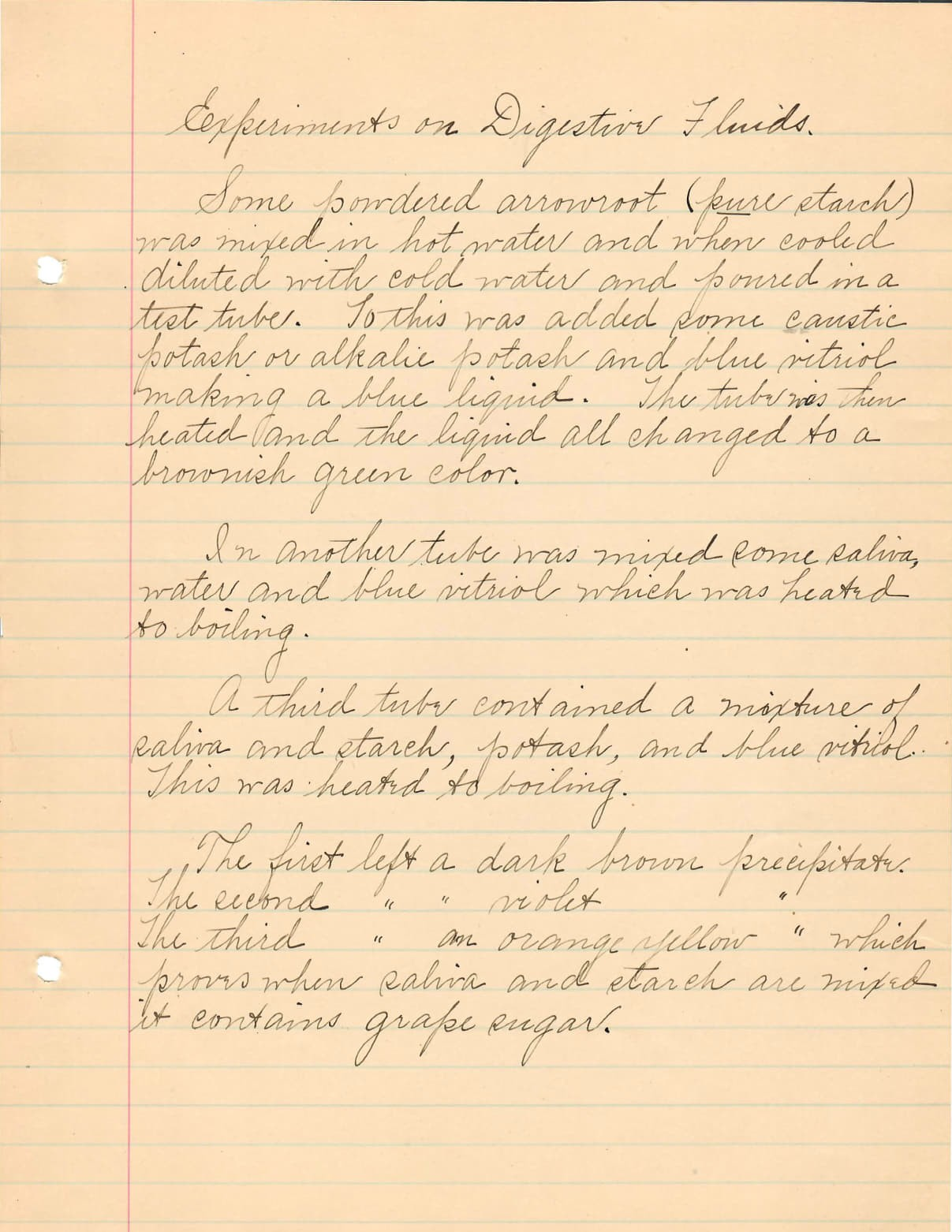
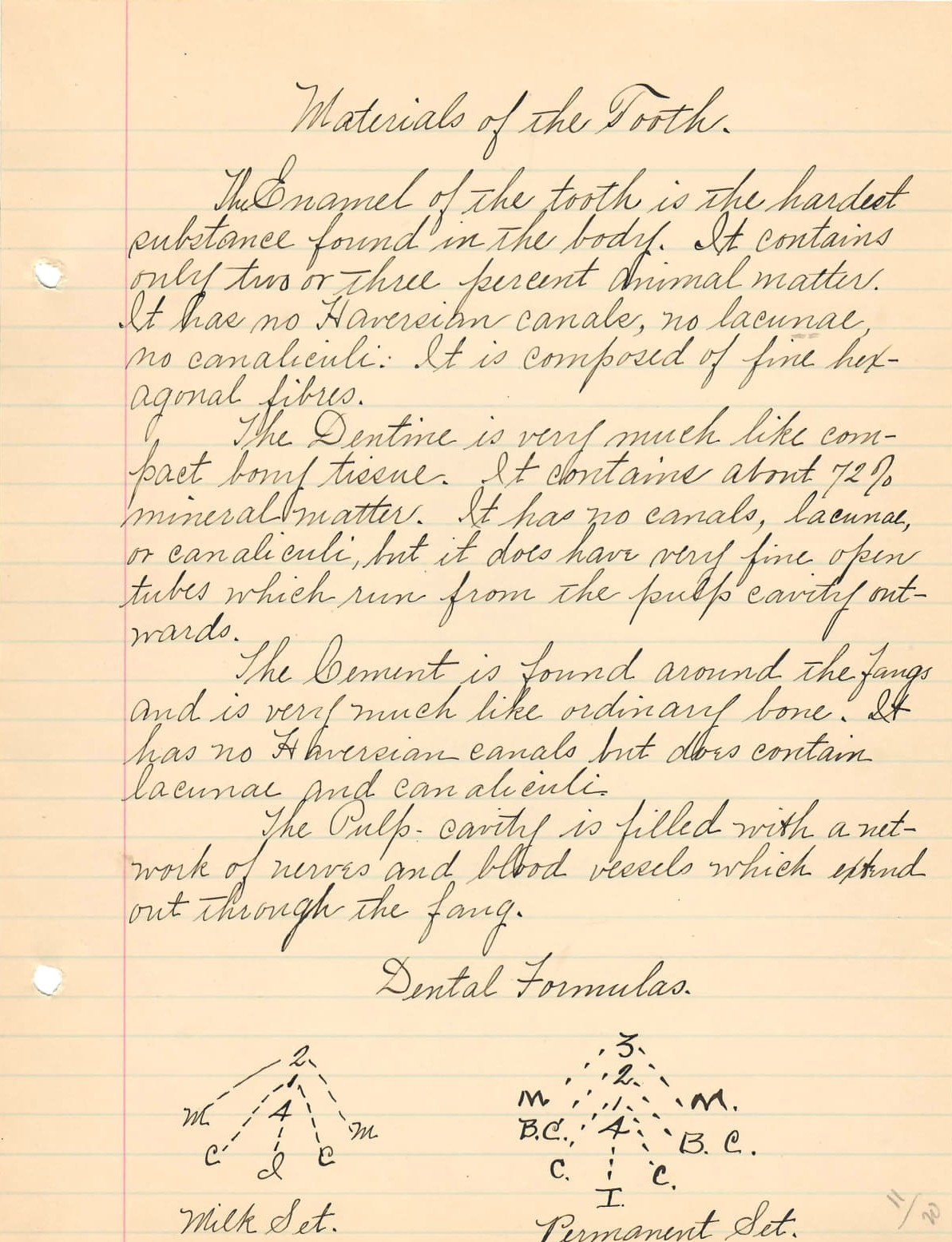
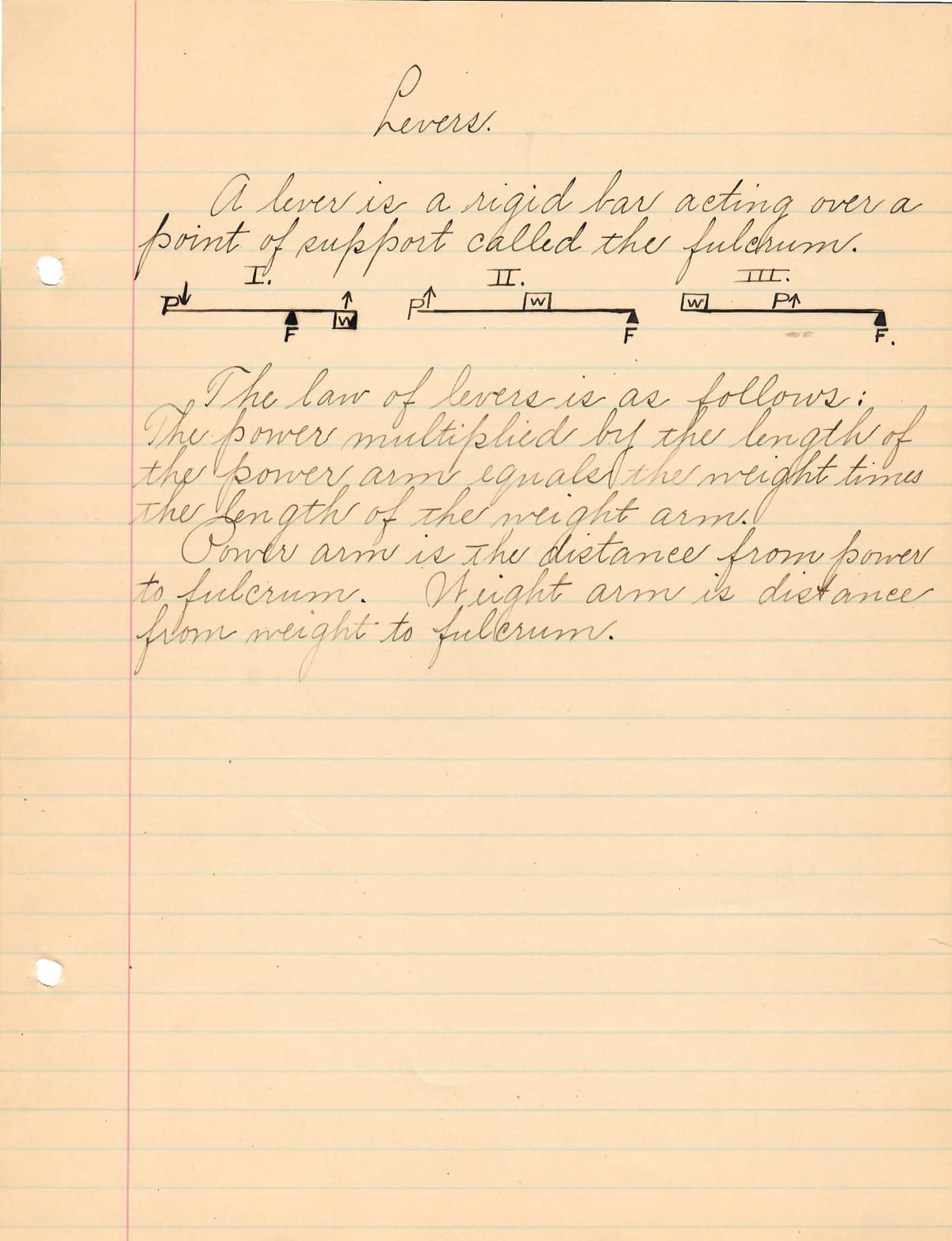
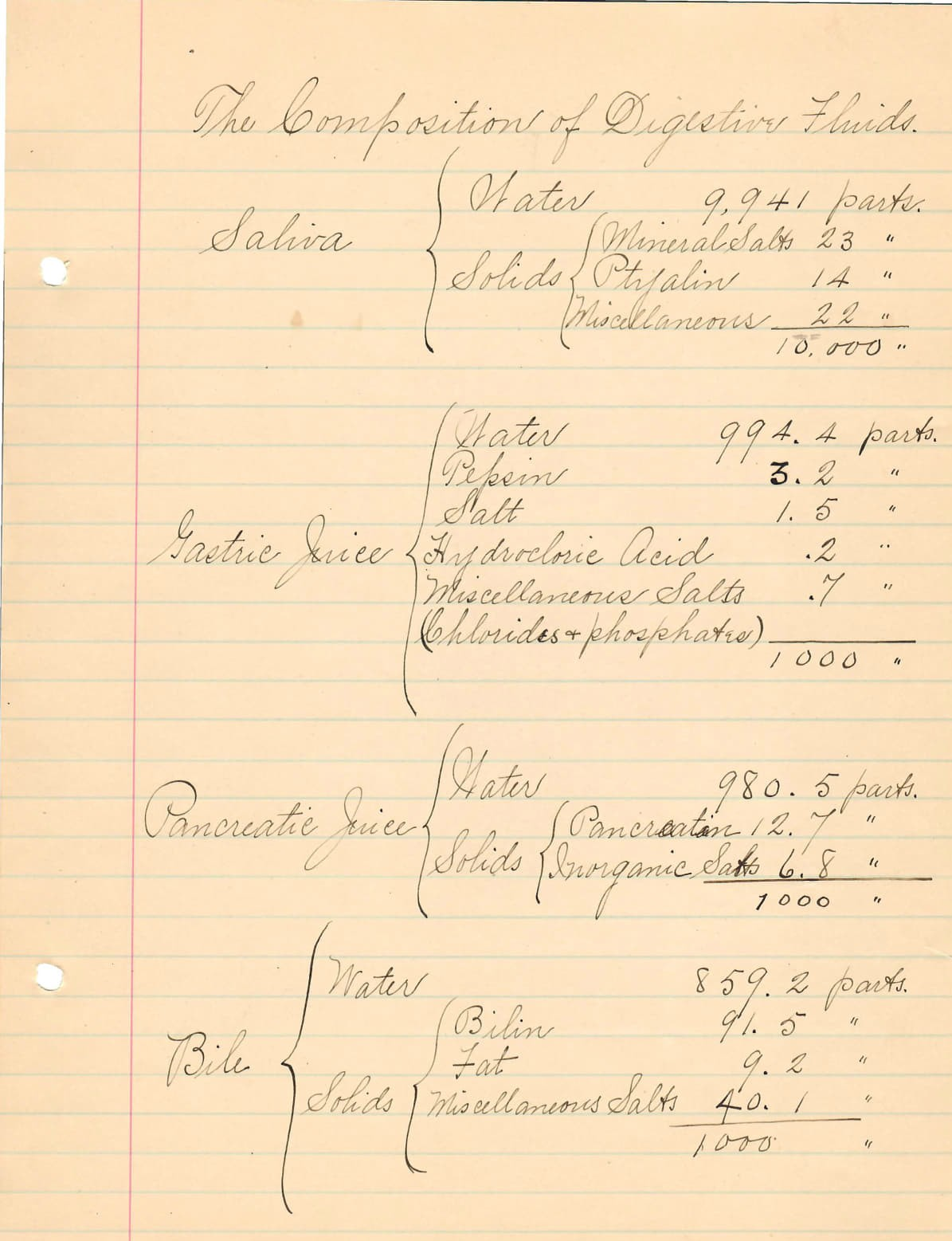
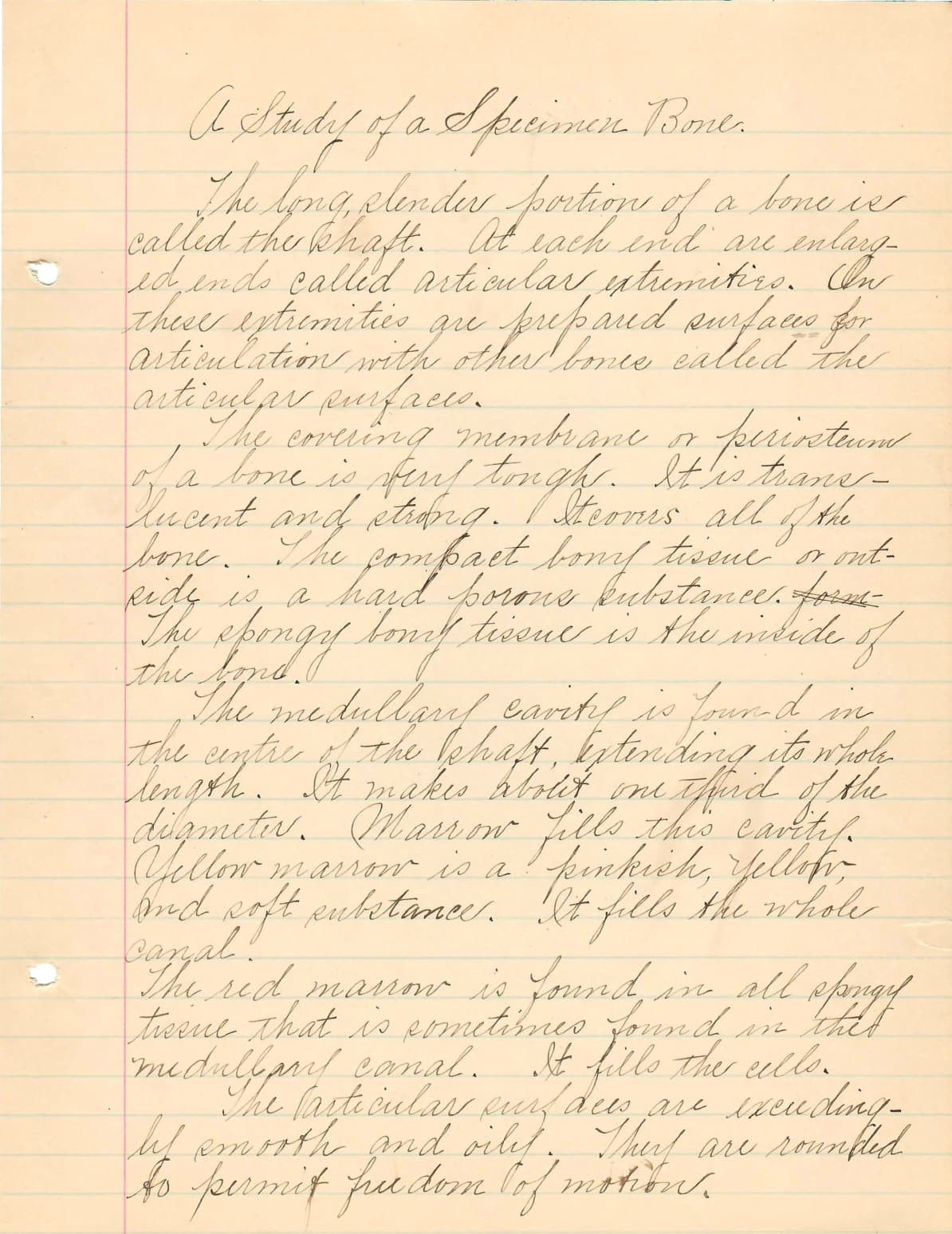
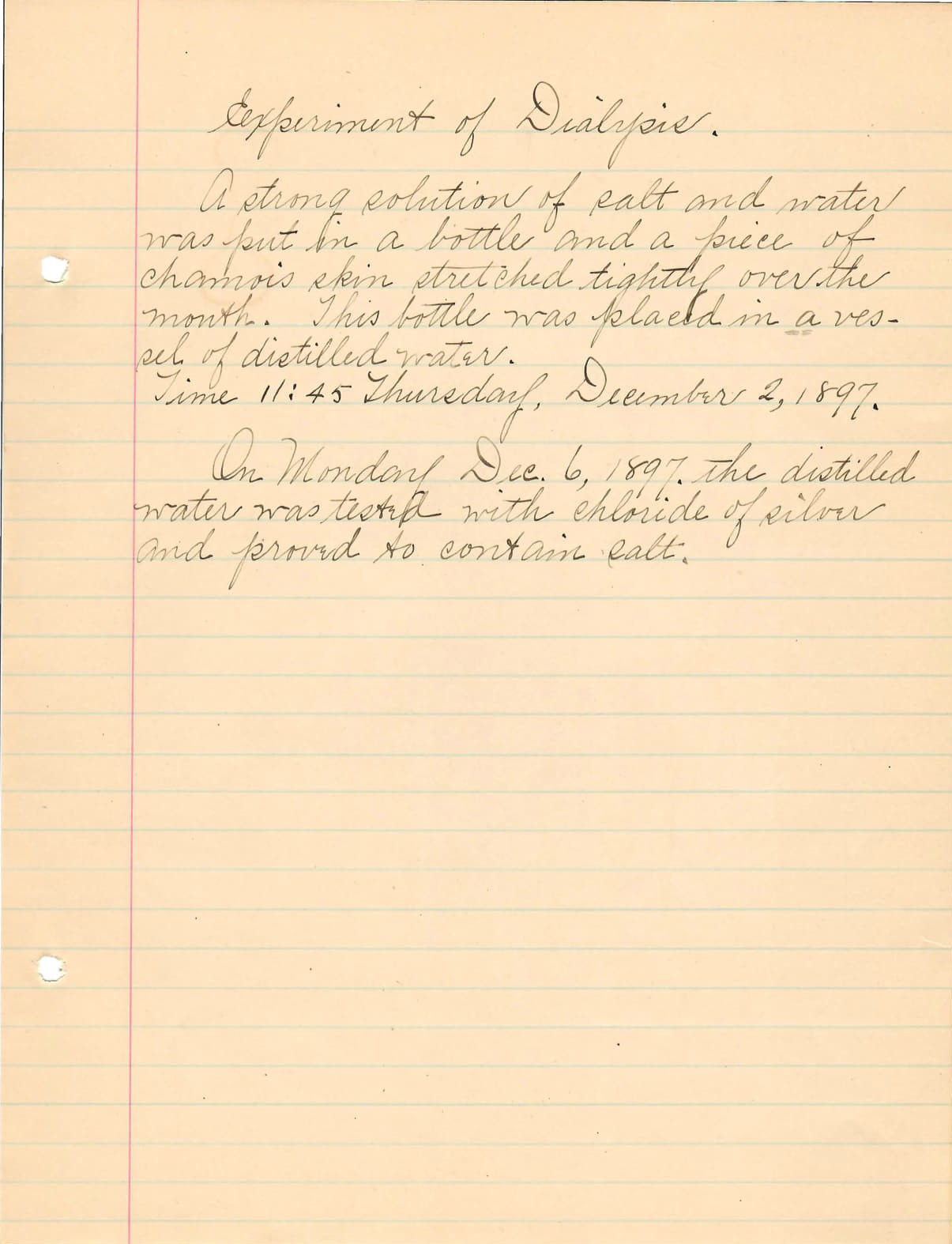
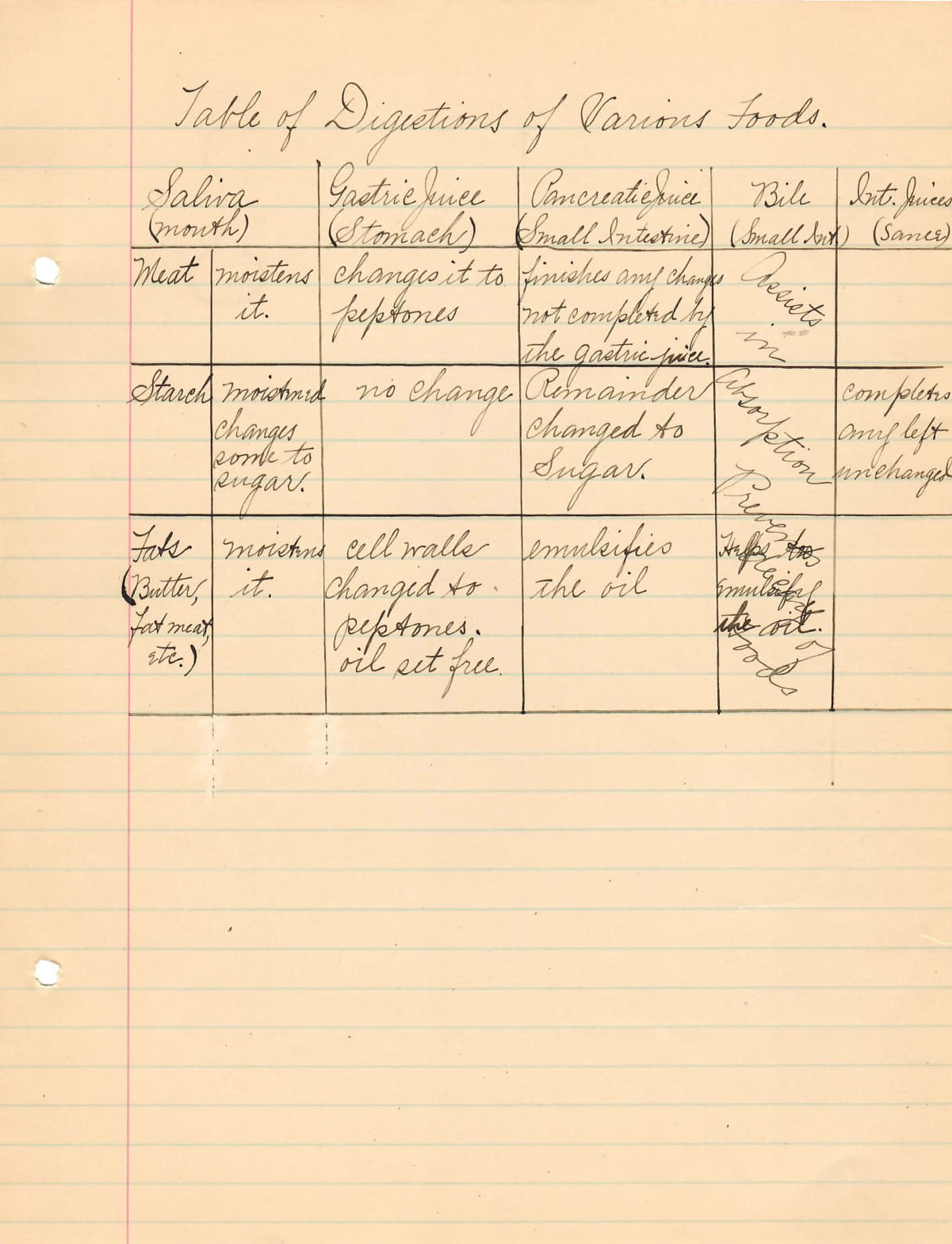
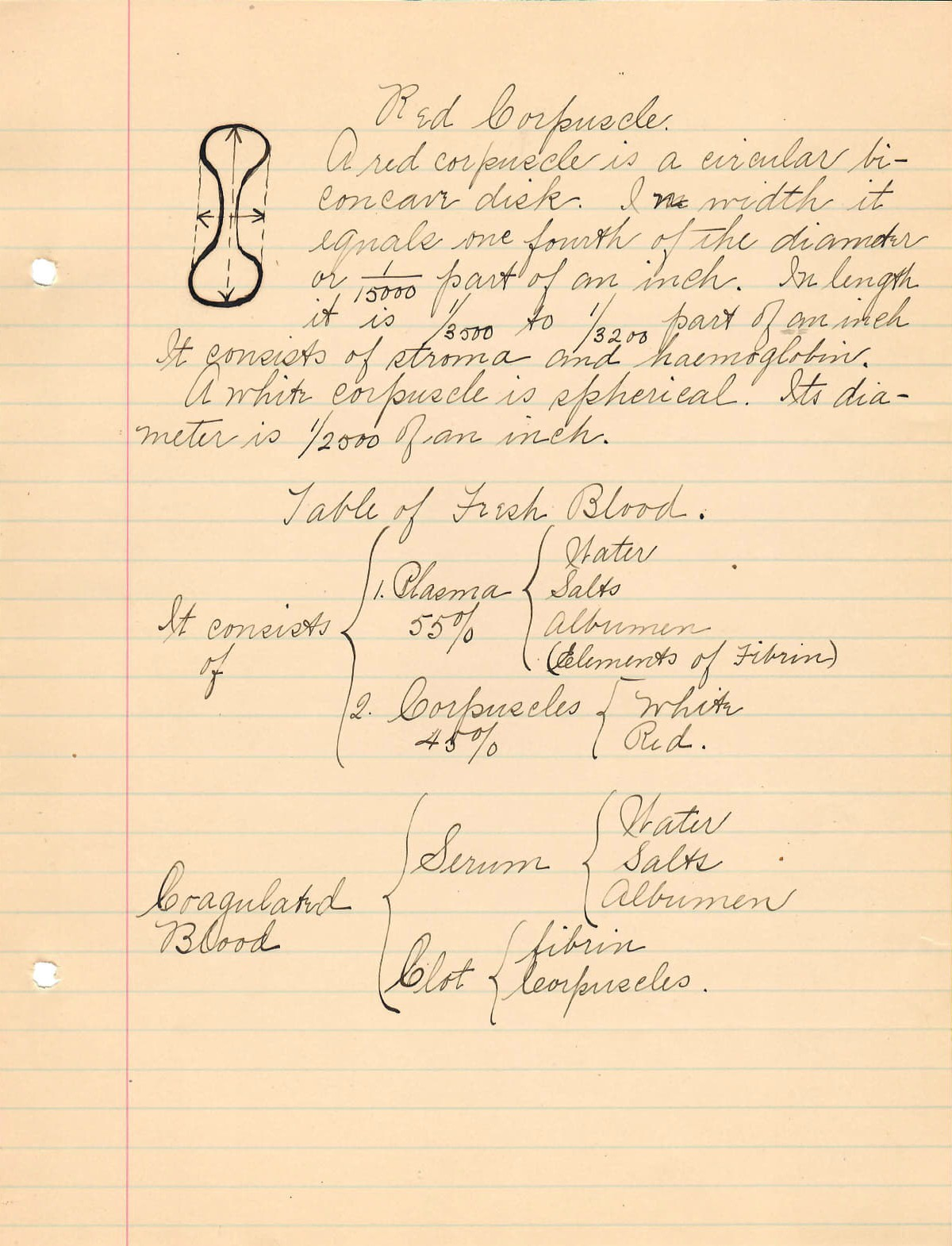
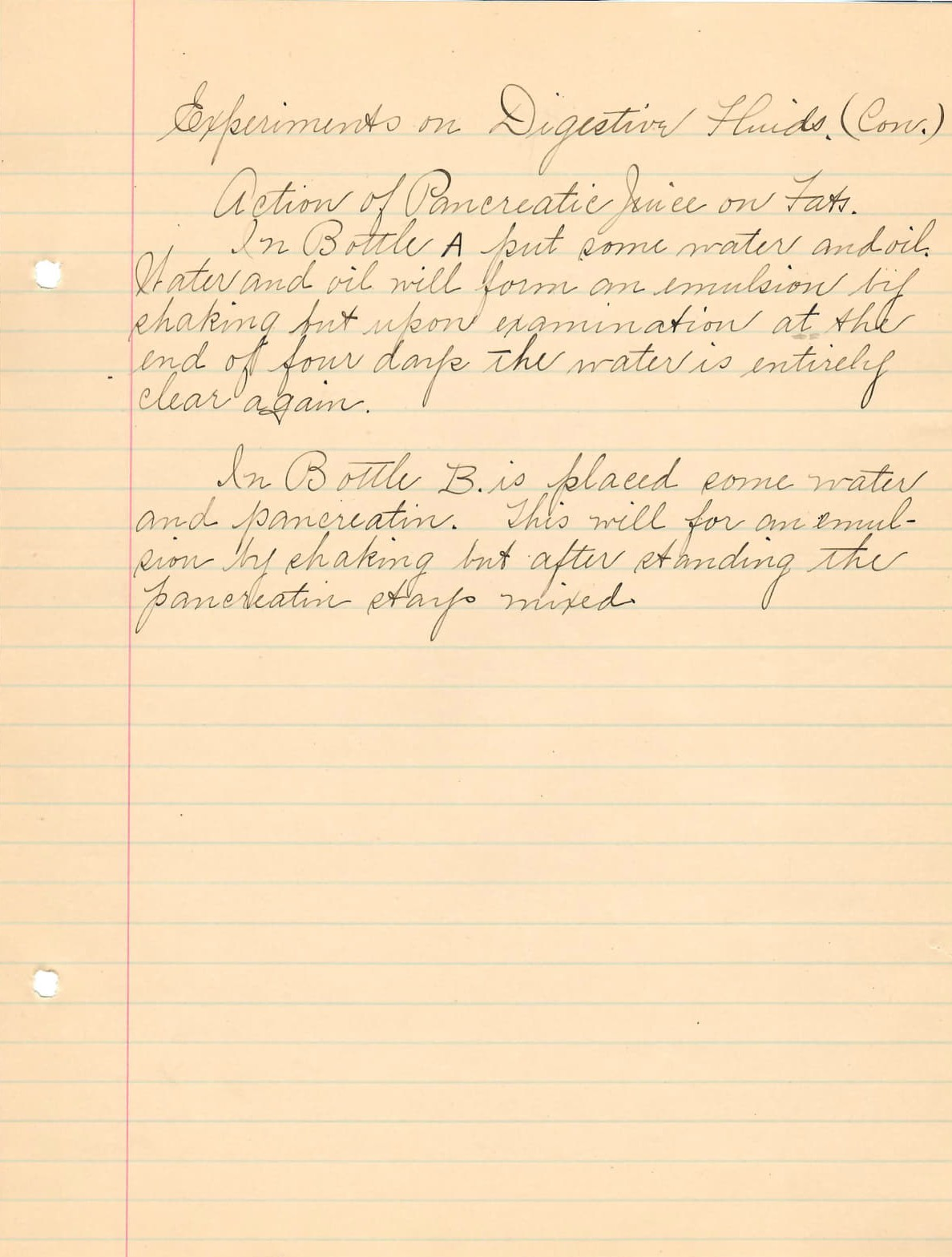
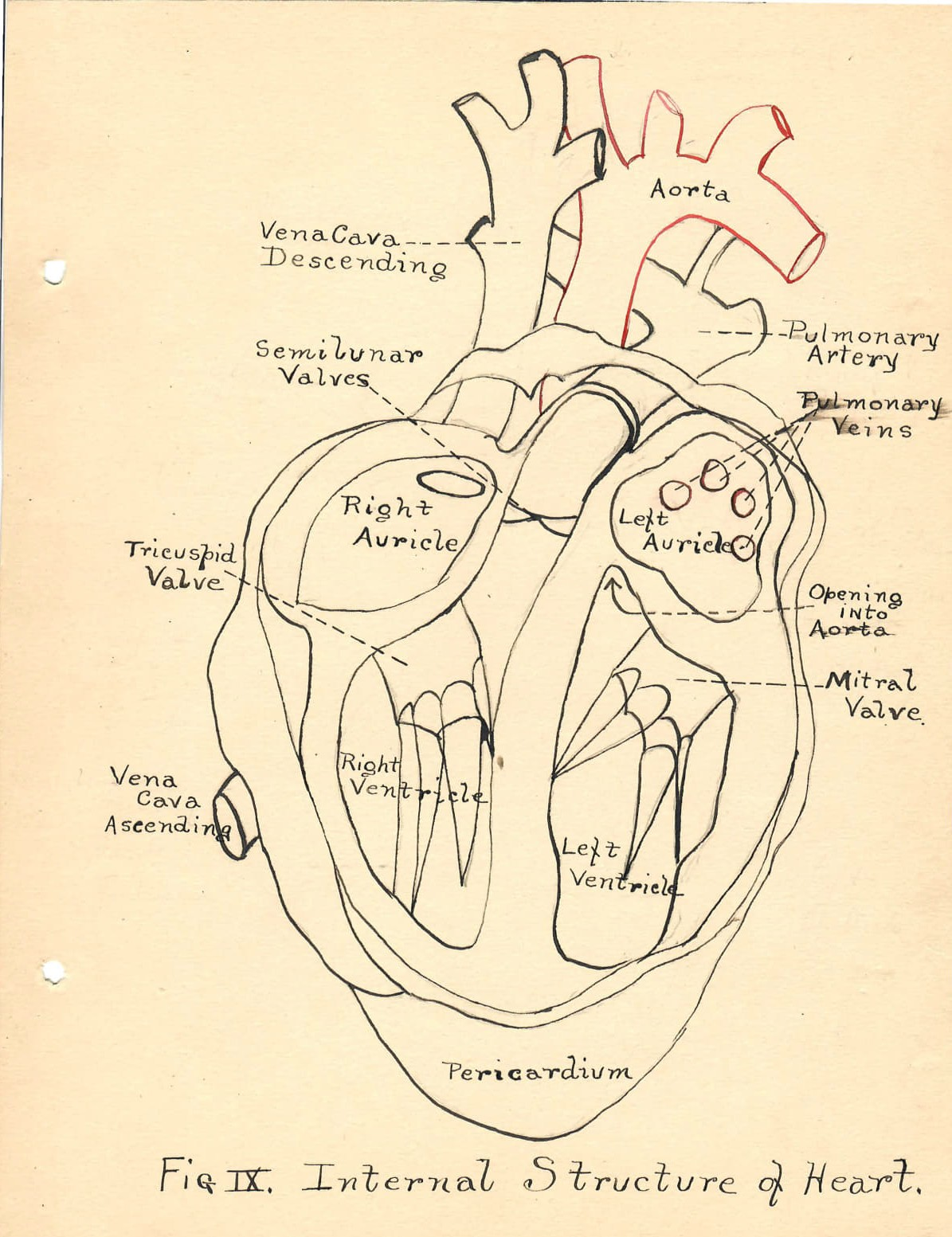
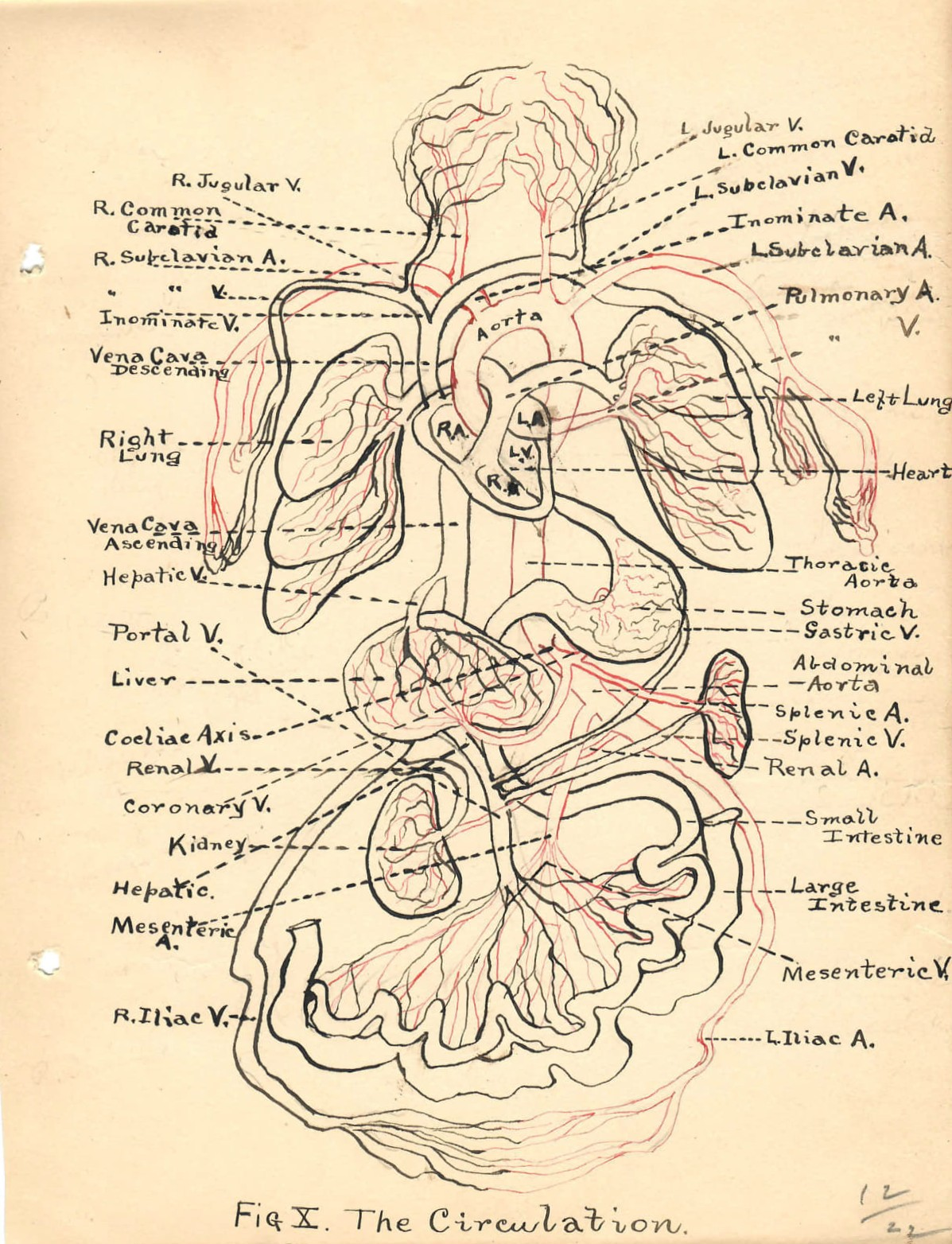
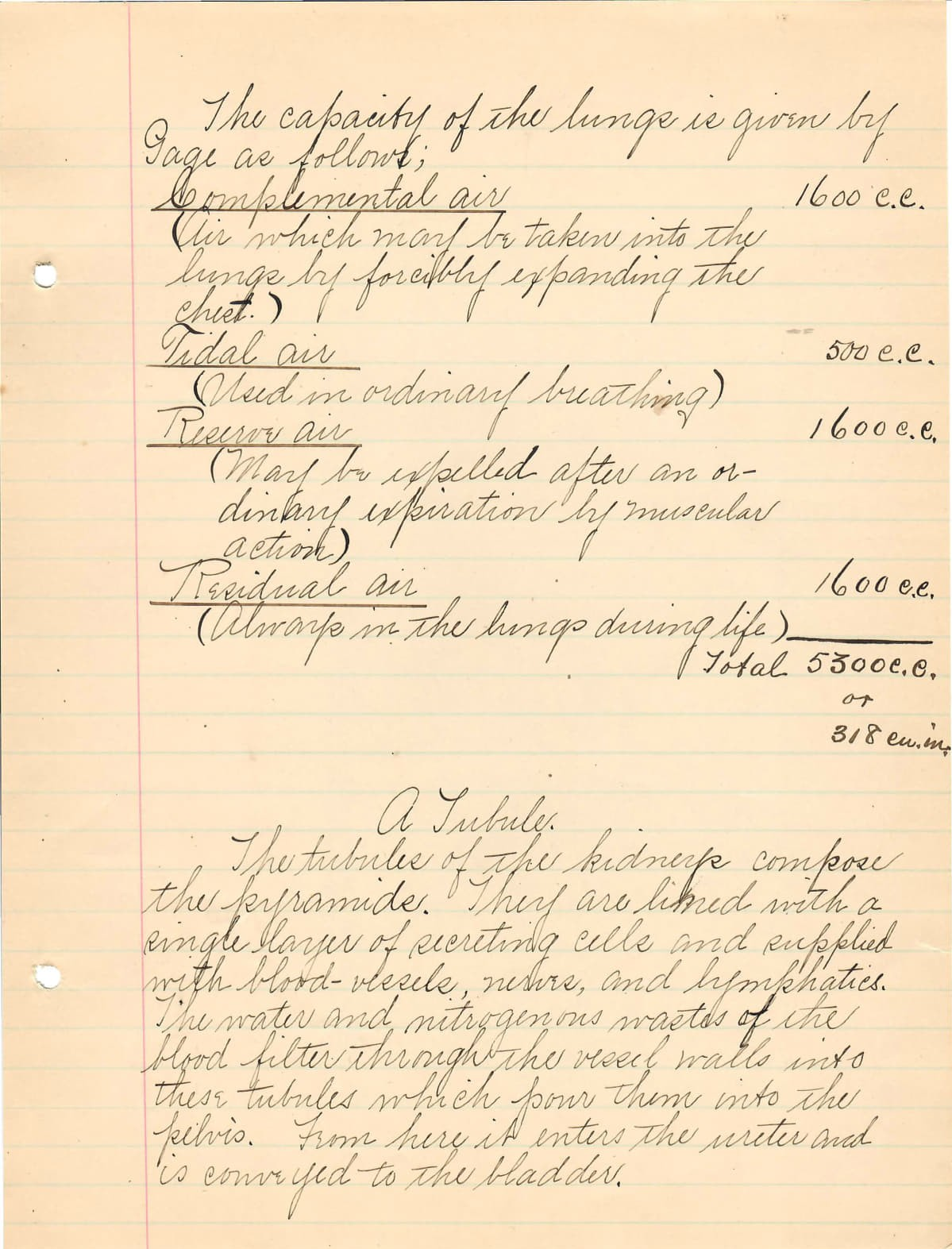
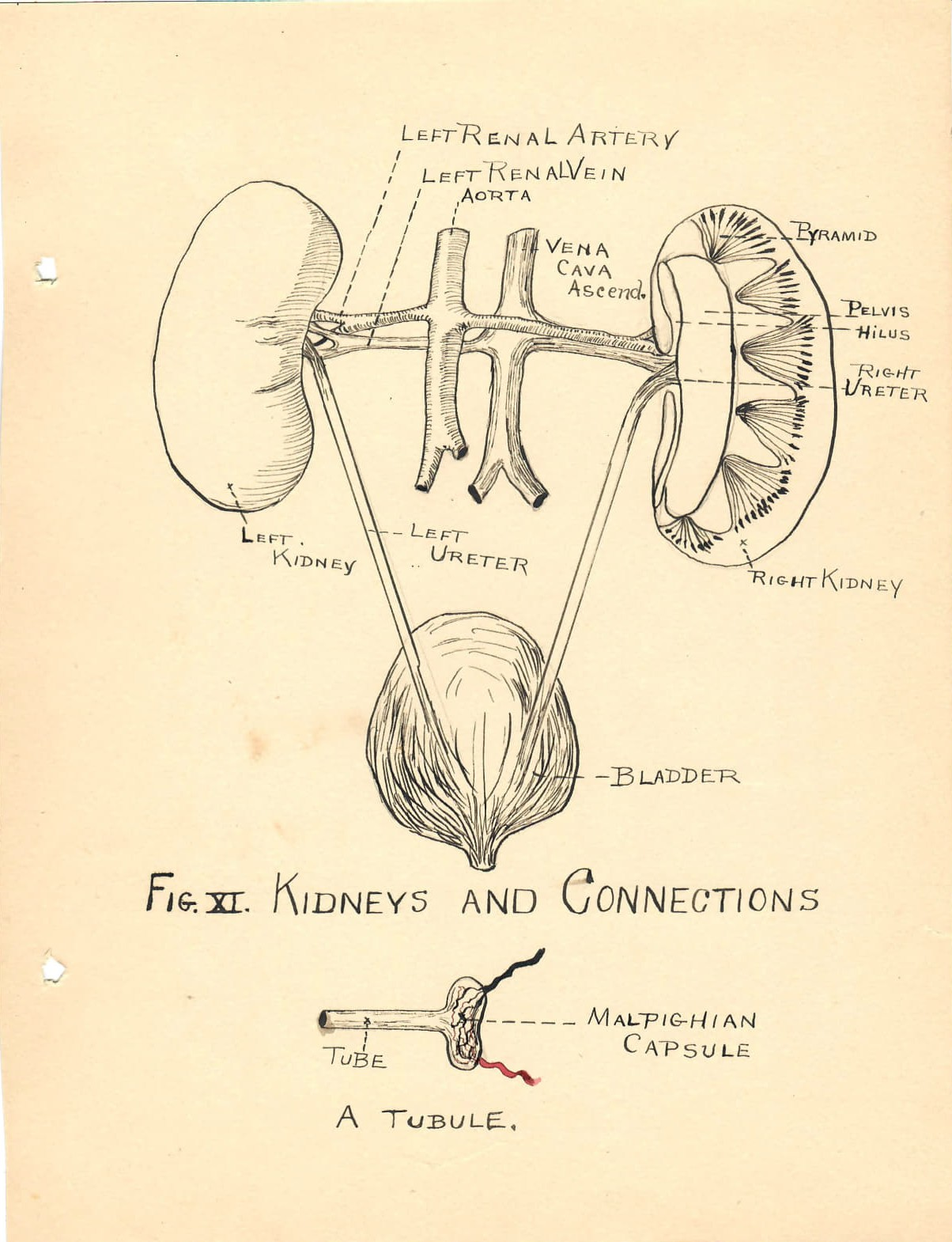
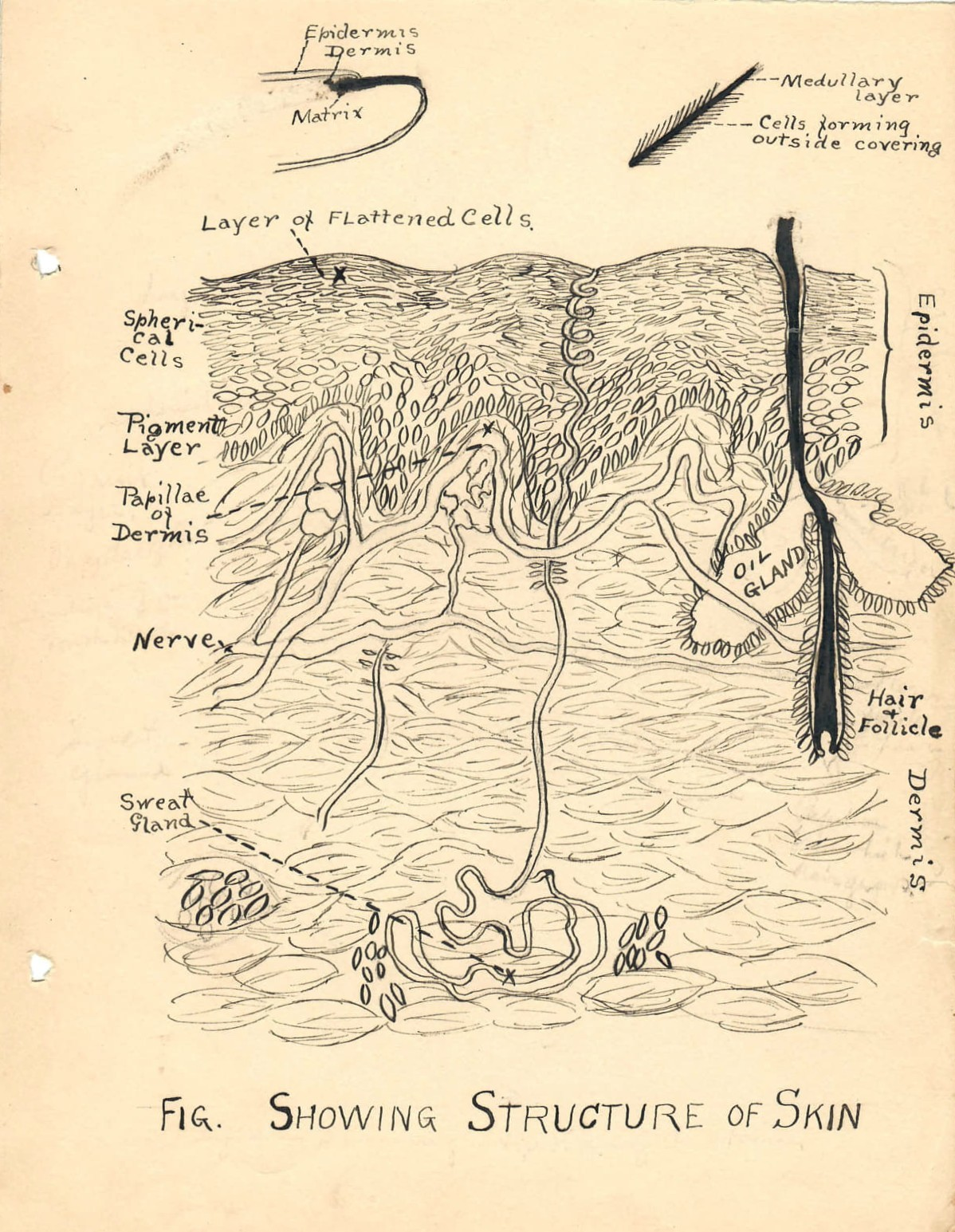
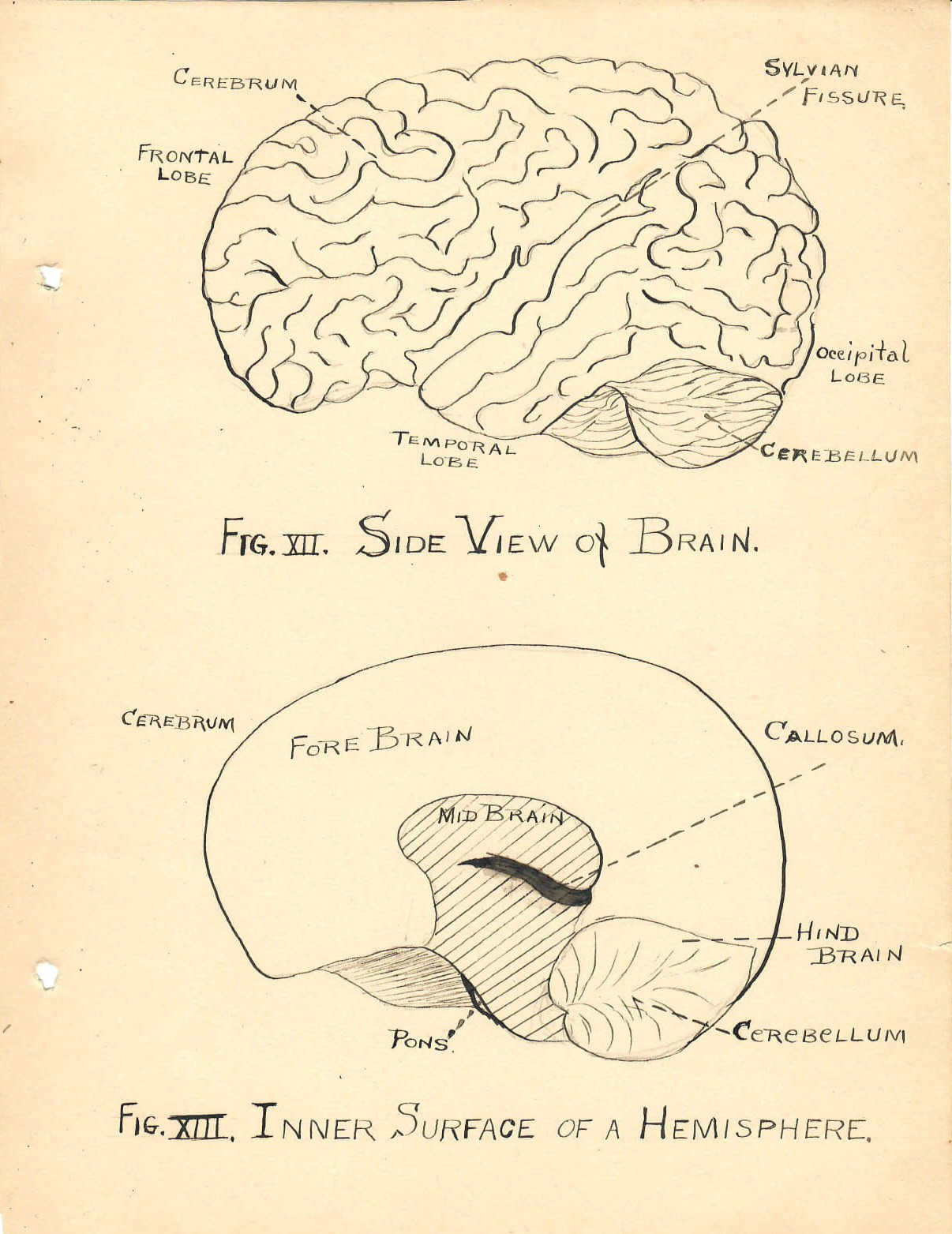
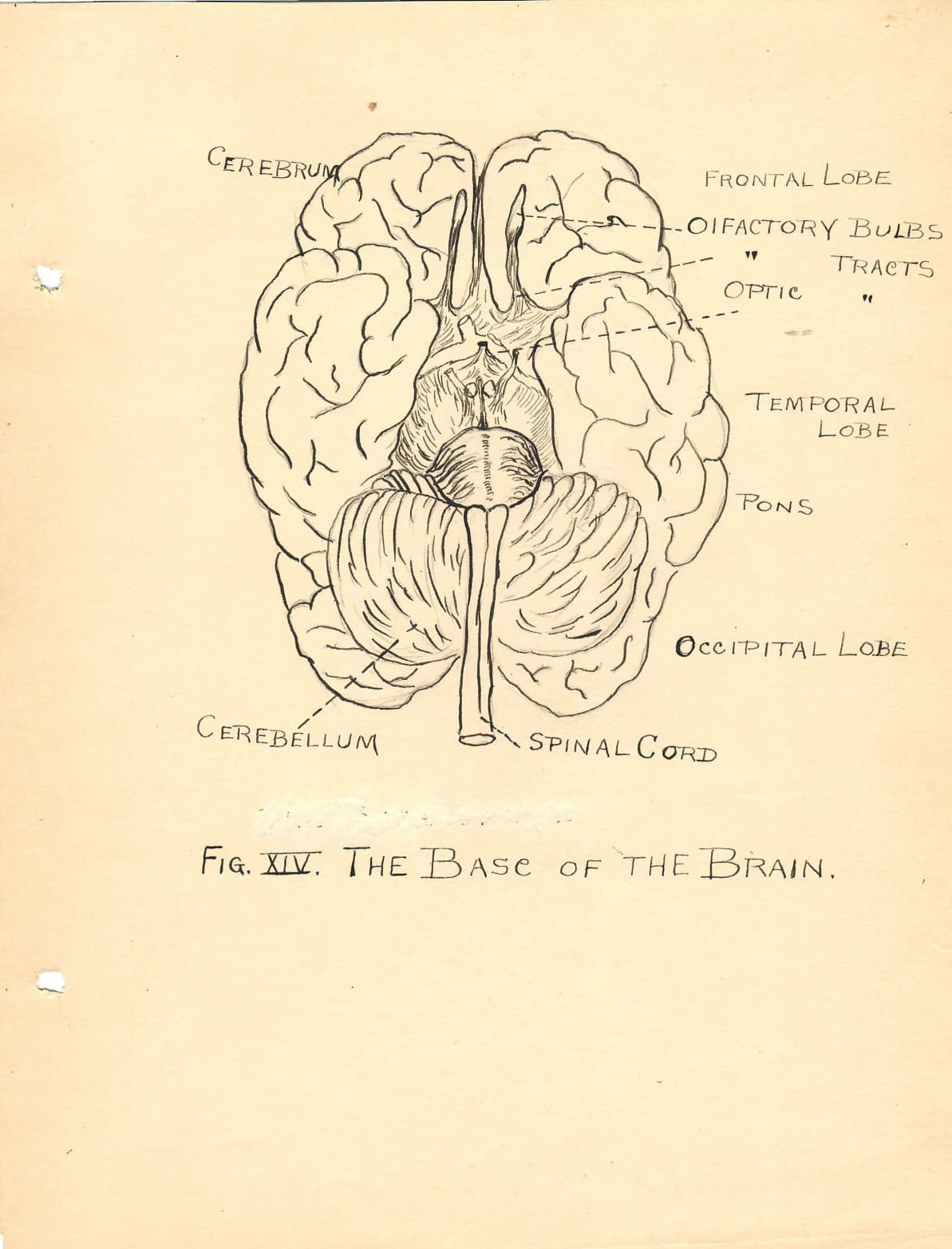
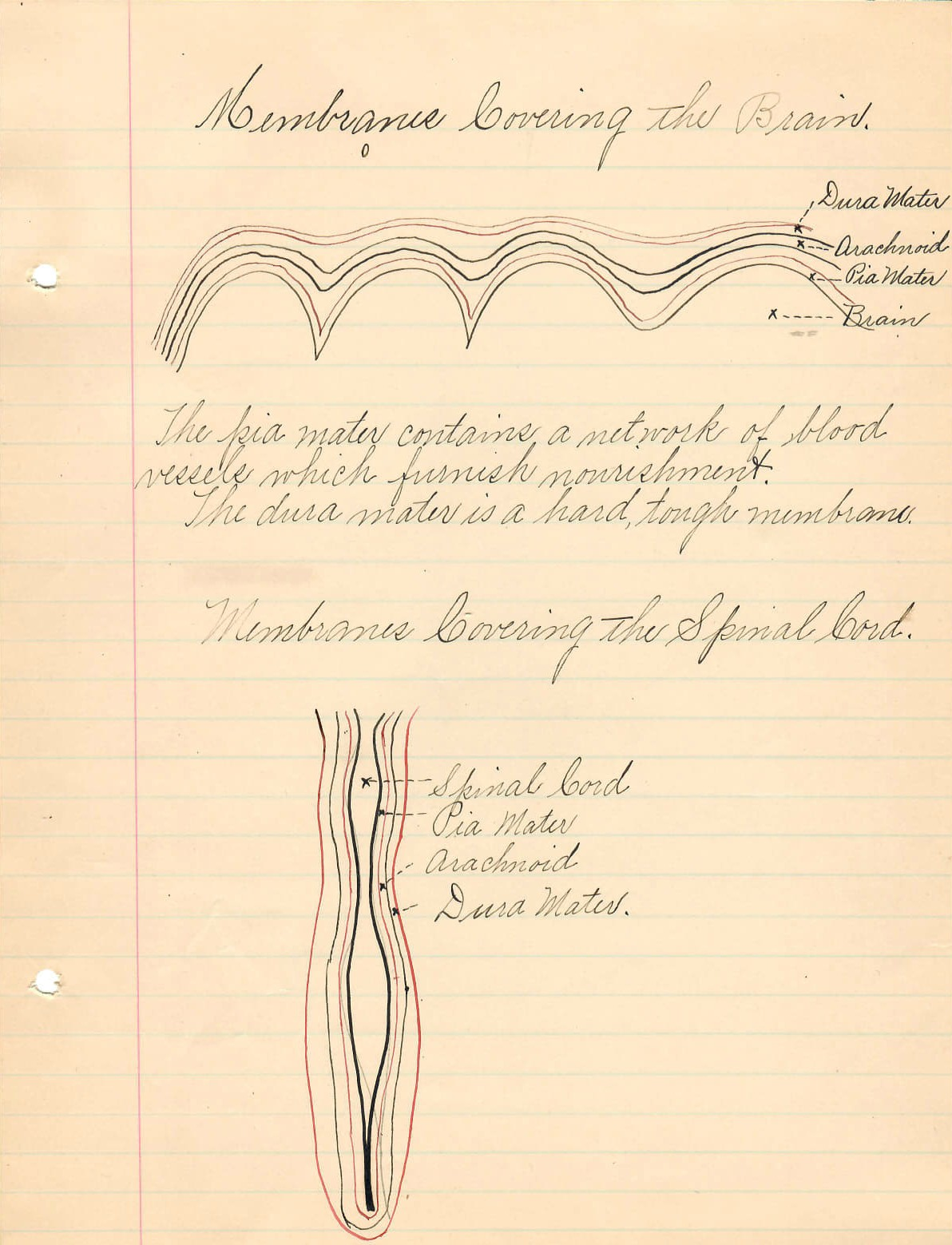
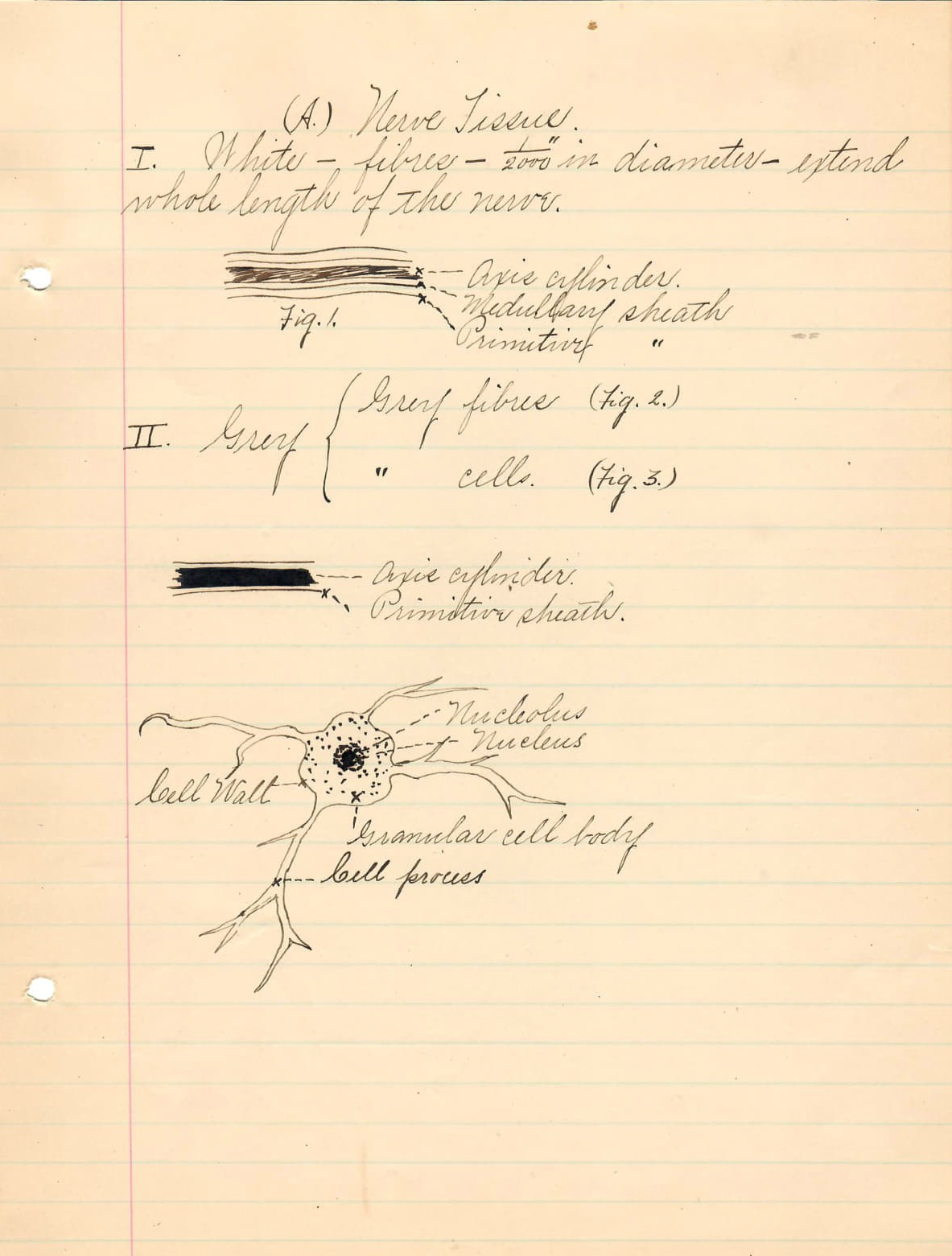
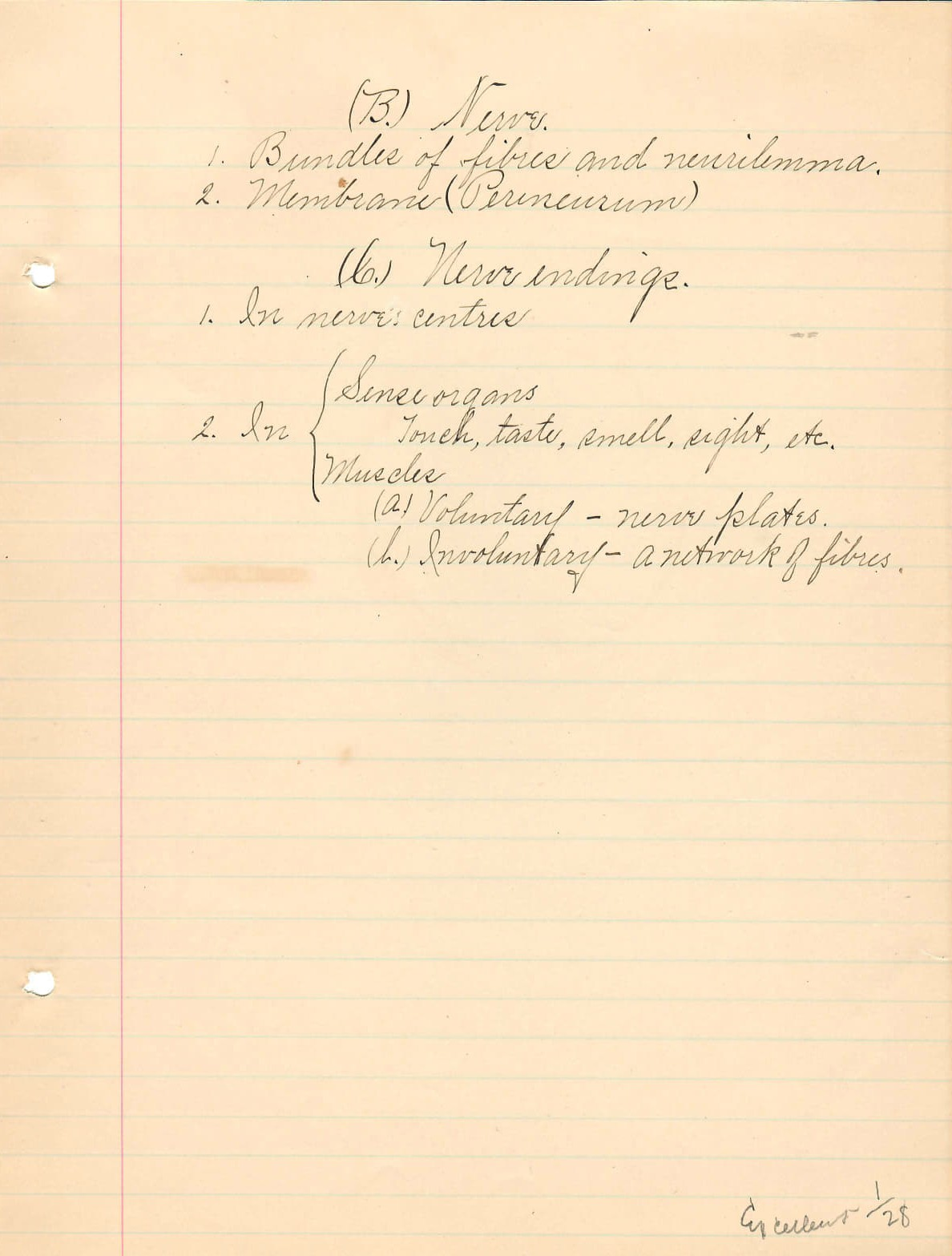
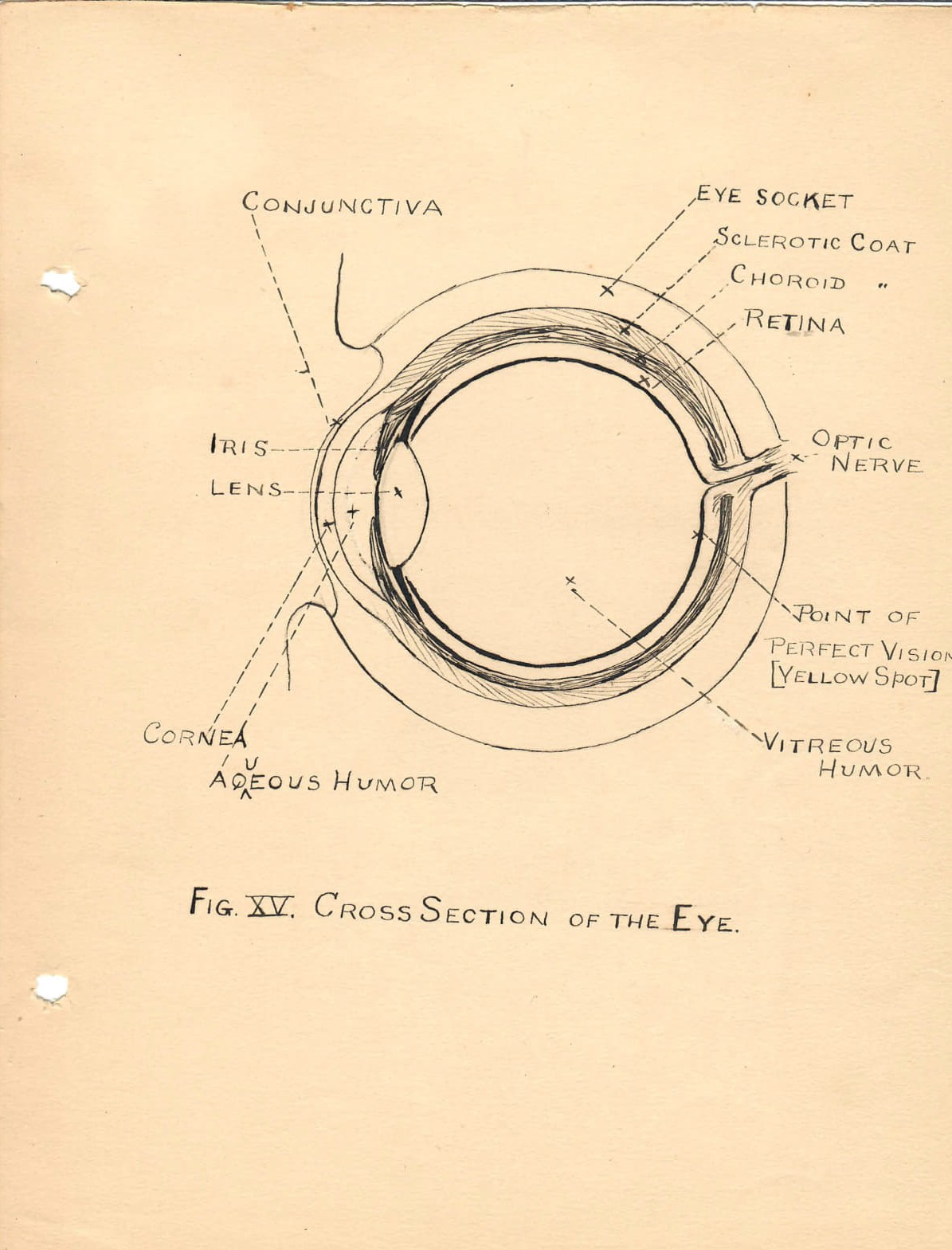
This item is a handwritten student notebook titled Physiology Notes – Sophomore B, authored by Edith W. Dalton in 1897. The 35-page notebook is composed of detailed pencil entries on human anatomy and physiology, including clearly labeled diagrams, definitions, and system overviews. Topics include the muscular system, digestive processes, circulatory structures, respiration, and nerve function.
Dalton’s work exemplifies the rigor of 19th-century science education, especially in an era when formalized medical and biological instruction for women was still emerging. The careful penmanship, organized structure, and anatomical precision suggest this notebook was part of a college-level or teacher-training curriculum in human biology.
Time period related textbooks:
Condition
This notebook is in very good antique condition, with all pages intact and legible. Ink remains dark, and most illustrations are clearly visible. Some mild age-related yellowing, edge wear, and faint pencil marks are present, consistent with its age and use in an academic setting. The binding remains stable, and no major tears or stains are noted.
Gallery

Historical context
The year 1897 marked a time of growing access to scientific education for women, often through normal schools, academies, or newly coeducational universities. Physiology was a cornerstone of biology instruction, and students like Edith W. Dalton were expected to memorize complex systems, reproduce labeled drawings, and describe body functions in detail—all by hand.
This notebook likely reflects coursework from a structured science curriculum, either for pre-medical study or teacher preparation. Unlike printed textbooks of the era, this work captures the learning process in real time—complete with diagrammatic exercises, lecture transcriptions, and possibly some personal annotations.
Curious Facts, Ephemera, and Trivia
The cover is clearly labeled: “Physiology Notes – Sophomore B” by Edith W. Dalton – 1897.
Some entries describe physiological processes with near-textbook clarity, while others suggest they were taken directly from lectures.
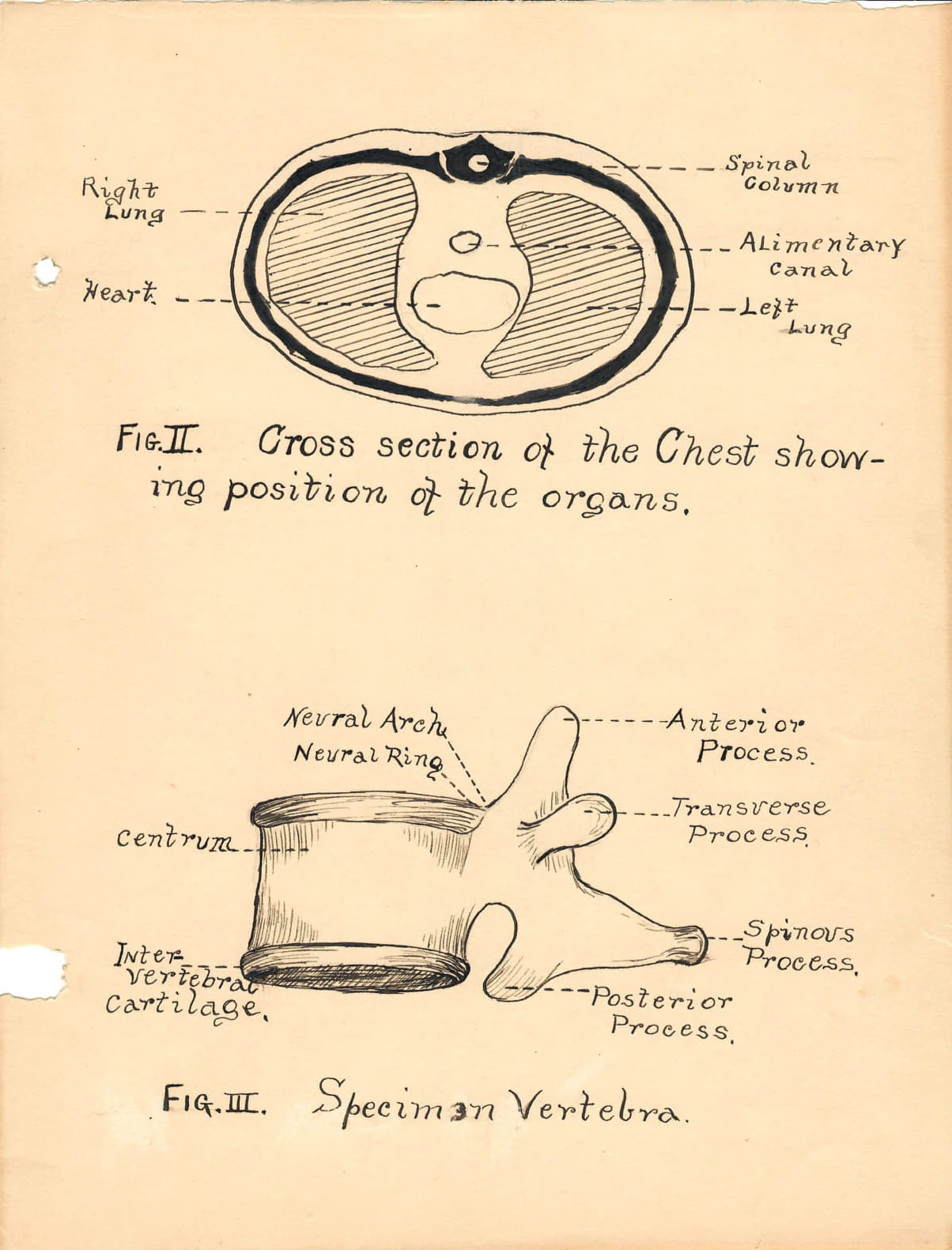
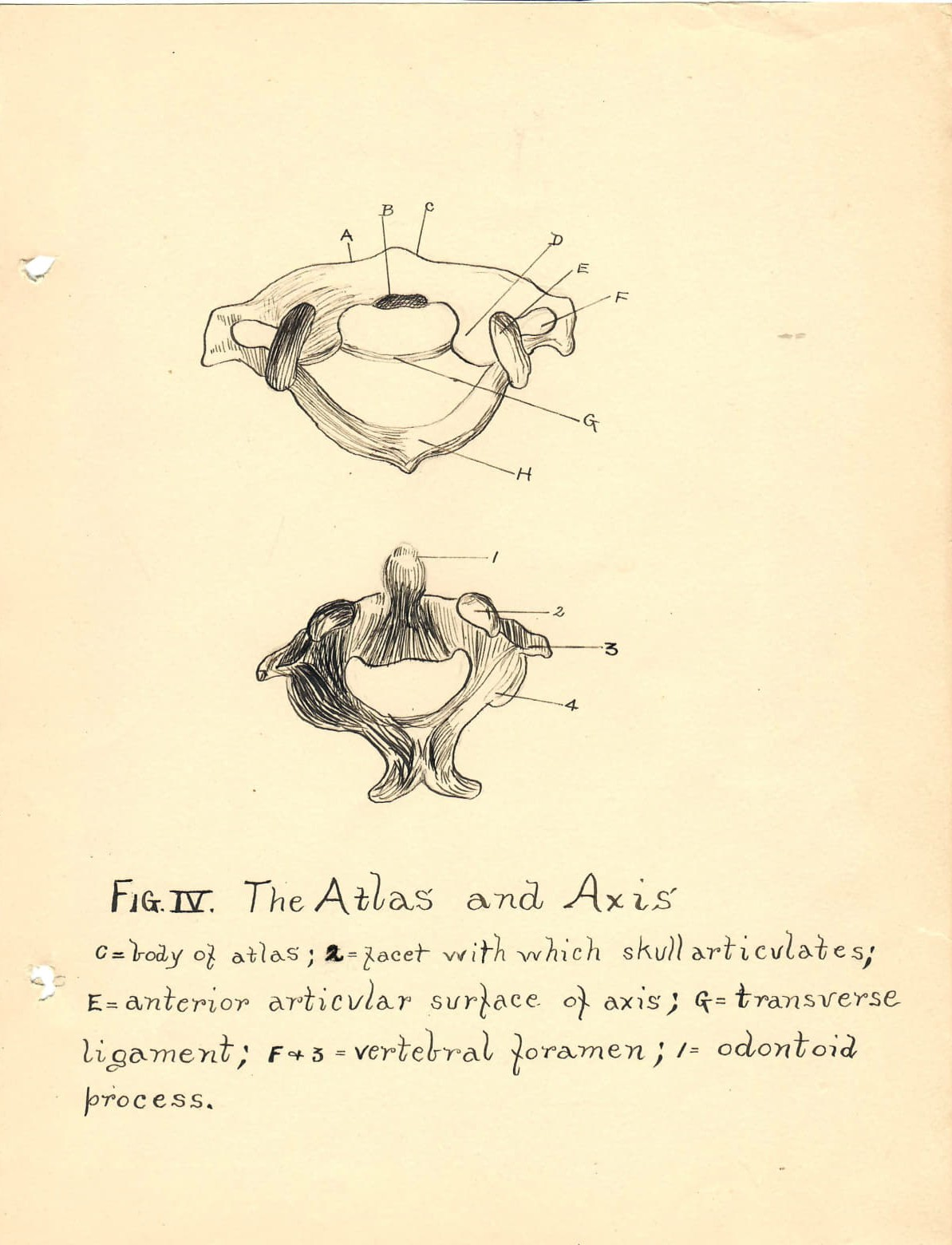
Hand-drawn diagrams include blood vessels, respiratory organs, and skeletal landmarks, all rendered in graphite.
The use of “ferments” to describe enzymes is consistent with 19th-century scientific terminology.
Excerpt
“Digestion begins in the mouth. Saliva contains a ferment which changes starch into sugar. Mastication is voluntary; deglutition is partly voluntary and partly involuntary…”
—Page 11, Physiology Notes (1897)
Why it is in the Cabinet
This notebook is a rare, firsthand artifact of a woman’s scientific education in the 19th century. Unlike mass-produced textbooks or institutional records, it reflects the voice and hand of an individual student—Edith W. Dalton—as she learned the building blocks of physiology.
It provides a personal and historical snapshot of how science was taught, understood, and recorded over 125 years ago.
Support Dr. Bebout’s Cabinet of Medical Curiosities
If you enjoy the history, the oddities, and the effort, help keep this cabinet open. Every little bit helps preserve and share the strange wonders of medicine's past.
Buy Me a Ko-fi ☕ Buy Me a Coffee ☕ Tip via PayPal 💵