
Title
A Practical Manual of the Diseases of Children (1879)
Author
Edward Ellis, M.D.
Image
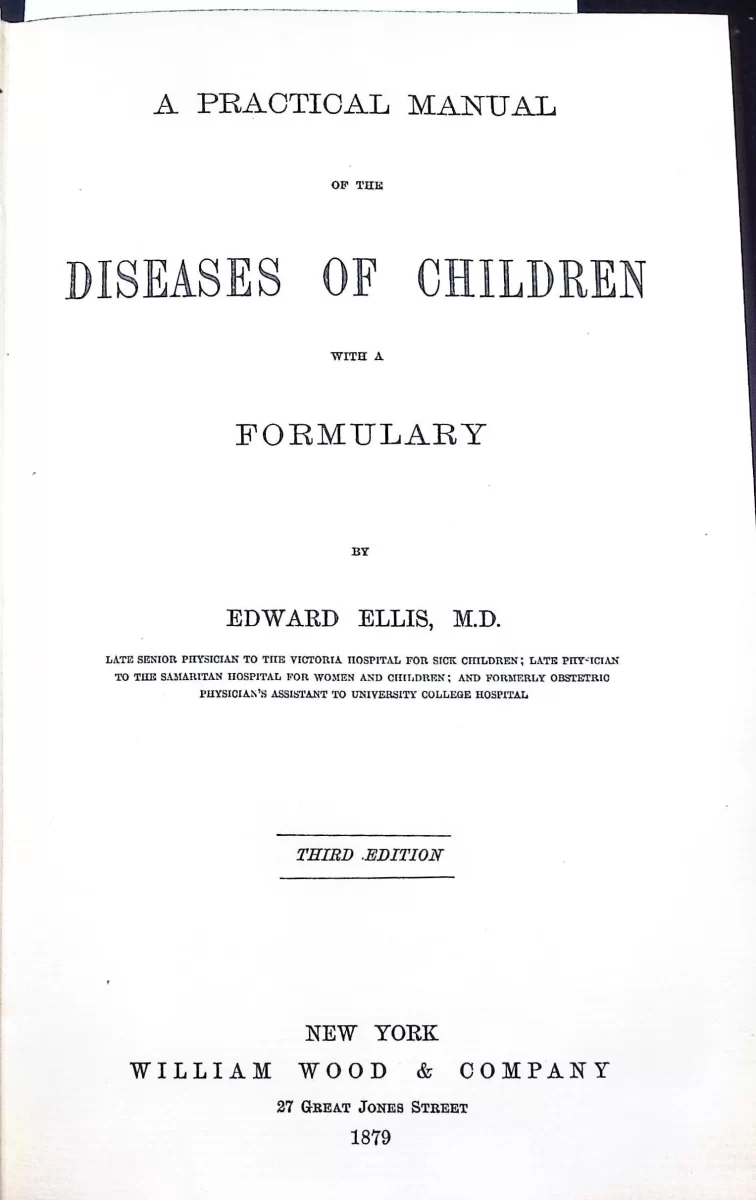
Description
This 1879 third edition of A Practical Manual of the Diseases of Children by Edward Ellis represents a late 19th-century attempt to bring structure and practicality to pediatric medicine—at a time when pediatrics was still emerging as a distinct field. Published by William Wood & Company as part of Wood’s Library of Standard Medical Authors, the book was intended as a working physician’s reference rather than a purely academic treatise.
The text combines clinical observation with a detailed formulary, reflecting the era’s reliance on compound preparations and empirical treatment strategies. It covers common pediatric illnesses such as measles, respiratory conditions, neurologic disorders, and developmental abnormalities, alongside therapeutic recommendations that range from the familiar to the now deeply questionable. The inclusion of dosing instructions for children highlights the growing recognition that pediatric patients required distinct medical consideration rather than simply scaled-down adult treatment.
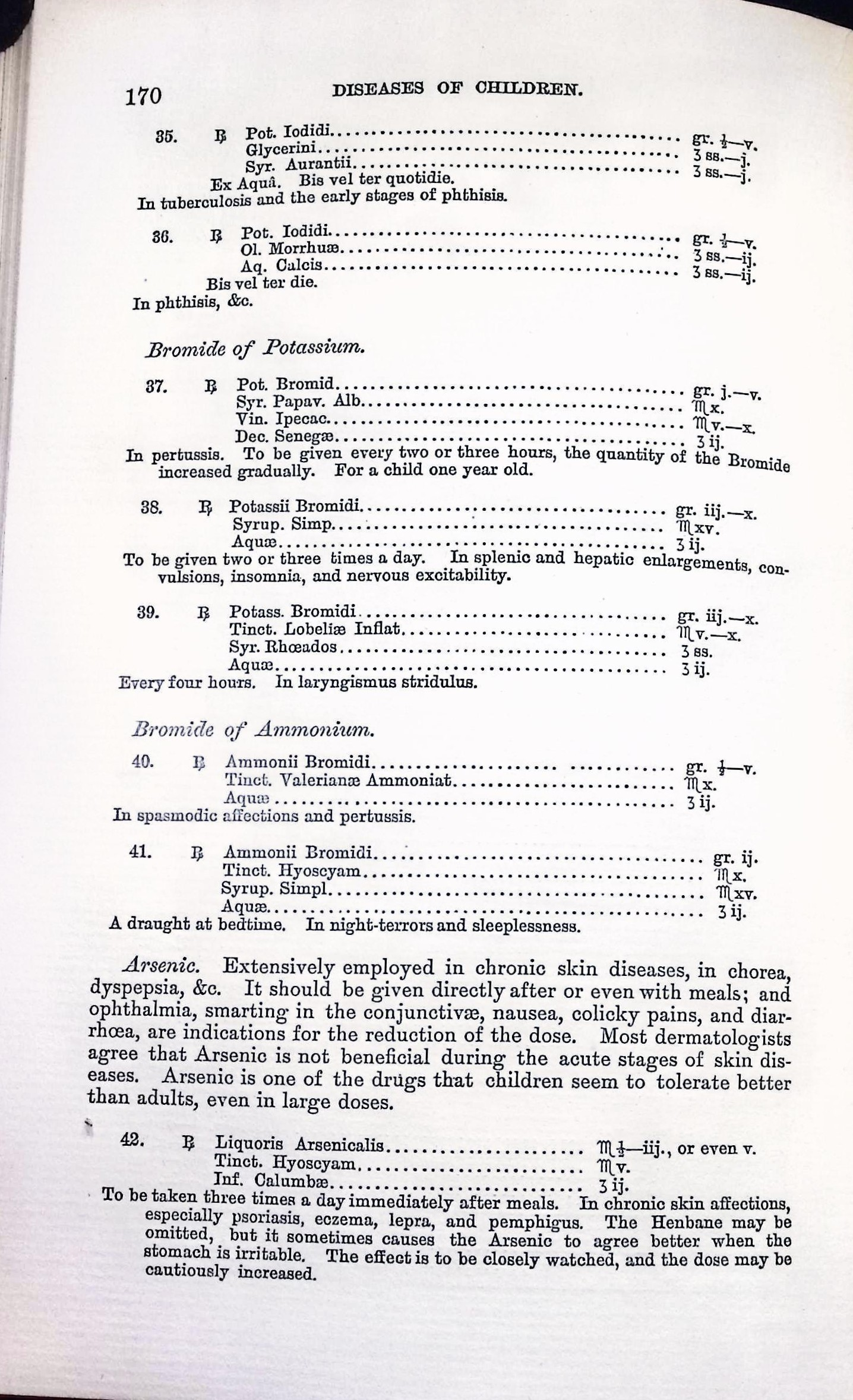
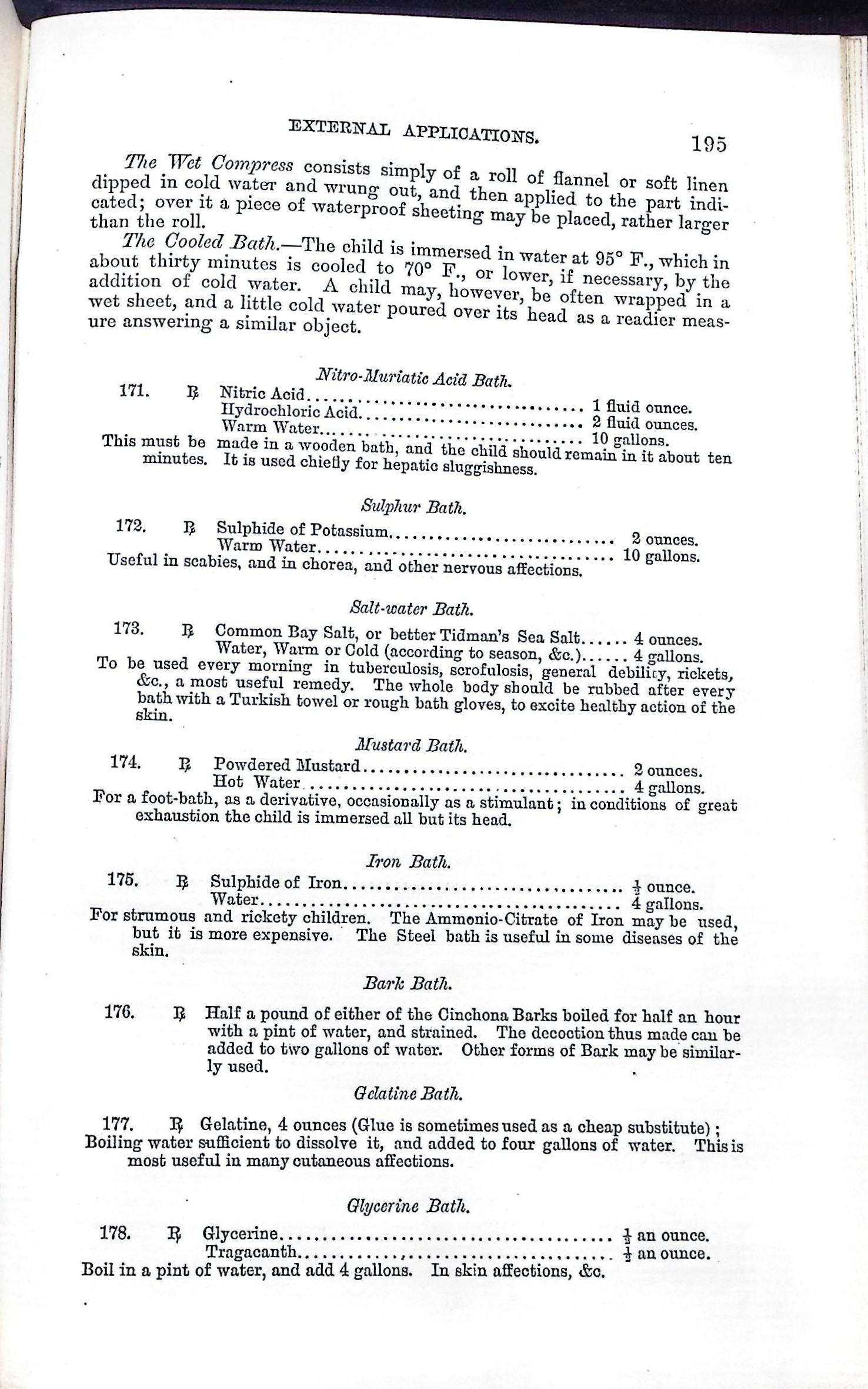
Notably, the book blends careful bedside observation with treatments that include emetics, bromides, arsenic compounds, and external applications such as mustard baths—illustrating the transitional nature of medicine in this period, straddling early scientific reasoning and older therapeutic traditions.
Condition
Original cloth binding with embossed geometric pattern typical of Wood’s Library series. Spine lettering remains clear and legible. Moderate edge wear and corner bumping consistent with age. Interior pages are clean and well-preserved with minimal toning. Binding appears solid. Includes original ribbon marker.
Gallery
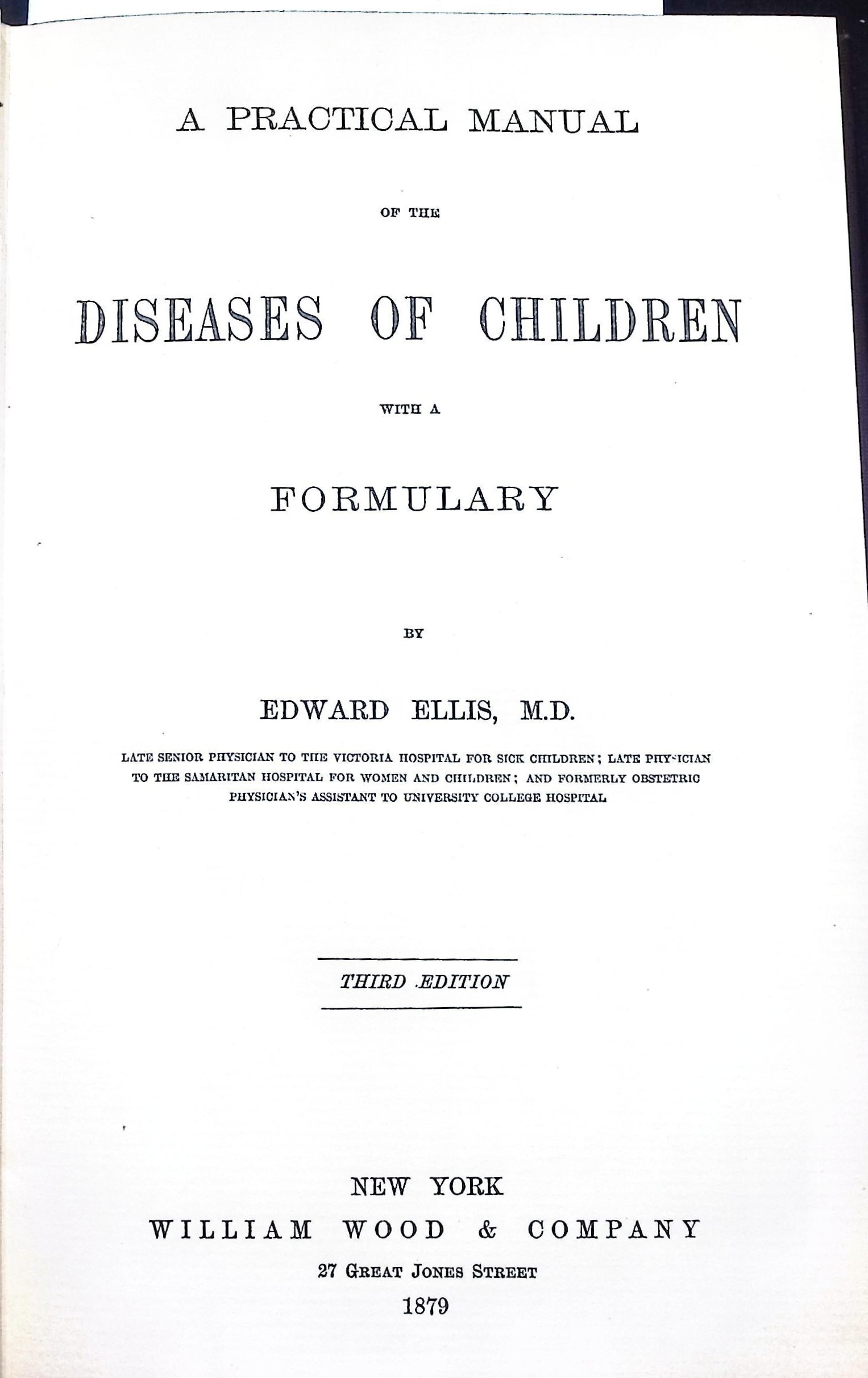
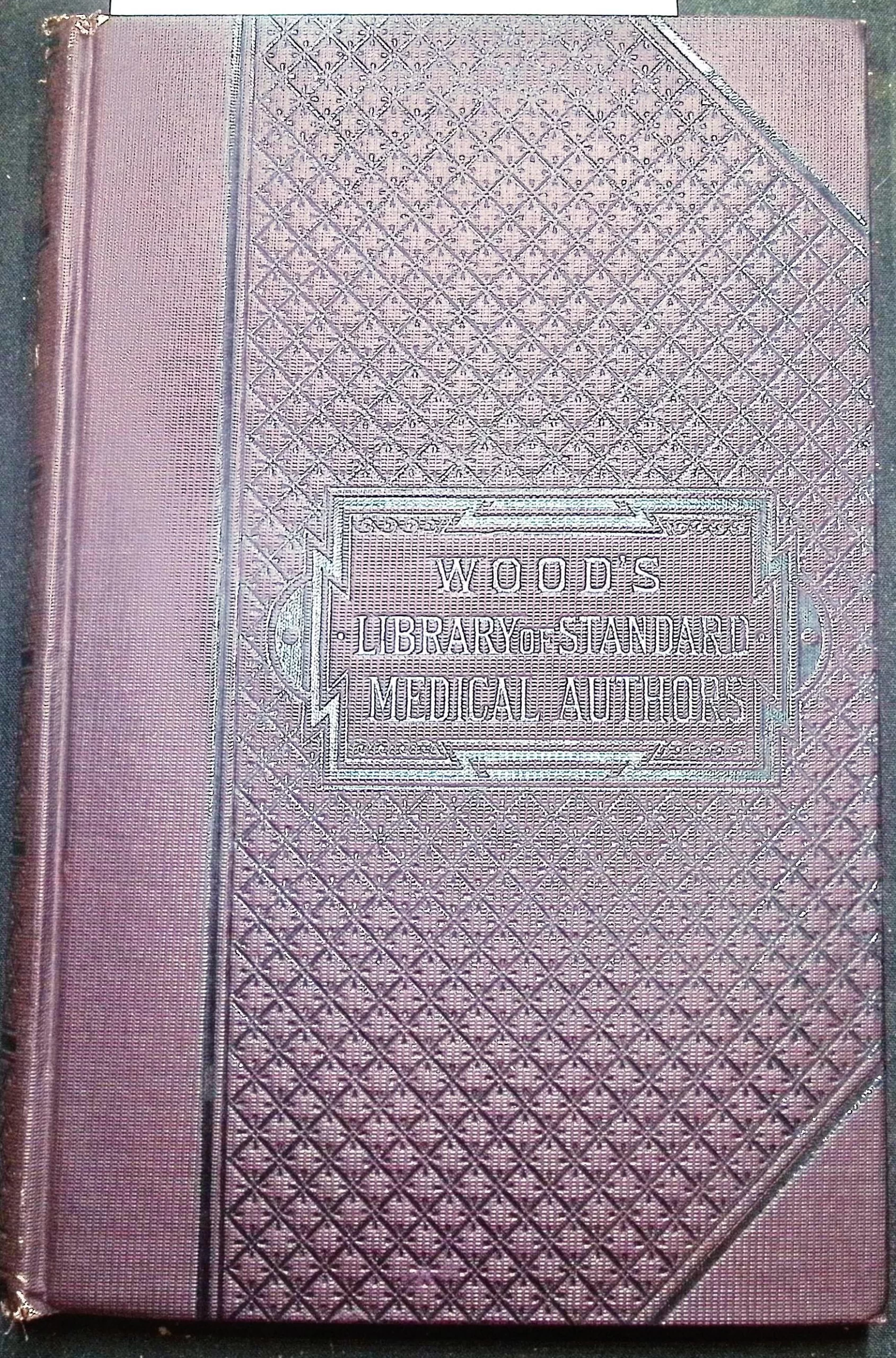
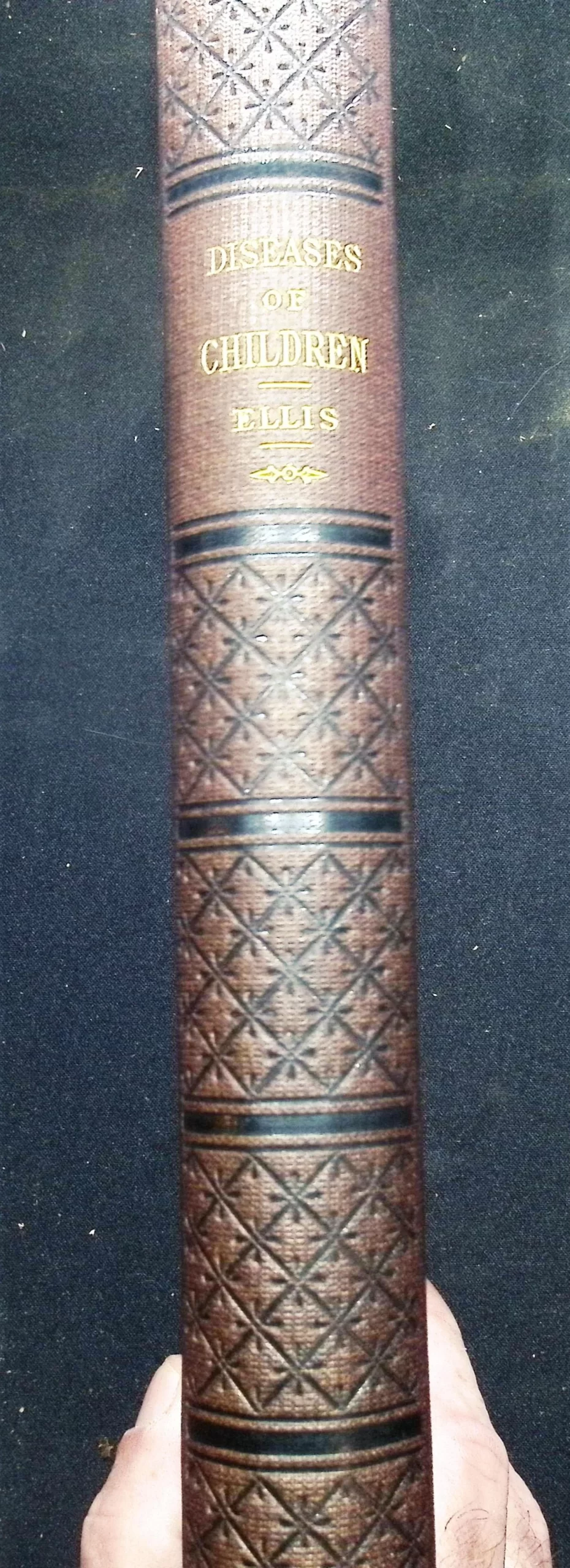
Historical context
By the late 1800s, pediatric medicine was beginning to separate from general practice, though it was still heavily influenced by adult medicine and observational diagnosis. Ellis’s work reflects this shift—placing emphasis on clinical examination, symptom progression, and structured treatment.
This period predates antibiotics, modern vaccines (outside early smallpox work), and advanced diagnostics. Physicians relied heavily on pattern recognition, physical exam findings, and symptomatic management, often guided by tradition and evolving clinical experience. The formulary sections demonstrate how treatment was still deeply rooted in pharmacologic experimentation, with substances like ipecac, bromides, and arsenic used with surprising confidence.
Curious Facts, Ephemera, and Trivia
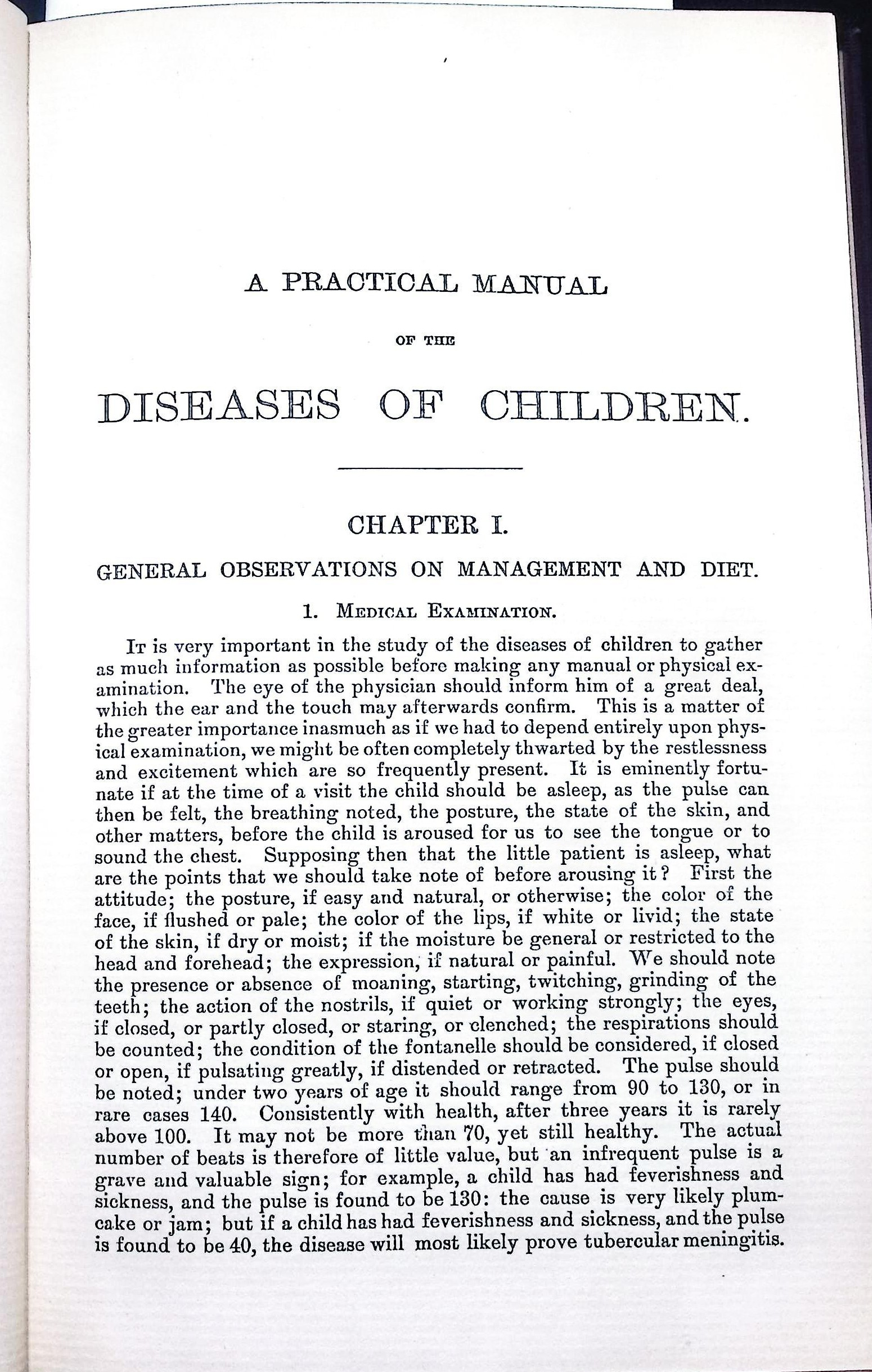
- The book includes precise pediatric pulse ranges, showing early attempts at age-based vital sign norms.
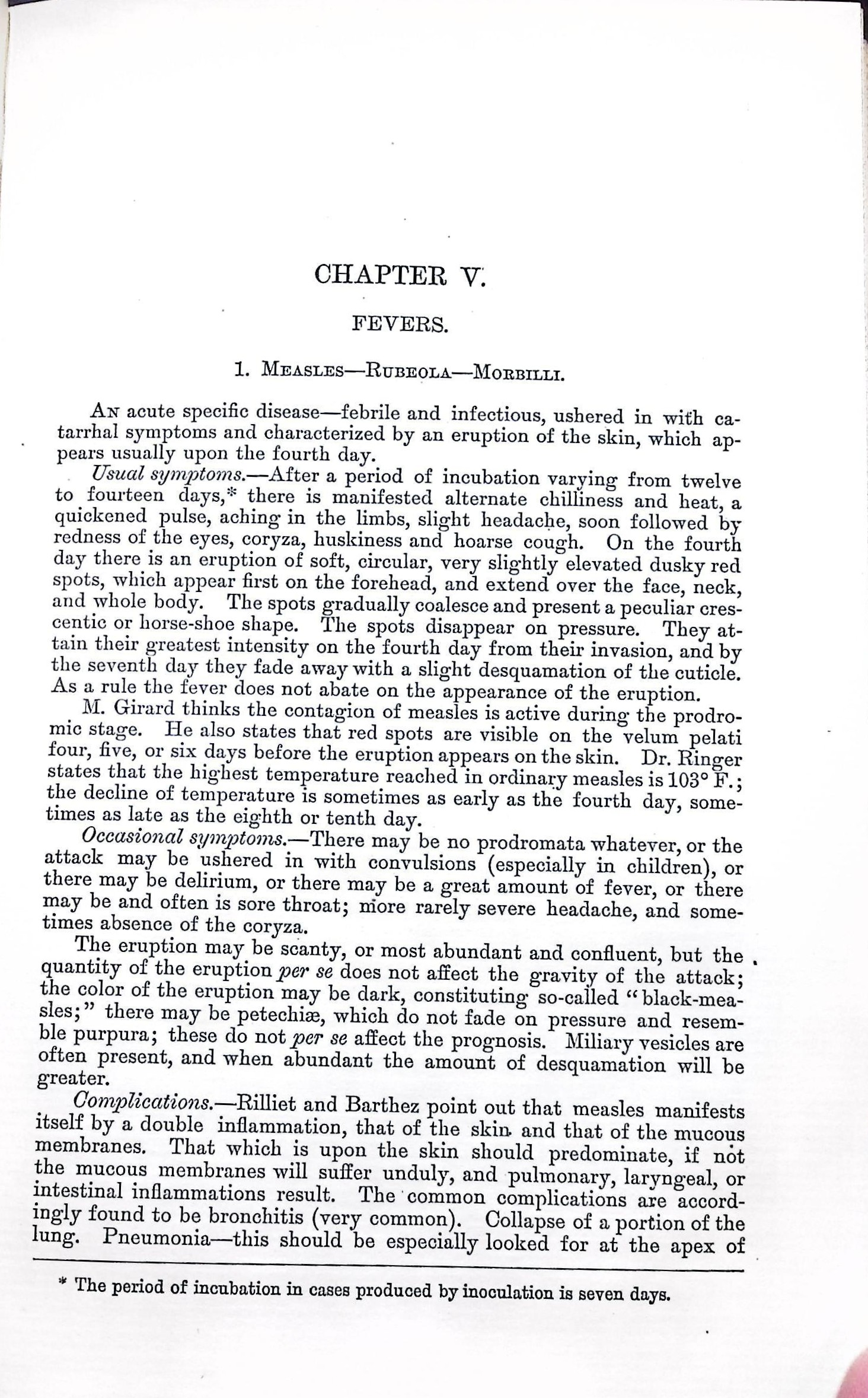
- Measles is described in detail, including progression and rash morphology—remarkably accurate clinically, even by modern standards.
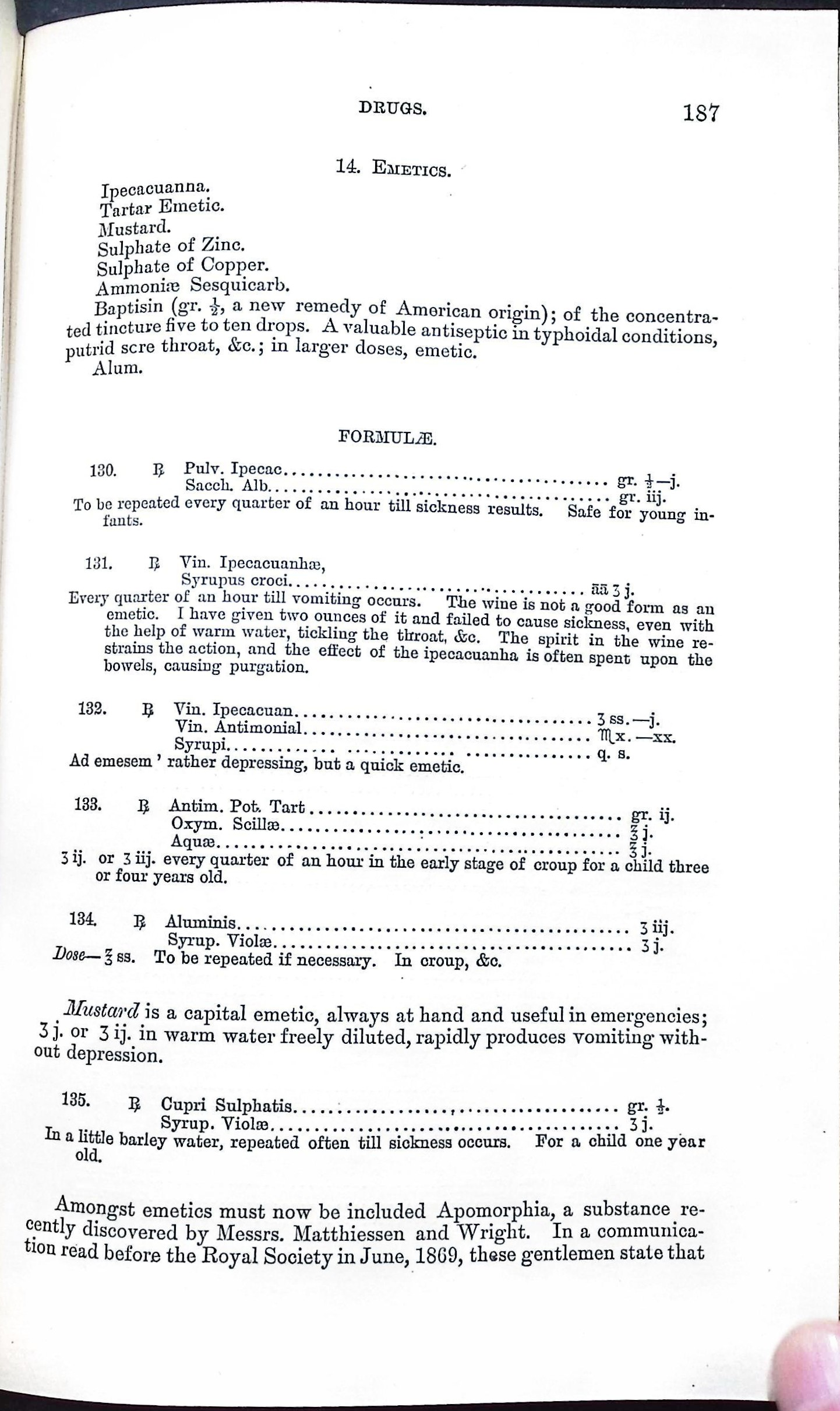
- Treatments include mustard baths, emetics, and arsenic-based preparations, highlighting the therapeutic uncertainty of the era.
- The formulary reflects a time when physicians often compounded medications themselves or directed pharmacists to do so.
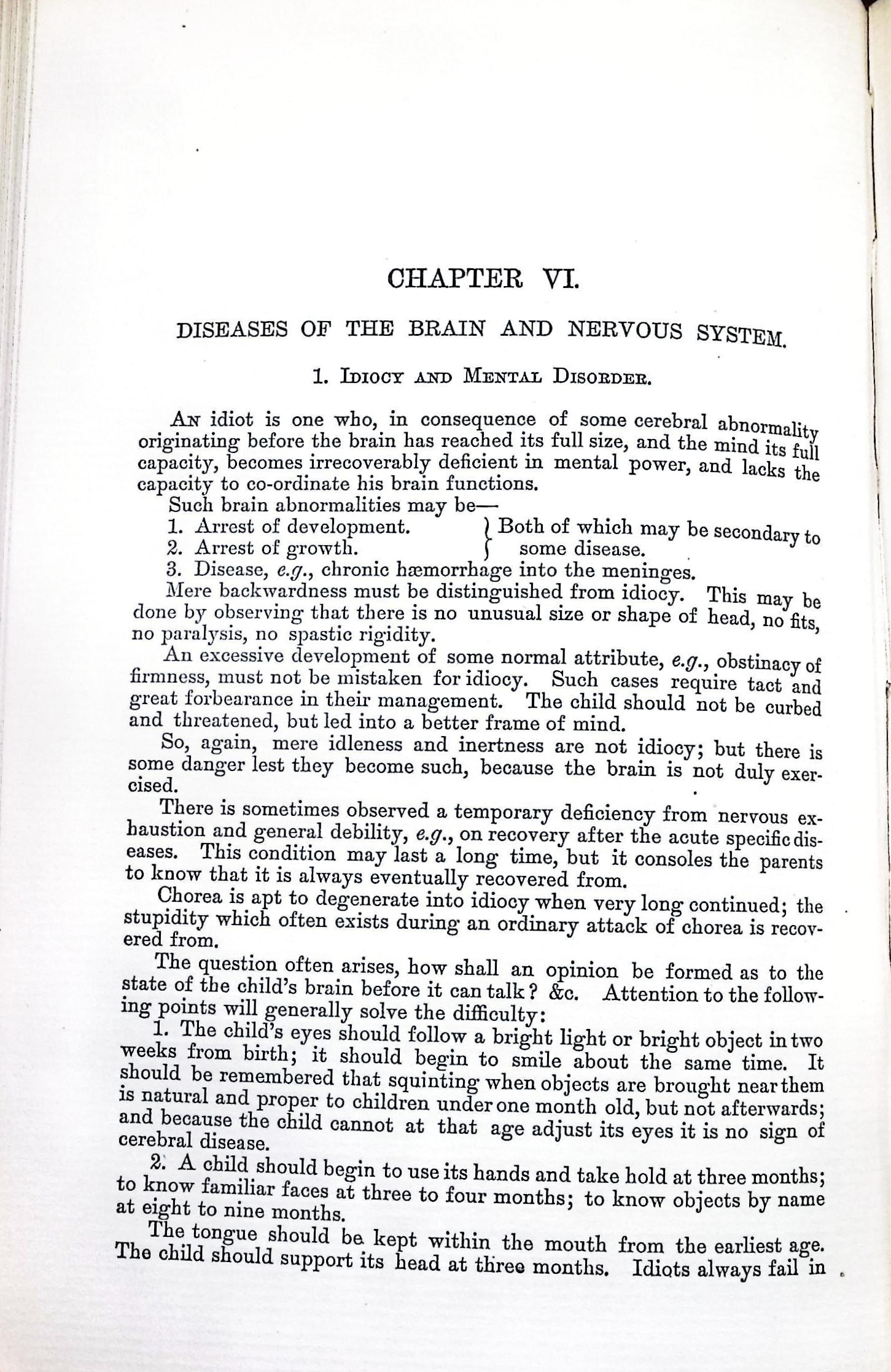
- The term “idiocy” is used diagnostically, illustrating historical approaches to developmental and neurologic disorders.
- Apomorphia (apomorphine) is referenced as a “recently discovered” emetic—cutting-edge pharmacology for 1879.
Excerpt
“An idiot is one who, in consequence of some cerebral abnormality… becomes irrecoverably deficient in mental power…”
and
“Mustard is a capital emetic, always at hand and useful in emergencies… rapidly produces vomiting without depression.”
Why it is in the Cabinet
This is exactly the kind of book that shows medicine mid-evolution—not primitive, not modern, but caught in between. You get sharp clinical observation sitting right next to treatments that make you raise an eyebrow. It’s a working physician’s book, not a showpiece, and that’s what makes it valuable. It reflects how doctors actually practiced—what they believed, what they tried, and how they reasoned through disease without the tools we take for granted today.
Read the Digital Version
A complete digital copy of A Practical Manual of the Diseases of Children (1879) is available for viewing.
This edition has been preserved and made accessible to allow direct exploration of late 19th-century pediatric practice, including its clinical observations and period treatments.
👉 Read the full book here:
A Practical Manual of the Diseases of Children (1879)
Support Dr. Bebout’s Cabinet of Medical Curiosities
If you enjoy the history, the oddities, and the effort, help keep this cabinet open. Every little bit helps preserve and share the strange wonders of medicine's past.
Buy Me a Ko-fi ☕ Buy Me a Coffee ☕ Tip via PayPal 💵