
Title
The Surgical Clinics of John B. Murphy, M.D. – Volume II, Number 1 (February 1913)
Author
John B. Murphy, M.D.
Image
Description
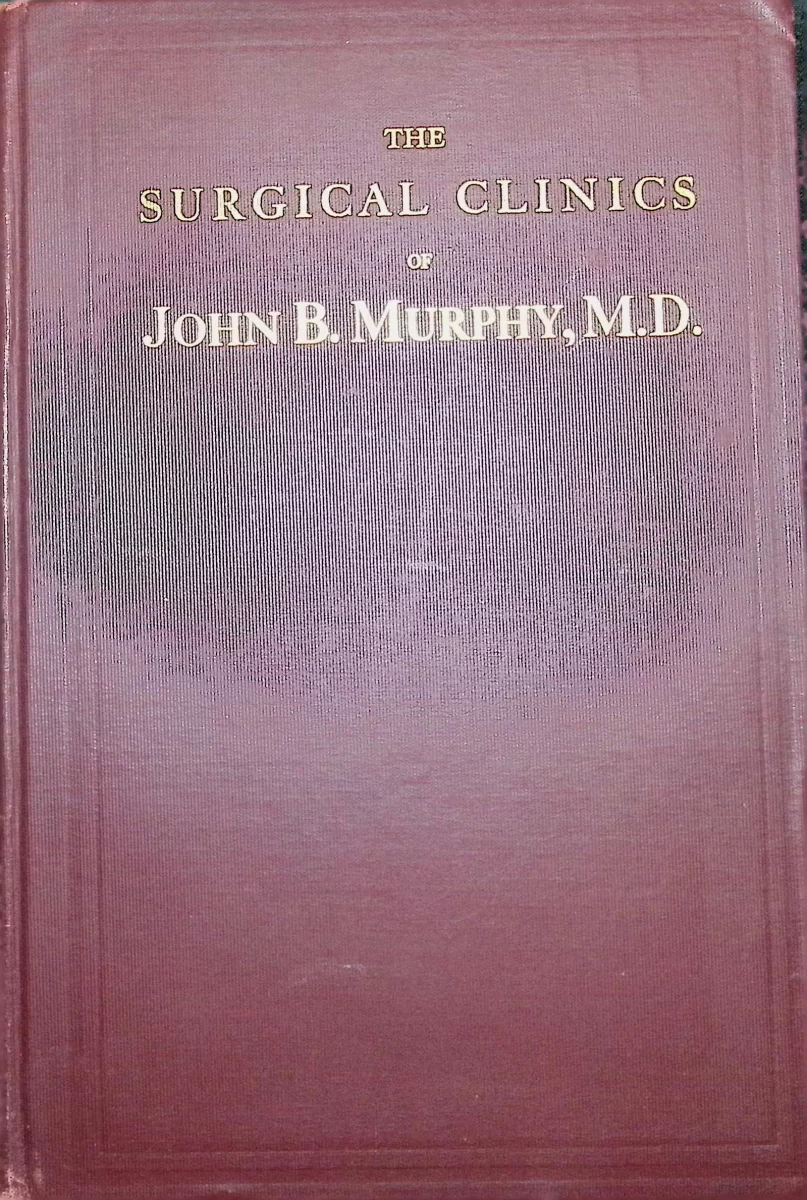
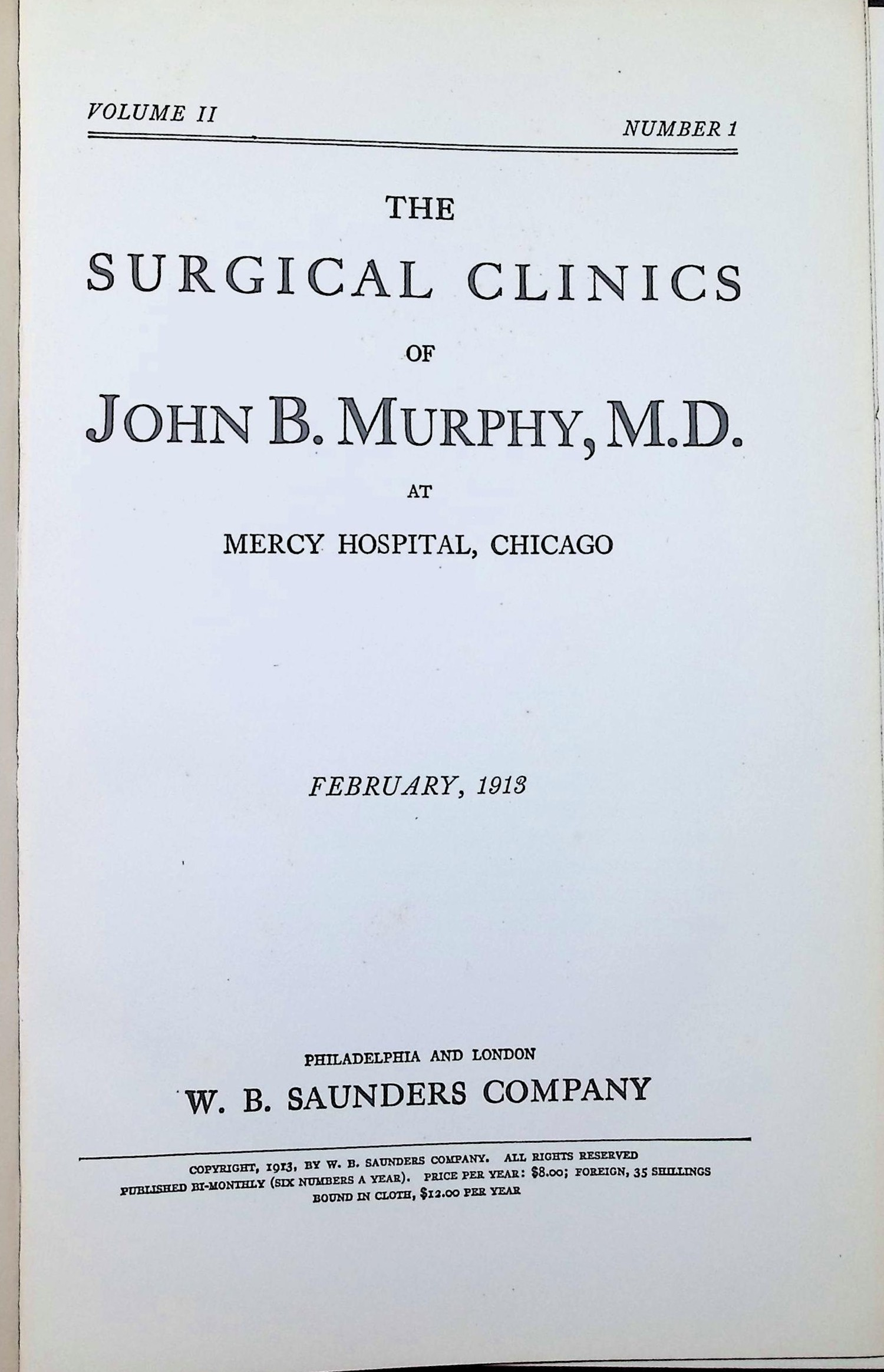
This volume of The Surgical Clinics of John B. Murphy, M.D., Volume II, Number 1, published in February 1913 by W. B. Saunders Company, represents part of an early 20th century serial publication documenting real surgical cases and clinical teaching from one of America’s most influential surgeons.
Murphy, based at Mercy Hospital in Chicago, was a pioneer in abdominal surgery, orthopedics, and clinical teaching. These “clinics” were essentially transcriptions and summaries of live case presentations, offering detailed insights into surgical decision-making, operative technique, and patient outcomes.
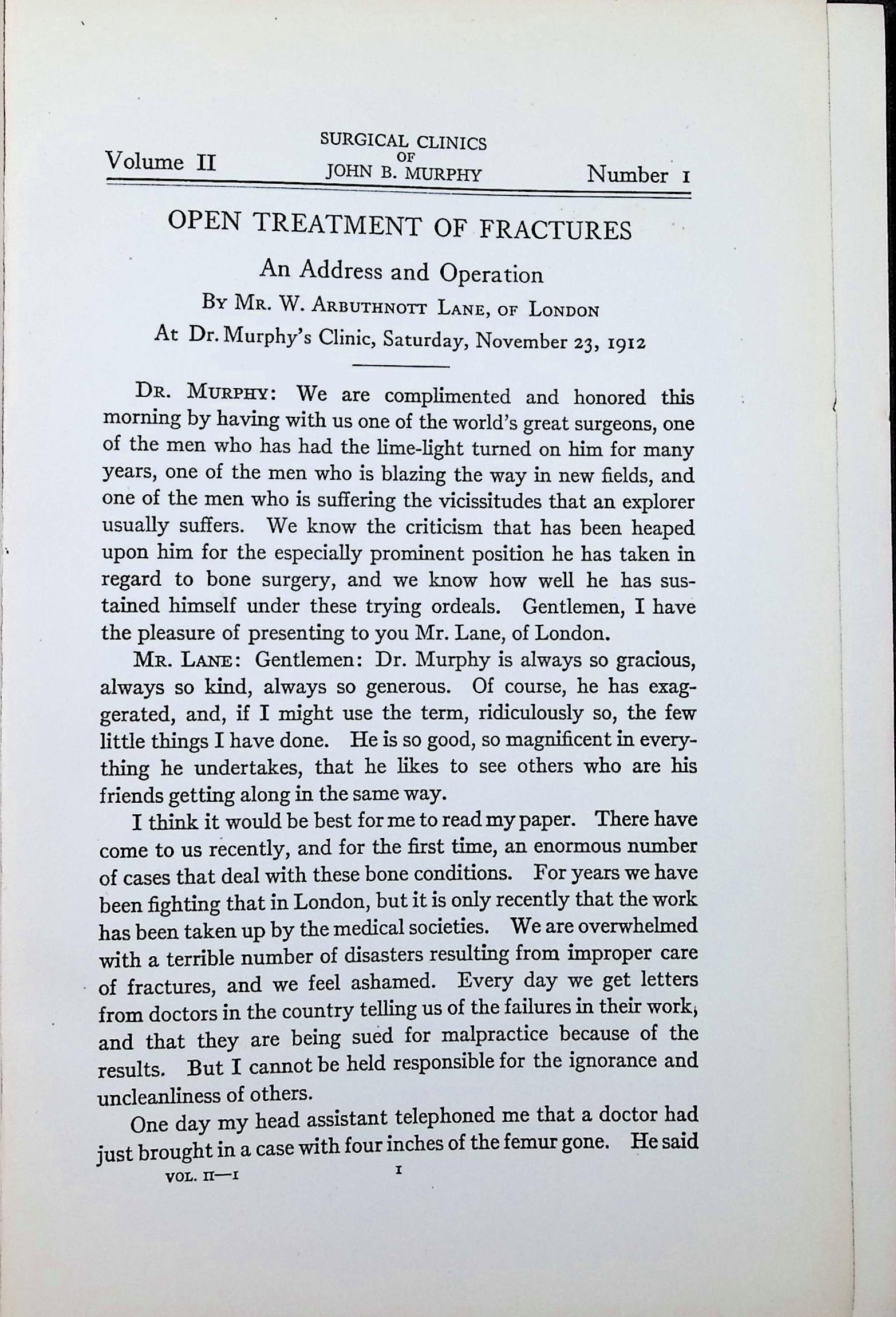
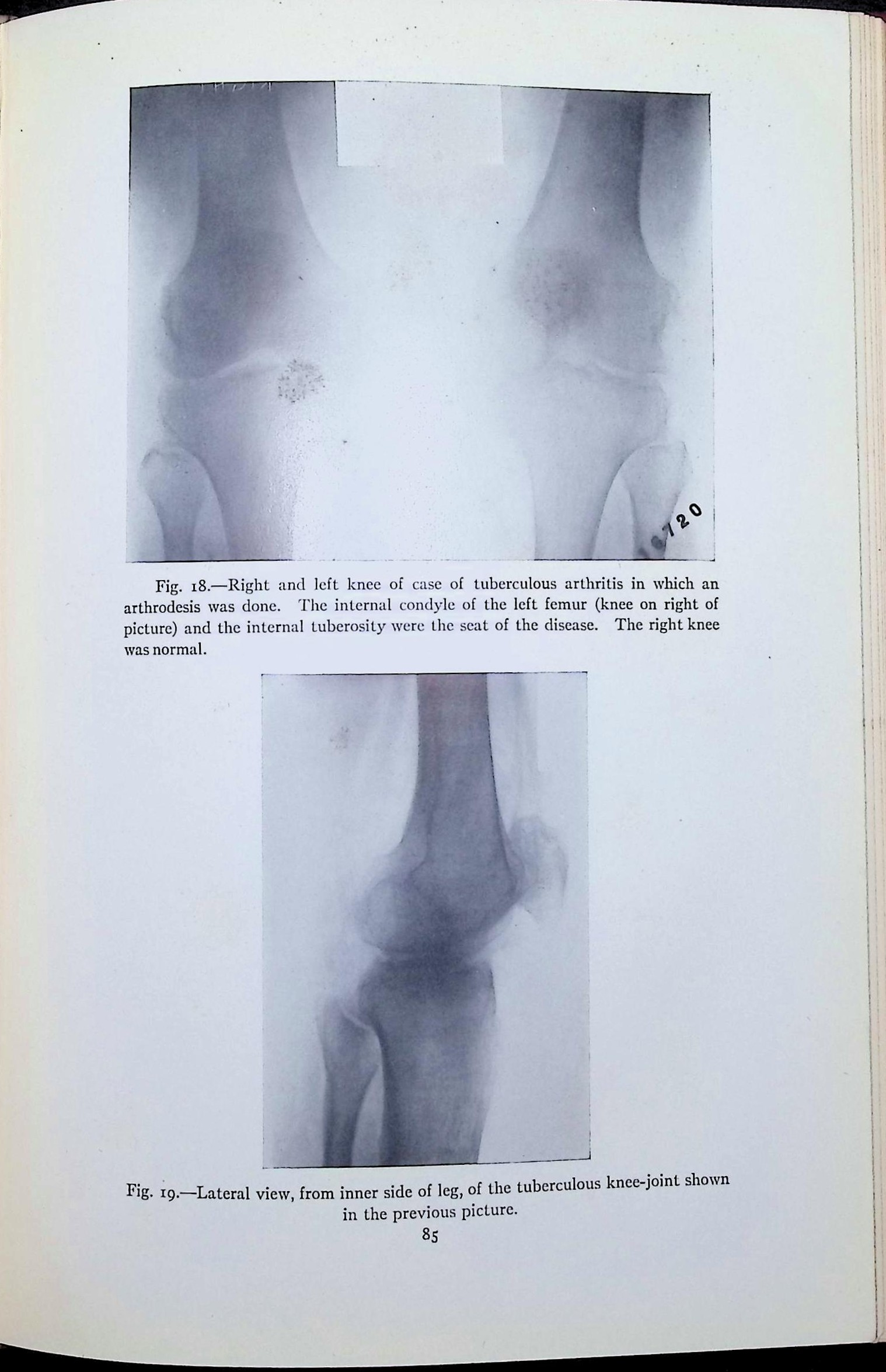
This issue includes discussions such as the open treatment of fractures and case-based evaluations like “floating cartilage” of the knee joint, accompanied by early radiographic images. The format reflects a transition in medicine toward structured clinical education grounded in real patient cases rather than purely theoretical instruction.
Condition
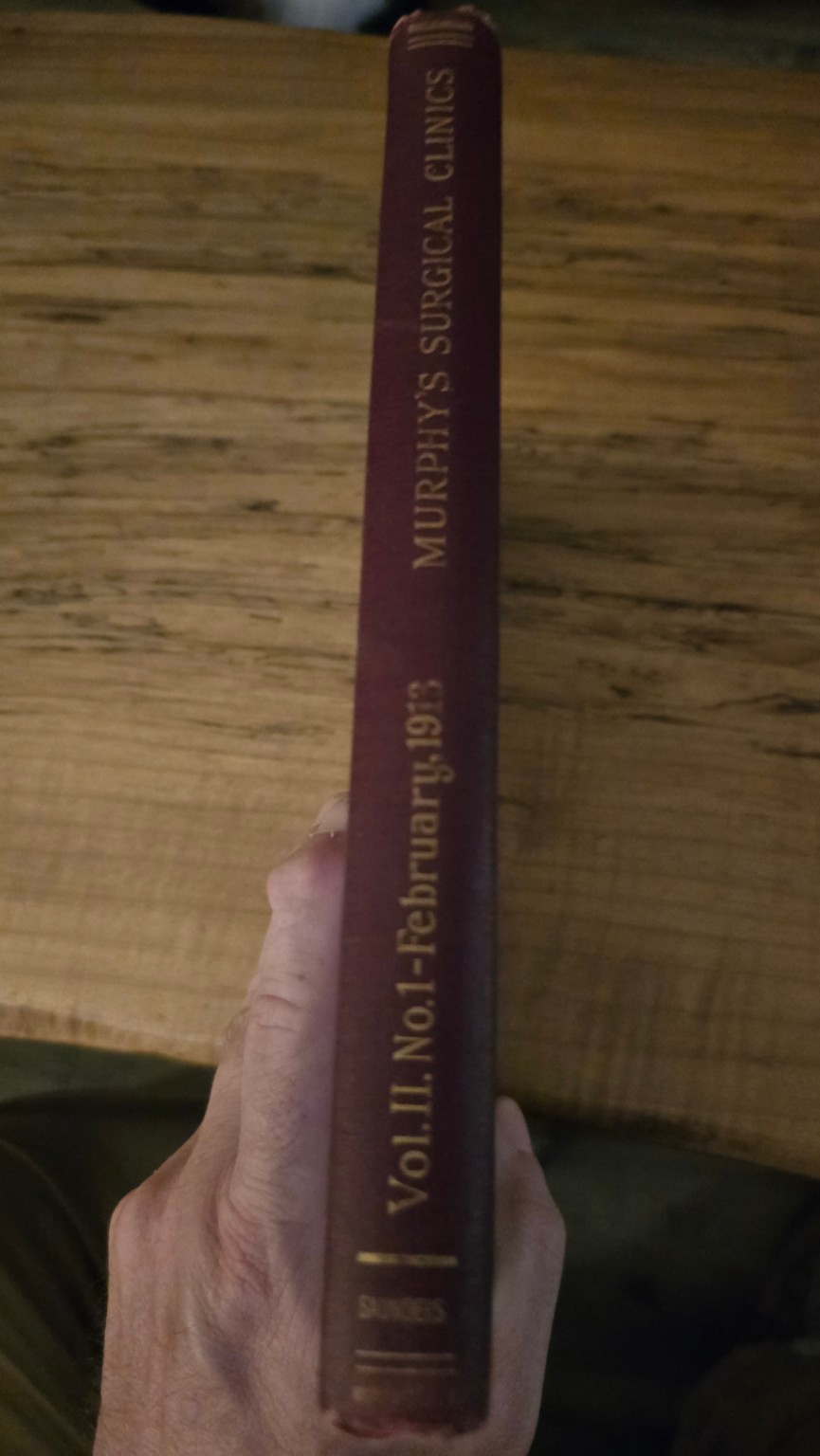
Bound volume in original red cloth with gilt lettering. Cover shows moderate surface wear and fading consistent with age. Spine intact with legible text. Interior pages are clean with light toning and minimal wear. Plates and images present and intact.
Gallery
Historical context
John B. Murphy was one of the most prominent American surgeons of the early 20th century, known for advancing techniques in appendectomy, joint surgery, and trauma care. His clinical teaching style emphasized direct observation, case analysis, and practical decision-making.
Publications such as The Surgical Clinics were instrumental in disseminating surgical knowledge at a time when formal residency training was still evolving. These works helped standardize surgical education and brought real-world clinical reasoning to a broader audience of physicians.
The inclusion of radiographic imaging reflects the relatively recent adoption of X-rays into clinical practice, marking an important shift toward modern diagnostic methods.
Curious Facts, Ephemera, and Trivia
Murphy’s name lives on in Murphy’s sign, still used today in diagnosing gallbladder disease.
These “clinics” were essentially early case conferences put into print.
The work captures a period when surgery was rapidly evolving but still carried significant risk and variability in technique.
Early radiographic images in these volumes represent some of the first integrations of imaging into surgical education.
Excerpt
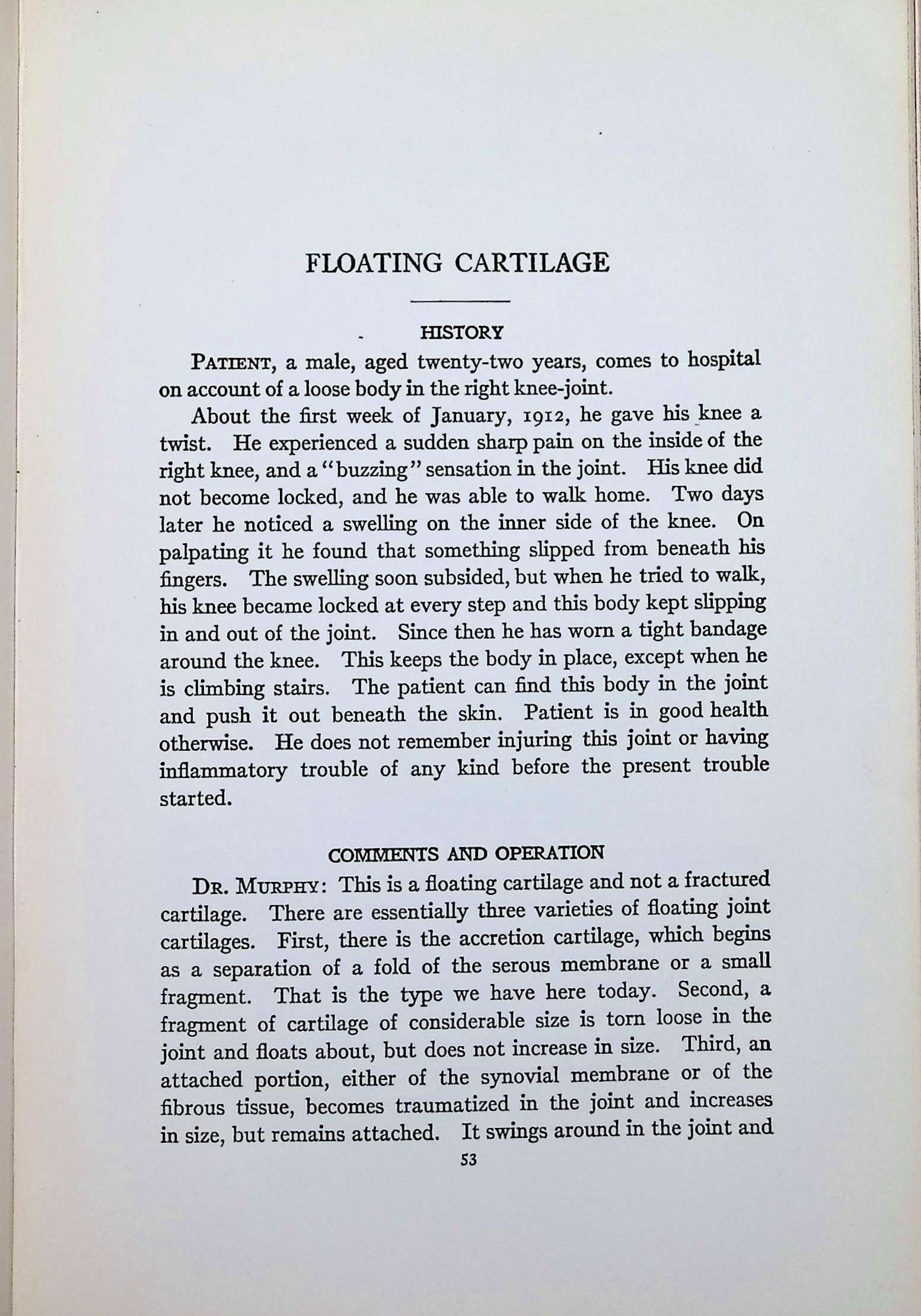
“Patient, a male, aged twenty-two years, comes to hospital on account of a loose body in the right knee-joint…”
Why it is in the Cabinet
This volume represents a cornerstone of early modern surgical education. Unlike generalized textbooks, it captures real-time clinical thinking from a leading surgeon, offering a direct window into how surgery was practiced, taught, and refined in the early 1900s.
Support Dr. Bebout’s Cabinet of Medical Curiosities
If you enjoy the history, the oddities, and the effort, help keep this cabinet open. Every little bit helps preserve and share the strange wonders of medicine's past.
Buy Me a Ko-fi ☕ Buy Me a Coffee ☕ Tip via PayPal 💵