
Title
Eguisier T2M Irrigator
Author
Eguisier (France)
Image
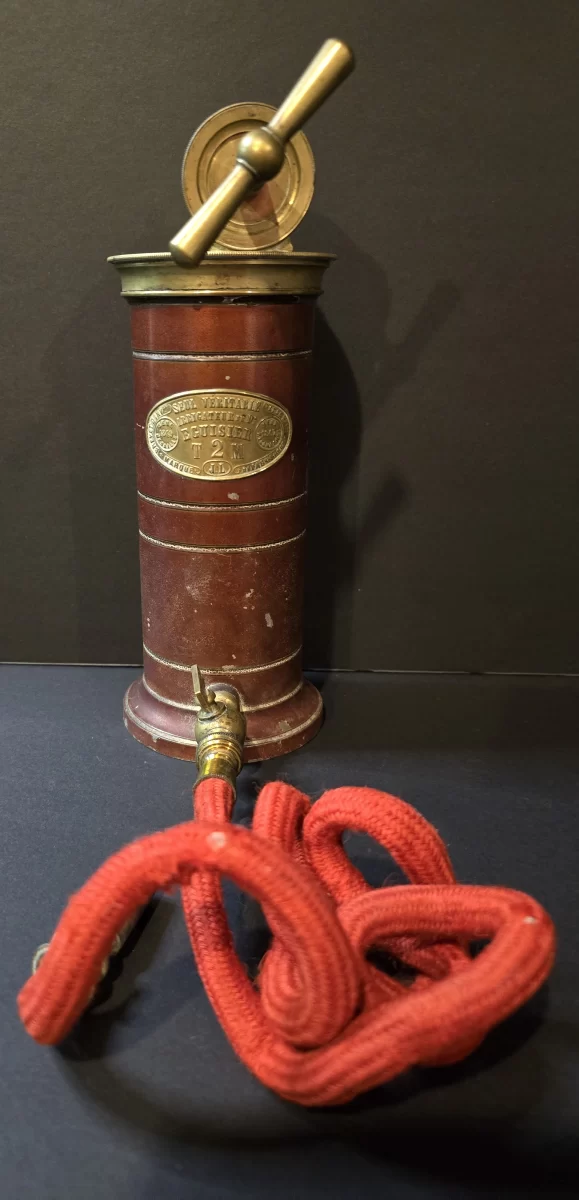
Description
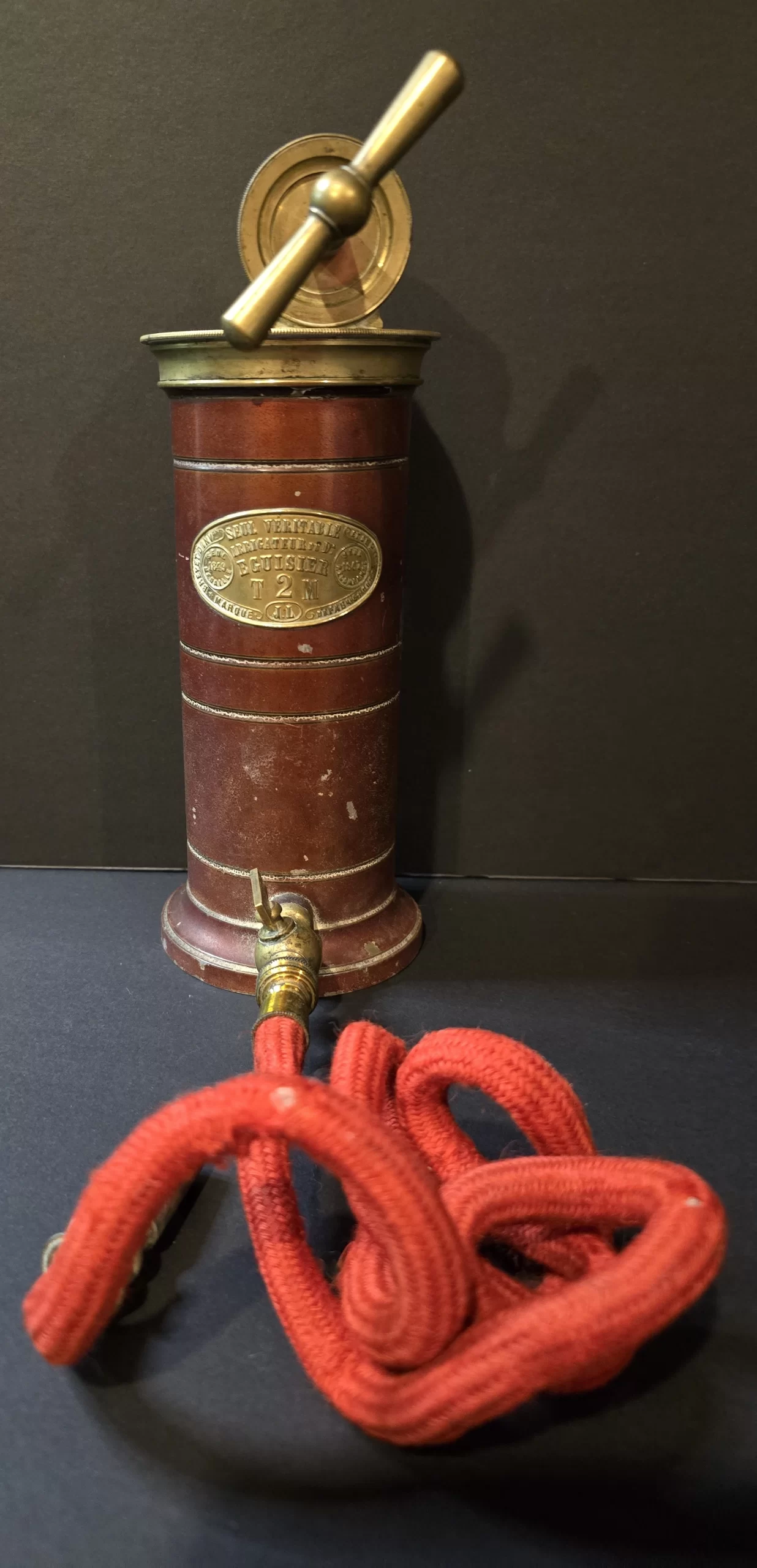
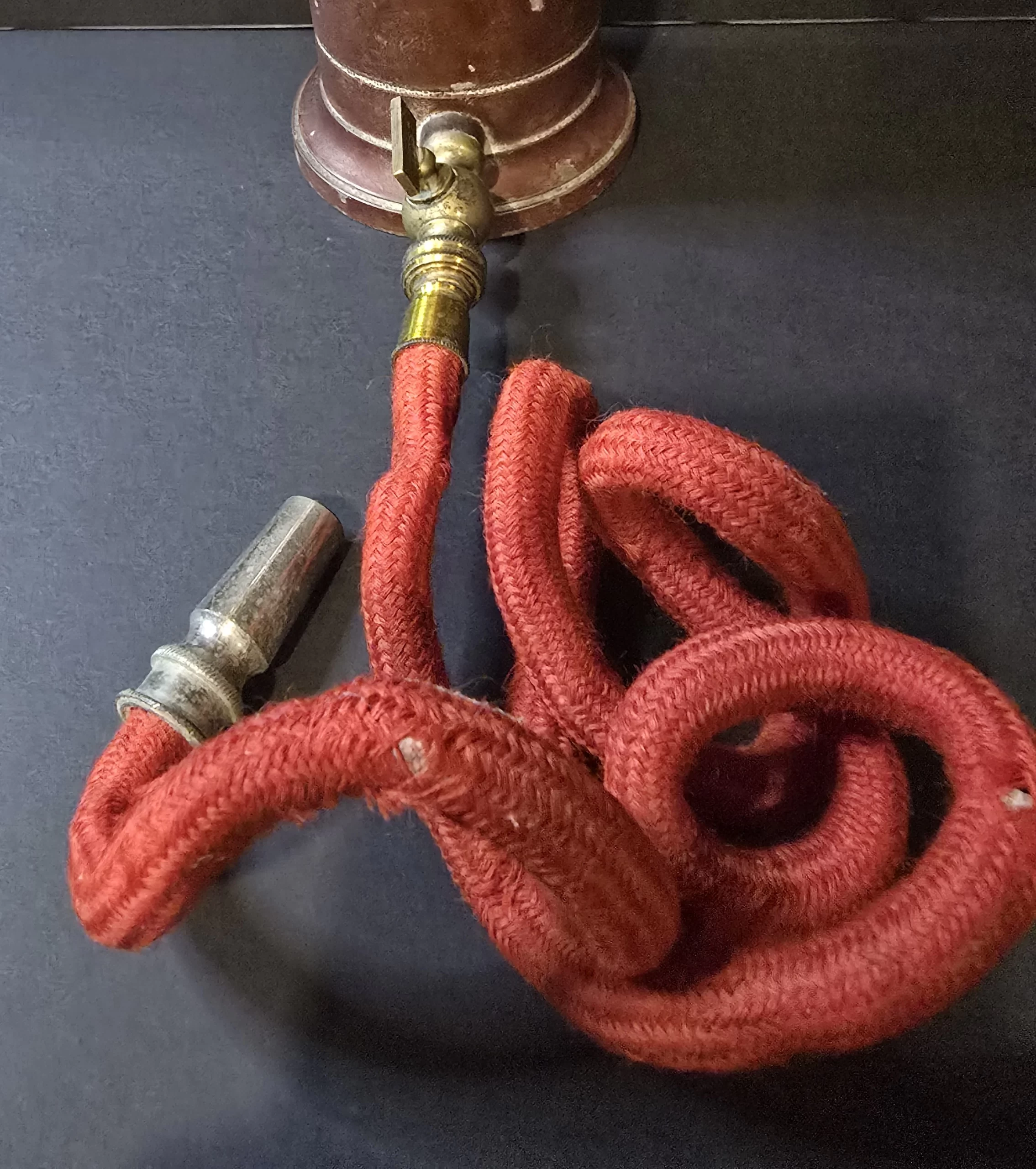
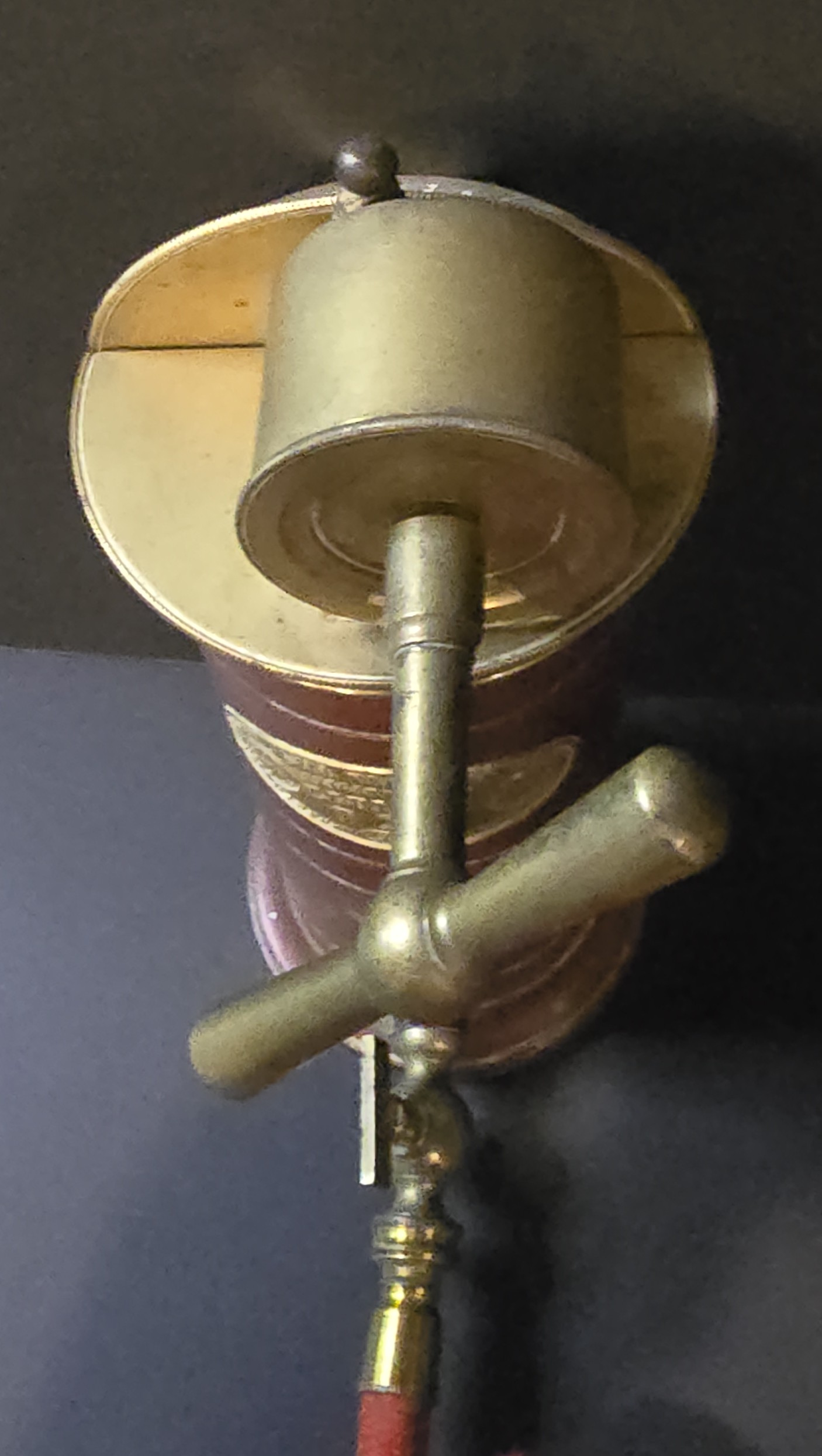
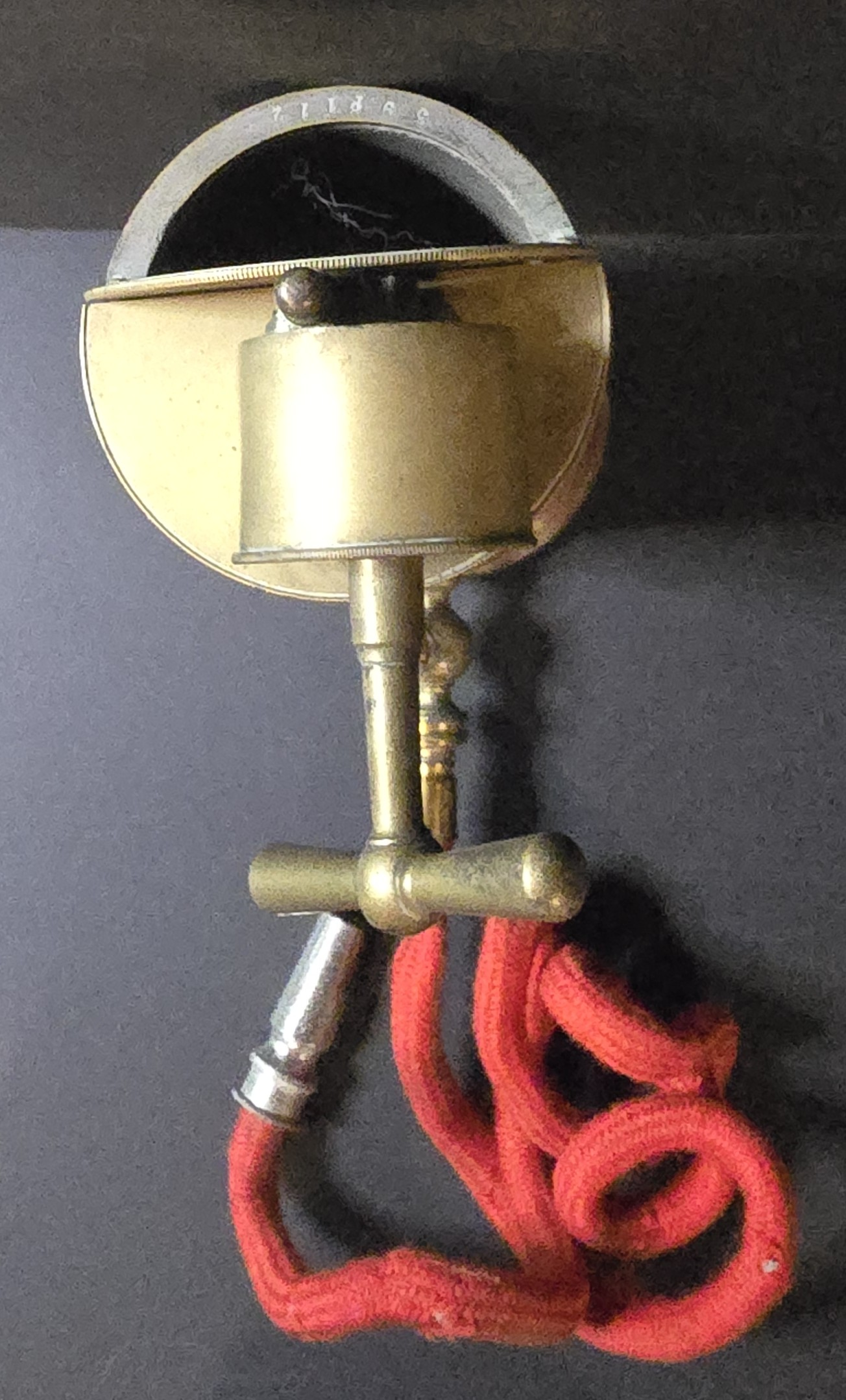
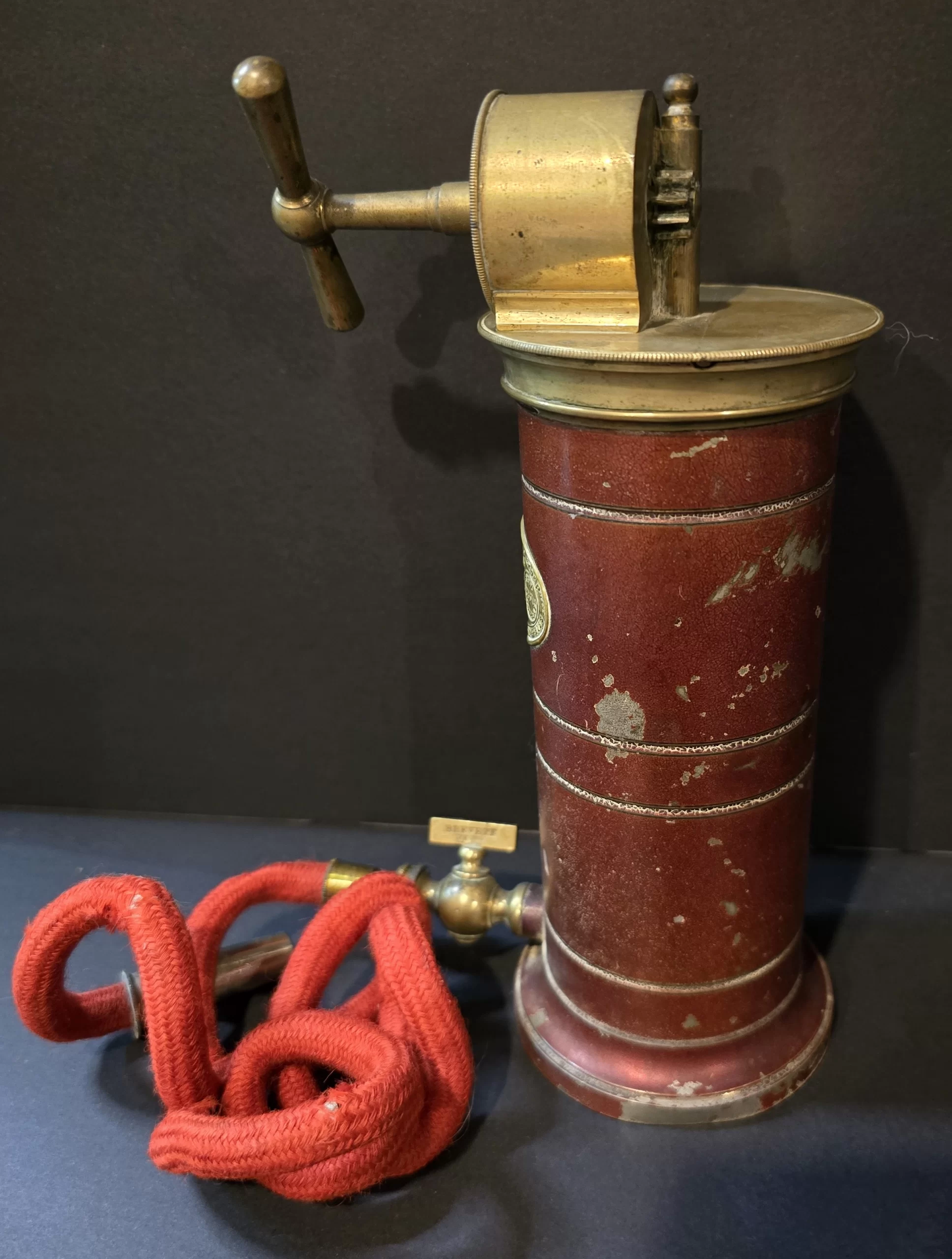
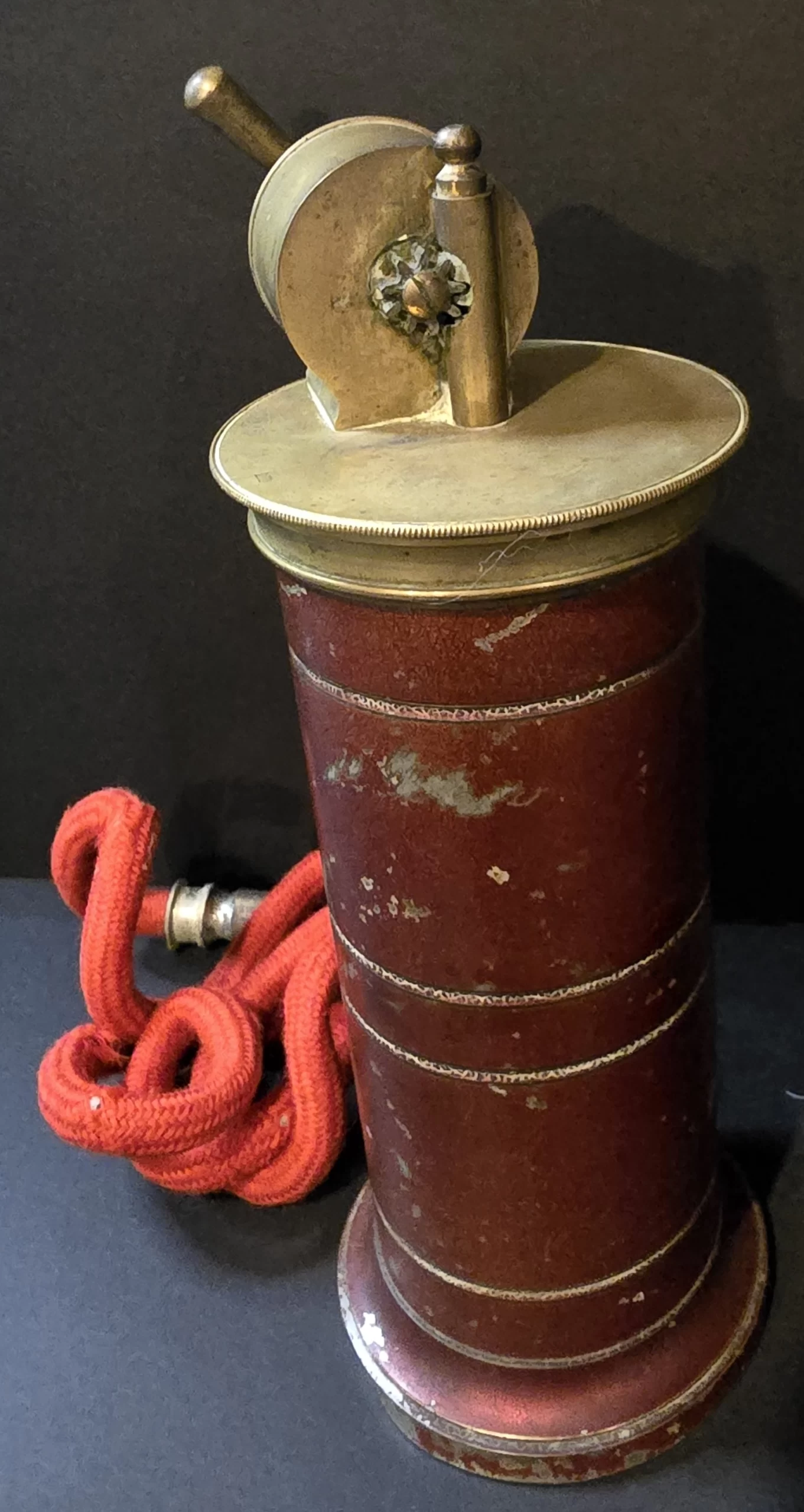
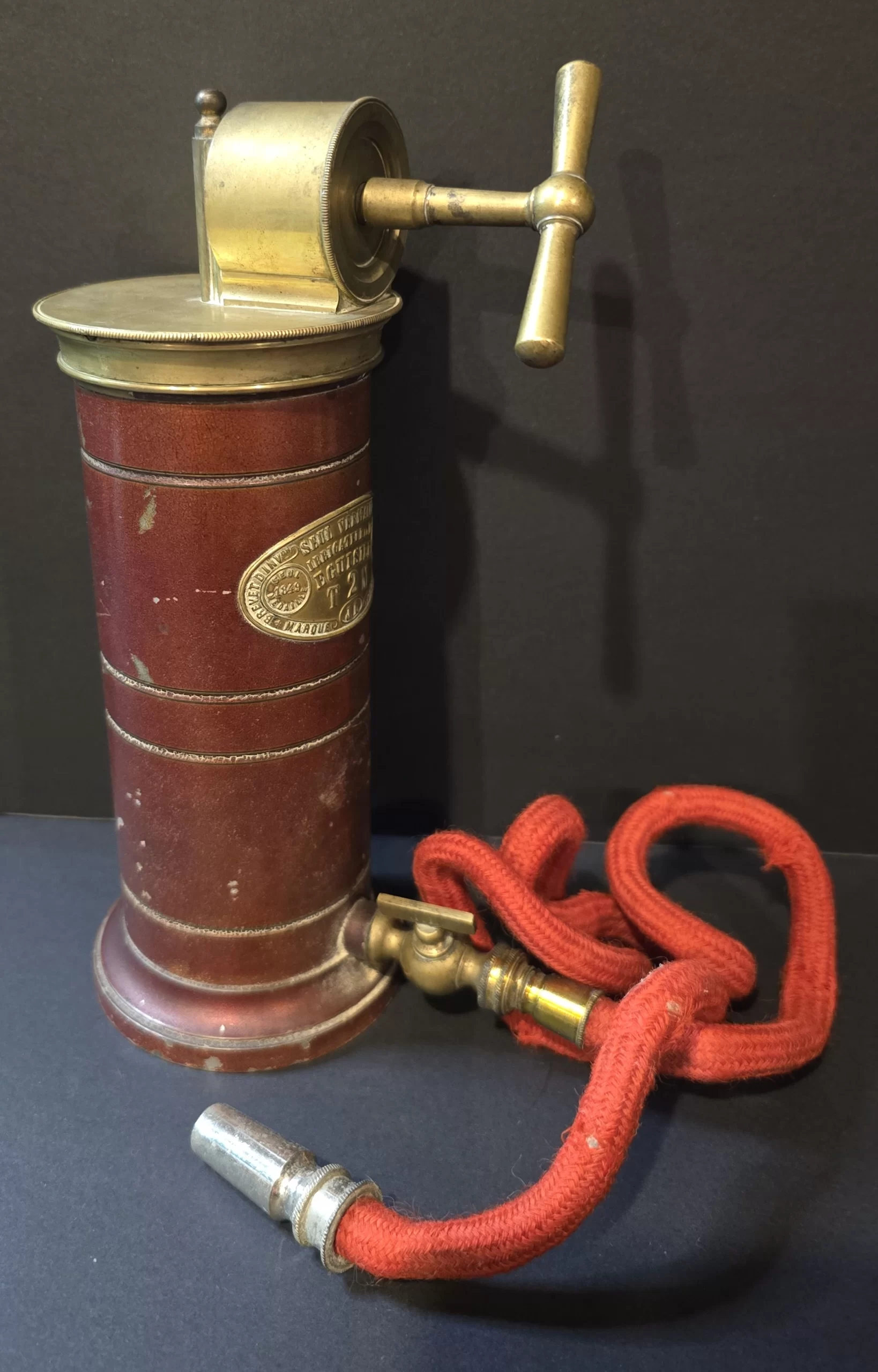
The Eguisier T2M Irrigator is a late 19th to early 20th century French medical irrigation device designed for controlled fluid delivery. The apparatus consists of a cylindrical reservoir clad in red-painted metal with brass fittings, mounted beneath a circular top plate. A fabric-covered rubber hose extends from a lower brass spigot and terminates in a metal nozzle for fluid application.
A defining feature of this device is the T-shaped handle mounted on the upper assembly, which functions as a flow-regulating valve rather than a pumping mechanism. Rotation of this handle opens or restricts the internal valve, allowing the user to control the rate of fluid delivery. The system itself remains gravity-fed, with the valve providing a level of precision not present in simpler irrigation cans.
Devices such as this were commonly used for enemas, vaginal douching, and general irrigation therapies, all of which were widely promoted in both medical and domestic settings during the period.
Condition
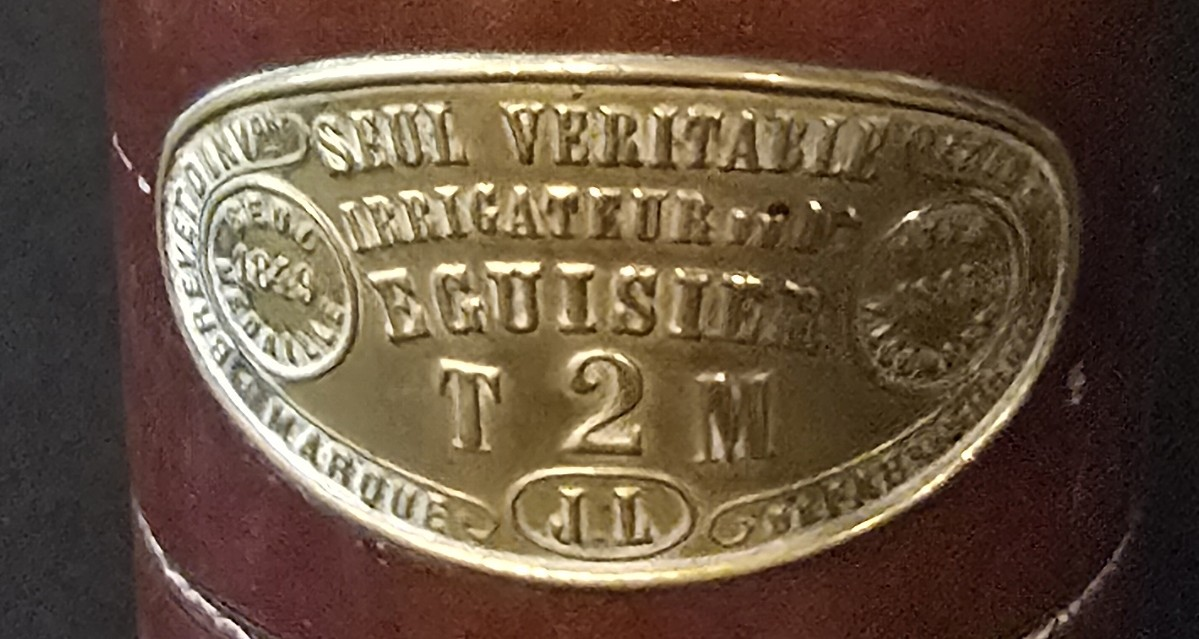
Complete example with original cloth-covered hose, brass fittings, and nozzle present. The body shows expected age-related wear including paint loss, scuffing, and surface oxidation. Brass components display consistent patina. Hose remains intact but should be considered display-only due to age. Valve mechanism appears intact and functional.
Gallery
Historical context
During the late 19th century, irrigation therapies became widely accepted in both medical practice and domestic health routines. This was driven in part by the prevailing theory of autointoxication, which suggested that retained waste products within the body could lead to systemic illness.
Manufacturers responded with increasingly refined devices intended to improve both safety and usability. French makers such as Eguisier produced higher-quality instruments that emphasized controlled delivery through mechanisms like integrated valves. While these features represented incremental improvements over basic gravity systems, the broader therapeutic claims surrounding irrigation were often overstated.
Curious Facts, Ephemera, and Trivia
The phrase “Seul Véritable” (“only genuine”) reflects aggressive branding typical of the era.
French irrigation devices were often marketed as more advanced than American counterparts.
The intact cloth-covered hose is uncommon, as these components frequently deteriorate over time.
The valve system allowed for controlled flow without repositioning the reservoir, improving usability but not fundamentally altering the underlying gravity-fed design.
Excerpt
Period medical literature frequently recommended irrigation therapies for a wide range of conditions, reflecting the era’s emphasis on internal cleansing as a cornerstone of health.
Why it is in the Cabinet
This piece represents a well-constructed and clearly identifiable example of late 19th century irrigation technology. Its intact components, labeled maker, and functional valve system make it both visually striking and historically representative of evolving medical device design during a period of widespread interest in hygiene and internal therapies.
Support Dr. Bebout’s Cabinet of Medical Curiosities
If you enjoy the history, the oddities, and the effort, help keep this cabinet open. Every little bit helps preserve and share the strange wonders of medicine's past.
Buy Me a Ko-fi ☕ Buy Me a Coffee ☕ Tip via PayPal 💵