
Title
Native Oil Liniment
Author
Manufacturer unknown (likely small regional or proprietary distributor)
Image
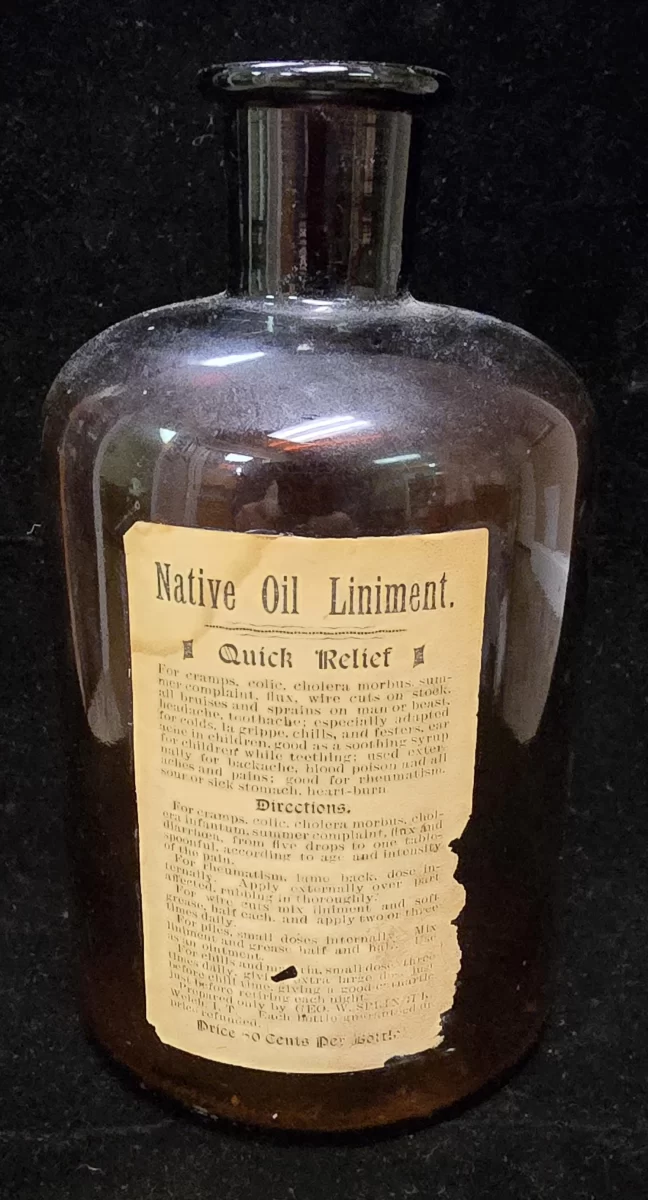
Description
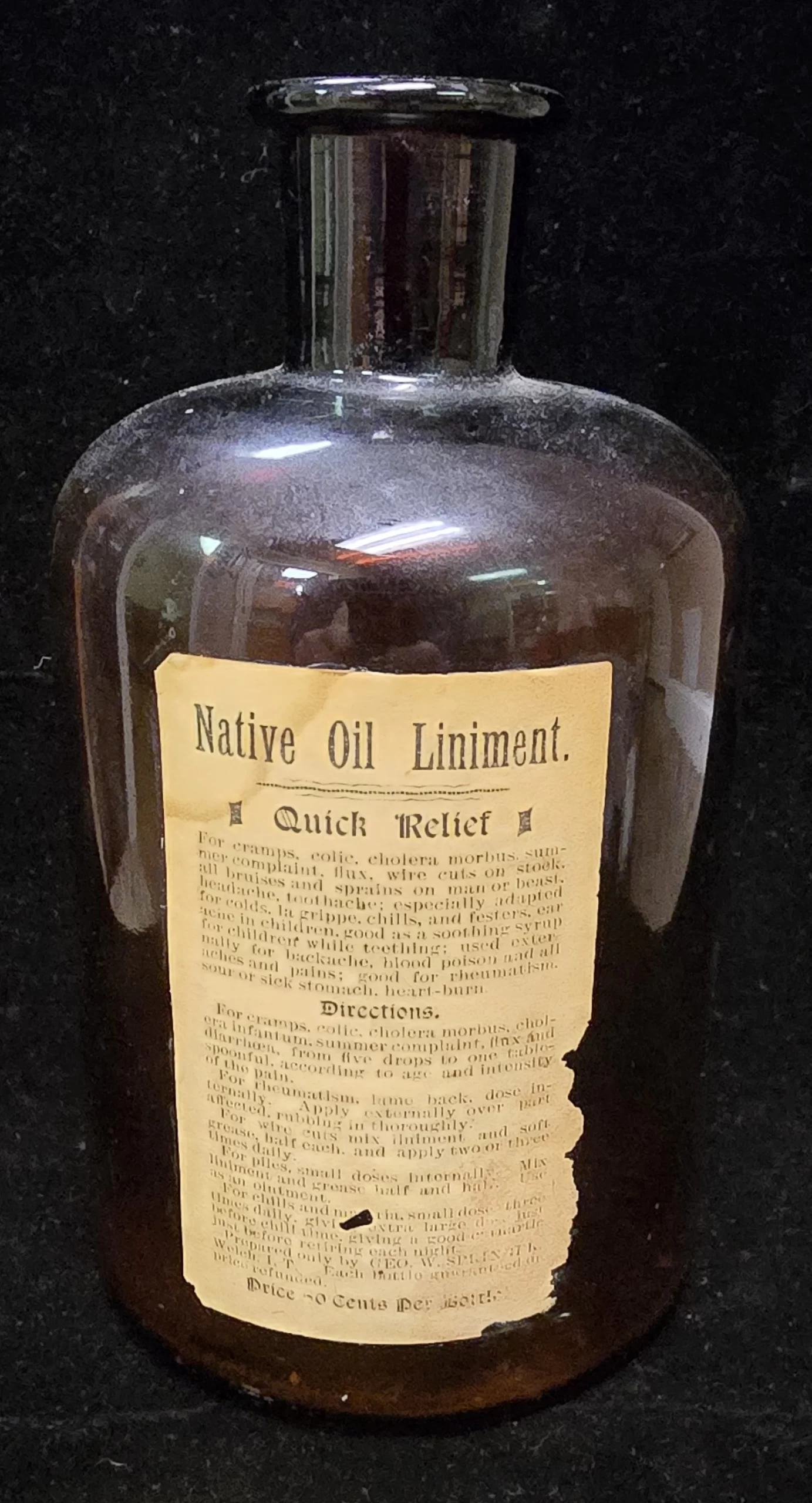
This large amber apothecary bottle is labeled “Native Oil Liniment – Quick Relief.” The paper label advertises treatment for an astonishing list of ailments including cramps, colic, cholera morbus, sunstroke, influenza, lumbago, neuralgia, sprains, bruises, earache, blood poisoning, rheumatism, sour stomach, and heart-burn.
The directions instruct both internal and external use. Dosing ranges from drops to spoonfuls, adjusted for age and severity of symptoms. The label specifically mentions use in infants during teething, children with croup, and adults suffering from rheumatic complaints. It is marketed as both a soothing syrup and a topical application, depending on need.
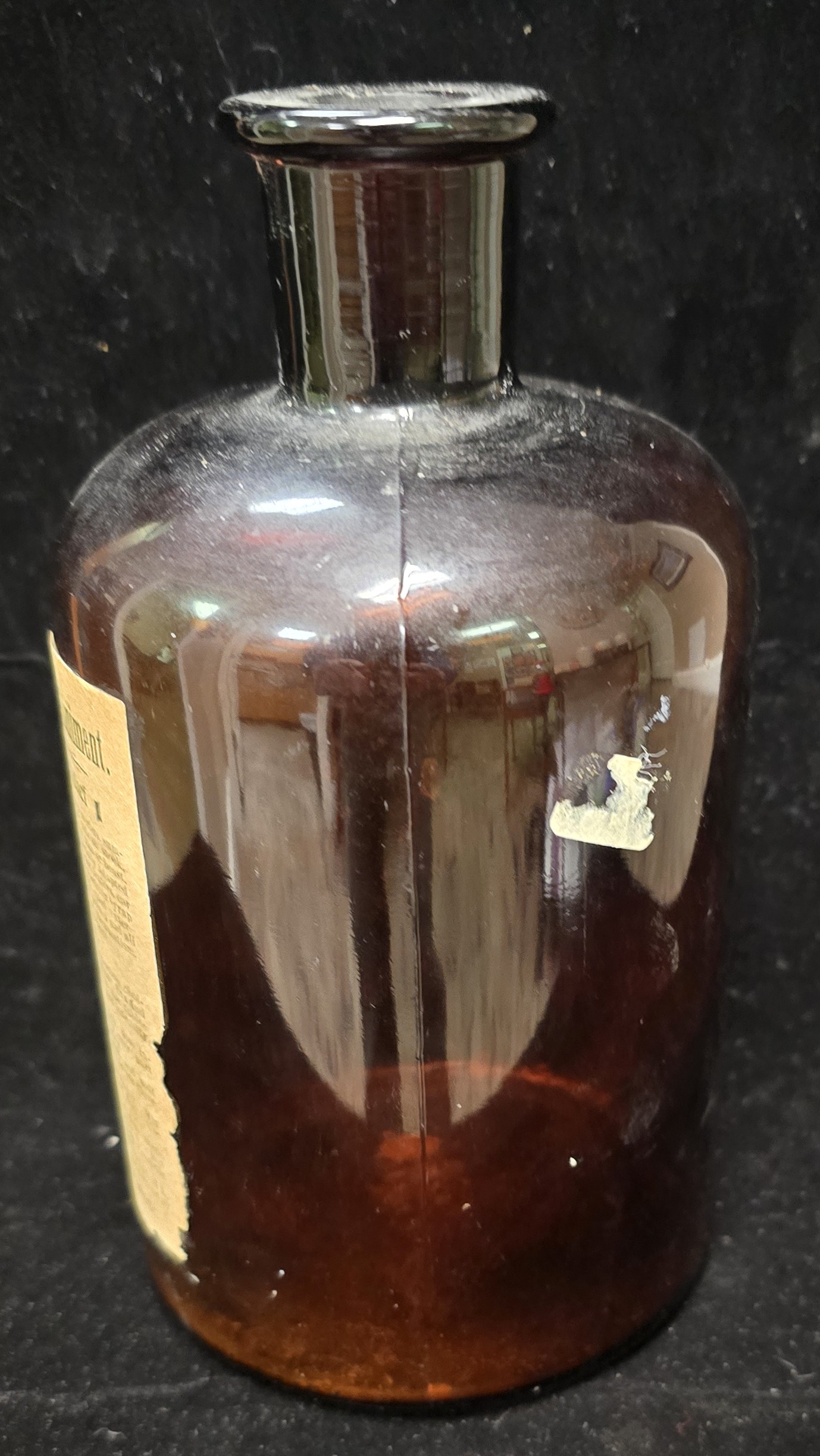
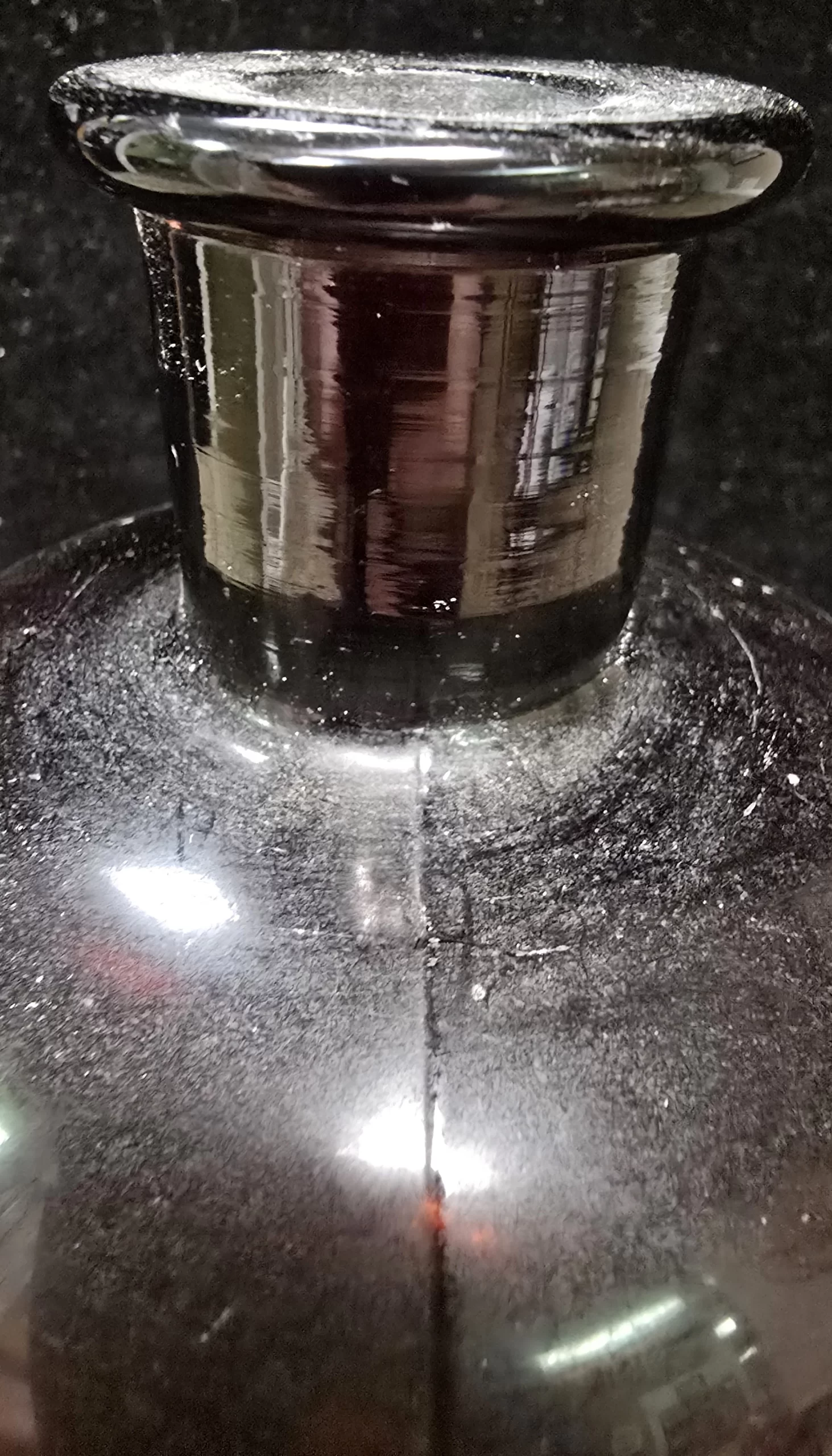
The bottle itself is a substantial, early 20th-century style amber glass container with a ground lip and wide flared collar, typical of druggist-supplied refill stock bottles. The typography and language suggest a late 19th to early 20th century origin, likely pre-Pure Food and Drug Act or shortly thereafter.
Price printed on the label: 50 cents per bottle.
Condition
Amber glass bottle in very good structural condition. No visible cracks or chips to the body. Ground lip intact. Original paper label present but shows edge loss, especially on the lower right corner, with age toning and moderate wear consistent with period storage. Adhesive ghosting visible on one side where an additional label may have once been present.
Gallery
Historical context
Liniments were among the most common household remedies of the late 19th and early 20th centuries. Many were oil-based preparations combining turpentine, camphor, capsicum, wintergreen, or other counter-irritants. Some also contained opiates or alcohol for internal “soothing” use.
The phrase “Native Oil” was often used to imply purity, local sourcing, or proprietary herbal extraction. The extraordinary range of claimed indications places this firmly in the transitional era between traditional herbal practice and early regulated pharmaceuticals.
The inclusion of internal dosing for cholera morbus and blood poisoning is particularly characteristic of the patent medicine period.
Curious Facts, Ephemera, and Trivia
“Cholera morbus” in 19th-century terminology usually referred to severe gastroenteritis, not true cholera.
• Internal use of liniments was not uncommon prior to stricter federal labeling requirements.
• The “Quick Relief” branding reflects the growing consumer demand for immediate symptomatic improvement rather than long-term cure.
• The broad claim list mirrors the classic “cure-all” marketing style seen in Radam’s Microbe Killer and other era products.
Excerpt
“Quick Relief — For cramps, colic, cholera morbus, sun-stroke, influenza, lumbago… especially adapted for colds… good for rheumatism… sour or sick stomach, heart-burn.”
Why it is in the Cabinet
This bottle represents the unapologetic confidence of early proprietary medicine — one formula, dozens of ailments, and complete faith in its universal utility. It stands as a reminder of a time when regulation was minimal, marketing was bold, and a household liniment might just as easily be swallowed as rubbed on the skin.
Support Dr. Bebout’s Cabinet of Medical Curiosities
If you enjoy the history, the oddities, and the effort, help keep this cabinet open. Every little bit helps preserve and share the strange wonders of medicine's past.
Buy Me a Ko-fi ☕ Buy Me a Coffee ☕ Tip via PayPal 💵