
Title
White Cross Electric Vibrator
Author
Knapp-Monarch Co., St. Louis, Missouri
Circa late 1920s–early 1930s
Image
Description
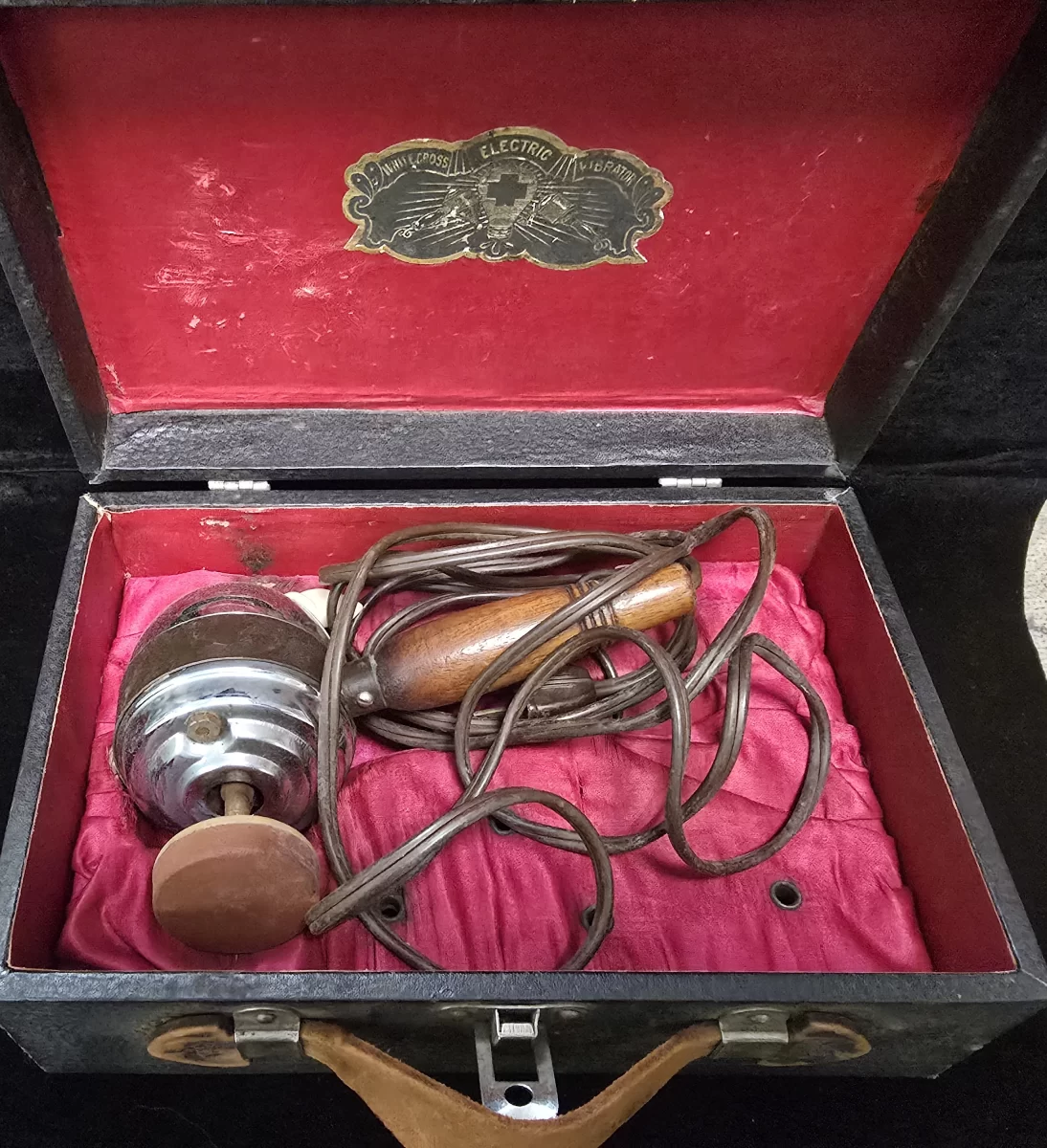
This White Cross Electric Vibrator was manufactured by the Knapp-Monarch Company of St. Louis, Missouri, during the late 1920s to early 1930s. Marketed as a home electro-therapeutic device, it was intended for the treatment of neuralgia, muscular stiffness, rheumatism, poor circulation, and general “nervous” conditions.
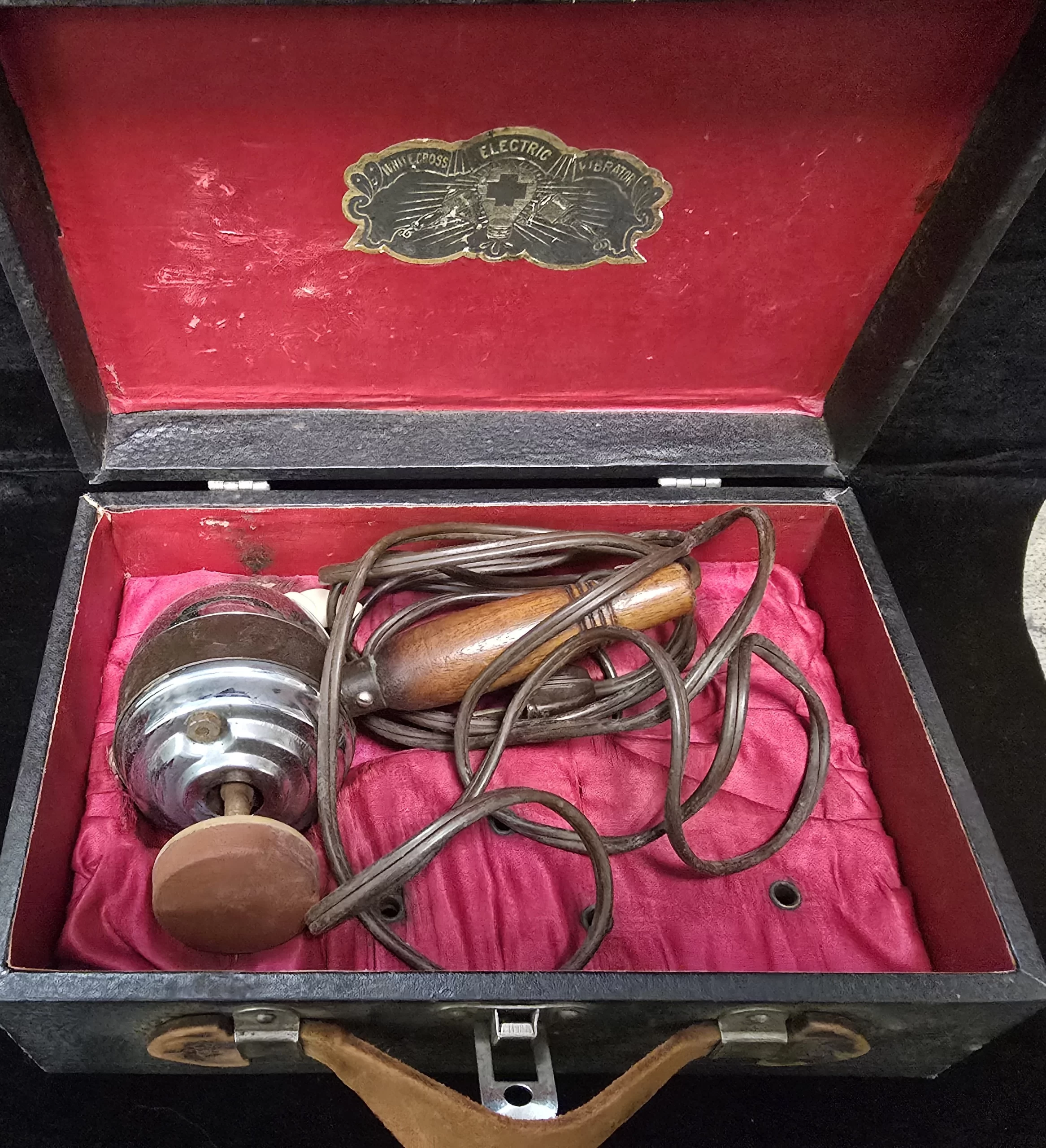
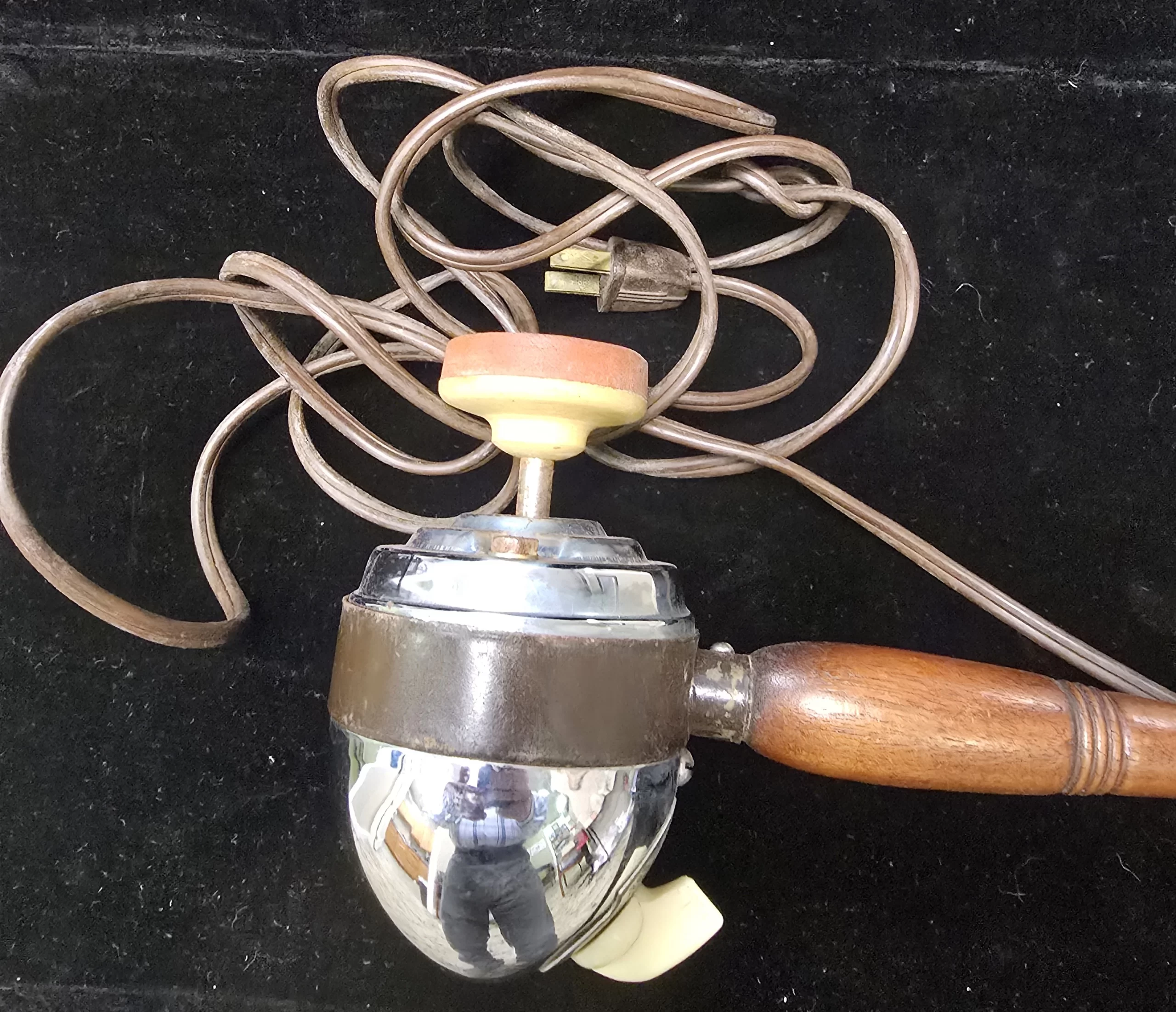
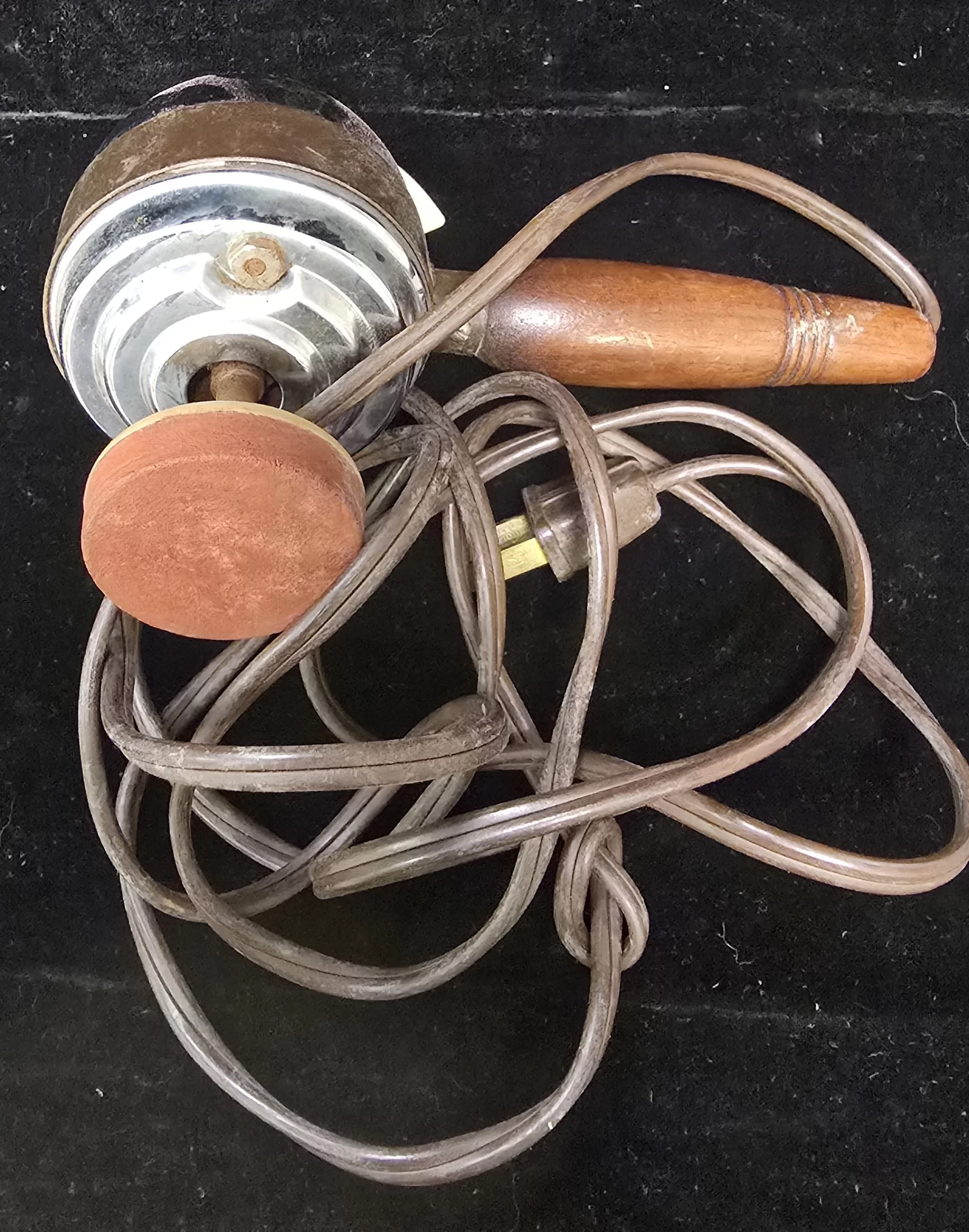
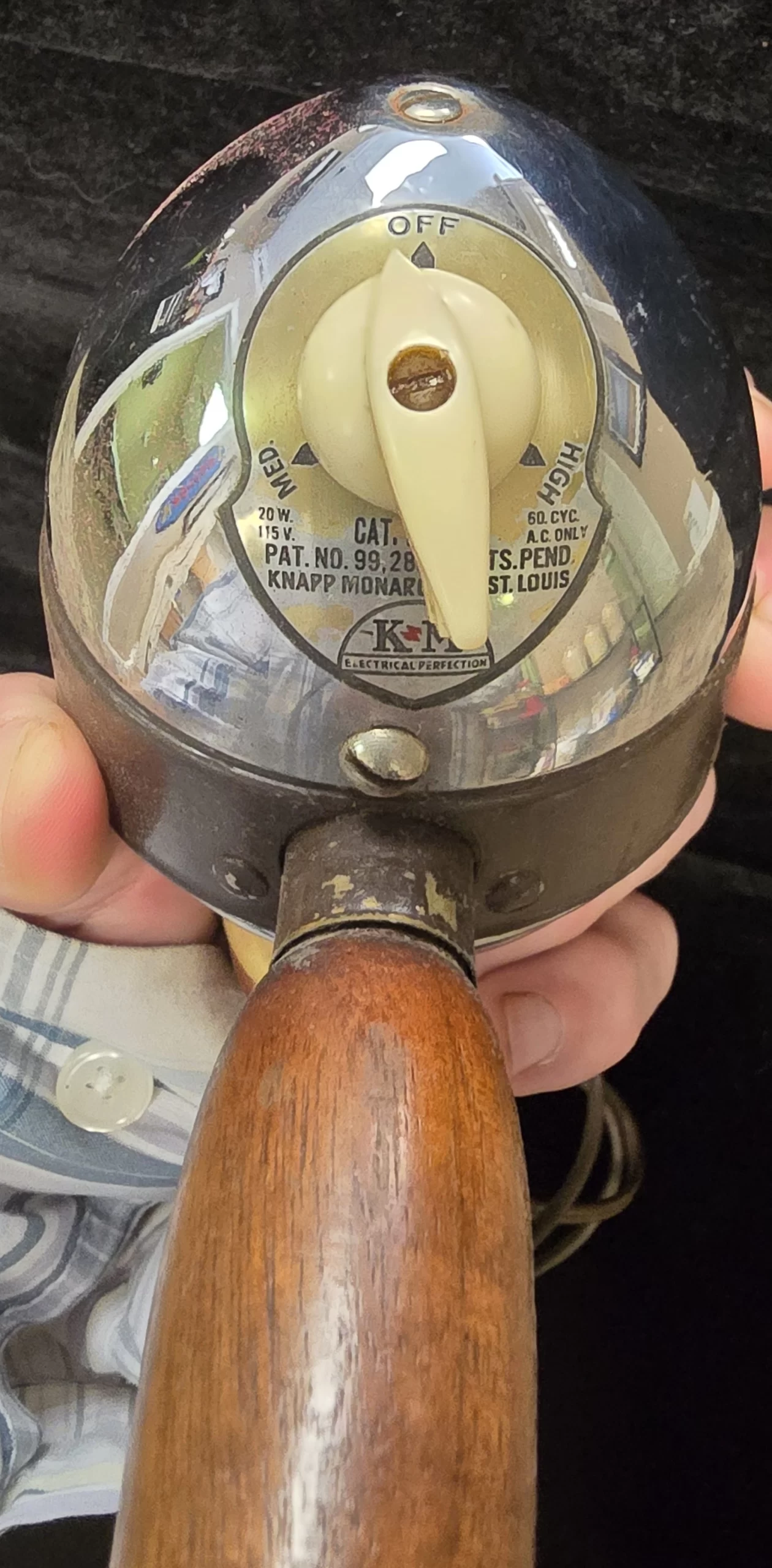
The device features a polished chrome motor housing, turned wooden handle, Bakelite selector switch labeled Off / Med / High, and a rubber applicator head mounted on a metal drive shaft. The control plate is marked 20 W – 115 V – 60 Cycle A.C. Only, along with patent information and the K*M Electrical Perfection insignia.
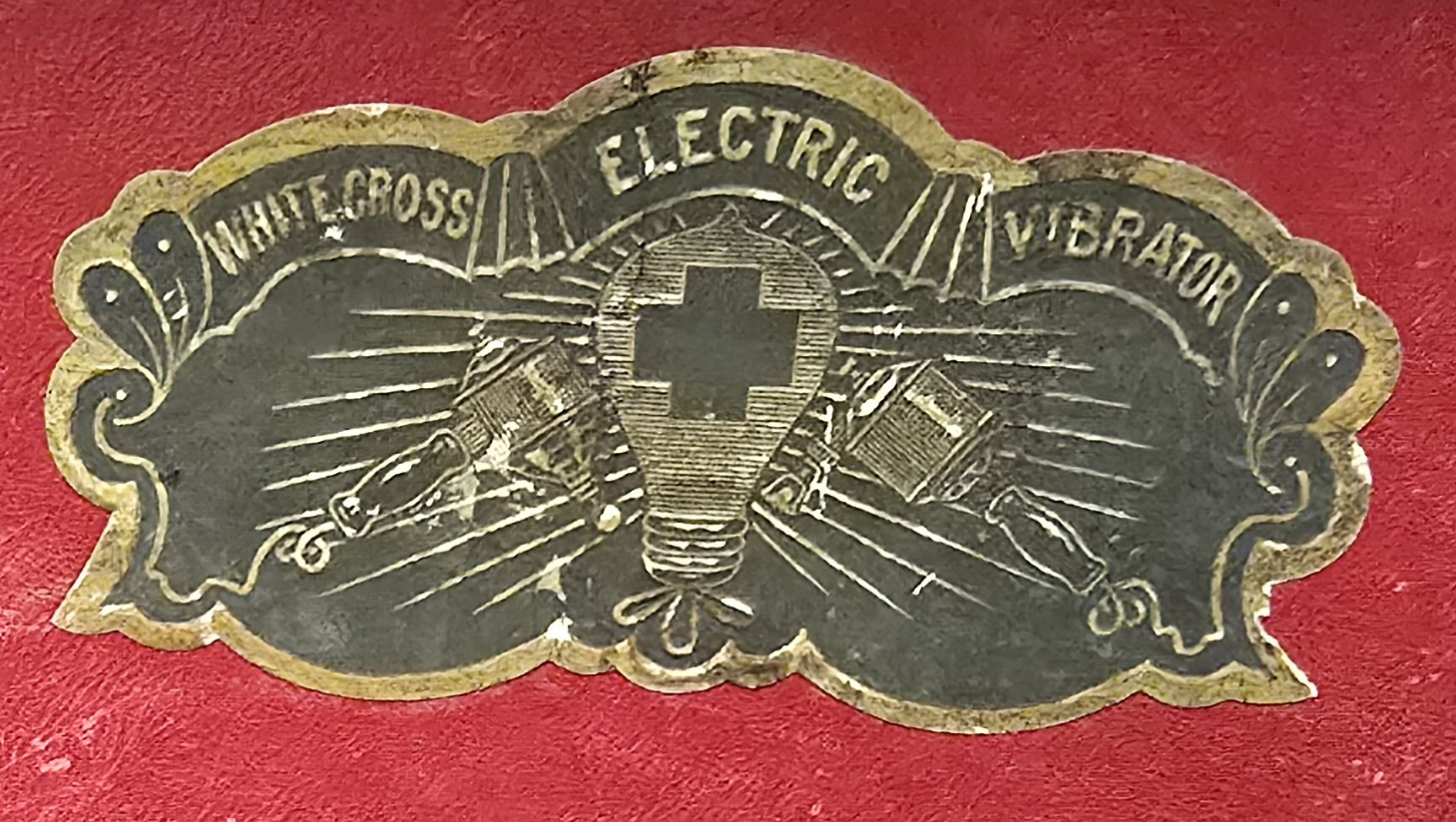
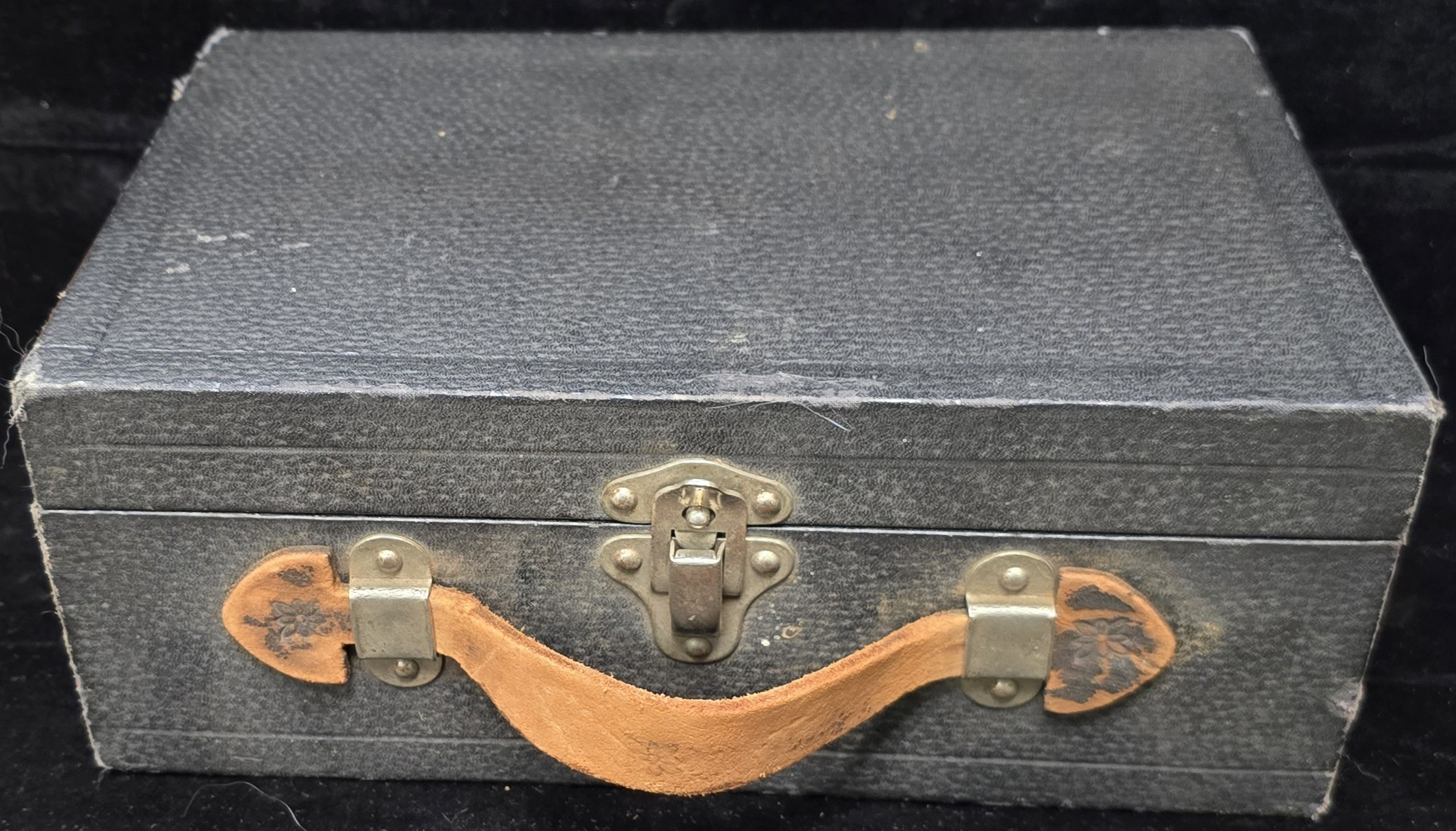
The original fitted carrying case is included, with black exterior, leather handle, metal latch hardware, and red satin interior lining bearing the White Cross Electric Vibrator emblem. The presence of the original case significantly enhances both historical integrity and display value.
This example represents the transitional period when electro-mechanical therapeutic devices moved from physician offices into private domestic use, reflecting early 20th-century fascination with electricity as a curative force.
Condition
Chrome housing retains strong reflectivity with age-appropriate surface wear. Wooden handle is structurally sound with minor finish wear. Control dial intact and legible. Rubber applicator present with expected aging. Original cloth-covered power cord present; not tested and should not be operated without professional rewiring. Original case structurally intact with interior satin lining present and minor wear consistent with age.
Gallery
Historical context
Mechanical vibratory therapy gained popularity in the late 19th and early 20th centuries as a treatment modality for a wide range of conditions. Early medical literature described vibration therapy as beneficial for circulatory disorders, neuralgia, constipation, muscle atrophy, and various “functional nervous complaints.”
By the 1920s, manufacturers such as Knapp-Monarch began marketing portable electric vibrators directly to consumers. These devices were presented as scientifically modern, hygienic, and technologically advanced. Their polished metal housings and branded cases emphasized legitimacy and professional appearance.
Although many such devices were sold under therapeutic claims, they occupy a complex cultural and medical space today, reflecting evolving interpretations of both electrotherapy and domestic health technology.
Although marketed for neuralgia, rheumatism, muscular stiffness, and “nervous disorders,” historians widely acknowledge that early 20th-century electric vibrators also occupied a secondary and often unspoken role in personal sexual health. By the 1910s and 1920s, vibratory therapy had been used in medical settings for the treatment of what was then termed “female hysteria,” and manufacturers increasingly shifted sales from physicians to direct consumer marketing. While advertising language remained medically framed, the domestic adoption of these devices blurred the boundary between therapeutic appliance and personal relief instrument. The discreet medical branding and professional presentation allowed such devices to be sold respectably within the cultural norms of the era.
Curious Facts, Ephemera, and Trivia
Knapp-Monarch was known for small electrical appliances and therapeutic devices during the interwar period.
• The “White Cross” branding invoked medical symbolism to reinforce legitimacy.
• Early vibratory devices were often advertised in medical supply catalogs alongside legitimate clinical instruments.
• Many surviving examples lack their original case; complete sets are increasingly scarce.
By the 1920s, electric vibrators were among the earliest small electrical appliances marketed directly to women for home use.
• Advertising emphasized circulation, nervous health, and muscle tone, though modern historians note broader personal applications.
• As motion pictures and print media regulations tightened in the 1930s, these devices gradually disappeared from mainstream catalogs.
Why it is in the Cabinet
This piece represents the intersection of medicine, technology, and early consumer culture. It reflects a period when electricity symbolized progress and therapeutic promise. As a complete, branded example with original case, it exemplifies the aesthetic and mechanical confidence of interwar electro-medical devices and serves as a tangible reminder of how medical legitimacy evolves over time.
Support Dr. Bebout’s Cabinet of Medical Curiosities
If you enjoy the history, the oddities, and the effort, help keep this cabinet open. Every little bit helps preserve and share the strange wonders of medicine's past.
Buy Me a Ko-fi ☕ Buy Me a Coffee ☕ Tip via PayPal 💵