
Title
Chloride of Silver Dry Cell Medical Battery
Author
The Chloride of Silver Dry Cell Company
Baltimore, Maryland, U.S.A.
Image
Description
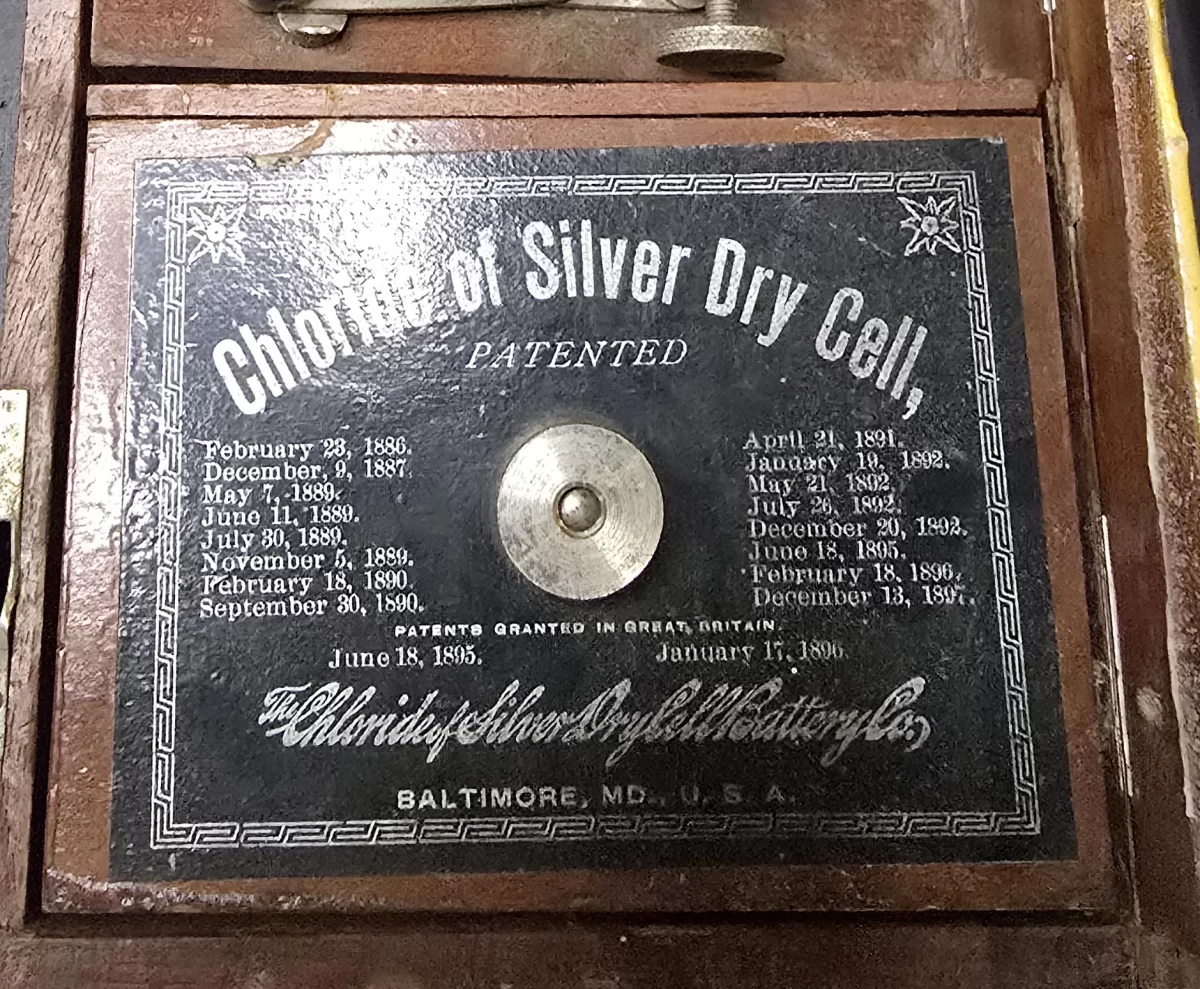
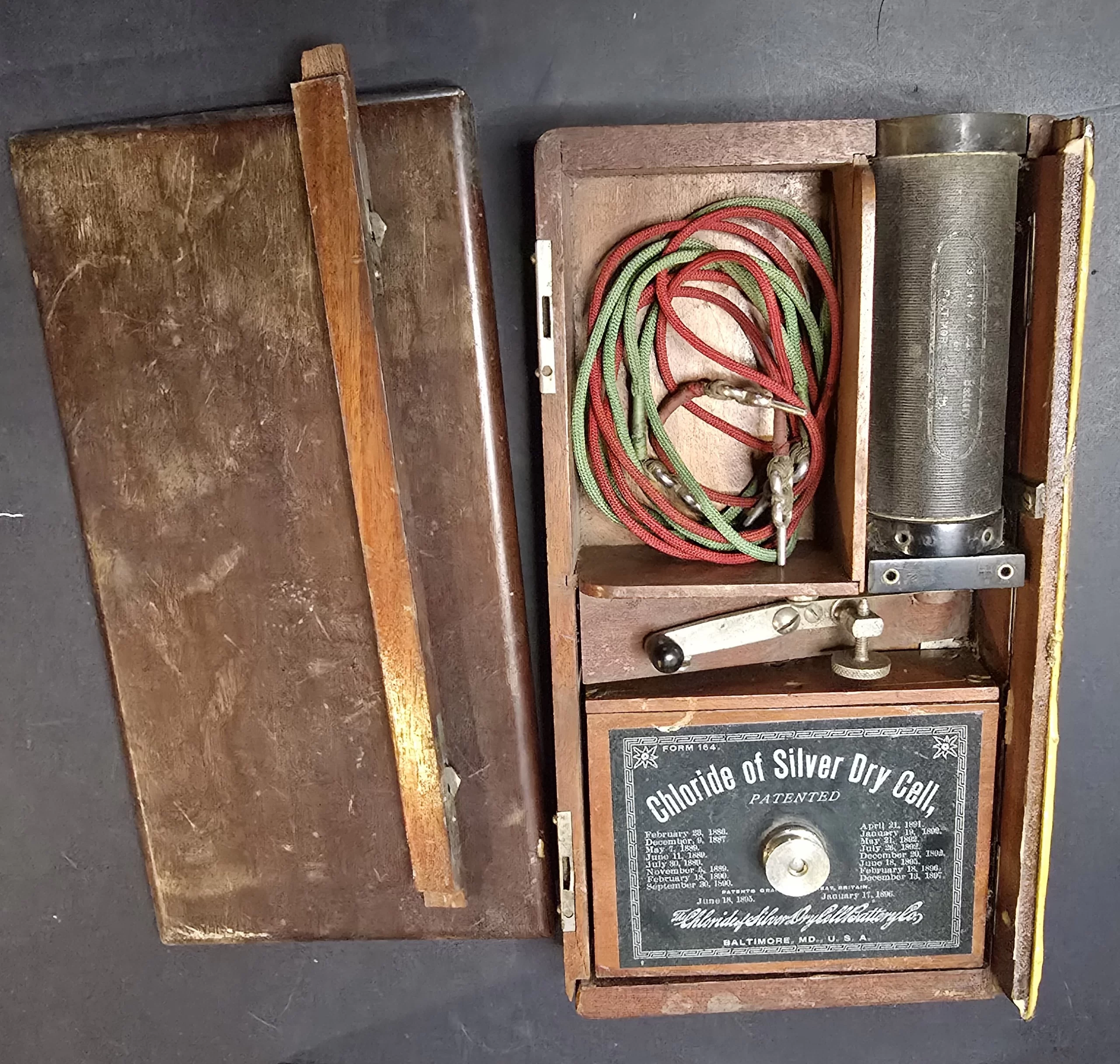
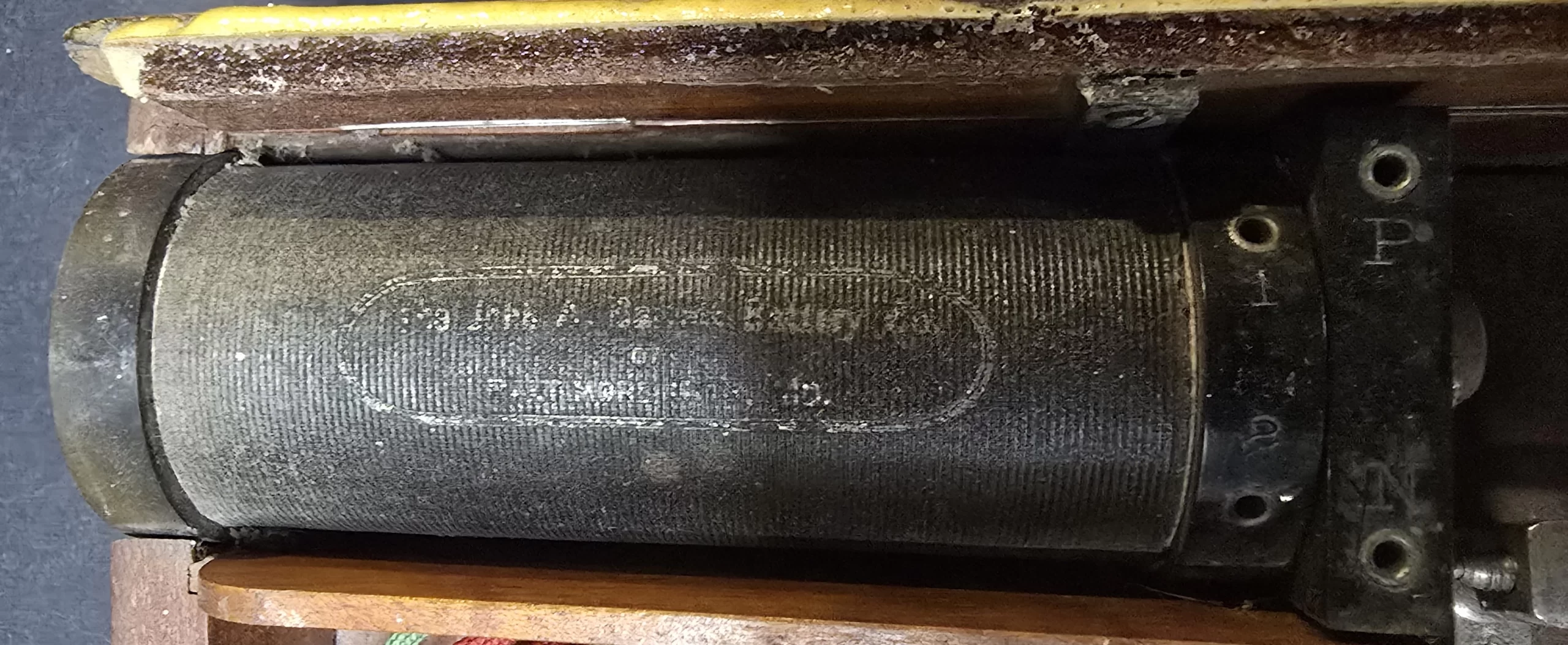
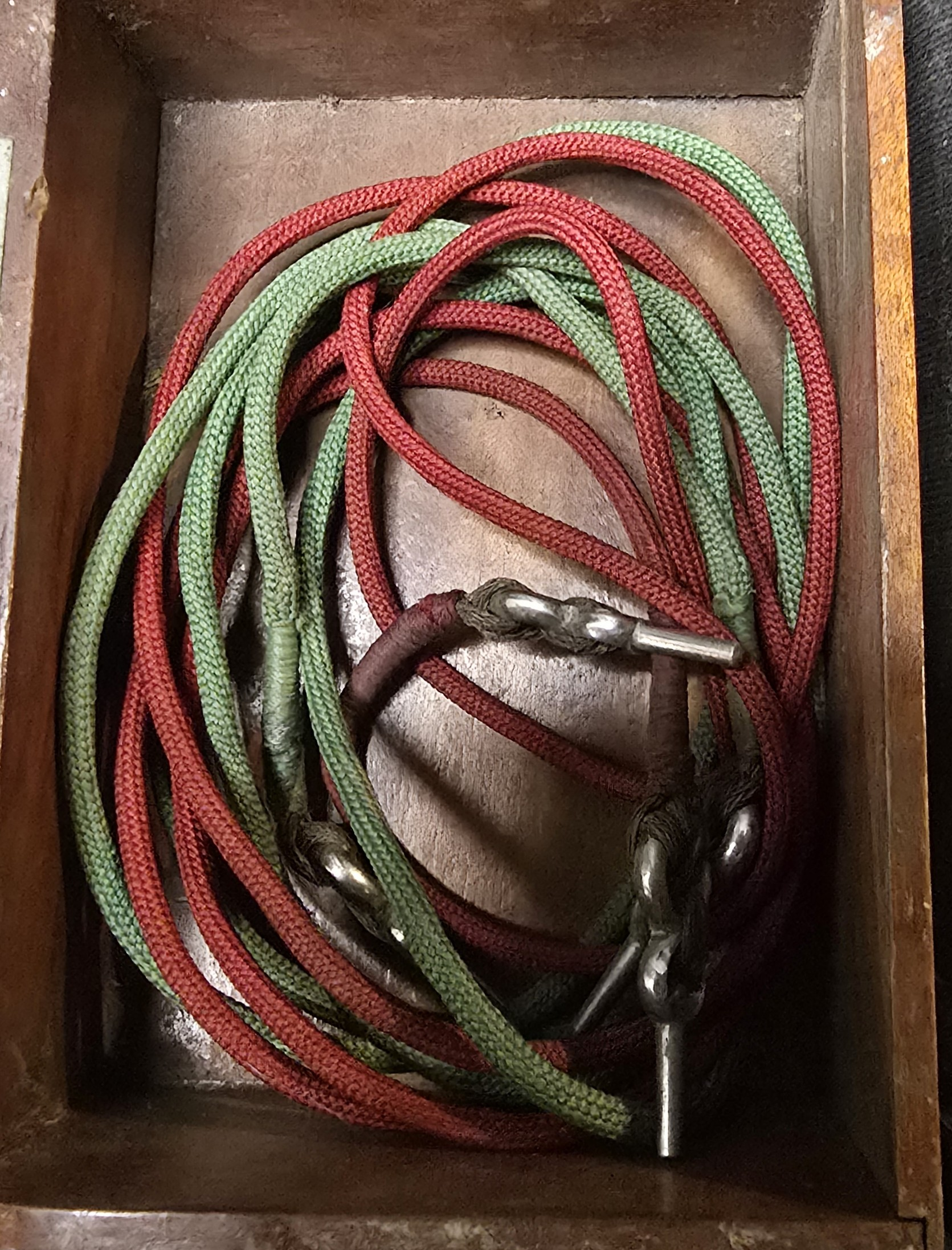
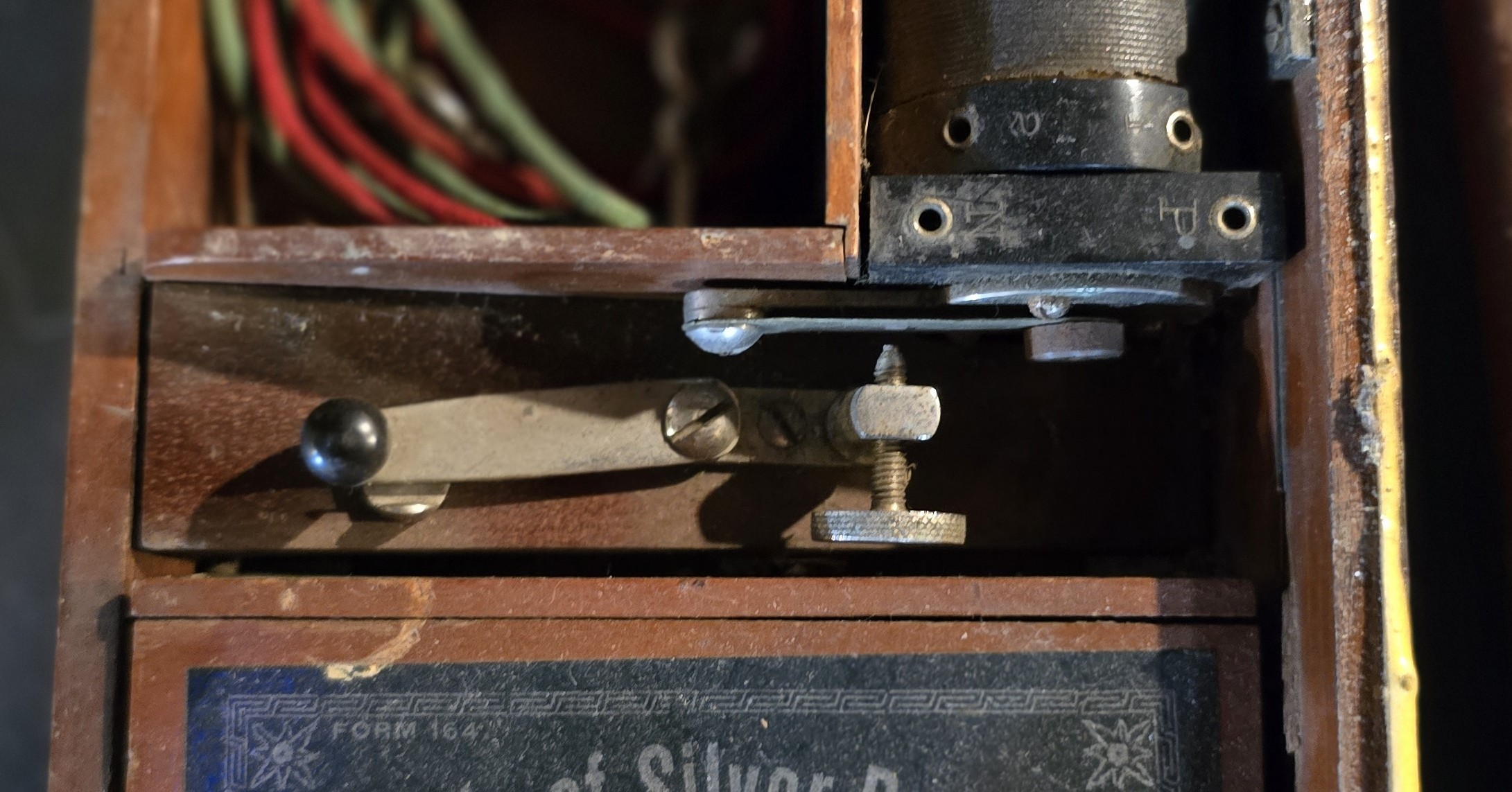
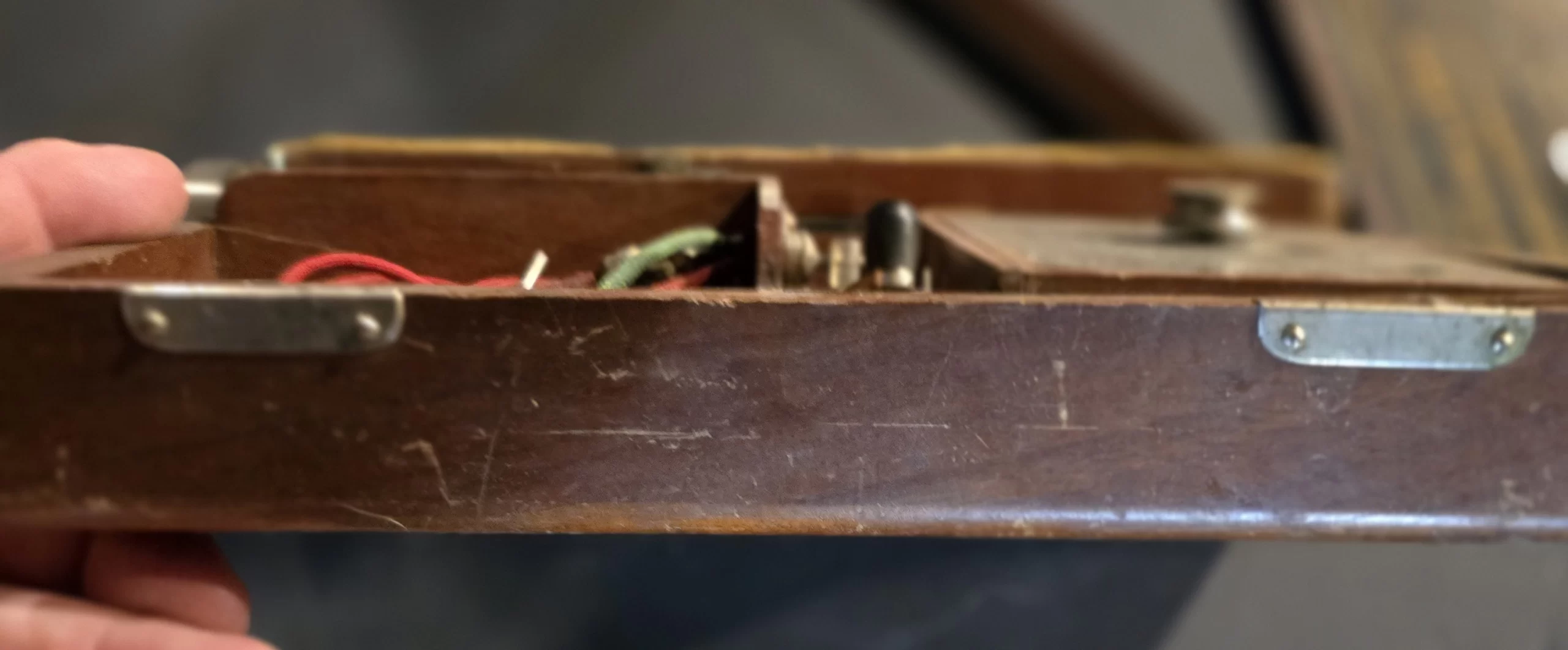
This is a late-19th-century Chloride of Silver Dry Cell medical battery, housed in its original hinged wooden case with internal compartments for wiring, control lever, and cylindrical dry cell. The unit features braided red and green cloth-covered electrode cords with metal terminals, an adjustable contact lever for regulating current flow, and a labeled cylindrical dry cell mounted internally.
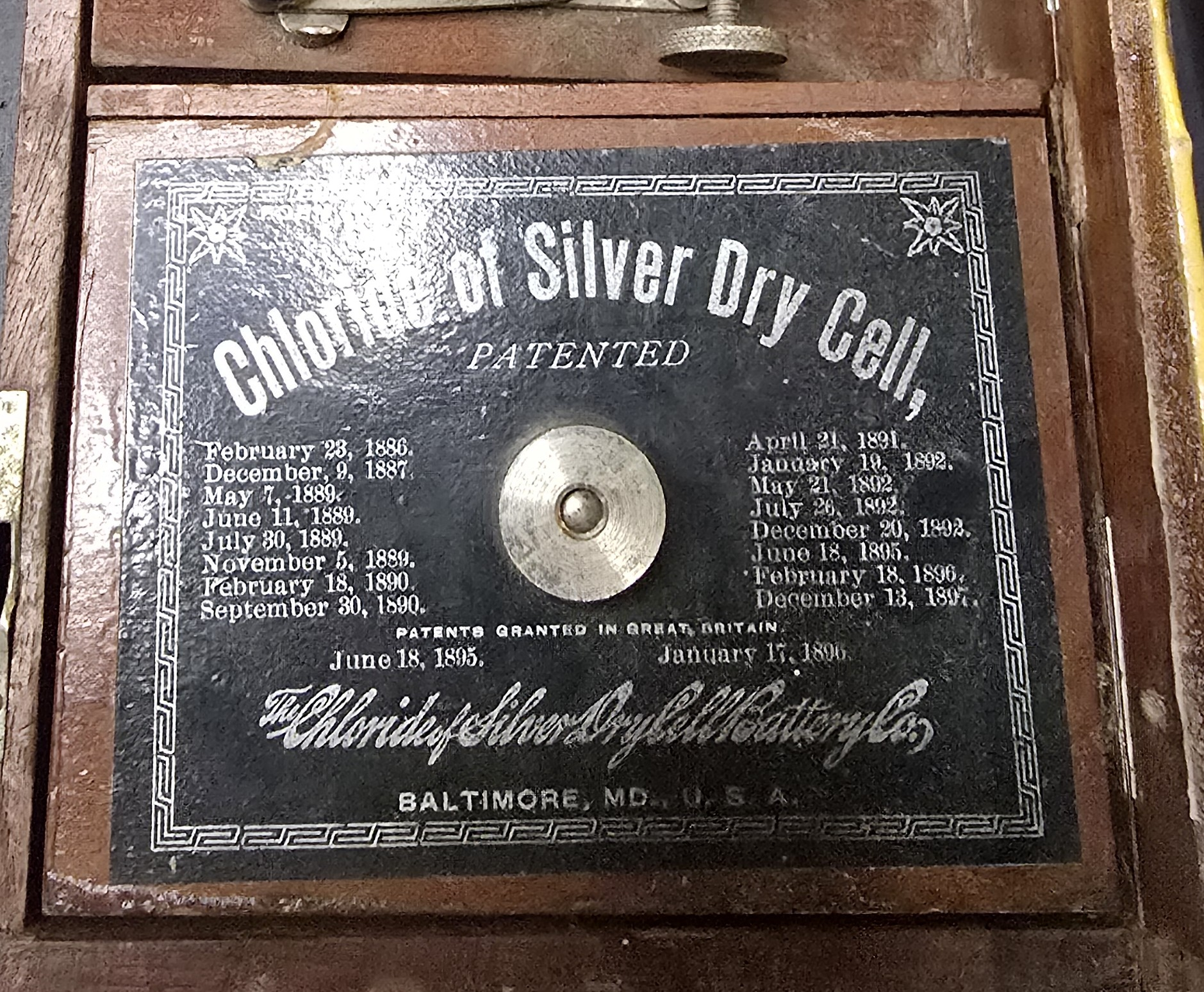
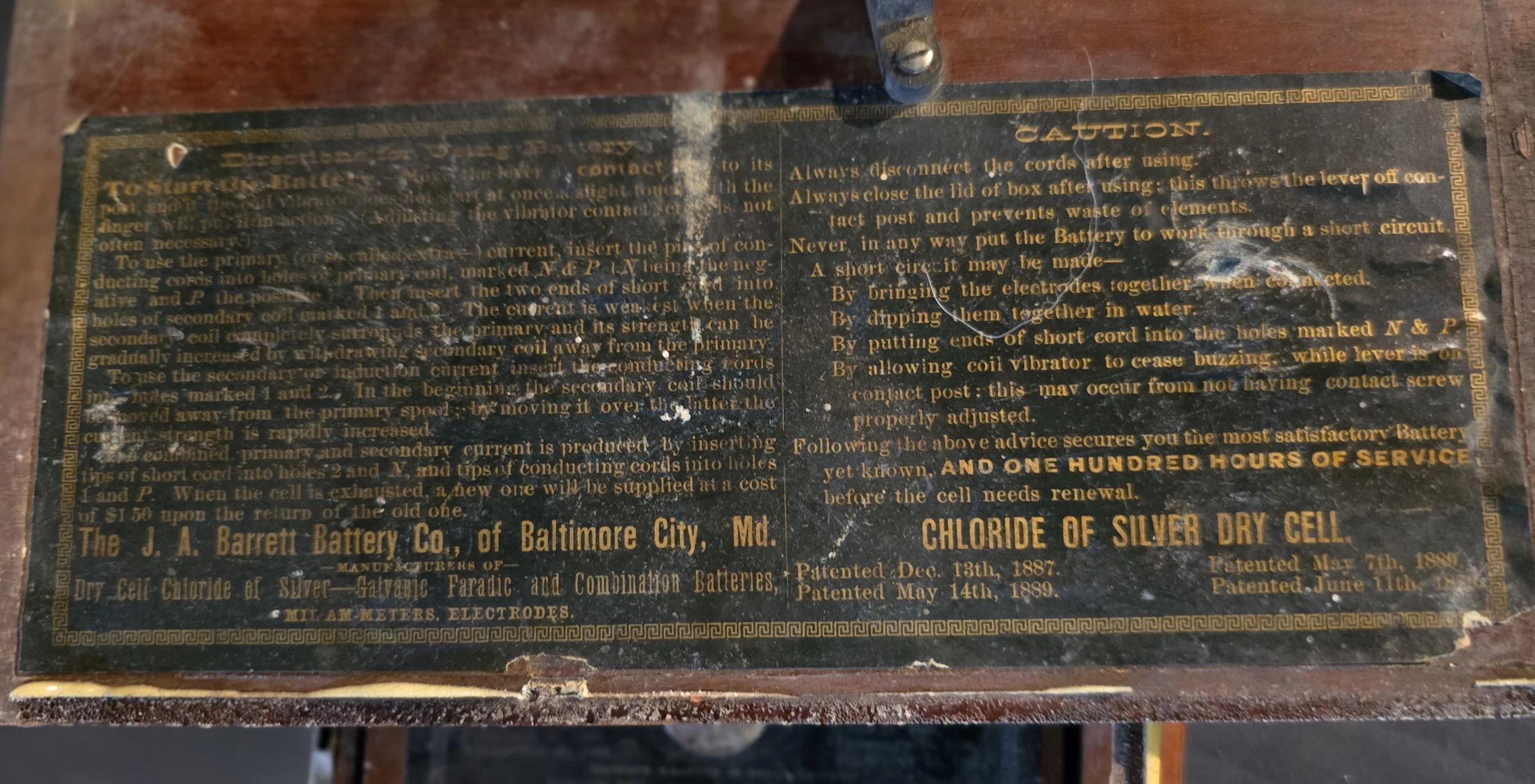
The prominently labeled faceplate lists an extensive series of U.S. and British patents dating from 1886 through 1897, reflecting the rapid technological development of portable electrical power in the late Victorian era. The instruction placard inside the lid provides detailed operational guidance and cautions, including warnings against short-circuiting the battery, improper contact adjustment, and immersing electrodes in water while energized.
These batteries were designed to provide portable, steady electrical current for medical applications, including electrotherapy, diagnostic stimulation, and use with various electrodes supplied separately. The compact form allowed physicians to bring electrical treatment directly to patients’ homes or hospital wards.
Condition
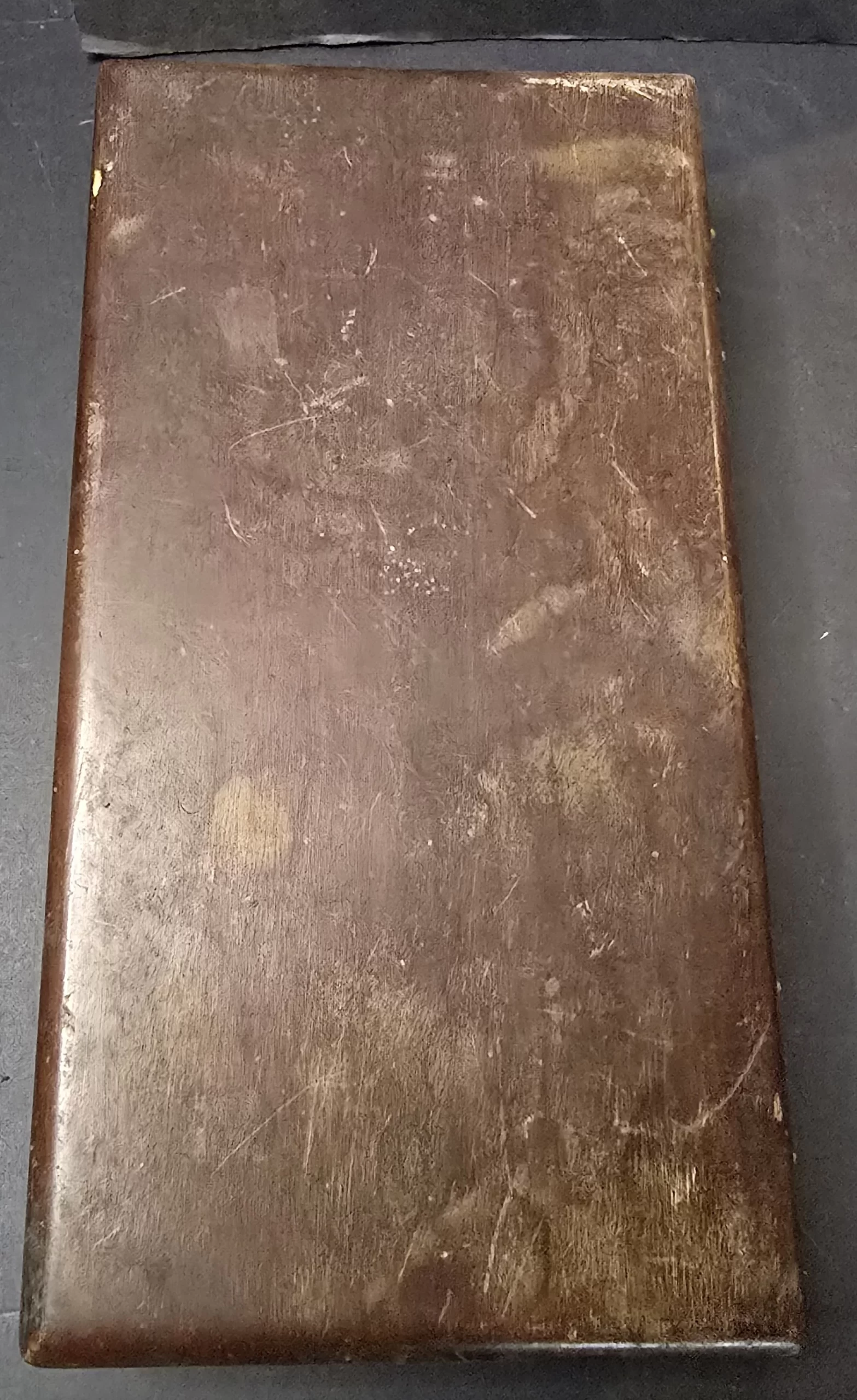
Original wooden case with expected age-related wear, surface scuffs, and patina. The lid has separated at the original wooden joints but remains present and intact. Internal components appear complete, including wiring, terminals, control lever, and dry cell housing. Labels remain legible with minor fading and wear consistent with late-19th-century use.
Gallery
Historical context
By the late 1800s, electricity had become one of medicine’s most fashionable—and controversial—therapeutic tools. Electrotherapy was widely promoted for nervous disorders, muscular weakness, paralysis, pain syndromes, and “neurasthenia.” The introduction of dry cell technology was revolutionary, eliminating the need for messy liquid batteries and making electrical treatment far more practical for everyday medical use.
The Chloride of Silver Dry Cell Company was among the leading manufacturers producing reliable, long-lasting cells marketed for both medical and scientific purposes. Their products were used not only by physicians but also in early telecommunications, signaling devices, and experimental apparatus.
Curious Facts, Ephemera, and Trivia
The instruction label boldly promises “ONE HUNDRED HOURS OF SERVICE” before cell renewal—an impressive claim for the era.
The device warns users repeatedly about short circuits, suggesting that battery failure from misuse was common.
Electrotherapy devices like this straddled the line between legitimate medical treatment and later “quack” electrical gadgets marketed directly to the public.
Chloride of silver cells were prized for their stable voltage output, making them suitable for controlled medical applications.
Excerpt
“Following the above advice secures you the most satisfactory Battery yet known, AND ONE HUNDRED HOURS OF SERVICE before the cell needs renewal.”
Why it is in the Cabinet
This battery represents the moment when medicine, electricity, and industrial manufacturing collided, reshaping both legitimate clinical practice and public perception of medical technology. It is a tangible artifact from the era when physicians were experimenting—sometimes responsibly, sometimes not—with electrical power as therapy. As a physician, collector, and historian, this piece embodies both the optimism and the uncertainty of late-19th-century medicine.
Support Dr. Bebout’s Cabinet of Medical Curiosities
If you enjoy the history, the oddities, and the effort, help keep this cabinet open. Every little bit helps preserve and share the strange wonders of medicine's past.
Buy Me a Ko-fi ☕ Buy Me a Coffee ☕ Tip via PayPal 💵