
Title
Sedatole
Author
Sharp & Dohme, Baltimore
Image
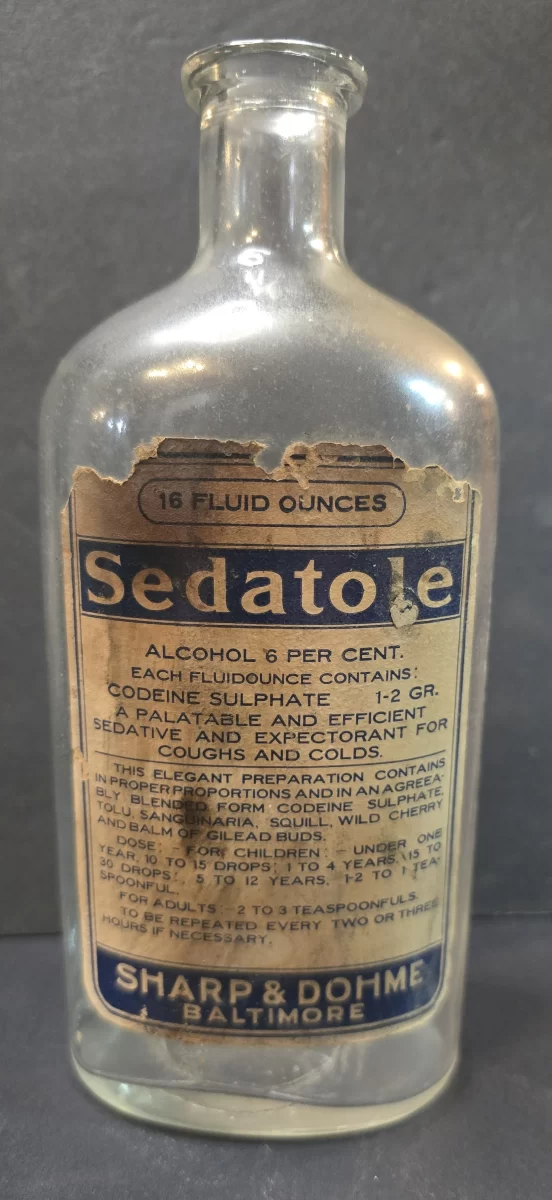
Description
This 16-ounce glass bottle of Sedatole, produced by Sharp & Dohme of Baltimore, represents an early-20th-century narcotic cough and cold remedy formulated before modern regulation curtailed the routine use of opiates in over-the-counter preparations. The original front label survives in worn but legible condition and lists the primary therapeutic agent as codeine sulphate (1–2 grains per fluid ounce), blended with alcohol (6%) and a mixture of botanicals including wild cherry, tolu, squill, sanguinaria, and balm of Gilead buds. Marketed as a “palatable and efficient sedative and expectorant,” Sedatole was intended for symptomatic relief of coughs, colds, and respiratory irritation.
Sharp & Dohme—later merged into Merck—marketed a wide array of professional and proprietary medicines during this era, often blending legitimate pharmacology with formulations that would eventually fall under stricter narcotics control. Sedatole sits squarely in that transitional moment when codeine compounds were still dispensed freely and routinely in family medicine settings.
Condition
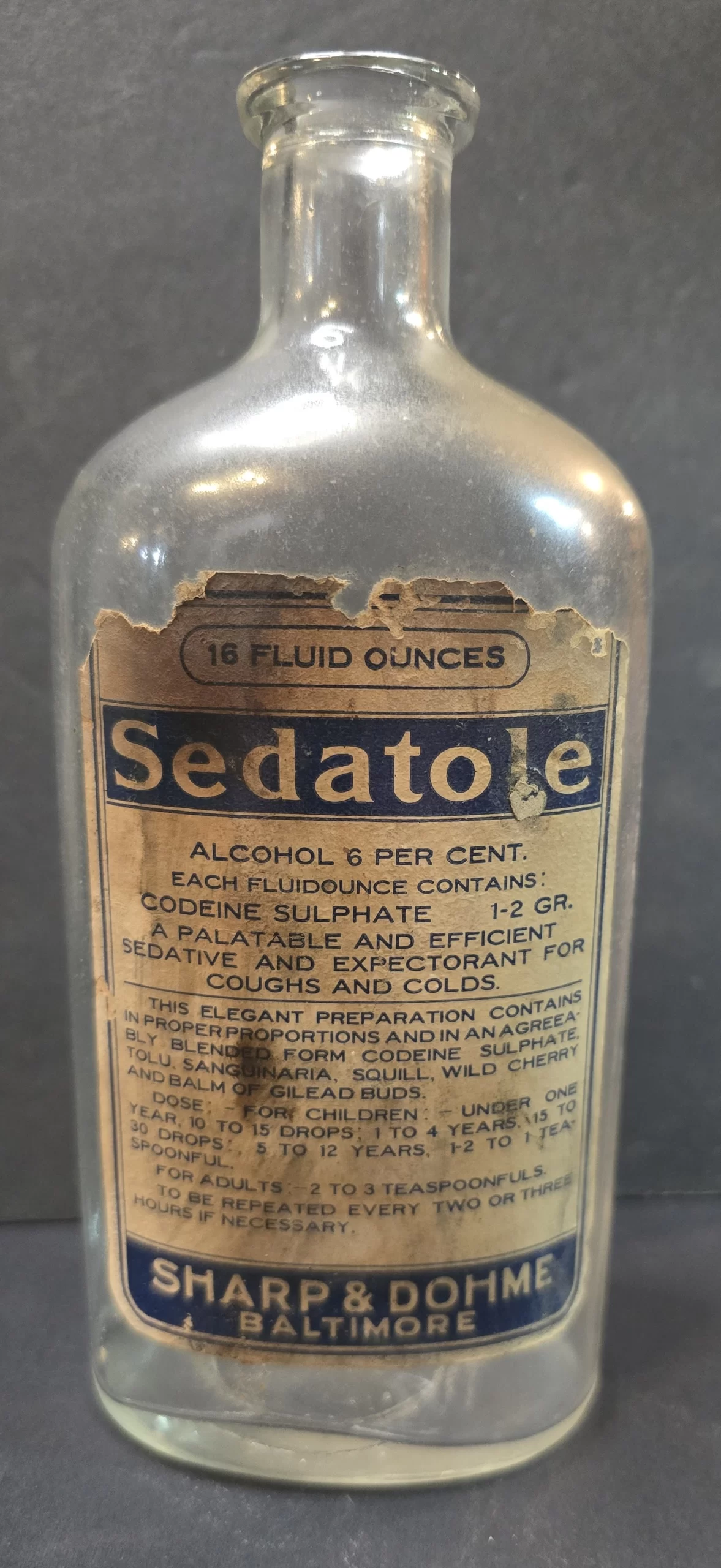
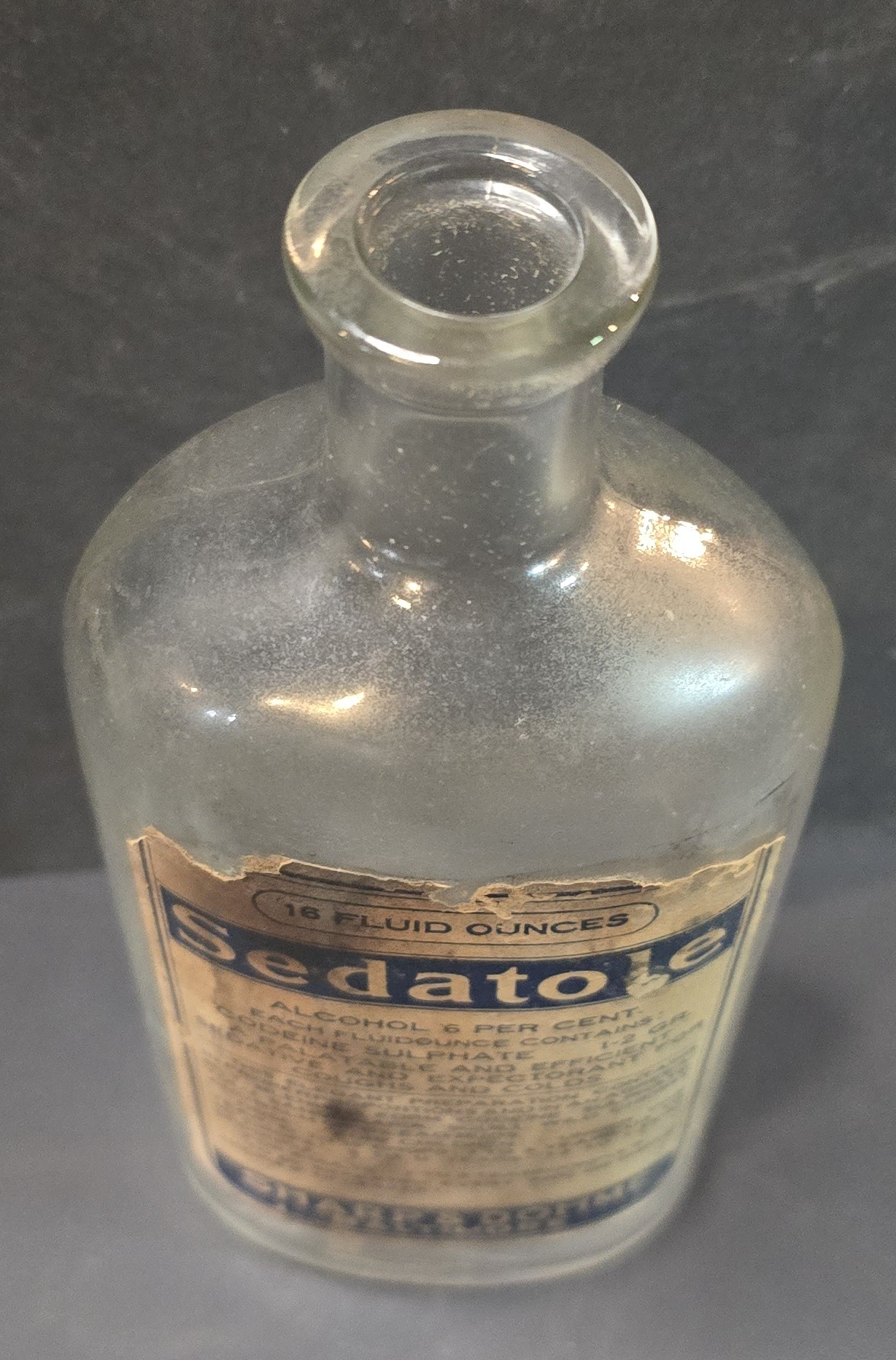
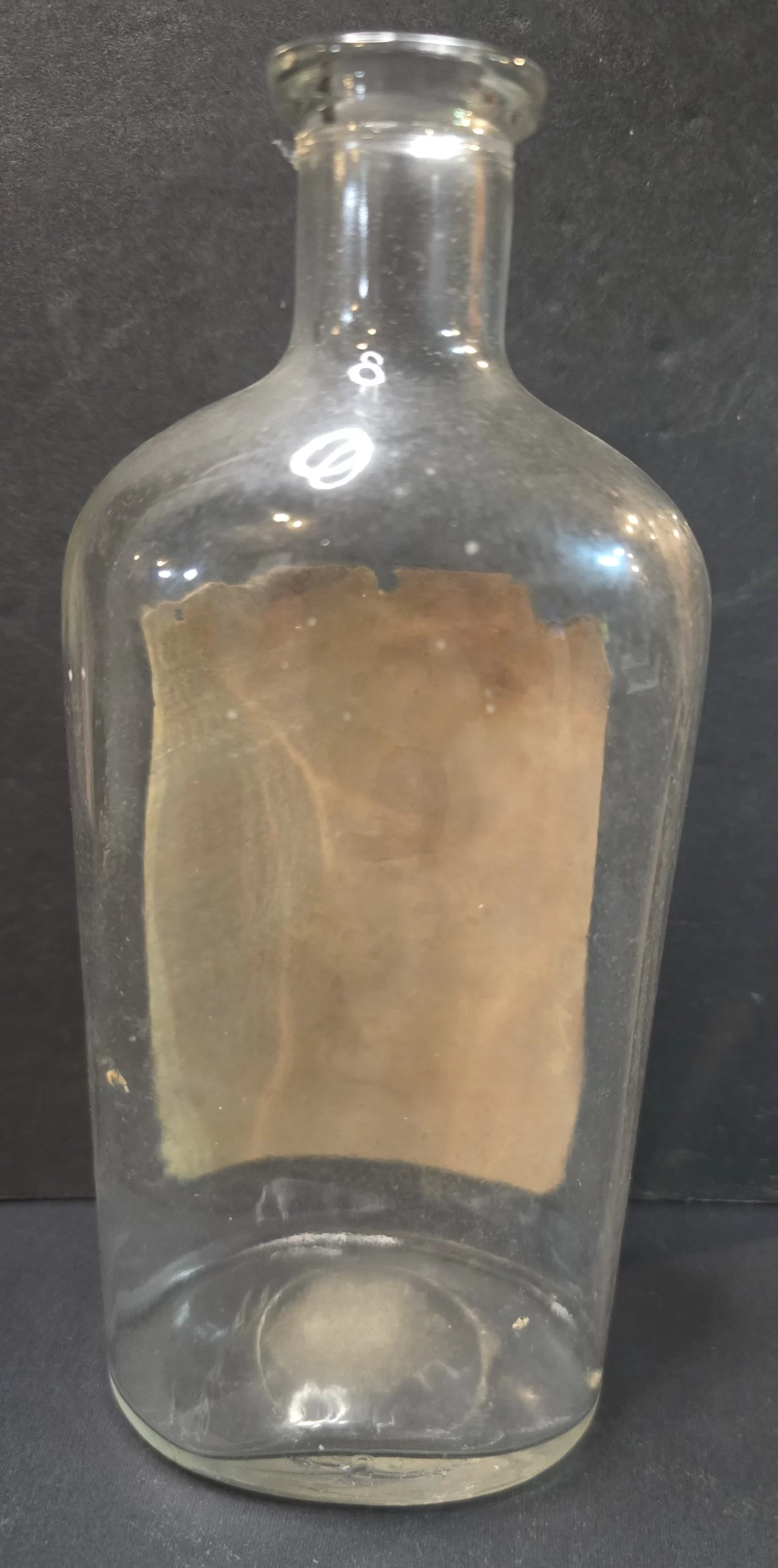
Clear glass bottle intact; no chips or cracks. Label shows heavy edge loss, discoloration, abrasions, and partial detachment consistent with age and handling.
Gallery
Historical context
At the turn of the 20th century, codeine-based cough syrups were widely accepted therapeutic tools, commonly prescribed for bronchitis, influenza, and “winter cough.” Products like Sedatole predate major federal restrictions such as the 1914 Harrison Narcotics Act, which began tightening oversight on opium derivatives but still permitted exempt narcotics in low concentrations. These preparations were commonly stocked in both pharmacies and physician offices well into the 1920s–1930s.
Sharp & Dohme operated as one of the most respected American pharmaceutical houses of the period, known for combining botanical medicine traditions with emerging synthetic chemistry. Bottles such as this one are now significant artifacts documenting how American drug regulation, public trust, and prescribing norms evolved across the 20th century.
Curious Facts, Ephemera, and Trivia
Sedatole is a classic example of the “exempt narcotic” era, when products containing small amounts of codeine or opium could legally remain over-the-counter if they met certain concentration limits.
The inclusion of sanguinaria (bloodroot) and squill reflects enduring 19th-century botanical traditions long after formal pharmacology began to dominate medical education.
Sharp & Dohme merged with Merck in 1953, making early S&D bottles collectible both as medical artifacts and as part of pharmaceutical company history.
Excerpt
“Alcohol 6 per cent. Each fluidounce contains: Codeine sulphate 1–2 gr. A palatable and efficient sedative and expectorant for coughs and colds.” — from original bottle label.
Why it is in the Cabinet
Sedatole embodies that fascinating moment when opiate-based cough syrups were routine household remedies—prescribed by respectable physicians, sold by reputable manufacturers, and used without the regulatory caution that defines modern narcotic prescribing. This bottle is an authentic survivor from a vanished therapeutic world and serves as an important teaching piece on the history of controlled substances.
Support Dr. Bebout’s Cabinet of Medical Curiosities
If you enjoy the history, the oddities, and the effort, help keep this cabinet open. Every little bit helps preserve and share the strange wonders of medicine's past.
Buy Me a Ko-fi ☕ Buy Me a Coffee ☕ Tip via PayPal 💵