
Title
VAPO-CRESOLENE LAMP
Author
Manufacturer: Vapo-Cresolene Co.
c. Late 1800s
Image
Description
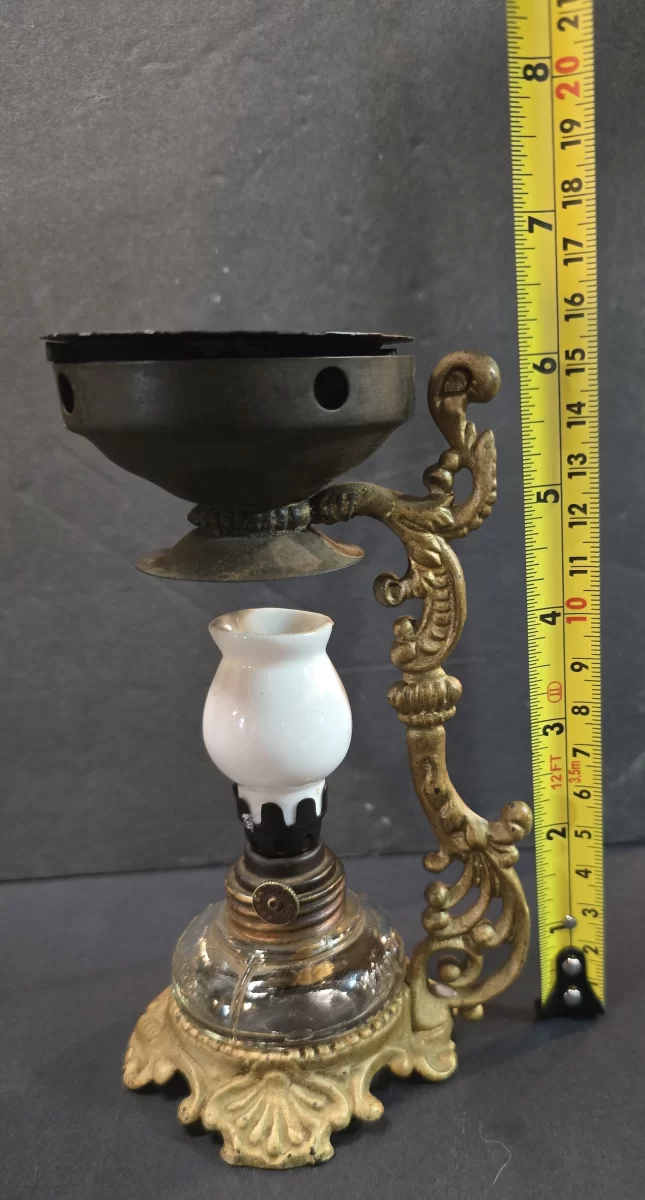
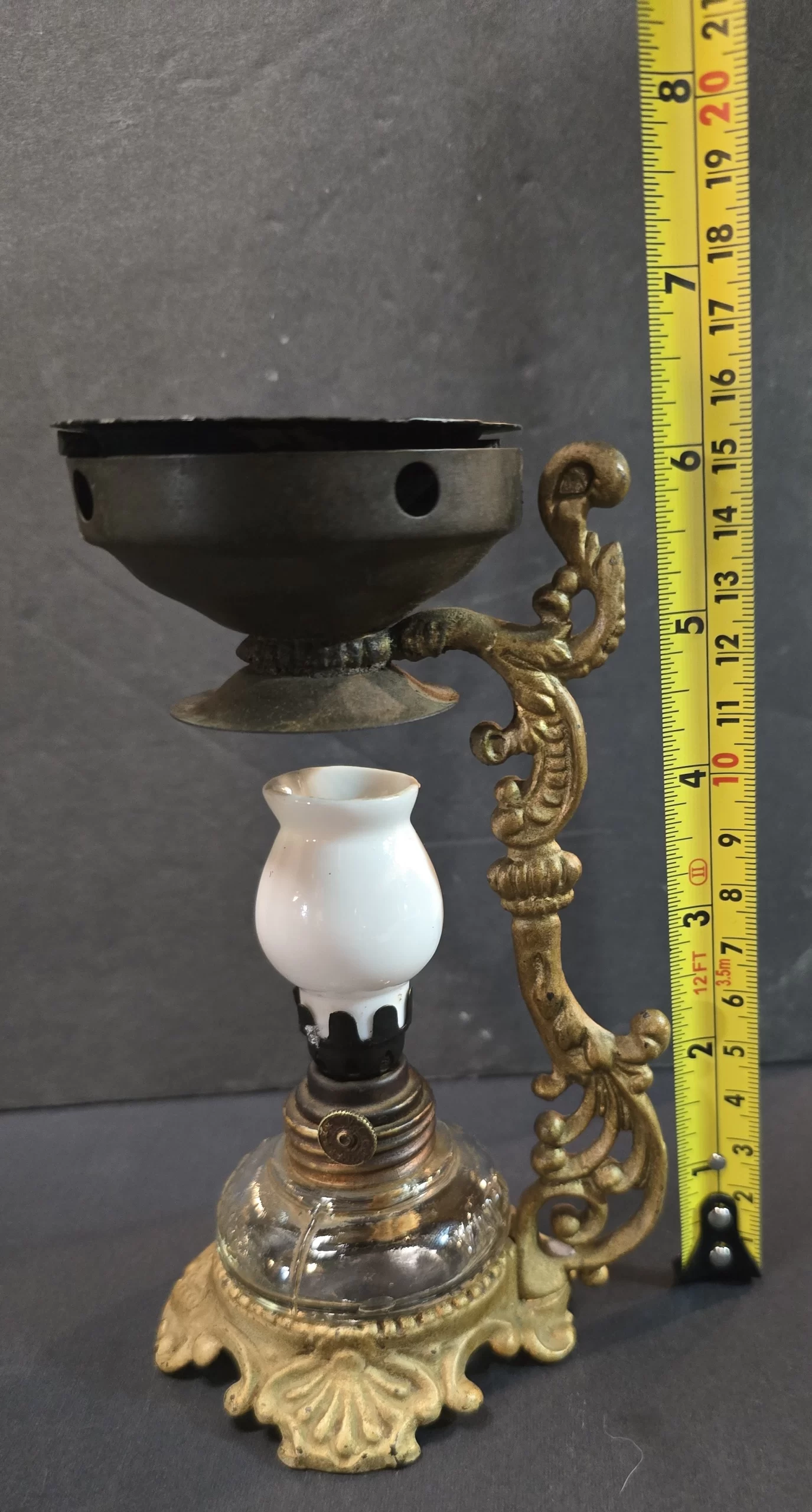
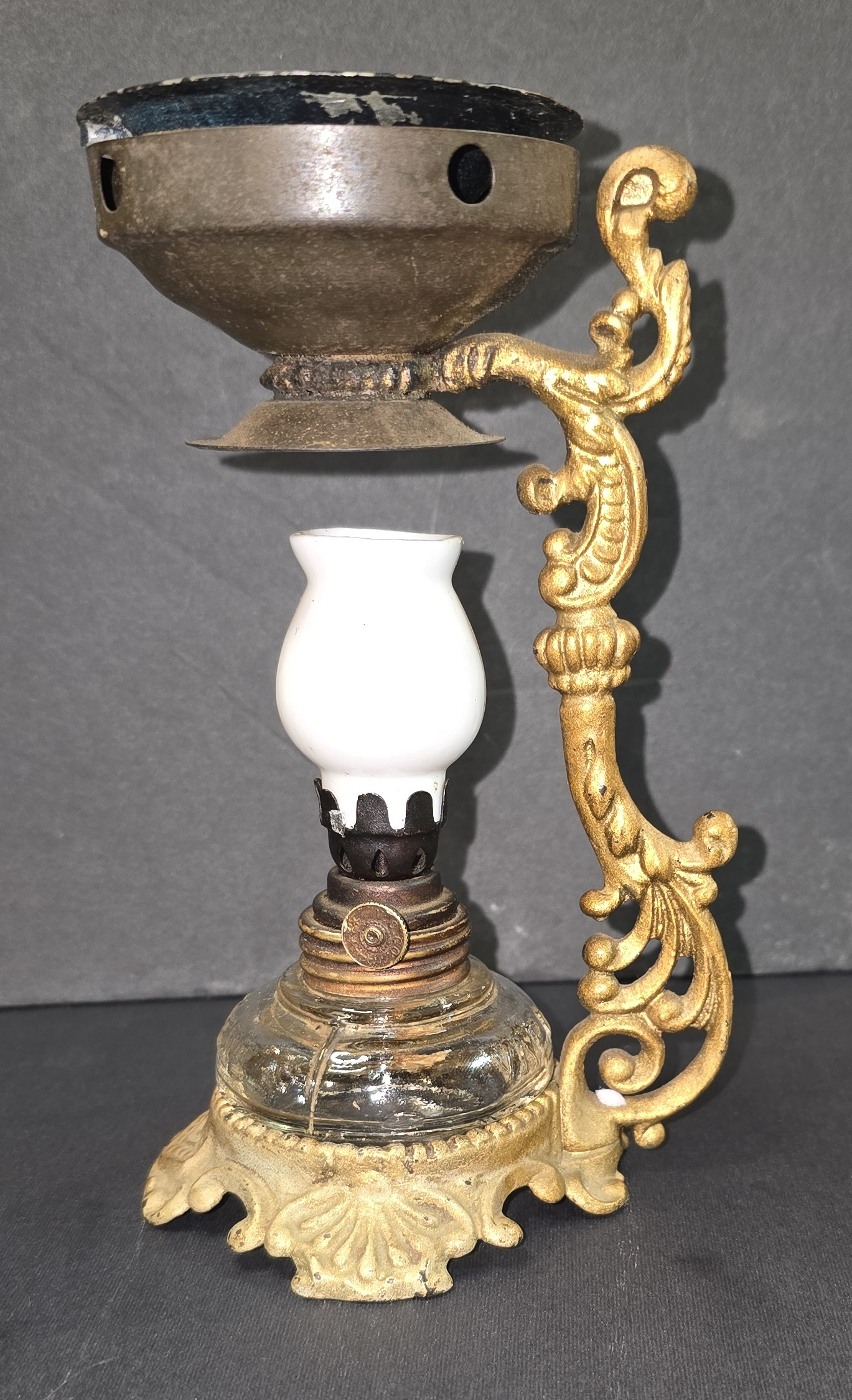
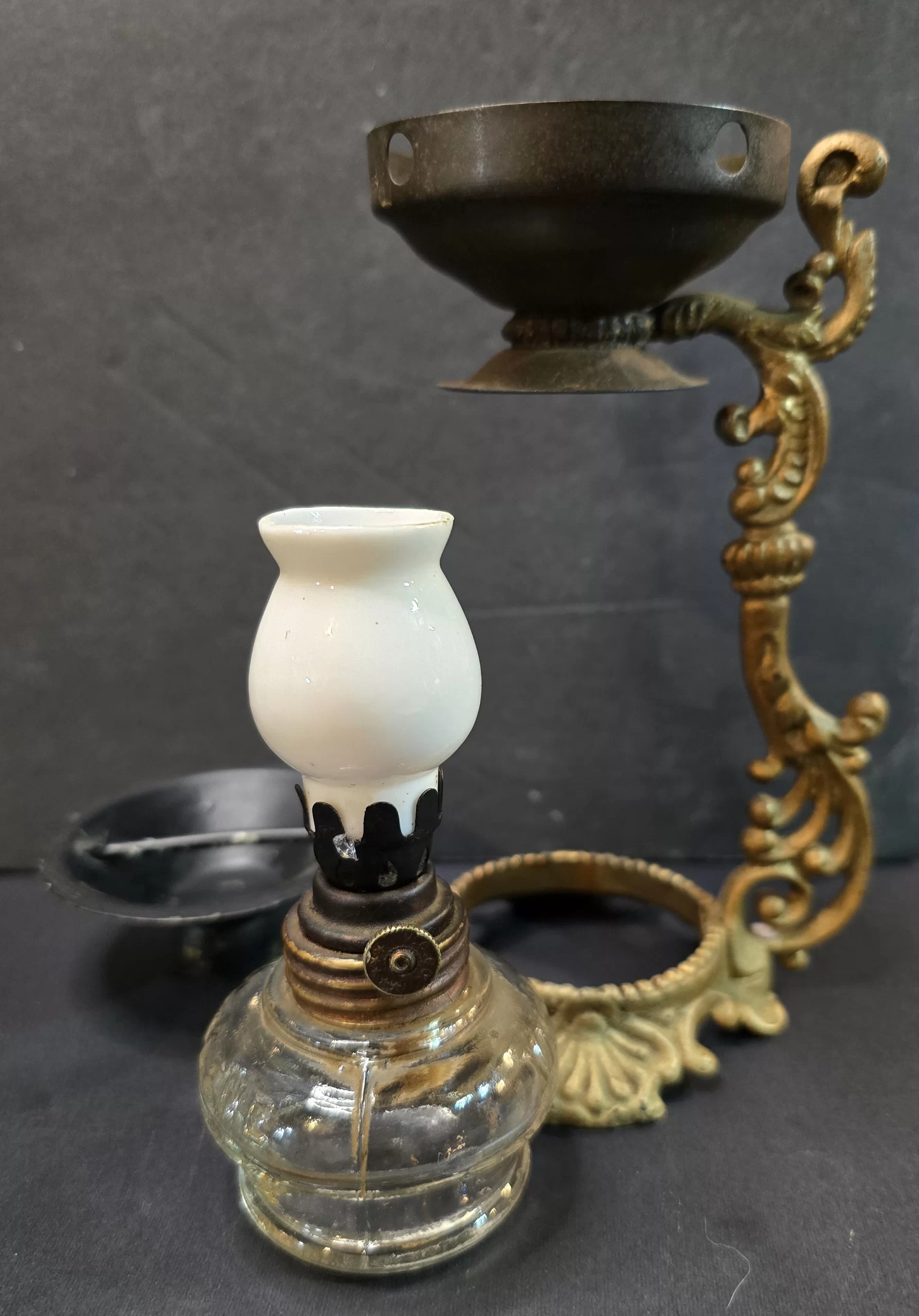
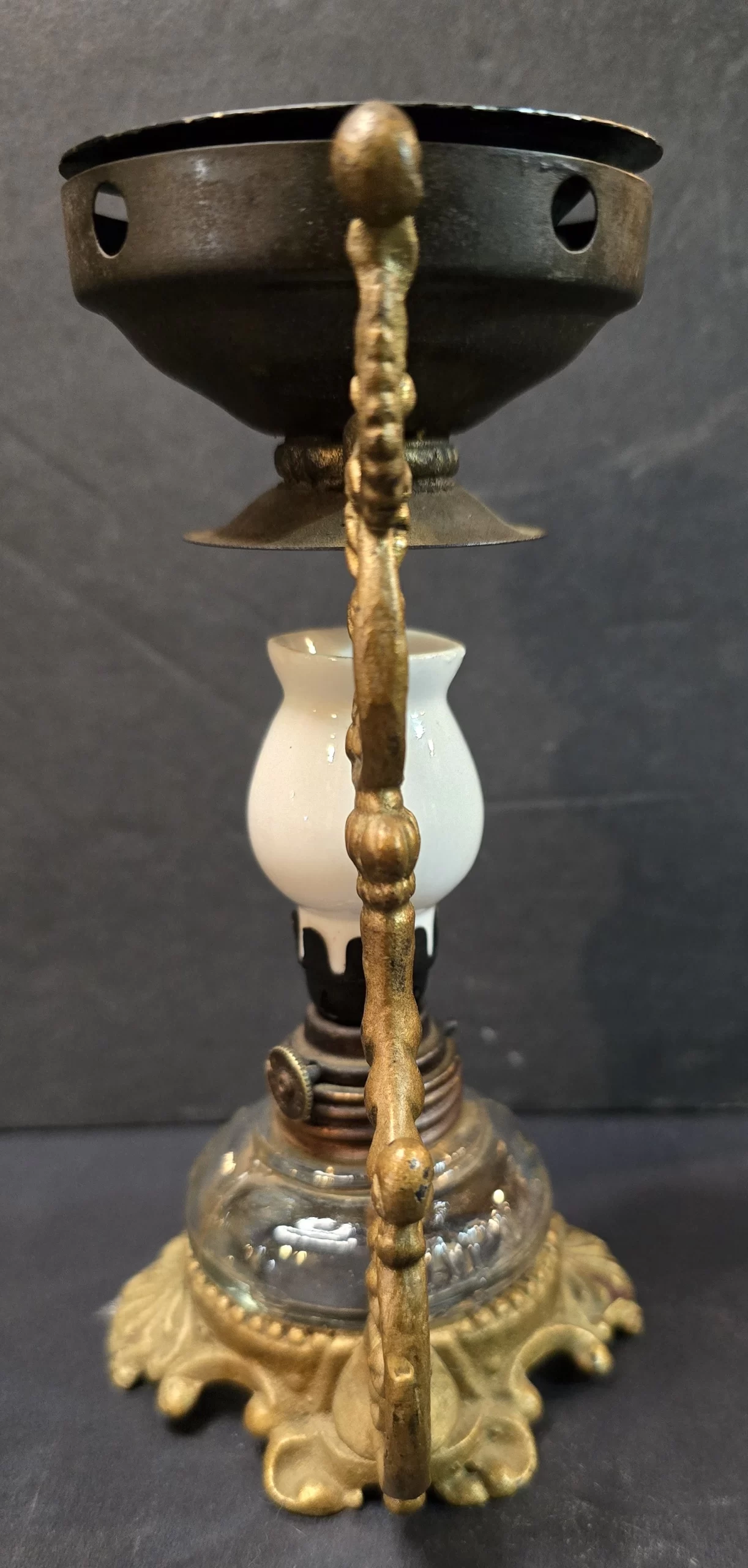
This is an original 19th-century Vapo-Cresolene inhalation lamp, produced by the Vapo-Cresolene Company as part of a widely marketed home remedy system. The device consists of a cast-metal stand, an alcohol burner with opal-glass chimney, and an upper perforated metal cup designed to hold a small quantity of Cresolene — a coal-tar distillate that vaporized when heated.
Cresolene was promoted as a cure for diphtheria, whooping cough, asthma, bronchitis, pneumonia, scarlet fever, and nearly every infectious respiratory illness of the era. When warmed over the spirit lamp, the dark, resinous liquid released a strong phenolic vapor meant to disinfect the air and treat the patient through inhalation. Despite the company’s heavy advertising, the practice offered little therapeutic benefit and carried significant toxicity risks.
This example retains its ornate cast-metal frame and original burner assembly, with the removable bowl and wick components intact.
Condition
Wear consistent with age; areas of paint loss on the burner cup; patina on brass stand; glass reservoir intact with no cracks.
Gallery
Historical context
Vapo-Cresolene emerged during the late 19th century’s push for in-home therapeutic devices. The company aggressively advertised its product as a safe, modern treatment for respiratory diseases at a time when medical science had few effective therapies. The vapor was essentially heated cresol — a harsh phenolic compound derived from coal tar — producing fumes that were more irritant than curative.
Despite this, millions of lamps were sold in the United States and Europe, found in homes, pharmacies, and even physicians’ offices until well into the early 20th century.
Curious Facts, Ephemera, and Trivia
Advertisements claimed the vapor could “sterilize the atmosphere,” a precursor to modern air-purifier marketing.
The company was repeatedly challenged by medical authorities for exaggerated claims.
Original bottles of Cresolene were dark, viscous, and strongly phenolic, often leaving residue on lamps like this one.
Surviving lamps vary in design; ornate brass castings like this example were among the higher-end models.
Excerpt
From an 1890s advertisement:
“A few drops in the cresolene cup will fill the room with healing vapor, bringing relief to the suffering.”
Why it is in the Cabinet
The Vapo-Cresolene lamp is a hallmark of late-Victorian respiratory quackery — a nationally marketed device using coal-tar fumes as medicine. Its ornate design and intact burner make it an excellent example of the era’s blend of hope, marketing, and pseudoscience.
Support Dr. Bebout’s Cabinet of Medical Curiosities
If you enjoy the history, the oddities, and the effort, help keep this cabinet open. Every little bit helps preserve and share the strange wonders of medicine's past.
Buy Me a Ko-fi ☕ Buy Me a Coffee ☕ Tip via PayPal 💵