
Title
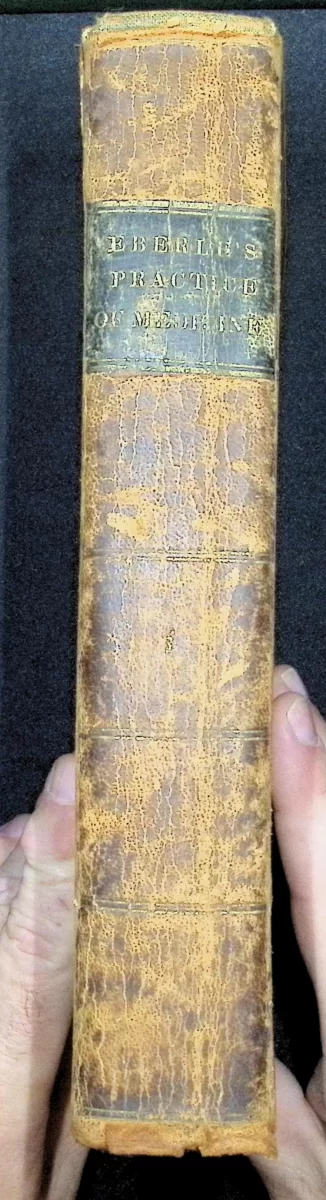
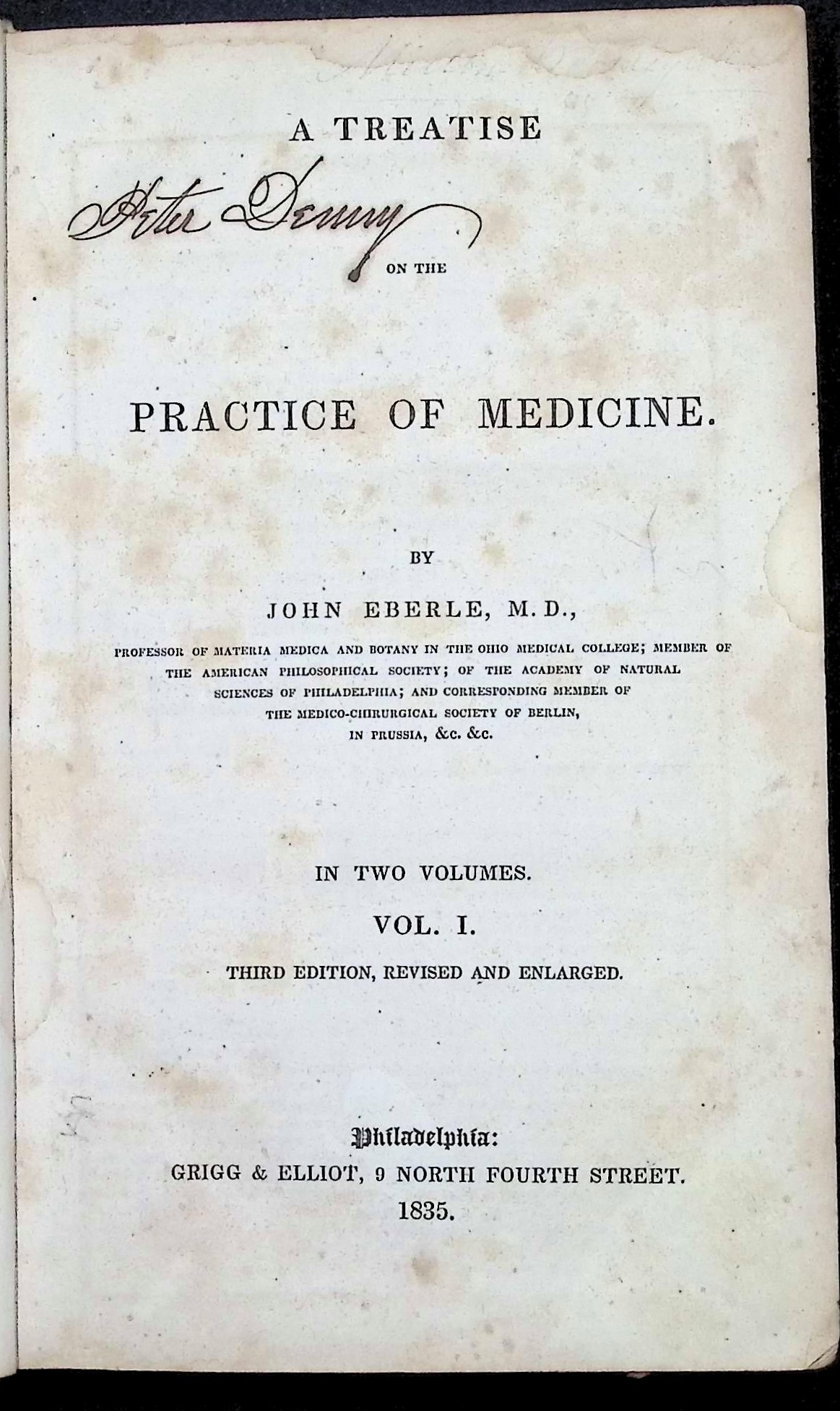
A Treatise on the Practice of Medicine (Vol. I, 1835)
Author
John Eberle, M.D.
Image
Description
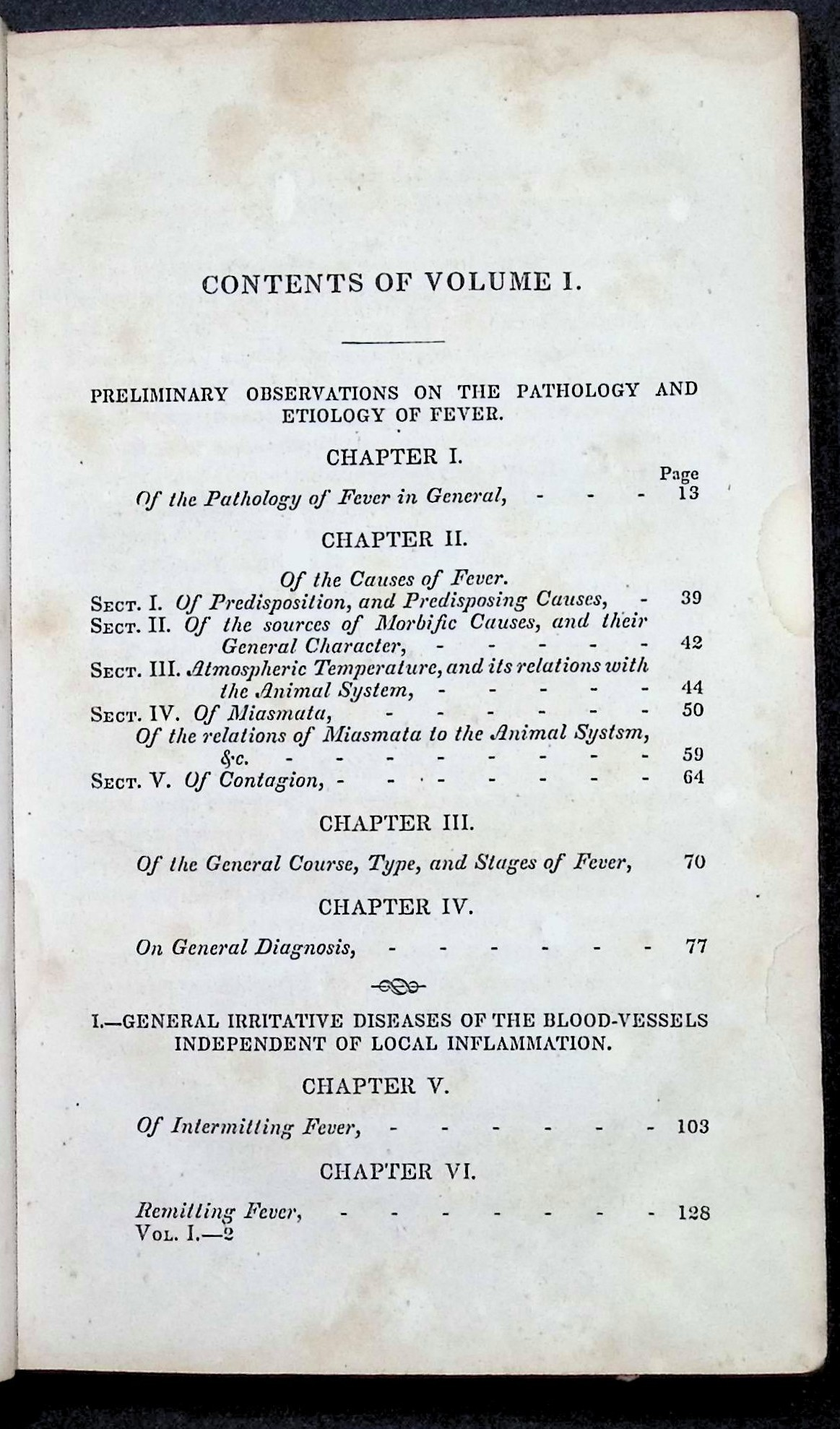
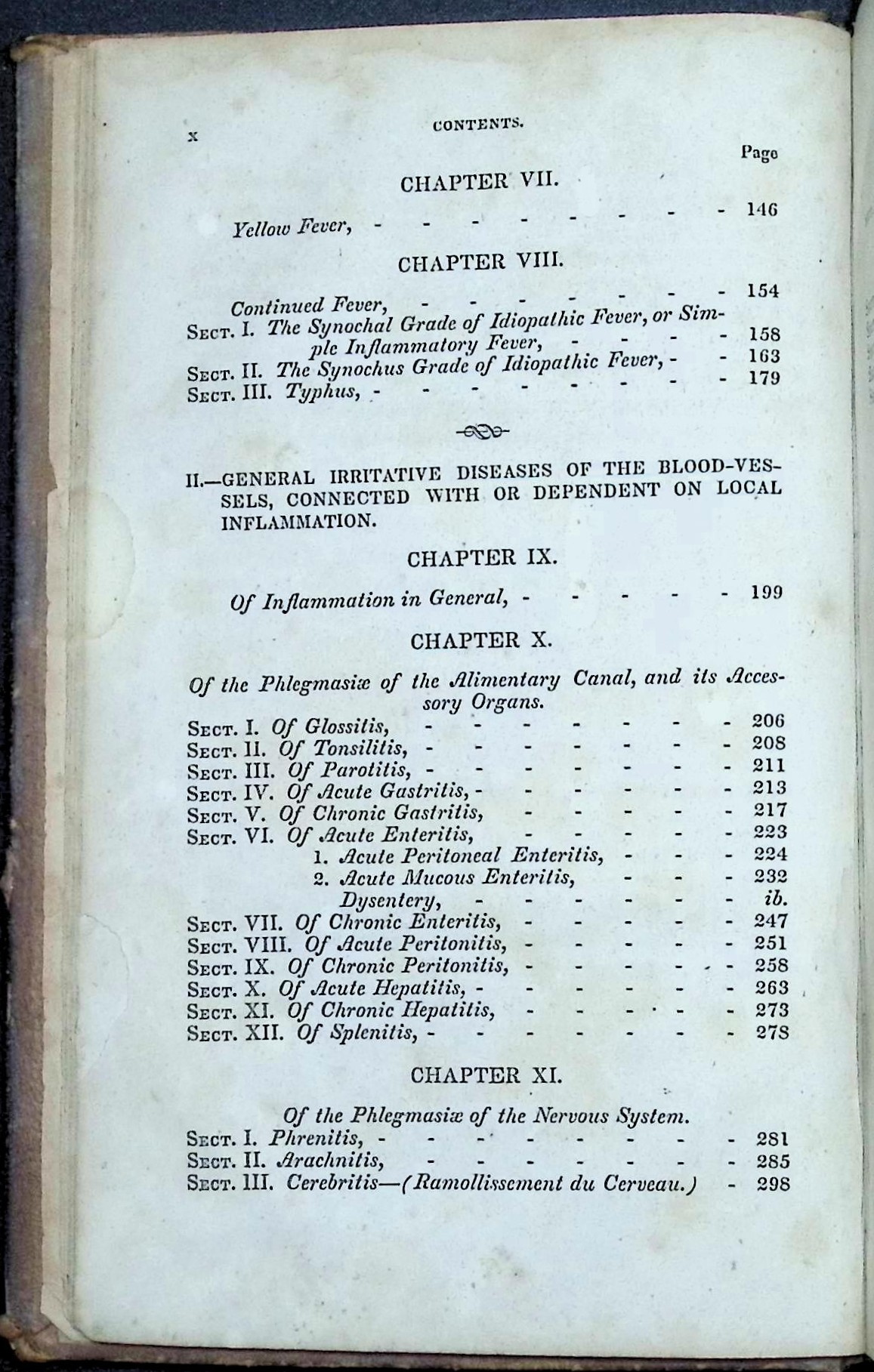
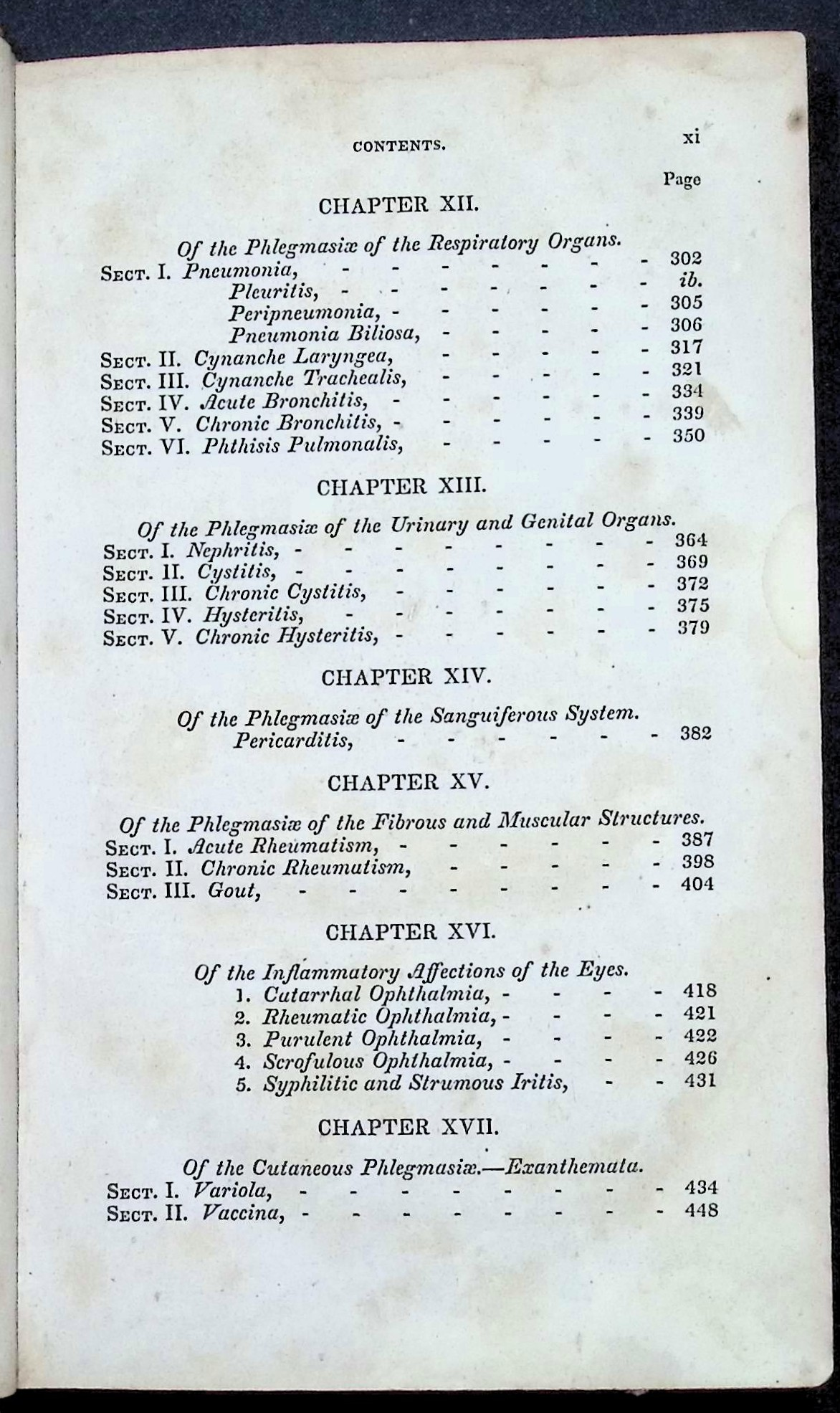
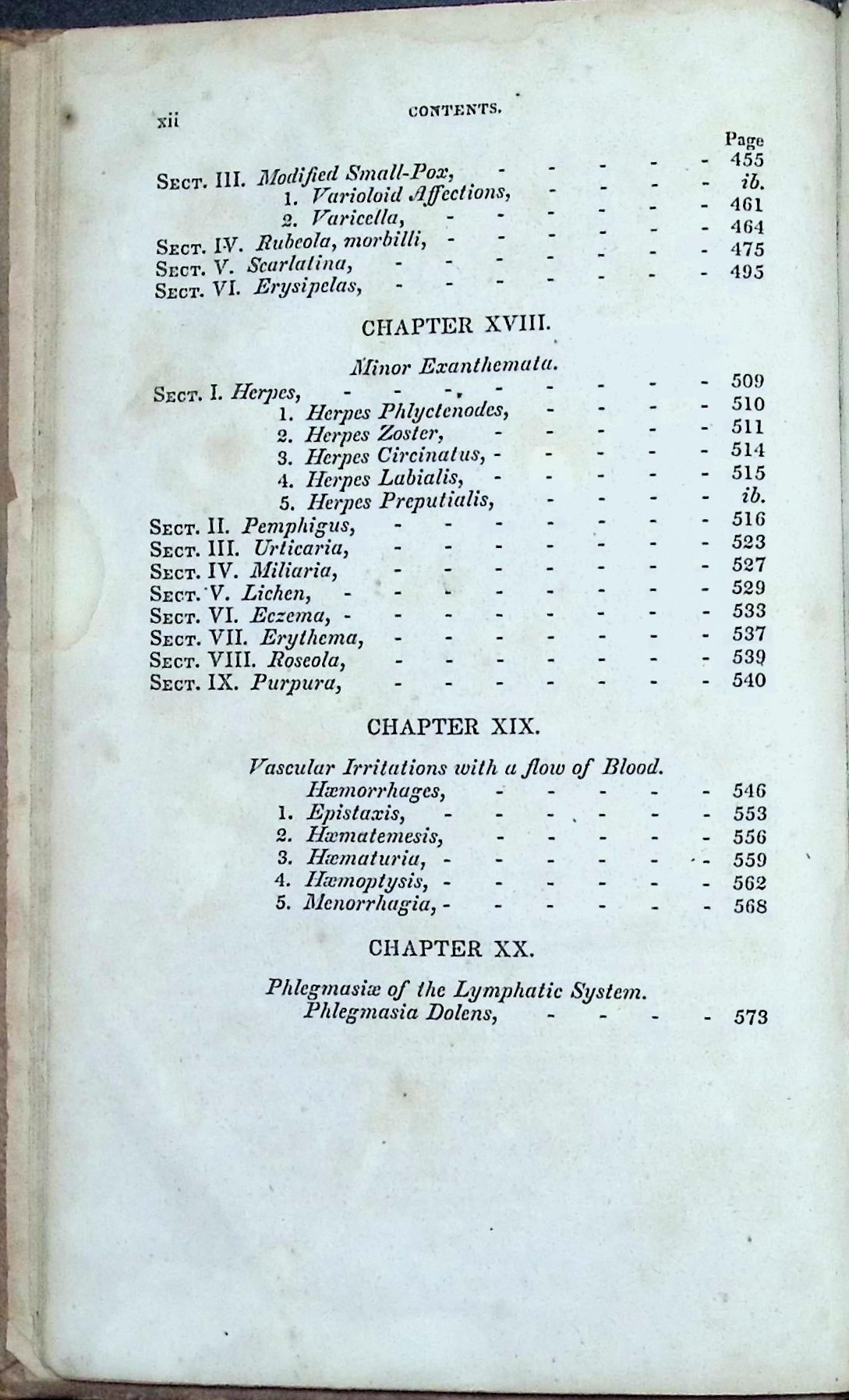
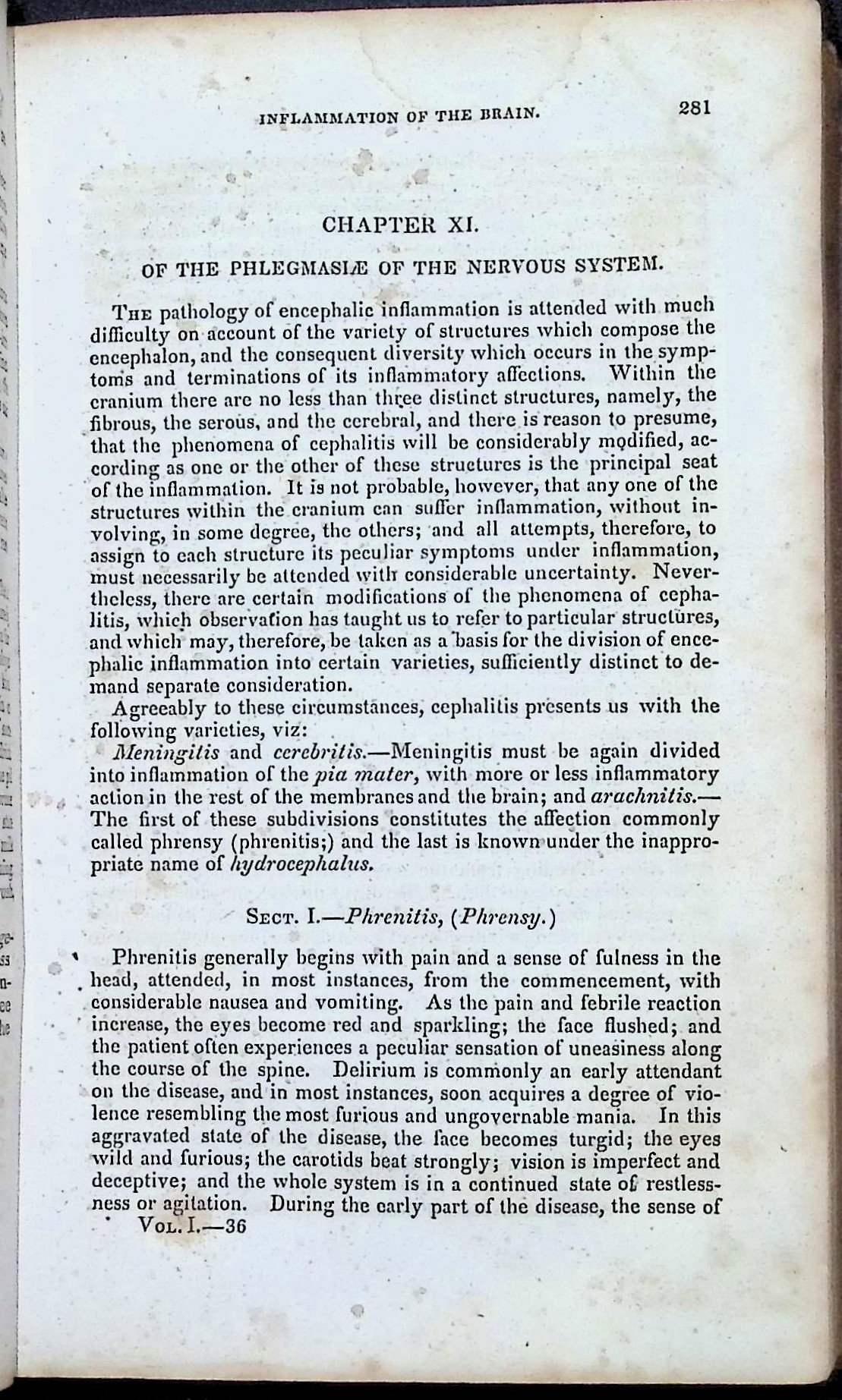
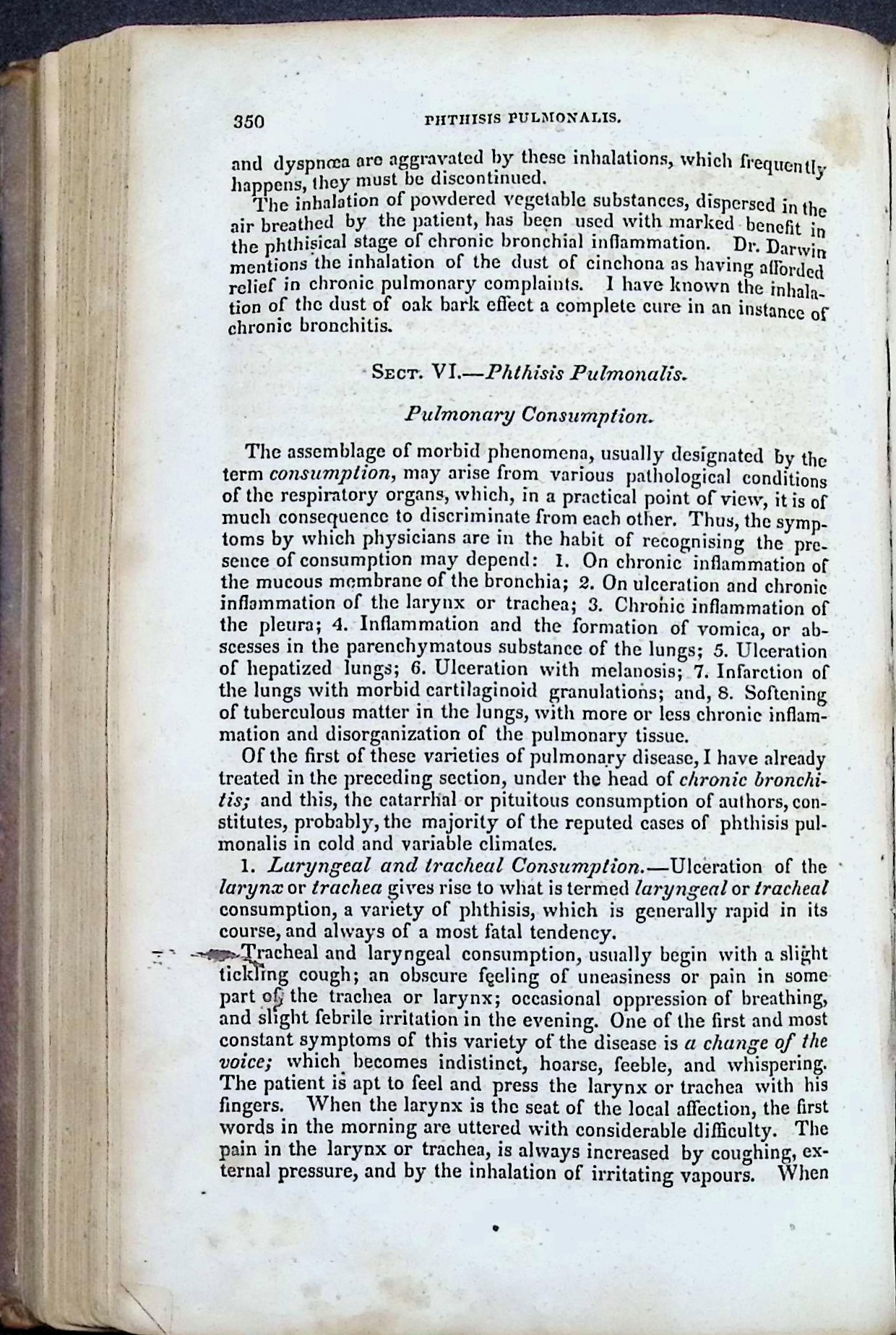
This 1835 volume of John Eberle’s Treatise on the Practice of Medicine represents an early American medical reference intended for physicians navigating the complex pathology, classification, and treatment of disease during the pre-germ-theory era. The work reflects the dominant medical doctrines of the early 19th century, emphasizing systemic pathology, fevers, miasmatic causes of illness, inflammatory diatheses, and organ-specific phlegmasiae. Eberle organizes the material into a highly structured taxonomy of disease, beginning with the nature and etiology of fevers and extending through inflammatory, nervous, respiratory, alimentary, urinary, muscular, cutaneous, lymphatic, and vascular disorders. The writing demonstrates the transitional diagnostic thinking of the period—drawing on humoral influences, environmental factors, and pathological anatomy—while also serving as a physician’s practical manual in an era lacking laboratory diagnostics and effective therapeutics.
Condition
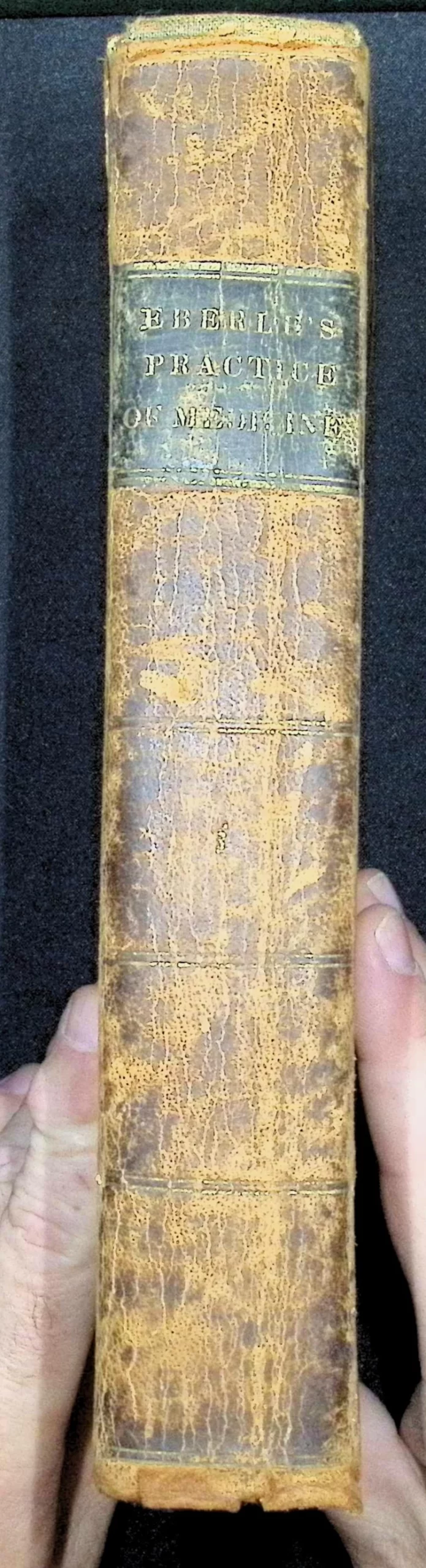
This copy exhibits heavy wear typical of 19th-century medical texts, with significant rubbing, cracking, and dryness to the full leather binding, worn gilt spine labels, and softened corners. The front hinge shows weakness, and the interior pages contain age toning, staining, foxing, and edge wear. Several pages show ink inscriptions from early owners. The text remains complete and legible, retaining the full table of contents and section headers despite cosmetic deterioration.
Gallery
Historical context
John Eberle was a respected early American physician and educator whose works helped define medical instruction before the rise of modern scientific medicine. Published only decades after Rush and Cullen but before Virchow and Pasteur, Eberle’s treatise captures a pivotal moment when American physicians relied heavily on constitutional theories of disease, environmental etiologies, and observational pathology. His classification of fevers, phlegmasiae, and systemic irritations mirrors broader transatlantic trends while showing the influence of early American medical schools such as Philadelphia and Cincinnati. Works like this served as essential references for physicians practicing with limited therapeutics, diagnosing largely by symptom pattern, pulse character, environmental exposure, and bodily habitus.
Curious Facts, Ephemera, and Trivia
Eberle’s treatises were widely used across frontier states and were among the earliest standardized medical texts printed in the United States. His repeated use of the term “phlegmasiae” reflects the 18th–19th century inheritance of nosological systems that divided diseases into fevers, inflammations, neuroses, and cachexias. This volume’s organization by organ system, each with numerous subsections, previewed the later structure of 19th-century specialty development even as the underlying theories remained firmly pre-scientific.
Excerpt
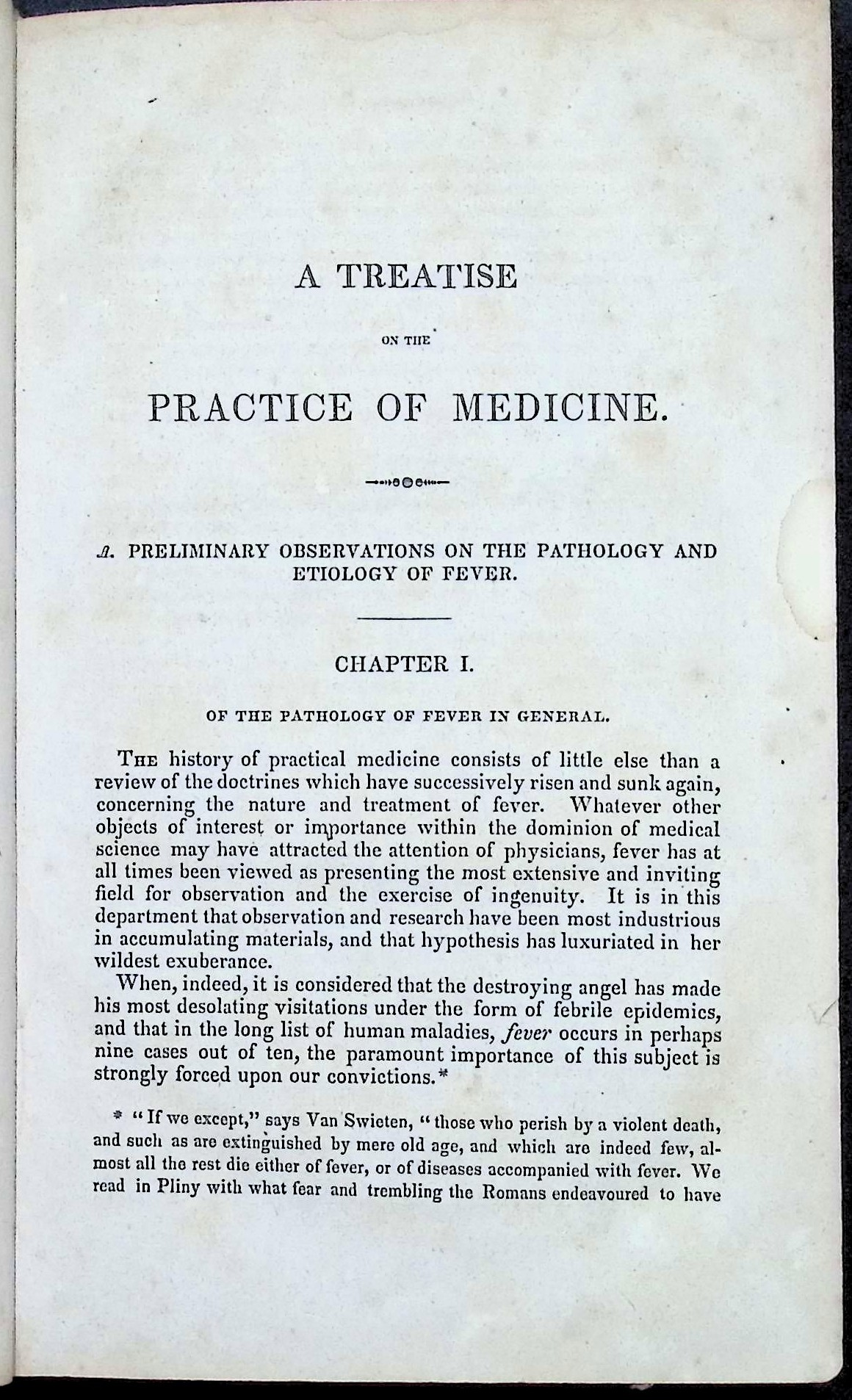
“The history of practical medicine consists of little else than a review of the doctrines which have successively risen and sunk again, concerning the nature and treatment of fever… and in the long list of human maladies, fever occurs in perhaps nine cases out of ten, the paramount importance of this subject is strongly forced upon our convictions.”
Why it is in the Cabinet
This volume exemplifies early American medical thought at a time when physicians relied on systematic reasoning, observation, and inherited European doctrine to guide practice. It offers a direct window into the diagnostic frameworks, therapeutic assumptions, and intellectual environment that shaped everyday medical care in the decades before scientific pathology and bacteriology transformed the field. As a physical artifact, it stands as both a historical document and an essential representation of 19th-century American medical literature.
Support Dr. Bebout’s Cabinet of Medical Curiosities
If you enjoy the history, the oddities, and the effort, help keep this cabinet open. Every little bit helps preserve and share the strange wonders of medicine's past.
Buy Me a Ko-fi ☕ Buy Me a Coffee ☕ Tip via PayPal 💵