
Title
Skin Deep: The Truth About Beauty Aids — Safe and Harmful (M.C. Phillips, 1934)
Author
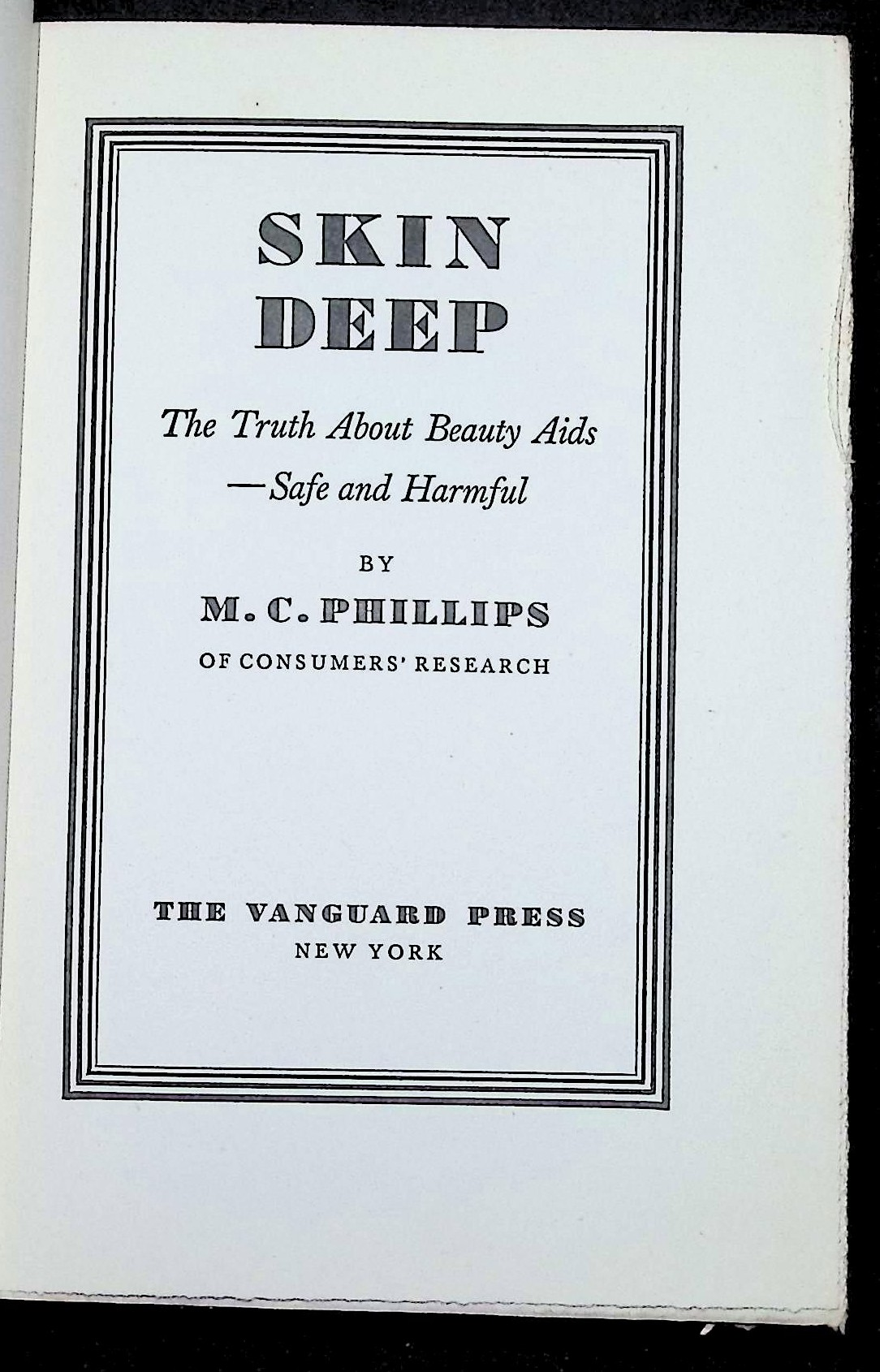
Author: M.C. Phillips, of Consumers’ Research
Publisher: The Vanguard Press, New York
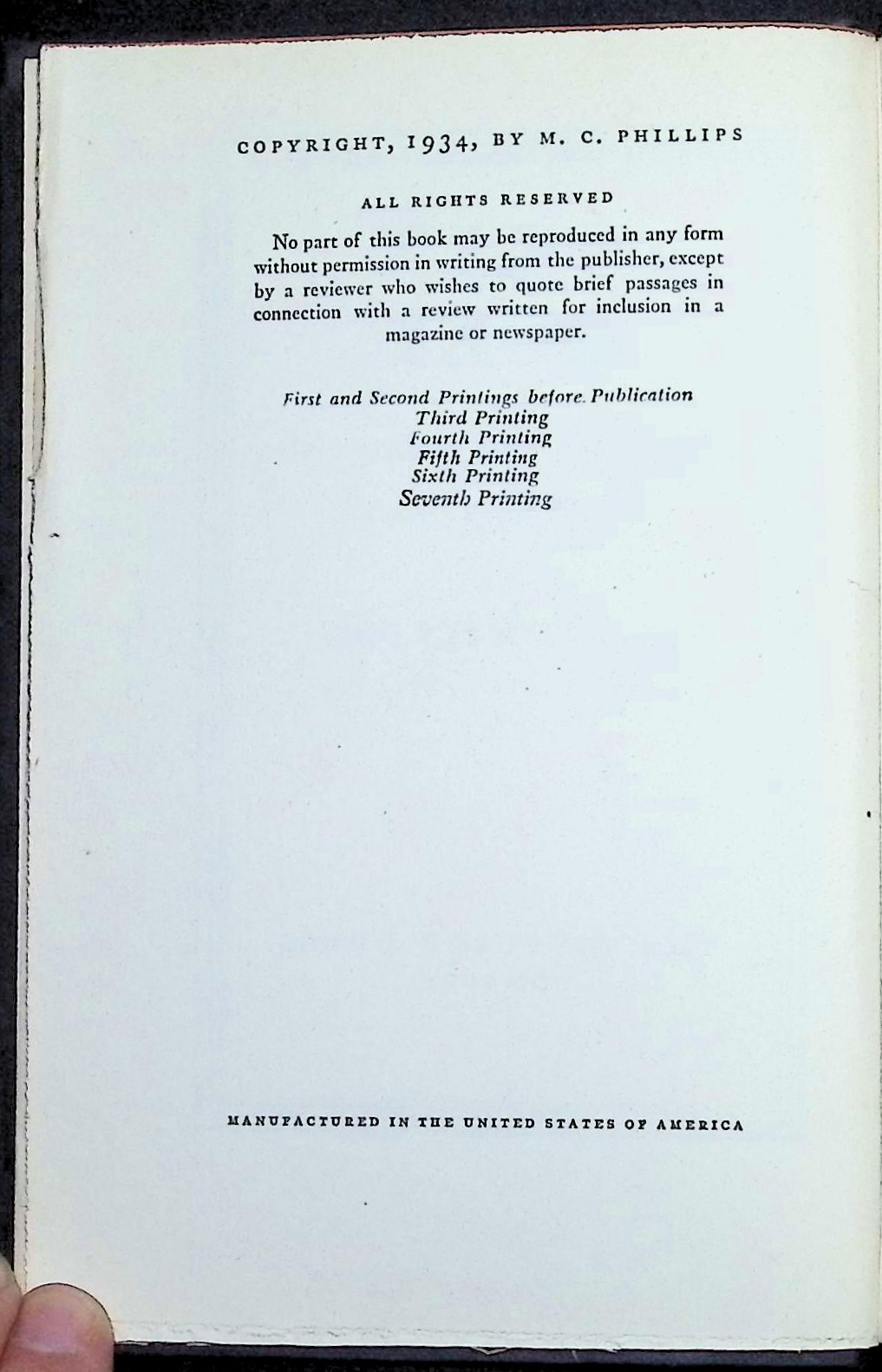
Edition: Seventh Printing (Copyright 1934)
Image
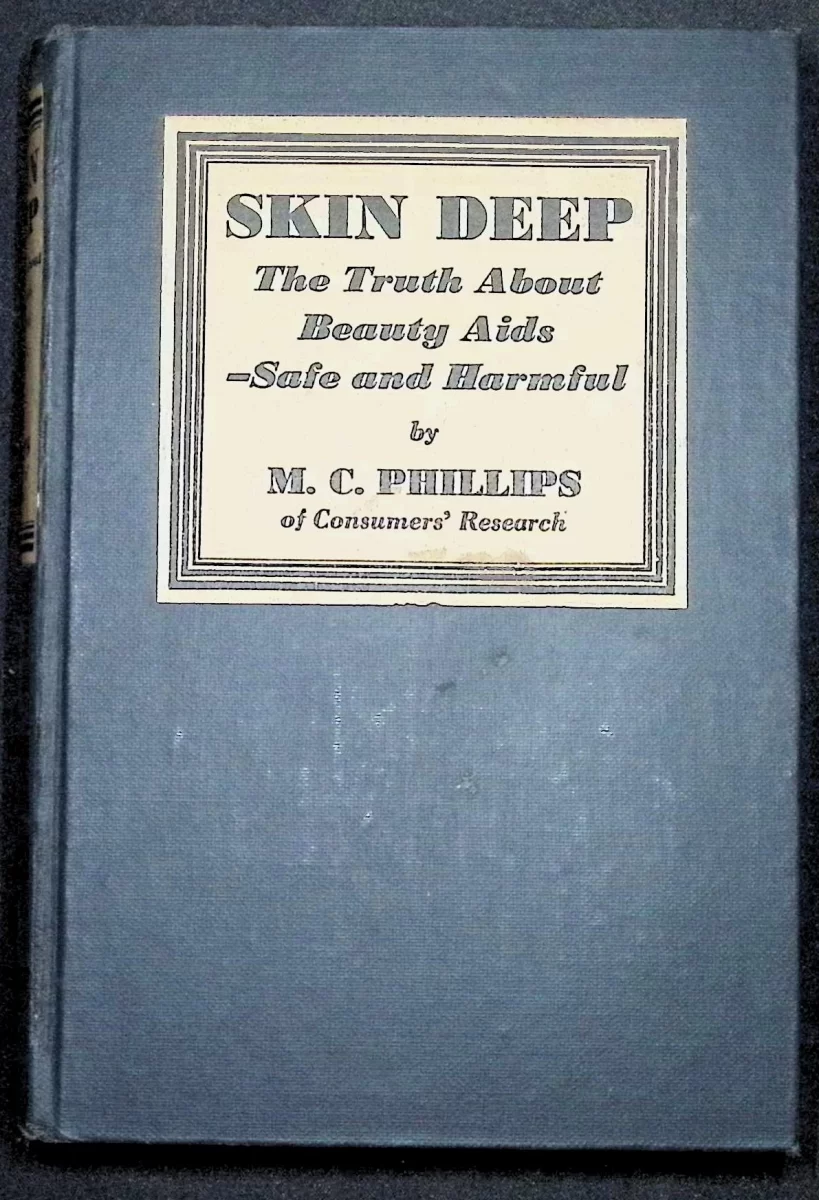
Description
Published at the height of Depression-era consumer skepticism, Skin Deep by M.C. Phillips of Consumers’ Research represents one of the earliest systematic investigations into the safety and marketing of cosmetics, hair products, soaps, and patent beauty aids. The book exposes the health hazards, fraudulent claims, and deceptive advertising practices that shaped America’s booming beauty industry during the early 20th century.
Through meticulous research and case studies, Phillips challenged manufacturers’ extravagant claims and called out dangerous ingredients such as lead acetate, bismuth, arsenic, and thallium, commonly found in depilatories and complexion creams. Each chapter dissected a popular category — rouge, nail polish, soaps, perfumes, and depilatories — revealing how public trust and advertising combined to make poison fashionable.
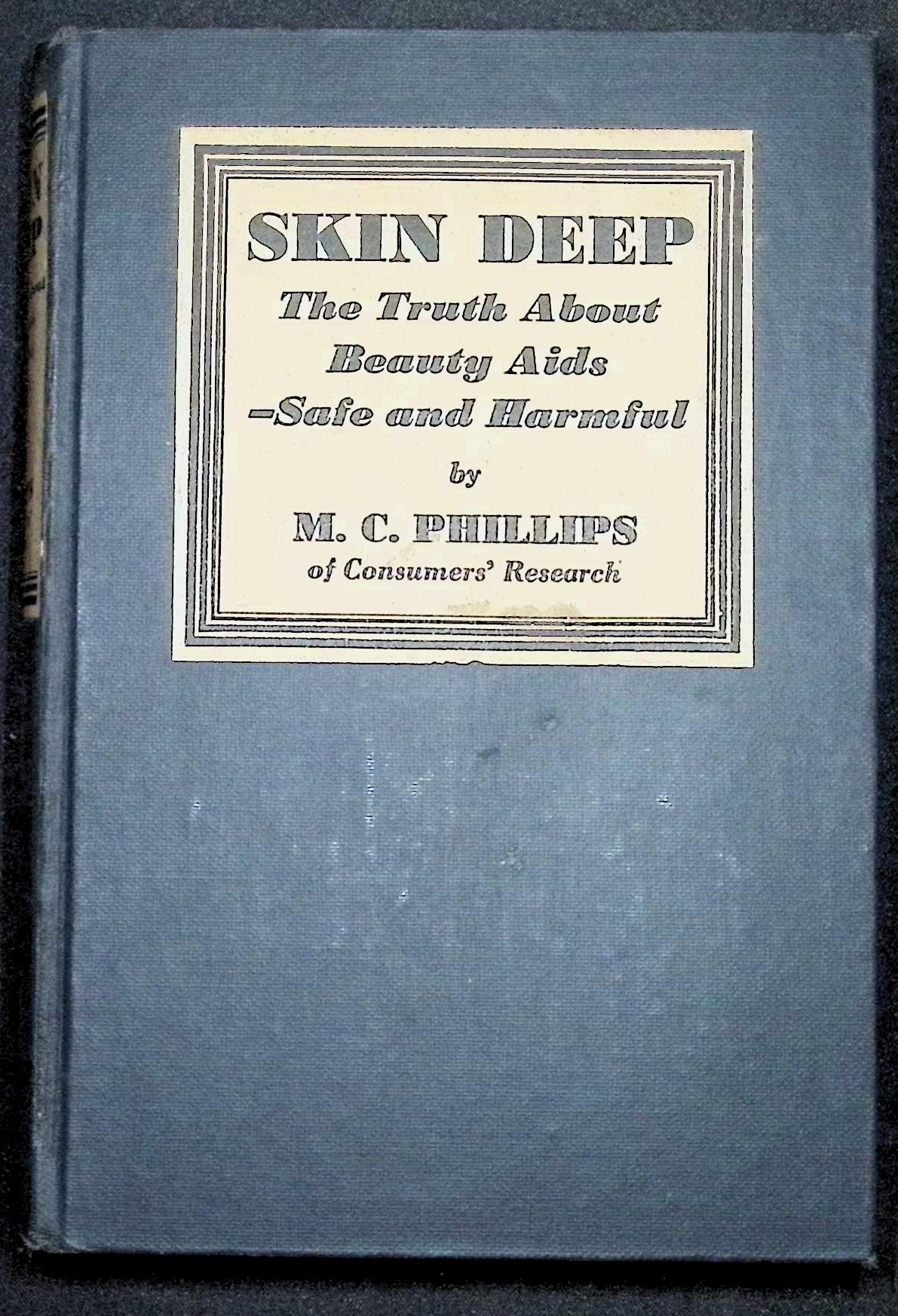
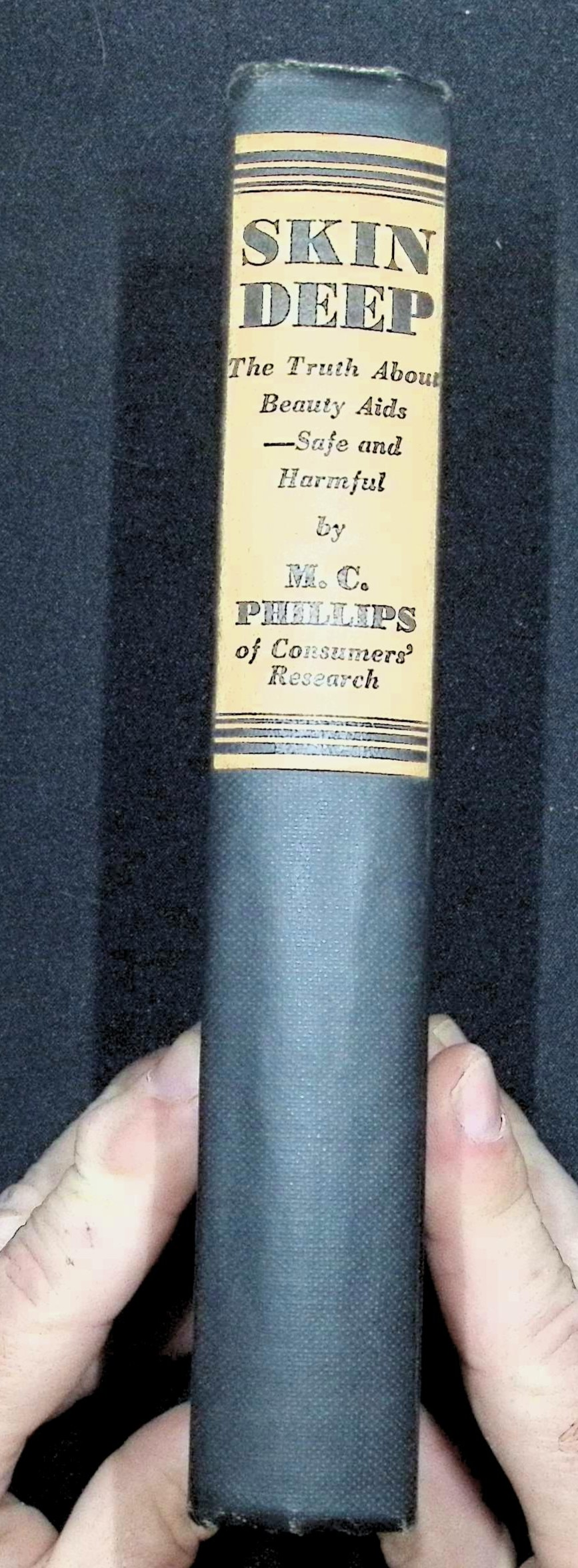
This 1934 Vanguard Press edition features its original dust-jacket-style printed label design on the front board and spine, typical of the publisher’s nonfiction series aimed at socially conscious readers. The tone is investigative, authoritative, and quietly outraged — a precursor to the modern consumer advocacy movement.
Condition
Very good condition. Binding tight with clean blue cloth boards and intact printed labels on spine and cover. Light age toning to paper. Minimal edge wear and no significant staining. Interior pages remain bright and crisp.
Gallery
Historical context
By the 1930s, American consumers were inundated with products promising youth, beauty, and vitality. The cosmetics industry had become a multimillion-dollar enterprise — largely unregulated and fueled by advertising rather than science. Consumers’ Research, founded in 1929, was the forerunner to Consumer Reports and one of the first organizations to apply laboratory testing and chemical analysis to everyday products.
In Skin Deep, Phillips revealed that many beauty products then on the market contained industrial chemicals, untested dyes, and caustic agents that could cause blindness, burns, or systemic poisoning. Her work appeared amid growing pressure for reform that culminated in the 1938 Federal Food, Drug, and Cosmetic Act, which finally brought cosmetics under federal oversight.
The book is notable not only for its exposure of chemical dangers but also for its sociological insights: how beauty standards and advertising preyed upon insecurity, turning scientific-sounding language into a tool of manipulation.
Due to copyright protection, a full digital version of this title is not currently available through public archives.
Curious Facts, Ephemera, and Trivia
Skin Deep predated the Food and Drug Administration’s regulatory authority by four years, making it an early advocacy text in consumer toxicology.
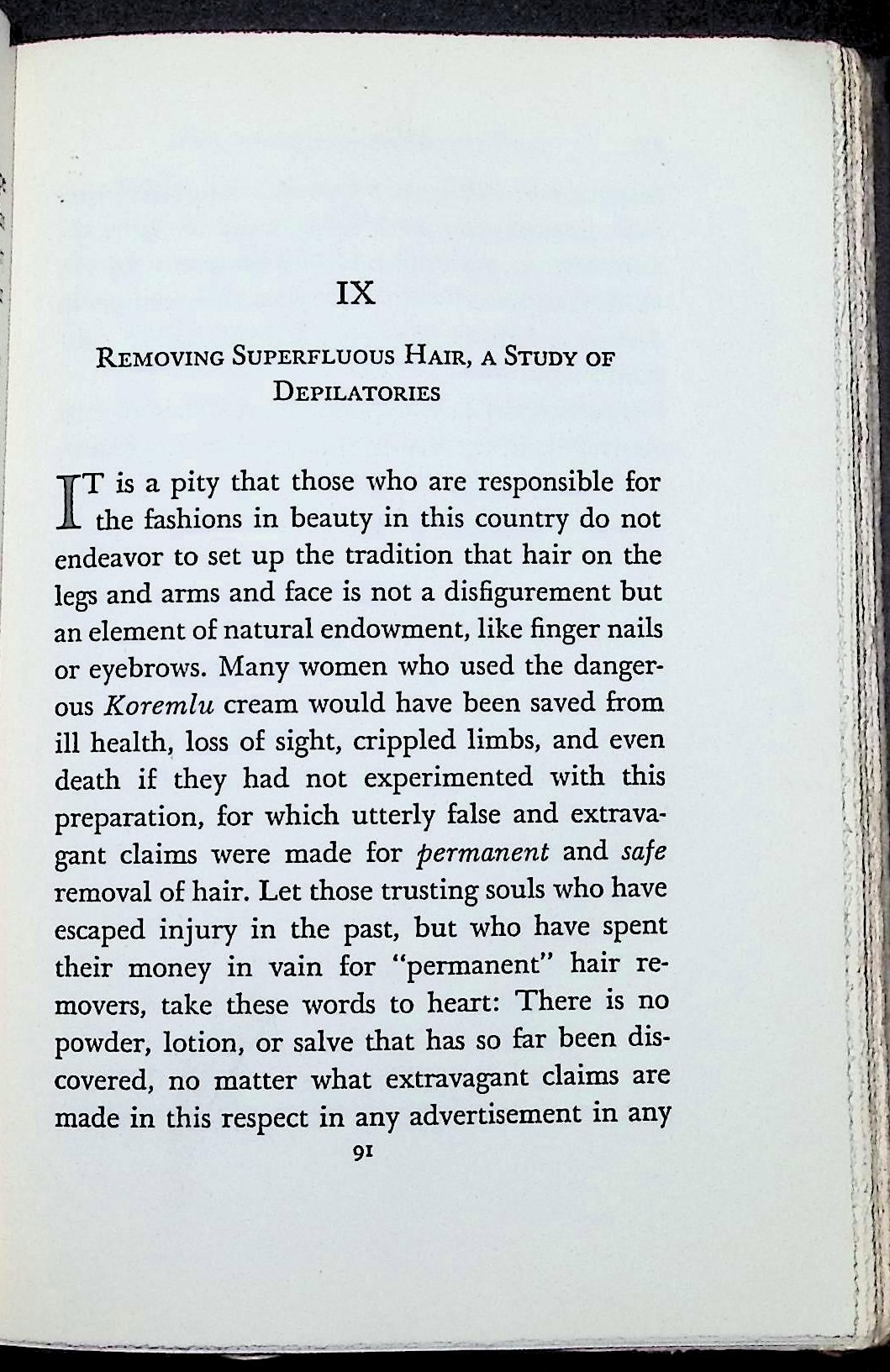
The book references several specific product tragedies, including Koremlu Cream, a depilatory that caused paralysis and blindness due to thallium acetate.
Phillips’ investigations were based on direct chemical analysis and lab collaboration — a rare practice in consumer journalism of the 1930s.
The author wrote during an era when advertisements could legally claim “scientific approval” without providing any evidence.
Consumers’ Research would later split into rival organizations, leading to the formation of Consumer Reports in 1936.
Excerpt
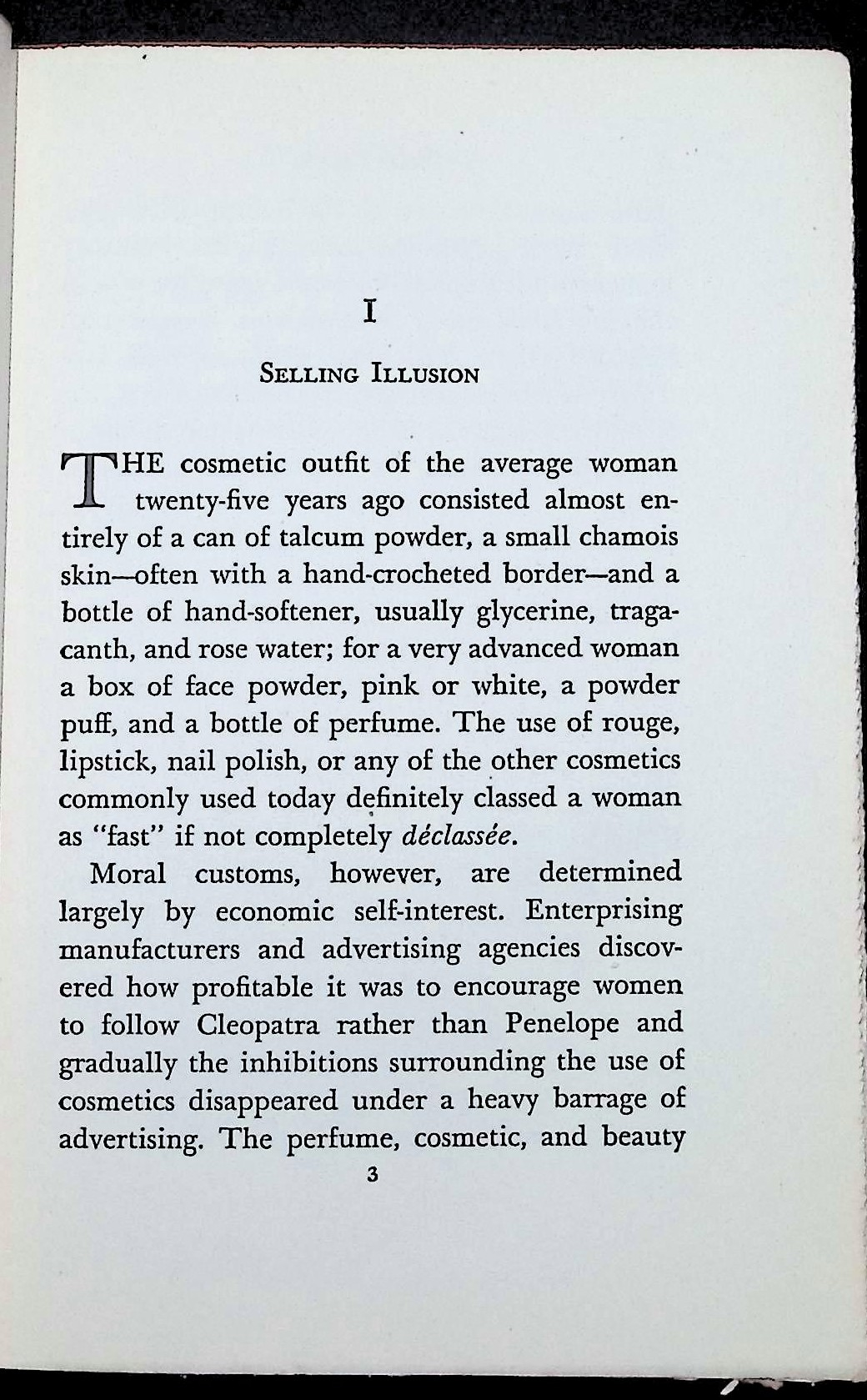
“Enterprising manufacturers and advertising agencies discovered how profitable it was to encourage women to follow Cleopatra rather than Penelope… and gradually the inhibitions surrounding the use of cosmetics disappeared under a heavy barrage of advertising.”
— Chapter I: Selling Illusion
“There is no powder, lotion, or salve that has so far been discovered, no matter what extravagant claims are made in any advertisement, that will remove hair permanently and safely.”
— Chapter IX: Removing Superfluous Hair, a Study of Depilatories
Why it is in the Cabinet
This volume is a cornerstone of early public health and consumer protection literature, bridging chemistry, journalism, and ethics. Its warnings against toxic cosmetics helped shape the foundation for modern safety labeling and ingredient disclosure laws. Within the Cabinet, it stands as a reminder that “beauty science” was once an unregulated experiment on the public — and that skepticism is as vital to health as hygiene itself.
Support Dr. Bebout’s Cabinet of Medical Curiosities
If you enjoy the history, the oddities, and the effort, help keep this cabinet open. Every little bit helps preserve and share the strange wonders of medicine's past.
Buy Me a Ko-fi ☕ Buy Me a Coffee ☕ Tip via PayPal 💵