
Title
Eli Lilly Diethylstilbestrol (DES) Enseals, 0.25 mg
Author
Eli LILLY
Image
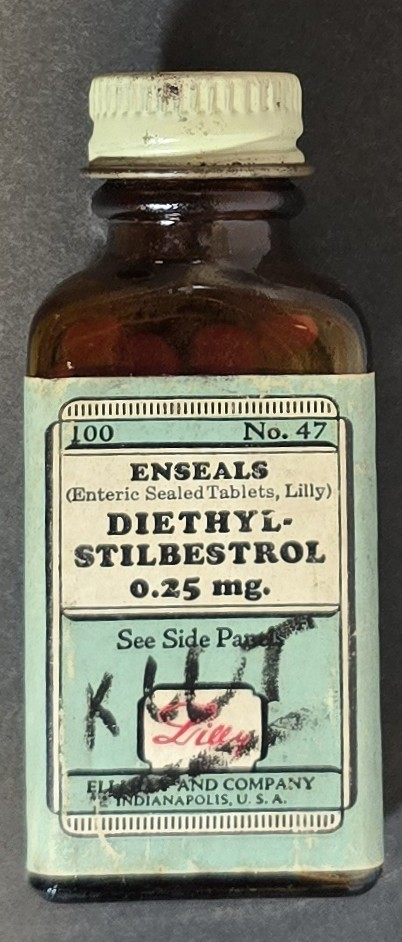
Description
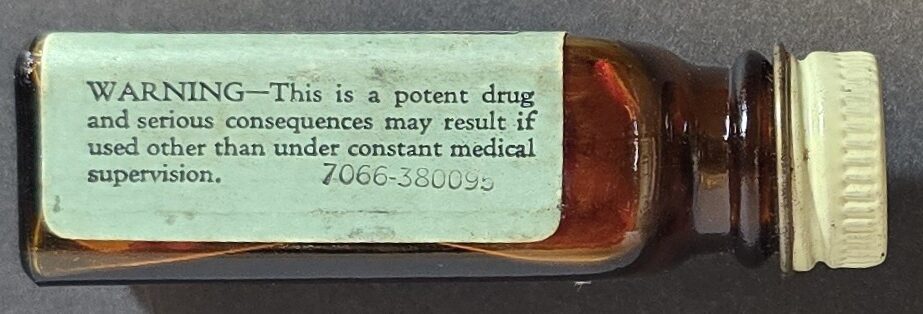
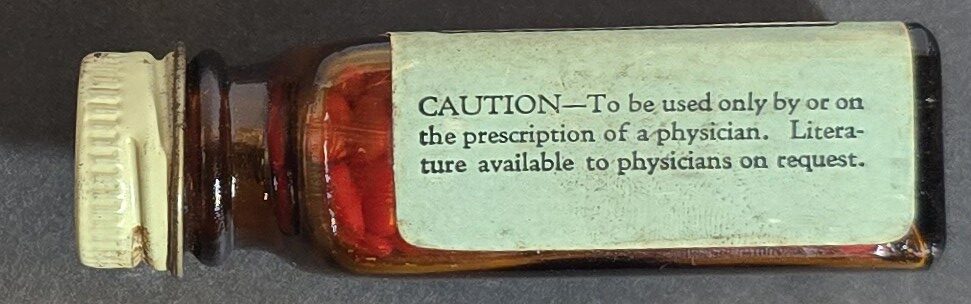
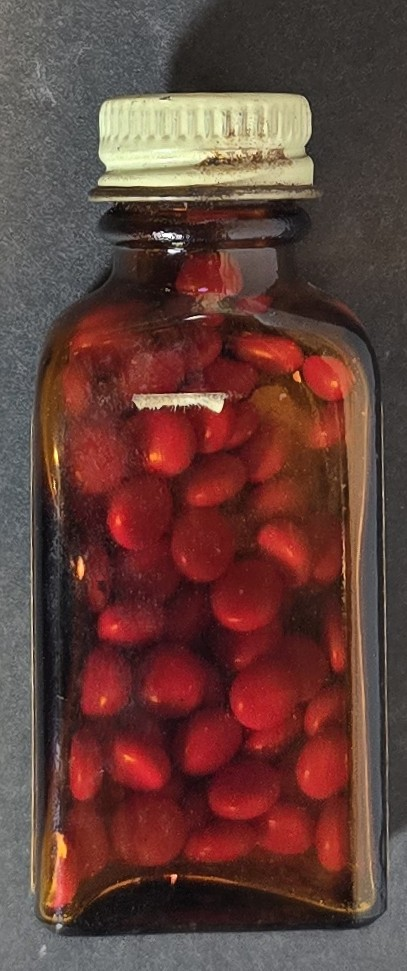
This amber glass pharmaceutical bottle contains red enteric-coated tablets of Diethylstilbestrol (DES), labeled as “ENSEALS (Enteric Sealed Tablets, Lilly)” and produced by Eli Lilly and Company, Indianapolis, Indiana. The bottle’s pale green label bears the warning:
“Caution—To be used only by or on the prescription of a physician. Literature available to physicians on request.”
and on another panel:
“Warning—This is a potent drug and serious consequences may result if used other than under constant medical supervision.”
Diethylstilbestrol, first synthesized in 1938, was a synthetic nonsteroidal estrogen prescribed widely from the 1940s through the 1970s for a variety of conditions including menopause symptoms, estrogen deficiency, and as a miscarriage prevention drug for pregnant women. It was later found to cause serious and lasting health effects in both mothers and children exposed in utero.
Condition
Excellent preserved condition with full contents intact. Label shows minor edge wear and light discoloration; cap slightly oxidized. Tablets remain bright red and clearly visible through the glass.
Gallery
Historical context
Eli Lilly introduced the ENSEALS line to deliver enteric-coated medications designed to resist stomach acid and dissolve in the intestine. Diethylstilbestrol, a potent synthetic estrogen, was once hailed as a breakthrough in hormone therapy and obstetrics. However, by the early 1970s, clinical studies revealed a devastating link between prenatal DES exposure and rare vaginal and cervical cancers, reproductive tract malformations, and fertility issues in the daughters of women who had taken it—often called “DES daughters.” The drug became one of the most infamous examples of iatrogenic harm in modern pharmacology.
Curious Facts, Ephemera, and Trivia
DES was the first synthetic estrogen ever marketed and was promoted by multiple manufacturers under different brand names.
It was approved by the FDA in 1941 and remained in obstetric use until 1971, despite emerging evidence of harm in animal studies decades earlier.
The term “ENSEALS” was Eli Lilly’s trademark for its acid-resistant tablet coating technology.
In 1971, the FDA advised physicians to cease prescribing DES to pregnant women, marking a turning point in drug safety regulation and informed consent standards.
Excerpt
“WARNING—This is a potent drug and serious consequences may result if used other than under constant medical supervision.”
(from side label)
Why it is in the Cabinet
“WARNING—This is a potent drug and serious consequences may result if used other than under constant medical supervision.”
(from side label)
Support Dr. Bebout’s Cabinet of Medical Curiosities
If you enjoy the history, the oddities, and the effort, help keep this cabinet open. Every little bit helps preserve and share the strange wonders of medicine's past.
Buy Me a Ko-fi ☕ Buy Me a Coffee ☕ Tip via PayPal 💵