
Title
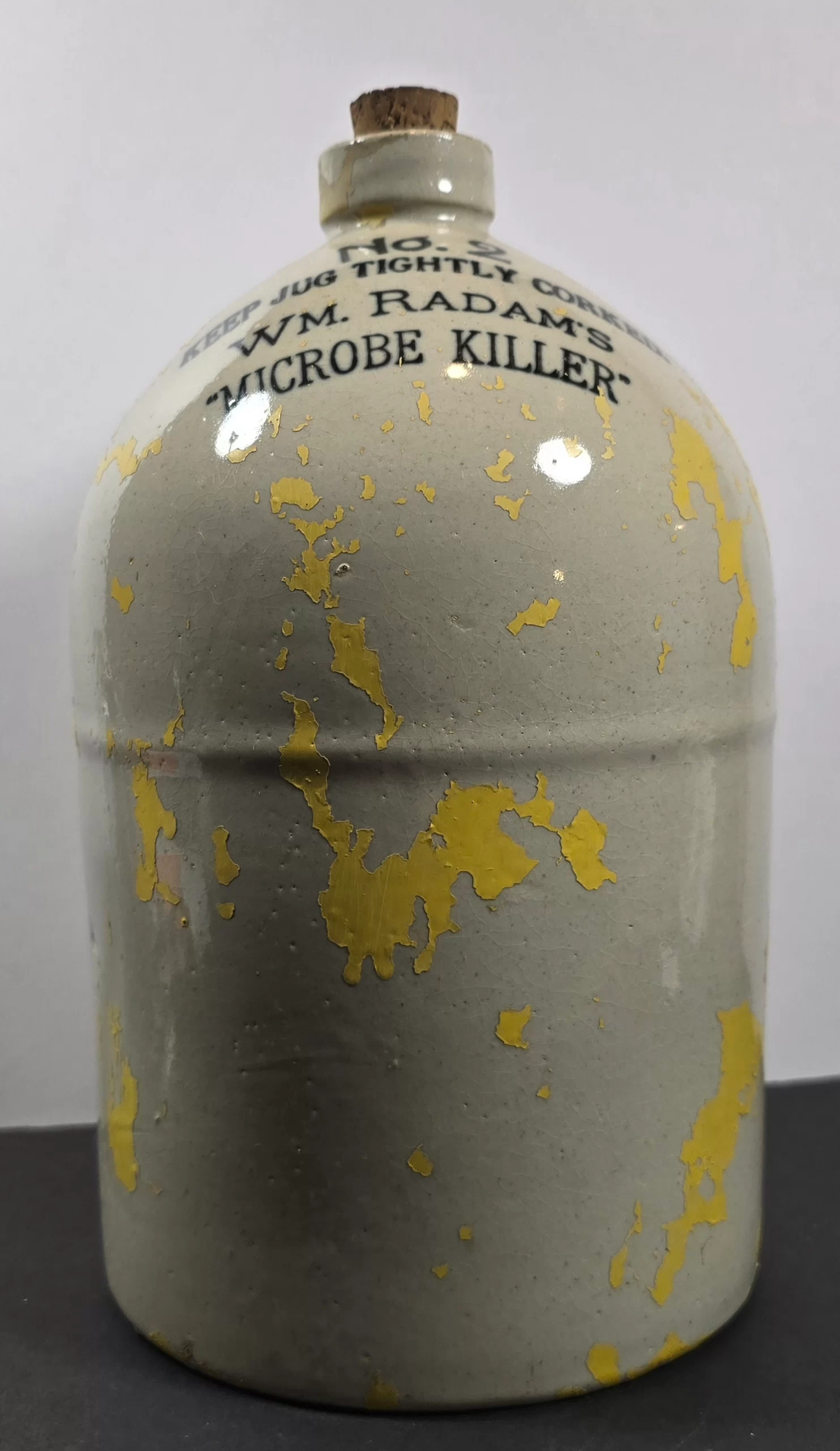
Wm. Radam’s “Microbe Killer” No. 2
Author
William Radam
Image
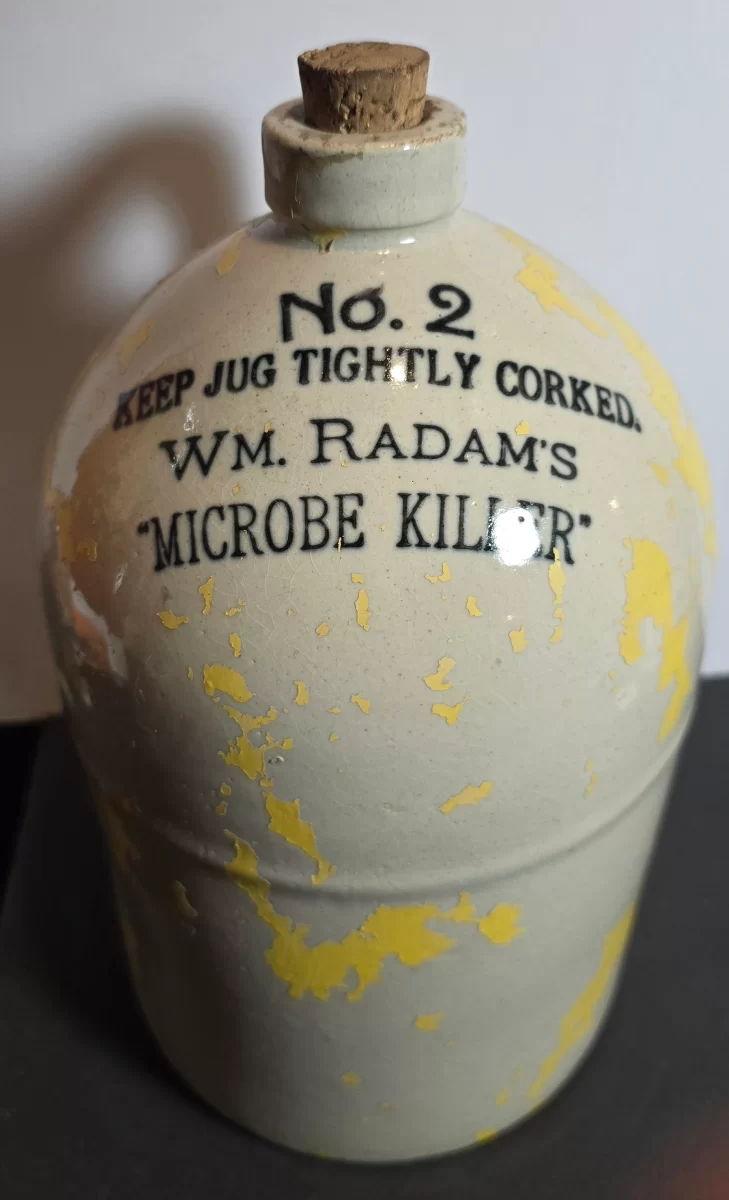
Description
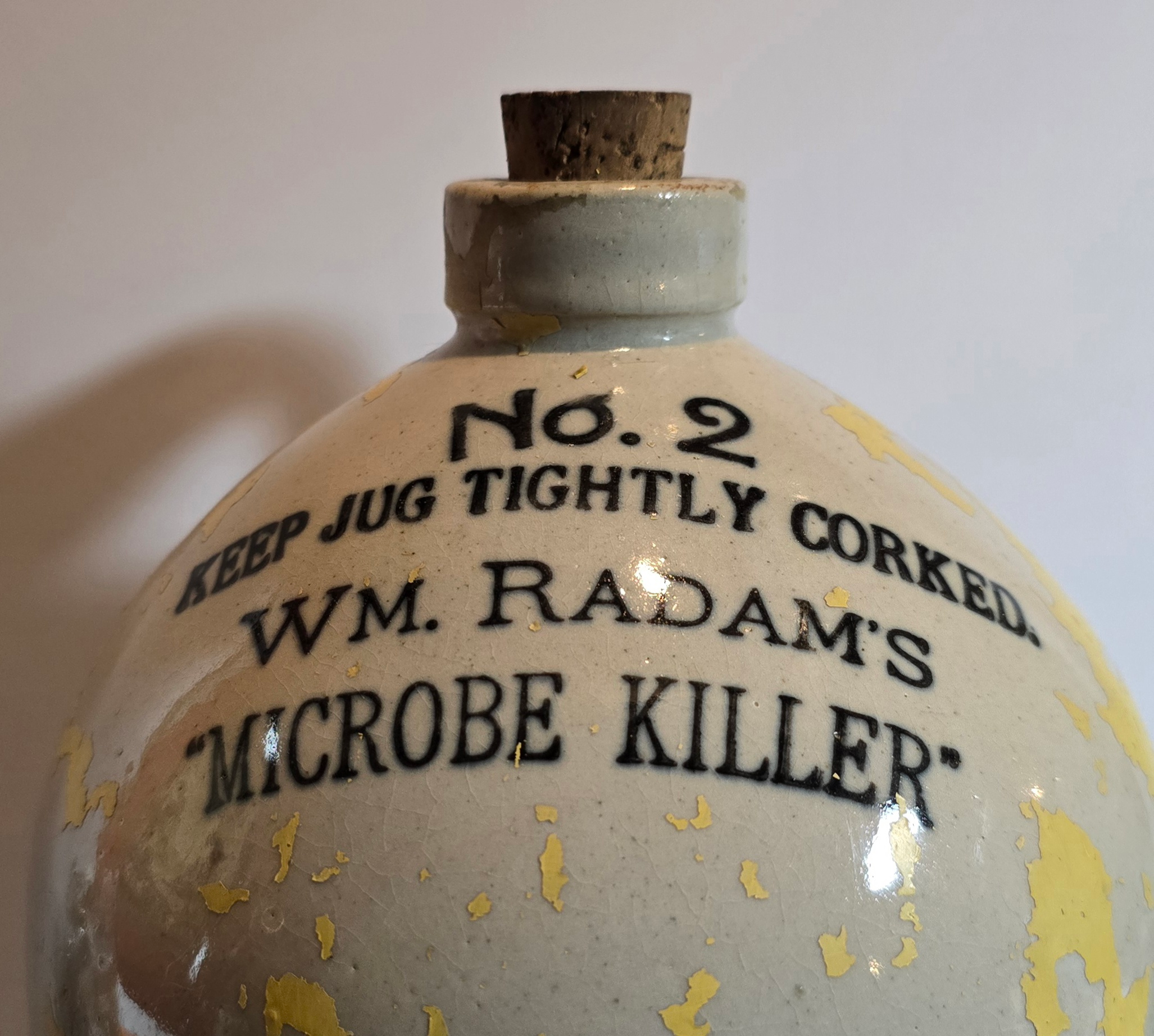
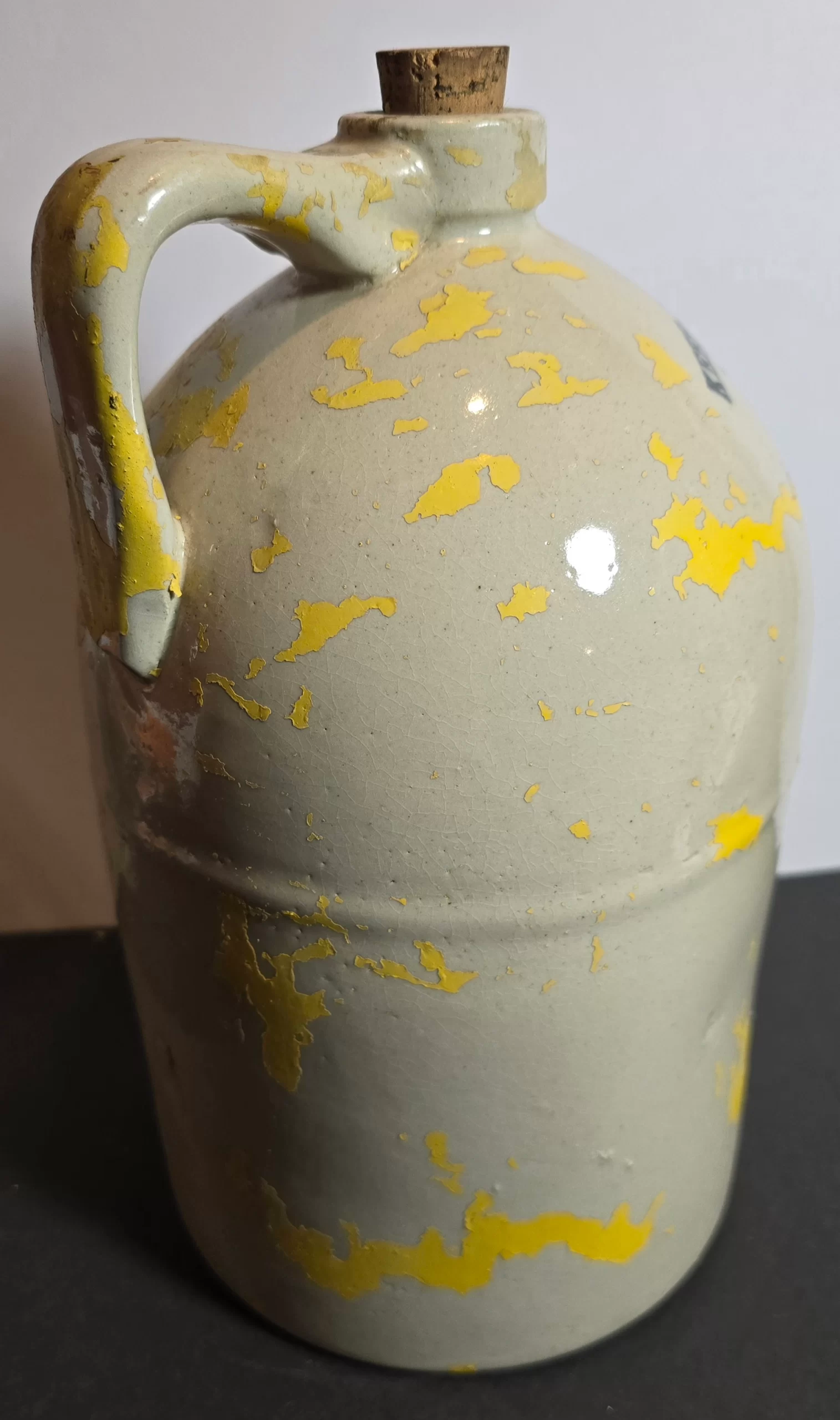
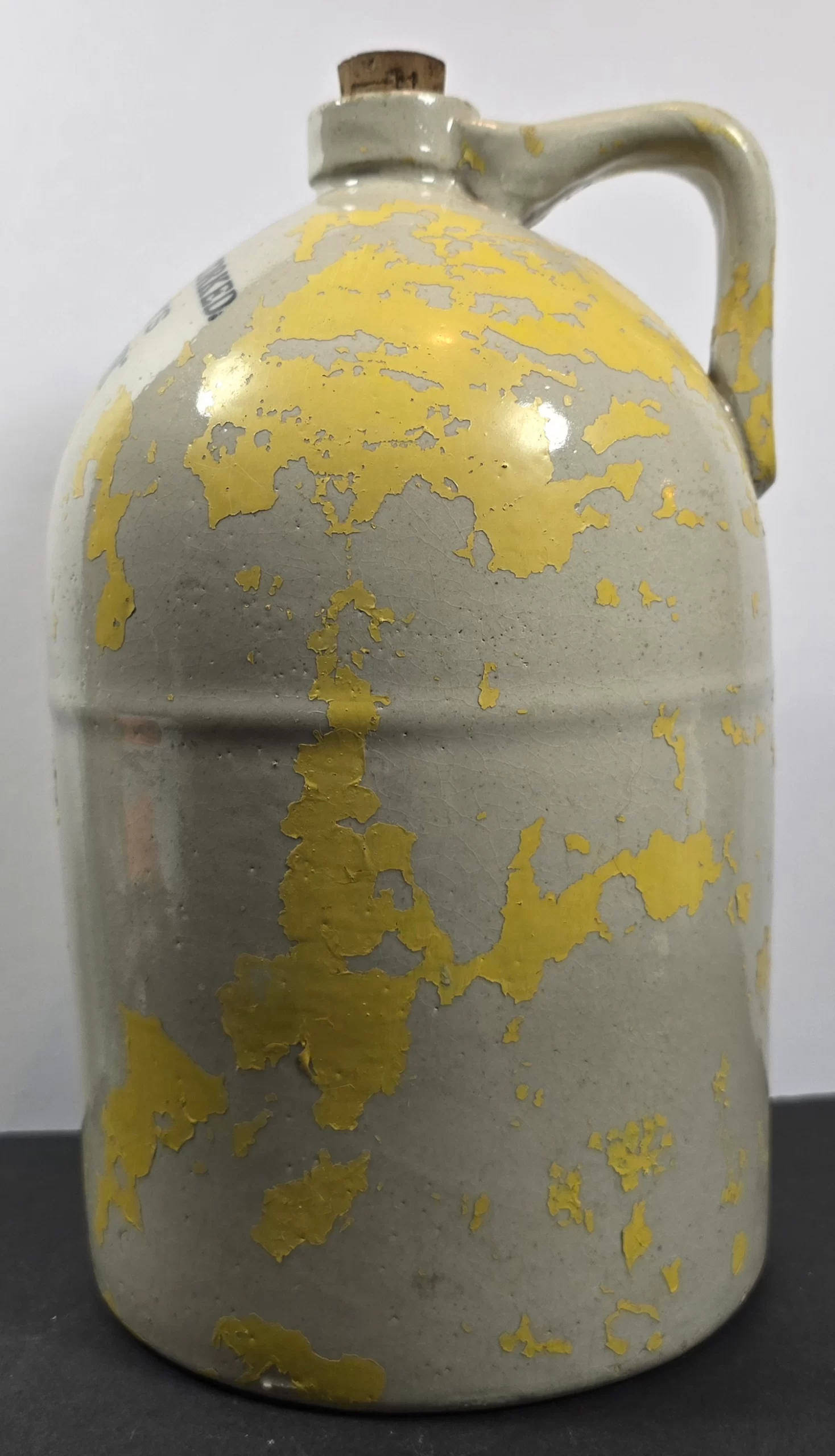
This one-gallon stoneware jug once held Wm. Radam’s Microbe Killer, among the most infamous cure-all patent medicines of the 1880s–1890s. Radam, a German immigrant based in Austin, Texas, claimed to have discovered a liquid that destroyed all disease-causing microbes within the human body. In truth, chemical analyses later proved the “medicine” to be dilute sulfuric acid mixed with a trace of red wine and iron salts. The product was sold in numbered jugs (No. 1–3) through mail order and pharmacies across the United States, accompanied by bold promises of restoring perfect health.
Condition
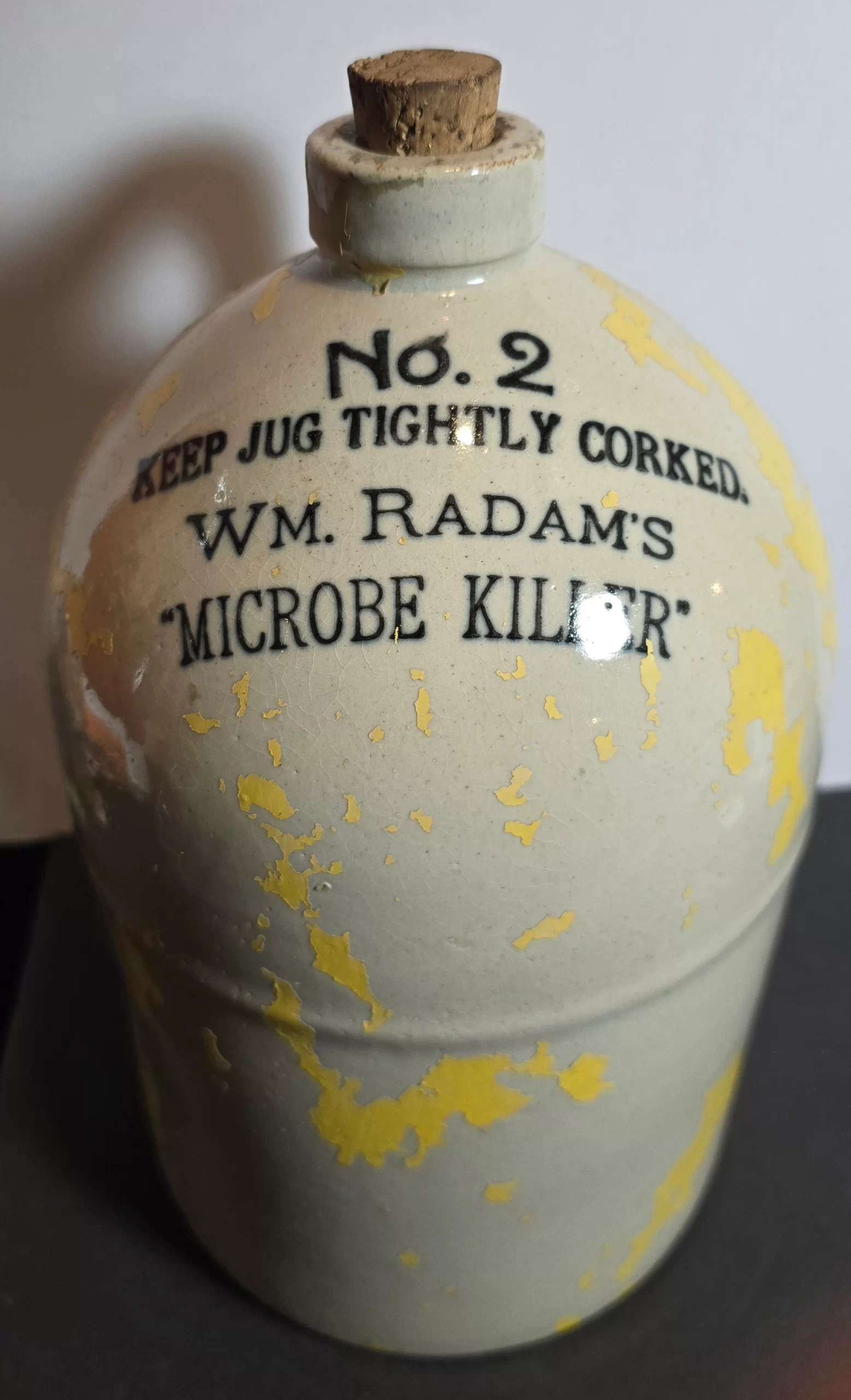
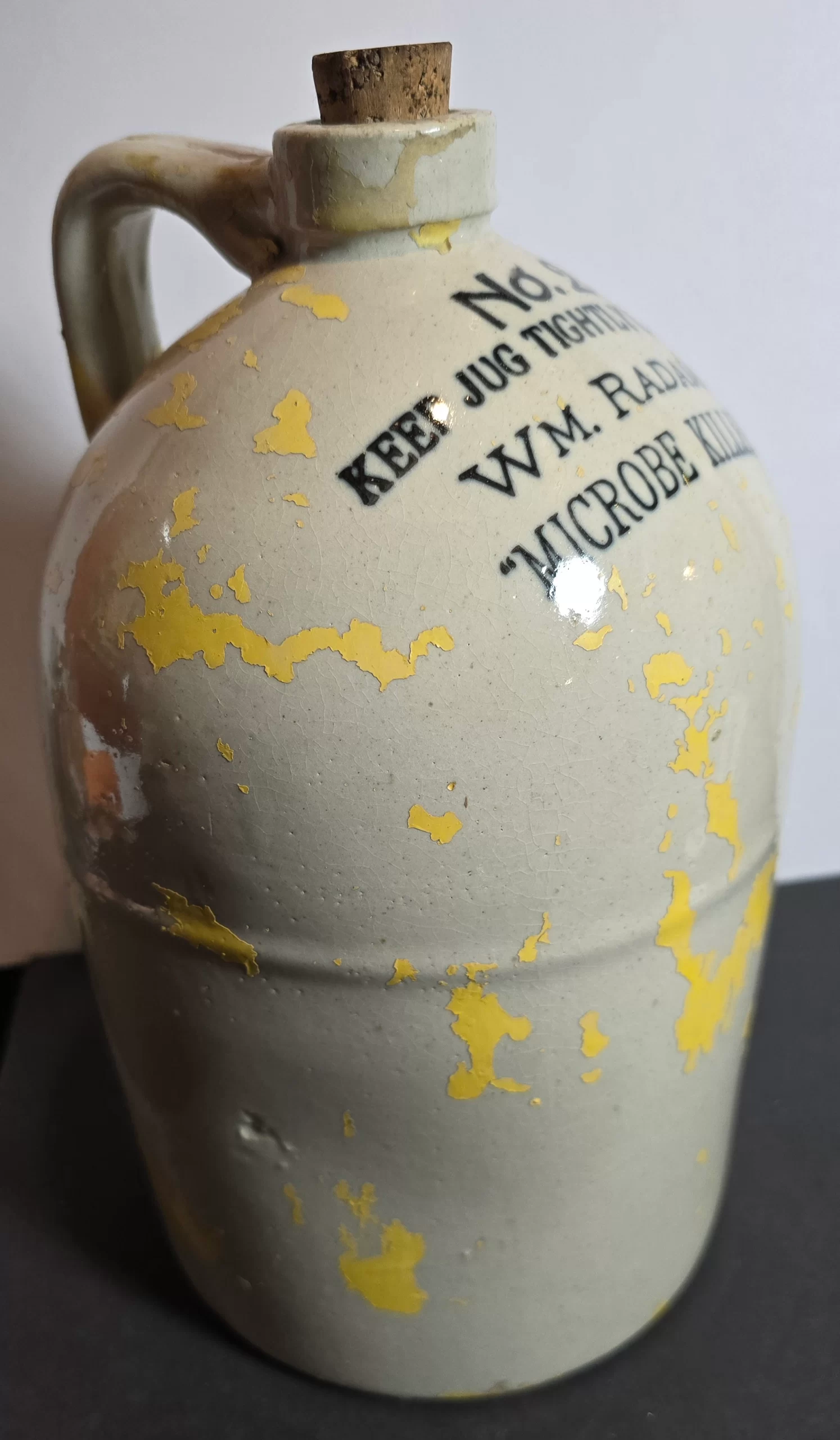
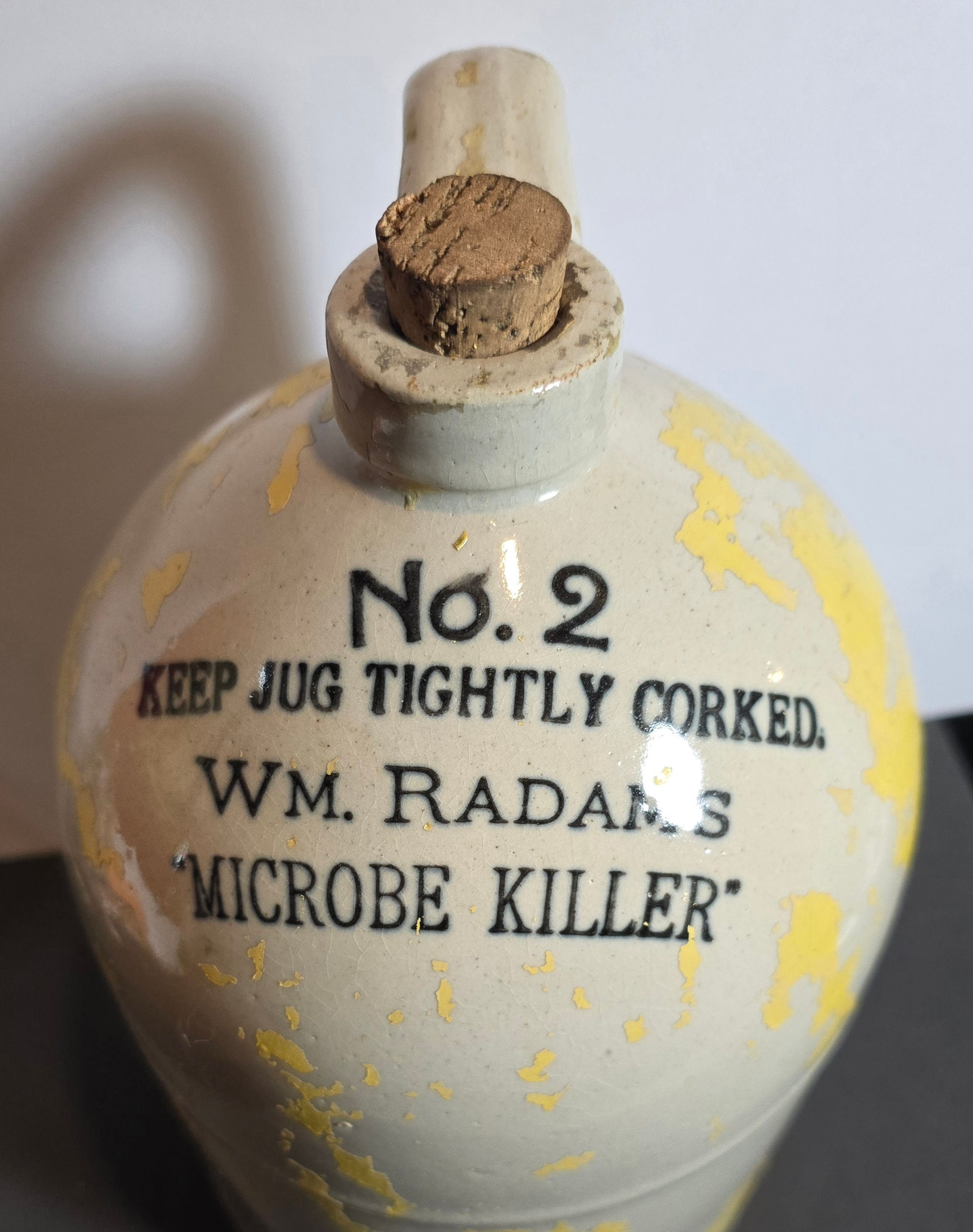
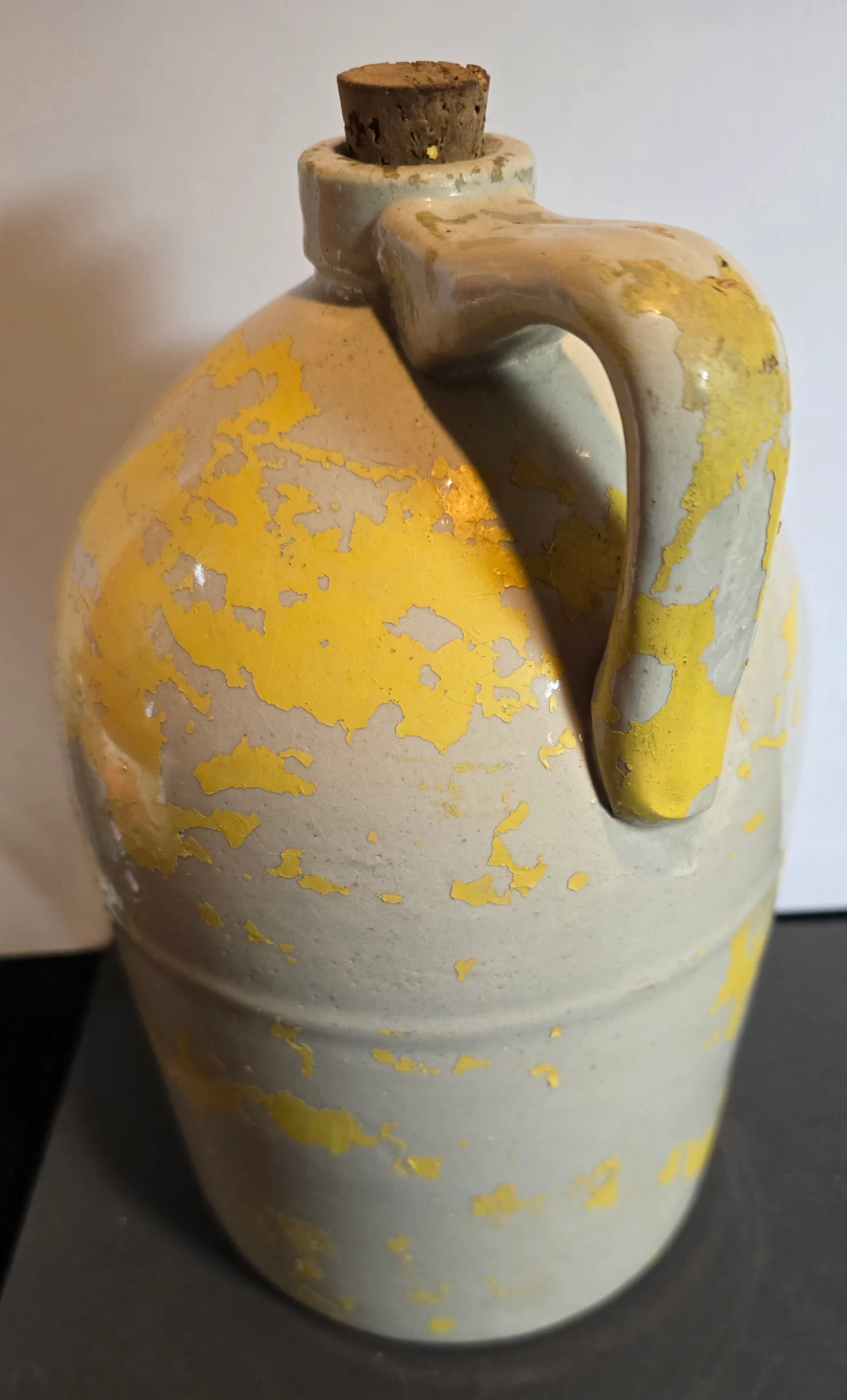
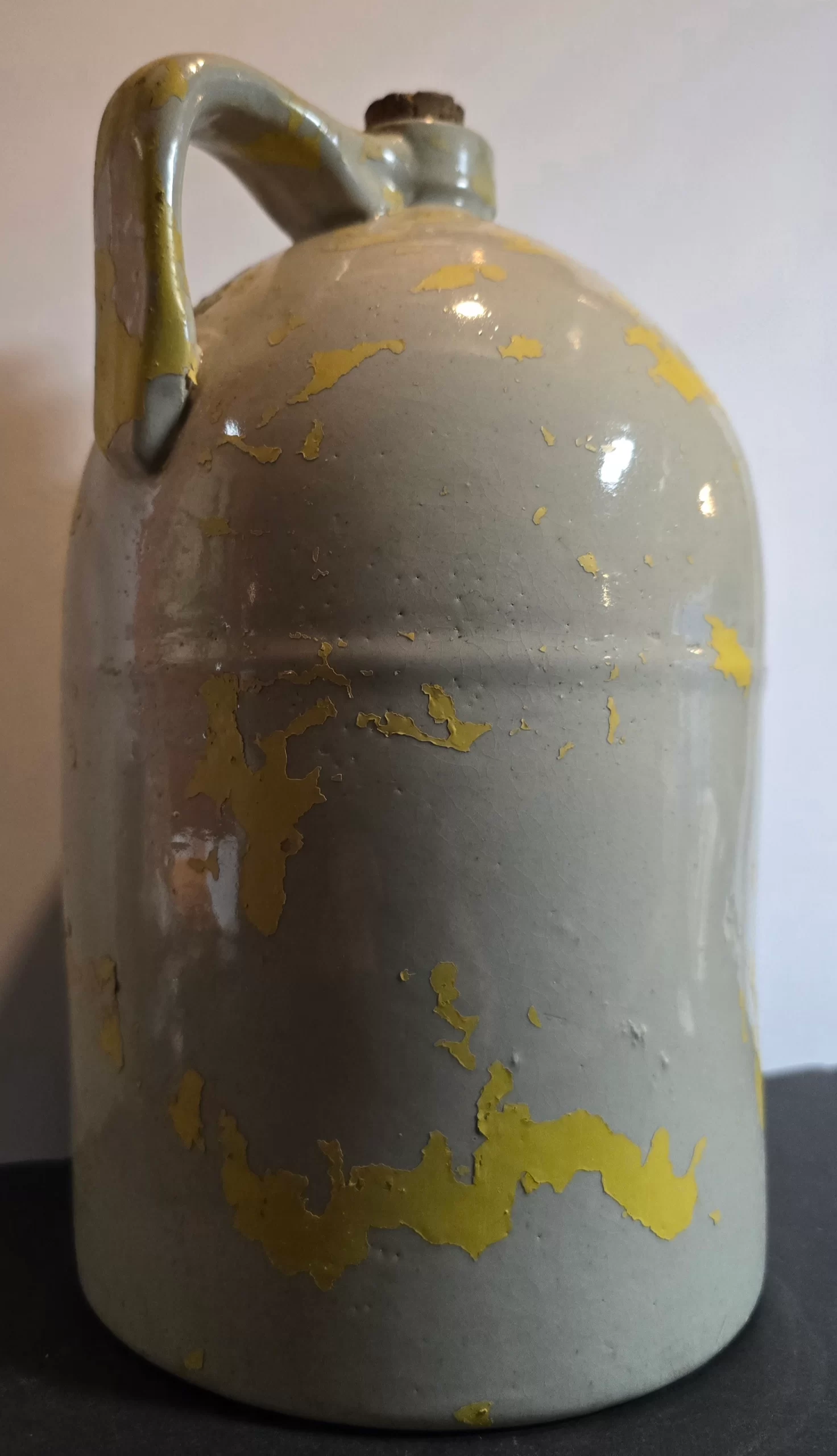
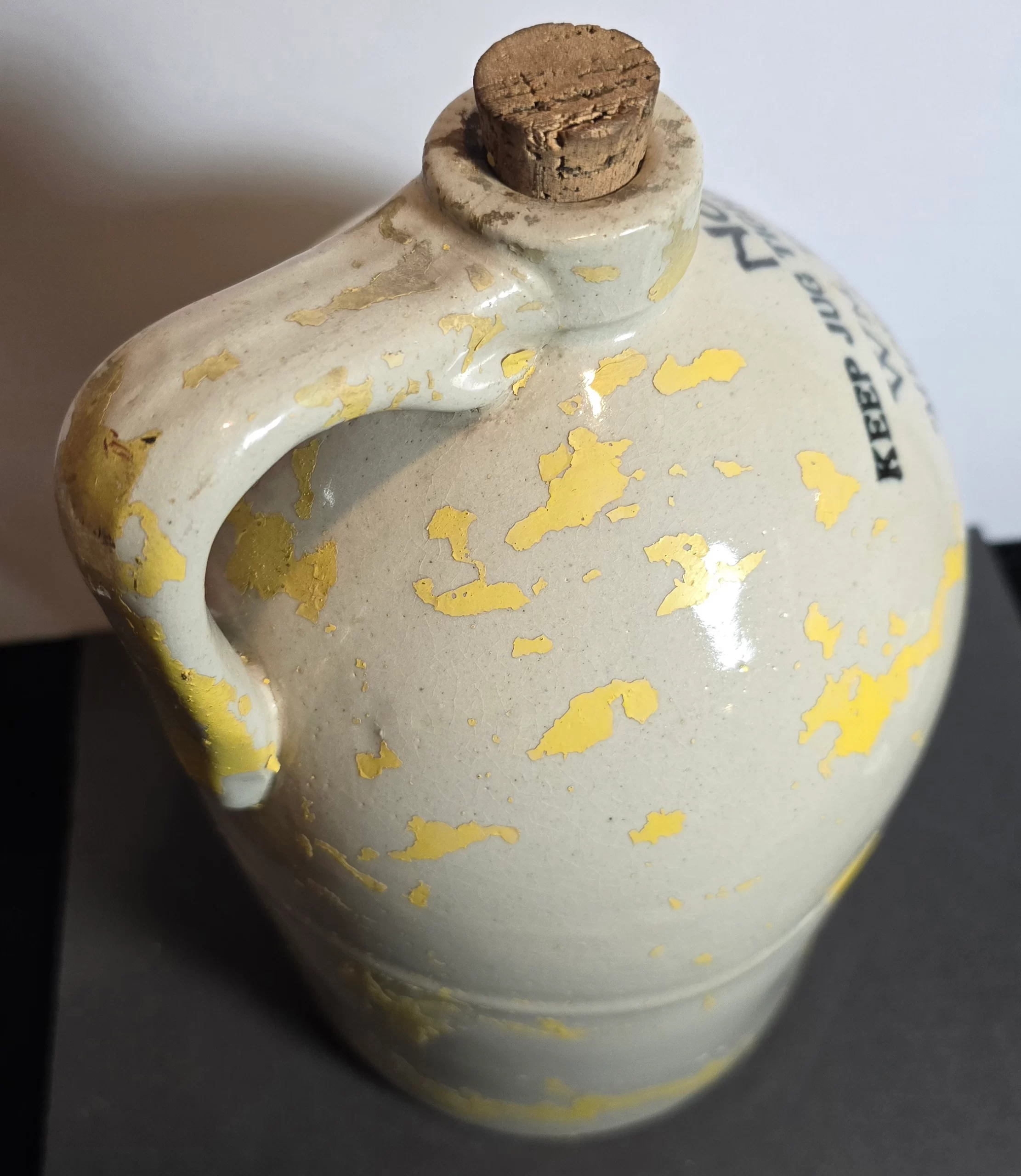
Original glaze with uniform age-related crazing. Loss to old yellow over-paint on shoulder and sides. Lettering remains fully legible. No cracks or structural repairs. Cork present and seated firmly. Displays beautifully.
Gallery
Historical context
Radam patented his “Microbe Killer” formula in 1886 and built an international business before scientific scrutiny—and eventually federal regulation—caught up with him. The product became a prime example in early campaigns by the American Medical Association and the U.S. Department of Agriculture against fraudulent patent medicines. Its jugs, bearing stark black lettering and size numbers, are now iconic relics of pre-FDA medical marketing.
Curious Facts, Ephemera, and Trivia
The Microbe Killer factory once stood in Austin, Texas, producing thousands of gallons per week.
Radam’s advertising claimed the elixir “infuses new life into the blood.”
The word “Microbe” itself was relatively new at the time—Radam cleverly used scientific language to lend legitimacy to quackery.
Surviving full jugs with intact corks are scarce; most were discarded or reused for household storage.
Excerpt
“Wm. Radam’s Microbe Killer purifies the blood and cures every disease without exception—because it kills the germ of disease.”
— Advertising circular, circa 1890
Why it is in the Cabinet
This jug represents both the creativity and the audacity of 19th-century medical entrepreneurs. Its bold lettering, acidic brew, and extravagant claims embody the spirit of the unregulated patent-medicine era—an essential piece of medical-history storytelling in this Cabinet.
Support Dr. Bebout’s Cabinet of Medical Curiosities
If you enjoy the history, the oddities, and the effort, help keep this cabinet open. Every little bit helps preserve and share the strange wonders of medicine's past.
Buy Me a Ko-fi ☕ Buy Me a Coffee ☕ Tip via PayPal 💵